Latest News on iPhone 18: Addressing Imaging Shortcomings, Exclusive 2nm Chip, but AI Remains a Weakness
 04/05 2026
 464
464
AI remains a weakness.
The smartphone market in 2026 is destined to be a year of fierce competition. While the Android camp is Crazy involution (fiercely competing) with AI large models and aggressive hardware upgrades, Apple's pace always seems somewhat leisurely.
However, with continuous leaks from the supply chain, the core strengths of the iPhone 18 Pro series, expected to debut this autumn, have largely been laid bare.
From current leaks, the iPhone 18 Pro not only achieves a generational leap in chip architecture but also makes rare, significant adjustments in design, imaging system, and even release timing.
Yet, in my view, despite this seemingly luxury (luxurious) hardware combination, Apple's software ecosystem and localization experience still face significant crises that remain fundamentally unresolved.
New Color Options and Under-Display Face ID Reshape the Full-Screen Experience
In today's homogenized smartphone landscape, visual distinctiveness often serves as the most direct incentive for consumers to upgrade. This time, Apple has taken a bold step in the industrial design of the iPhone 18 Pro.
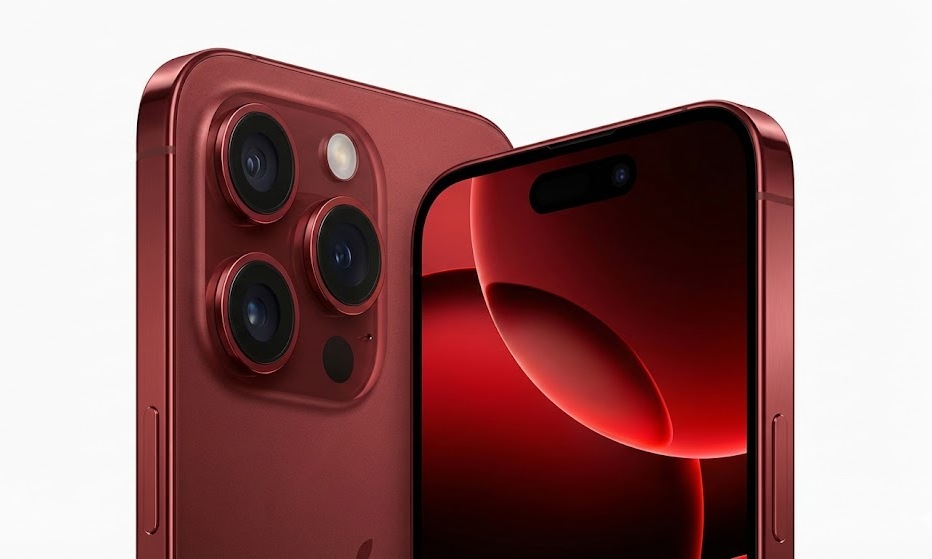
First, there's a departure from classic color options. Reports indicate that the iPhone 18 Pro series will unprecedentedly eliminate the most iconic black version, replacing it with new, highly distinctive color options (rumored to be deep red and coffee tones). In consumer electronics, black has long been a safe choice to guarantee sales.
(Image Source: Gemini)
Apple's decision to remove black is partly to force generational differentiation, making the latest iPhone instantly recognizable. On the other hand, it reflects Apple's attempt to further elevate the Pro series' luxury positioning through more textured, special color palettes.
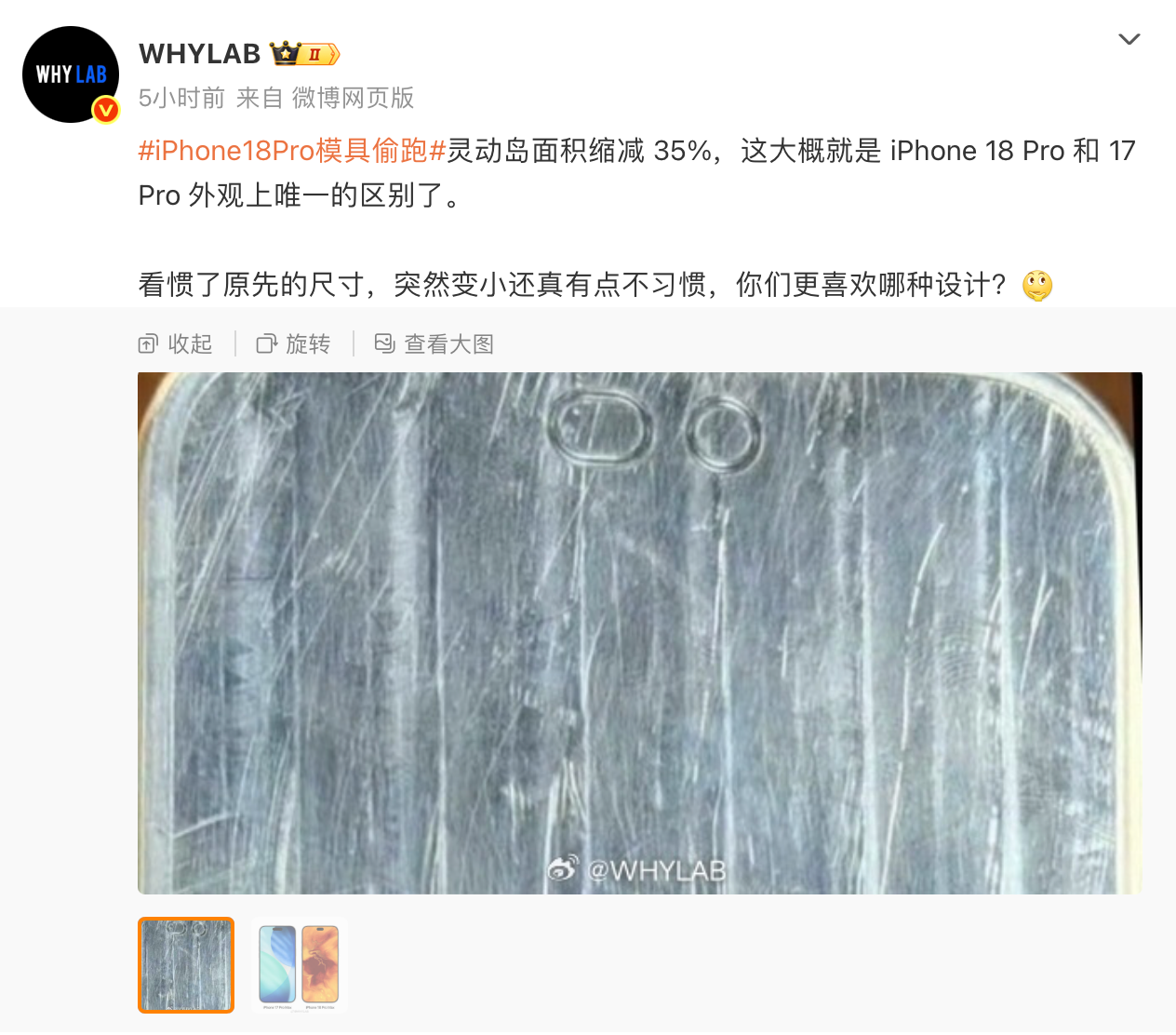
Second, there's an epic evolution in screen design. Since the iPhone 14 Pro introduced the "Dynamic Island," this design—often mocked as a UI workaround for hardware limitations—has persisted for several generations. With the iPhone 18 Pro, thanks to mature under-display sensor technology, Apple will introduce Under-Display Face ID for the first time. Recently,
(Image Source: Weibo)
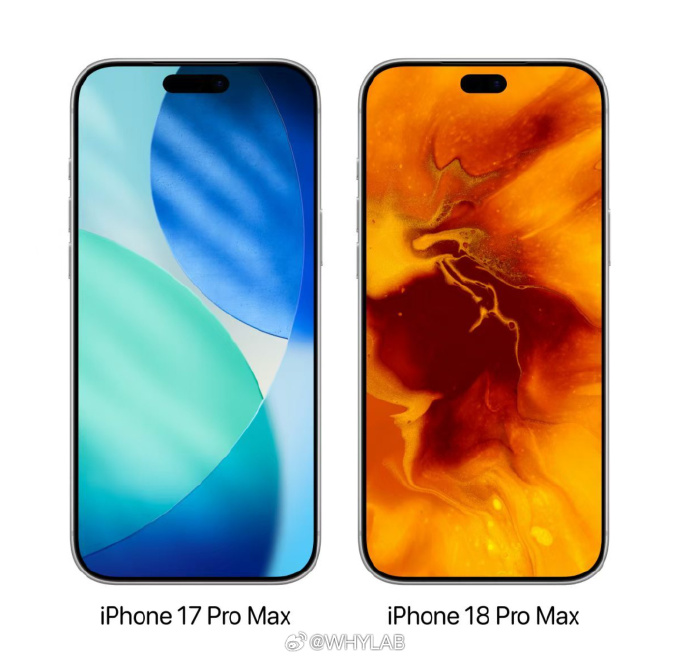
This means the 3D structured light components, which previously occupied significant screen real estate, will be hidden beneath the display panel, leaving only the front camera cutout. The top screen cutout will shrink dramatically from the current "pill" shape to something resembling an "exclamation mark," though the UI will still fill it in as a single pill.
(Image Source: Weibo)
While not yet achieving a true 100% full screen, this represents the most significant leap in iPhone front-facing visual aesthetics in nearly four years. The screen-to-body ratio will improve markedly, and visual immersion will undergo a qualitative transformation.
Exclusive 2nm Chip and Self-Developed Baseband Arrive
If design is the stepping stone (key to entry), then core computing power is the iPhone 18 Pro's strongest fortress. With this model, Apple aims not only to maintain performance leadership but also to address power efficiency concerns in the AI era.
The iPhone 18 Pro will debut the A20 Pro chip, whose standout feature is its exclusive use of TSMC's most advanced 2nm (N2) process and the first adoption of Gate-All-Around (GAA) transistor architecture.
Compared to traditional FinFET architecture, GAA enables more precise current control, significantly reducing leakage. This means the A20 Pro will not only see conventional performance gains but also deliver exceptionally improved energy efficiency—lower heat and longer battery life at equivalent performance levels.
To support the increasingly demanding Apple Intelligence (AI) on-device large models, the A20 Pro's Neural Engine (NPU) computing power is said to have doubled. Thankfully, Apple has finally stopped being "stingy" with memory, equipping all iPhone 18 Pro models with 12GB of unified memory. While not excessive, this is crucial amid soaring memory prices. It represents the hardware baseline for smooth on-device AI operation and leaves room for future iOS updates over the next few years.
Additionally, the self-developed baseband has finally arrived on the Pro series, marking a milestone change. After years of arduous research, Apple is ready to cut its dependence on Qualcomm in the iPhone 18 Pro, adopting its own 5G baseband chip.
Apple had previously tested this on the iPhone 16e and 17e models. This not only further reduces Apple's component procurement costs but also theoretically allows deeper synergy between the baseband and A-series chips, optimizing communication power efficiency. Of course, how Apple's nascent self-developed baseband performs in complex global weak-signal environments—and whether signal issues arise—will be one of the most closely watched suspenses following the phone's release.
Variable Aperture Finally Arrives, Completing Imaging Catch-Up
The most significant imaging upgrade on the iPhone 18 Pro is the introduction of variable aperture technology.
For Android users, this technology is not new, as leading domestic manufacturers like Huawei and Xiaomi have already made it standard on their high-end flagships. However, Apple's entry still holds unique ecological significance.
Traditional smartphone lenses have fixed apertures, while variable aperture allows the camera to physically adjust the opening size of the aperture blades. This brings two direct benefits:
Balancing Low-Light Performance and Image Quality: In low-light conditions, a fully open aperture maximizes light intake, improving night scene clarity. In well-lit environments, a narrower aperture enhances edge sharpness, reducing the edge degradation caused by large apertures.
Authentic Optical Bokeh: Compared to the current iPhone Cinematic mode's software-based "cutout" background blur simulation, physical variable aperture produces far more natural, smoothly transitioning optical depth-of-field effects, with fewer embarrassing errors in hairline edge detection.
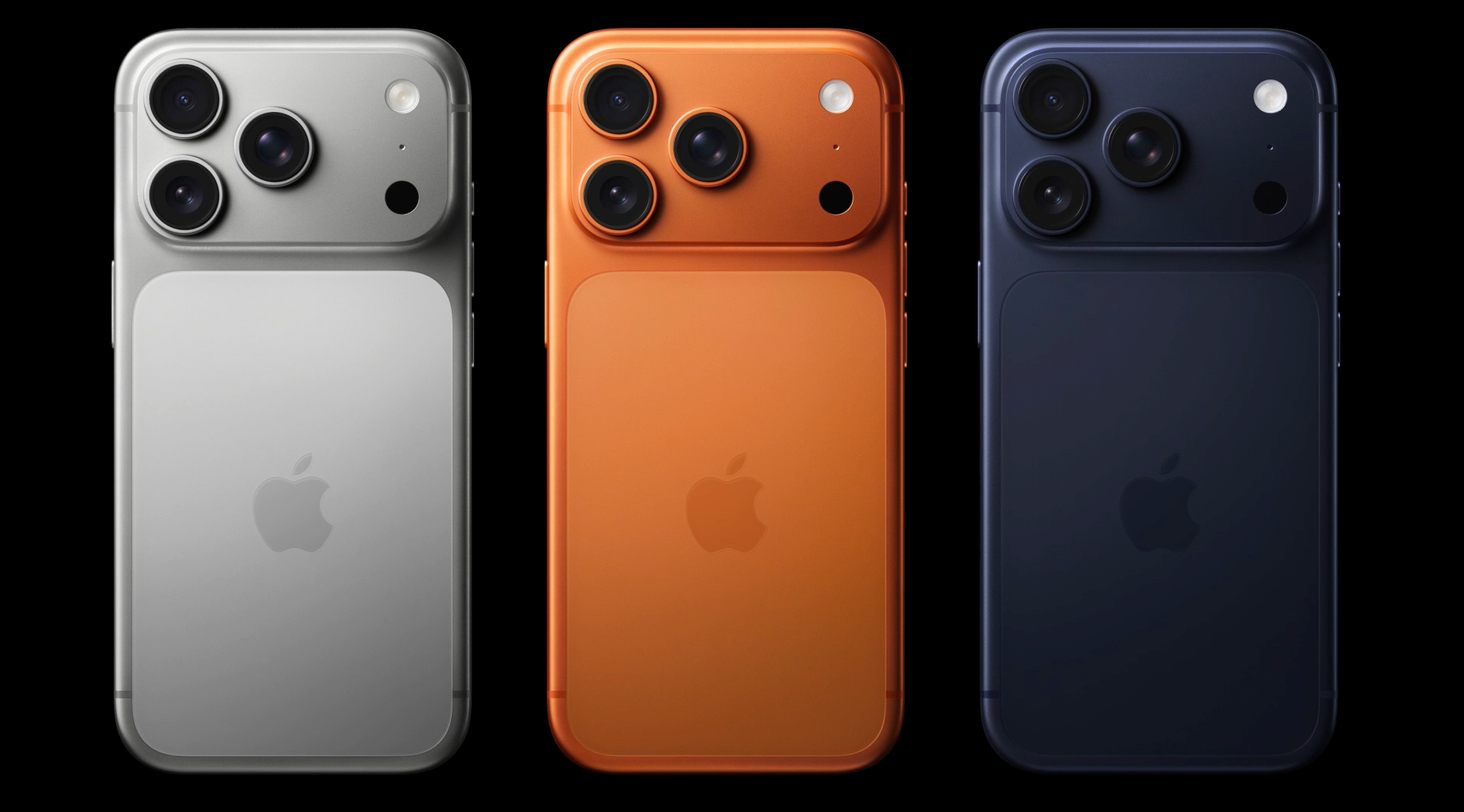
(Image Source: Apple)
In my view, this upgrade, combined with Apple's unparalleled ProRes video recording capabilities, will significantly enhance the iPhone's competitiveness in professional video creation, allowing creators to control video exposure and depth-of-field like using a mirrorless camera. However, for static photography alone, this merely addresses Apple's shortcomings relative to domestic imaging flagships—hardly a revolutionary leap.
Drastic Release Strategy Shift: Standard Model Disappears
Beyond the product itself, the iPhone 18 series has also surprised with an unexpected change in release strategy: this autumn's event will abandon the usual full lineup launch, temporarily introducing only the iPhone 18 Pro and iPhone 18 Pro Max high-end models.
The entry-level and volume-focused iPhone 18 standard model, along with the rumored budget iPhone 18e, will be delayed until early next year.
This highly unusual release rhythm reflects multiple considerations. First is supply chain compromise and prioritization. TSMC's initial 2nm production capacity is extremely expensive and limited, compelling Apple to allocate resources where they matter most—ensuring supply for the highest-margin Pro series.
Second, this represents an extreme form of differentiated marketing. Releasing the Pro series alone during the year's most critical consumer season (Black Friday in the West, Double 11 in China) effectively raises the overall average selling price. Meanwhile, releasing the standard model in spring fills Apple's hardware sales gap during that period, preventing it from being overshadowed by the Pro models' brilliance in autumn.
Additionally, reducing the number of iPhone 18 models debuting likely aims to allocate more exposure to the 50th-anniversary heavyweight product, the iPhone Fold. Apple's first foldable phone will inevitably dominate the event, even overshadowing the 18 Pro. Besides the standard 18 model, the iPhone Air2 might also be delayed until next spring. For users, Apple's flagship new machines this year will likely be limited to the iPhone Fold and iPhone 18 Pro series.
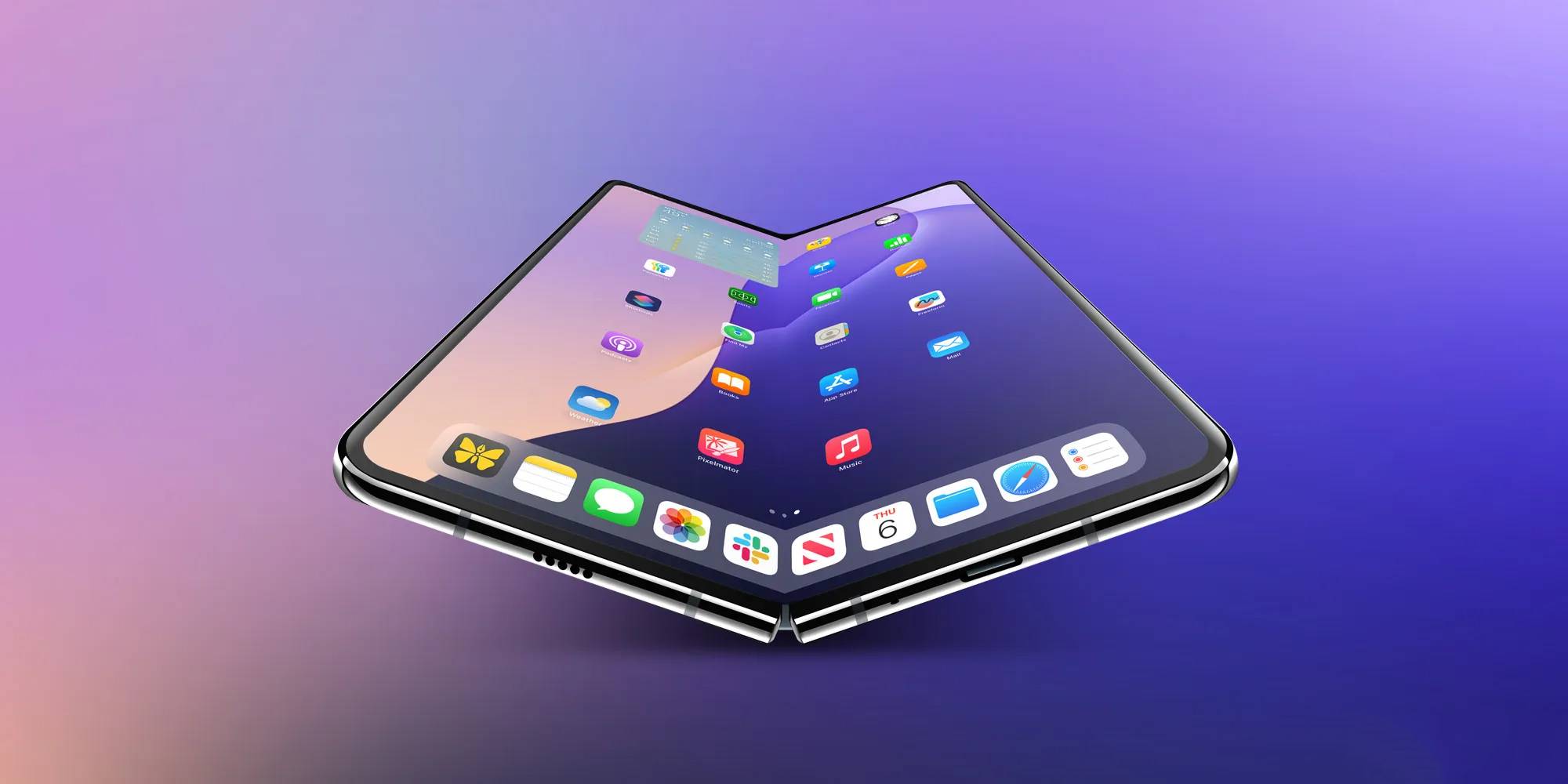
(Image Source: X)
Conclusion: Strengths and Weaknesses Are Both Evident
Based on these leaks, we can clearly outline the iPhone 18 Pro's capabilities.
From a strength perspective, the iPhone 18 Pro still boasts the top-tier hardware foundation in consumer electronics. Its greatest advantage undoubtedly lies in its exclusive 2nm process chip. While competitors struggle with power efficiency and heat, the A20 Pro is poised to reclaim the smartphone energy efficiency crown.
Meanwhile, amid recent supply chain turmoil (e.g., volatile memory chip prices), Apple's unparalleled cash reserves and supply chain mastery have allowed it to secure large stocks of memory and components in advance. This means that while the Android camp may face production constraints or cost-driven price hikes, the iPhone 18 Pro's production will be more secure, even granting Apple greater pricing flexibility.
However, beneath the hardware's shiny exterior, the iPhone 18 Pro faces equally significant crises and concerns.
First is the regional fragmentation of the AI ecosystem. In 2026, where no AI means no flagship status, the Chinese version of Apple Intelligence remains far from implementation. Without this core piece of system-level AI, the iPhone 18 Pro's appeal to domestic consumers will be severely diminished. Even more awkwardly, even in overseas markets where Apple Intelligence has launched, its current functionality appears underwhelming, failing to demonstrate killer experiences capable of driving a super upgrade cycle.
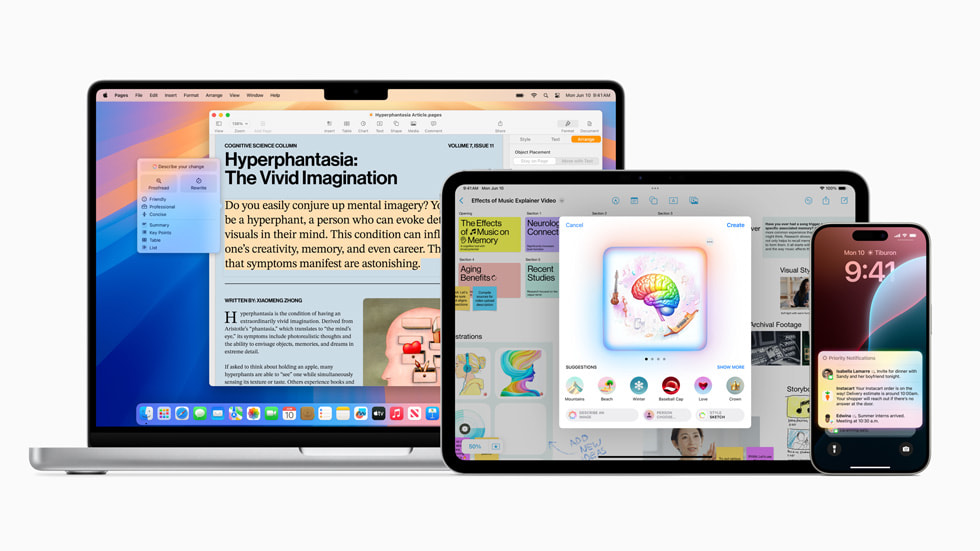
(Image Source: Apple)
Second, imaging incrementalism persists. While variable aperture is welcome, it merely represents Apple catching up to the Android camp. Faced with domestic flagships featuring one-inch sensors, dual periscope zooms, and Leica/Hasselblad co-tuning, the iPhone 18 Pro's overall static photography capabilities still lag noticeably.
Finally, and most critically, iOS's formerly unassailable stability and system advantages are being severely eroded. The recently concluded iOS 26 cycle was disastrous, plagued by frequent, severe bugs affecting daily use—even dubbed the worst iOS version ever by many users. This terrible (terrible) software experience has greatly eroded user trust, undermining confidence in the upcoming iOS 27. When the hallmarks of a lag-free, seamlessly stable system begin to crumble, even the most powerful 2nm hardware will be dragged down by inferior software experiences.
The iPhone 18 Pro is undoubtedly a hardware powerhouse with cutting-edge underlying technology, and the 2nm process advantage should dominate performance benchmarks. However, the 2026 premium phone battle is no longer just about hardware specifications. The Android camp's relentless advances in AI Agents, localization services, and full-focal-length imaging have put unprecedented pressure on Apple.
Armed with the 2nm sword, the iPhone 18 Pro must thoroughly resolve stability issues in iOS 27 and urgently make AI truly functional to win users' hearts—a challenge harder than ever before, even if it secures hardware victory in benchmarks.
Apple iPhone18Pro iPhone18
Source: Leikeji
Images in this article come from: 123RF Royalty-Free Image Library
-
![]()
Smartphone Prices Surge Amid Manufacturer Anxiety
-
![]()
Orbbec Soars to Record Heights, Eyes Further Capital Influx of 980 Million!
-
![]()
Tongding Interconnect Sets Up Shop in Shaoguan with 800 Million Yuan in Registered Capital
-
![]()
Before Kimi’s A-Share Debut, Zhipu Aims to Secure More 'Strategic Funding'
-
![]()
Innovative Leap | Fiber-Pluggable 1470nm Laser Source: Revolutionizing Precision Laser Weeding
-
![]()
73-Day Rapid Listing: Where Does Unitree's Wang Xingxing's 'Sense of Urgency' Come From?
-
![]()
AI Project Mindverse, Backed by Meituan, Faces Data Inflation Allegations Over Its Macaron Product
-
![]()
3000-word In-Depth Analysis | What Makes Physical AI So Magnetic? It Has Captivated Masayoshi Son, Jensen Huang, and Justin Sun All at Once