From Meta to the Supply Chain: These Companies Are Also Reaping Huge Profits in the Smart Glasses Boom
 04/08 2026
 601
601
In 2025, survey data revealed that sales of Ray-Ban Meta smart glasses had exceeded 7 million units. This milestone signified the transition of smart glasses from a mere technological concept to a rapidly expanding consumer electronics product.
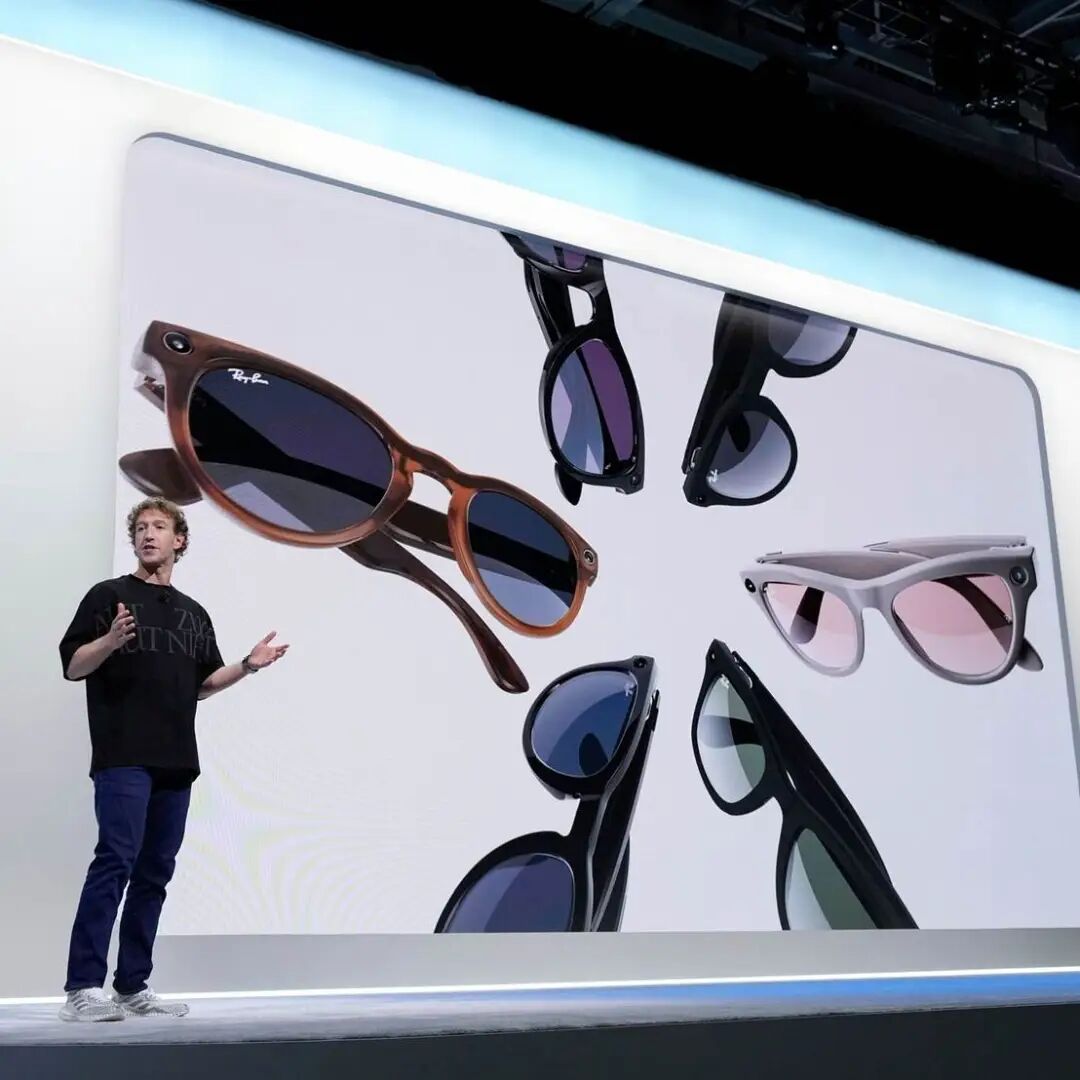
According to research firm Omdia, global shipments of AI glasses reached 8.7 million units in 2025, marking a staggering 232% year-over-year increase. Meta dominated the market with an 85.2% share, selling 7.4 million units and establishing a clear lead. This growth trajectory is set to continue, with Omdia projecting global shipments to surpass 15 million units in 2026, representing a minimum increase of 72%.
Another research firm, Smart Analytics Global, offers an even more bullish forecast: global revenue from AI smart glasses is expected to surge from $1.2 billion to $5.6 billion in 2026, quadrupling in the process; shipments are projected to leap from 6 million to 20 million units.
While most attention is focused on tech giants like Meta, Apple, and Samsung, some investors are shifting their focus along the supply chain to downstream retailers and upstream suppliers. A recent analysis by foreign magazine Barron’s points out that in the smart glasses competition, the real opportunities may lie not with the tech giants themselves but with suppliers and channel partners that provide critical components for the entire ecosystem.
Meta Leads the Way for the Entire Industry
Meta is undoubtedly the frontrunner in this race. Throughout 2025, Meta achieved shipments of 7.4 million units without even entering the Chinese mainland market, representing a 281.3% year-over-year increase and capturing 85.2% of the market share. This advantage stems from Mark Zuckerberg’s strategic vision: the key to integrating superintelligence into daily life is to wear it on your face.
In the latter half of 2025, Meta launched its first consumer-grade AR glasses with display capabilities, the Ray-Ban Display. This marked Meta’s expansion from AI voice glasses to AR glasses with visual enhancement features. On the other hand, Meta has also made further strides in integrating AI glasses into daily life: earlier this month, Meta announced the release of two AI glasses designed specifically for eyeglass wearers, Blayzer Optics and Scriber Optics, targeting the billions of people who require vision correction.

However, competitors are closing in fast.
Apple CEO Tim Cook has made AR glasses a “top strategic priority” for the company, determined to create an industry-leading product that surpasses Meta’s offerings. According to Bloomberg, Apple plans to unveil its first smart glasses, the Apple Glasses, by the end of 2026, with official shipping likely delayed until 2027. The initial product will be positioned as an “iPhone smart accessory,” similar to the Apple Watch, with core selling points centered around voice assistants and AI experiences.
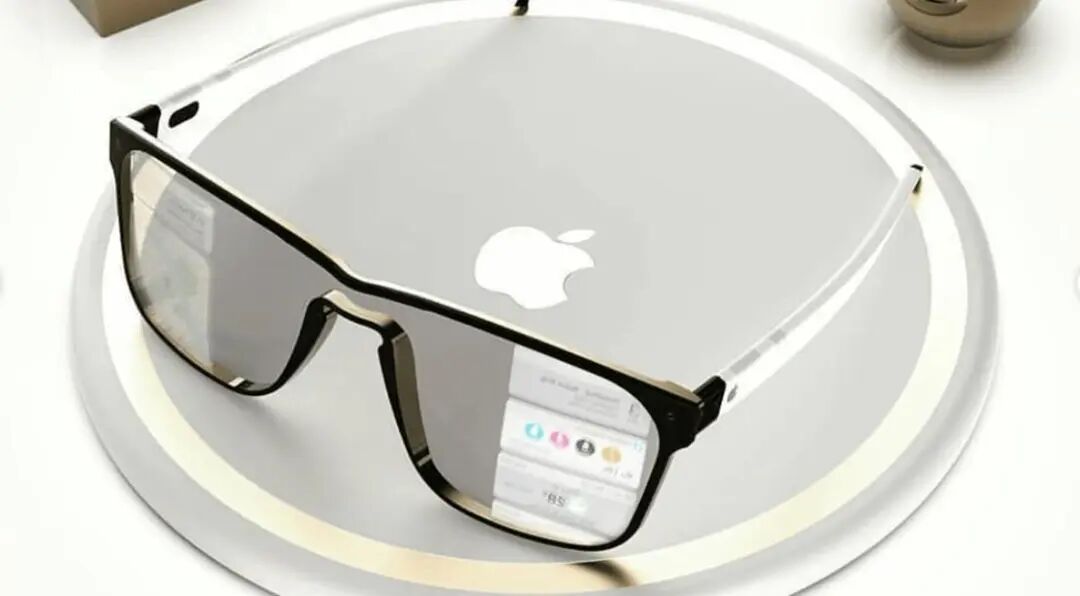
Morgan Stanley analyst Samik Chatterjee predicts that Apple could ship 50 million smart glasses by 2030, generating over $15 billion in revenue.
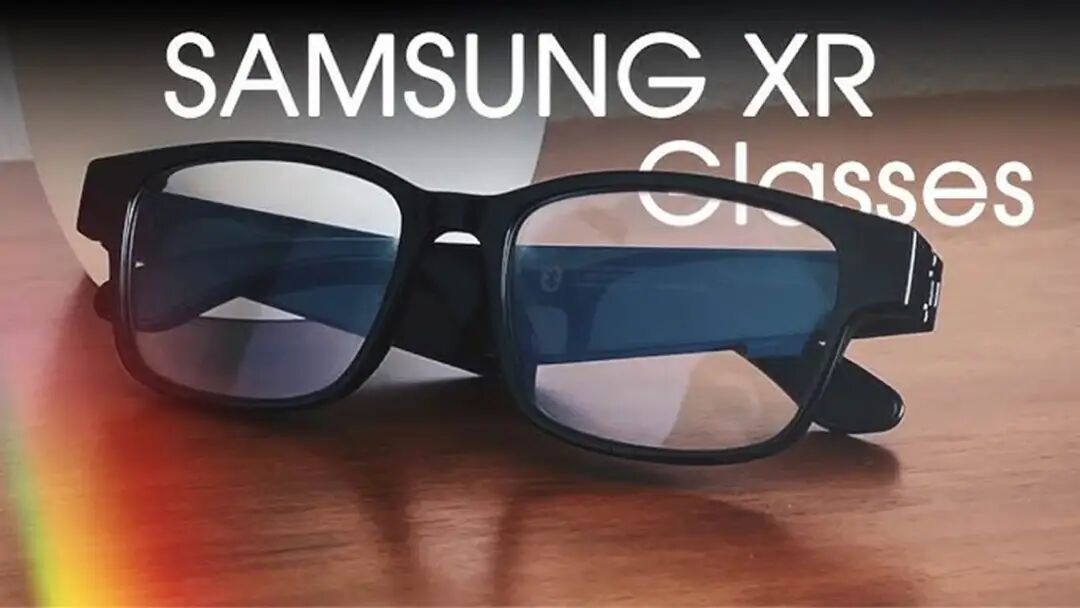
Samsung has chosen to partner with Google. Samsung officially announced that it will launch AR smart glasses, the Galaxy Glasses, powered by the Android XR system later in 2026. These will be available in standard and Ultra versions, with the Ultra version featuring an AR waveguide display. The product will be equipped with Qualcomm’s AR1 chipset, specifically designed for smart glasses, and a 12-megapixel autofocus camera.
Google is also actively involved. In December 2025, Google announced a joint development of smart glasses with Chinese AR company XREAL, confirming a market launch in 2026. This product is positioned as the “official reference hardware” for the Android XR operating system, aiming to deeply integrate the Gemini large model with the glasses’ cameras and sensors to enable environmental perception and interaction.
Tech giants are flooding into this space from all directions, but given their scale, the smart glasses business is unlikely to significantly impact their overall revenue in the short term. The companies most likely to deliver value first are often smaller, more agile players.
Channels and Manufacturers: The Unsung Heroes Behind Meta’s Success
If Meta is the “protagonist” in the smart glasses field, its partner EssilorLuxottica is the earliest “supporting actor” to reap the rewards.
As the parent company of Ray-Ban and Meta’s manufacturing partner, EssilorLuxottica saw its stock price hit an all-time high in 2025 due to surging smart glasses sales and rumors of a $3.5 billion investment from Meta. Its market value exceeded $100 billion, ranking it among Europe’s top 30 publicly traded companies.
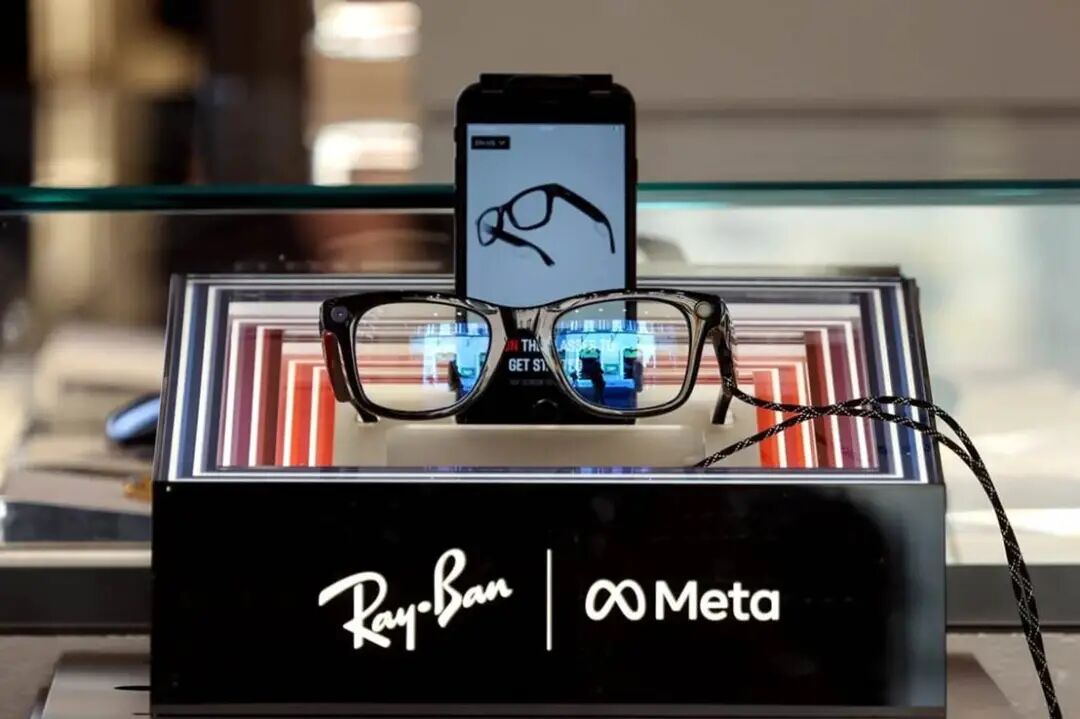
However, with news of Apple and Google’s impending entry, market concerns over intensified competition have caused the stock to retreat sharply—but this also underscores that before the giants clash head-on, the channel and manufacturing ends may offer more certain opportunities.
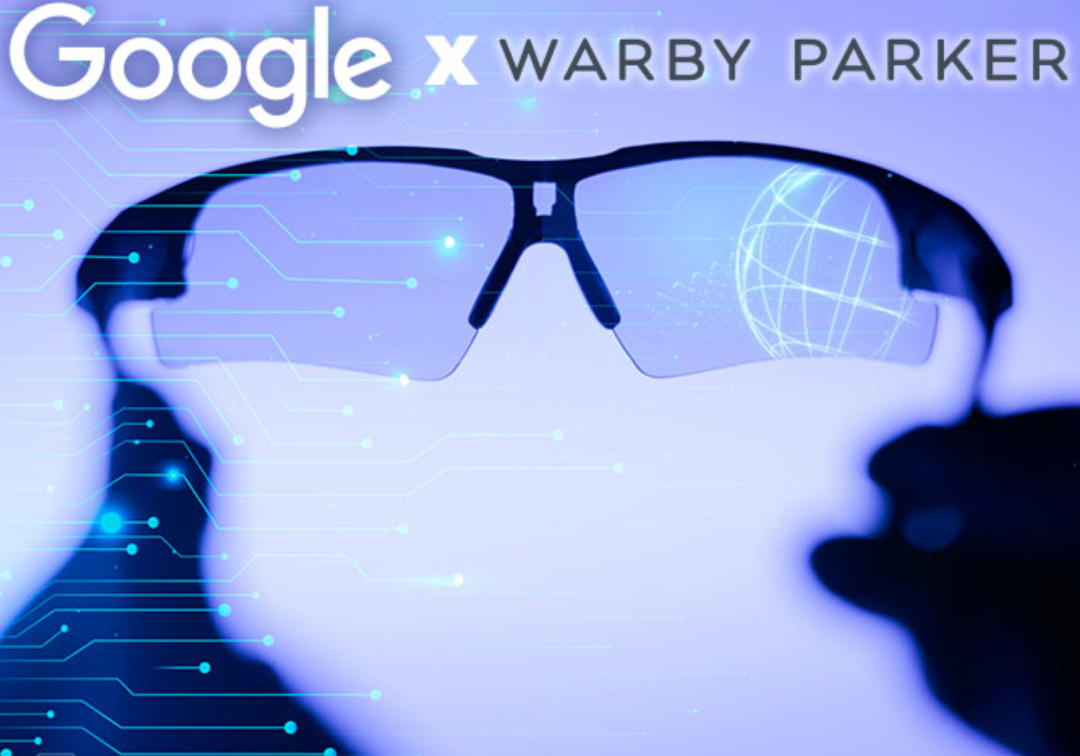
In the U.S. market, two major eyewear retailers are each “taking sides.” Warby Parker became Google’s glasses partner, with Google committing up to $150 million in investment for product development. Warby Parker’s stock price surged nearly 16% on the announcement day. Stifel analyst Peter McGoldrick predicts that the partnership with Google and Samsung could enable Warby Parker to capture twice the market share in smart glasses as in traditional eyewear, with estimated sales of about 700,000 smart glasses by 2030, or up to 4 million in an optimistic scenario.
Another retailer, National Vision, has chosen to align with Meta, planning to fully roll out Meta smart glasses across all stores by the end of the second quarter of 2026. UBS analyst Michael Lasser expects that by 2030, smart glasses could contribute about 10% of National Vision’s sales and an even higher proportion of profits. Additionally, the stock has more than doubled in the past year.
Similar channel partnerships are emerging in the Chinese market. Industry information shows that domestic leading eyewear retailers like Doctor Glasses have become important offline channel partners for smart glasses brands. IDC expects China’s smart glasses shipments to reach 4.51 million units in 2026, a 78% year-over-year increase. Smart glasses have been included in China’s “national subsidy” catalog for the first time, with subsidies set at 15% of the product’s sales price, capped at 500 yuan, further stimulating the mass consumer market—next, these leading manufacturers stand to benefit.
On the manufacturing side, Chinese manufacturers have secured a critical position in the global smart glasses supply chain by leveraging their complete supply chain advantages. Shenzhen’s Bao’an District has even formed a “5-kilometer industrial cluster”—all components for an AI glasses can be sourced within a 5-kilometer radius. Additionally, ODM/OEM manufacturers like Luxshare Precision and Tanjent are deeply deploying in the smart glasses contract manufacturing sector.
Chips: The “Brain” of Smart Glasses and a Hotbed for Capital
The computing power of smart glasses determines the upper limit of their intelligence. In this field, Qualcomm has secured a clear first-mover advantage.
Qualcomm’s chips are currently the core processors for Meta’s smart glasses, with the company targeting over $2 billion in revenue from extended reality devices, including smart glasses, by 2029. Qualcomm CFO Akash Palkhiwala told Barron’s that the company has already “far exceeded this goal.”
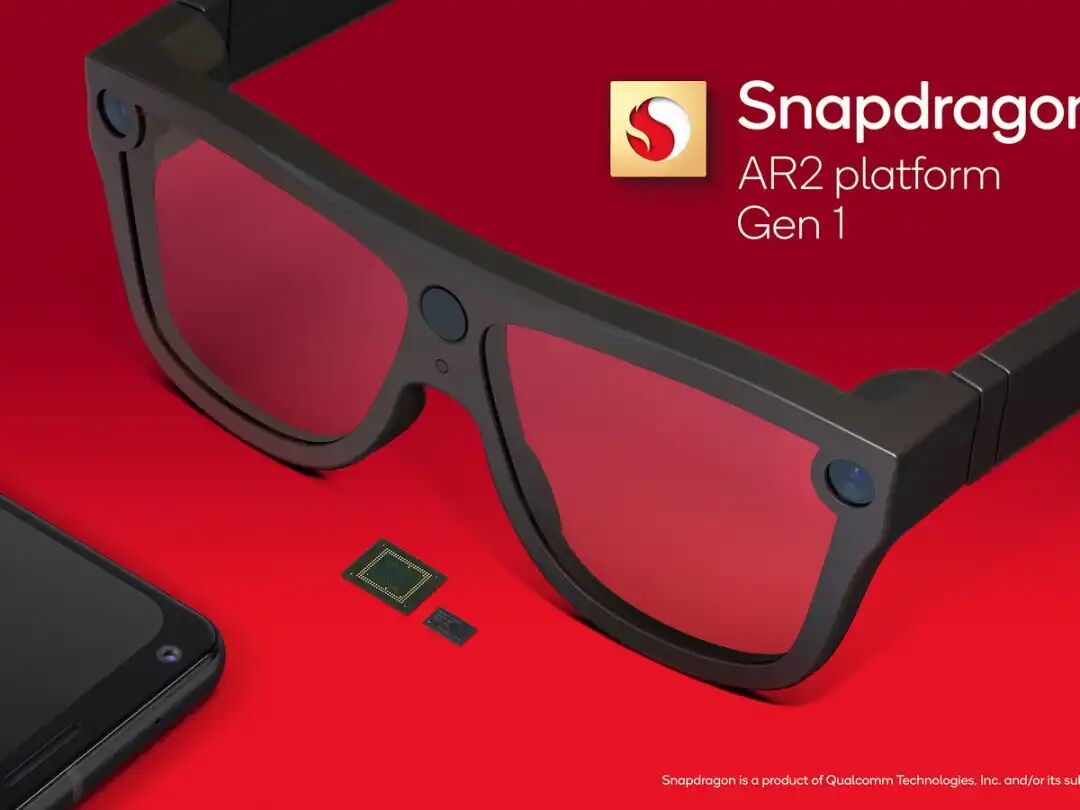
He further elaborated on his outlook for smart glasses: “Smart glasses can see what you see, hear what you hear, and you can interact with them as naturally as talking to a real person. They are perfectly suited for agent-based AI experiences.” However, due to market concerns over slowing growth in Qualcomm’s core smartphone business, its stock price has fallen 23% in the past 12 months. For investors, this may present an opportunity to participate in smart glasses growth at a lower price.
Shay Boloor, chief market strategist at Futurum Equities, bluntly stated: “Qualcomm is the most critical commercial supplier because it is already at the core of Meta’s smart glasses plans and has the broadest commercial wearable/extended reality platform.”
Following closely is GlobalFoundries. This chip foundry produces components for displays and radio signals, and its display technology will play a pivotal role in the market’s transition to smart glasses with built-in screens.

GlobalFoundries senior vice president Faisal Saleem painted a vivid market outlook: if 10% of eyeglass wearers switch to smart glasses, that means 300 million users replacing their glasses every two years. “For all foundries, this represents an opportunity exceeding $1 billion. I believe we have a strong chance to become the leader in this category.”
Domestically, chip localization is accelerating. China Merchants Securities research notes that in AI camera-audio glasses, chips account for over one-third of the cost. Domestic chip manufacturers like HiSilicon, Rockchip, and Bestechnic have already deployed in the smart glasses main control chip sector, poised to gain a share as domestic smart glasses brands rise.
Batteries and Optical Technologies: Overlooked but Critical Links
If chips are the “brain” of smart glasses, then batteries are their “heart.” However, within the extremely constrained form factor of glasses, battery technology has been one of the biggest bottlenecks.
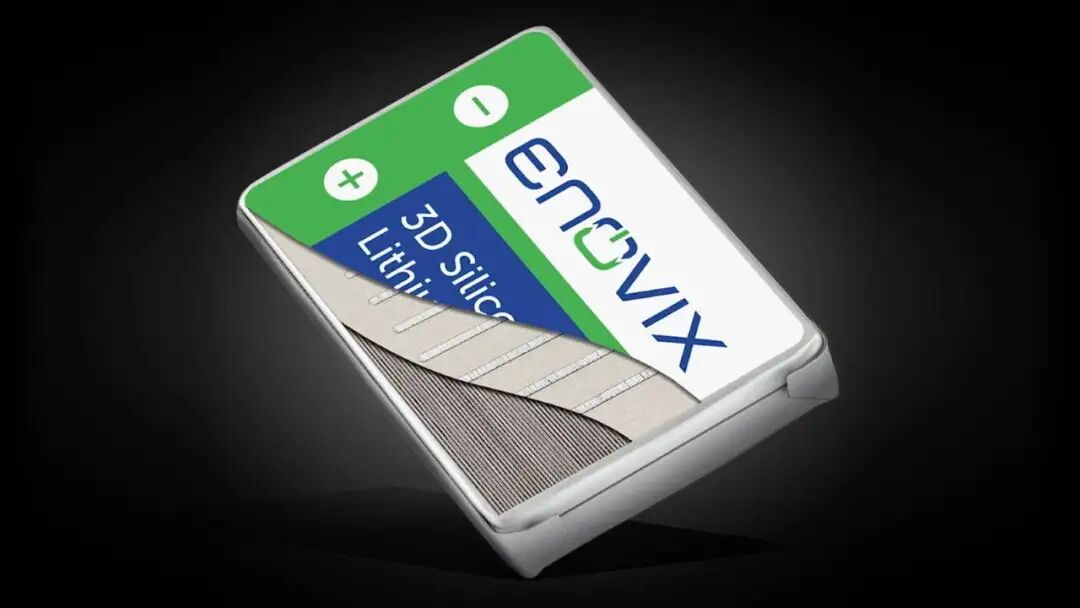
Enovix, a Nasdaq-listed company specializing in high-energy-density silicon-anode batteries, is worth watching, according to Benchmark Research analyst Mickey Legg. He gave the stock a “buy” rating with a target price of $25. Over the past year, Enovix’s stock price has fallen about 40% due to weakness in the smartphone market. But Legg believes the smart glasses market is still in its early stages and lacks a clear leader, presenting Enovix with an opportunity to seize the initiative.
Beyond batteries, optical displays account for the highest cost proportion in smart glasses. China Merchants Securities research analyzes that micro-displays and optical modules account for over half of the cost in AI display glasses. Currently, the Micro OLED + BirdBath solution is mainly used for indoor viewing, while the Micro LED + diffractive waveguide solution is suitable for outdoor and professional scenarios.
In the waveguide technology field, Chinese manufacturers like Goertek have achieved over 80% yield rates for their self-developed StarG-E1 full-color modules, with the domestic supply chain rapidly catching up to international advanced levels.
Summary: The “Hundred-Glasses War” Has Entered the Ecosystem Competition Phase
The Chinese market in early 2026 is described by the industry as a continuation of the “hundred-glasses war.” According to Smart Analytics Global, Chinese manufacturers occupied four of the top five spots in the global AI smart glasses market in 2025—Rokid, Huawei, Xiaomi, and Thunderbird Innovation trailed only Meta. IDC data shows that China’s smart glasses market has a five-year compound annual growth rate of 55.6%, the highest globally.
Across the entire upstream and downstream channels, various players have their specialized focuses: for example, Warby Parker competes directly with Meta by investing in Google partnerships, while National Vision relies on physical store layouts to attract consumers. Additionally, there are Qualcomm and GlobalFoundries supplying core chips, as well as Chinese manufacturers deeply entrenched in batteries, optics, contract manufacturing, and other fields. These players, not tech giants, are shaping the rules of the smart glasses ecosystem in their own ways.
Market research institution SAG predicts that by 2030, global shipments of AI smart glasses will reach 75 million units, with revenues soaring to $29 billion. Apple, Samsung, and Meta are expected to become the top three global suppliers of AI smart glasses, while the market will undergo accelerated consolidation starting from 2026.
For investors, the industrial chain transformation driven by smart glasses is still in its early stages. Rather than directly betting on a specific tech giant, it may be wiser to focus on companies that provide core products in key segments of the industrial chain. Whether they are suppliers of upstream chips and optical modules or downstream distributors connecting with consumers, these companies are expected to achieve above-average growth in this industry upgrade, transitioning from niche adoption to everyday use by the masses.
As one industry analyst put it: 'The endgame of the smart glasses market may still be far off, but there will be beneficiaries at every stage along the way.'
Text by / Jacaranda
(All images not specifically credited are sourced from the internet)
-
![]()
Smartphone Prices Surge Amid Manufacturer Anxiety
-
![]()
Orbbec Soars to Record Heights, Eyes Further Capital Influx of 980 Million!
-
![]()
Tongding Interconnect Sets Up Shop in Shaoguan with 800 Million Yuan in Registered Capital
-
![]()
Before Kimi’s A-Share Debut, Zhipu Aims to Secure More 'Strategic Funding'
-
![]()
Innovative Leap | Fiber-Pluggable 1470nm Laser Source: Revolutionizing Precision Laser Weeding
-
![]()
73-Day Rapid Listing: Where Does Unitree's Wang Xingxing's 'Sense of Urgency' Come From?
-
![]()
AI Project Mindverse, Backed by Meituan, Faces Data Inflation Allegations Over Its Macaron Product
-
![]()
3000-word In-Depth Analysis | What Makes Physical AI So Magnetic? It Has Captivated Masayoshi Son, Jensen Huang, and Justin Sun All at Once