Three-Month iPhone Air Review: Impressive Battery Life, but Gamers Should Steer Clear
 04/09 2026
 462
462
"A nightmare" for single-phone users, but "a dream come true" for those with two phones.
In September 2025, Apple unveiled the iPhone Air, quickly earning the reputation as the "biggest flop in iPhone history." However, history has a way of repeating itself—much like the iPhone XR before it, even a seemingly underpowered iPhone can become a sensation if the price is right. In January 2026, Apple's Tmall flagship store and other retailers slashed prices on the iPhone Air by up to 2,000 yuan, giving its sales a much-needed boost.
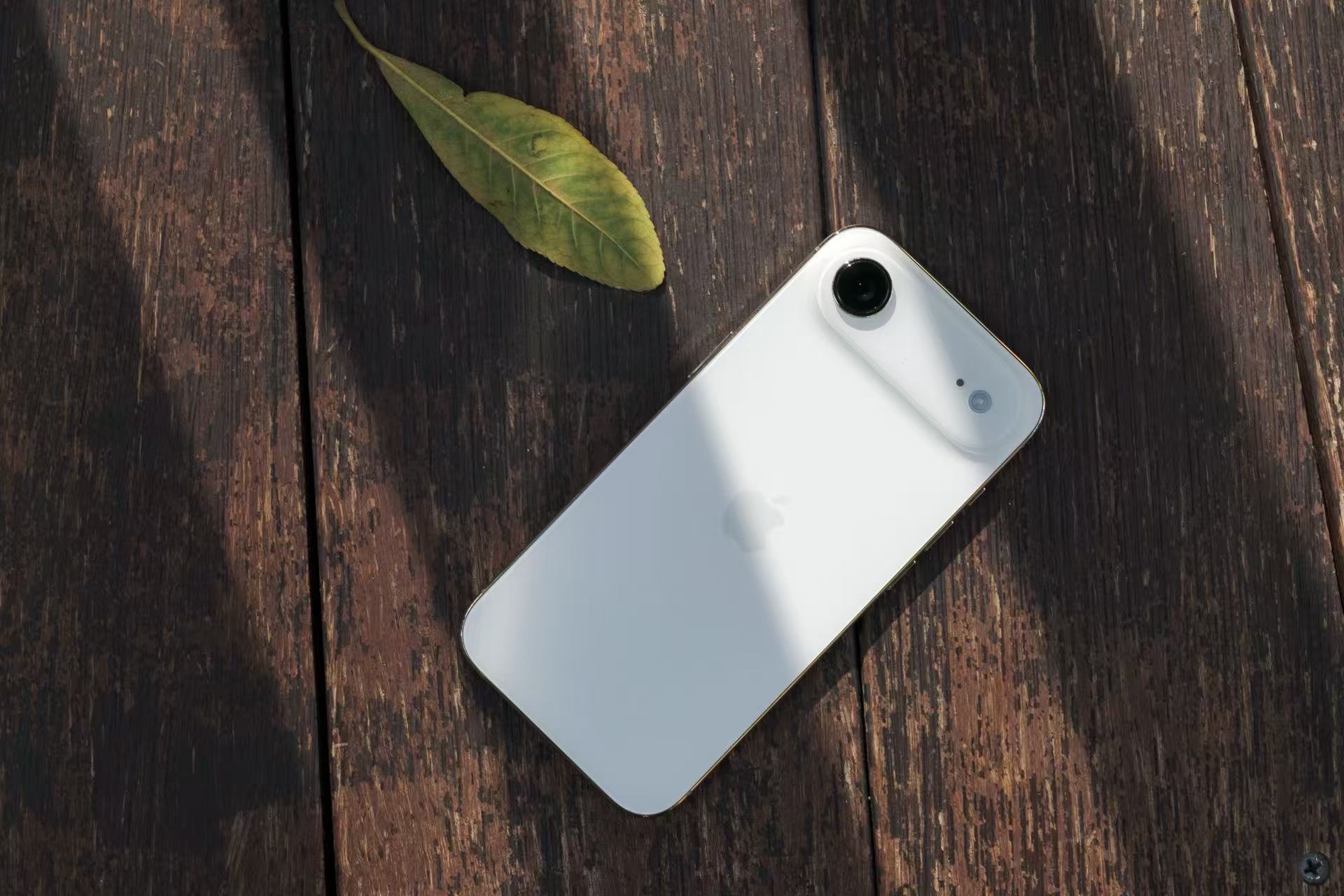
Image source: Leitech
Even our own Xiao Lei succumbed to the discounts, trading in his old iPhone for the Air. So, after two and a half months of use, how has my opinion of this device evolved?
Battery Life: Thin but Mighty, On Par with the iPhone 16 Pro
Perhaps due to the early release of the Samsung Galaxy S25 Edge, skepticism loomed over the battery performance of ultra-thin phones like the iPhone Air. Admittedly, with a 3149mAh battery, it's not exactly a powerhouse by modern standards.
Yet, surprisingly, based on my daily routine—leaving home with a full charge, playing Arcade games for 30 minutes at noon, streaming videos while cooking in the evening, and occasional MagSafe charging throughout the afternoon—the iPhone Air consistently retains around 50% battery life by the time I return from work.
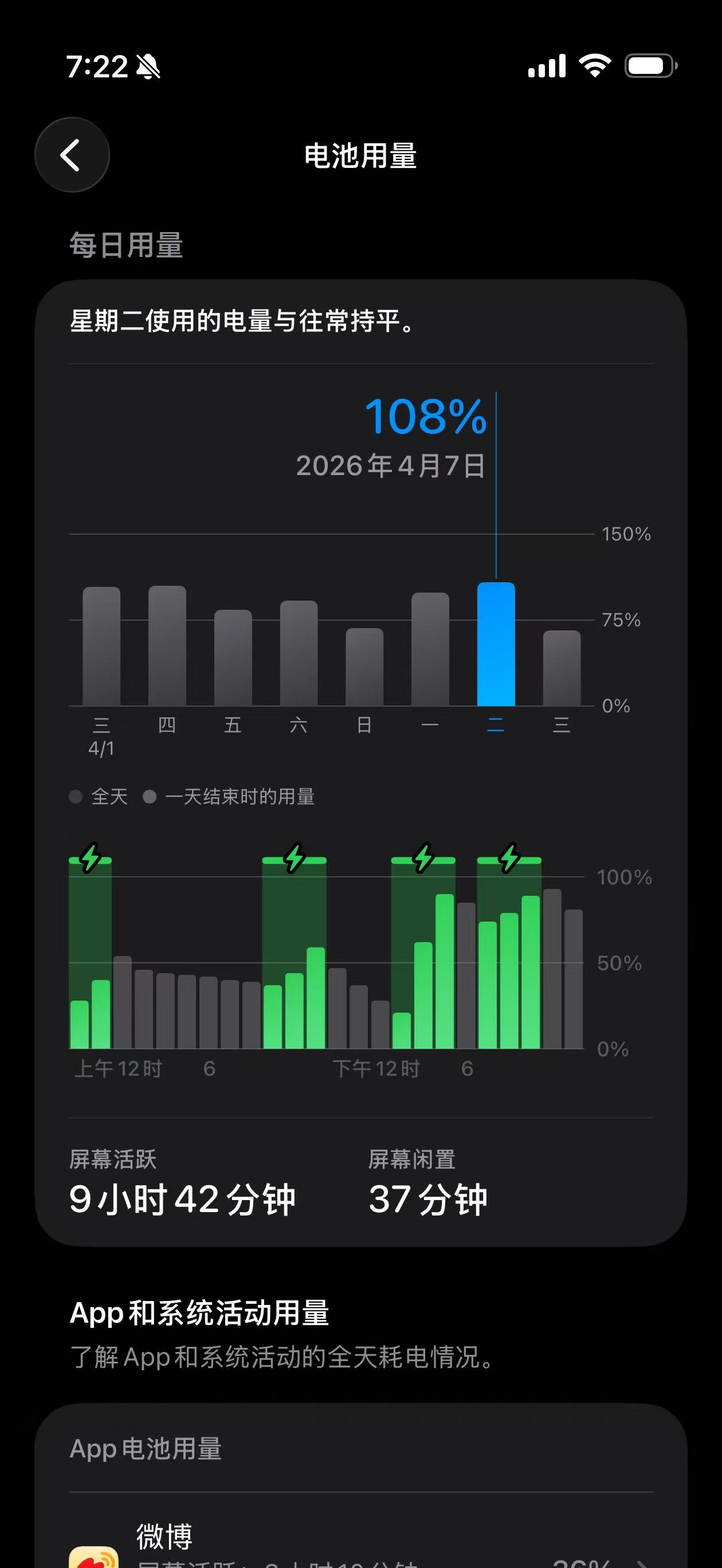
Image source: Leitech
Even if I forget to charge it overnight, a quick top-up using MagSafe chargers in my car or at my desk keeps it going. If you're already using a non-Plus or non-Max iPhone, battery life shouldn't be a deal-breaker with the iPhone Air.
Of course, for those prone to forgetting to charge before bed, domestic Android phones offer a compelling alternative with their lightning-fast charging speeds. Take the OPPO Find X9 Pro I'm currently using, for example: even if the battery is completely drained when I wake up, its 80W SuperVOOC charging can restore it to 80% during my morning routine. That's the kind of charging performance you'd expect from a flagship phone in 2026.
Dual Cameras and Single Speaker: The iPhone Air's Achilles' Heels
Compared to its battery, Leitech believes the iPhone Air's lack of dual speakers and a telephoto lens are more glaring omissions.
Let's start with the camera. Leveraging the cropping capabilities of its 26mm 48MP primary sensor, the iPhone Air can produce "2× lossless zoom" photos equivalent to a 52mm focal length. However, compared to shooting at the native focal length, the 2× zoom mode can't utilize quad-pixel binning to optimize the signal-to-noise ratio, resulting in noticeably lower resolution.
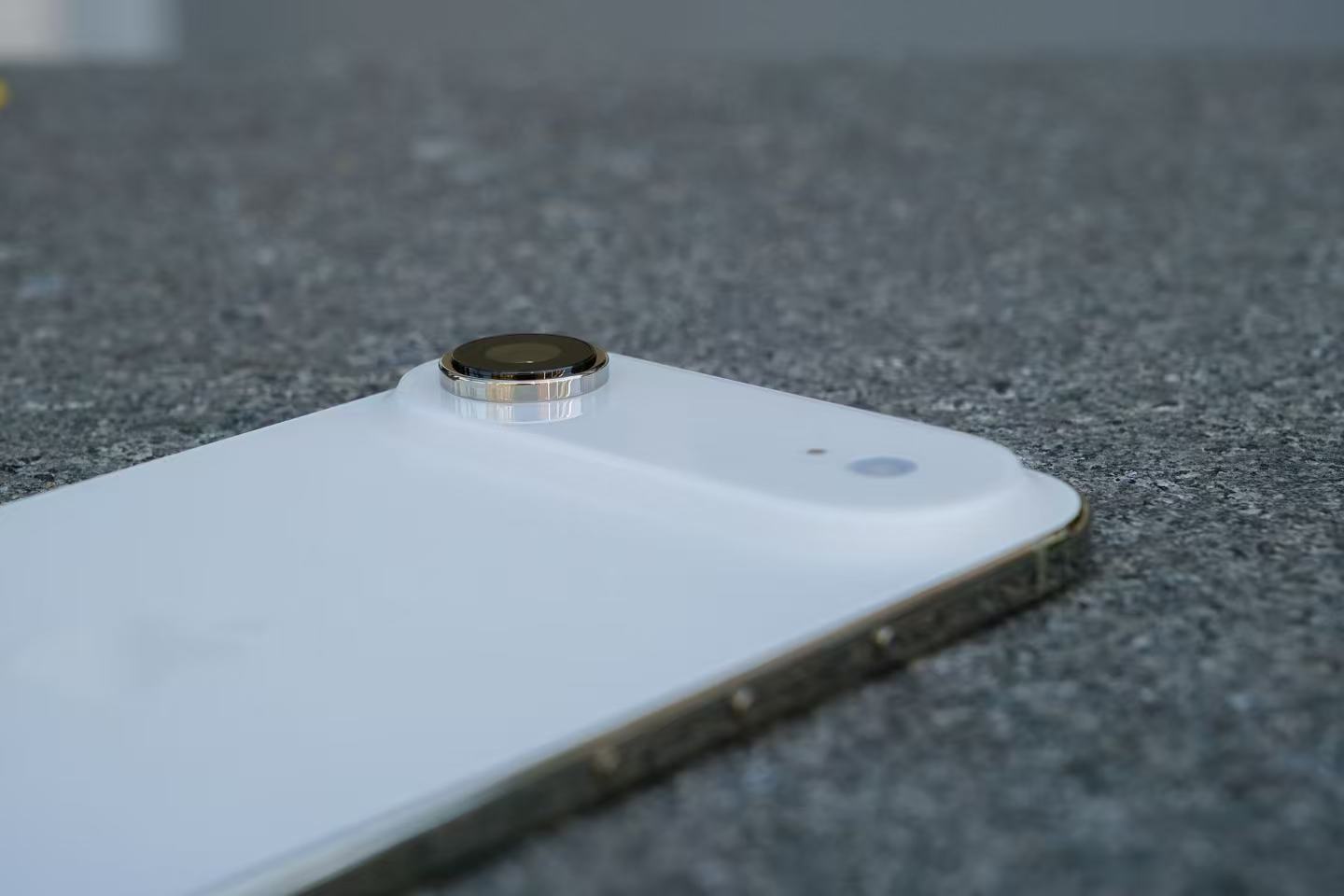
Image source: Leitech
Moreover, for most flagship and near-flagship phones, a 52mm equivalent zoom factor barely qualifies as a telephoto lens. Most Android phones have been offering optical telephoto lenses at 70mm (typically 3× to 3.5×) for years, while the iPhone 17 Pro series sets the bar at 4×. The iPhone Air's 2× "lossless zoom" simply can't compete.
Image source: Leitech

Image source: Leitech
These hardware limitations also impact the iPhone Air's photography experience to some extent. In well-lit daylight scenarios, the resolution at 26mm and 35mm is decent, and photos taken at 2× (56mm) look fine as long as you don't zoom in too much.

Image source: Leitech

Image source: Leitech
However, in low-light conditions, such as at night or in underground parking lots, the iPhone Air's 2× camera struggles, producing noticeably soft images. This "night blindness" also leads to significantly longer recognition times when scanning QR codes for payments in parking lots compared to phones with dedicated telephoto lenses.
Now, let's talk about the iPhone Air's other major flaw: the speaker. Due to its ultra-thin design, the iPhone Air only features a single speaker grille at the top earpiece, limiting its maximum volume. Additionally, the stacked design places the speaker chamber on the back camera bump, some distance from the speaker grille. This longer sound path also affects the final speaker performance.
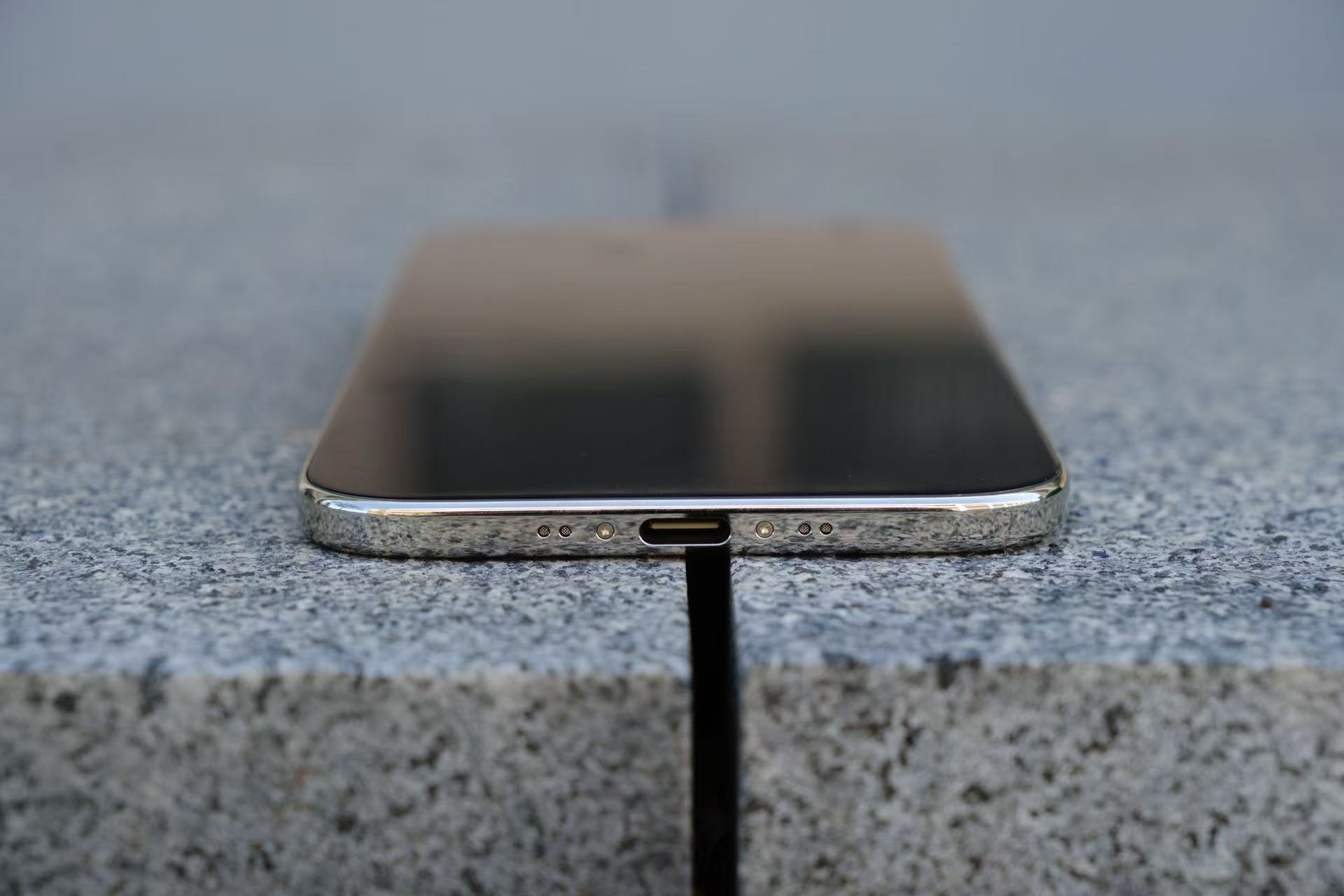
Image source: Leitech
These combined factors result in the iPhone Air's speakers lacking both volume and clarity. Even at maximum volume, voices often sound muffled during calls. When listening to WeChat voice messages, using the earpiece can sometimes provide a better experience than the speaker.
The single-speaker weakness is also evident in gaming and video playback. After getting used to stereo speakers, the mono iPhone Air feels out of place. During my time with the iPhone Air, I even resorted to using my long-neglected smart glasses—while their sound quality isn't great, it's definitely better than the iPhone Air's speakers.
Additionally, the iPhone Air's single-speaker design affects how you hold the phone. If you prefer holding the "top" of the phone (the side with the Dynamic Island and camera bump) in landscape mode, your hand will inevitably block the speaker grille, affecting the volume.
Therefore, Leitech believes that if you have certain expectations for the iPhone's speaker performance or need a telephoto camera, the iPhone Air is not for you. There's no need to upgrade to the iPhone Air if you only have one phone.
Performance: Adequate, but Not Ideal for Gamers
That said, while the iPhone Air's speaker performance is underwhelming, its gaming experience is actually decent from a usability standpoint. Its thermal management, in particular, impresses me.
However, it's important to note that I don't mean the iPhone Air doesn't get hot. Anyone with a basic understanding of phone hardware knows that dual-layer or stacked motherboard designs significantly increase thermal management difficulty, leading to more noticeable heat buildup. To address this, mainstream Android phones use heat pipes or vapor chambers to transfer heat from the core components to the cooling plate or phone frame, reducing overall temperatures.
But the iPhone Air clearly lacks such advanced cooling designs. In most cases, the iPhone Air can only "trap" heat inside the motherboard.
Fortunately, even though the iPhone Air heats up quickly, the heat-generating components are highly concentrated in the camera bump area and slightly below it—places you don't typically touch when holding the phone in landscape mode. As a result, the iPhone Air's heat perception is not very noticeable during light gaming.
Every advantage has its disadvantage. Due to the lack of effective heat dissipation structures and the high position of the phone's core heat-generating areas, common circular magnetic coolers cannot cover the iPhone Air's hotspots and can only cool the phone's periphery, indirectly reducing the core temperature.
In other words, if you frequently play demanding games or have long live-streaming sessions, the iPhone Air is not suitable for you.
Why Are More People Buying It Despite Its Shortcomings?
Oddly enough, even though the iPhone Air's shortcomings become more apparent with use, more and more colleagues around me are switching to it. In April alone, two colleagues replaced their Android flagships (Find X8 Pro and Find X8 Ultra) with the iPhone Air. When asked why, their reasons were surprisingly consistent:
As tech editors, they inevitably use two phones simultaneously. However, using two Android flagships not only leads to redundant features but also adds significant weight (nearly 500g in total). The iPhone Air's position as a near-flagship and its thin design make it an excellent complement to Android flagships.
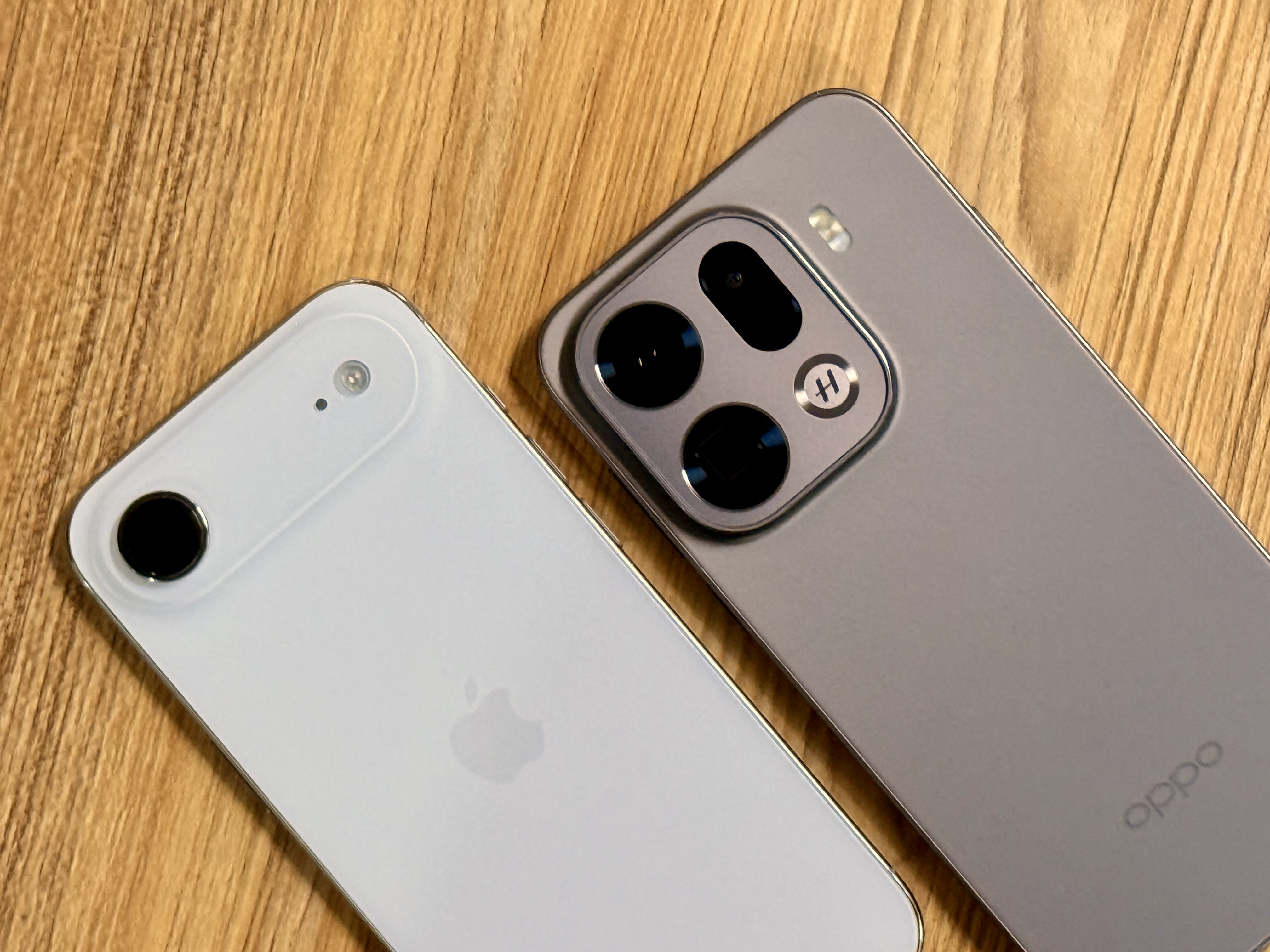
Image source: Leitech
For example, @TSknight said, "The Xiaomi 15 Ultra is a bit too thick and heavy for daily use. While its camera performance is strong, I rarely use it. So, the Air's thinness + iOS make it quite suitable for daily use." In fact, my reason for switching from the iPhone 16 Pro to the iPhone Air was the same:
Since using two phones is unavoidable, the most reasonable approach is to minimize overlap in functions and ecosystems between the two devices. With an Android flagship providing guarantees for battery life, imaging, and gaming, the iPhone Air is the perfect "complementary device."
Is This "Foldable Phone Prototype" Right for You?
By now, you should realize that as a "maverick" phone, Apple never intended the iPhone Air to be a high-volume seller—that's the iPhone 17's role with its high refresh rate.
Instead, the iPhone Air is more like a "technology verification device" for Apple to test the engineering feasibility of future foldable iPhones. From its ultra-thin titanium middle frame and complex hardware stacking structure to the upcoming ultra-thin dual-camera module in the next iPhone Air, it's clear that Apple is preparing for foldable phones.
This "technology stepping stone" identity also puts the iPhone Air in an awkward position. Its complex product design and experimental nature make it impossible to price cheaply. Yet, as "half a phone," it cannot provide a complete hardware experience like other phones. This explains why the iPhone Air is only suitable as a "secondary device" rather than a "primary device."
For example, Samsung's Galaxy S25 Edge also focuses on thinness and is priced lower than the iPhone Air. However, the Galaxy S25 Edge is still fundamentally an Android phone. As users, we don't need to pair a flagship Android phone with a "less capable" and "ecosystem-overlapping" device.
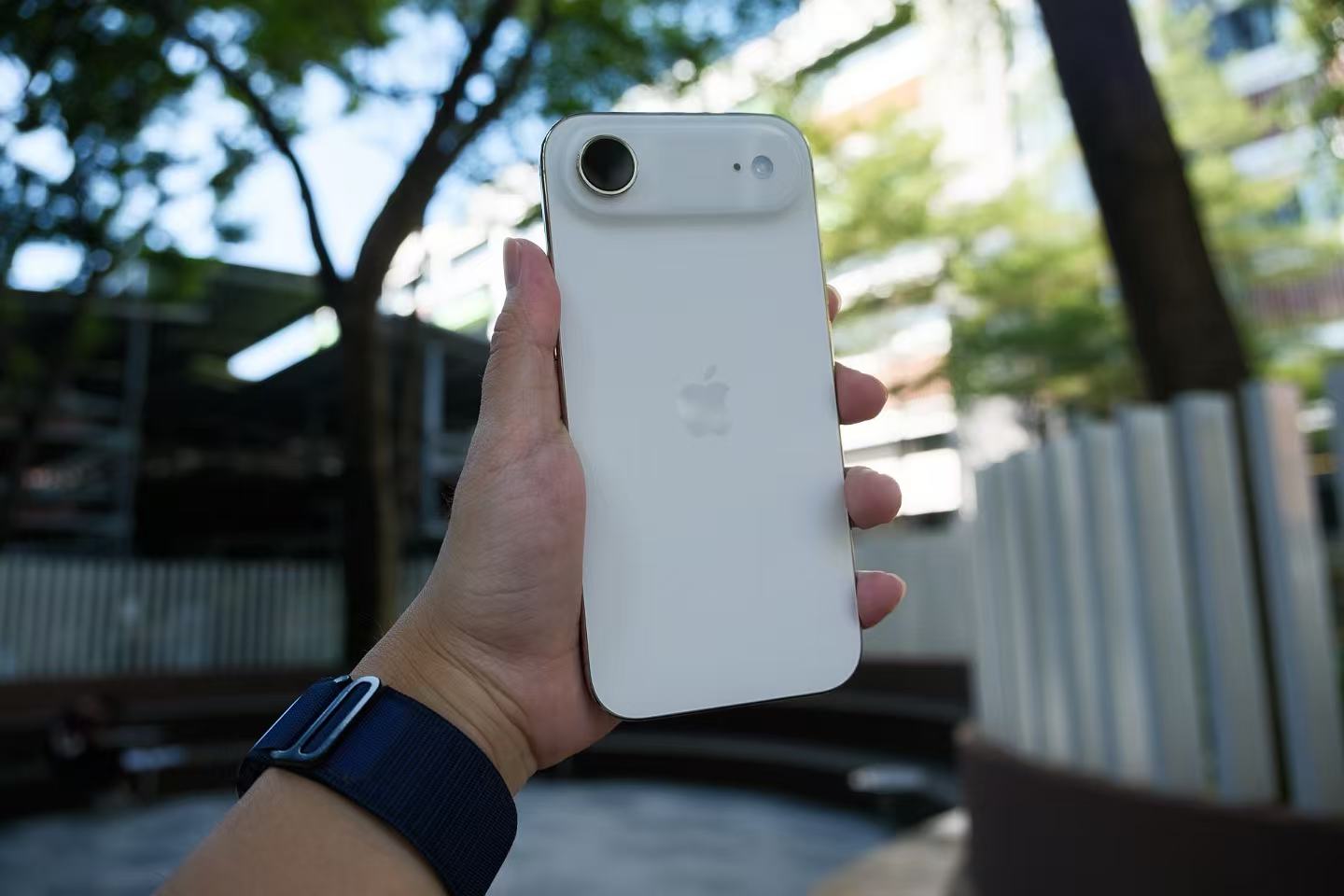
Image source: Leitech
The iPhone Air is different. At a price comparable to Android near-flagships after discounts, it provides a complete iOS experience for Android flagship users. Leitech editor @Dingxi, who switched from the Find X8 Ultra to the iPhone Air, mentioned, "(The iPhone Air) can slightly complement the Apple ecosystem. No matter how well Android integrates with Mac, it can't match Apple's own ecosystem interoperability."
That's why, in Leitech's view, the product positioning of the iPhone Air is actually very clear. It's not suitable for users who only have one phone but serves as an ecological complement for "dual-device users."
If you only have an iPhone Air, you will inevitably have to endure its relatively short battery life, poor audio-visual experience, and outdated single-camera image quality. In comparison, the iPhone 17 at a similar price point offers a more comprehensive experience.
However, if you are a "dual-device user," the combination of a flagship Android phone and an iPhone Air can provide flagship-level imaging, fast charging, and signal quality while also seamlessly integrating into the iOS and Mac ecosystems—all while ensuring a relatively "lightweight" setup.
As a "technology verification device," the iPhone Air is destined not to become a "permanent" product series like the iPad Air. After exploring the ultra-thin form factor for a foldable iPhone, the iPhone Air series will also come to an end.
However, in 2026, when the "mini" series of iPhones have exited the stage and foldable phones are delayed, the iPhone Air, with its exceptionally thin form factor, can achieve a "1+0.8=2" effect when paired with Android flagships, securing a decent ending for itself. I believe that the iPhone Air, a product line that stepped up in a crisis, can be considered a success upon its retirement.
iPhone Air
Source: Leitech
Images in this article are from the 123RF royalty-free image library.
-
![]()
Smartphone Prices Surge Amid Manufacturer Anxiety
-
![]()
Orbbec Soars to Record Heights, Eyes Further Capital Influx of 980 Million!
-
![]()
Tongding Interconnect Sets Up Shop in Shaoguan with 800 Million Yuan in Registered Capital
-
![]()
Before Kimi’s A-Share Debut, Zhipu Aims to Secure More 'Strategic Funding'
-
![]()
Innovative Leap | Fiber-Pluggable 1470nm Laser Source: Revolutionizing Precision Laser Weeding
-
![]()
73-Day Rapid Listing: Where Does Unitree's Wang Xingxing's 'Sense of Urgency' Come From?
-
![]()
AI Project Mindverse, Backed by Meituan, Faces Data Inflation Allegations Over Its Macaron Product
-
![]()
3000-word In-Depth Analysis | What Makes Physical AI So Magnetic? It Has Captivated Masayoshi Son, Jensen Huang, and Justin Sun All at Once