Comprehensive Price Increases and a Catastrophic Leak: Apple’s New CEO Faces a Rocky Start—Can 16 New Products Turn the Tide?
 07/07 2026
 449
449
A plethora of new products, but significant challenges loom.
On September 1, 2026, Tim Cook, who has helmed Apple for over a decade, will officially step down as CEO. John Ternus, Apple’s current Senior Vice President of Hardware Engineering, will succeed him, inheriting a daunting array of responsibilities.
Apple is poised to unveil a substantial number of new hardware products in the latter half of the year. Prior to his appointment as CEO, Ternus was already overseeing hardware across multiple product lines, including the pivotal iPhone. With his new role, it is widely anticipated that he will further bolster Apple’s hardware portfolio.
However, Apple is also confronting numerous hurdles. Not long ago, the company abruptly announced significant price hikes for its products, with most increases surpassing 20%. The primary driver behind these hikes is the escalating pressure of storage costs. Additionally, Apple’s lag in the AI domain has drawn substantial criticism, with the AI systems in iOS 27 and other platforms underscoring the gap between Apple’s self-developed capabilities and those of AI industry leaders.
Moreover, a file leak at Tata Electronics, an Indian contract manufacturer, has triggered the most severe data breach in Apple’s history, exposing Apple’s supply chain secrets without reservation.
According to multiple sources, Apple is set to release at least 16 new products in the second half of this year, including 3 iPhones, 5 Macs, 4 IoT devices, 2 watches, and 2 tablets. Some of these products will undergo significant design changes and may even make their debut in Apple’s product lineup.
First, let's examine the iPhone. This fall’s launch event will feature the fewest iPhones in recent years, with only the iPhone 18 Pro series and iPhone Fold. It is now almost certain that the iPhone 18 standard version and iPhone 18e will be delayed until next spring, while the iPhone Fold is likely to be officially released or see large-scale shipments only next year. In other words, the iPhone 18 Pro will be the mainstay of Apple’s smartphone shipments this fall and winter.
Expected upgrades for the iPhone 18 Pro series include the A20 Pro chip and the use of Apple’s self-developed C2 baseband. A more groundbreaking change is that the main camera lens will support a variable aperture, enhancing imaging performance. Other aspects, such as battery, appearance, and SIM card slot, will also see changes, but these are relatively conventional.
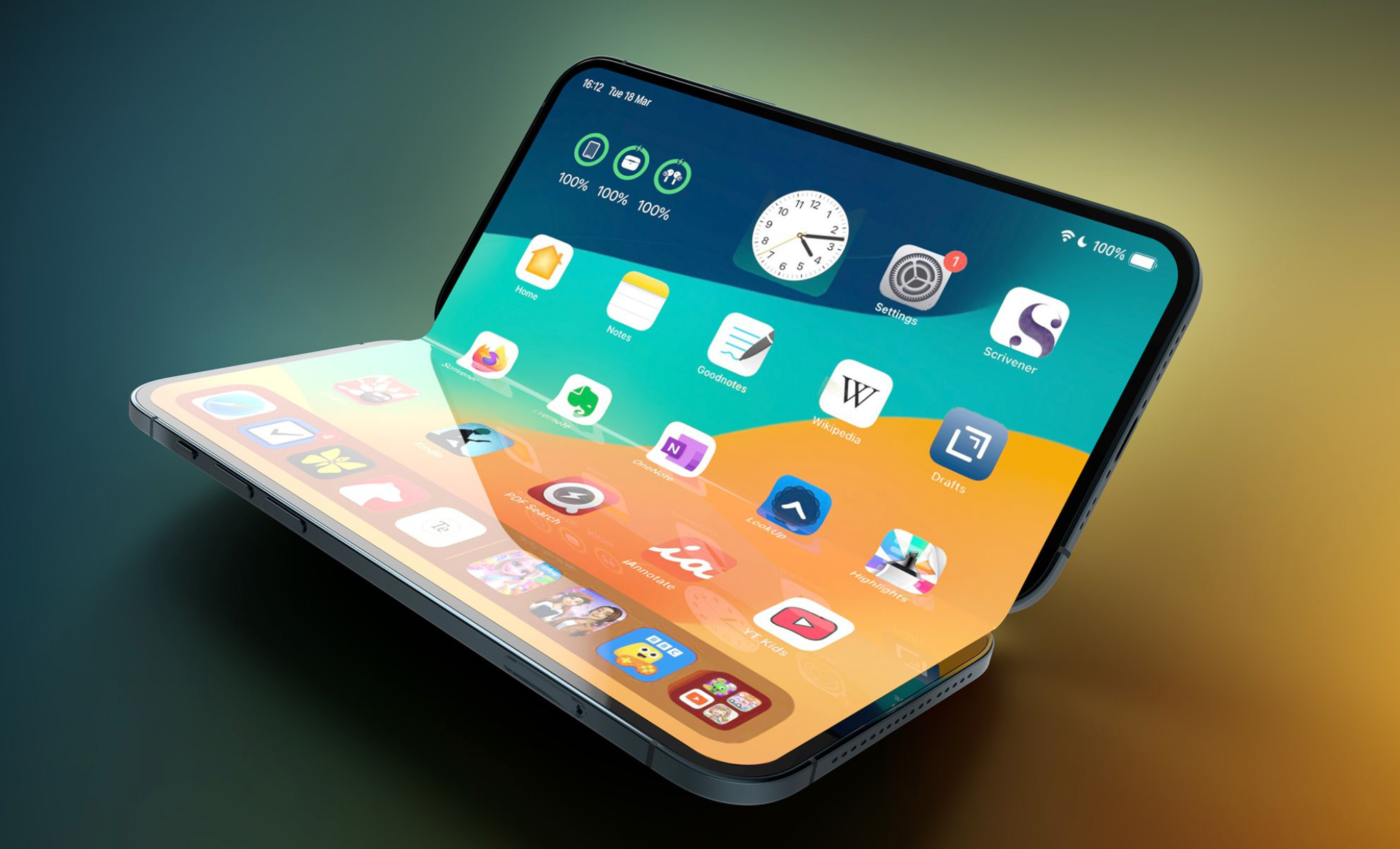
The iPhone Fold will undoubtedly feature Samsung’s “seamless” foldable screen, adopting a conservative approach to product form and core functions. It will use the same A20 Pro chip as the iPhone 18 Pro, feature a wide foldable screen design, and boast a more reliable liquid metal hinge.
(Image source: MacRumors)
In terms of imaging and other configurations, the iPhone Fold is likely to remain consistent with the iPhone 18 Pro, resembling a hybrid of the iPhone and iPad mini. However, the Apple foldable will not feature Face ID or the Dynamic Island but will revert to Touch ID fingerprint unlocking.
Currently, the main factor affecting the ramp-up of iPhone Fold production is the insufficient yield of liquid metal hinges. Although Apple plans to increase the stock of foldable screens to 10 million units, whether this can be achieved within the year remains uncertain. In the worst-case scenario, the iPhone Fold may be delayed until early next year for its official release.
Based on current leaks, the upgrades for the iPhone 18 Pro series are relatively conventional, lacking significant highlights. The reduction from three models to two, combined with price increases, almost guarantees that sales will be lower than those of the iPhone 17 series during the same period. Even if the iPhone Fold is released within the year, its price of around 20,000 yuan ensures that it will not sell in large quantities.
Apple will release five Mac models in the second half of the year, with the Mac Studio, Mac mini, and iMac receiving routine updates, including upgrades to the M5 series chips. The new 14-inch MacBook Pro will be the first to feature the M6 chip, with upgrades focusing on a 2nm process, 200GB/s memory bandwidth, and stronger on-device AI performance.
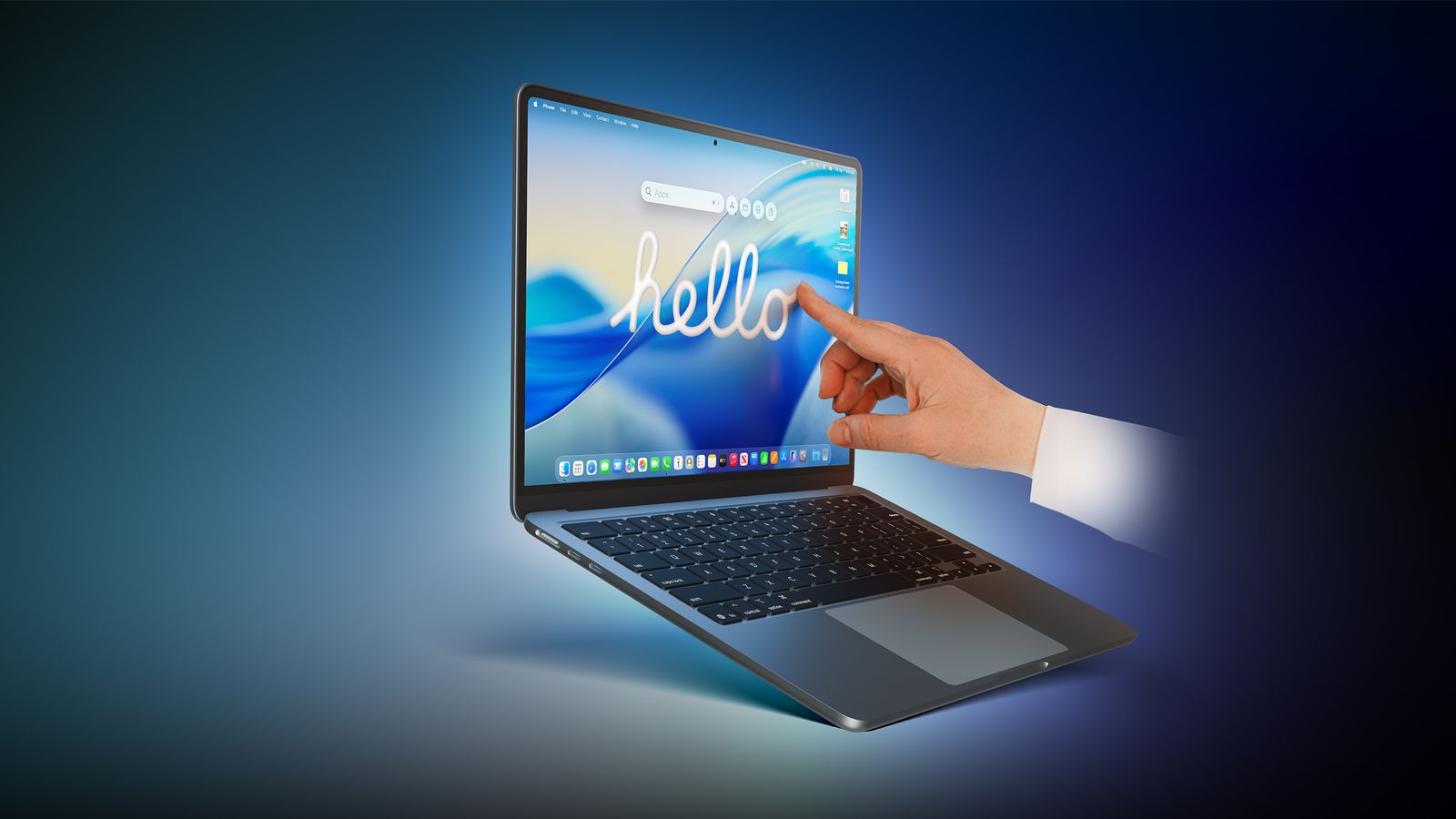
In addition, Apple’s most significant Mac release this year will be the all-new MacBook Ultra. As the name suggests, it is a higher-end product than the Pro series. According to leaks, its biggest highlight is an OLED screen that supports touch operation.
This marks Apple’s first foray into touch functionality for Mac products, implying further integration between macOS 27 and iPadOS 27, and further blurring the lines between PCs and tablets. The MacBook Ultra will use the M5 Pro/Max chip, with other configurations largely consistent with the Pro models.
(Image source: MacRumors)
The emergence of the MacBook Ultra indicates that Apple is attempting to further explore the high-end market while experimenting with touchscreen Macs. It is foreseeable that if the touchscreen functionality of the Mac receives positive market feedback, it may gradually be introduced to other MacBook models. Currently, the MacBook lineup is nearly complete, with limited room for breakthroughs in the high-end MacBook Pro’s hardware. Moreover, under the pressure of storage costs, high-end products have relatively more room for innovation.
Apple will update four smart home devices, with the new Apple TV receiving an upgrade to the A17 Pro chip, along with support for WiFi 7 and UWB. This marks the first update in nearly four years. The full-size HomePod and HomePod mini will receive routine updates, primarily involving chip replacements and support for second-generation UWB.
The remaining new product is the most significant: Apple plans to release a smart speaker with a screen, but its product logic differs greatly from that of the HomePod. Although the HomePod is defined as a smart speaker, its focus has always been on sound quality, using algorithms to optimize audio performance. However, the HomePod’s ecosystem is highly closed, lacking physical interfaces, and its excellent sound quality cannot be fully utilized, making it significantly limited compared to traditional high-end speakers. At the same time, its “smart” attributes are inferior to those of competing products.
Apple’s new smart speaker with a screen adds the positioning of an IoT control hub, providing touch and visual interaction modes in addition to voice control. Previously, Apple’s smart home control was primarily achieved through the HomeKit app on the iPhone, lacking a centralized device like a control panel for unified management. Frankly speaking, Apple’s smart speaker with a screen is not fundamentally different from similar devices on the market.
However, compared to Apple’s existing HomePod lineup, the smart speaker with a screen represents a significant change in product logic: audio is no longer the core scenario, and more emphasis is placed on diverse interaction methods to adapt to the new positioning as an IoT control hub.
As usual, Apple’s fall event will update the Apple Watch, with two new models this year: Series 12 and Ultra 4. In addition to routine chip upgrades, their main changes include the addition of fingerprint functionality, allowing Apple smartwatches to support Touch ID for the first time.
Additionally, the Apple Watch Ultra 4 will support satellite communication, finally extending this feature to smartwatches. For comparison, the Huawei WATCH Ultimate, released in 2023, already supports two-way Beidou satellite messaging.
However, the likelihood of Apple devices supporting satellite functionality in mainland China is very low. The Chinese version of the Apple Watch Ultra 4 will probably not support this feature, undoubtedly reducing its appeal to users.
Apple will also update two tablets: an entry-level iPad, which will primarily receive a chip upgrade to the A18, and the iPad mini 8, which will feature an OLED screen in a small form factor for the first time but without a high refresh rate. Other upgrades include the A19 Pro chip, a haptic engine, and dust and water resistance, but the price is expected to remain high.
Apple’s lag in the AI field is now an undeniable fact. Over the past few years, Apple’s AI team has experienced significant turmoil, with key members leaving one after another. At the product level, progress on Apple Intelligence has been slow since its announcement in 2021, with the most obvious manifestation being the repeated delays in the release of the new Siri.
At this year’s WWDC, Apple Intelligence finally received a major update. The new version of Siri AI saw its most significant upgrade in 15 years, gaining new capabilities such as understanding on-screen content, app operations, and accessing personal content, enabling it to complete cross-app tasks and exhibit stronger agent functionality.
Additionally, Visual Intelligence has also been upgraded. The new version can not only recognize content within the camera’s viewfinder but also identify on-screen content, transforming it into a visual recognition assistant.
Of course, the biggest concern surrounding Apple Intelligence has not been eliminated, as Apple’s entire AI system relies heavily on external support. The underlying model of Apple Intelligence is a modified version of Gemini, running on Apple’s own servers for better security, but subsequent upgrades depend on support from Google.
However, compared to its competitors, although Apple Intelligence lags behind, Apple still has its own advantages. Leitech (ID: leitech) notes that Apple’s new AI is not limited to the iPhone but will be fully implemented across almost all hardware devices in the Apple ecosystem, including the iPad, Mac, Apple Watch, Apple TV, and HomePod.

(Image source: Apple)
As mentioned earlier, among the new devices Apple will release this year, the Apple TV and HomePod are receiving updates after several years. In terms of basic functionality, there is no urgent need for upgrades; however, when considering integration with the AI system, updates become necessary. Upgrading to new chips, interfaces, and protocols is essentially about compatibility with the new AI ecosystem.
Apple’s well-established and mature software and hardware ecosystem, cultivated over many years, plays a crucial role in the implementation of AI functionality. With the full rollout of Apple Intelligence across Apple’s hardware devices in the second half of the year, Apple will form a comprehensive AI functionality system, gaining a competitive edge at the product level.
Just before Tim Cook’s departure, Apple encountered two major issues, both related to the supply chain. First, Apple devices saw across-the-board price increases, from iPads to Macs and Apple Watches, with relatively significant hikes. The direct reason for Apple’s price increases is undoubtedly the pressure of rising storage costs, but the price hikes came very suddenly, giving users little time to react. From Cook admitting to the media that product prices would have to be raised to Apple’s comprehensive price increases, only a week passed.
In fact, earlier this year, media reports revealed that Apple had signed long-term supply contracts with Samsung and SK Hynix at twice the usual price, effectively locking in storage supply in advance. Shortly after, there were reports that Apple was aggressively purchasing large quantities of memory and flash storage chips on the secondary market with substantial cash reserves.
However, the trend of rising storage prices driven by the AI arms race has continued, and Apple itself cannot absorb the storage pressure, ultimately resorting to price increases, like most consumer electronics brands. Samsung and SK Hynix, reaping substantial profits, have unsurprisingly allocated most of their production capacity to AI. Faced with such huge profits, storage giants are likely unwilling to supply Apple with large quantities at the previously contracted prices, even if it means breaching contracts.
From the consumer’s perspective, Apple’s significant across-the-board price increases are not due to imminent losses but rather reduced profits. According to Apple’s Q2 (actual Q1 period) financial report, Apple’s gross profit margin still exceeded 40%, unmatched among smartphone brands.
This is a problem that Apple clearly cannot solve. Apple has not yet raised prices for the iPhone, but leaks indicate that the iPhone 18 series will see price increases, which will inevitably affect Apple’s smartphone shipments in the second half of the year. Moreover, the iPhone 18 standard version will likely feature a downgraded screen to maintain a relatively low price, which may not be a good thing for users.
Interestingly, after raising product prices, Apple is attempting to diversify its storage supply. Reports suggest that in addition to international storage giants, Apple has been in contact with Chinese storage manufacturers, attempting to introduce domestically produced storage chips to balance storage costs. Currently, the main obstacle to using domestically produced storage in Apple devices comes from U.S. authorities. If domestically produced storage can enter Apple’s supply chain, it would undoubtedly be a significant boon for the development of the domestic storage industry.
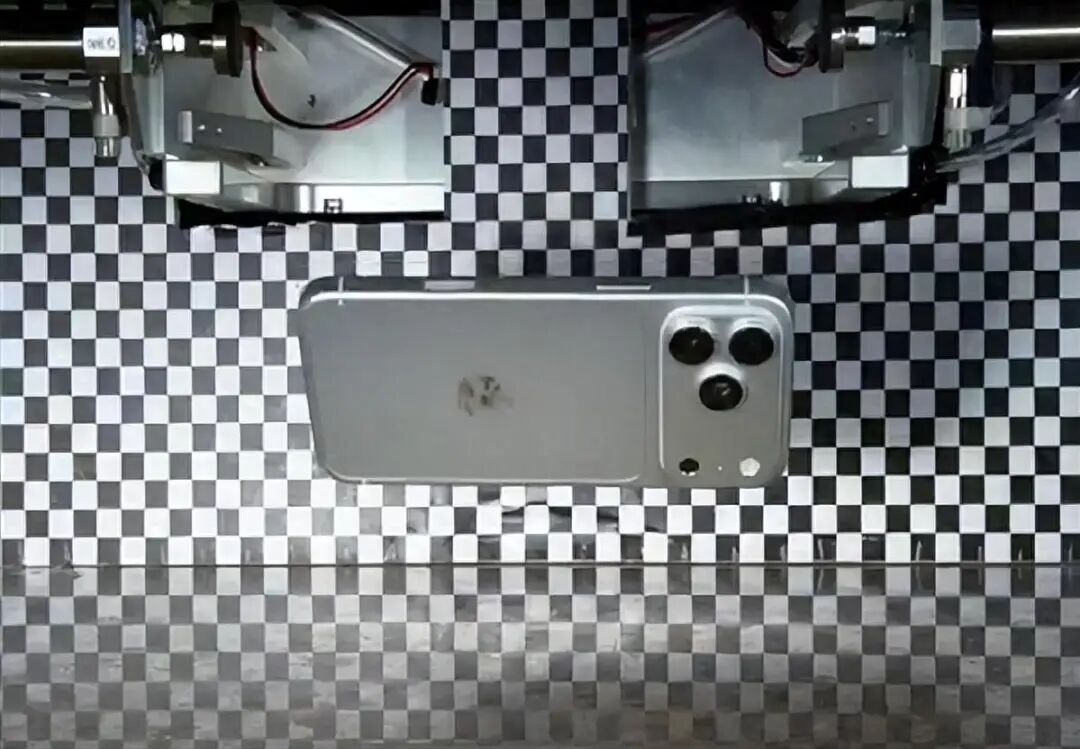
Compared to price increases, the large-scale supply chain leak at Apple has driven Cook and the next CEO to distraction. Apple’s Indian contract manufacturer, Tata Electronics, was hacked, resulting in the leak of a massive amount of Apple’s confidential information, with file sizes exceeding 600GB. This may be the most severe leak in Apple’s history.
(Image source: X)
The leak of the iPhone 18 Pro’s appearance is relatively minor. The leaked materials also include test video files for multiple iPhone models, leaving Apple’s smartphones with no secrets. More damaging than the exposure of product details is the revelation of Apple’s supply chain secrets.
The leaked documents encompass intricate supply chain details, including specifics on which suppliers furnish various components for iPhone devices. This directly lays bare Apple's dominance in the relevant sectors. For instance, if Apple relies on just one or two suppliers for a particular component, those suppliers could, in theory, impose exorbitant prices, thereby escalating Apple's cost burden. Once the internal information gaps within the supply chain are bridged, Apple may find itself in a more vulnerable position.
Ironically, dating back to the Steve Jobs era, Cook was renowned for his proficiency in supply chain management, a skill that propelled him to the CEO role. Furthermore, establishing a supply chain in India marked a significant strategic maneuver by Apple during Cook's leadership. The process of constructing Apple's supply chain in India has spanned nearly a decade: in 2017, Indian contract manufacturers endeavored to produce the entry-level iPhone SE; by 2020, Apple's Indian contract manufacturers had acquired equipment export capabilities; in 2023, Indian factories achieved, for the first time, simultaneous production of the iPhone 15 series alongside Chinese factories; and by 2025, they were slated to account for a quarter of global iPhone production.
Apple's supply chain arrangement in India unquestionably dovetails with Cook's long-standing strategy of supplier diversification, facilitating enhanced risk mitigation. However, just as Cook was poised to step down, an unprecedented leak incident abruptly unfolded at an Indian contract manufacturer.
This leak dealt a severe blow to Apple, prompting the company to take rare and sweeping legal action. In response to the leaked materials circulating on social media, Apple, leveraging copyright laws, deleted a substantial number of posts en masse and pursued the leakers. Recently, Apple filed a lawsuit against two bloggers, Jon Prosser and Michael Ramacciotti, accusing them of stealing trade secrets. Specifically, Apple alleged that they had hacked into the phones of Apple employees and disseminated a significant amount of information about the iOS 27 system.
Overall, following Cook's departure, Ternus will need to devote considerable effort to addressing supply chain issues, whether it be the potential decline in sales due to product price hikes or the repercussions of the massive leak on supply chain management and oversight.
In summary, the latter half of the year is poised to be a pivotal moment of transition and upheaval for Apple. As the Cook era draws to a close, the new leader, Ternus, inherits a vast empire brimming with both opportunities and crises.
On one hand, the concentrated launch of 16 hardware products underscores Apple's ambition: the introduction of new form factors such as foldable iPhones, touchscreen MacBooks, and smart speakers with screens, coupled with the deep integration of AI across the entire ecosystem, exemplifies Apple's endeavor to counter external skepticism about its lack of innovation with its consistently robust software-hardware synergy.
On the other hand, there are myriad real-world challenges. Escalating storage costs have compelled Apple to reluctantly raise prices, undoubtedly posing a direct threat to sales projections for the latter half of the year. Moreover, the monumental leak incident at the Indian factory has fully exposed Apple's once-vaunted supply chain vulnerabilities. In our view, how to expedite AI and hardware breakthroughs while simultaneously rectifying the turbulent supply chain system is not only Ternus's 'top priority' upon assuming office but also a pivotal question that will shape Apple's trajectory for the next decade.
Apple, Cook, iPhone 15 (Note: Adjusted to the latest model mentioned in context), Apple foldable screen, AI
Source: Leikeji
The images in this article are sourced from the 123RF licensed image library. Source: Leikeji
-
![]()
The Surprisingly Significant Impact Difference Between Quiet and Noisy Cars!
-
![]()
Breaking Through Storage Cycle Barriers: How AI Large Models and Coding Technology Synergize to Drive Transformation in the Security Industry
-
Facilitating the Slimming of Camera Modules! O-film Obtains Utility Model Patent for Periscope-Type Reflective Component
-
![]()
Hikvision Raytine’s Millimeter-Wave Body Imaging Security Inspection Device Achieves ECAC SSc Category A Standard Level 2.1 Certification for European Civil Aviation
-
![]()
Global Market Share for Security Windows Hits 26%! This Optical 'Little Giant' Makes Its Debut on NEEQ
-
![]()
The Evolutionary Path of Agent Engineering: From Prompt to Harness by Zhang Yutao, Co-founder of Moonshot AI
-
![]()
Profits and stock prices are both declining, so why are executives from these auto companies increasing their purchases?
-
![]()
Burning Tens of Billions of Dollars, Yet No Unified Definition for World Models