Profits and stock prices are both declining, so why are executives from these auto companies increasing their purchases?
 07/07 2026
 468
468
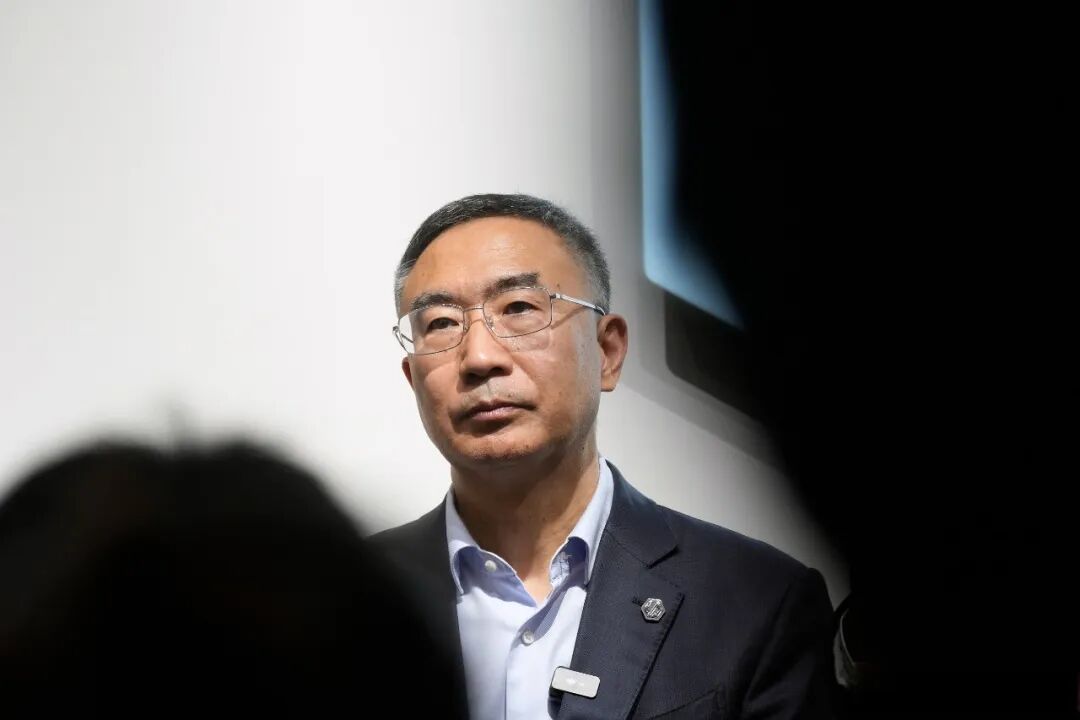
On July 2, Leapmotor's voluntary announcement of shareholding increases on the Hong Kong Stock Exchange once again put founder Zhu Jiangming in the industry spotlight. The cumulative increase of nearly HK$900 million over the past six months, with an average transaction price of HK$35.86, coupled with the recently disclosed global delivery record of 93,376 units in June, has sparked discussions about the 'founder propping up the stock price' rapidly fermenting in both capital and automotive circles.
However, this is not just a solo act by Leapmotor. Since 2025, cases of collective shareholding increases by executives from automobile companies have been continuously emerging, covering three major camps: new forces, leading private enterprises, and state-owned enterprises, ranging from BYD to Changan Automobile and then to BAIC BluePark. Is this wave of shareholding increases across the industry a collective bet by management on long-term value, or is it just a staged performance of market value management? What common logic lies behind it?
Executive Shareholding Increases: A Vote of Confidence or a Market Value Prop?
The main entities involved in Leapmotor's shareholding increase are not just founder Zhu Jiangming but also shareholder Fu Liquan and the affiliated single largest shareholder group. Information disclosed by the Hong Kong Stock Exchange shows that the two recently purchased a combined 4.8142 million H-shares at an average transaction price of approximately HK$35.86. Over the past six months, the shareholder group has accumulated nearly HK$900 million in shareholding increases. After the increase, the group's total shareholding accounts for 25.05% of the company's total share capital, further consolidating control.
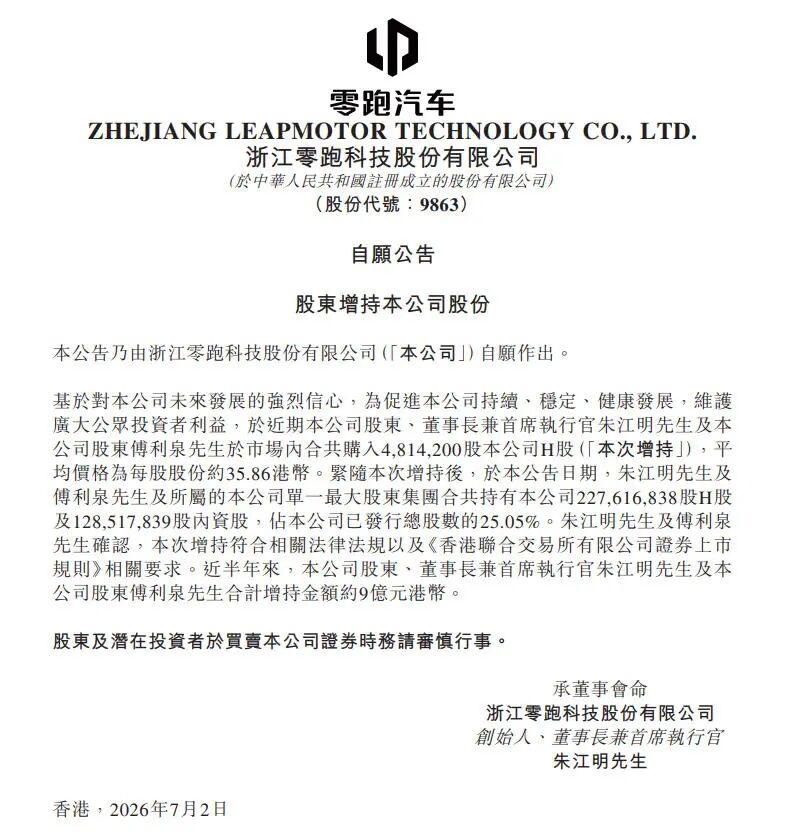
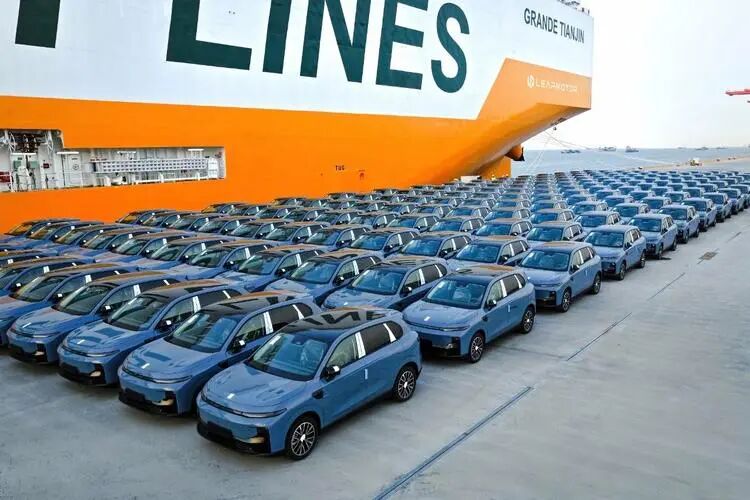
Based on the current total market value of Leapmotor, the HK$900 million shareholding increase accounts for approximately 1.5% of the total market value, representing a relatively significant move among new force automakers listed in Hong Kong. The timing of this shareholding increase coincidentally falls at a critical window for the disclosure of semi-annual performance. Delivery data released by Leapmotor on July 1 shows that global monthly deliveries in June reached 93,376 units, a year-on-year increase of 95%, setting a new brand record. Global cumulative deliveries in the first half of the year approached 360,000 units, with nearly 100,000 units exported overseas, already surpassing the total exports for the entire year of 2025. The sustain rising market share in European markets such as Italy has also provided narrative support for Leapmotor's growth story by adding a second overseas growth curve.
The surge in sales and the increase in shares by major shareholders have formed a clear two-way resonance. For the secondary market, the founder's continuous purchase with his own funds is usually seen as a direct recognition of the company's intrinsic value by insiders—after all, no one knows the true quality of the company's operations better than management.
However, from another perspective, shareholding increases themselves are also a common tool for stabilizing stock price expectations. Especially during periods when the overall valuation of the automotive sector is under pressure and individual stock volatility increases, large-scale purchases often have a more direct soothing effect than multiple performance briefings. Zhang Xin, the chief automotive analyst at Guotai Junan Securities, once pointed out that collective shareholding increases by the core management of listed companies usually release positive expectations for the company's long-term value and are more likely to attract the attention of long-term institutional funds. As a Hong Kong-listed stock, Leapmotor's individual stock liquidity is weaker than that of A-shares, making the leveraging effect of major shareholder increases on stock price expectations even more pronounced.
Wave of Shareholding Increases: Different Automakers with Different Calculations
Leapmotor's HK$900 million shareholding increase volume is considered a significant move among new forces, but from an industry-wide perspective, it is just a microcosm of the recent wave of shareholding increases by executives from automobile companies. Automakers with different attributes and sizes are all sending signals to the market with similar actions, but the underlying motivations vary greatly.
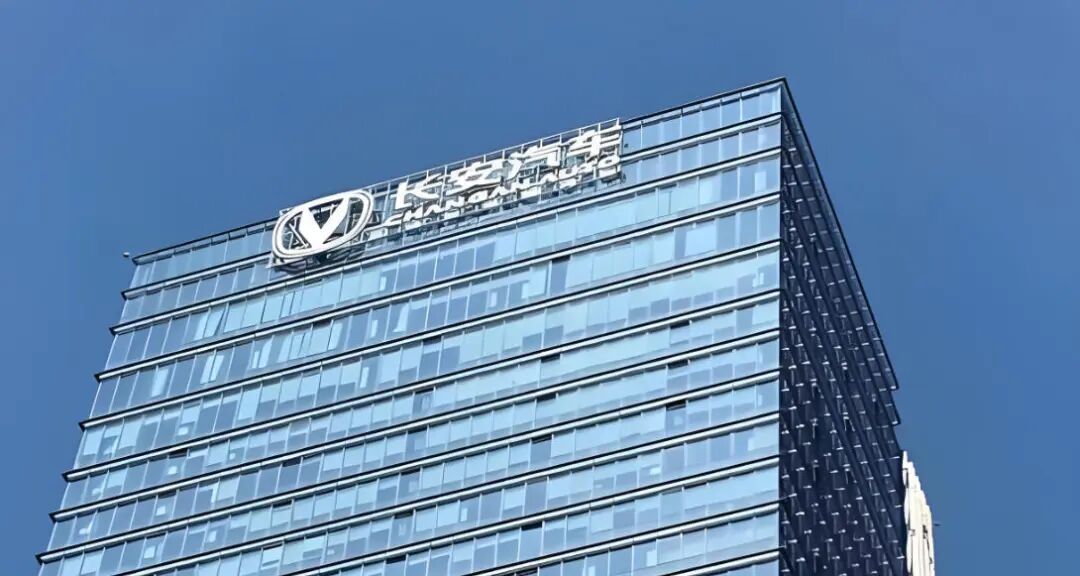
Among state-owned enterprise automakers, Changan Automobile and BAIC BluePark have successively implemented collective shareholding increase plans by executives. Last year, 19 directors and executives from Changan Automobile and its indirect controlling shareholder, China Changan, completed shareholding increases, investing a total of RMB 5.9065 million, with each person increasing their stake by no less than RMB 300,000. A research report by Minsheng Securities mentioned that this was the first case of collective shareholding increases by senior management of a central enterprise group in a listed subsidiary, representing not only recognition of the company's long-term value but also a direct response to the market value management requirements of the SASAC. At the end of 2024, the SASAC issued a document explicitly listing stock repurchases and shareholding increases as foundational tools for market value management and incorporating market value management into the performance evaluation system for central enterprise executives.
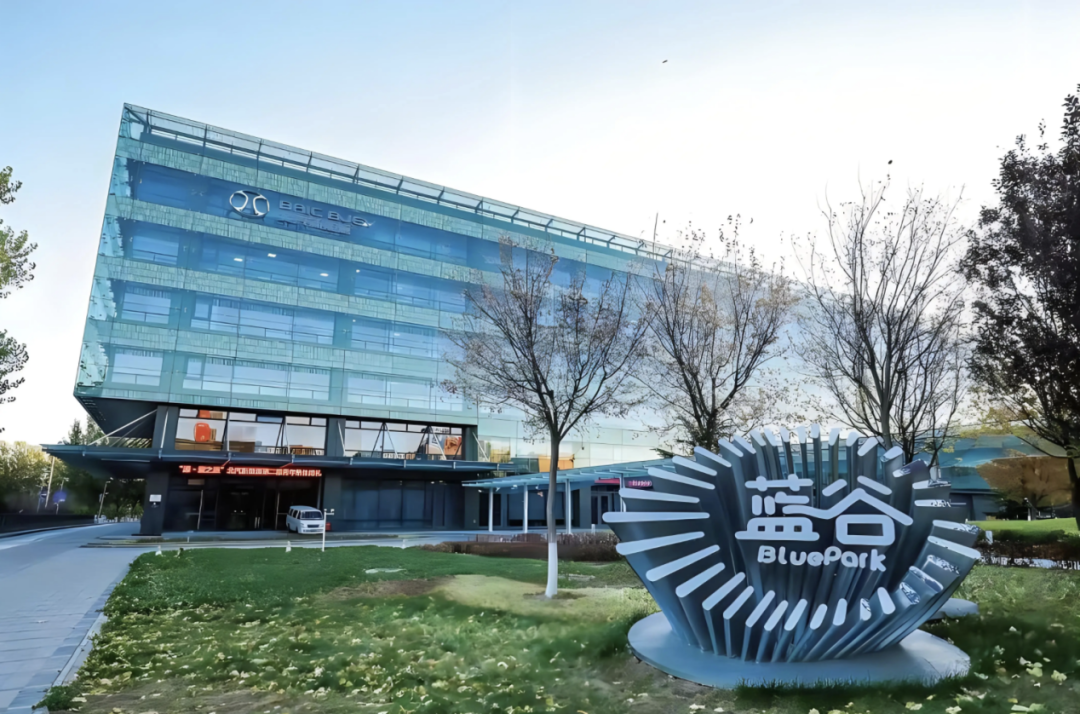
BAIC BluePark's shareholding increase action took place in early 2026, led by the group chairman, with 22 two-tier management members collectively increasing their stakes by RMB 15.3278 million, averaging nearly RMB 700,000 per person. This was one of the higher-level and more extensive shareholding increases among state-owned enterprise automakers. In terms of proportion, the increased shares only accounted for 0.0293% of the company's total share capital, with the signaling effect far outweighing the actual financial impact.
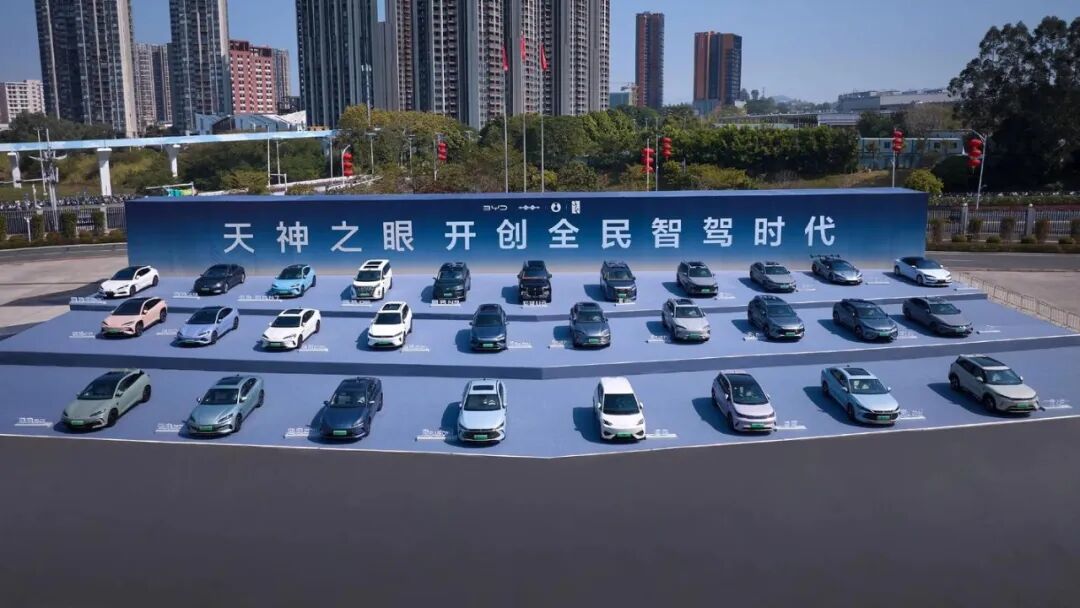
Among leading automakers, BYD also completed a round of shareholding increases by executives in September last year. Five senior vice presidents and 32 core personnel collectively increased their stakes by RMB 52.3278 million, with Chief Financial Officer Zhou Yalin and other executives all contributing with their own funds. Unlike Leapmotor's major shareholder increase, BYD's increase was primarily led by the core management team, superposition with the market environment where unit profit was under phased pressure, the intention to stabilize expectations and cohesion team confidence was also prominent. In terms of market value proportion, the increase of over RMB 50 million had a minimal impact on BYD's trillion-dollar market value, essentially representing a collective statement of the team's attitude.
The characteristics of shareholding increases among the three types of automakers are clearly different: founders of new forces increase their stakes with large amounts and high frequency, deeply binding their personal interests with the company, serving both as a vote of confidence and a prop for market value; state-owned enterprise automakers primarily take collective action as a team, with relatively restrained amounts, serving both as a statement of operational confidence and meeting policy evaluation requirements; leading private enterprise BYD falls somewhere in between, primarily involving core backbones, with a greater emphasis on team cohesion and value recognition. However, regardless of the form, 'conveying confidence' is the most frequent expression in all shareholding increase announcements.
Don't Be Fooled! Discerning Genuine from False Signals
The collective shareholding increases by executives from automobile companies are essentially an inevitable outcome as the industry enters a stage of inventory competition. With the dividend of rapid growth fading away and price wars Continuous squeezing profit margins, the valuation logic of capital markets towards automakers has completely shifted—simple sales growth is no longer sufficient; profit quality, cash flow health, and the sustainability of overseas growth are all repeatedly scrutinized by the market.
Against this backdrop, insider shareholding increases have become a cost-controllable and highly signaling tool. On the one hand, large-scale purchases by executives can indeed alleviate market concerns about operational aspects to a certain extent, especially during financial reporting blackout periods or stock price volatility, quickly stabilizing market sentiment. In a research report, the CITIC Construction Investment automotive team listed BAIC BluePark's executive shareholding increase alongside the new vehicle cycle as two core catalytic factors, believing that management's entry can strengthen market confidence in the company's long-term development.
 ",
",
-
![]()
The Surprisingly Significant Impact Difference Between Quiet and Noisy Cars!
-
![]()
Breaking Through Storage Cycle Barriers: How AI Large Models and Coding Technology Synergize to Drive Transformation in the Security Industry
-
Facilitating the Slimming of Camera Modules! O-film Obtains Utility Model Patent for Periscope-Type Reflective Component
-
![]()
Hikvision Raytine’s Millimeter-Wave Body Imaging Security Inspection Device Achieves ECAC SSc Category A Standard Level 2.1 Certification for European Civil Aviation
-
![]()
Global Market Share for Security Windows Hits 26%! This Optical 'Little Giant' Makes Its Debut on NEEQ
-
![]()
The Evolutionary Path of Agent Engineering: From Prompt to Harness by Zhang Yutao, Co-founder of Moonshot AI
-
![]()
Profits and stock prices are both declining, so why are executives from these auto companies increasing their purchases?
-
![]()
Burning Tens of Billions of Dollars, Yet No Unified Definition for World Models