299 RMB! I Bought the Mini Version of iPhone 17 Pro. Even the Counterfeit Phone Supports AI?
 07/20 2026
 571
571
The pinnacle of counterfeit phones?
Xiaolei (ID: leitech) has a somewhat unhealthy hobby—browsing Xianyu in his spare time. It's not that he's constantly looking for bargains; it's just that the platform is incredibly entertaining. You never know what you'll come across next: an Android flagship from a decade ago, a prototype that even the manufacturer's employees might not recognize, or something so bizarre that it makes you marvel at the wonders of the human supply chain.
Recently, Xiaolei stumbled upon a very abstract little phone.
(Image source: Xianyu)
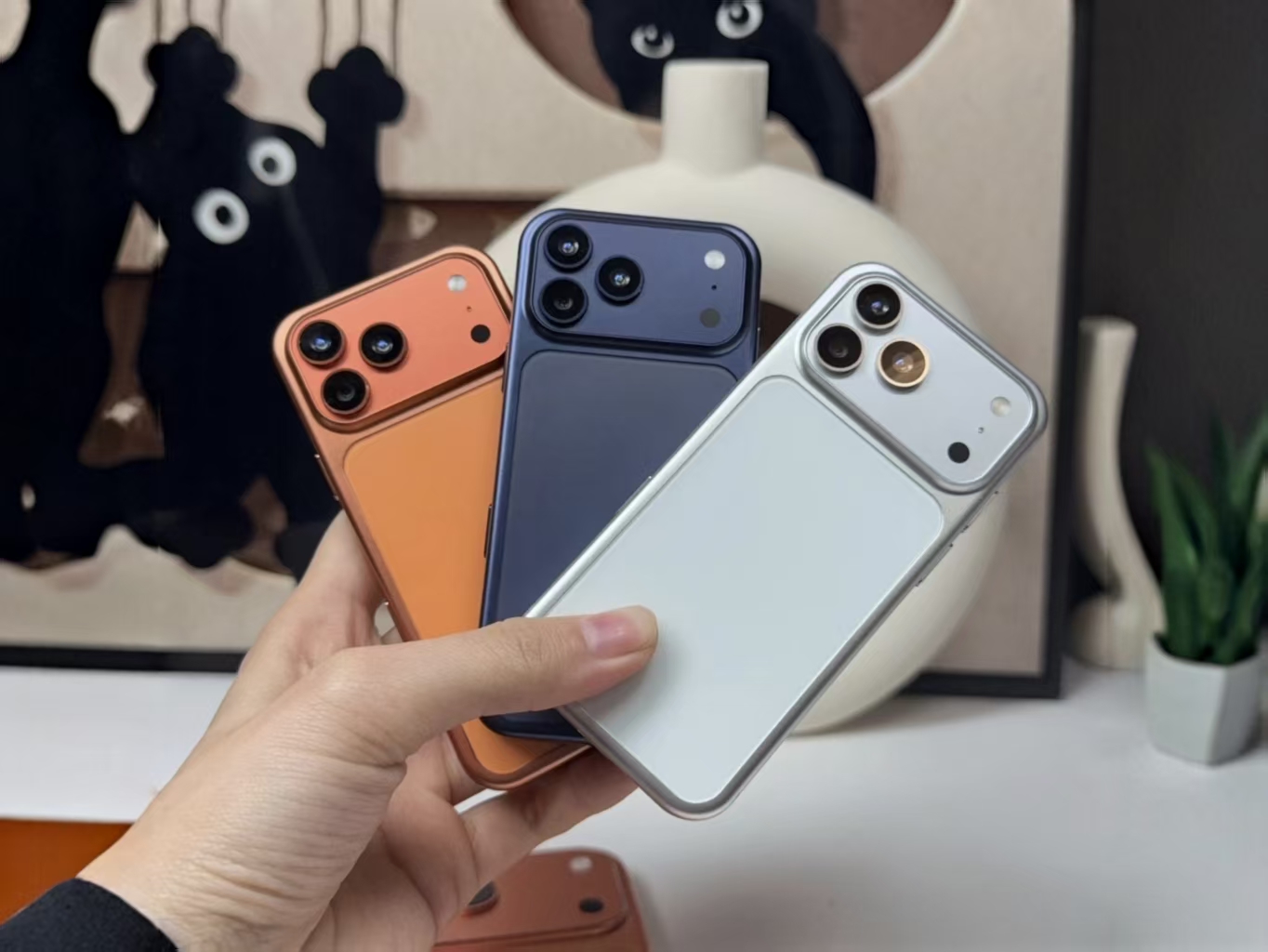
This thing is called the IP17 Pro Mini. It looks like a shrunken version of the iPhone 17 Pro, with what appears to be a tricolor metal casing and a 4.5-inch small screen. The page boasts large memory, ample storage, and an AI-powered smart system, all for the low price of 299 RMB. You can tell at a glance that there's something fishy here.
Apple stopped making mini phones, but counterfeit manufacturers are fulfilling the dreams of small-screen enthusiasts?
Realizing this, Leitech couldn't resist and bought one. Today, we'll take a look at whether this little iPhone from Huaqiangbei is a small-screen gem or just electronic waste.
Upon receiving the IP17 Pro Mini, Xiaolei's first reaction was, 'Hey, this actually has something going for it.'
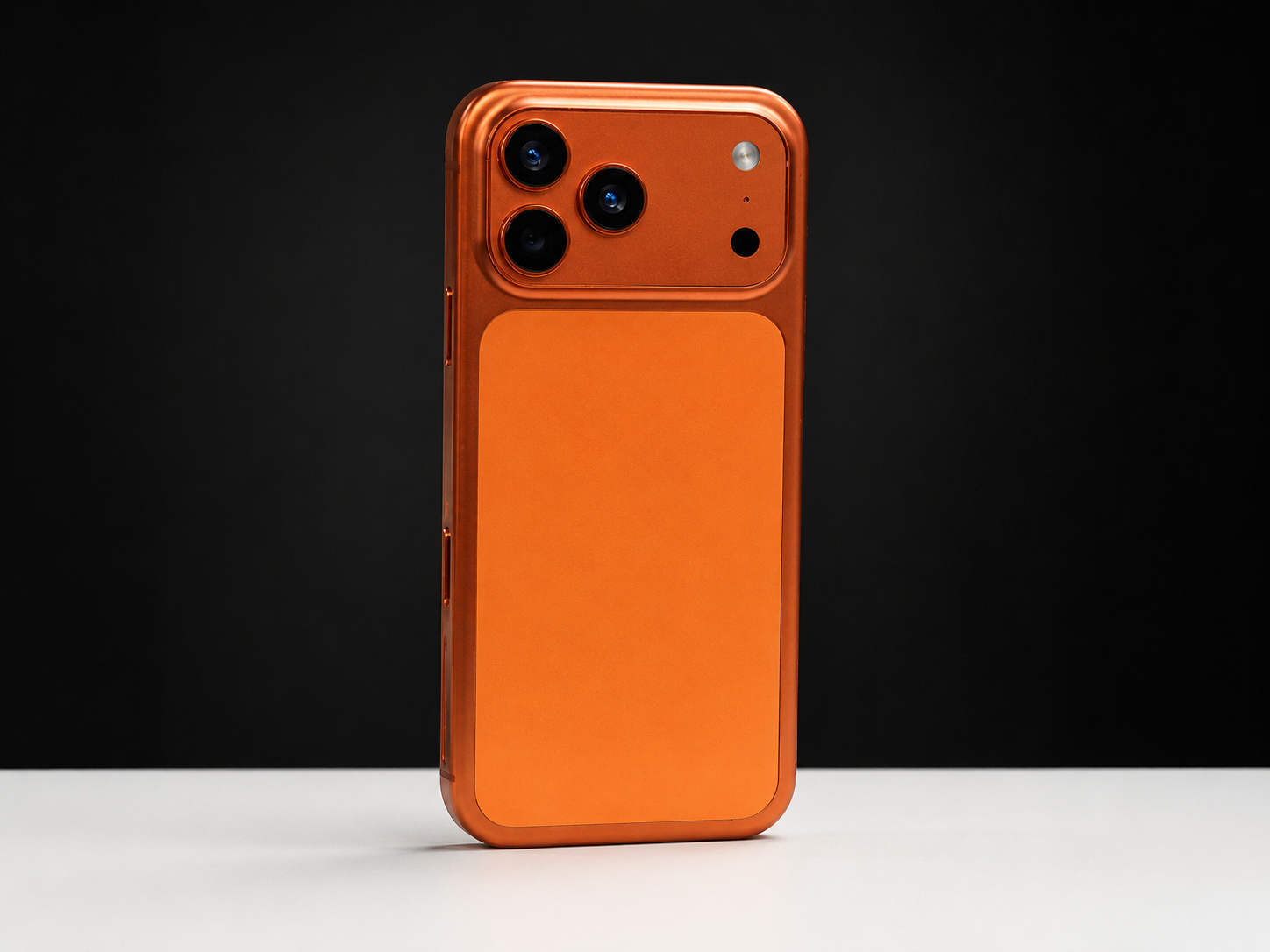
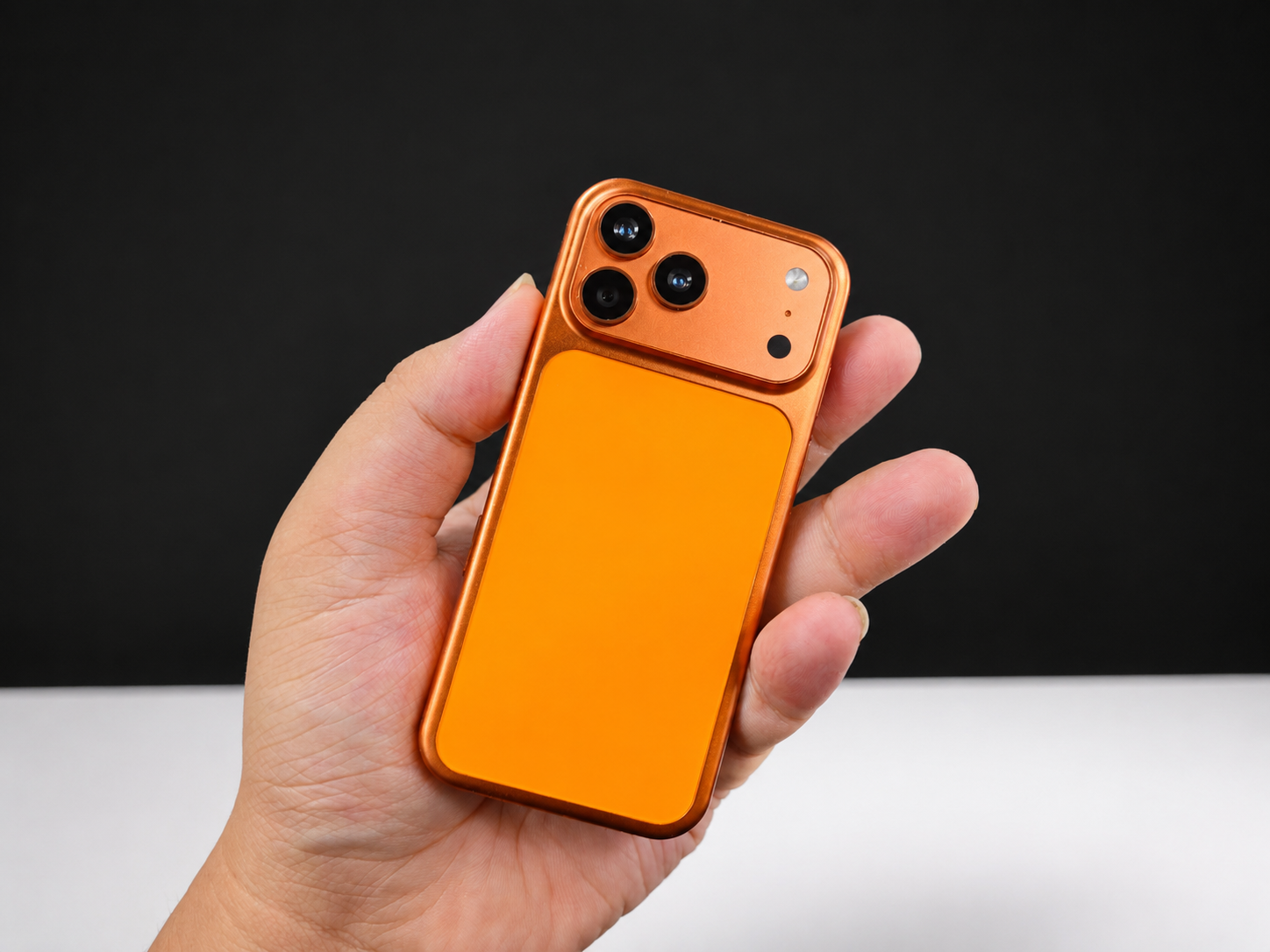
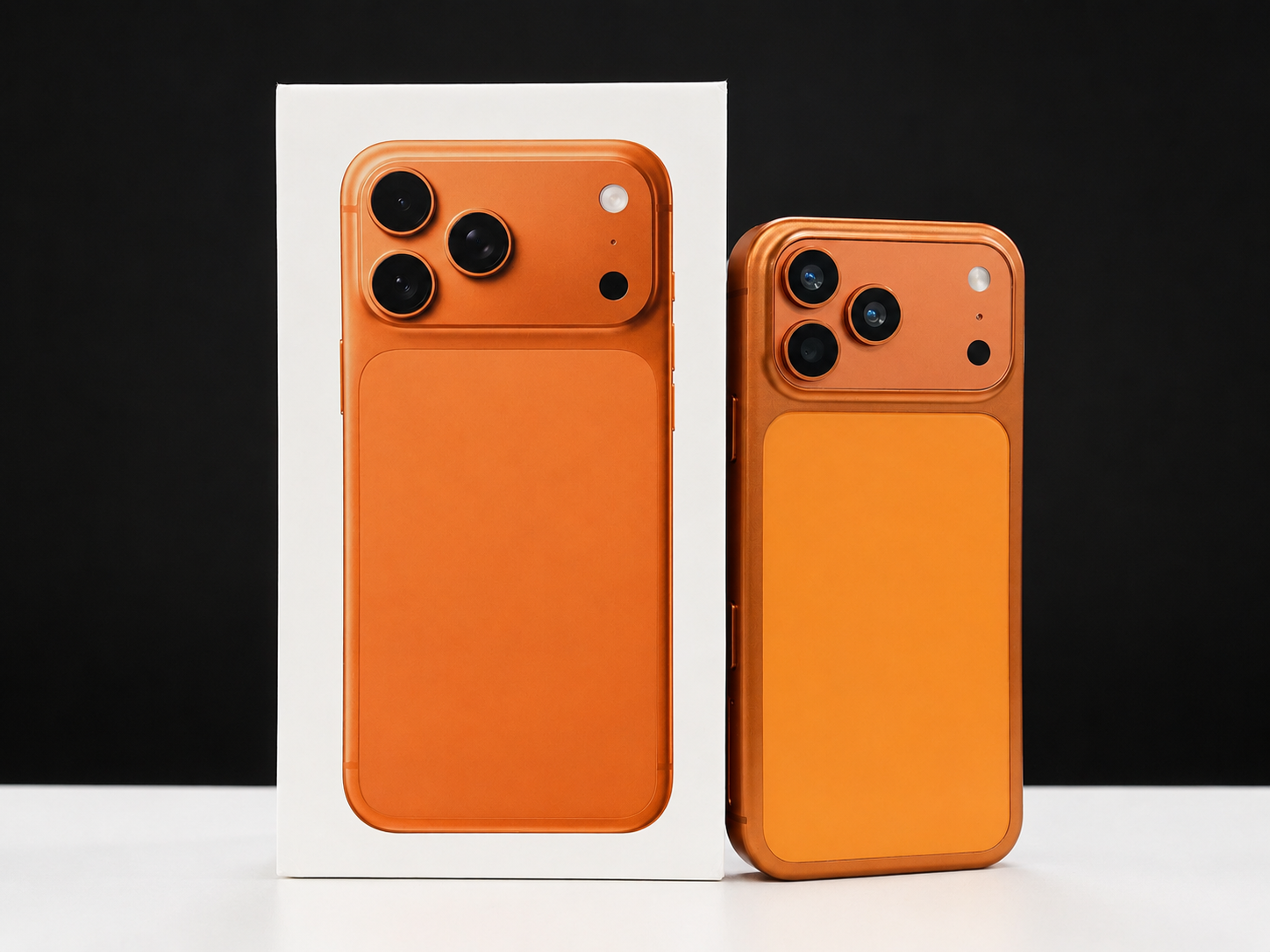
You should know that Apple's main color last year was orange, and this phone's casing is a metal style that tries very hard to imitate the iPhone 17 Pro's orange hue. Its back features a large camera module, and it even uses a splicing process (splicing technique) with two different materials.
(Image source: Leitech)
At first glance, it bears a resemblance to the genuine iPhone 17 Pro—maybe not identical, but at least 70% similar.
And it's so small, really tiny. Holding a 4.5-inch device feels much more kind (familiar) than the massive 6.7-inch or 6.9-inch slabs we're used to these days. The DNA of small-screen enthusiasts might stir a bit.
However, all these positive impressions only hold up from a distance.
(Image source: Leitech)
If you take a closer look, you'll notice traces of hasty craftsmanship everywhere on this device.
The metal body is made by Twisted together (twisting together) several different pieces of metal. The screen bezel is so thick that it could 'accommodate an aircraft carrier,' as the saying goes. When the LCD panel lights up, the grayish, cold, and dim display immediately takes you back to an Android backup phone from a decade ago.
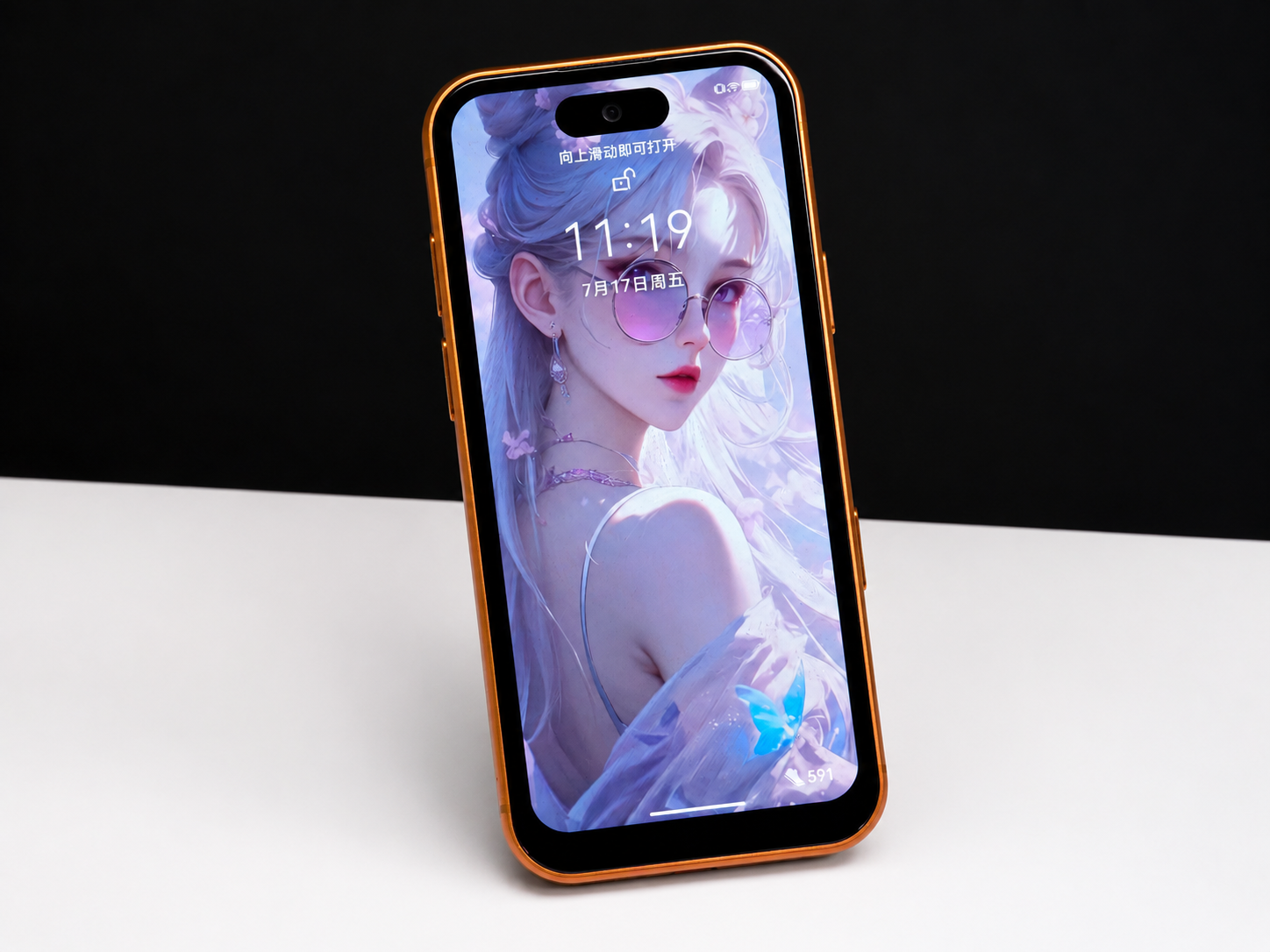
The most glaring issue is probably the single front-facing camera.
That's not necessarily unacceptable, but to align with iPhone's design, the phone forcibly adds a 'fake Dynamic Island' for the single camera, and it can't be turned off in the settings. This significantly reduces the already limited display area.
(Image source: Leitech)
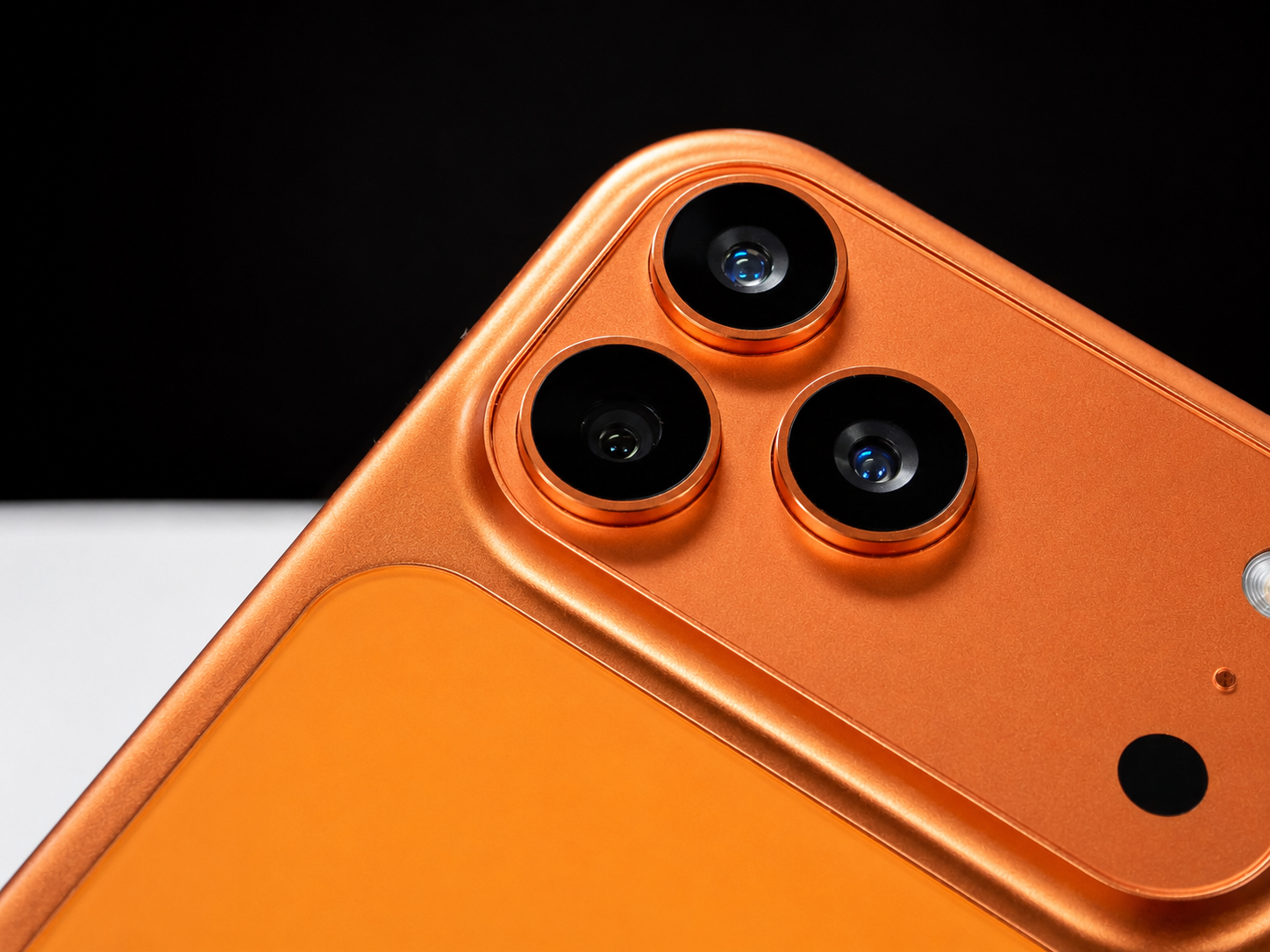
The back is even more comical. The triple-camera module looks impressive, but if you look closely under the light, you can clearly see that the top two lenses lack any sensors. They're just there to make the product design look better—a classic 'one real, two fake' setup.
But to be honest, this design has a certain retro charm.
(Image source: Leitech)
After all, counterfeit phones from back in the day loved to do this. They'd drill four holes instead of one, add oversized lens rings instead of leaving blank spaces. Even in 2026, this traditional craftsmanship hasn't been lost. If they drilled a few more holes, they might as well complete the 'nine normalization ' (nine into one) set.
As for this phone's biggest selling point, it has to be the small screen.
Mainstream manufacturers basically avoid small-screen phones because of the challenges: small screens, small batteries, limited internal space, and tricky app adaptations. Especially after the iPhone mini line disappeared, small-screen enthusiasts have few legitimate options. The emergence of this product suggests that there's still some demand in the market for 'I just want a small phone.'
Unfortunately, the craftsmanship is so rough (rough) that combined with its relatively thick body, it lacks any sense of refinement. It can only barely satisfy the amusement of small-screen enthusiasts.
At least the appearance can fool the eyes, but once you turn on the system, the entertainment factor kicks in immediately.
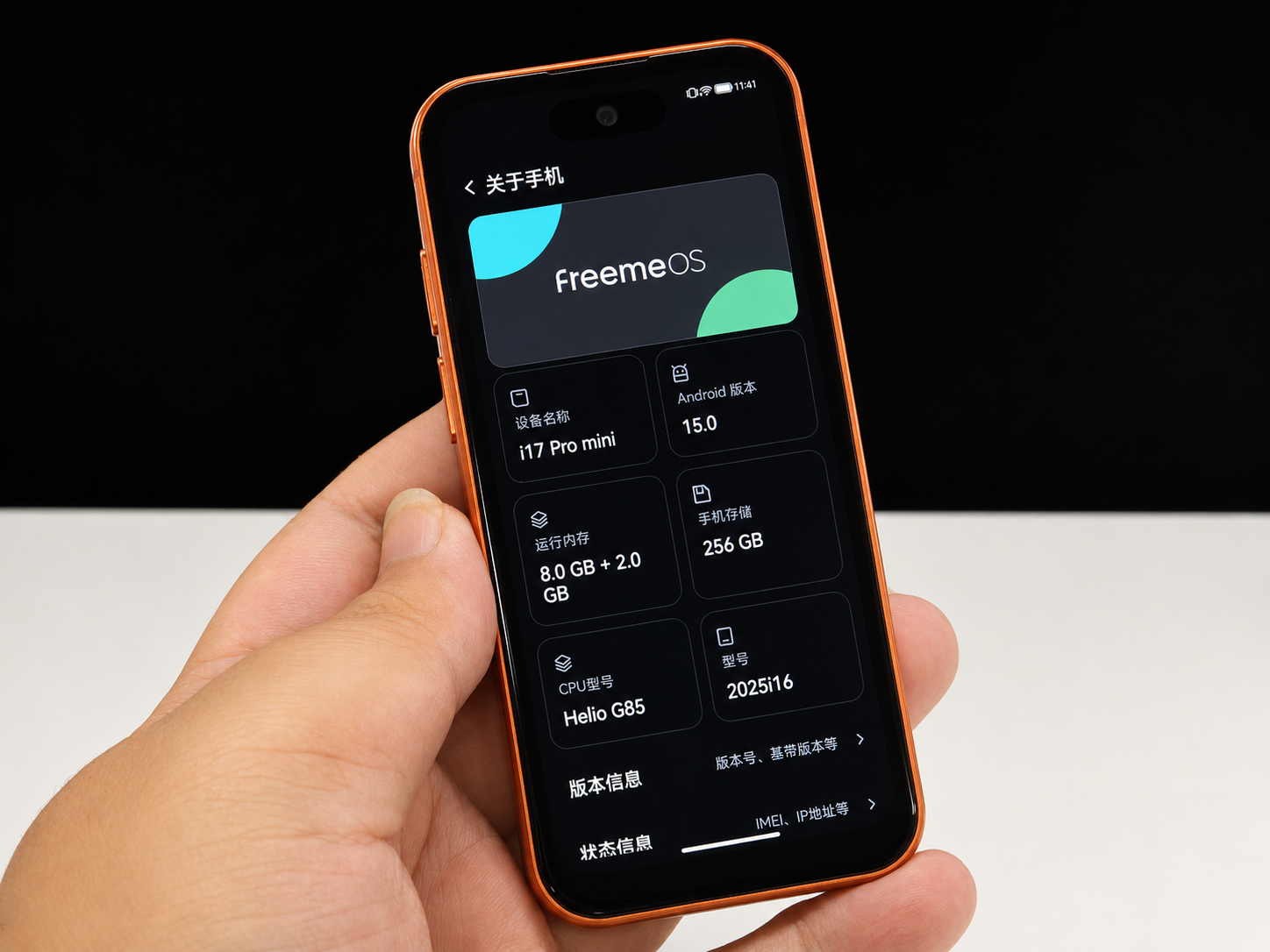
The IP17 Pro Mini runs on FreemeOS by Zhuoyi Technology—yes, the same Zhuoyi as Zhuoyi Tong. This is their bread and butter.
The system is based on a customized Android OS but clearly tries to mimic iOS in terms of icons, layout, and control center. However, this 'Apple flavor' isn't authentic; it's more like the kind you'd find next to a phone sticker stall at a county-level phone store.
(Image source: Leitech)
The animations are there, but they're not smooth, and the touch response isn't great either.
Swiping through the home screen, opening settings, or switching apps all elicit a response. It's not slow to the point of being unusable—in fact, it's better than I expected.
However, the specifications listed under 'About Phone' are full of tricks worth discussing.
The seller's page looks impressive, listing a Helio G85 processor and 8GB+256GB storage. While not outstanding, considering that the newly released REDMI 17C has similar specs but costs at least twice as much, this phone suddenly seems cost-effective, right?
Actually, you'd be wrong.
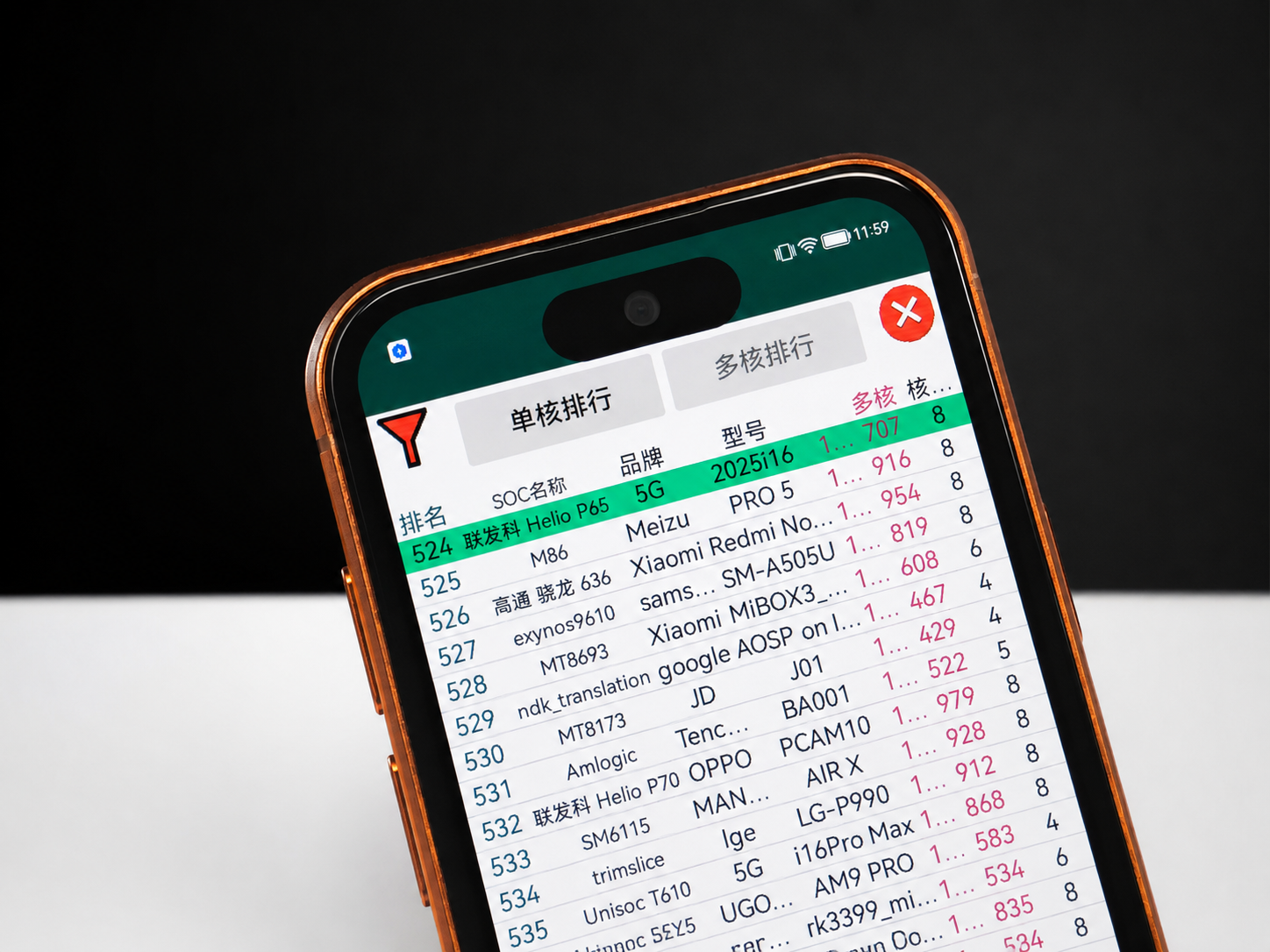
How could a counterfeit phone like this provide accurate specifications? A quick check reveals that the processor isn't the claimed G85 but the P65, also known as the MT6768V. The storage isn't 8+256 either—it's closer to 4+64.
(Image source: Leitech)
In terms of performance, it's roughly comparable to a nine-year-old Snapdragon 636.
Of course, if your daily usage involves answering calls, receiving verification codes, scanning QR codes, hanging WeChat, and occasionally browsing short videos, it can barely handle those tasks.
Although this device only supports 4G, domestic network coverage is still sufficient. During my experience, I didn't encounter any signal issues. As long as you don't open too many background apps and don't expect instant app launches—setting background restrictions in the developer options, like I did—it can reluctantly (barely) meet the basic requirements of a backup phone.
But if your daily usage is what a normal person expects, then it's not suitable.
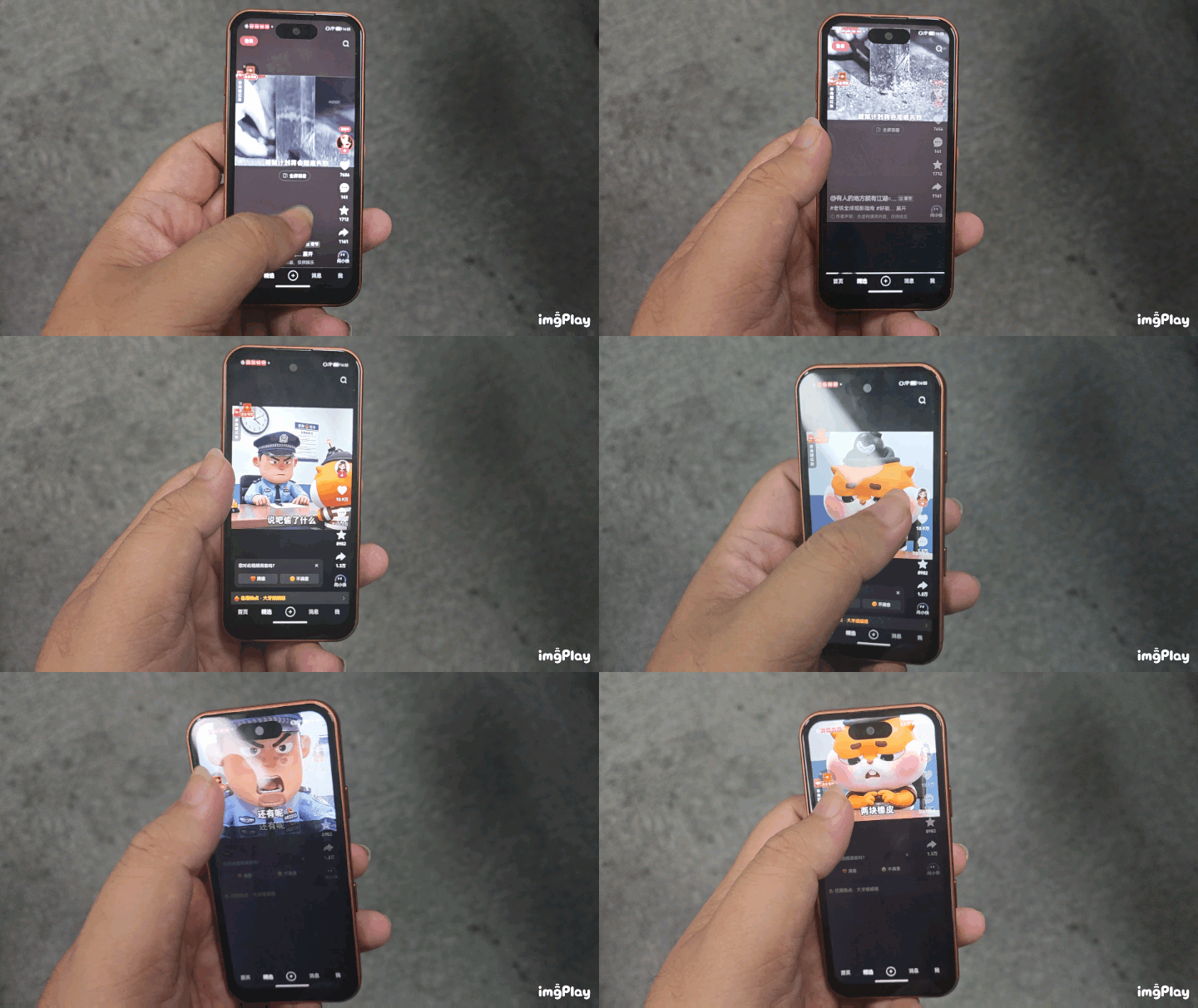
Nowadays, ordinary users' actual usage scenarios are quite intensive. WeChat, Alipay, Douyin, Bilibili—none of them are lightweight, and most need to run constantly in the background. Asking the IP17 Pro Mini to handle them is like a primary school student running a marathon against adults. The spirit is admirable, but the outcome is hard to evaluate.
In terms of actual experience, opening three apps sequentially already makes Kuaishou feel sluggish.
(Image source: Leitech)
Gaming is even less promising.
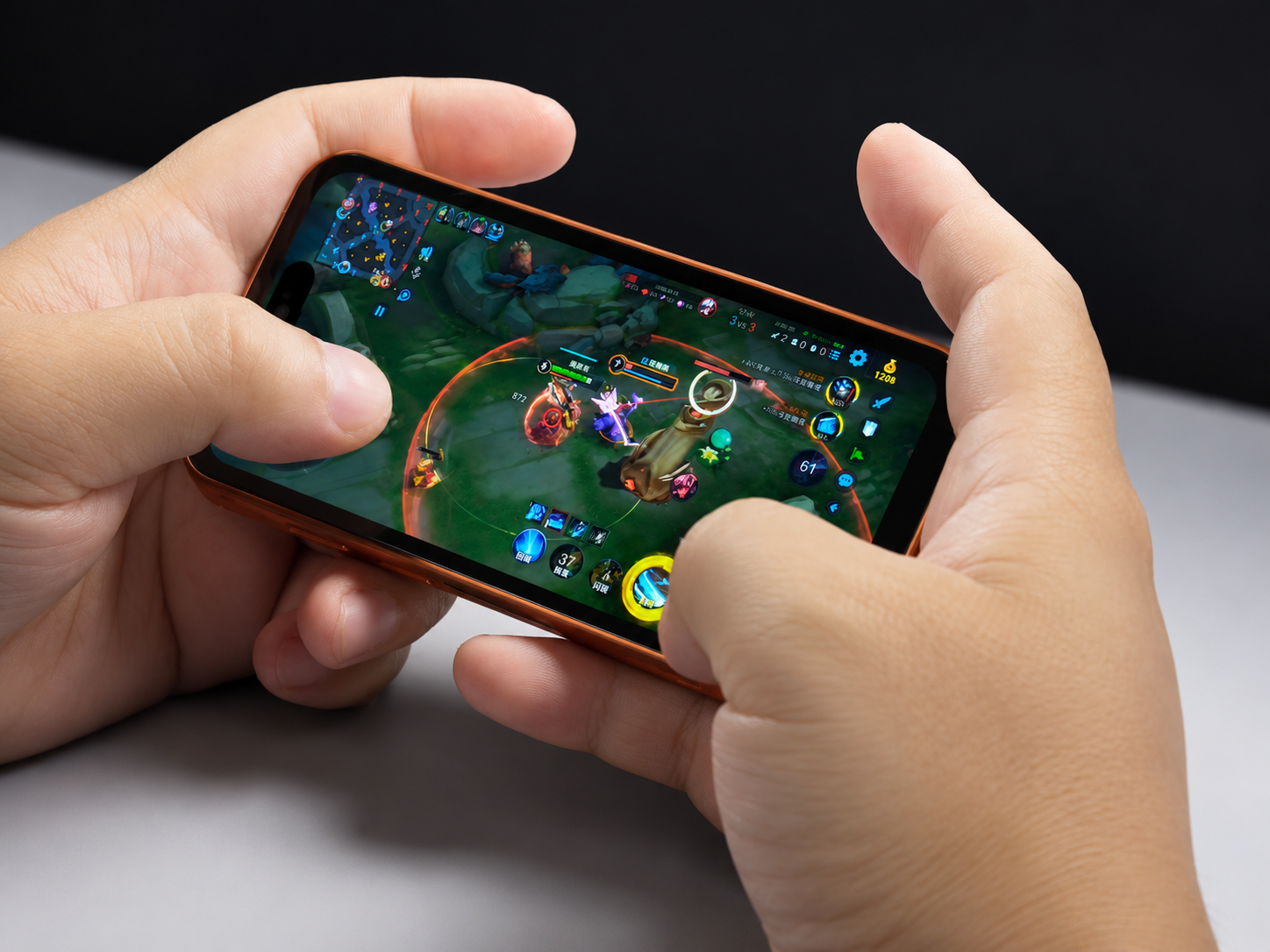
With its 4.5-inch small screen and low-end hardware, playing mainstream mobile games feels like self-torture. The screen is small, the buttons are cramped, and the performance can't handle complex graphics. It's just not enjoyable.
In testing, Honor of Kings could barely run at HD+60fps, but the accidental touch probability was really high—somewhat torturous.
(Image source: Leitech)
The official claim of a 5000mAh battery is false—it only measures 2300mAh in reality. Even when idle, the battery drains quickly, barely lasting a day. While gaming, half an hour of Honor of Kings consumes 22% of the battery, maxing out at two and a half hours.
After the battery dies, you can only recharge it with the classic 5V1A charger, which takes about two hours to fully charge.
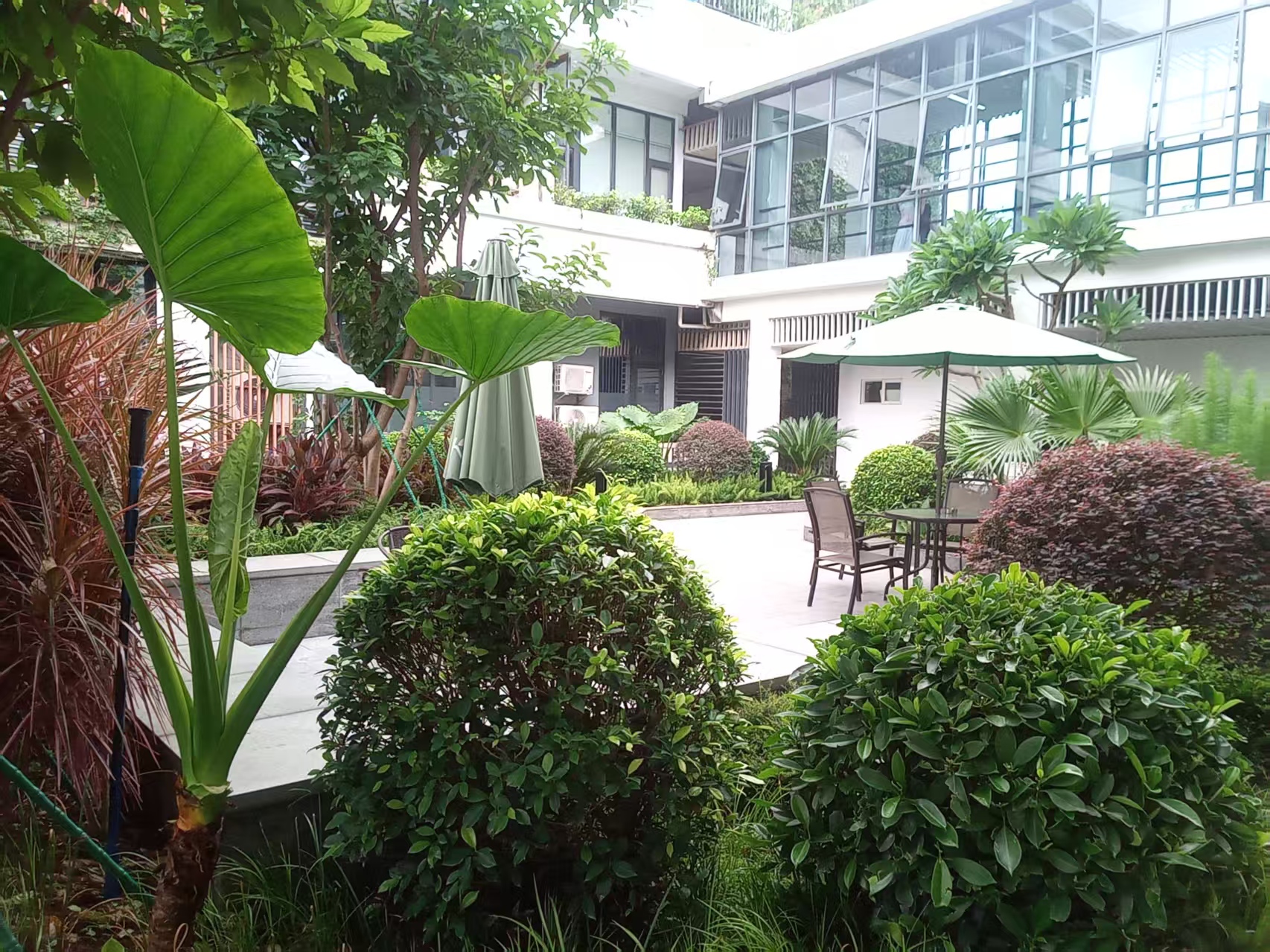
As for the camera, the rear lens can barely handle basic tasks like scanning QR codes or photographing delivery slips during the day.
But if you try to shoot night scenes, portraits, telephoto, or ultra-wide-angle shots, you're asking too much of this device. Even scenes with high contrast, like dusk, are challenging.

(Image source: Leitech)
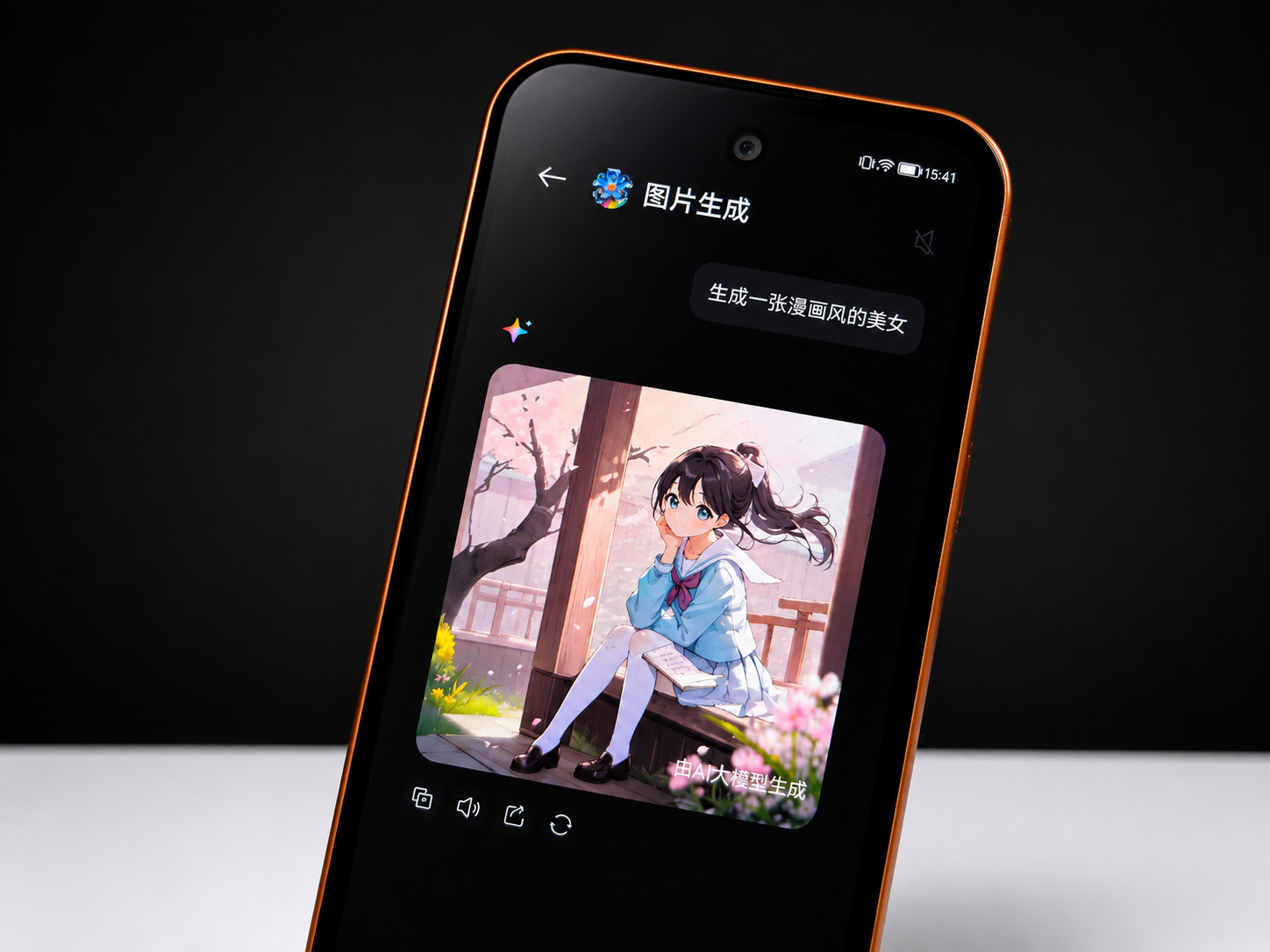
The most abstract part is that even counterfeit phones are now talking about AI.
The IP17 Pro Mini also comes with an AI assistant, no different from those offered by mainstream manufacturers. It features AI conversations, AI searches, various intelligent agents, and text/image generation capabilities—all based on the Qianwen large model. So, the experience isn't bad.
(Image source: Leitech)
As for Agent capabilities... do you really expect the Helio P65 processor to deliver Agent capabilities?
After experiencing the IP17 Pro Mini, Xiaolei's biggest takeaway is that counterfeit phones are getting more impressive.
In the past, they imitated Apple and Samsung; now they imitate small-screen nostalgia, metal bodies, and even AI systems.
You could say they're outdated, but their ability to sense trends surpasses many legitimate brands. You could also say they're advanced, but opening WeChat on this device reminds you of a decade-old Redmi 5.
To me, this thing is only good for a laugh.
(Image source: Leitech)
As electronic waste, it's somewhat entertaining; as a legitimate phone, it only brings pain. Its appearance entices you to buy it, real-world testing reminds you to stay lucid (sober), false specifications provide entertainment, and AI marketing proves that counterfeit phones are trying to embrace the times.
Should you buy it? You can buy it for fun, but not for serious use.
If you just want to spend a little money to satisfy your curiosity and see how absurd these mini iPhones can be, it has its appeal. But if you're looking for a stable backup phone or think it can fulfill your small-screen dreams, then definitely not.
The dreams of small-screen enthusiasts are precious—don't waste them on counterfeit phones.
WAIC 2026, themed 'Intelligent Partners · Creating the Future Together,' officially opens today!
The AI narrative has shifted from stacking model parameters to implementing Agent-based productivity. Heterogeneous collaboration and photonic computing continue to push computational limits. Embodied AI accelerates applications, with robots entering homes and factories, making physical AI a reality.
The Leitech WAIC exploration team has arrived in Shanghai to witness the peak moment of AI industrialization. Stay tuned!
Apple, Huaqiangbei, iPhone, counterfeit phone, small-screen phone
Source: Leitech
All images in this article come from the 123RF licensed image library. Source: Leitech
-
DRAM, A Disruptive Technological Breakthrough!
-
Robot Army Mobilizes for Action
-
![]()
Electric Vehicle Penetration Soars Past 60%, Yet Seven of Top Ten Brands Hail from Traditional Fuel Vehicle Sector, Casting Doubt on Their Longevity
-
![]()
Conant Optics Clinches R&D and Procurement Framework Deals with Top Tech Firms!
-
![]()
Over 87% Surge in Net Profit for H1 Anticipated! Dongtian Micro Leads in AI Optical Communication
-
![]()
Tech Titans Offload AI Ventures, Tencent Shifts Stakes to Capitalize on Artificial Intelligence Surge
-
![]()
WAIC 2026 Observations: Mapless, Brain-Powered, and Task-Ready—Is Physical AI Taking Off?
-
![]()
Self-driving Technology Hits the Road: NVIDIA's Structural Adjustment, the Emergence of a First Mover... The Second Half of the Autonomous Driving Race Begins