Electric Vehicle Penetration Soars Past 60%, Yet Seven of Top Ten Brands Hail from Traditional Fuel Vehicle Sector, Casting Doubt on Their Longevity
 07/20 2026
 362
362
A notable paradox within the electric vehicle (EV) industry is the coexistence of a vast market size with the struggle of many EV firms to attain a commensurate scale. In June, seven out of the top ten independent automotive brands were traditional fuel vehicle manufacturers. With the domestic EV market experiencing a downturn, companies that have not yet reached a critical sales volume threshold face an uphill battle for survival.
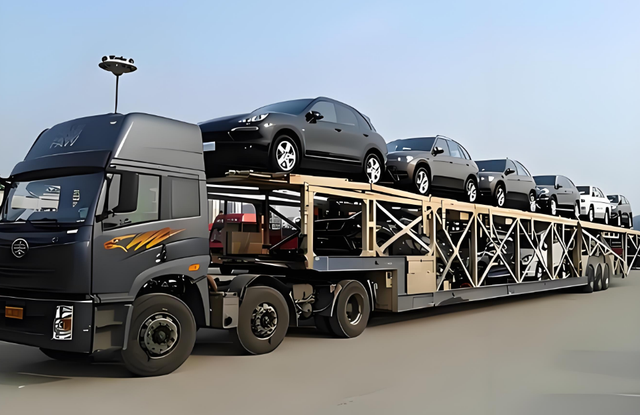
Data from June of this year reveals a 23% decline in overall domestic auto retail sales, with new energy vehicle (NEV) retail sales dropping by 9.4%. In the first half of the year, the overall auto retail sales witnessed a 20.2% decrease, while NEV retail sales fell by 13.6%. These statistics not only indicate that the market is in a phase of stock competition (competition based on existing inventory) but also highlight a contraction in overall sales, thereby intensifying competition among automakers.
Significantly, among the top ten brands, two of the three EV companies are domestic EV firms. These two companies have either expanded independently or collaborated with Stellantis to venture into overseas markets, achieving notable breakthroughs. The third EV company is Tesla, further underscoring that these two leading EV companies have transcended reliance on the domestic market alone and have secured broader development prospects.
In fact, even the continuously declining BBA (BMW, Benz, Audi) automakers witnessed higher sales in the domestic market during the first half of this year compared to many NEV companies. Data indicates that only the aforementioned two leading EV companies surpassed BBA in sales. The EV brand closest to the lowest-selling BBA brand, Benz, still fell marginally short. Benz sold 169,300 vehicles in China in the first half of the year, whereas the brand nearest to Benz sold 160,800 vehicles.
Under such circumstances, as the domestic EV market contracts, the survival space for these EV companies will only diminish, leading to a more intense phase of 'big fish eating small fish.' Companies with meager sales volumes will find it increasingly arduous to sustain themselves. First-half data also reveals that only four NEV companies experienced positive sales growth, suggesting that these companies are not immune to the overall trend of the domestic auto market.
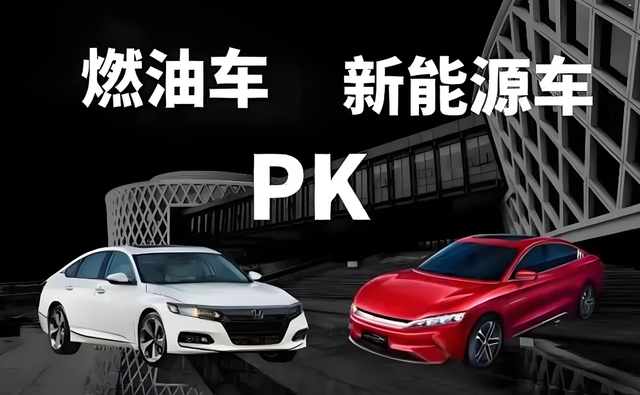
Among the EV companies that achieved positive growth, two did so by introducing mid-to-low-end models. One company launched an EV priced below 60,000 yuan, while another, claiming to be a luxury brand, has introduced two sub-brands. One sub-brand boasts an average selling price exceeding 200,000 yuan, while the other has an average selling price just over 100,000 yuan.
Consumers are also beginning to appreciate the significance of an automaker's sales scale. Over the past few years, 17 new car companies have either collapsed or encountered difficulties (the term 'bankruptcy' is avoided here). Owners of these brands have suffered immensely, with their vehicles experiencing severe depreciation, maintenance and repairs only feasible through third parties, difficulty in sourcing spare parts, and significant obstacles in daily vehicle usage. This has prompted consumers to distance themselves from automakers with small sales volumes.
The top ten NEV sales brands in June reveal that five are fuel vehicle companies, indicating that some consumers are opting for these fuel vehicle companies even when selecting NEVs due to their larger scale and more dependable after-sales service. Additionally, consumers choose NEVs from fuel vehicle companies because they recognize that the fundamentals of EVs still lie in the vehicle itself, with safety and reliability being paramount. Fuel vehicle companies' automotive technology is deemed more trustworthy.
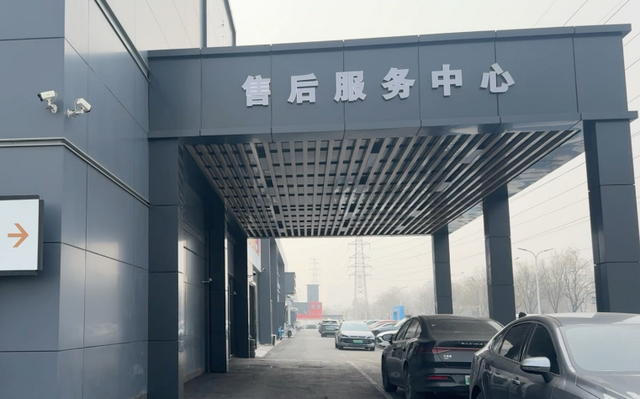
In contrast, these NEV companies have demonstrated insufficient attention to after-sales service. One automaker has segregated retail and after-sales operations, with significantly more retail outlets than after-sales centers, compelling consumers to travel long distances for maintenance. Previously, it was reported that an owner had to undertake a 700-kilometer round trip for maintenance, prompting some consumers to abandon NEV companies and opt for NEVs from fuel vehicle companies instead.
These facts underscore that while these NEV companies generate substantial online buzz, in reality, the number of companies that have successfully navigated the survival challenge remains quite limited.
-
![]()
After Three Attempts to List on the Hong Kong Stock Exchange, Has Yonyou Finally Broken Free from Its Painful Transition?
-
![]()
Qianwen Powers Apple’s AI: Alibaba Secures Its ‘Doubao Moment’ with iPhone Integration
-
![]()
JD Marches West, Pinduoduo Ventures East: The Clandestine Struggle for China’s Supply Chain Dominance
-
![]()
GAC Honda Secures 10-Year Contract Renewal: Debunks Merger Rumors, Unites for Market Breakthrough | Mirror Pro
-
![]()
Analysis of BBA Service Reputation Index in the First Half of 2026: Terminal Services Under Pressure
-
Observation of AI Business Models: From Token-Based Payment to Outcome-Based Payment
-
Observations on AI Business Models: From Token-Based Payment to Outcome-Based Payment
-
SpaceX Market Insight: The $1 Trillion 'Fireworks' Fizzle Out, Marking the Start of the Super IPO Gamble