OPPO Bubble Experience: A Selfie Companion and a Glimpse into AI Hardware's Future
 07/20 2026
 383
383
Selfies hold a special significance for OPPO.
As Xiao Lei, I'm not typically a fan of taking selfies; I find them somewhat cumbersome. Using the rear camera for selfies ensures top-notch image quality but makes framing the shot a challenge. Conversely, the front camera simplifies framing but often compromises on image quality.
To address this "selfie conundrum," numerous brands have devised "innovative" solutions during smartphone development. Take, for instance, the Xiaomi 17 Pro Max, which introduced a secondary screen directly behind the phone's camera.
Recently, OPPO unveiled another groundbreaking concept in the selfie domain—the OPPO Bubble magnetic selfie screen. Leitech had the opportunity to test this product and share our insights.
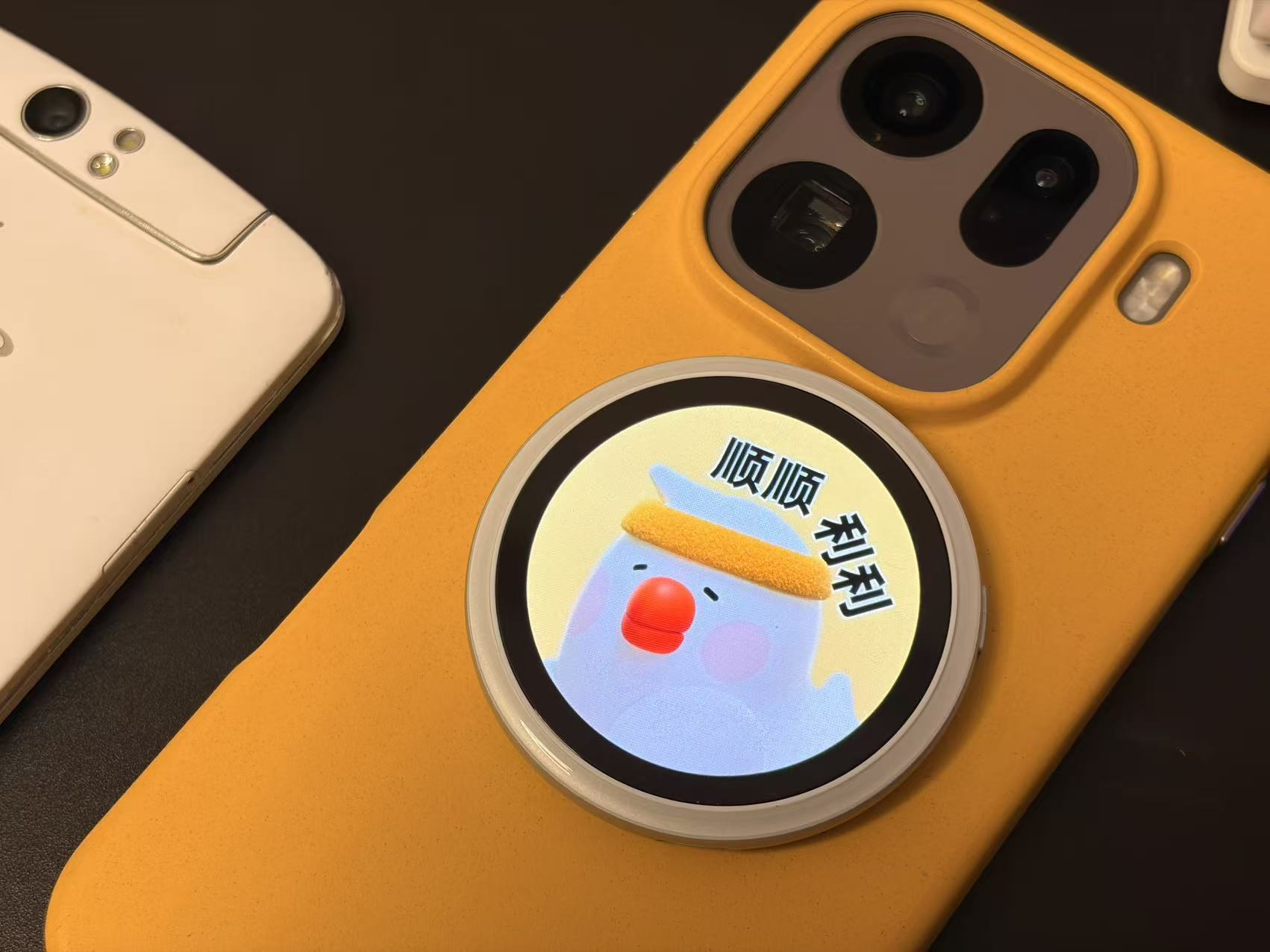
Image source: Leitech
Initially, I perceived OPPO Bubble as a mere "selfie aid hardware." However, after using it, I believe OPPO's vision for OPPO Bubble extends beyond just being a "selfie screen."
Let's delve into the hardware first. OPPO Bubble's design is straightforward—it's essentially a compact external touchscreen that magnetically attaches to the back of a phone. A power button on the side allows users to wake up OPPO Bubble or hold it down to turn it off and conserve battery. Below, there's a USB-C port for charging.
Despite its simplicity, my first impression of OPPO Bubble was favorable. The device weighs a mere 27.5g, comparable to an average smart bracelet, and is just 7mm thick. For context, an "electronic badge" I received at a previous event, which could only display images, was bulkier than OPPO Bubble.
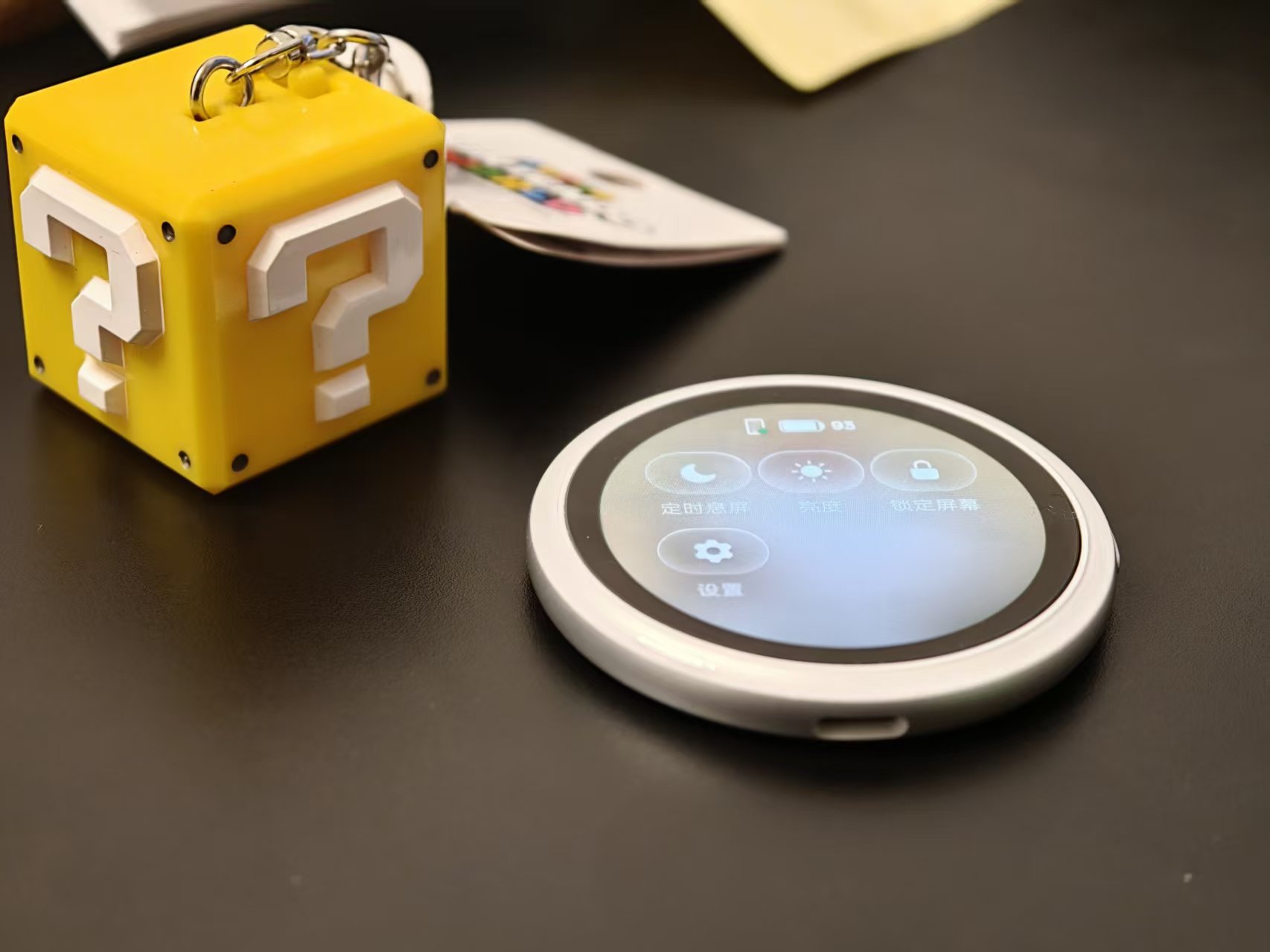
Image source: Leitech
Upon turning it on, OPPO Bubble automatically displays a matching popup on nearby OPPO phones, eliminating the need for manual network setup or account login. A simple tap on "next" is all it takes to start using it.
By swiping up from the bottom on OPPO Bubble (mirroring the gesture for returning to the home screen on a full-screen phone), users can directly launch the camera on their matched OPPO phone and view the central portion of the phone's viewfinder on OPPO Bubble's 1.73-inch screen.
Admittedly, OPPO Bubble only displays the central part of the viewfinder, which suffices for solo selfies. However, in group selfies, individuals not positioned at the center may not see their faces on OPPO Bubble's screen.
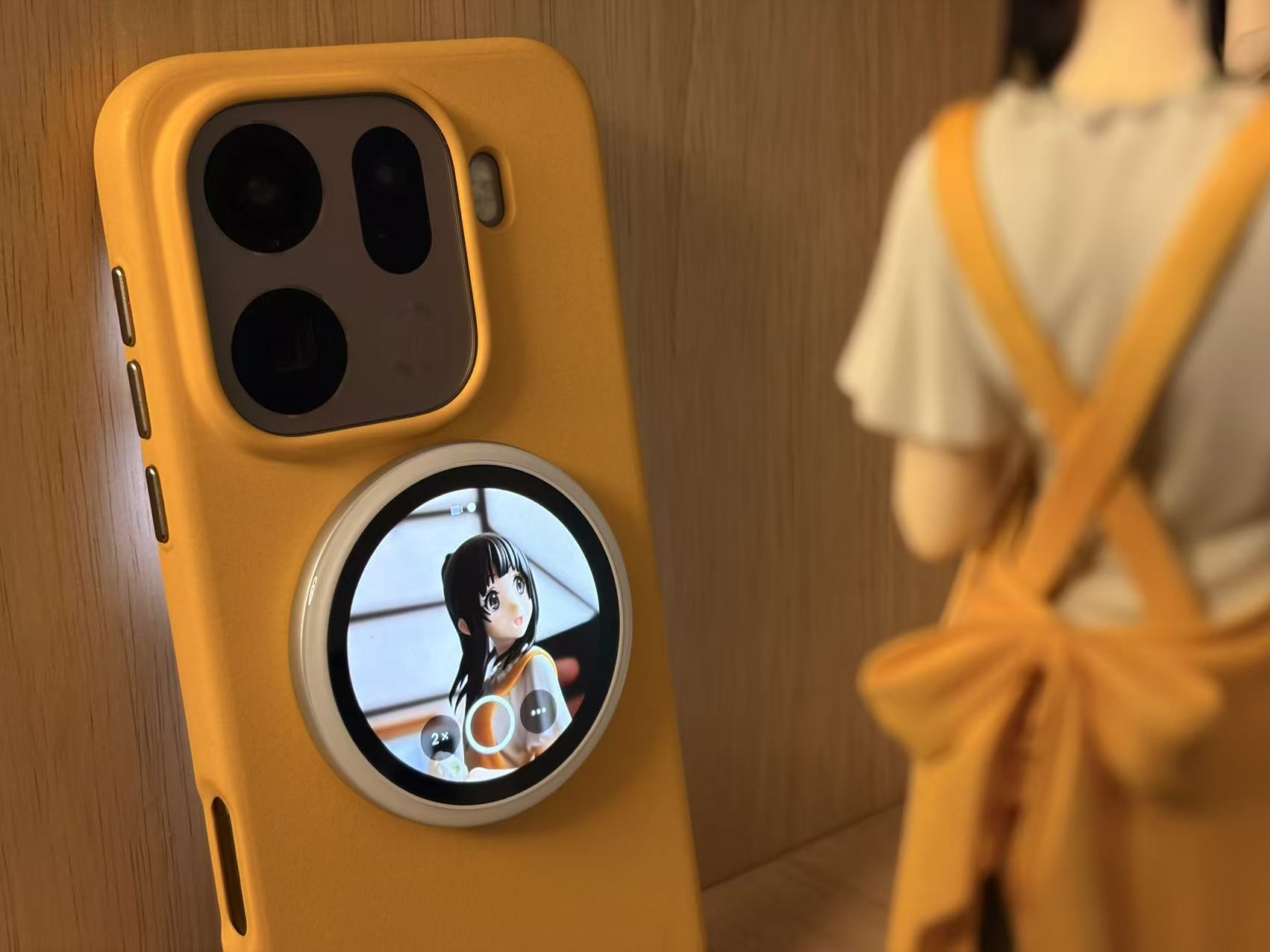
Image source: Leitech
In its current iteration, to utilize OPPO Bubble for framing, users must open the camera through OPPO Bubble; directly opening the camera on the phone or using third-party camera apps won't project the image onto OPPO Bubble. Furthermore, OPPO Bubble's functionality is limited to basic framing and shooting, lacking touch-based focus point selection or exposure compensation adjustment.
Regarding screen lag, I conducted a basic test. On average, the lag is around 150ms, which is acceptable for casual group selfies. However, for capturing precise moments, it's advisable to use the phone directly for Live Photos.
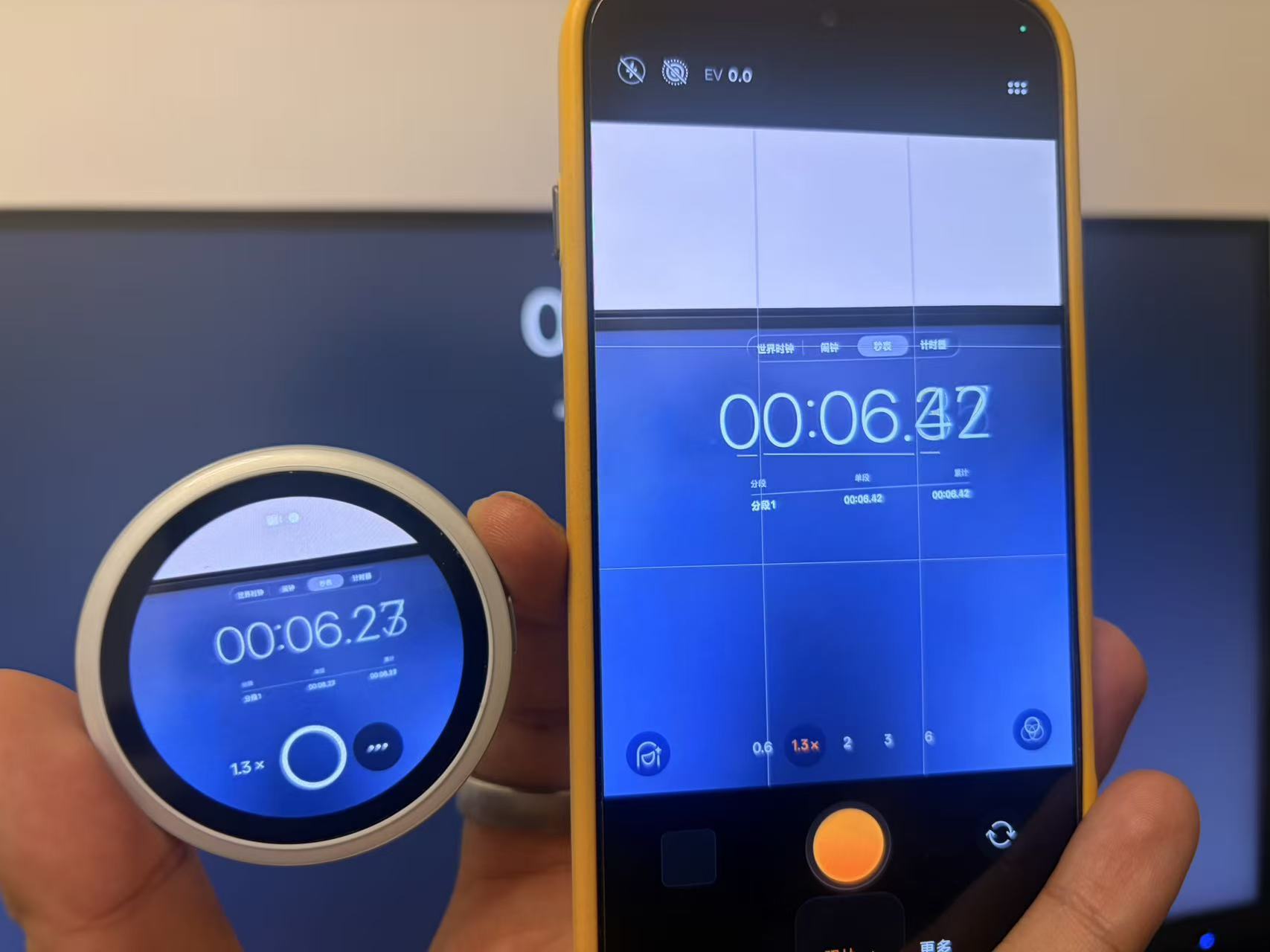
Image source: Leitech
Interestingly, beyond its photographic capabilities, OPPO Bubble doubles as a stylish digital accessory. OPPO has curated multiple adorable pet themes for OPPO Bubble, which can be used as "bag charms" with the included attachment.
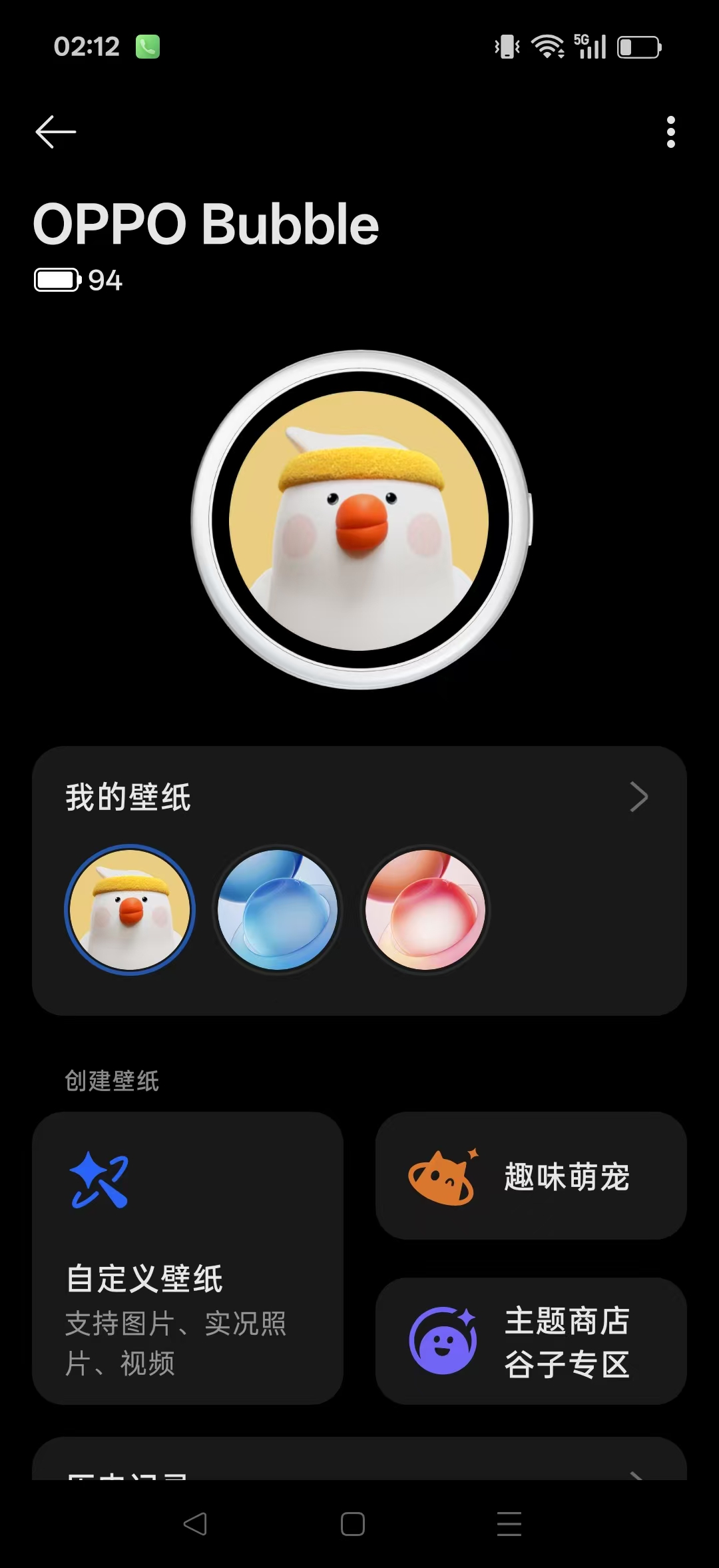
Image source: Leitech
Of course, users can also upload their favorite images via the app and use OPPO Bubble as an "electronic badge." While OPPO Bubble has room for improvement in photography, it excels in providing emotional value.
When introducing OPPO Bubble, I referred to it as another "ingenious idea" from OPPO. Why? Because, in Leitech's view, OPPO is one of the brands that prioritizes selfies the most.
During the "wild west" era of mobile phones, some brands added a small mirror beside the rear camera to help users roughly position their faces for selfies. This low-cost solution fit the phone designs of the time but only addressed the "orientation" issue, not framing or composition. Back then, front camera image quality was abysmal—a 0.3-megapixel front sensor could rival the performance of the Cangye C3M1 I tested recently.
Then came the OPPO N1 (not to be confused with the later OPPO Find N).
With its swivel camera design, OPPO N1 allowed users to rotate the rear camera to the front and use it with the phone's screen for selfies.
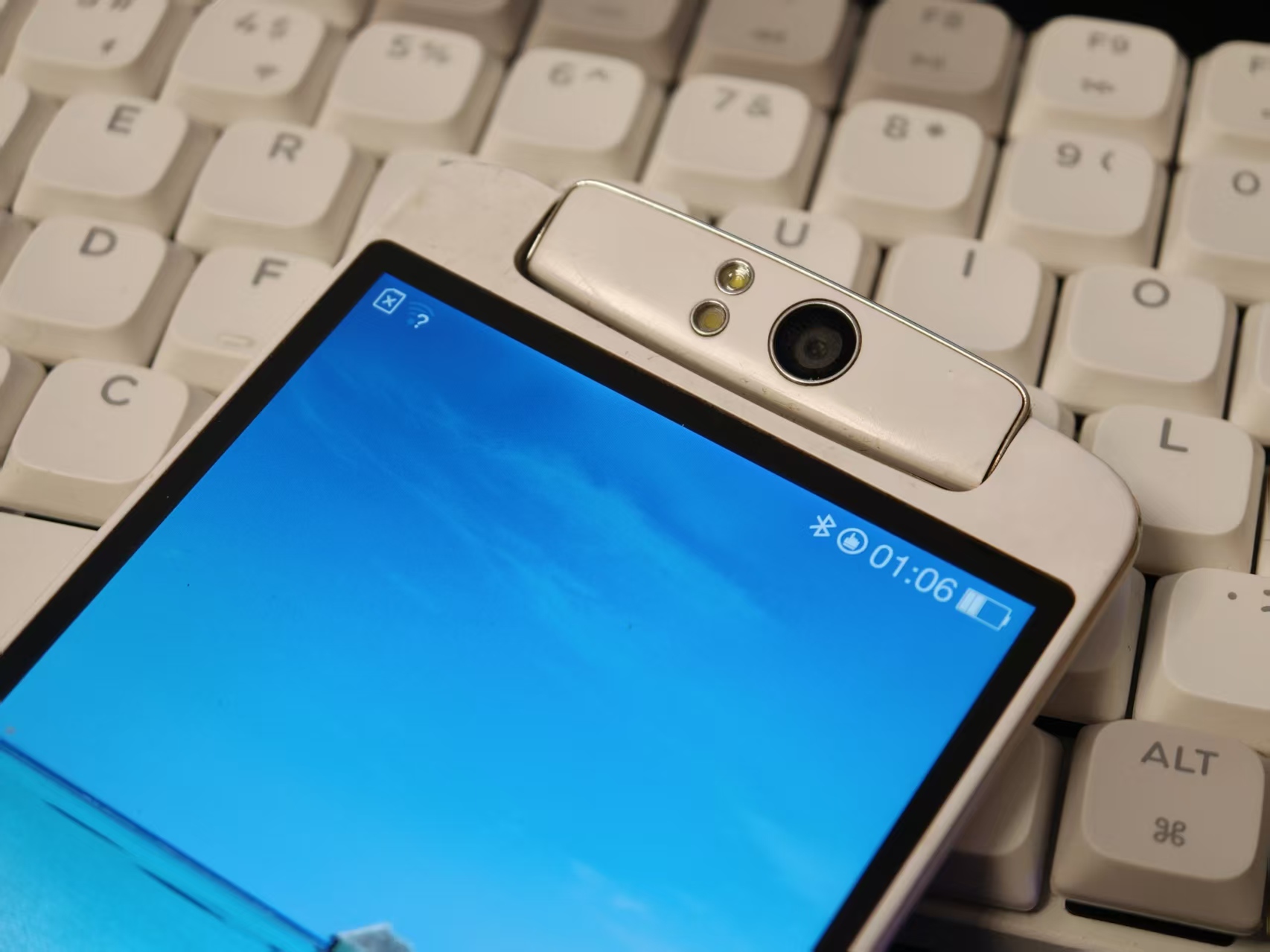
Image source: Leitech
Although OPPO N1's rear camera may seem "archaic" by today's standards, its design was revolutionary at the time, effectively elevating mobile selfie quality to that of the rear camera.
In the era of full-screen phones, OPPO also introduced the pop-up camera Find X and the Find X dual-screen prototype. While these phones were initially designed to maximize the front screen's display area, they inadvertently discovered "ingenious" ways to push the boundaries of selfie quality beyond the technological limitations of the time.
From OPPO N1 to OPPO Bubble, it's evident that OPPO has consistently pursued better selfies.
Following tradition, let's summarize OPPO Bubble's pros and cons based on Leitech's review template before providing specific purchasing advice:
Advantages:
1. Lightweight and portable design;
2. High screen brightness, ensuring readability outdoors;
3. Magnetic attachment for effortless use.
Disadvantages:
1. Limited camera control options;
2. Lacks wireless charging capability and cannot be charged reversely by the phone;
3. Noticeable screen bezels;
4. Limited functionality, primarily suitable for selfies and decoration.
Undeniably, OPPO Bubble addresses the inconvenience of framing selfies with the rear camera. However, based on my experience, I believe OPPO Bubble has the potential to offer much more than just being a "selfie screen."
For instance, during photography, OPPO Bubble could serve as a rear camera viewfinder screen. When used as a "bag charm," it could partially replace the "notification reminder" function of smartwatches or bracelets. If the next-generation OPPO Bubble incorporates a microphone and sensors, it could even be used to wake up Xiaobu (OPPO's AI assistant) and interact with AI agents directly through OPPO Bubble without taking out the phone.
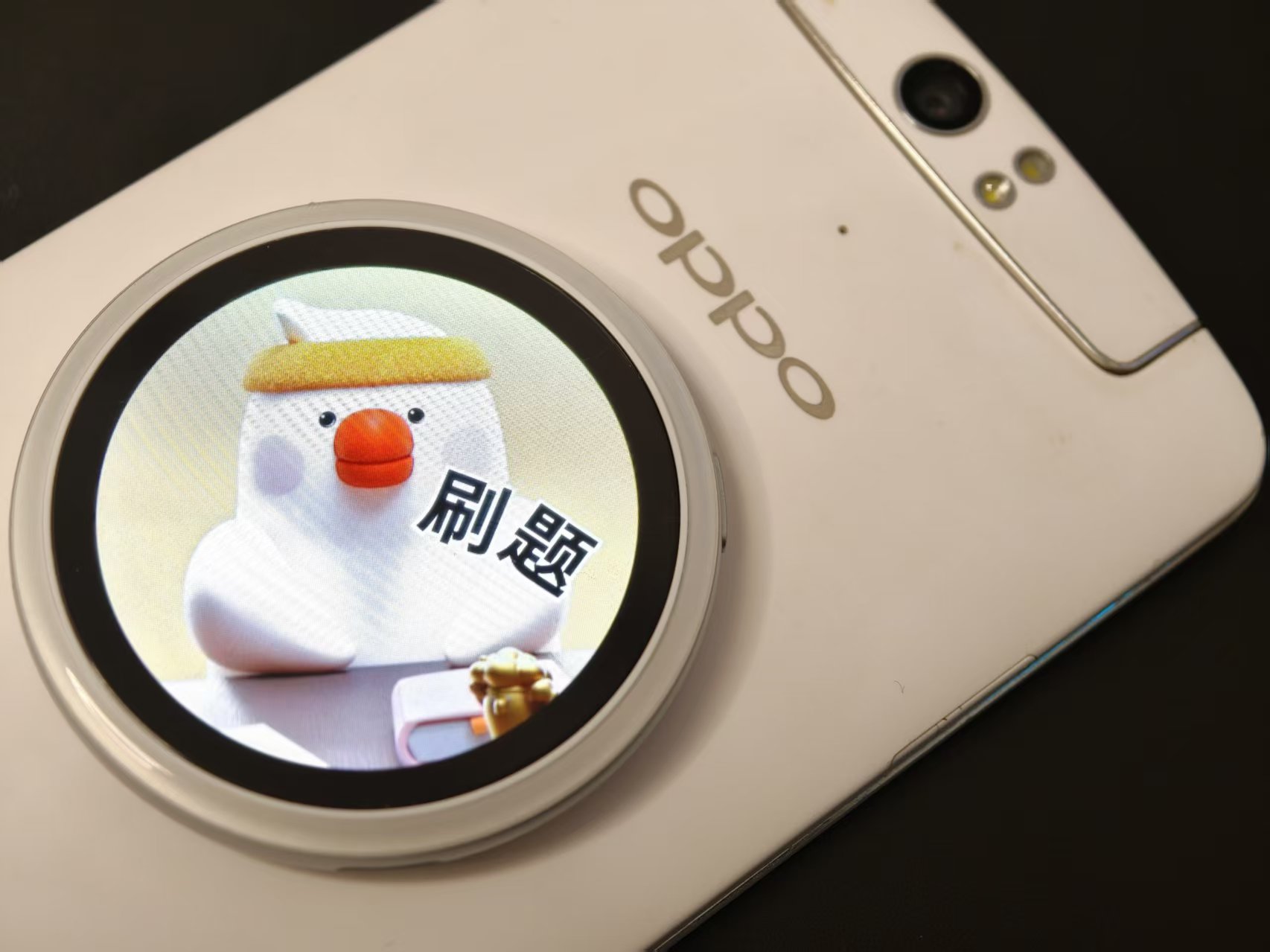
Image source: Leitech
It's not an overstatement to say that OPPO Bubble, in its current form, already showcases a prototype of AI hardware. With minor enhancements, it could capitalize on the opportunities presented by AI agents and achieve greater development.
Regrettably, these concepts of a "digital pocket watch" or "AI companion" have yet to materialize in OPPO Bubble. Therefore, based on the current experience, I believe OPPO Bubble's target audience is quite specific: if you have a high demand for selfies and are dissatisfied with the image quality of your phone's front camera, OPPO Bubble can indeed facilitate using the rear camera for framing more conveniently.
However, if you truly pursue higher image quality, a quasi-professional mirrorless camera with a swivel screen might be a more suitable choice.
WAIC 2026, themed "Intelligent Partners · Co-creating the Future," is in full swing!
The AI narrative has shifted from model parameter accumulation to agent productivity implementation. Heterogeneous collaboration and photonic computing continue to push computational boundaries. Embodied AI accelerates applications, with robots entering homes and factories, making physical AI a reality.
The Leitech WAIC exploration team has arrived in Shanghai to witness the annual peak moment of AI industrialization implementation. Stay tuned for more updates!
OPPO Bubble: Imaging, Selfie, AI Hardware
Source: Leitech
The images in this article are sourced from the 123RF licensed image library. Source: Leitech
-
DRAM, A Disruptive Technological Breakthrough!
-
Robot Army Mobilizes for Action
-
![]()
Electric Vehicle Penetration Soars Past 60%, Yet Seven of Top Ten Brands Hail from Traditional Fuel Vehicle Sector, Casting Doubt on Their Longevity
-
![]()
Conant Optics Clinches R&D and Procurement Framework Deals with Top Tech Firms!
-
![]()
Over 87% Surge in Net Profit for H1 Anticipated! Dongtian Micro Leads in AI Optical Communication
-
![]()
Tech Titans Offload AI Ventures, Tencent Shifts Stakes to Capitalize on Artificial Intelligence Surge
-
![]()
WAIC 2026 Observations: Mapless, Brain-Powered, and Task-Ready—Is Physical AI Taking Off?
-
![]()
Self-driving Technology Hits the Road: NVIDIA's Structural Adjustment, the Emergence of a First Mover... The Second Half of the Autonomous Driving Race Begins