WAIC 2026 Mobile Phone Observations: From Doubao to Agent OS, Smartphones Begin to Take Over Everything
 07/20 2026
 526
526
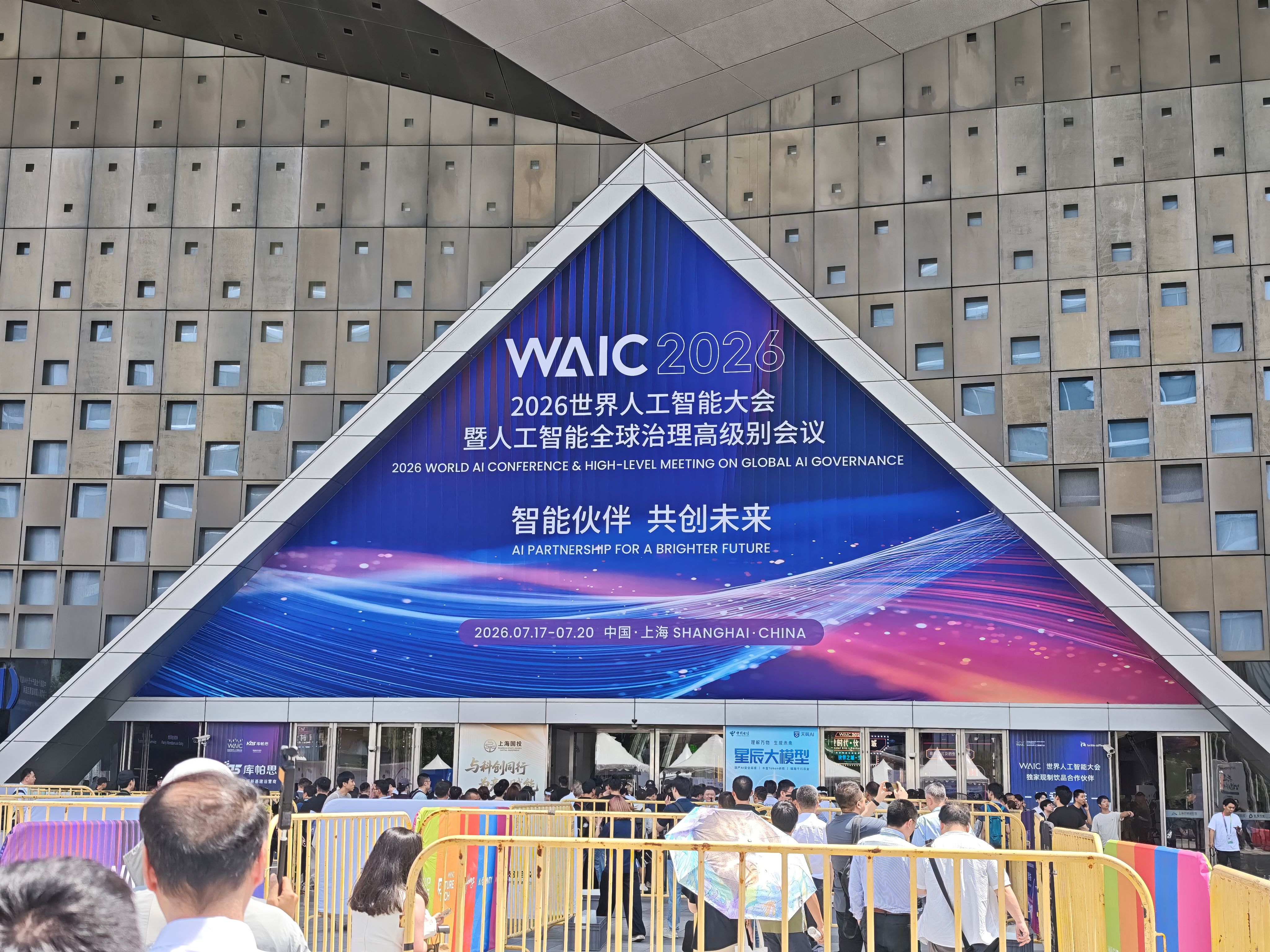
In sunny Shanghai, WAIC 2026 is already in full swing on its second day.
This year’s conference brings together the Expo, Zhangjiang, and West Bund sites—spanning four venues—with over 1,100 enterprises gathered in one place, showcasing a wealth of new products and technologies. Leitech has dispatched a reporting team led by senior editor @Chongjia, who is currently providing on-the-ground coverage.
(Image source: Leitech)
Throughout the conference, robots stole the spotlight—walking, punching, and serving coffee. Even the slightest movement drew crowds three layers deep. However, after our reporting team toured the venue, it was actually several unassuming smartphones that truly captured their attention.
Nubia integrated its Doubao mobile assistant into the new NaviX Ultra, StepFun brought STEPX Neo to WAIC for the first time, and Honor prepared to let its Robot Phone turn its head, track people, and follow shots on its own. Outside the venue, OPPO's Xiao Bu has already connected with Alipay's Abao, and WeChat is rumored to be advancing similar collaborations with multiple smartphone manufacturers.
Watching the phones bustle around on screen, I suddenly realized that manufacturers no longer seem satisfied with AI as just a tool.
They want Agent to become the protagonist of the next generation of smartphones.
AI smartphones of the past two years were essentially “smartphones plus AI.”
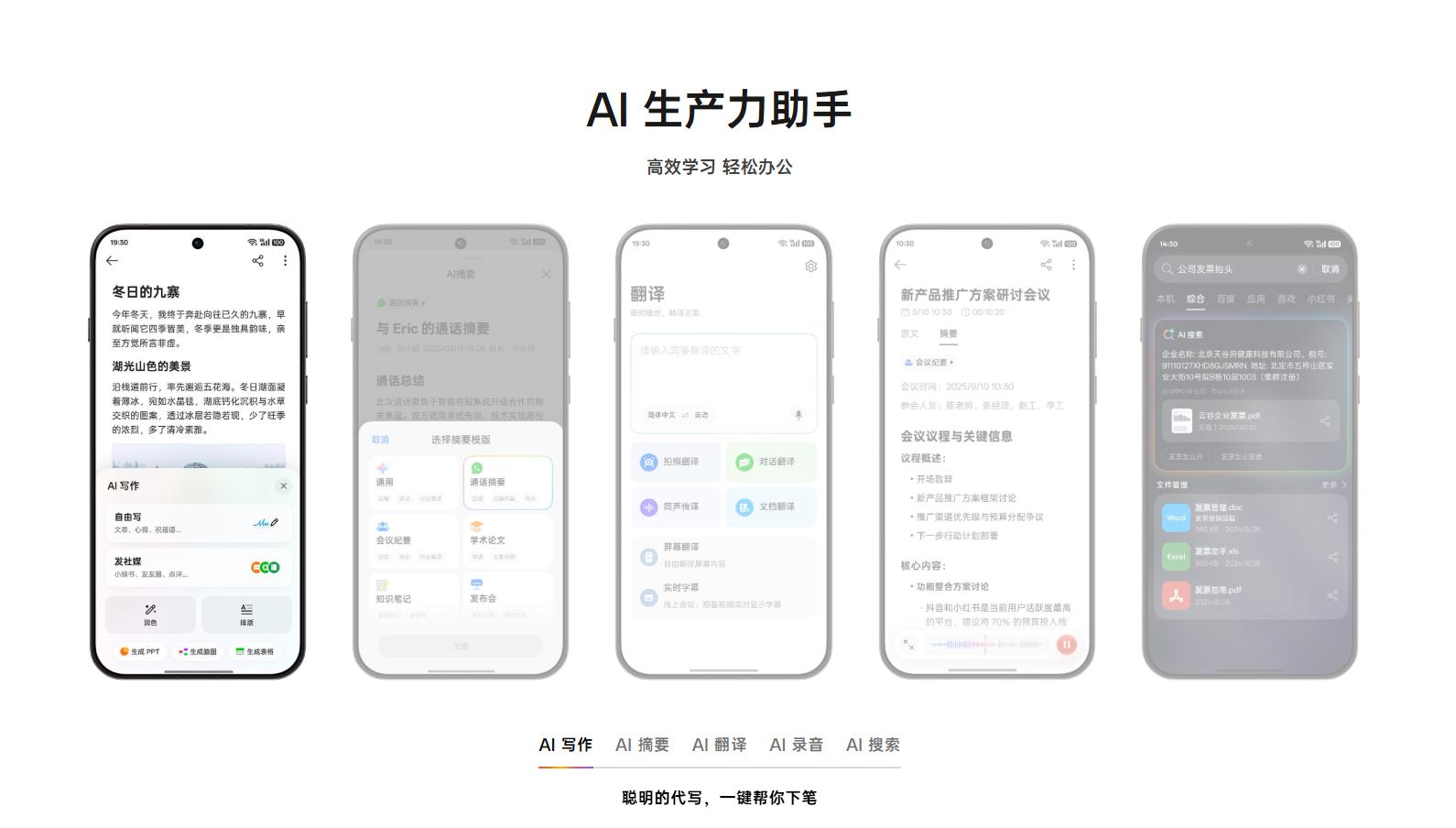
The photo gallery handled retouching, the voice recorder handled summaries, and the notes app handled writing—each function clearly defined. The problem is, these capabilities can easily be replaced by standalone apps like Doubao and Qianwen. A copywriting assistant developed by manufacturers over several months might actually be less effective than simply switching to another app.
More critically, these functions didn’t truly change how we use smartphones. AI could chat with you endlessly or help write a travel guide, but the tedious tasks of checking tickets, finding hotels, and filling in information still fell to the user.
(Image source: OPPO)
In fact, manufacturers had considered letting AI handle tasks independently before. However, at the time, on-device models’ task planning and tool invocation were unstable, and sending requests containing users’ personal information to the cloud raised security concerns—so the idea was put on hold.
Now, with seven on-device generative AI services—Apple Intelligence, Huawei Xiaoyi, OPPO AndesGPT, vivo BlueHeart, Xiaomi HyperAI, Samsung Galaxy AI, and Nubia’s Doubao large model—completing regulatory filings, on-device models have officially moved from conference concepts to compliant deployment.
After filing completion, manufacturers’ first point of comparison became Agent capabilities.
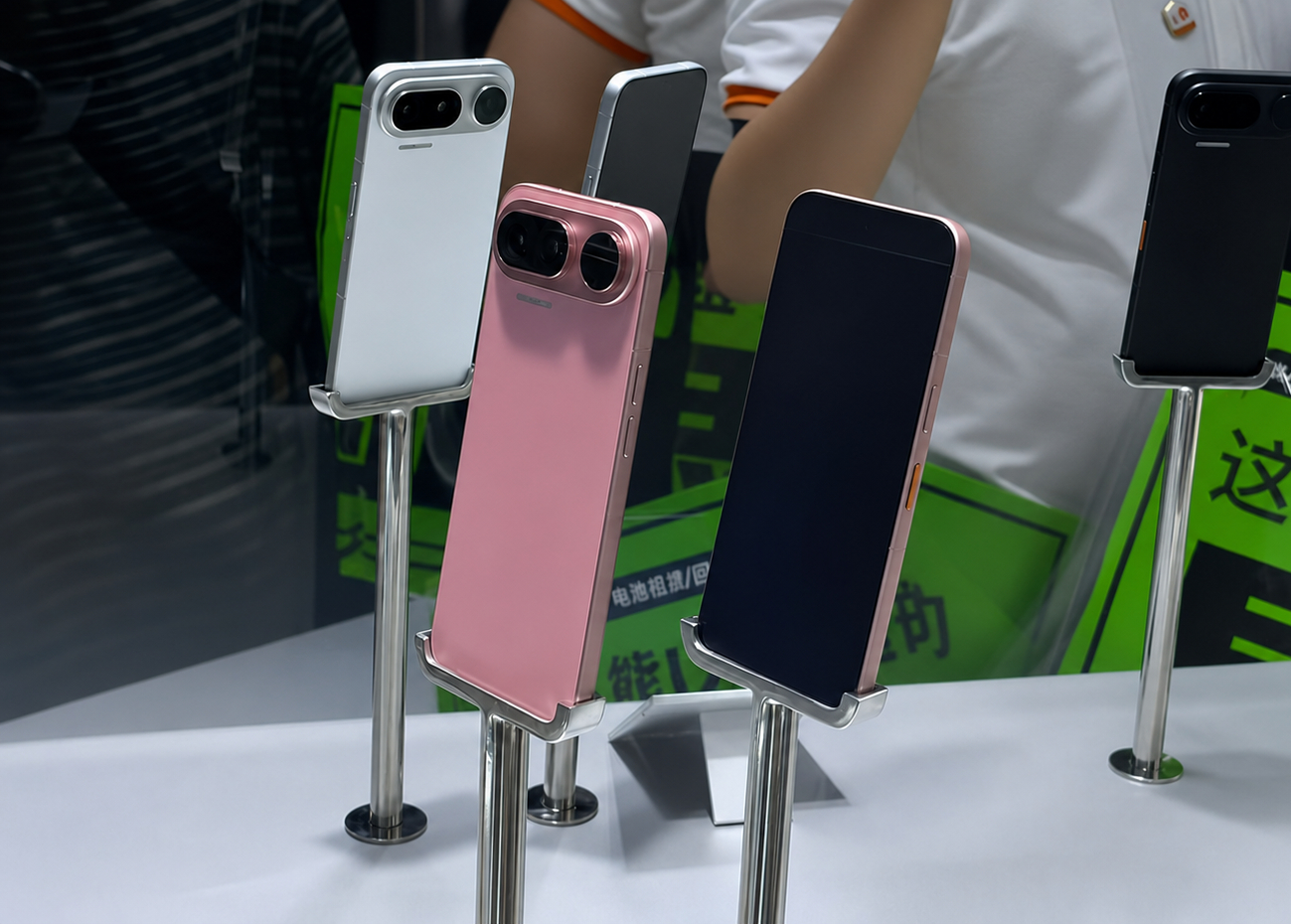
This is fully exemplified by Nubia’s collaboration with Doubao on the “world’s first Agent smartphone”—the Nubia NaviX Ultra (Doubao 2nd Gen).
Unlike its predecessor, the M153, the NaviX Ultra adopts a minimalist design with black, pink, silver, and blue back covers, all featuring a lowercase nubia logo. It includes an independent orange physical AI shortcut key on the right side. Except for the blue model, the other three versions have frames and modules matching the body color, significantly elevating its aesthetic appeal.
(Image source: Leitech)
As for its selling point, it should be clear by now: the Doubao mobile assistant.
The technical preview version of Nubia’s M153, released last year, already demonstrated how an Agent could understand the screen, simulate clicks, and perform cross-app operations. However, that product felt more like an engineering prototype proving technical feasibility—no preheat (teasers) or launch event, and it even sparked controversy due to its overly futuristic concept.
This year, Doubao and Nubia finally began rolling out these capabilities to mass-market products, shifting focus from “AI can operate a smartphone” to “whether it can reliably complete tasks for users over the long term.”
As Nubia President Ni Fei stated, rather than continuing to add more AI features, this new Agent smartphone aims to proactively complete tasks based on user needs, reducing the need for users to switch between functions and enabling the phone to handle more operations that previously required manual input.
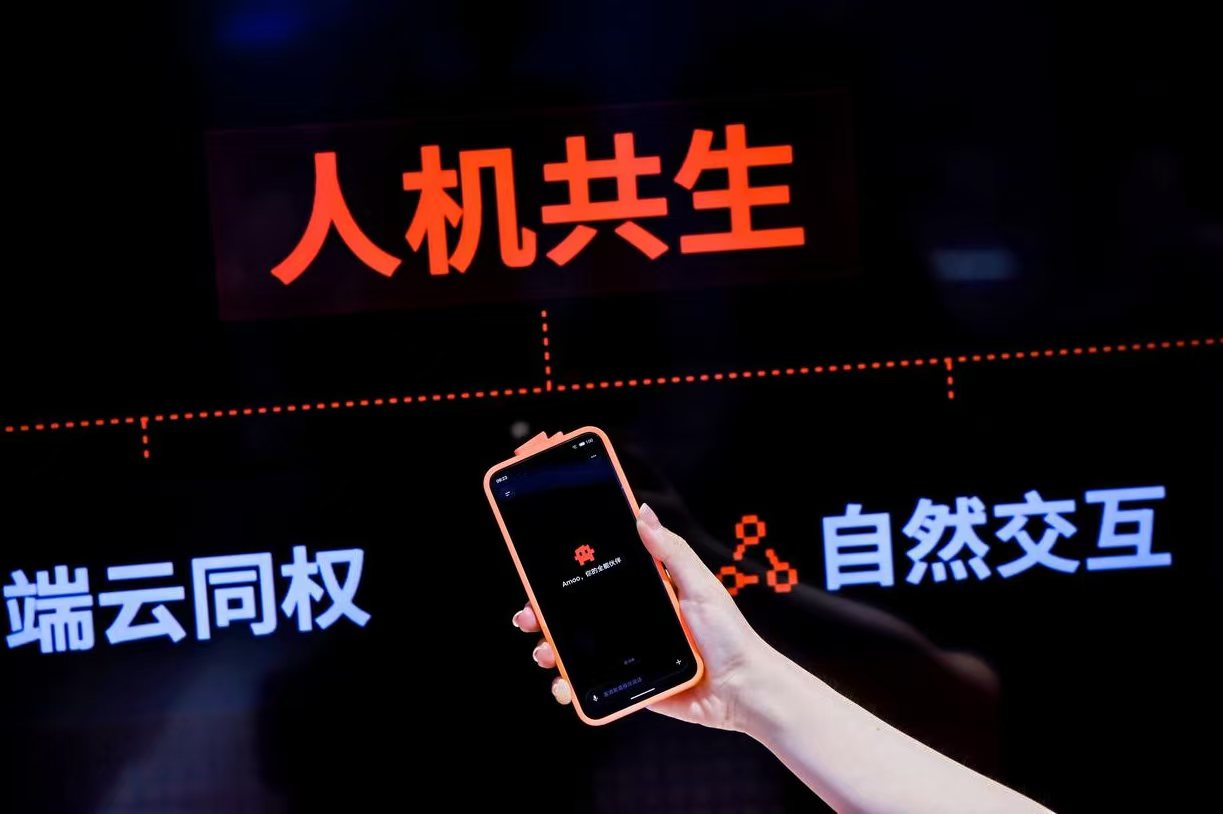
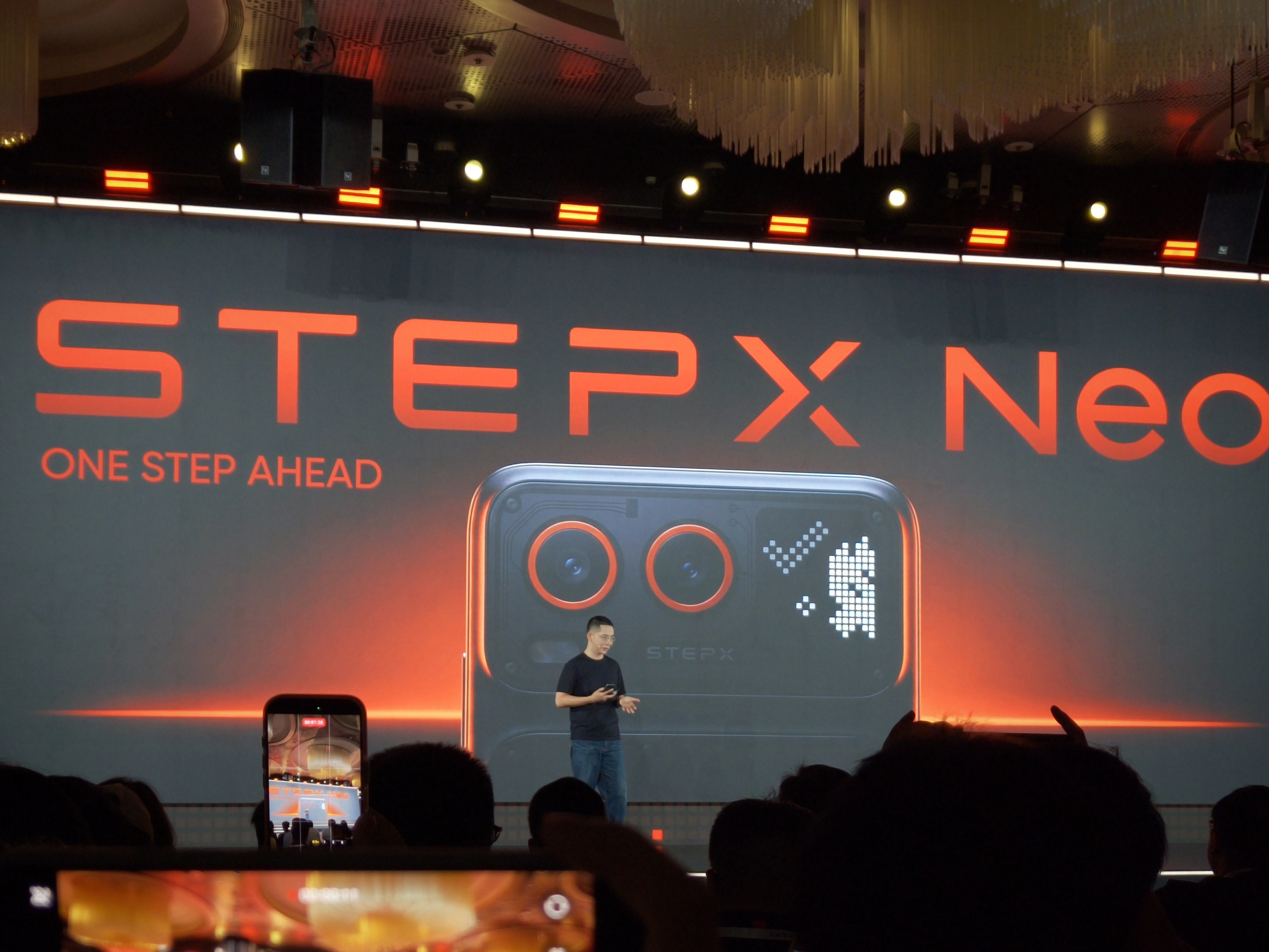
StepFun’s STEPX Neo follows the same philosophy.
(Image source: StepFun)
Unlike ordinary smartphones, this product uses the personal agent Amoo as its primary interaction gateway. Whether finding photos, setting schedules, planning itineraries through system apps, or calling third-party services like Meituan, Ctrip, or Alipay, everything can be handled by a single Agent.
Under Amoo’s coordination, users don’t need to first determine whether a request falls under work, travel, or lifestyle services—they simply state their goal, and Amoo decides whom to contact.
In my opinion, this is one reason smartphone manufacturers are now emphasizing on-device models.
Since Agents must reside in the system long-term, constantly understanding screen content, device status, and personal information, they can’t rely on sending every action to the cloud and waiting. Keeping simple tasks local and offloading complex problems to the cloud improves response speed while preventing users’ photos, schedules, and files from constantly bouncing between servers.
Of course, being capable and being reliable are two different things.
Successfully completing a dozen steps in a demo might not be too difficult, but whether these Agent phones can continue running smoothly amid pop-ups, network fluctuations, or sudden changes in user requests is the real test ahead.
Traditional smartphone assistants have a glaring issue: they barely act unless summoned.
Even if you rush into an airport with luggage, with location services knowing where you are and your flight details stored in the calendar, the assistant will likely remain quietly in your pocket—respecting your “fate,” so to speak.
Blame it on past smartphone AI, which relied primarily on text, voice, and screen information. The user had to speak first before the AI knew what to handle. For AI to proactively offer services, smartphones needed stronger environmental awareness—turning cameras, location, microphones, and sensors into the Agent’s eyes and ears.
At WAIC 2026, AI smartphones’ understanding finally began extending beyond the screen, moving toward proactively judging the user’s scenario.
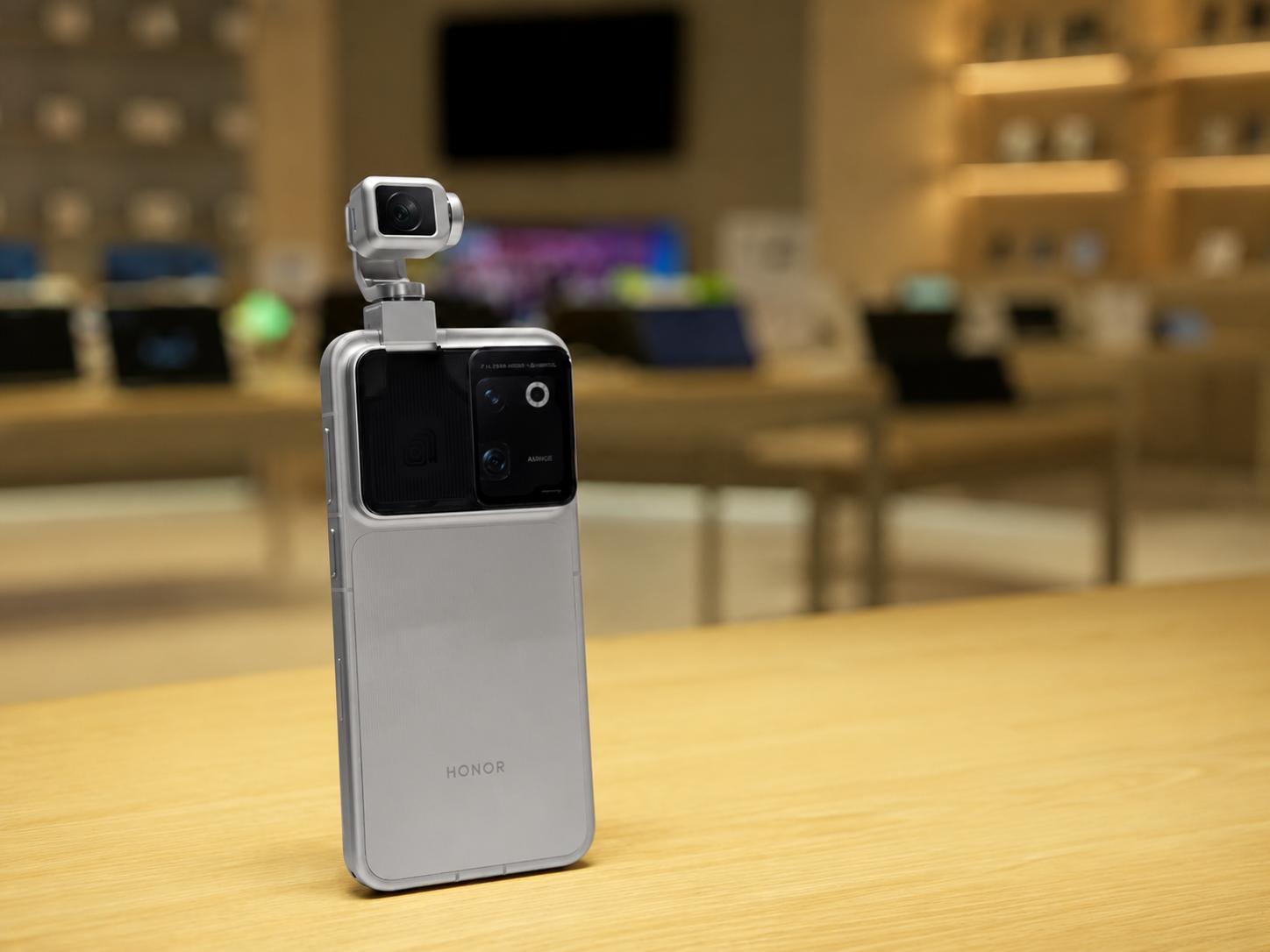
Honor’s Robot Phone, showcased this time, is the most straightforward example.
(Image source: Leitech)
In terms of specs, Honor’s Robot Phone features the fifth-gen Snapdragon 8 Supreme Edition, a 6.3–6.4-inch 1.5K equal-sided straight screen, 120W fast charging, and comes in two colors: Moon Shadow Gray and Star Track Silver. It boasts a 200MP F1.6 4D gimbal main camera, a 50MP ultra-wide lens, and a 200MP periscope telephoto lens.
The product’s selling point needs no elaboration—the dual-axis mechanical gimbal behind it, capable of extending from the body and rotating freely, is unparalleled in the entire smartphone industry.
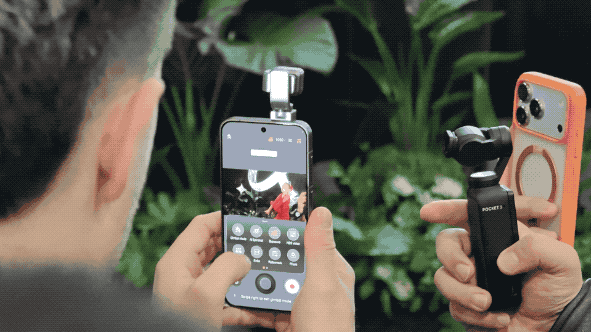
Traditionally, smartphone cameras stayed fixed in one direction, with framing and whom to shoot entirely up to the user. The Robot Phone lets the lens extend from the body, actively rotating to track subjects and even adjusting angles based on the shot—without compromising tracking performance.
(Image source: Leitech)
This structure can certainly be used for tracking shots and adjusting composition, but more importantly, it grants the phone proactive environmental awareness.
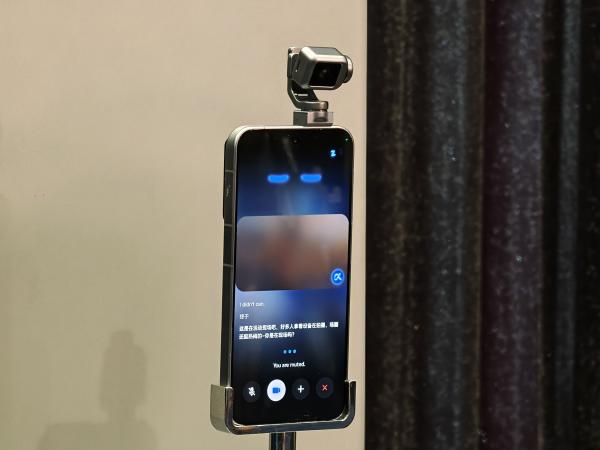
During a video call placed on a table, the camera follows you wherever you go; when shooting action footage, it acts like a mini gimbal camera mounted on the phone, handling tracking independently.
When the lens actively turns toward the user and reacts to external movements, the phone does gain a strange “bodily presence.” To exaggerate slightly, it no longer feels like a silent screen lying on a table—you might vaguely wonder, “Is this thing alive?”
(Image source: Leitech)
According to Honor’s plans, the Robot Phone will also introduce agent capabilities like perception, decision-making, and execution. Combined with its proactive environmental awareness, it will judge when to act based on users’ habits and emotional states.
Incidentally, this product is already available for pre-order across all channels and is expected to officially launch this August.
From passively understanding user commands to proactively interpreting the real world, it’s clear that “proactive intelligence” has become an industry consensus.
However, between proactive service and meddling, only a single misjudgment often lies.
Promptly reminding you to board is thoughtful; unauthorized rebooking feels invasive. Helping with tracking shots demonstrates intelligence; observing your every move around the clock would likely draw backlash. Questions about when it can watch, which information it can retain, and whether users can fully disable it will inevitably become more critical than how flexibly the camera rotates.
Since everyone’s talking about Agents, the next question is: What will enable them to get things done?
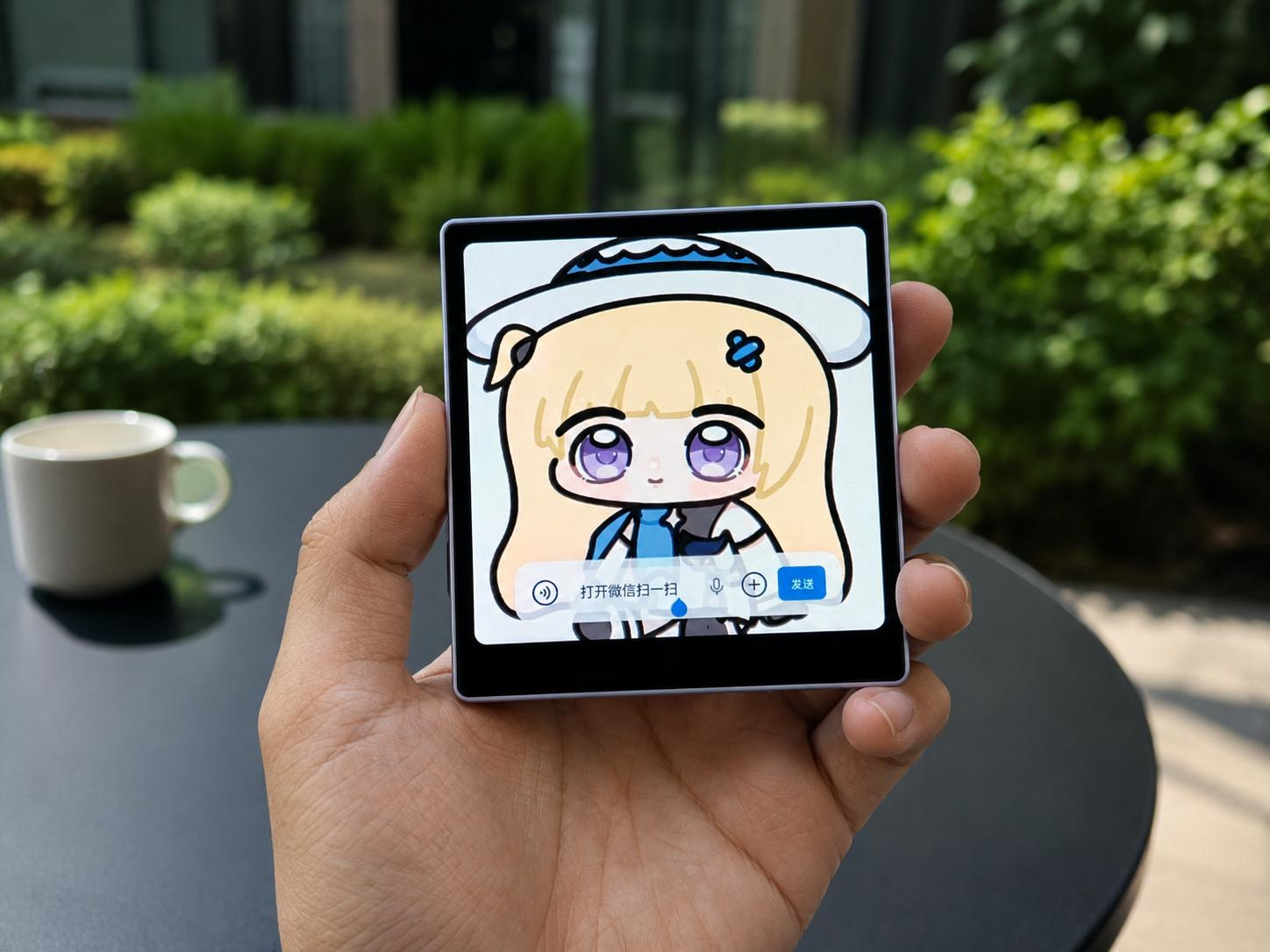
Currently, the simplest and most direct method is having AI mimic human interface operations: understanding the screen via screenshots, locating buttons through visual recognition, and simulating user taps, swipes, and inputs.
Doubao Mobile gained fame precisely through this GUI-based approach, as did the recently tested Coolpad Little Cube.
(Image source: Leitech)
Its advantage lies in its adaptability—AI can theoretically attempt to operate any app a human can, even if the software hasn’t been updated in years.
The drawbacks are equally apparent. If a button moves, the Agent might get lost; a sudden pop-up window can derail it; and when confronted with splash ads or privacy agreements, artificial intelligence can quickly devolve into artificial stupidity.
Moreover, this approach lacks security, once sparking widespread industry discussions about data safety.
Thus, at this year’s WAIC, a new approach emerged: GUI Agents continue handling unadapted ordinary apps, while payments, social, and lifestyle services collaborate directly through A2A or MCP standard interfaces.
OPPO’s Xiao Bu and Alipay’s Abao exemplify this trend.

(Image source: Alibaba)
When a user asks Xiao Bu to buy tickets, order food, pay bills, or handle civic services, Xiao Bu perceives the scene, understands the intent, and distributes tasks, while Abao invokes nearly 200 services within Alipay to fulfill them. Account details, preferences, and payment information remain within each party’s trusted system.
Coincidentally, WeChat is also advancing similar collaborations with multiple smartphone manufacturers. When a phone assistant receives a request to send a message or make a WeChat call, it can hand structured tasks to Xiaowei for WeChat to execute directly, rather than letting a GUI Agent rummage through your chat list.
In my view, only by having A2A and MCP handle high-frequency, sensitive tasks well—with GUI serving as a fallback for uncovered scenarios—can Agents truly move beyond demos into the complex environments of daily life.
However, managing GUI, on-device models, cloud models, third-party Agents, user memory, and system permissions simultaneously clearly exceeds the capabilities of traditional smartphone assistants + Android systems.
This is why StepFun introduced Step AOS, an agent-native operating system.
(Image source: Leitech)
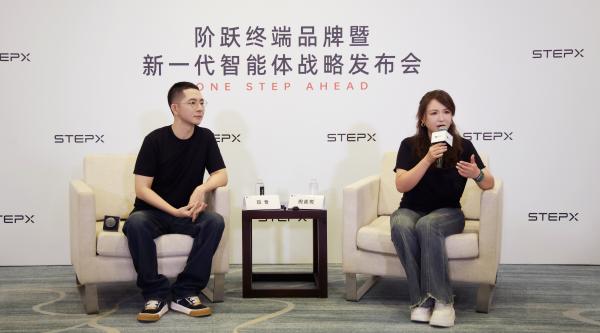
In previous launches and interviews, Leitech noted that StepFun identifies three barriers in existing agents: memories can’t interconnected (interoperate) across apps, single models struggle with complex decisions, and standalone apps lack access to system and other service invocations.
Step AOS aims to reorganize these fragmented capabilities.
At the system level, Step AOS elevates Agents to a near-user system-level identity, uniformly scheduling CPU, GPU, and NPU resources. It establishes cross-app, cross-device semantic memory, breaks down system capabilities like communications and files into atomic services Agents can invoke, and grants permissions as needed—enabling smoother cross-app service orchestration.
According to StepFun’s vision, users won’t even need to say, “Open XX Maps” or express a specific demand—they’ll simply state their destination and preferences, with AgentOS handling the rest.
(Image source: StepFun)
In an interview, StepFun Chairman Yin Qi summarized this as shifting from “process interaction” to “outcome interaction.”
Coincidentally, at this forum, Honor officially elevated MagicOS into the industry’s first partner-type multimodal agent operating system, Agentic OS, adopting the next-gen Magic agent large model matrix co-developed with Alibaba. Xiaomi has also long teased that its next-gen system will evolve into AgentOS.
Nowadays, looking across the entire industry, there is a subtle sense of mutual checks and balances among manufacturers. Smartphone manufacturers control systems and hardware, internet platforms dominate payments, social media, and lifestyle services, while large model companies wield understanding, memory, and planning capabilities.
Whoever first understands user needs and can integrate more services stands a better chance of becoming the gateway to the next generation of user experience.
After two days at the expo, Xiao Lei indeed gained a lot of insight.
This conference not only showcased the new advancements of domestic manufacturers in on-device models, Agent smartphones, and system-level AI but, more importantly, I could clearly sense that the way smartphone manufacturers tell their stories has changed.
The current smartphone market is indeed struggling. IDC data shows that in the second quarter of 2026, smartphone shipments in China fell by 4.3% year-on-year, with a decline of 4.2% in the first half of the year. Globally, IDC expects shipments to drop by 13.9% this year, marking the largest annual decline in history.
The issue isn't just a lack of product innovation; more importantly, storage and component prices are rising. High-capacity memory has become a major cost driver, with some flagship configurations seeing storage costs alone increase by $100 to $150. Manufacturers are left with no choice but to raise prices, cut specifications, or reduce mid-to-low-end models. When consumers see the prices, they naturally become even less inclined to upgrade.
(Image source: Leikeji)
The smartphone industry needs a new narrative, and Agent has picked up the baton.
As a result, we see that smartphones at this year's WAIC are no longer just racing to add a few AI features. Some are starting to complete tasks on behalf of users, some have developed dynamic "eyes" to understand their environment, and others have completely overhauled system scheduling to make models, apps, and services work together.
In the past, we cared about what smartphones could do; now, the more important question is, what can they do for me?
In this new competition, only those who can make Agents less prone to failure and truly get things done, and who can manage permissions and privacy effectively, will have a chance to survive.
WAIC 2026, themed 'Intelligent Partners · Creating the Future Together,' is in full swing!
The AI narrative has shifted from stacking model parameters to implementing Agent-driven productivity. Heterogeneous collaboration and photonic computing continue to push computational limits. Embodied AI is accelerating applications, with robots entering homes and factories, turning physical AI into reality.
The Leikeji WAIC Exploration Team has arrived in Shanghai to witness the peak moment of AI industrialization this year. Stay tuned!
-
DRAM, A Disruptive Technological Breakthrough!
-
Robot Army Mobilizes for Action
-
![]()
Electric Vehicle Penetration Soars Past 60%, Yet Seven of Top Ten Brands Hail from Traditional Fuel Vehicle Sector, Casting Doubt on Their Longevity
-
![]()
Conant Optics Clinches R&D and Procurement Framework Deals with Top Tech Firms!
-
![]()
Over 87% Surge in Net Profit for H1 Anticipated! Dongtian Micro Leads in AI Optical Communication
-
![]()
Tech Titans Offload AI Ventures, Tencent Shifts Stakes to Capitalize on Artificial Intelligence Surge
-
![]()
WAIC 2026 Observations: Mapless, Brain-Powered, and Task-Ready—Is Physical AI Taking Off?
-
![]()
Self-driving Technology Hits the Road: NVIDIA's Structural Adjustment, the Emergence of a First Mover... The Second Half of the Autonomous Driving Race Begins