DJI Osmo 360 II In-Depth Review: How Does It Achieve Significant Image Quality Enhancements Without Sensor Changes or Excessive Spec Stacking?
 08/25 2026
 409
409
For DJI, it's a small step; for panoramic cameras, it's a giant leap.
It must be acknowledged that DJI is a brand bold enough to disrupt the industry's status quo. True to its name, which embodies 'innovation', it consistently lives up to its reputation.
In 2025, DJI unveiled its first panoramic action camera, completing its mobile imaging lineup. Despite being DJI's inaugural foray into panoramic cameras, it delivered outstanding image quality, stabilization, and advanced algorithms. At the time, Leitech rated the Osmo 360 highly, dubbing it a "remarkable debut".
However, this raised another question: If the Osmo 360 set such a high bar from the start, what could the Osmo 360 II offer? This question didn't linger long for Xiaolei: Leitech recently got its hands on DJI's new-generation panoramic camera, the Osmo 360 II, and conducted extensive testing.
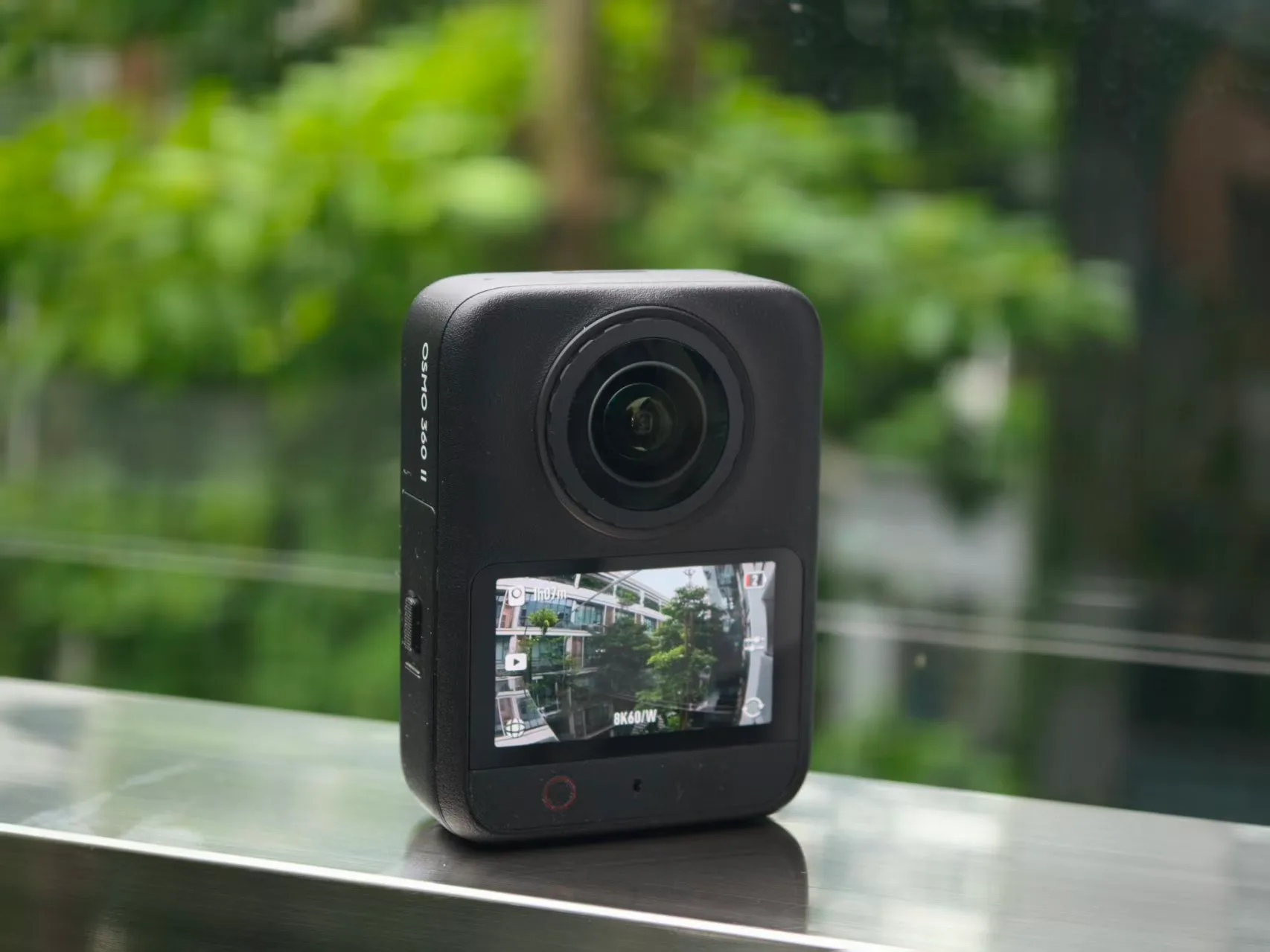
Image Source: Leitech
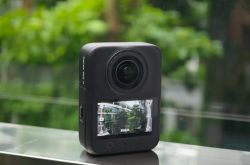
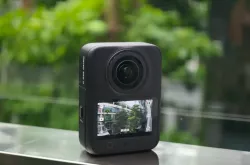
In terms of appearance, the Osmo 360 II closely resembles its predecessor, featuring the same gray-black color scheme, non-slip texture, and three-button layout. While the adage goes, "If it ain't broke, don't fix it," the Osmo 360 II's near-identical appearance to its predecessor makes it challenging to perceive it as a "next-gen" upgrade at first glance.
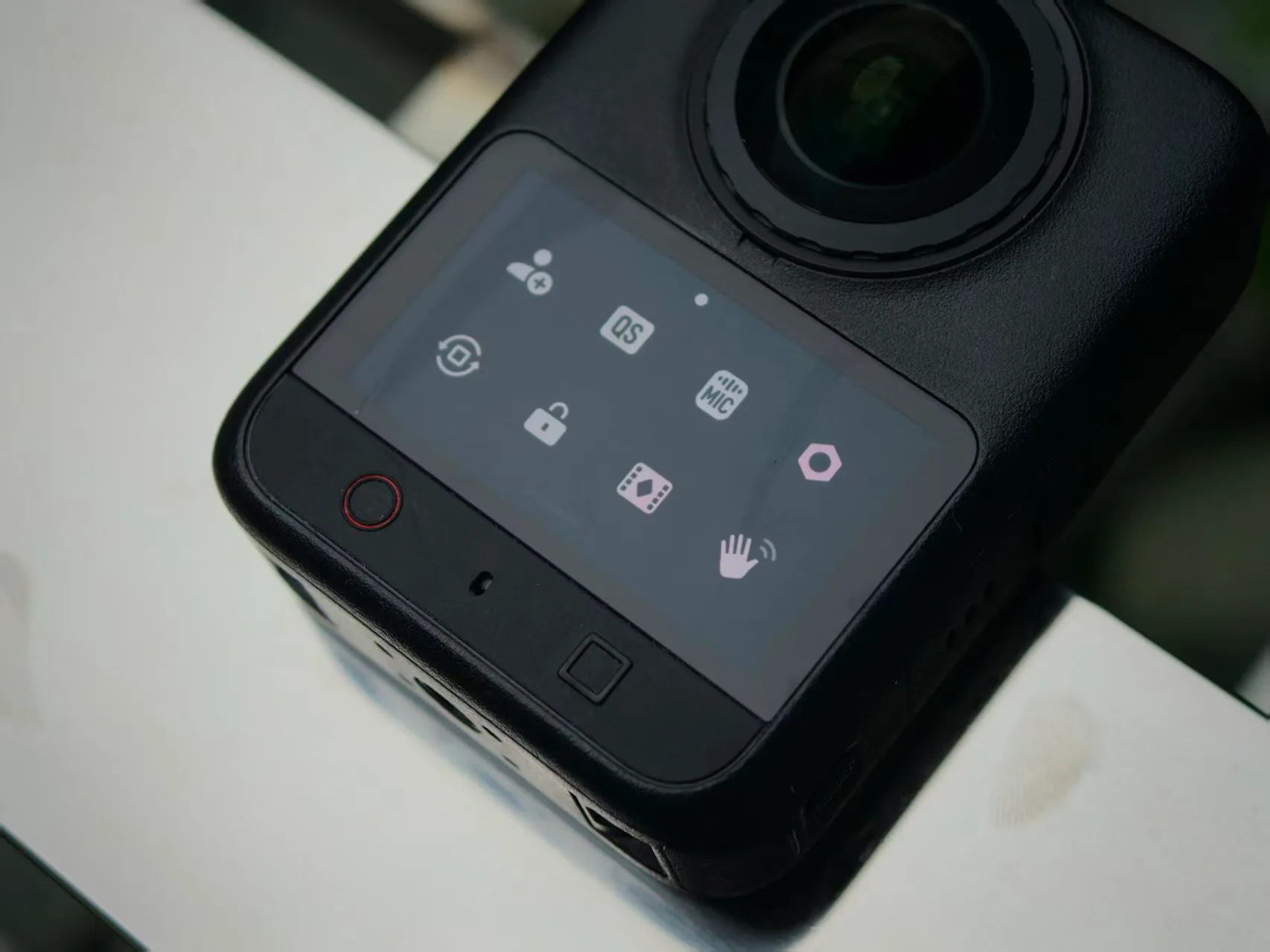
Image Source: Leitech
However, during a recent Leitech team-building event, Xiaolei took the opportunity to test the Osmo 360 II in real-world conditions. It's safe to say that DJI focused less on external changes this time and more on "internal enhancements."
So, can this panoramic camera, priced at 3,299 yuan, achieve even greater success? Here's Leitech's perspective.
Panoramic Cameras Finally Enter the 8K60fps Era
While I mentioned internal upgrades earlier, let's temper expectations: The second generation uses the same square CMOS sensor as the first, with no change in sensor size. So, don't expect it to "dominate the competition with a larger sensor"—the image quality ceiling remains similar to the first generation.
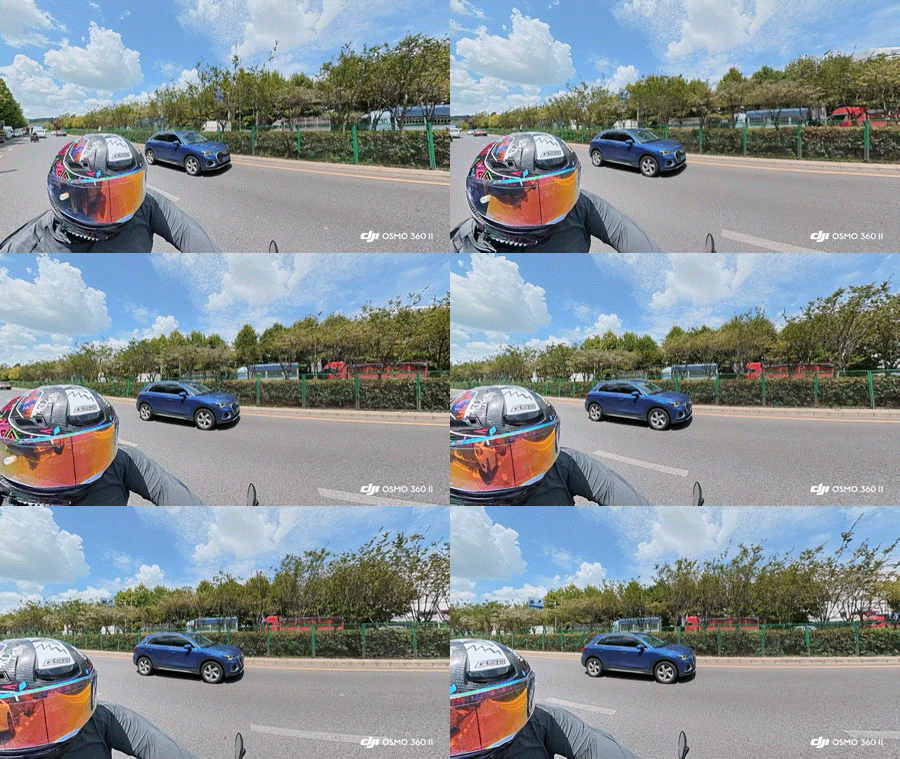
However, DJI didn't skimp on optimization: Thanks to increased data throughput, the Osmo 360 II can now shoot 8K60fps panoramic video, adding one more frame rate option compared to the first generation's 8K50fps. Don't underestimate these 10fps—they make motion scenes smoother and provide more flexibility for slow-motion editing later, significantly improving usability over the first generation. For example, in slow-motion bike footage, even under tracking shots, the image no longer feels choppy due to frame skipping.
Video Source: Leitech
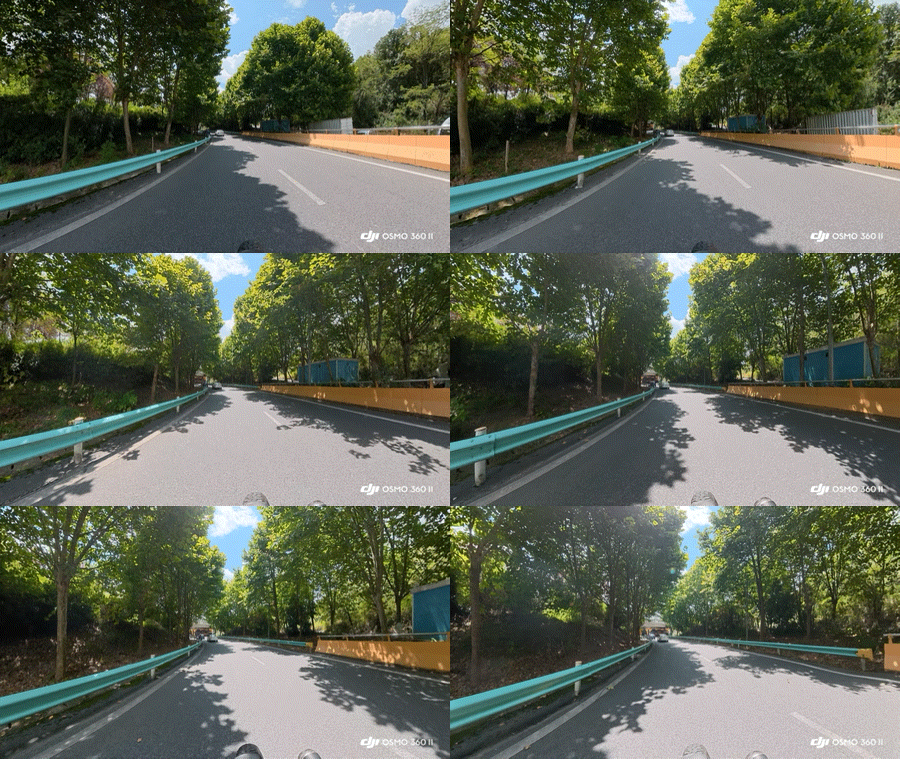
Additionally, despite no hardware sensor changes, DJI found a "clever trick" to boost video latitude, increasing the panoramic video's dynamic range from 13.5 to 14.5 stops. As we know, panoramic cameras use two independent lenses and sensors. DJI employed a very clever method here—shooting with the front and rear lenses at different exposure balances, then merging them using stronger imaging algorithms to further expand the dynamic range through dual-lens exposure differences.
In real-world shooting, the most direct benefit is in high-contrast scenes. For example, footage shot at noon in Guizhou retains ample detail in both the bright sky and surrounding shadows without gray filters, preventing blown-out highlights and dead-white areas.
Video Source: Leitech
I also shot some dynamic high-contrast scenes and noticed smoother transitions between bright and dark areas compared to the first generation, avoiding issues like dark areas blending into a muddy mess or bright areas blowing out to dead white. The Osmo 360 II retains significantly more detail.
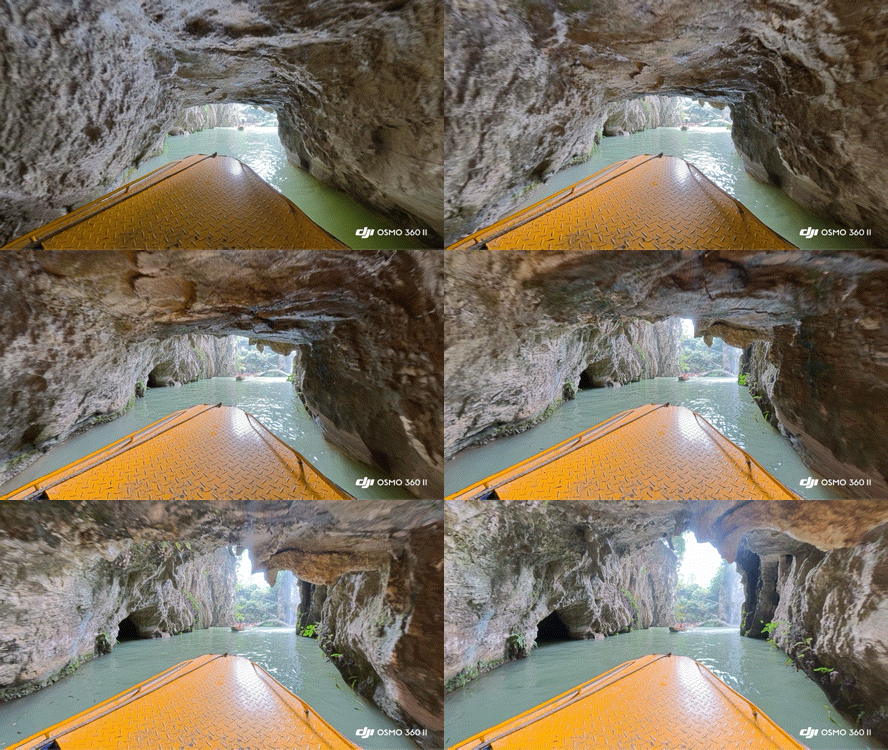
Video Source: Leitech

Video Source: Leitech
For an outdoor-focused panoramic camera, this is far more useful than simply stacking higher resolutions on a spec sheet.
Greater Experience Improvements Come from Refining Small Details
While the Osmo 360 II's image quality improvements are significant, from a user perspective, such advancements are "expected" in a second-generation product. More importantly, I believe the Osmo 360 II's most noteworthy upgrades lie in its overall experience compared to the Osmo 360.
First, the Osmo 360 II's panoramic algorithms have been upgraded. Like other panoramic cameras, the first-gen Osmo 360 struggled with "seam" processing for mid-to-close-range shots. If the subject was too close to the lens, the stitched image often misaligned. As a result, we usually had to extend the selfie stick fully to capture usable panoramic footage.
The problem? In high-speed motion scenarios like cycling, extending the selfie stick inevitably causes camera shake, posing safety risks for both the camera and the user.
The Osmo 360 II's stitching performance is far better: Even when mounted directly on a motorcycle's handlebars, there are no noticeable artifacts around the subject's edges. In my view, this upgrade greatly expands the usable range for "post-framing" in panoramic photography, making it one of the most praiseworthy improvements in the Osmo 360 II.
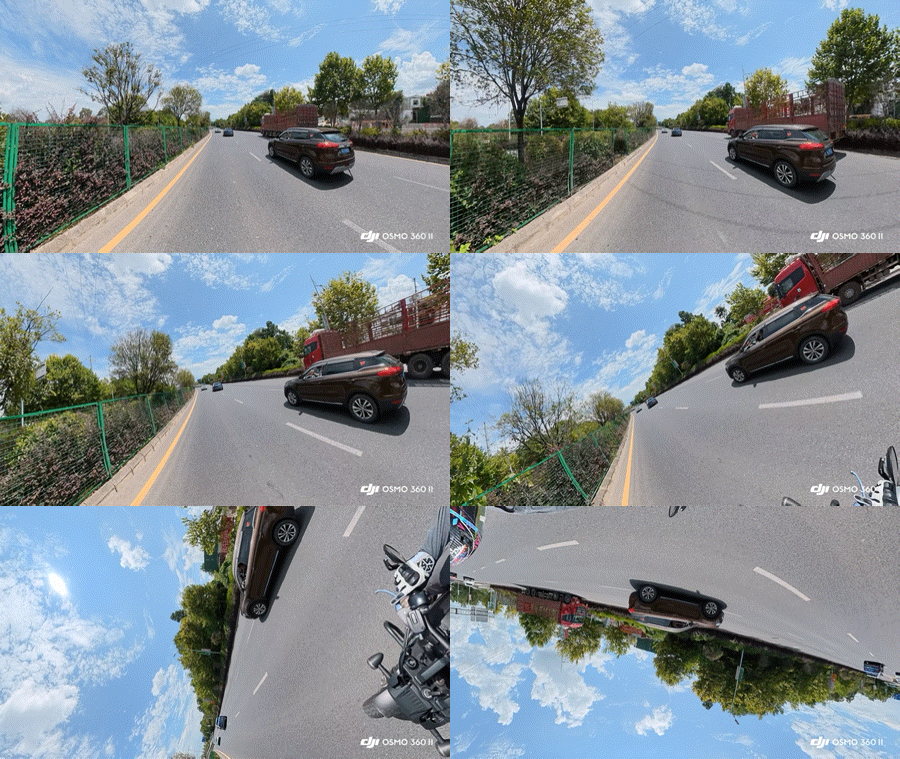
Video Source: Leitech
Additionally, the outermost protective lens cover can now be replaced by users. Due to the nature of panoramic cameras, the Osmo 360's two fisheye lenses must protrude, making the surface lenses highly prone to scratches. Any issues required after-sales service. While DJI's after-sales support is convenient, the back-and-forth process wastes time.
The Osmo 360 II's protective lens cover features a new removable design—users can replace it themselves with a replacement kit, resolving issues on-site without stopping shooting or seeking after-sales support in remote locations.
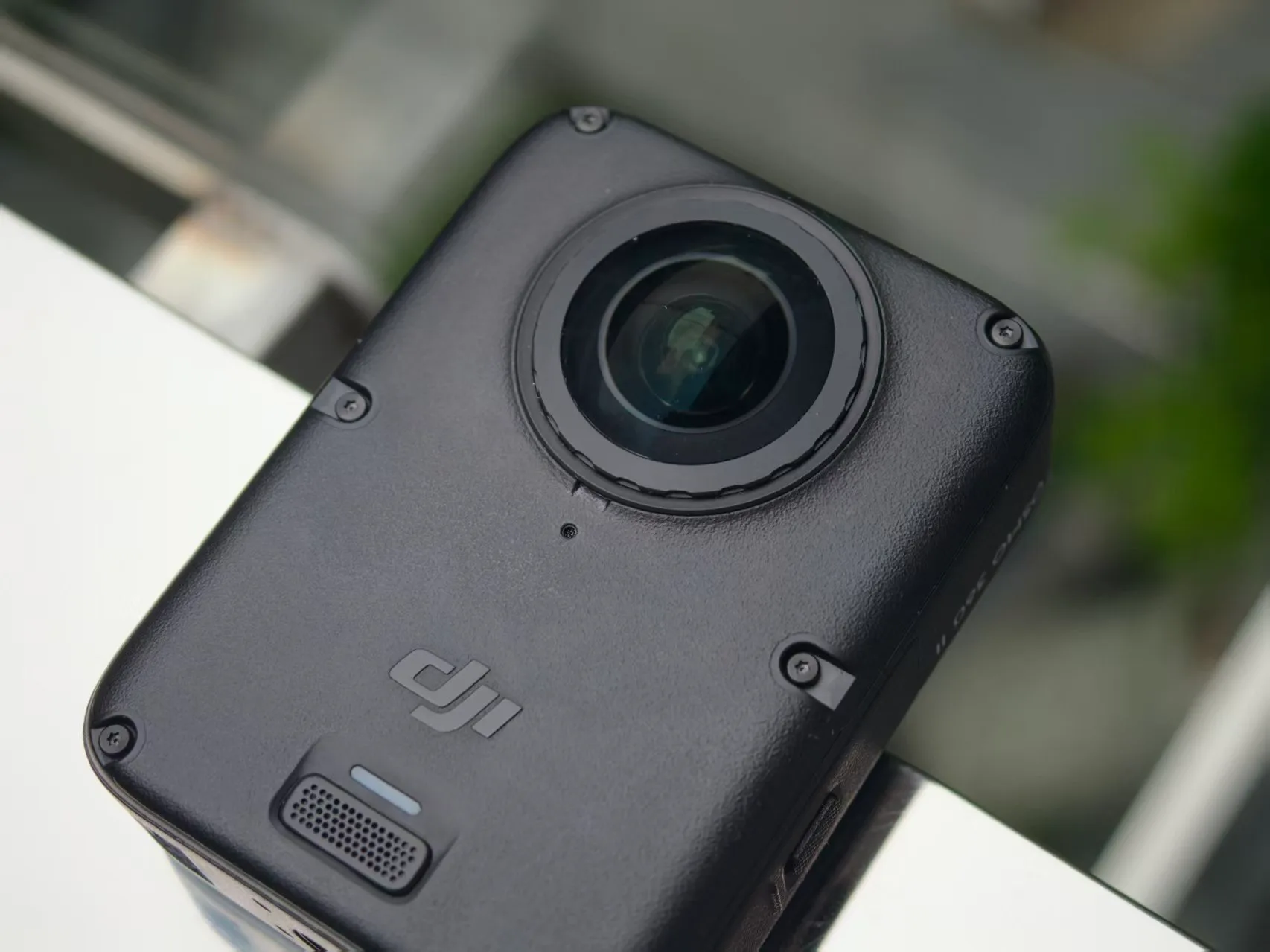
Image Source: Leitech
Besides that, the Osmo 360 II includes 105GB of built-in storage, addressing the "forgot-to-bring-a-card" scenario. While 105GB doesn't last long for 8K60fps video, it's incredibly useful in emergencies.
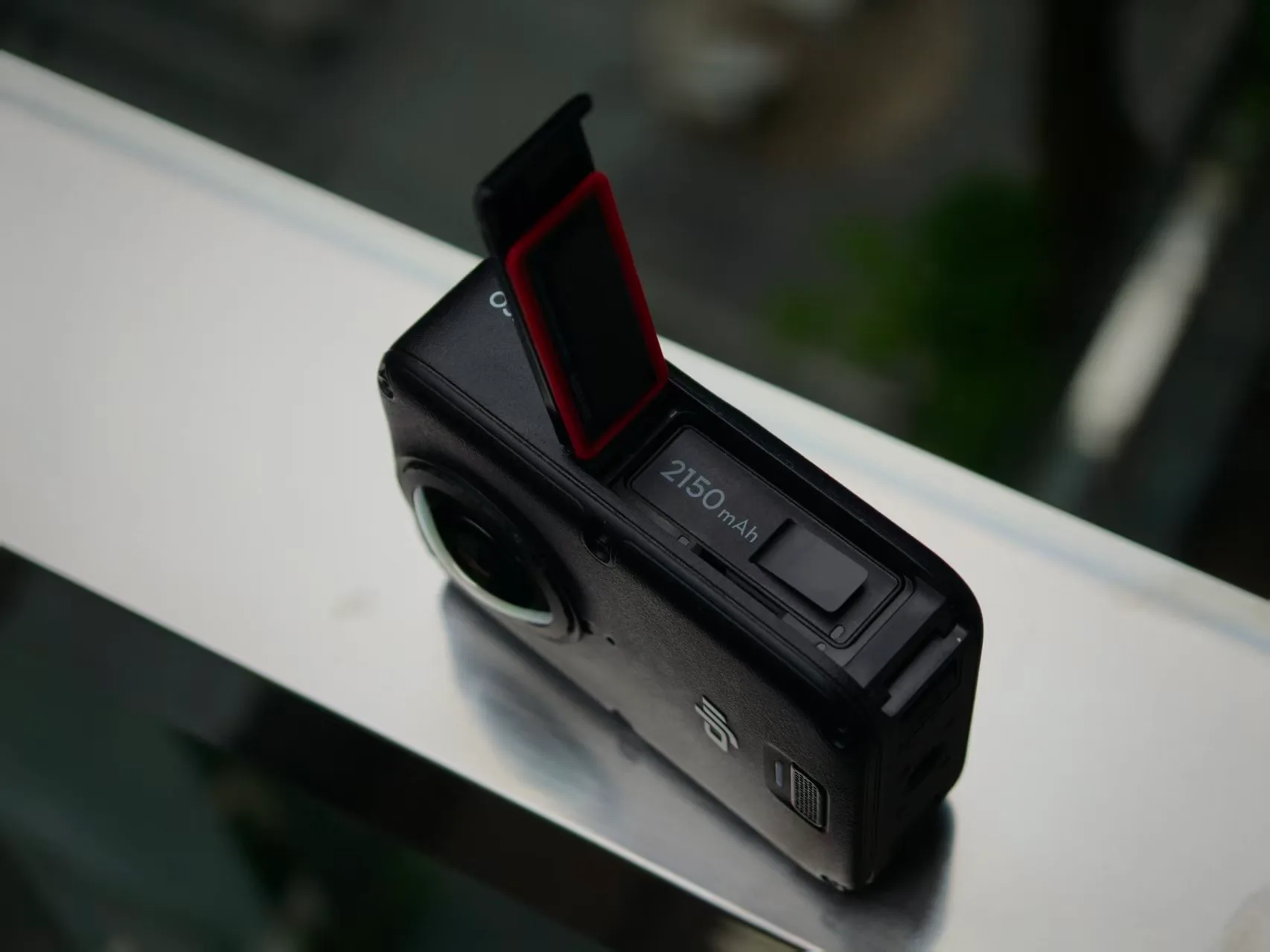
Image Source: Leitech
Hardware Is Solid, but DJI Studio Still Falls Short
Based on my experience, the Osmo 360 II's hardware is nearly flawless. Unfortunately, DJI still has significant room for improvement in the panoramic shooting software ecosystem.
During testing, the PC version of DJI Studio experienced issues like inability to preview camera movements—you'd adjust the movement trajectory, but the scene wouldn't budge. When exporting footage from a Chongqing cycling trip, I couldn't preview any camera movements or effects, though the exported video turned out normal.
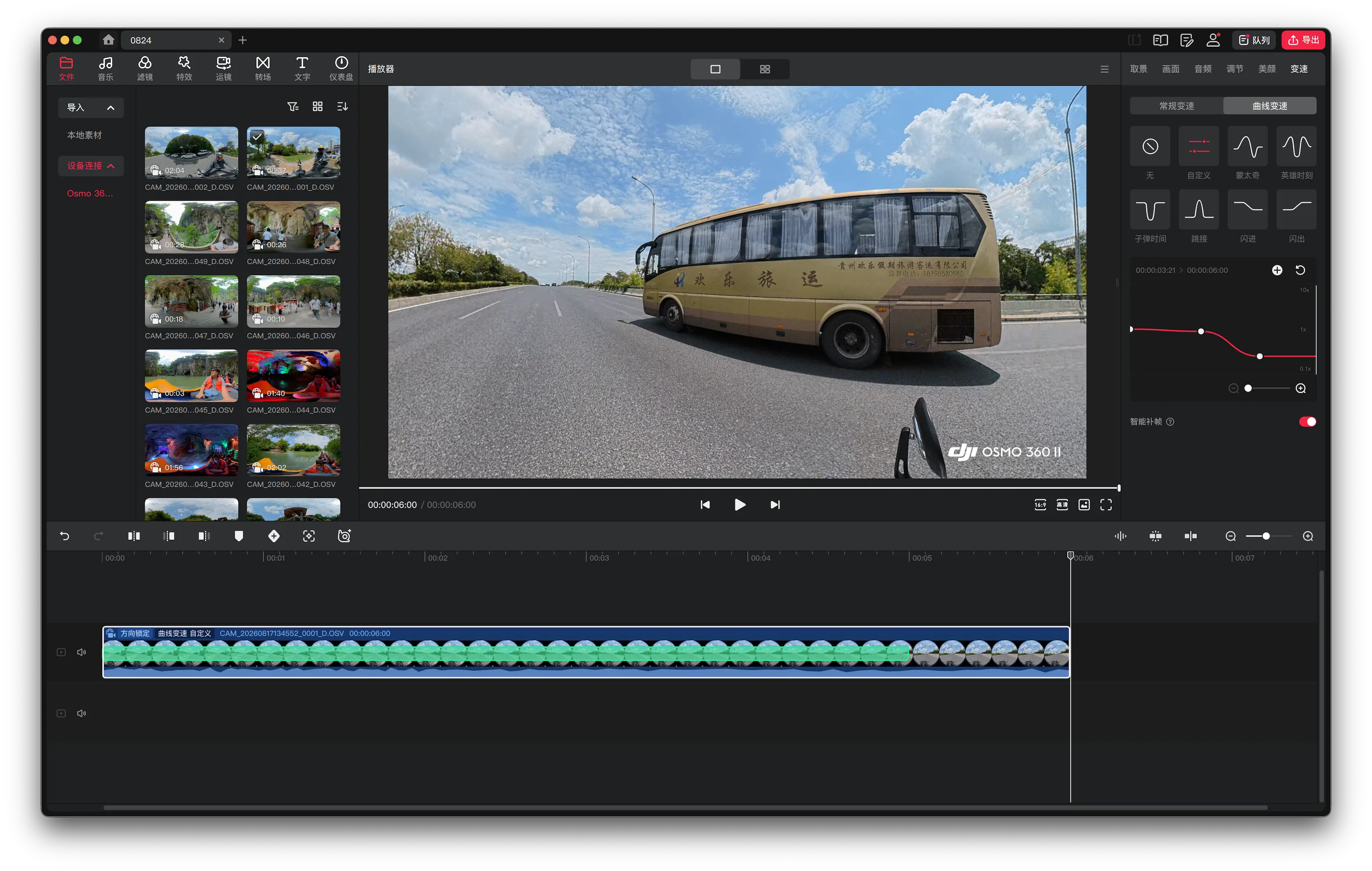
Image Source: Leitech
While the PC version of DJI Studio has bugs, the mobile Mimo app works fine. However, for serious panoramic editing and camera movement adjustments, most users prefer a computer for efficiency. Given DJI Studio's unreliability and its unconventional lens control logic compared to other video software, DJI has a long way to go in software optimization.
Ultimately, panoramic camera post-production is inherently more complex than regular action cameras. If DJI Studio doesn't improve, it risks negating the goodwill earned by the second-gen hardware. Fortunately, Mimo's intelligent tracking, highlight moments, and one-click editing remain user-friendly, ensuring beginners aren't left behind.
Conclusion: A Small Step for DJI, a Giant Leap for Panoramic Cameras
Following Leitech's review template, here's a summary of the Osmo 360 II's pros and cons:
Pros:
1. 8K60fps + 14.5-stop dynamic range, better in backlight and low light;
2. Upgraded panoramic algorithms for more stable seam stitching;
3. User-replaceable lens protective covers;
4. 105GB built-in storage.
Cons:
1. No sensor upgrade;
2. DJI Studio experience remains subpar;
3. No external cooler support, prone to overheating during outdoor shooting.
In terms of experience, Leitech doesn't believe the Osmo 360 II is a must-buy for everyone. The sensor remains unchanged, with all image quality upgrades based on algorithmic improvements. If you're not a professional user, the Osmo 360 II's upgrades may not be highly noticeable.
However, as a "patch + upgrade" product, if you were previously deterred by the Osmo 360's shortcomings, the Osmo 360 II is clearly aimed at you. Additionally, if you've never tried a panoramic camera before, the Osmo 360 II is an excellent choice.
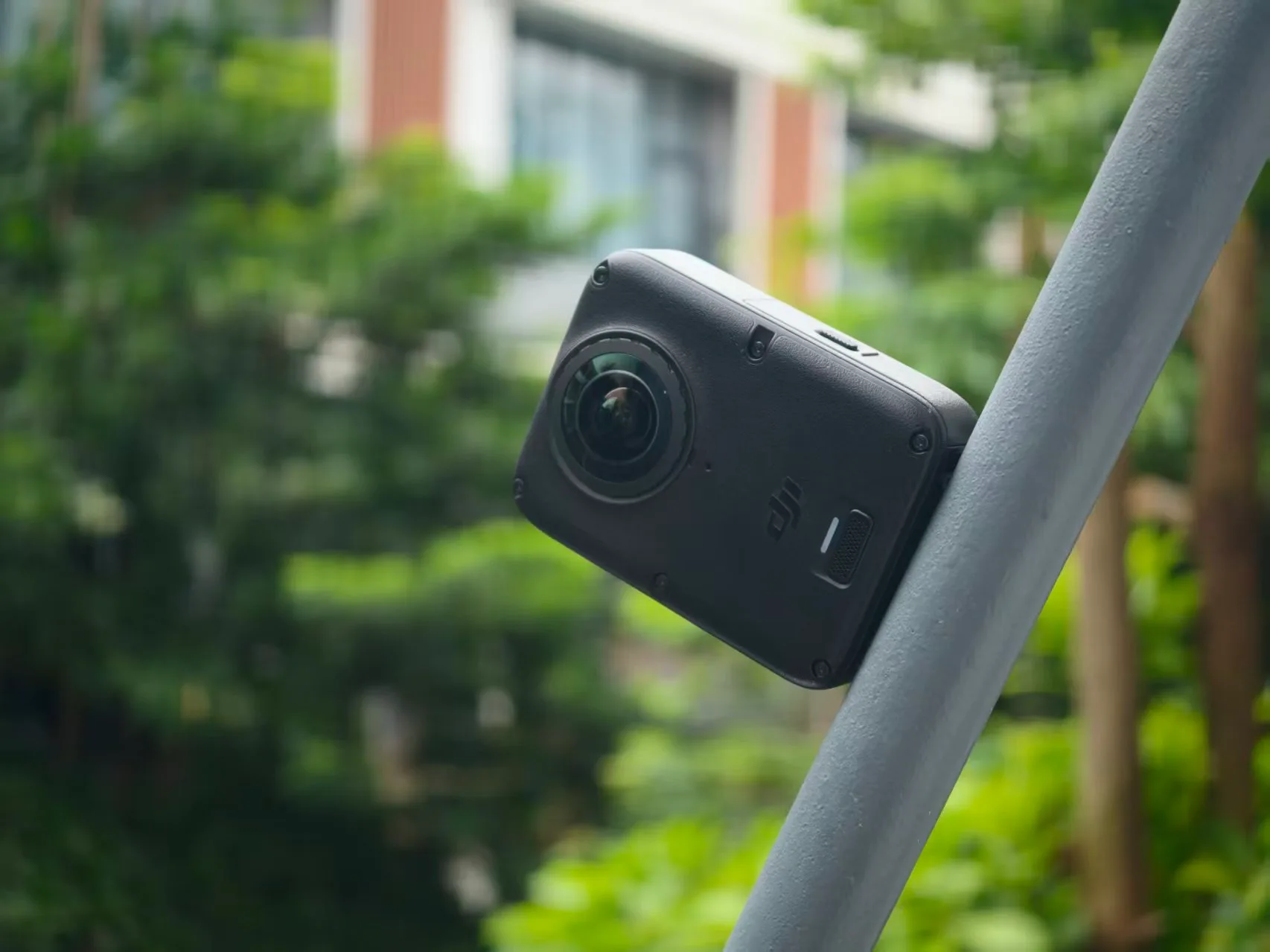
In terms of experience, the Osmo 360 II's excellent overall performance marks DJI's maturity in panoramic camera development: The first generation nailed image quality, stabilization, and algorithms, setting a high bar; the second generation filled in the gaps.
Admittedly, the second generation's sensor lacks a hardware upgrade, so it's not a complete overhaul. However, DJI avoided unnecessary changes just to appear "new" and instead focused on fixing the first generation's shortcomings. This approach may not be flashy, but it's a steady and reliable strategy for DJI's "second-gen" product in a new category.
Of course, DJI Studio's stumble reminds us that while hardware can be quickly improved, ecosystem growth takes time. The second generation fixed what could be fixed—now, the remaining software challenges depend on DJI's next update.
DJI Osmo 360 II Panoramic Camera Imaging Osmo
Source: Leitech
Images in this article come from: 123RF Licensed Image Library Source: Leitech
-
![]()
Tough Times Are Here: The Auto Industry Is Mired in Immense Pain
-
![]()
Honda Finds Itself 'With No Alternative' but to Battle On for Another Ten Years
-
![]()
Is the 'Chili Fish Head' Car, Once a Hit Among Noble Ladies, on Its Way Out?
-
![]()
DJI Osmo 360 II Review: Impeccable Hardware, Yet Software Still Lags Behind
-
![]()
The 'Dichotomy' in Alibaba's AI Ledger
-
Reinventing the 'Old Guard' with AI: A $12 Billion Venture in Just a Year
-
![]()
Alibaba's Q2 Profit Plummets by 32.6 Billion Yuan, with 67.7 Billion Yuan Earmarked for Capital Expenditures
-
![]()
DJI Osmo 360 II In-Depth Review: How Does It Achieve Significant Image Quality Enhancements Without Sensor Changes or Excessive Spec Stacking?