Struggling at the Pinnacle, Second-Tier Joint Ventures on the Verge: 2025 Performance of Joint Venture Automakers
 01/04 2026
 647
647
As the curtain falls on China's auto market in 2025, the sales target attainment rates of joint venture automakers act as a lens, revealing the collective struggles and distinct breakthroughs of these erstwhile market leaders amidst the surge of intelligent electrification. Once dominant, riding on their 'technology import' allure and seasoned manufacturing systems, joint venture brands now confront a harsh reality: their market share has halved, and attainment rates vary widely. By 2025, the market share of joint venture passenger vehicles is expected to plummet to around 30%, a staggering decline of over 22 percentage points from the peak of 52.6% during the era of fuel-powered vehicles (internal combustion engine vehicles). The sales target attainment rates expose an extreme polarization, with top-tier brands barely hanging on and second-tier brands teetering on the brink of elimination. This sales battle transcends mere figures, becoming the ultimate test of joint venture automakers' systemic capabilities, transformation speed, and localization adaptability.
Top-Tier Brands Under Pressure, Second-Tier Brands on the Edge of Exit
The sales target attainment rates of joint venture automakers in 2025 display a clear 'pyramid' differentiation: top-tier joint venture brands, leveraging their vast internal combustion engine vehicle base and global resources, barely sustain attainment rates between 70%-90%. Meanwhile, most second-tier joint venture brands fall short of the 50% target completion, with some marginal brands even dipping below 10%, teetering on the edge of market exit. This divergence is not accidental but the inevitable outcome of technological gaps, system efficiency, and market responsiveness.
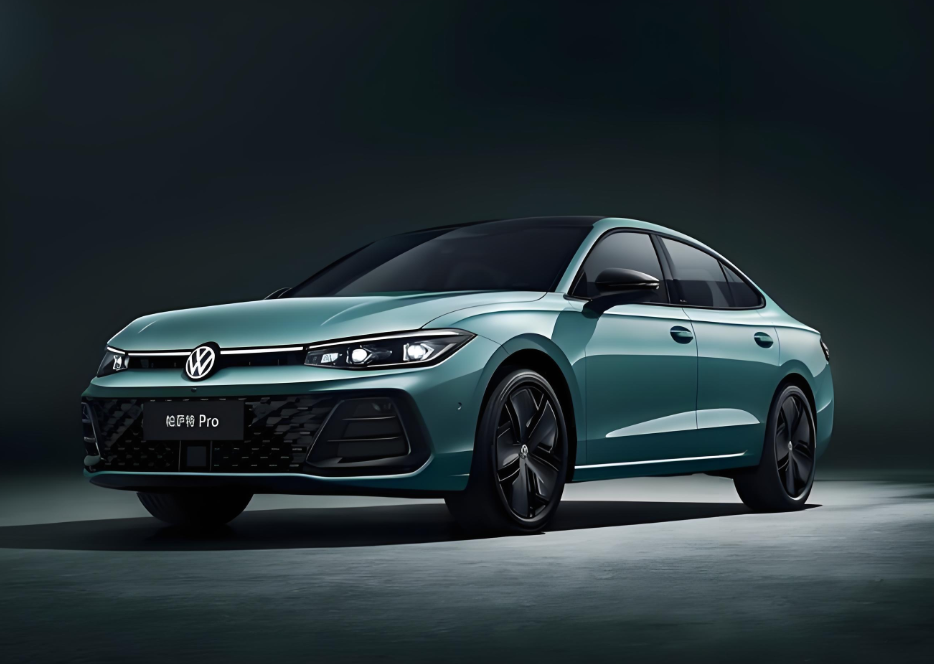
As the 'anchor' of the joint venture camp, top brands like FAW-Volkswagen, SAIC Volkswagen, Toyota, and Honda have maintained annual sales volumes of 800,000-1.6 million units, though sales have generally dropped by 15%-26% year-on-year, with attainment rates mostly clustered between 75%-85%. FAW-Volkswagen retained its top position among joint ventures with 1.587 million units sold annually, with its internal combustion engine vehicle market share growing by 0.9 percentage points against the trend. Mainstay models like the Sagitar and Magotan contributed 252,000 and 216,000 units, respectively, forming the core of its attainment rate. Nevertheless, its new energy segment remains weak, with ID series sales projected at 810,000 units for the year, a decrease of 90,000 units year-on-year, dragging down overall target completion. GAC Toyota secured the joint venture new energy sales crown with its China-exclusive pure electric model, the bZ3X, achieving cumulative annual sales of 70,000 units, partially offsetting the decline in internal combustion engine vehicle sales, though its overall attainment rate still failed to break 85%.
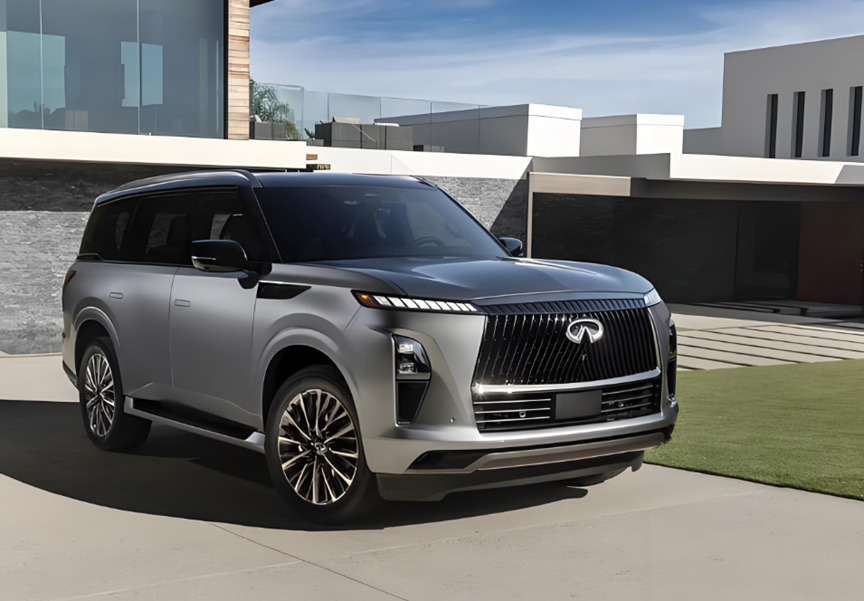
In stark contrast to the 'struggle for survival' among top-tier brands, second-tier joint venture brands face a 'collective collapse.' Chevrolet sold merely 230 units in November 2025, with an annual target attainment rate below 30%. Its mainstay models, unupdated for two years, are out of sync with the times, and its shrinking dealership network has trapped itself in a vicious cycle. Dongfeng Peugeot's annual sales were dismal, with just 723 units sold in November. Due to lagging product iterations and rigid pricing strategies, its target attainment rate fell below 25%. Once renowned for its chassis tuning prowess, French brands now struggle to recapture past glory. Infiniti finds itself in a 'dual-front defeat,' with its internal combustion engine vehicle base shrinking and no presence in the new energy sector. Selling just 165 units in November 2025, its annual attainment rate fell below 10%, making it one of the most likely brands to exit the Chinese market. Even luxury joint venture brands have not been spared, with BBA annual sales volumes dropping from a peak of 700,000 units to under 500,000. Audi's sales declined by 160,000 units due to electrification delays, with its target attainment rate dipping below 70%, squeezed by domestic luxury brands like AITO and NIO.
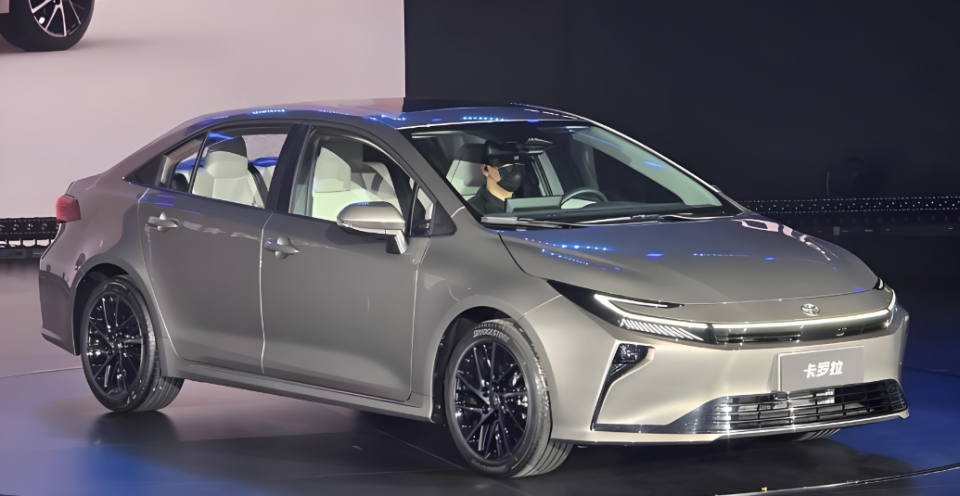
Behind this extreme polarization lies a fundamental shift in market demand structure. By 2025, China's new energy vehicle penetration rate has surpassed 49.5%, while joint venture brands lag at under 5%, far below the industry average. As domestic brands dominate the market with 800V high-voltage platforms and products offering over 1,200km range, joint venture new energy models, still reliant on oil-to-electric conversions and offering less than 500km range, struggle to gain consumer acceptance. Meanwhile, the 'price parity' war in the internal combustion engine vehicle market has shattered joint venture brands' price barriers. BYD's Qin PLUS plug-in hybrid, priced at 99,800 yuan, directly challenges the survival space of joint venture internal combustion engine models like the Lavida and Corolla, forcing models like the Buick Regal to lower their starting price to 106,900 yuan, a reduction exceeding 30%. Despite these efforts, sales remain sluggish, leading to a significant contraction in target attainment rates.
From Price Wars to Localization: The Existential Choice in the Joint Venture 2.0 Era
Faced with sluggish target attainment rates, joint venture automakers have not remained idle but have launched a comprehensive self-rescue campaign encompassing pricing, technology, and systems. From short-term 'volume-for-price' strategies to long-term 'localization reconstruction,' different paths reflect strategic choices made by joint venture brands at a critical juncture, determining their ability to stand firm in the reshaped market landscape.
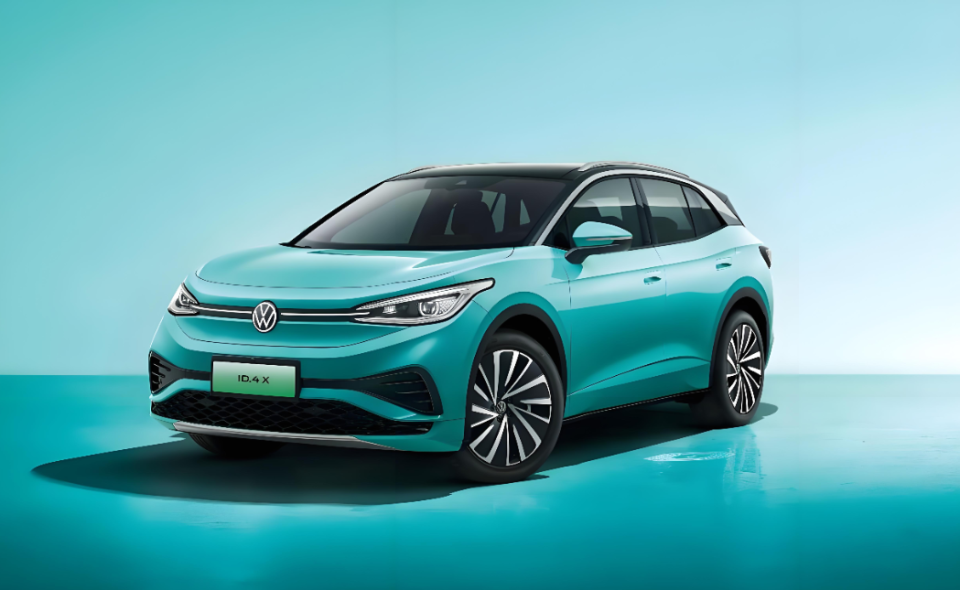
Price wars have become the most direct 'hemostatic' measure for joint venture brands. To boost sales targets, mainstream joint venture brands have lowered their stance, entering the core price ranges of domestic brands. SAIC Volkswagen's ID.4 X starts at 139,900 yuan, GAC Toyota's Venza enters the market at 129,800 yuan, and the Teana offers terminal discounts of 52,000 yuan. This 'one-price' model has yielded some short-term success, such as an 110% sales increase for the Envision PLUS. However, the cost of price wars is a significant erosion of profits, with gross margins for some joint venture models dipping below 8%, making it unsustainable in the long run and failing to address the core issue of inadequate product competitiveness. For marginal brands, price wars are futile struggles. Even with substantial discounts, brands like Chevrolet and Peugeot struggle to attract consumers due to aging products and shrinking dealership networks, trapped in a 'downward spiral of discounts leading to losses and further stagnation.'
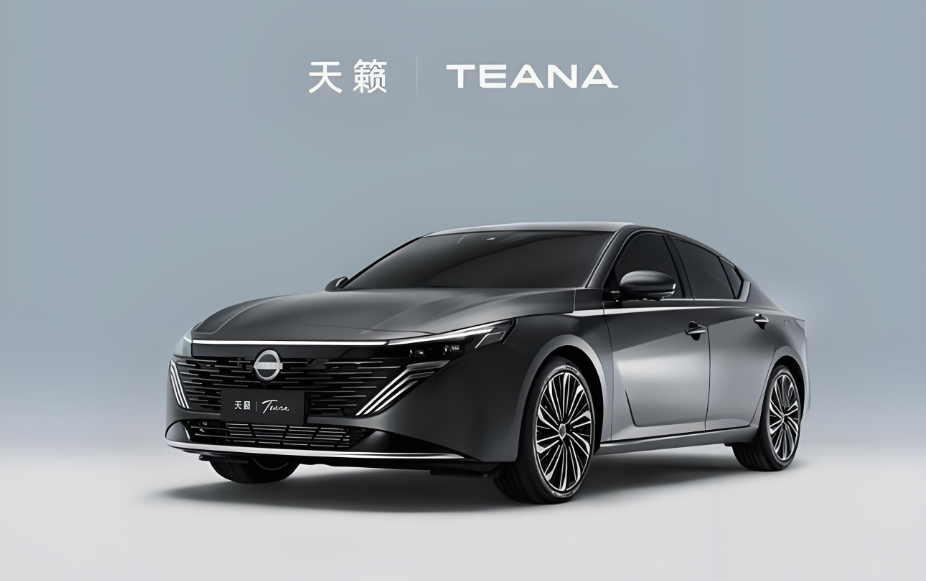
True breakthroughs begin with a profound understanding and resolute execution of localization strategies. The once-effective 'globally synchronized' product strategy has faltered in China's rapidly evolving market, prompting joint venture brands to shift research and development, decision-making, and supply chain control to China. Toyota established a pure electric R&D company in Shanghai, implementing a China Chief Engineer system; Nissan entrusted product development leadership to Chinese teams, shortening R&D cycles from 36 to 24 months; Volkswagen partnered with Horizon Robotics to develop intelligent driving chips, while Audi directly sourced Huawei's intelligent cockpit and driving systems. These localization efforts are gradually yielding results. GAC Toyota's bZ3X, equipped with Huawei's HarmonyOS cockpit and boasting an 87% space utilization rate, secured over 15,000 orders in its first month, proving that products aligned with Chinese consumer needs can gain market acceptance.
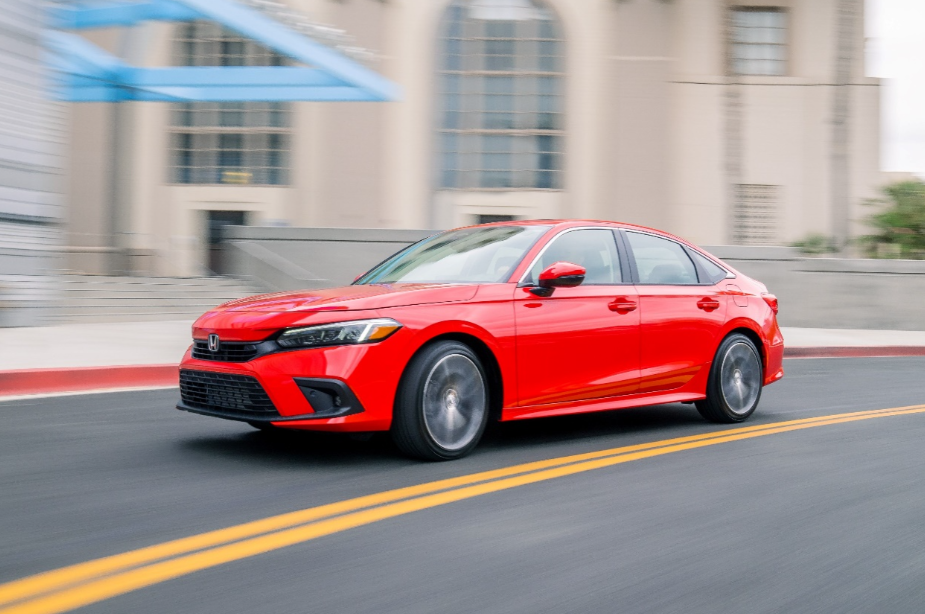
Localization reconstruction of the supply chain has become crucial for cost reduction and efficiency improvement. Joint venture brands once relied on closed foreign supplier systems, with foreign enterprises accounting for over 80% of Tier 1 suppliers, resulting in battery cell procurement costs 20% higher than domestic models and BOM costs generally 15% higher. Today, more and more joint venture models incorporate core domestic technologies, such as CATL's batteries, Huawei's intelligent driving systems, and Horizon Robotics' chips, significantly reducing production costs and enhancing product adaptability to the Chinese market. Volkswagen's ID series has narrowed its price gap with domestic models by increasing localization rates; Honda, Nissan, and other brands have also begun collaborating with domestic enterprises like BYD to develop new energy models, leveraging local supply chain advantages to make up for technological shortcomings.
It is worth noting that joint venture brands have not entirely lost their market foundation. Survey data shows that 34.3% of users are still willing to consider joint venture brands, which retain advantages in the internal combustion engine vehicle stock market, product quality reputation, and other areas. Top-tier joint venture brands can still maintain their base through global layouts and residual value advantages of internal combustion engine vehicles, while those capable of rapidly advancing localization transformation and achieving technological synergy are opening up new growth spaces. At the 2025 Shanghai Auto Show, joint venture automakers unveiled China-exclusive models, with 'joint venture counterattacks' becoming a highlight, signaling a shift from passive defense to proactive adaptation and a genuine embrace of China's automotive market ecosystem rules.
Public Opinion
The sales target attainment rates of joint venture automakers in 2025 serve as both an annual report card and a microcosm of China's automotive industry restructuring. This transformation is fundamentally the result of China's automotive industry evolving from 'market-for-technology' to 'technology-led,' a dimensional strike by 'system efficiency' in the Industrial 4.0 era against traditional manufacturing. The era of winning solely through brand premiums is over, but joint venture brands have not reached their end. Those capable of thoroughly humbling themselves, reconstructing R&D systems, and embracing local supply chains are entering the 'Joint Venture 2.0 Era,' finding a foothold amidst the intelligent electrification wave.
Looking ahead to 2026, the sales target attainment rates of joint venture automakers will continue to diverge, with market elimination intensifying. For consumers, fierce competition brings richer choices and higher cost-effectiveness; for the industry, this shakeout drives upgrades and iterations in China's automotive sector, accelerating the global shift in automotive power. While the golden age of joint venture vehicles has ended, those capable of keeping pace with China's market rhythm and deeply integrating with the local ecosystem can still find their place in the reshaped market landscape. This transformation will ultimately write a new chapter in China's automotive industry, transitioning from follower to leader and showcasing the true strength of Chinese intellectual manufacturing to the global automotive market.
-
![]()
Enflame Tech's IPO Journey: Navigating Over 5.9 Billion Yuan in Losses and Soaring Debt in Q1 This Year
-
![]()
Trillion-Yuan Giant Li Shufu 'Streamlines': Could Levc Be the Casualty?
-
![]()
AI Competes for Electricity and Generates Power in the Gobi Desert
-
![]()
The First Batch of Victims of the AI Bubble: Programmers
-
![]()
ByteDance, DJI, and Xiaohongshu Secure Top Three Positions Among China’s Fastest-Growing Unicorns
-
Tesla's in-car voice system in China is finally learning to 'understand human language'
-
![]()
Foreigners Are Amazed: Chinese Electric Vehicle Drive Systems Unveil Innovative 'Poses'
-
![]()
700,000 Brothers and the Future of Robots: Behind JD.com's 'Nirvana Plan'