Tesla, Held Back by a 'Hurdle'
 01/12 2026
 454
454
Lead
Introduction
What's impeding Tesla's progress may not solely be the 'hurdle' it faces with its robotics.
2.26 million vs. 1.64 million —
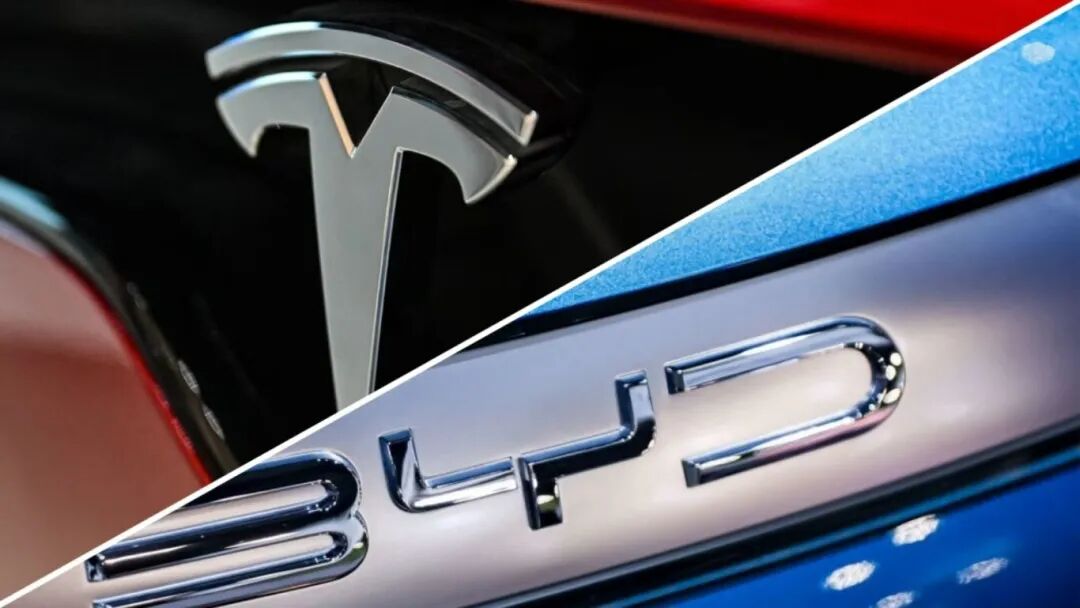
Behind these two sets of sales figures lies a transformation in the global electric vehicle (EV) industry. Tesla, once the undisputed leader in EV sales, has seen its market dominance eclipsed by China's BYD, following two consecutive years of declining deliveries.
Recent data indicates that Tesla's global sales volume plummeted by 9% year-on-year, reaching 1.64 million units in 2025, with a stark 16% drop in the fourth quarter to 418,000 units. In contrast, BYD's annual sales of pure EVs soared to 2.26 million units, marking a 28% increase year-on-year and significantly surpassing Tesla.
The capital markets have mirrored this shift in real-time.
Post-New Year's Day 2026, Tesla's stock price experienced a seven-day consecutive decline, accumulating a drop exceeding 10%—the longest losing streak since April 2024.
Remarkably, BYD achieved this feat before even entering Tesla's home turf in the U.S. Chinese new energy vehicles (NEVs) have been steadily converting their systemic advantages in product quality, supply chain efficiency, and market adaptability into expanding global influence.
In China, Tesla is also grappling with sluggish sales growth. Data reveals that Tesla China's cumulative wholesale sales (encompassing both domestic deliveries and overseas exports) reached 851,700 units in 2025, reflecting a 7% year-on-year decrease. From January to November, Tesla's sales in China totaled 531,900 units, marking a 7.3% decline.
01 First Annual Sales Decline
Musk is growing increasingly desperate.
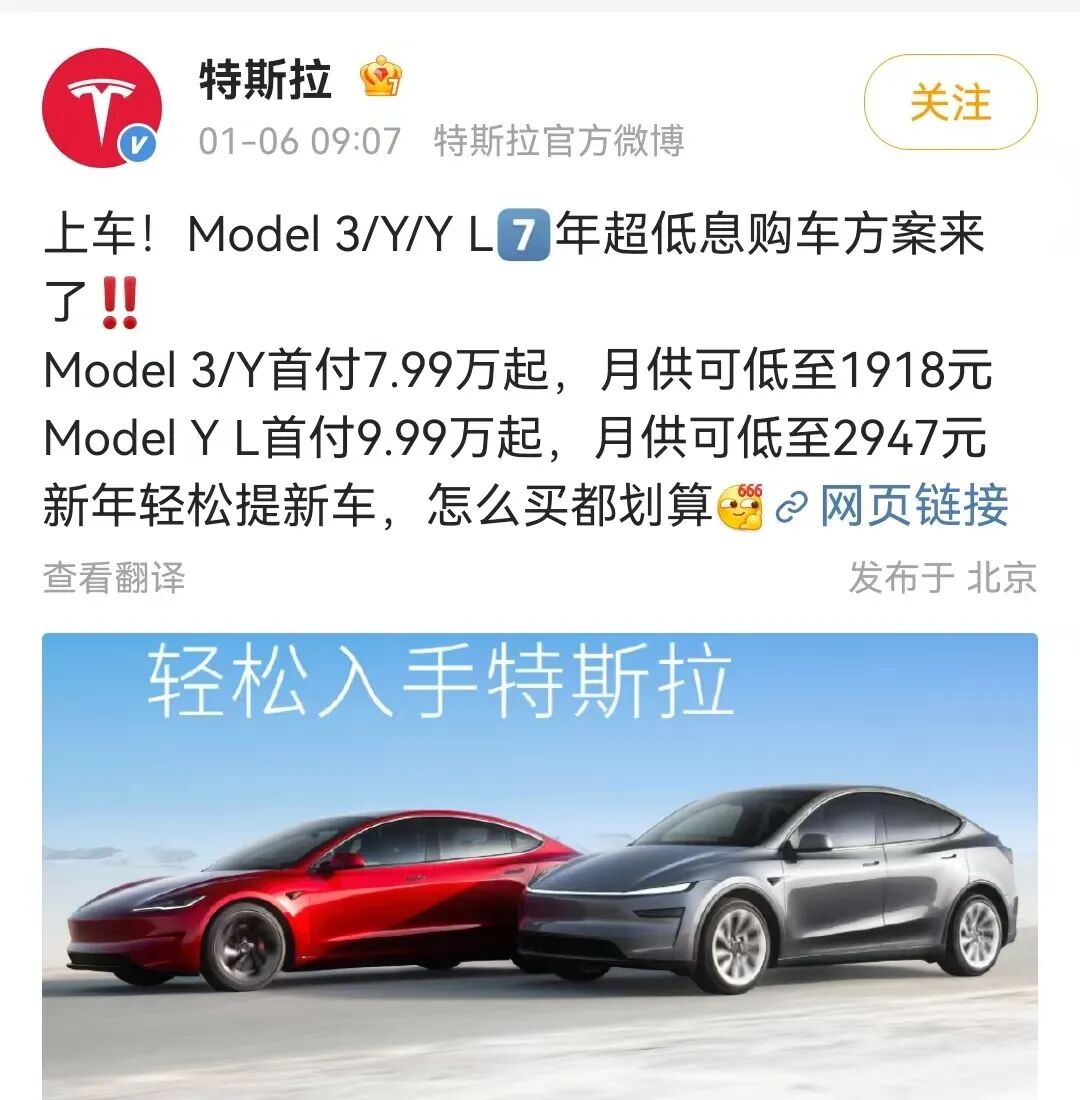
On January 6, Tesla China unveiled new financial plans for several models, aiming to spur market consumption through more flexible payment options. These policies cover key models like the Model 3, Model Y, and Model Y L, offering seven-year low-interest financing and five-year interest-free installments for all eligible models.
For both Tesla and Musk, 2025 has been an extraordinary year. Following reports of Tesla's sales slump, The Wall Street Journal and Associated Press conducted in-depth analyses of the company's primary performance issues.
This year, Tesla faced a lack of 'favorable timing, geographical advantage, and internal harmony.'
Early in the year, Musk's controversial role at the White House, leading the Department of Government Efficiency (DOGE) and amplifying Trump's 'Make America Great Again' rhetoric, unexpectedly triggered widespread boycotts at Tesla showrooms across the U.S., leading to a sales decline.
In July, Trump signed the 'Big and Beautiful' Tax and Spending Bill, which stipulated that the U.S. federal government would cease offering $7,500 tax credits for EVs starting September 30.
Anticipating the expiration of subsidies, consumers rushed to make purchases, driving Tesla's third-quarter deliveries to 497,000 units, a 7.3% year-on-year increase and exceeding market estimates of 439,000 units. However, by the fourth quarter, the absence of incentives like purchase subsidies devastated sales, with November deliveries hitting their lowest level in nearly four years.
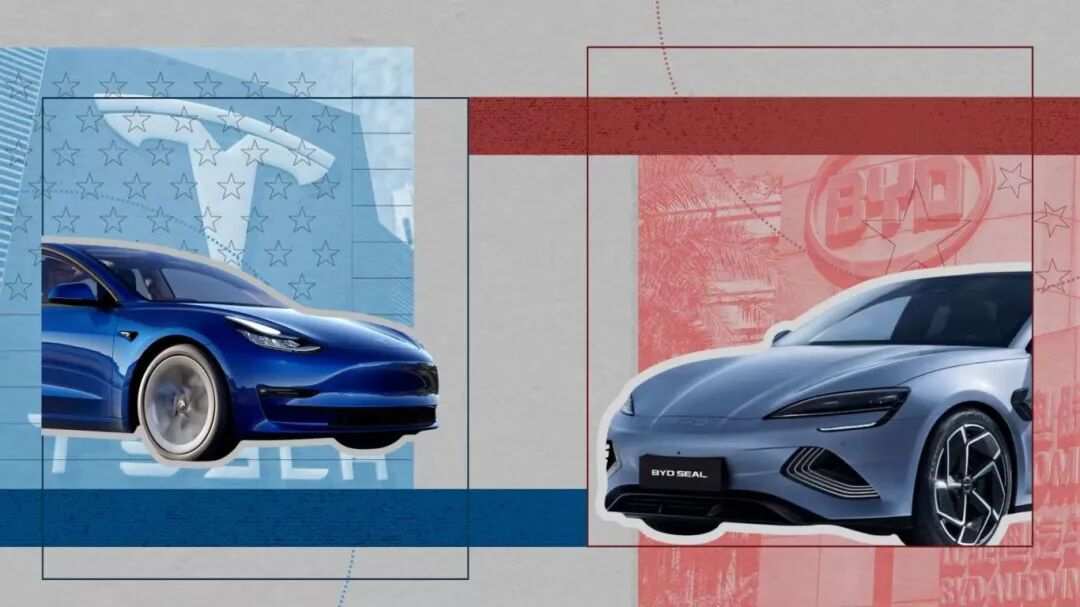
Additionally, many readers may have noticed that Tesla hasn't launched a new model in five years. Over the past year or two, the company has focused on upgrading existing models. Even the controversial Cybertruck made its debut as early as 2019.
Interestingly, Musk rarely mentions new car plans in public speeches or strategic announcements. Facing aggressive product refreshes from competitors, Tesla's 2025 product competitiveness declined sharply, with market share falling across major global markets.
Musk attempted to paint a grand vision for investors and markets, expanding Tesla's reach into new markets like robotaxis, steering wheel-free Cybercabs, and the Optimus humanoid robot.
Nevertheless, automotive remains Tesla's primary revenue source, accounting for approximately three-quarters of total revenue.
02 Trillion-Dollar Compensation and New Bets
In September of the previous year, Tesla released Master Plan Part IV, redefining its future vision—
To transition from an EV company into a comprehensive tech giant spanning energy, AI, and robotaxi sectors, ultimately achieving 'Sustainable Abundance.'
The grand blueprint is enticing, but historically, few of Musk's ambitious timelines for Tesla have been met on schedule. 'Unfulfilled promises' have become a common occurrence in the industry. Even by 2026, the list of 'unmet commitments' is likely to grow.
In November of the previous year, Tesla shareholders approved a new compensation package for Musk. If he can elevate Tesla's market value to $8.5 trillion while achieving financial and operational targets (including selling more EVs and advancing robotics), the 'Silicon Valley Iron Man' will become the world's first trillionaire.
According to Forbes' real-time billionaire list, Musk's net worth soared to $749 billion (≈RMB 5.23 trillion) in December of the previous year, making him the first individual worth over $700 billion. Already wealthy, Musk could become the world's first trillionaire with continued effort.
The trillion-dollar fortune is too tempting. Clearly, Musk is staking his next goal—and Tesla's future—on emerging fields like humanoid robots, AI, and robotaxis.
Analysts at Wedbush Securities anticipate Tesla's market value to reach $2–3 trillion by the end of 2026, based on its robotics and new sector plans. Over the next decade, Tesla could capture approximately 70% of the global autonomous driving market.
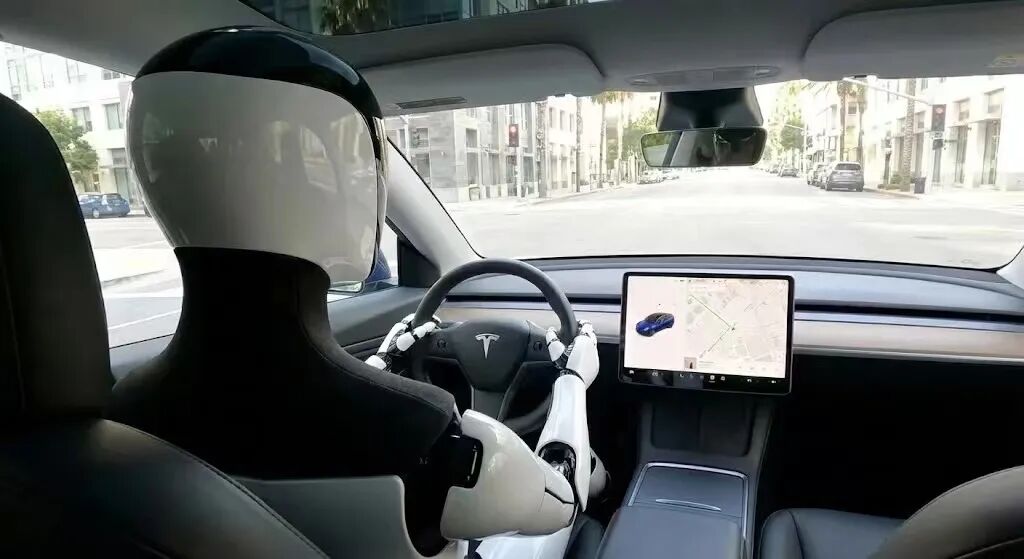
ARK Invest predicts Tesla's stock price could surge from around $400 to $2,600 once its humanoid robot business gains traction.
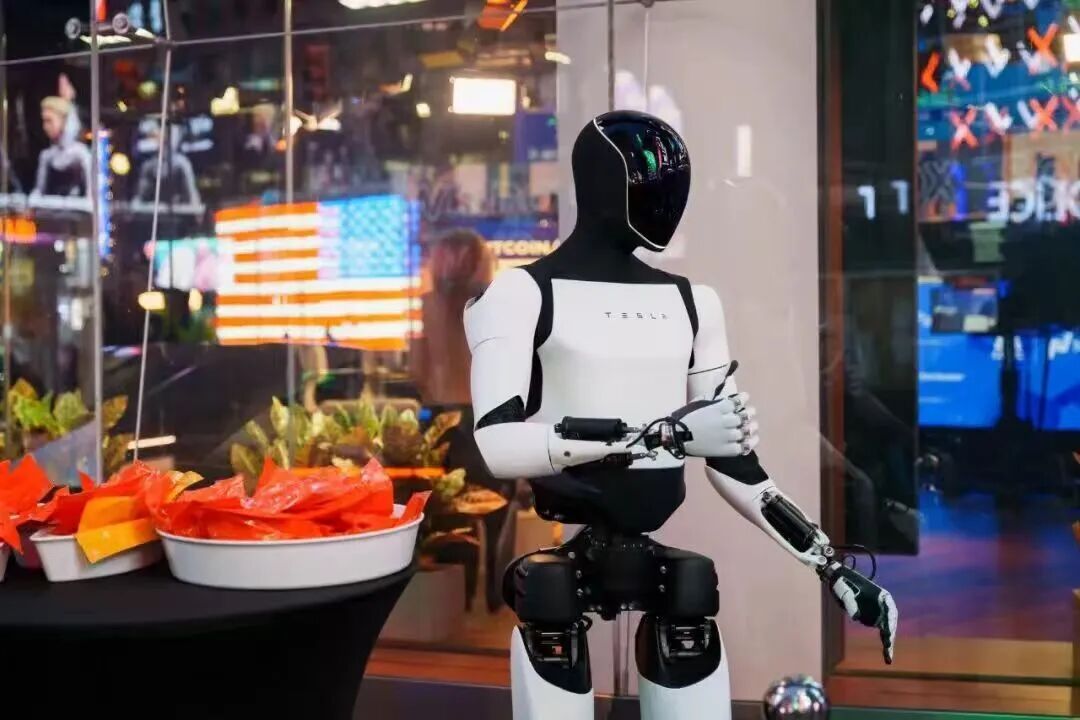
Internally, Tesla's Optimus robot is still under development but has become a 'regular guest' at public events. In China, for example, Optimus took center stage at the 2025 World Artificial Intelligence Conference and Shanghai Import Expo, drawing large crowds.
However, The Wall Street Journal recently reported that many Tesla employees question the practicality of robot products.
Musk promised in March of the previous year to mass-produce 5,000 Optimus robots by the end of 2025. However, he first reduced the target to 2,000 units and later cut it further. Delays in fine motor control technology for robot hands have repeatedly postponed mass production.
03 The 'Choking Hurdle'
Musk hopes to prove skeptics wrong, both internally and externally.
The new compensation plan grants him 10 years to build Tesla into an $8.5 trillion company and sell at least 1 million robots and related products to customers—
Under this backdrop, Tesla must expand beyond EVs into broader fields. Core businesses like Optimus must succeed.

Globally, Tesla is among the companies pushing robotics technology to the forefront. By 2026, these 'early adopters' may witness the first year of humanoid robot commercialization.
At the recently opened CES 2026, Boston Dynamics' humanoid robot Atlas entered mass production, with initial deployments at major shareholder Hyundai's factories. On the first day of CES, NVIDIA CEO Jensen Huang declared in his keynote: 'The robotics sector has officially entered its 'ChatGPT moment!'
However, while humanoid robots offer flexible joints and are designed for human environments, showing promise in specific scenarios, experts in embodied AI remain cautious.
Ken Goldberg, a roboticist at the University of California, Berkeley, noted that even with rapid technological advancements, top researchers still struggle to design robotic systems with true dexterity, precise sensing, and broad environmental adaptability.
'I've heard Elon Musk say the robot's hand is the hardest part. That's true, but the issue isn't just the hand—it's control: observing, perceiving, and adjusting to the environment. That's cutting-edge research,' Goldberg told The Wall Street Journal. Beyond technical challenges, the real difficulty lies in making robots useful, flexible, and efficient for humans.
Experts face similar challenges when assessing Tesla's humanoid robot opportunities. The sector is so new that analysts struggle to evaluate its value using conventional financial models.
Even ARK Invest, a longtime Tesla bull, didn't include Optimus in its 2029 annual business model, expecting the product to need more time before generating commercial returns.
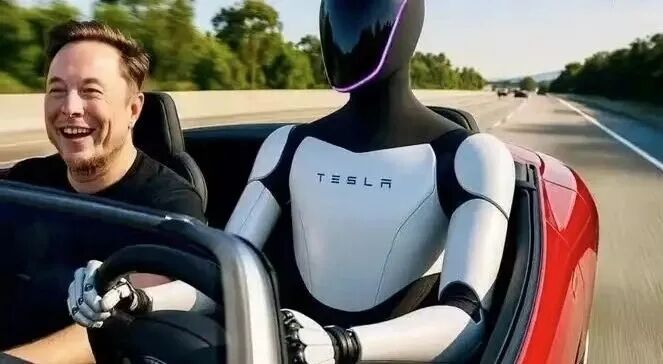
A former Tesla employee told The Wall Street Journal that the company has struggled to find suitable components for humanoid robots, forcing it to develop certain parts from scratch, such as actuators to power the robots.
Morgan Stanley's robotics industry head predicts humanoid robots could generate $7.5 trillion in annual revenue for the global robotics sector by 2050—
This means even capturing a small share of the market could significantly boost Tesla's revenue. Musk remains convinced that EV sales bottlenecks are temporary. Once new sectors like humanoid robots gain traction, Tesla will unlock its true 'second growth curve.'
Musk has repeatedly emphasized that the core philosophy of humanoid robots draws on Tesla's autonomous driving expertise. 'A Tesla EV is essentially a robot on wheels—the logic is the same,' he said.
Technologically, the paths may align. But when it comes to commercialization, what's holding Tesla back may not solely be the 'hurdle' it faces with its robotics.
Editor-in-Charge: Yang Jing Editor: Wang Yue
THE END
-
![]()
Enflame Tech's IPO Journey: Navigating Over 5.9 Billion Yuan in Losses and Soaring Debt in Q1 This Year
-
![]()
Trillion-Yuan Giant Li Shufu 'Streamlines': Could Levc Be the Casualty?
-
![]()
AI Competes for Electricity and Generates Power in the Gobi Desert
-
![]()
The First Batch of Victims of the AI Bubble: Programmers
-
![]()
ByteDance, DJI, and Xiaohongshu Secure Top Three Positions Among China’s Fastest-Growing Unicorns
-
Tesla's in-car voice system in China is finally learning to 'understand human language'
-
![]()
Foreigners Are Amazed: Chinese Electric Vehicle Drive Systems Unveil Innovative 'Poses'
-
![]()
700,000 Brothers and the Future of Robots: Behind JD.com's 'Nirvana Plan'