Various Fates of Former Allies of NIO, Xpeng, and Li Auto: Some Find New Backers, Others Face Elimination
 04/03 2026
 384
384
Choosing the right partner is crucial.
Relying on its partnership with Huawei's Harmony Intelligent Mobility, Seres (formerly Sokon), which had suffered severe losses, achieved a staggering turnaround with a net profit attributable to the parent company of RMB 5.312 billion in 2025.
The path of new energy vehicle development is littered with numerous cases of collaborations between legacy automakers and new-force brands, but not all partners can replicate this fortune.
JAC Motors, Haima Automobile, and Lifan Technology, which had deep ties with the top three new-force automakers—NIO, Xpeng, and Li Auto—were once significant players in China’s auto industry. They gained temporary respite through these partnerships, but once NIO, Xpeng, and Li Auto established their own production capacities and reduced reliance on partners, the fates of these three automakers diverged sharply: some found hope amid heavy losses, some made desperate bets on niche segments, and others became mere appendages of giants, exiting the automotive stage.
JAC Motors: Finding Hope Amid Heavy Losses with the Z-Class S800
Among the three automakers, JAC Motors started with the highest potential and the most abundant resources, making it the most likely to stage a comeback.
As a state-owned automaker with over six decades of history, JAC has deep roots in the commercial vehicle sector and possesses complete passenger vehicle production qualifications and capacity. This was the core reason NIO chose to partner with JAC in 2016. At the time, NIO urgently needed a mature manufacturing partner to achieve mass production of the ES8, while JAC sought to revitalize its idle capacity and enhance its capabilities.
Their six-year deep collaboration was a tale of mutual achievement: JAC handled vehicle production, while NIO led design, R&D, and sales. To meet NIO's premium standards, JAC comprehensively upgraded its production lines and introduced advanced quality control, shedding its 'low-end manufacturing' label. NIO, leveraging JAC's capacity, successfully navigated its startup phase and achieved a breakthrough from zero to one.
In 2023, NIO acquired JAC's Hefei manufacturing base, ending their contract manufacturing partnership and plunging JAC into predicament (a predicament).
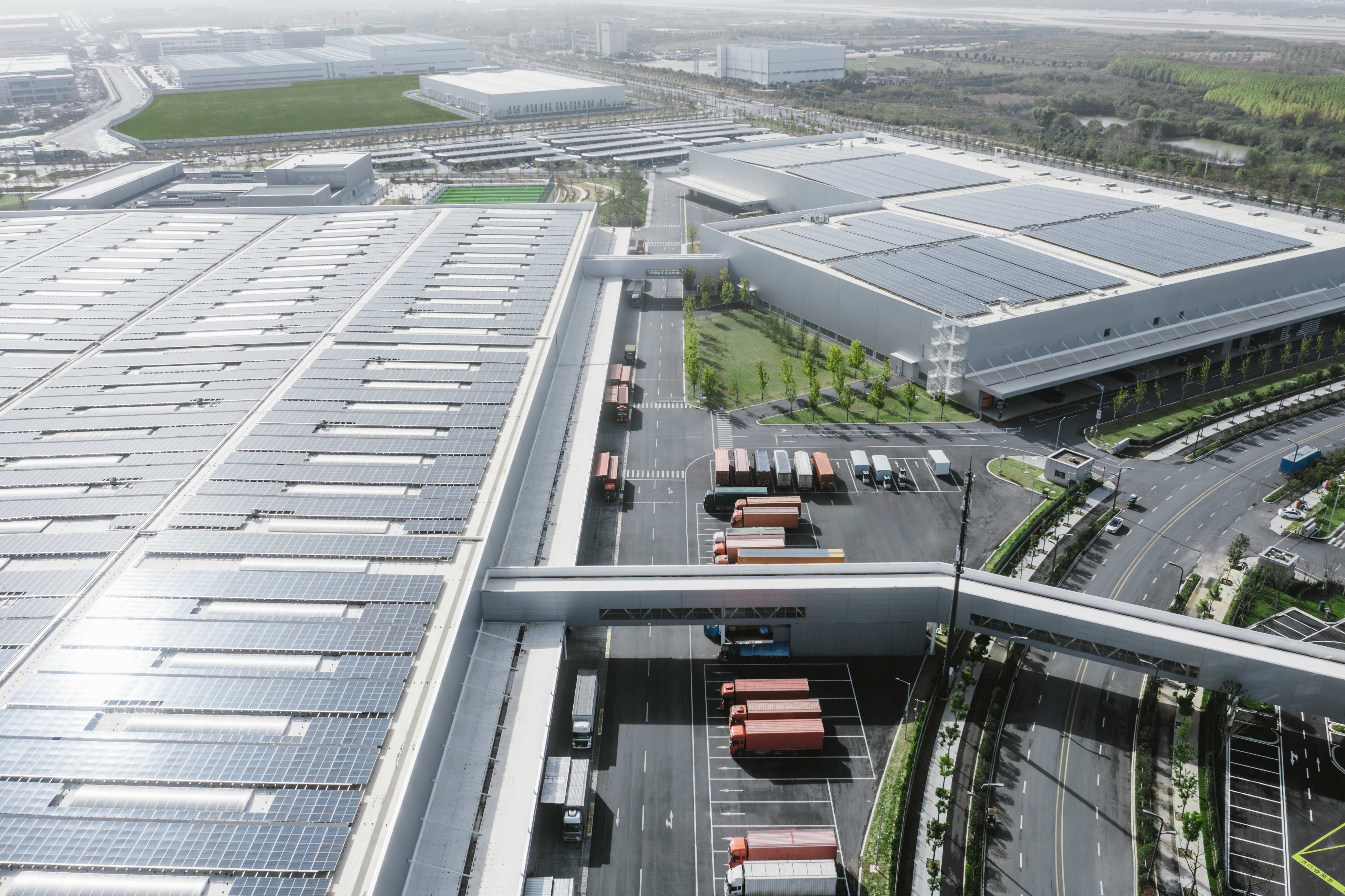
(Image Source: NIO)
In 2022, JAC Motors reported a net loss attributable to the parent company of RMB 1.582 billion; by 2024, the loss widened to RMB 1.784 billion; and in the first nine months of 2025, the loss reached RMB 1.434 billion.
The root cause of JAC's losses lies in its imbalanced business structure. In 2025, its total sales volume was 381,400 units, down 4.72% year-on-year, with passenger vehicle sales totaling 28,900 units, a 7.23% decline.
To compound its woes, its joint venture with Volkswagen, Volkswagen Anhui, suffered from unclear product positioning and poor market performance, resulting in over RMB 1 billion in investment losses for JAC in 2025.
However, a turning point emerged for JAC with the launch of the Z-Class S800, jointly developed with Huawei. Priced between RMB 708,000 and RMB 1.018 million, this ultra-luxury sedan quickly took the market by storm after its launch in the second half of 2025, with cumulative deliveries of 13,092 units from September 2025 to January 2026. This performance already counts as a successful turnaround in its segment.
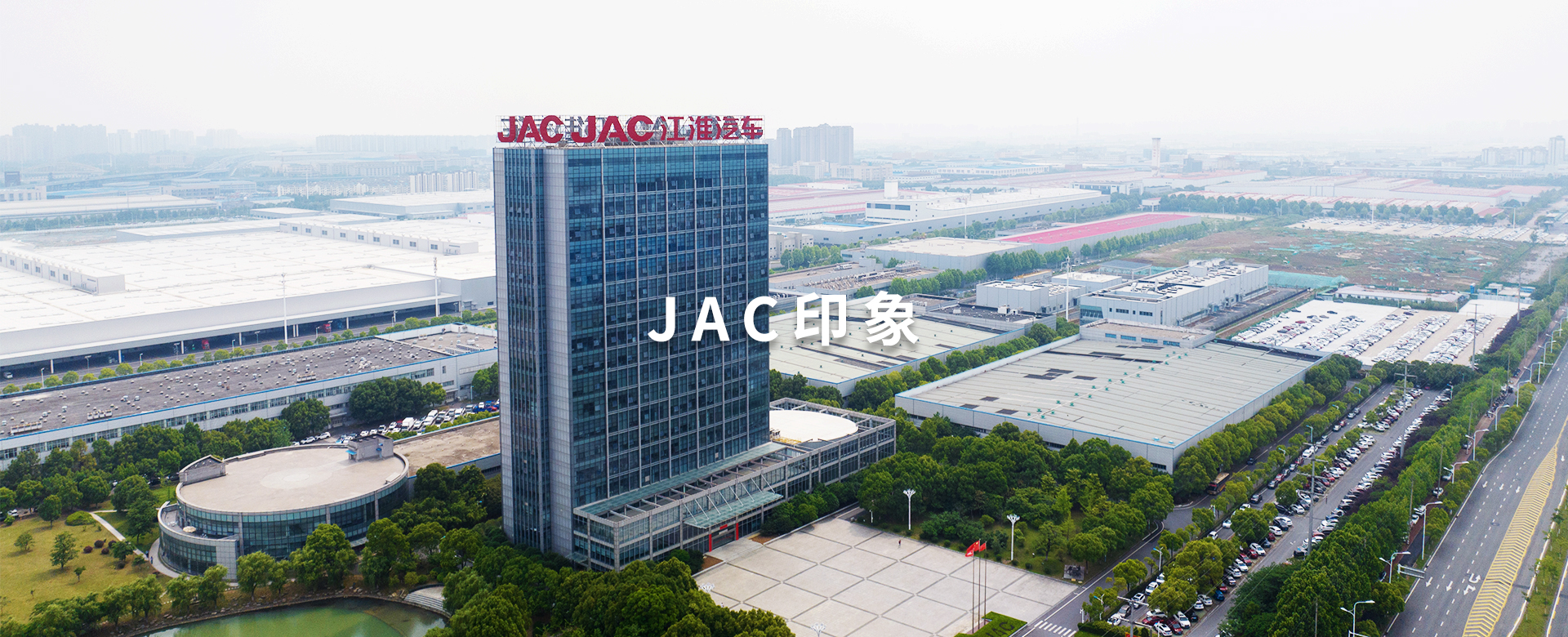
(Image Source: JAC Motors)
Dianchetong (ID: dianchetong233) believes that while JAC is mired in heavy losses, it is far from beyond salvation. Its collaboration with NIO laid a foundation for high-end manufacturing, and its partnership with Huawei provided a path to breakthrough. The success of the Z-Class S800 is the best proof of its manufacturing prowess.
With the potential launch of new models like MPVs and SUVs under the Z-Class brand in 2026, gradually improve (completing) its high-end product lineup, annual sales of the Z-Class brand are expected to reach around 40,000 units, generating revenue exceeding RMB 36 billion.
While short-term loss pressures persist, JAC remains the most promising among the three to stage a comeback, thanks to its high-end manufacturing capabilities and deep collaboration with Huawei.
Haima Automobile: Betting on Hydrogen Energy and Overseas Expansion—A Desperate Gamble for Differentiation
Compared to JAC, Haima's situation is even more precarious, teetering on the edge of a cliff. It can only seek survival by betting on niche segments and making desperate moves.
As a Hainan-based private automaker, Haima once held a place in the market with models like the Haima 3 and Familia during the internal combustion engine era. However, it failed to keep pace with the NEV transition and was gradually marginalized. Its partnership with Xpeng in 2017 became a critical lifeline.
At the time, Xpeng had just launched its first model, the G3, and urgently needed production qualifications and capacity, while Haima faced idle capacity and declining sales. The two sides quickly formed a contract manufacturing partnership.
Over more than four years of collaboration, Haima produced key models like the G3 and P7 for Xpeng, revitalizing its idle capacity and securing stable contract manufacturing revenue to barely stay afloat. By 2021, with Xpeng's self-built factory coming online, their cooperation gradually diminished.
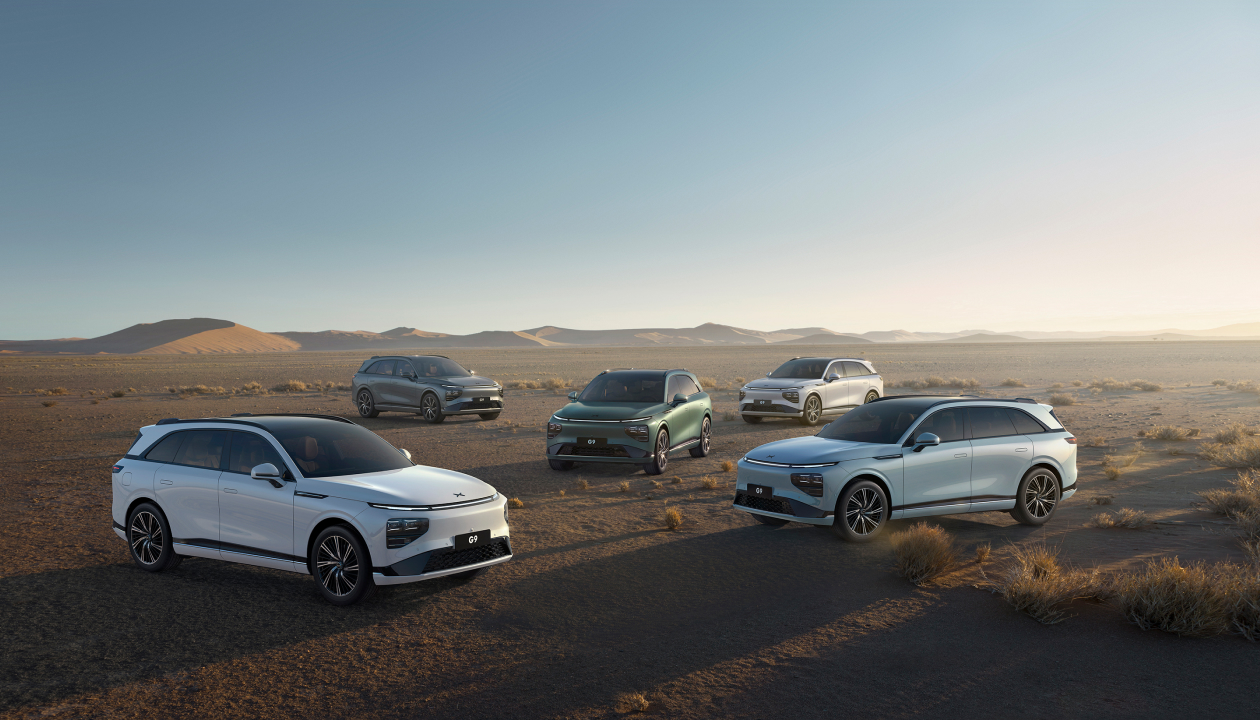
(Image Source: Xpeng)
Since then, Haima's situation has deteriorated sharply, with its domestic passenger vehicle market share collapsing. It reported losses of RMB 1.574 billion in 2022, RMB 202 million in 2023, RMB 140 million in 2024, and a net loss of RMB 74.4371 million in the first three quarters of 2025.
To survive, Haima has abandoned the domestic internal combustion engine vehicle market entirely and adopted two core strategies: betting on hydrogen energy and going all-in on overseas expansion, pursuing a differentiated survival path.
In the hydrogen energy sector, Haima is one of the most aggressive players in China. It began R&D in hydrogen energy technology as early as 2013 and collaborated with Japanese automaker Toyota. In 2023, the two companies jointly launched the Haima 7X-H MPV. Equipped with Toyota's second-generation Mirai fuel cell stack system, the vehicle can be refueled in just 3-5 minutes and offers a CLTC range of 652 kilometers. Over 50 units have been deployed in demonstration operations in Hainan, accumulating nearly 2.8 million kilometers of driving with 'zero failures.'
Meanwhile, leveraging Hainan's free trade port policies, Haima plans to build a full hydrogen energy industry chain covering 'hydrogen production-storage-transportation-utilization' to seize the initiative in the hydrogen energy track (sector).
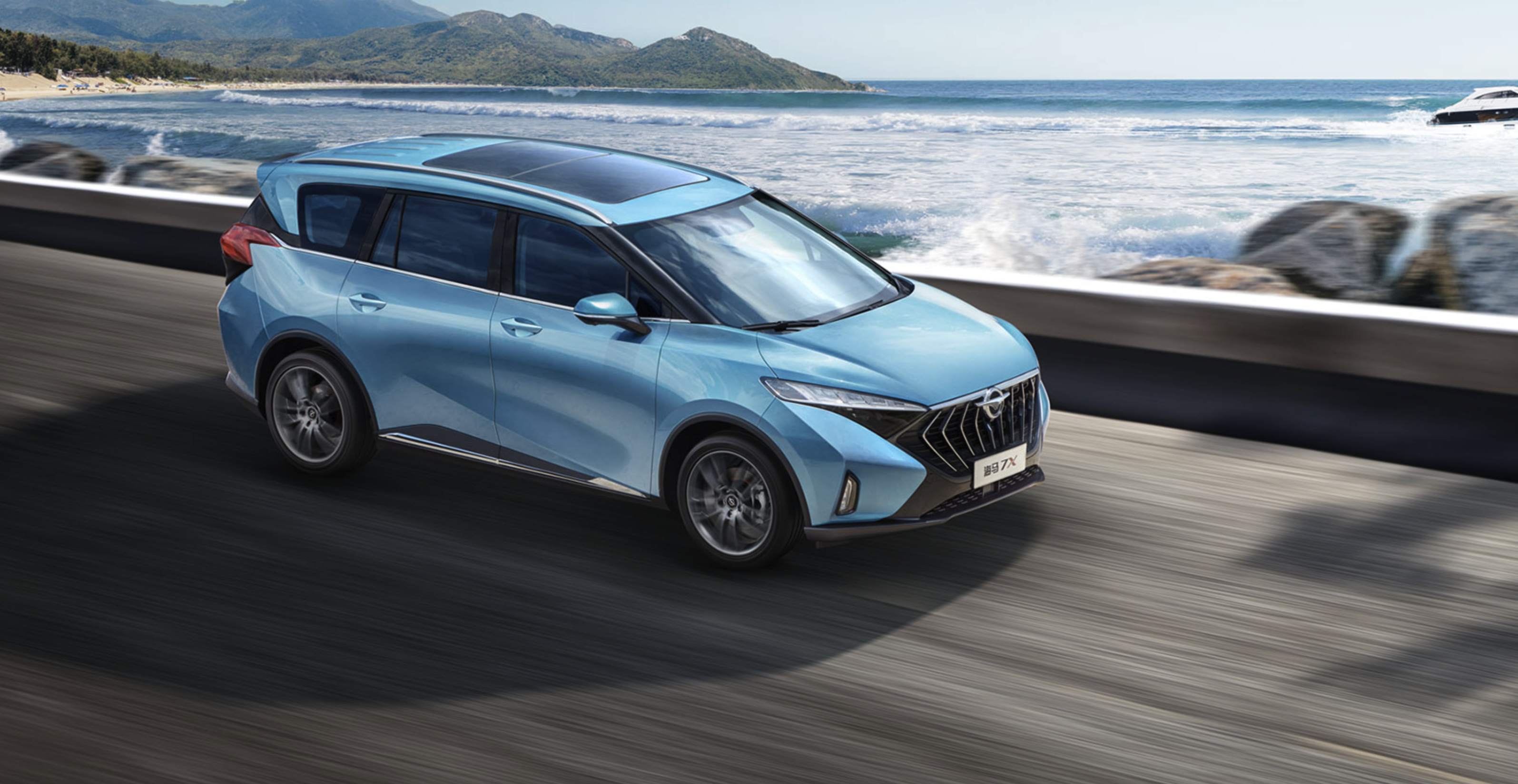
(Image Source: Haima Automobile)
Having achieved little domestically, overseas markets have become Haima's lifeline. Its overseas business now covers more than 20 countries and regions, with overseas revenue accounting for over 70% of the total.
In 2024, it exported 8,000 complete vehicles, up 50% year-on-year to 12,000-13,000 units in 2025, and targets 20,000 units in 2026, with hydrogen energy models accounting for over 30%. Its brand focus is on Southeast Asia and the Middle East: in Southeast Asia, it promotes the right-hand-drive pure electric MPV Haima 7X-E for families and ride-hailing needs; in the Middle East, it targets fuel vehicles and the 7X-H hydrogen model, leveraging local policies to tap into the premium market.
Benefiting from Hainan's free trade port, Haima enjoys preferential policies such as zero-tariff imports of hydrogen energy components, export tax exemptions, and a 15% corporate income tax rate, combined with AEO certification for customs clearance convenience, significantly boosting the competitiveness of its overseas products. Thanks to the steady progress of its hydrogen energy vehicle business, despite years of losses, Haima's stock price has consistently risen from 2022 to 2025.
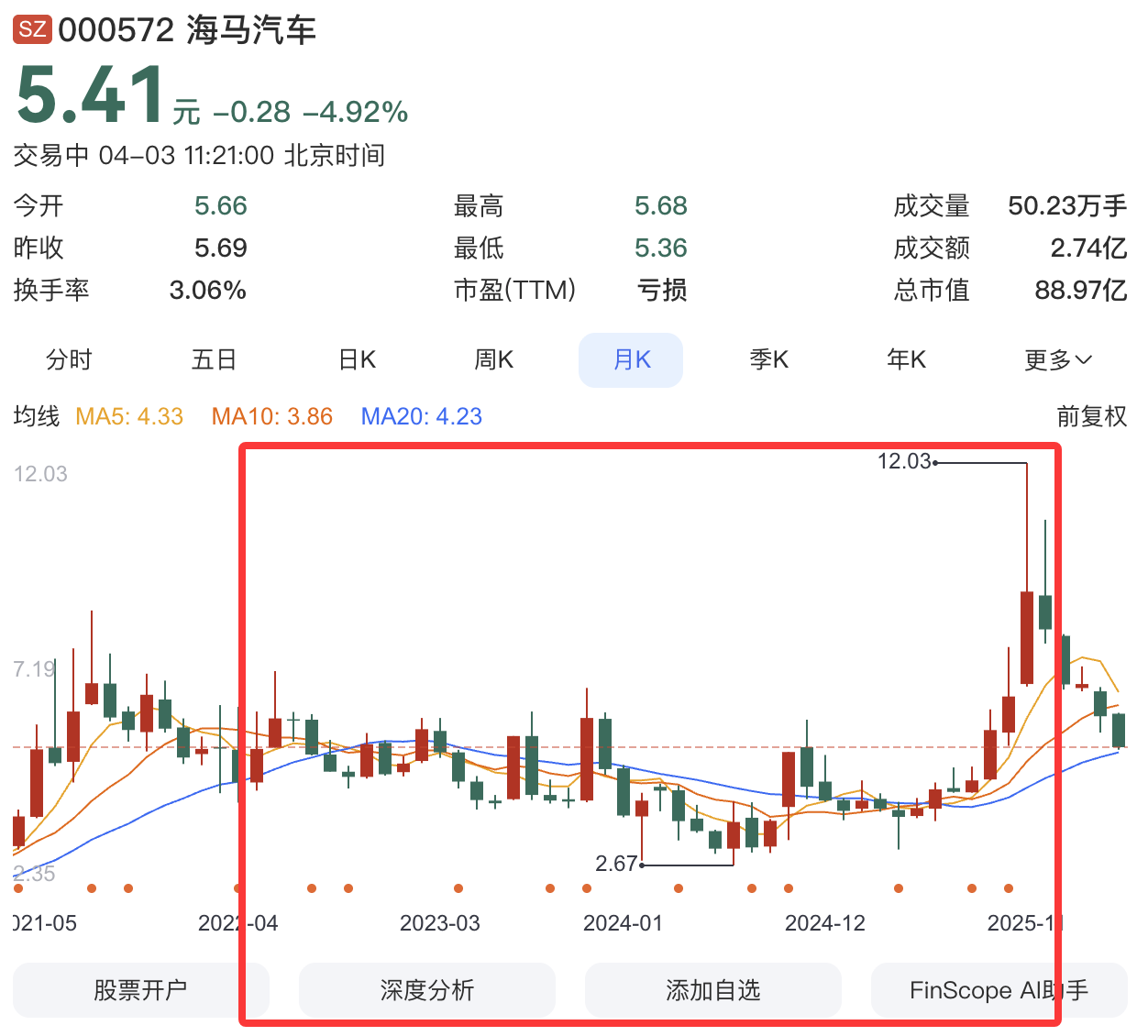
(Image Source: Baidu Stock Screenshot)
However, Haima faces significant challenges. Hydrogen energy faces bottlenecks such as high technical barriers, scarce infrastructure, and uncertain commercialization in the short term, requiring years of construction before scaling (large-scale) adoption. Its overseas expansion faces pressure from leading automakers like BYD, Great Wall, and Geely, as well as geopolitical risks.
In Dianchetong's (ID: dianchetong233) view, Haima's transformation is a desperate gamble.
Its collaboration with Toyota is its biggest 'lifeline,' providing advanced hydrogen energy technology endorsement, but whether this can translate into market competitiveness remains uncertain.
Haima's future hinges on whether it can sustain itself through overseas business until hydrogen energy commercialization takes off and whether it can seize opportunities in the hydrogen energy sector to achieve differentiated breakthroughs. Otherwise, its fate could be even more perilous than Lifan's.
Lifan Technology: Renamed 'Qianli Technology,' Pivoting to 'AI + Vehicles'
Among the three, Lifan's fate has been the most tragic. Once a representative private automaker, Lifan leveraged its motorcycle business capital to enter the passenger vehicle market, launching models like the Lifan 320 and X80 and capturing a share of the low-end market. However, due to weak R&D, erratic brand positioning, and frequent quality issues, it gradually declined. In 2020, it entered bankruptcy restructuring due to debt crises, becoming the first of the three to fall.
Lifan's partnership with Li Auto began in 2019 and was essentially a superficial transaction driven by mutual needs.
At the time, Li Auto urgently needed to launch the Li ONE but lacked qualifications, acquiring Lifan's production qualifications for RMB 650 million and using Lifan's production lines for short-term contract manufacturing. Lifan, in turn, relied on the sale of qualifications and contract manufacturing revenue to alleviate debt pressures.
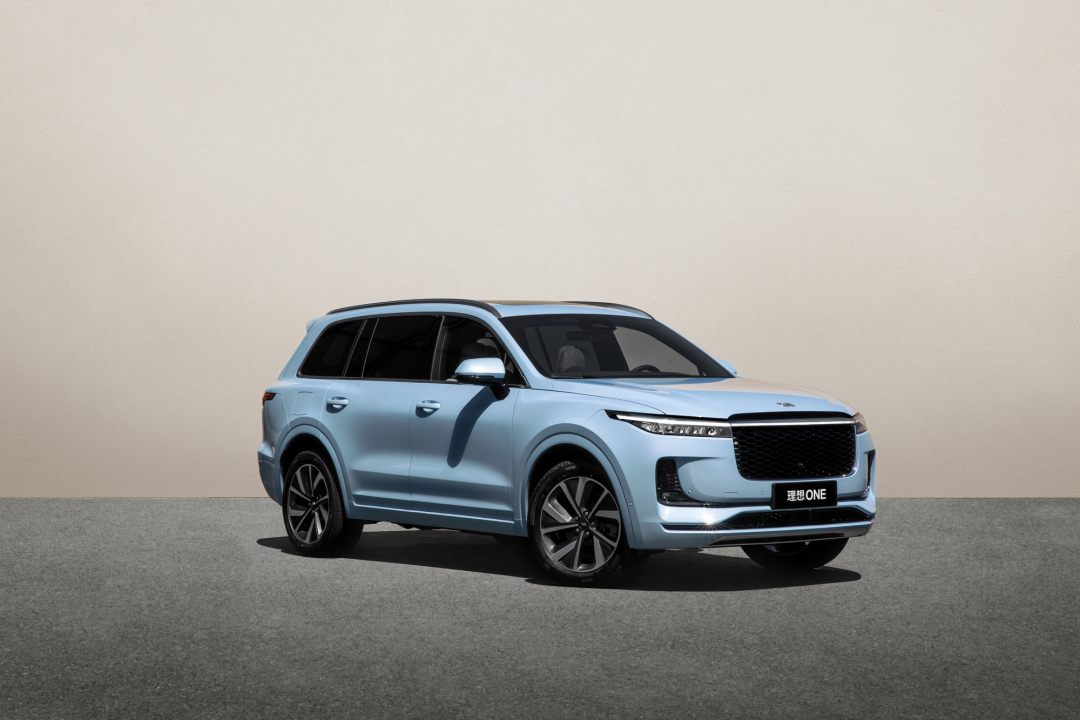
(Image Source: Li Auto)
Unlike JAC and Haima, Lifan only handled vehicle assembly, while design, supply chain, and quality control for the Li ONE were led by Li Auto. Lifan neither participated in R&D nor enhanced its manufacturing capabilities, essentially serving as Li Auto's early 'tool.' Li Auto never acknowledged that the Li ONE was contract-manufactured by Lifan.
After Li Auto's self-built factory in Changzhou came online in 2020, their cooperation ended after just 1.5 years. Subsequently, Lifan's debt crisis erupted fully, leading to bankruptcy restructuring in August 2020. In 2021, Geely, jointly with Chongqing state-owned assets, acquired its core assets for RMB 4 billion, marking the end of the Lifan Automobile era.
Today, Lifan's core entity has been renamed 'Chongqing Qianli Technology,' positioning itself as 'AI + vehicles.' It collaborates with companies like Baidu Apollo and Cao Cao Mobility to accelerate the large-scale deployment of Robotaxi services, while its factory contract-manufactures battery-swap models for Geely brands like Ruilan and Maple.
Given Geely's massive sales volume and the rapid growth of the Robotaxi industry, this transformation may not be a bad outcome for Qianli Technology.
(Image Source: Qianli Technology)
According to Sina Finance, Qianli Technology plans to pursue a Hong Kong IPO in the second quarter of this year, aiming to raise $1 billion. If successful, the IPO will provide Qianli Technology with more funds to advance its 'AI + vehicles' strategy.
Dianchetong (ID: dianchetong223) believes that Lifan's decline was the culmination of its internal issues, including insufficient R&D investment, erratic brand positioning, and a collapsed quality reputation. Its partnership with Li Auto merely provided temporary respite without addressing core problems.
Qianli Technology, now dependent on Geely, has lost its soul as an independent automaker. While it has attempted transformation, its development trajectory is no longer tied to 'Lifan,' which has completely exited the automotive stage.
The Fate of Unequal Partnerships: Core Competitiveness Is the Foundation of Survival
The collaborations between 'JAC, Haima, Lifan' and 'NIO, Xpeng, Li Auto' were essentially lopsided transactions.
NIO, Xpeng, and Li Auto viewed these partnerships as temporary expedients during their early development stages. Once they gained sufficient strength, they built their own factories and shed dependencies. While the three traditional automakers gained short-term cash flow and exposure, they lacked core competitiveness and failed to internalize capabilities through these partnerships, ultimately becoming stepping stones for the new forces' growth.
In contrast, Seres' turnaround stemmed from its deep integration and comprehensive collaboration with Huawei, leveraging Huawei's technology and brand to elevate itself.
JAC, Haima, and Lifan ultimately followed different paths. JAC found hope for a comeback with the Z-Class S800, Haima is betting on hydrogen energy and overseas expansion for its future, and Lifan has been reborn as 'Qianli Technology.'
(Image Source: Doubao AI Generated)
The experiences of these three automakers serve as a wake-up call to all traditional automakers: in the NEV era, there are no permanent safe havens. Partnerships with new forces can only provide temporary respite. Long-term survival hinges on core competitiveness.
Whether in technology R&D, product manufacturing, or brand building, only by mastering core initiatives can automakers stand invincible in fierce competition. Those dependent on contract manufacturing to 'scrape by' will inevitably be eliminated by the times.
Dianchetong (ID: dianchetong223) believes that the automotive industry's transformation is cruel but fair. Only by staying true to their origins, deep cultivation (cultivating) their core strengths, and embracing innovation can automakers gain a foothold and control their destinies.
The stories of JAC, Haima, and Lifan will ultimately become a microcosm of China's automotive industry transformation, reminding every automaker that only self-improvement leads to sustainability.
(Cover Image Source: Doubao AI Generated)
Huawei, NIO, Li Auto, Xpeng, New Energy
Source: Leikeji
Images in this article are from 123RF Royalty-Free Image Library
-
![]()
Apple Slashes Prices, Xiaomi Holds Clearance Sale, Huawei Surprises: Smartphone Titans Clash in 'Three Kingdoms Showdown' at 618 Shopping Festival
-
![]()
Can Huang Renxun’s Last-Minute China Trip Ease NVIDIA’s Growing Concerns?
-
![]()
Li Jian's Vision, Honor's Reality
-
![]()
OpenAI and Anthropic Clash on Wall Street as Financial Giants Take Sides
-
![]()
AMD's AI Developer Day: Computing Power Competition Enters the Era of Local Agents
-
Masayoshi Son Bets $60 Billion on OpenAI, SoftBank Panics Inside
-
![]()
Insta360's Profit Puzzle: Liu Jingkang Unveils the Strategy
-
Baseus Caught in the 'Middle Zone': Struggles Against OEM and Unbranded Competitors