Is the Rift Between Li Auto and Dongfeng Nissan Merely a Result of Online Trolling?
 04/13 2026
 541
541
Lead
Introduction
Isn't it common for automakers to learn from each other and gradually find their way forward?
Three years on, Li Xiang has once again flown into a rare fit of rage. The reason is straightforward: competition within the automotive industry is intensifying, and Li Auto is positioned in the highly competitive family car segment.
On the surface, Li Xiang's anger appears to stem from online trolls. This is hardly surprising. In the automotive industry, where black PR and online trolling are rampant, virtually every leading company has faced similar public opinion attacks. However, the intensity of Li Xiang's reaction this time essentially underscores the deep-seated anxieties Li Auto is grappling with as the automotive industry's competitive landscape becomes increasingly homogenized and fierce.
In the past, Li Auto established a formidable brand moat in the family SUV market, priced between RMB 250,000 and RMB 450,000. Today, the number of competitors in this segment is growing rapidly. Initially, it was Leapmotor with its "half-price Li Auto" strategy, and now it's the joint-venture brand Dongfeng Nissan, with the NX8 bringing the battle to the heart of the family car market.
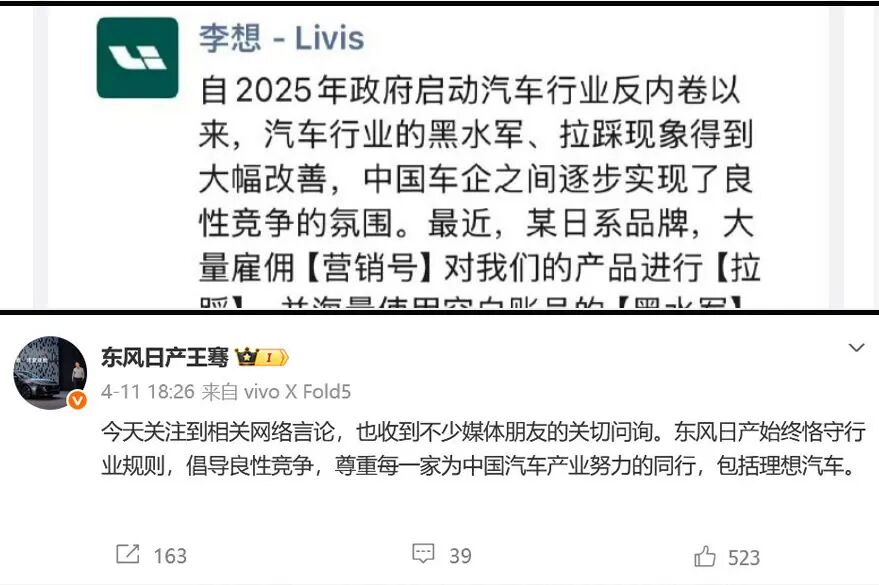
It can be argued that the homogenization of product definitions is swiftly eroding what was once a distinct competitive advantage. When Dongfeng Nissan bluntly stated at its launch event, "Li Auto once crossed the river by feeling for e-POWER; today, I'll feel for it again," Li Xiang's anger becomes more understandable. This is not merely a struggle for market share but also a battle for discourse and definition rights.
Thus, online trolls are merely the trigger. Behind them lies the harsh reality of an increasingly crowded family SUV segment, homogenized product offerings, and a relentless downward price war. As more automakers vie for the same group of family users with similar product logics, the advantages that once defined Li Auto are being undermined by one "Li Auto alternative" after another.
01 The Crowded Family Car Segment
"After two months of building hype for a mid-to-large new energy SUV priced around RMB 200,000, it ultimately landed in the RMB 150,000 price range." Many may have felt "deceived" by Dongfeng Nissan during this period. This also highlights Dongfeng Nissan's astute understanding of the market and itself, particularly with regard to the NX8.
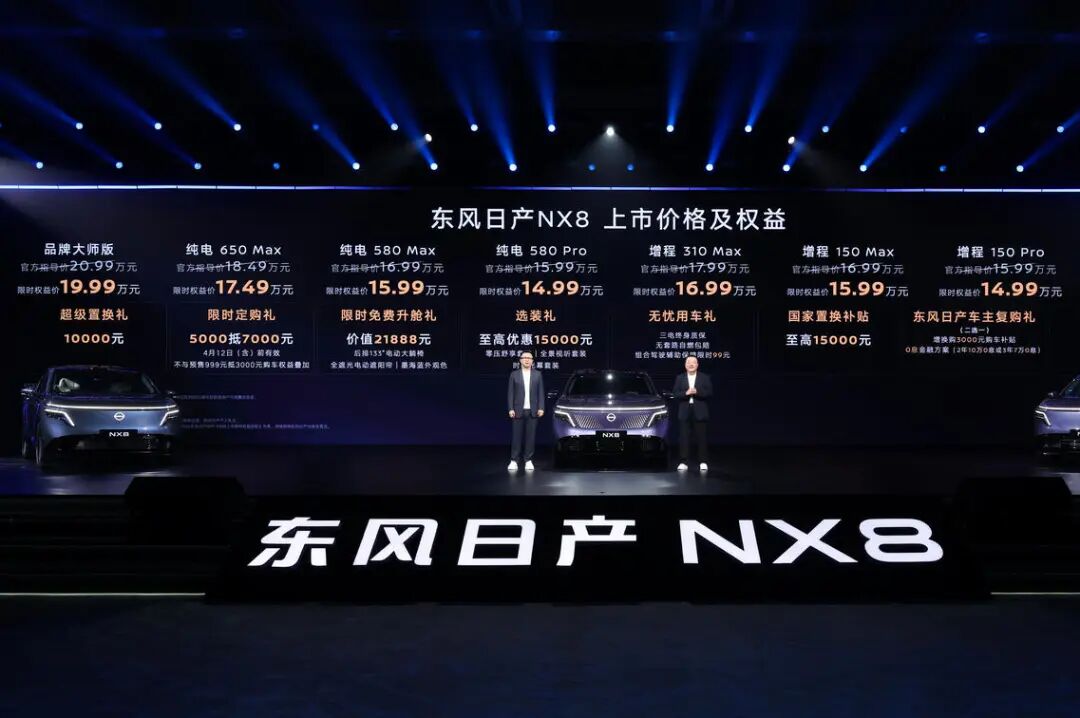
Dongfeng Nissan indeed broke with convention this time. Since February of this year, this mid-to-large new energy vehicle, boasting a wheelbase of 2,917mm, was widely expected by the industry to start at around RMB 200,000. However, at the April 8 launch event, Dongfeng Nissan revealed its hand: after factoring in launch benefits, the limited-time starting price was just RMB 149,900.
This price is not only about RMB 50,000 lower than outside predictions but even more affordable than many compact new energy SUVs. Comparable models like the Aito M6 and Li Auto L6 generally start above RMB 250,000, while the entry-level price of the BYD Tang DM-i far exceeds RMB 150,000. At RMB 149,900, the limited-time price for a joint-venture mid-to-large SUV of this size and configuration is somewhat beyond market expectations.
Summing it up in the most straightforward terms, a Dongfeng Nissan executive at the launch event stated: "In the RMB 150,000-200,000 family SUV market, there is currently no well-rounded product that excels in space, comfort, intelligence, and safety. Today, the NX8 offers a more ideal choice."
Someone familiar with Dongfeng Nissan put it this way: Over more than 20 years in China, the people at Dongfeng Nissan have remained consistent, but their vehicles have fundamentally transformed from traditional fuel cars to new energy vehicles.
Indeed, Dongfeng Nissan has long been known as one of the most marketing-savvy automakers in China's auto market. This is also evident in the communication rhythm surrounding the NX8. From the price-blind pre-sale more than two weeks ago to the "launch without a formal event" on April 8, everyone present could sense that the familiar Dongfeng Nissan vibe was back.
However, the Dongfeng Nissan team is also known for its aggressiveness, which is on full display in their new energy transition. The aggressiveness they've shown in the new energy segment is even more fierce than that of many new forces.
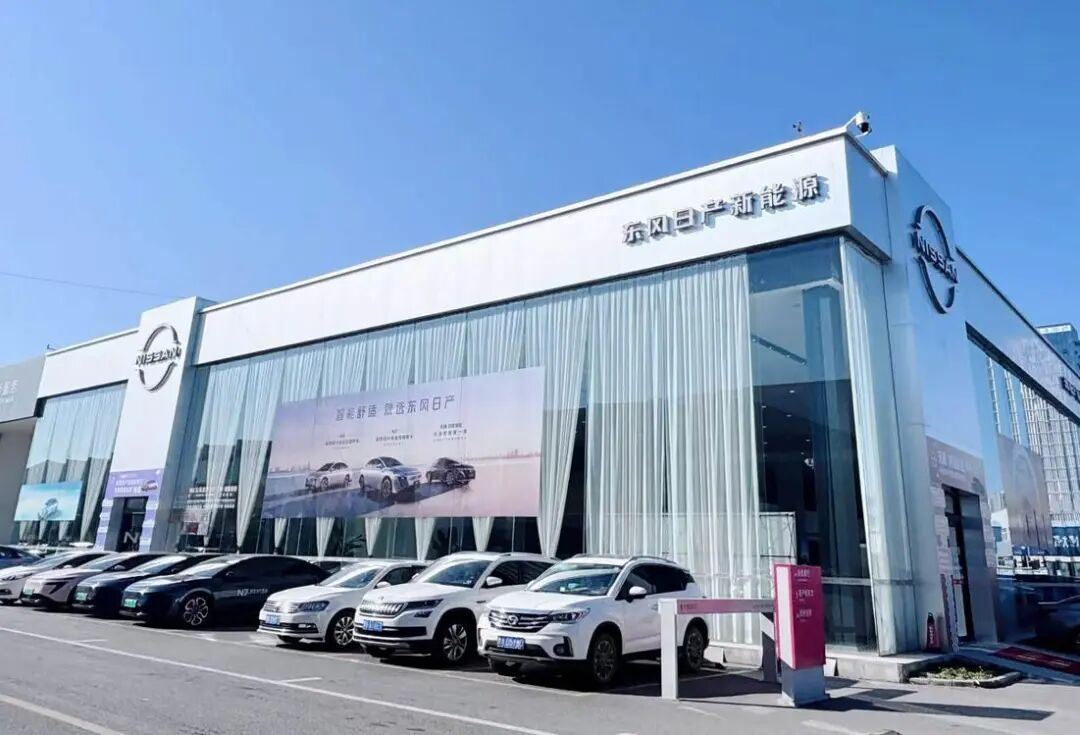
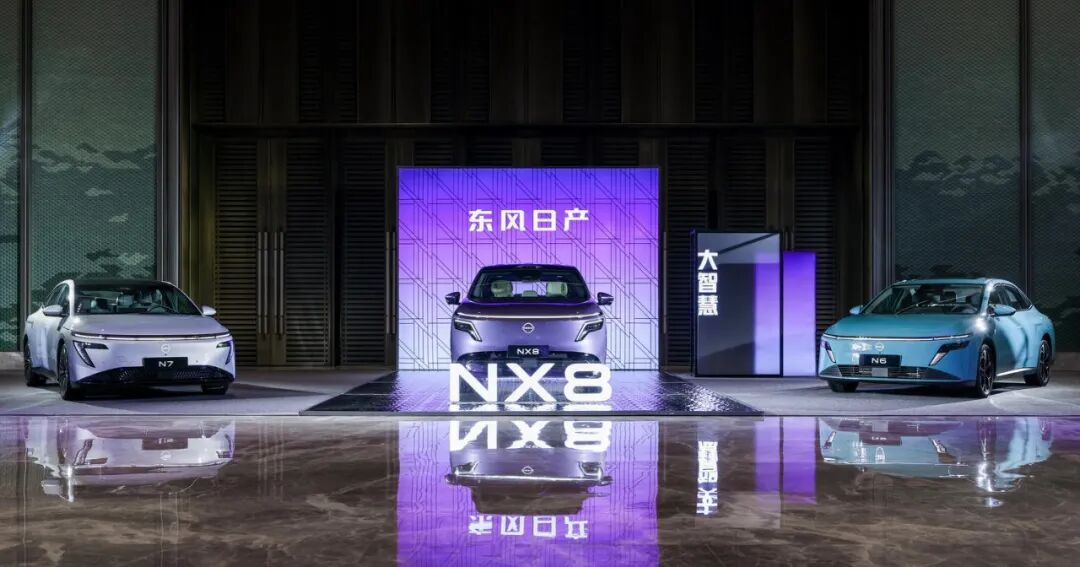
While other joint-venture brands are still debating transition plans for converting fuel vehicles to electric ones, and while many joint-venture companies are still awaiting lengthy decision-making processes from their headquarters, Dongfeng Nissan has already built a complete product matrix spanning sedans to SUVs and pure electric to extended-range vehicles with just three native new energy products—the N7, N6, and NX8—in a single year.
Besides the continuous launch of visible external products, Dongfeng Nissan's aggressive spirit has always been latent within the organization. Looking back at Dongfeng Nissan's actions in 2025, it's clear that the internal authority-responsibility relationships and decision-making logic are being restructured, significantly shortening the connections between market feedback, user needs, and organizational efficiency.
One notable detail is that the NX8 launch event on April 8 was originally planned for 1.5 hours but was temporarily compressed to 30 minutes just three days prior. This meant that two-thirds of the speech content had to be cut, all procedures had to be rearranged, and all executives had to re-familiarize themselves with the new rhythm. In a traditional joint-venture enterprise, changes of this magnitude could not be implemented so quickly, but Dongfeng Nissan managed it.
Within three days, everyone—from the marketing team to the technical team, from PR to executives—entered a completely new workflow, ultimately delivering a launch event without scripted speeches from leaders, without PPT slides, and without exaggerated adjectives. Instead, they directly announced the pricing and core benefits. This level of decision-making efficiency is more reminiscent of a flat-structured startup than a joint-venture automaker.
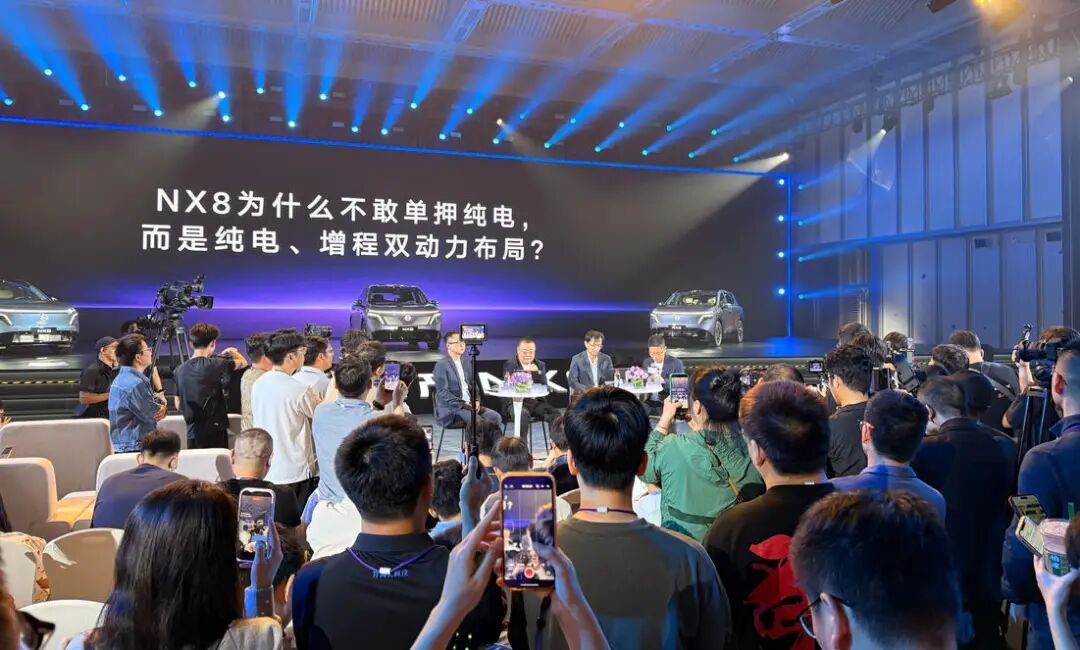
Even after the launch event, the executive team immediately accepted a massive group interview with hundreds of media outlets, facing all sharp questions head-on without evasion or ambiguity. This approach of compressing time while amplifying sincerity is rare among joint-venture brands. Some media peers privately commented, "This is how a launch event should be done."
What this reflects is a significant improvement in Dongfeng Nissan's internal decision-making efficiency and flexibility. This aggressiveness means daring to abandon inertia and break conventions at every decision node. Dongfeng Nissan's rapid iteration on the N7, N6, and NX8 products, its aggressive breakthroughs in pricing strategies, and its complete transparency in communication—these actions combined have given this joint-venture automaker a distinctly different aura from its peers.
It's not that they haven't made mistakes; the sales decline of the N7 and N6 serves as the best lesson. But their ability to remain composed when highly anticipated products underperform and to reprove themselves with products like the NX8 is the true essence of aggressiveness. Making mistakes isn't terrifying; what's scary is losing the courage to correct them even more boldly after making mistakes.
02 NX8's Opportunities and Risks
Thus, Dongfeng Nissan's three new energy products—the N7, N6, and NX8—have formed clear distinctions and progressions in their definitions: the N7 focuses on ultra-comfortable mid-to-high-end pure electric sedans, the N6 on large-battery ultra-comfortable mid-to-high-end plug-in hybrid sedans, and the NX8 targets the ideal SUV for the whole family. From solo drivers to couples to entire families, the product lineup expands incrementally around family scenarios.
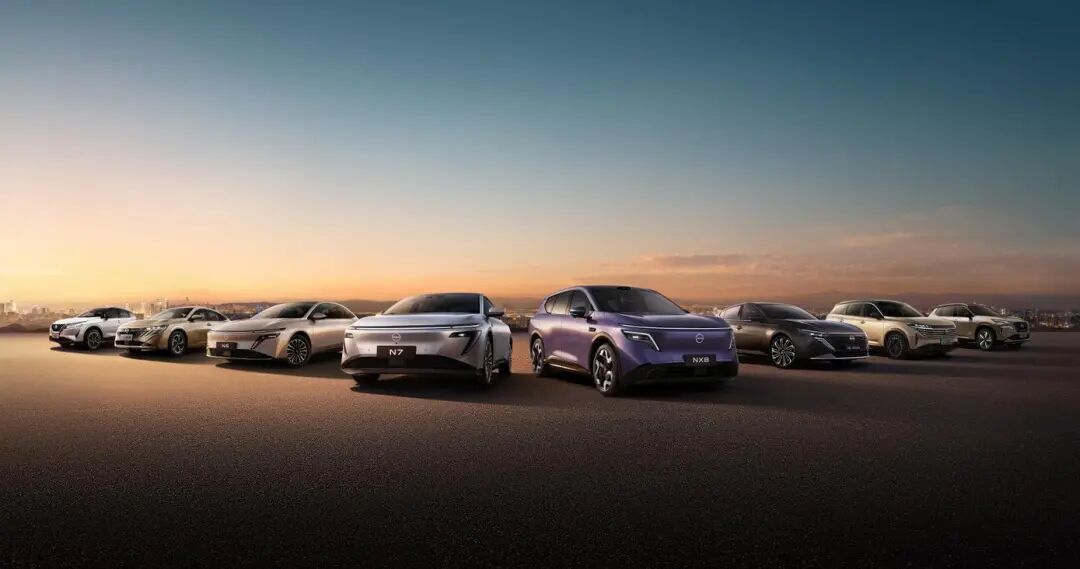
This user lifecycle-based product planning reflects a rare depth of user-centric thinking among most brands. Another aspect is the price system adapted to the Chinese market: the N6 priced between RMB 94,900 and RMB 124,900, the N7 between RMB 109,900 and RMB 134,900, and the NX8 between RMB 149,900 and RMB 199,900—covering China's broadest consumer market.
Like the markets faced by the N6 and N7, the NX8 presents a balanced mix of opportunities and challenges. Priced between RMB 149,900 and RMB 199,900, it comes standard with 71 high-value configurations, including 800V ultra-fast charging, lidar-based intelligent driving, and Qualcomm 8295P chips. The launch of the Dongfeng Nissan NX8 has suddenly heated up the already crowded RMB 150,000-200,000 SUV market.
An undeniable reality is that fuel vehicles still firmly dominate this price segment. From January to February 2026, fuel vehicles accounted for 1.518 million retail sales, with a penetration rate as high as 58.9%. In February alone, fuel vehicles regained a 61.6% market share. In the core territory of RMB 150,000-200,000 family SUVs, fuel vehicles' stronghold is far from being eroded by new energy vehicles.
In other words, this price range is precisely the fierce battleground where fuel SUVs and new energy SUVs clash. This means the NX8 isn't just vying for a slice of a niche market but attempting to reshape an entire set of consumer purchasing mindsets, starting from the fundamental choice between fuel and new energy vehicles.
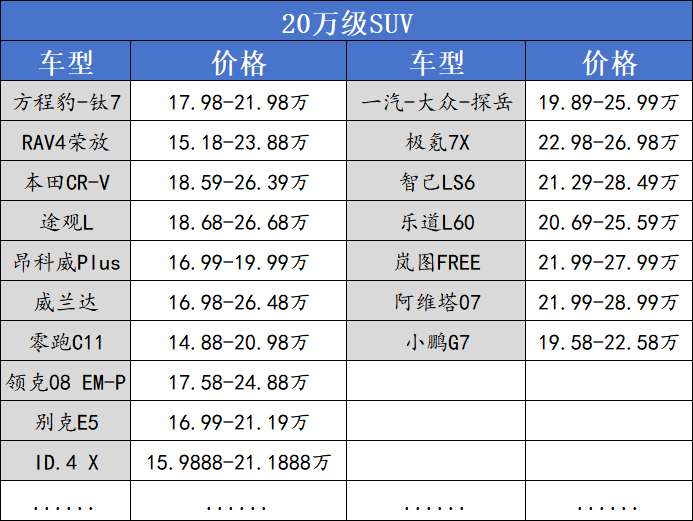
The NX8's product sincerity is undeniable. Its strategy of offering a fully loaded entry-level model gives it a strong cost-effectiveness label among competitors. Within the new energy SUV camp, it delivers a dimensionality-reducing blow to same-priced competitors with its intelligent configurations. Against fuel SUVs, it directly challenges best-selling models like the CR-V and RAV4 with lower long-term ownership costs (electricity vs. fuel) and more spacious interiors.
Some argue that viewing the NX8 as the X-Trail of the new energy era could resolve consumer perception issues. Indeed, given the NX8's current cost-effectiveness, it can influence both the market for compact fuel SUVs from joint-venture brands and the market for new energy SUVs from domestic brands.
From another perspective, the challenges faced by the NX8 reflect the broader struggles of joint-venture brands in their new energy transitions. Against a backdrop where domestic brands are rapidly seizing market share with electric and intelligent advantages, consumers no longer blindly worship joint-venture halos but instead rationally compare configurations, prices, and services.
The NX8 continues to employ a thoroughly localized approach to address these market changes. By combining the quality control systems of joint-venture brands with China's localized supply chain capabilities and intelligent technology levels, it seeks a balance between cost-effectiveness and reliability. This is the easiest story for joint-venture brands to tell—and the most compelling for consumers—in the new energy era.
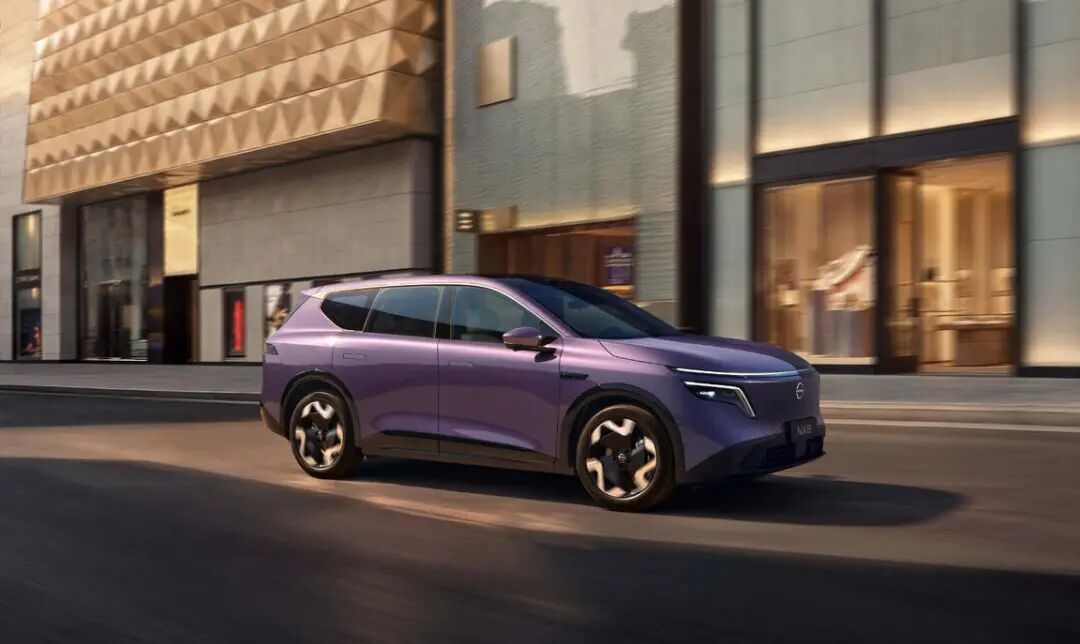
However, the crux of the NX8's success lies not in external competition but in internal lessons learned. For instance, the rollercoaster-like sales performance of the N7 and N6—which went from blockbuster hits to sharp declines in just about six months—raises the question: Could this phenomenon repeat with the NX8?
On the night of its launch, the NX8 accumulated 8,423 orders in 30 minutes, but the experiences with the N6 and N7 prove that initial enthusiasm doesn't guarantee long-term viability. Dongfeng Nissan must simultaneously ensure stable production ramp-up, reliable on-time deliveries, responsive after-sales service, and continuous OTA update capabilities—these are the key pillars supporting a product's sustained success.
Currently, Dongfeng Nissan has demonstrated sufficient sincerity and determination with the NX8. But sincerity is merely an entry ticket. When brands like Toyota, Volkswagen, and Buick enter the market with similar models and pricing, and when the NX8's advantages are no longer leading or exclusive, its true test will begin. The final verdict will emerge six months after its launch.
Editor-in-Chief: Du Yuxin Editor: Chen Xinnan
THE END
-
![]()
AI Stranded at the Dock of the Era
-
![]()
New Progress! OFILM's Acquisition of Minority Stake in OFILM Microelectronics Approved
-
![]()
From Setbacks to a Potential 1.6 Billion Yuan Deal: What Has Seer Technology Achieved?
-
![]()
Why Has a Former Bottom-of-the-Barrel Destination Become a New Hotspot for Chinese Brands Going Global? | Xiaguang FM
-
![]()
The Hidden Battle of 618 Efficiency: Kunshan Asia No.1, AI, and JD.com's Logistics Performance This Year
-
New Energy Vehicle Safety Baseline Further Strengthened: MIIT Initiates 2026 Safety Hazard Inspections
-
![]()
China Office Intelligent Agent Platform Market Research Report 2026
-
![]()
Analysys: China's GEO Service Provider Market to Reach Approximately 1.6 Billion Yuan in Q1 2026, with Top 10 Industry Concentration Below 10%