Jeep's Second Attempt: Stellantis' Self-Rescue More Like a Leveraged Position Increase
 05/22 2026
 428
428
Jeep 'Remarries' China, But Even the Landlord Has No Extra Grain.
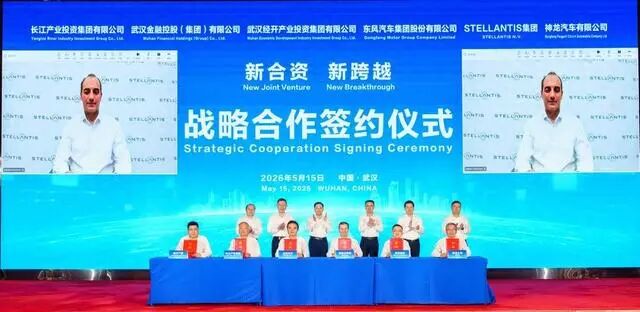
On May 15, Stellantis Group and Dongfeng Motor Group officially signed a strategic cooperation agreement, planning to achieve the new energy transition of the Jeep brand through DPCA. This makes Dongfeng Motor the third Chinese automaker to form a joint venture with Jeep, following BAIC and GAC.
However, when facing the Chinese market, both Citroën and Peugeot under DPCA, as well as other brands under Stellantis, have failed miserably. Especially under the push of former CEO Carlos Tavares, Stellantis' business in China has become virtually non-existent, barely maintaining its last shred of dignity through imported models and DPCA.
However, amid Stellantis' poor management, this, the world's fourth-largest automotive group, is facing significant financial risks. According to financial reports, Stellantis Group's net loss exceeded €20 billion in 2025, triggering severe financial risks and forcing it to suspend dividend payments to sustain operations.
At this critical juncture, Stellantis has chosen to come to China, attempting to leverage €130 million to drive an ¥8 billion investment to achieve an electrification transition that failed in Europe.
From Off-Road Icon to 'Problem Vehicle'
When mentioning Jeep, almost everyone's first reaction is that vintage off-road vehicle. As the earliest off-road brand to enter the Chinese market, Beijing Jeep was, for a time, synonymous with domestic off-road vehicles.
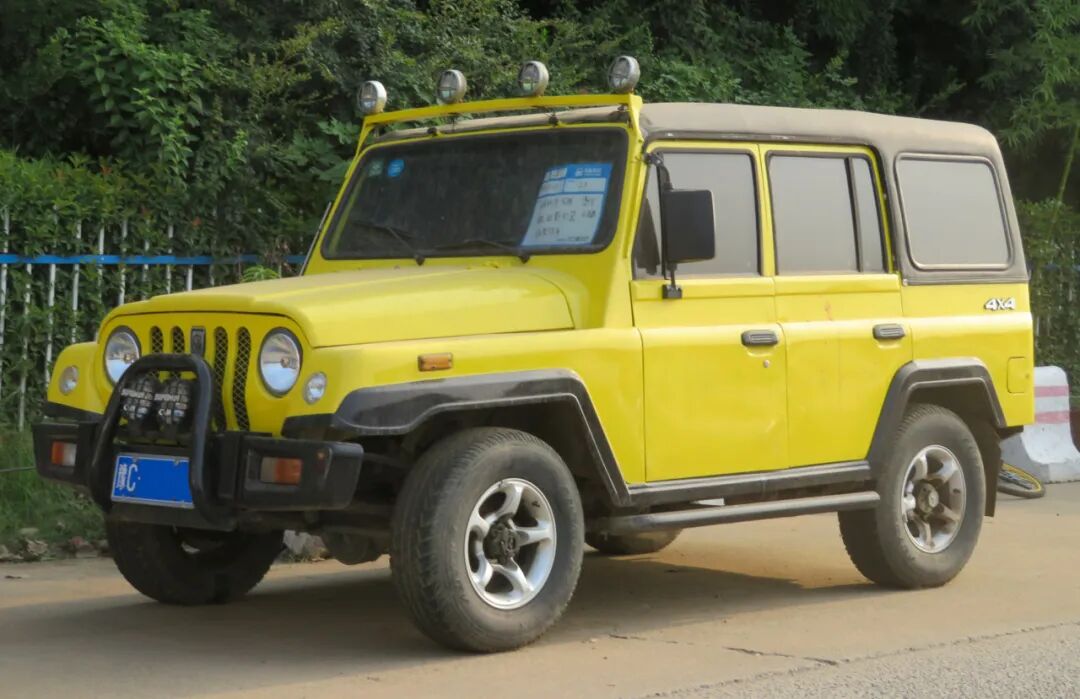
In 1983, as a brand under DaimlerChrysler, Jeep became the first joint venture automaker in China's automotive industry history. Especially in an era of scarce automotive products, models like the Cherokee became the most important products in China's off-road market.
However, due to DaimlerChrysler's operational crisis, this 22-year joint venture was forced to end in 2005. Subsequently, Jeep began a decade-long drift.
In 2015, after restructuring, the former Fiat Chrysler Automobiles (FCA) teamed up with GAC Group. Leveraging emotional marketing with the slogan 'Not all Jeeps are called Jeep' and models like the Cherokee and Compass, it became an instant hit.
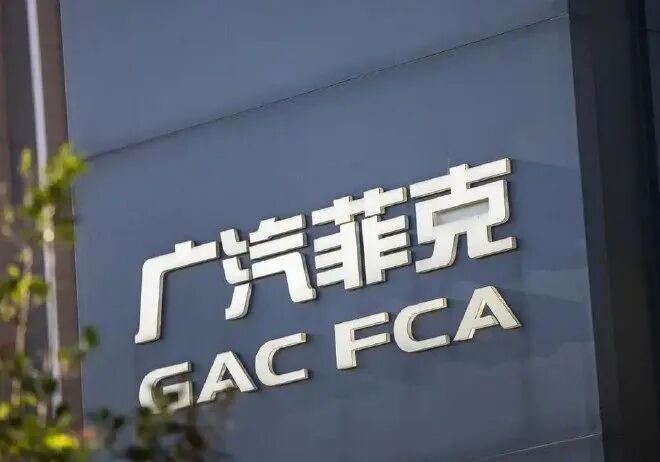
Jeep's return to the Chinese market coincided with the boom of SUV models in the domestic automotive market. The following year, it achieved sales of 179,900 units, peaking at 222,300 units in 2017, which became GAC FCA's swan song.
In 2018, CCTV's '3·15' gala exposed that several Jeep models had 'oil burning' issues, directly targeting mainstream models like the Cherokee and Compass sold by GAC FCA. Subsequently, more problems were reported.
However, GAC FCA's slow response and arrogant attitude caused Jeep's brand reputation to collapse instantly, with sales plummeting to 125,200 units that year, nearly halving.
Facing the sales crisis, GAC FCA did not transform but instead remained complacent, resting on its so-called success.
However, the domestic market was no longer the same as it was 20 years ago. German and Japanese brands were vying for the top spot, while domestic brands were catching up. More importantly, new energy vehicles were beginning to enter the domestic market.
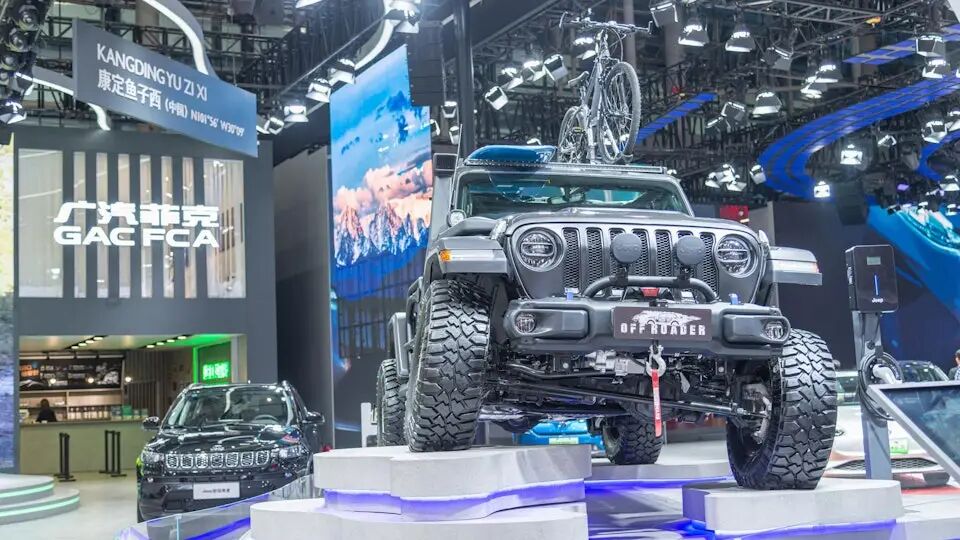
GAC FCA's sales ultimately declined at an annual rate of nearly 50%, crashing in a hard landing.
Of course, an even more important reason was the conflict between the joint venture partners. In 2019, Peugeot Citroën Group (PSA) and Fiat Chrysler Automobiles (FCA) officially signed a merger agreement, combining at a 50:50 equity ratio to form the current Stellantis Group.
In 2021, Stellantis' merger was officially completed, and CEO Carlos Tavares initiated sweeping reforms, which also affected GAC FCA. In January 2022, Stellantis unilaterally announced plans to increase its stake in the joint venture from 50% to 75%, which was immediately publicly denied by GAC Group, stating that the move was 'not recognized by us.'
The equity dispute between the two sides ultimately led to the collapse of GAC FCA's cooperation, declaring bankruptcy that year. Behind this was Tavares' push for asset-light operations, as GAC FCA's annual sales had dwindled to just 20,000 units, making it more like a bad asset for Stellantis.
With domestic hardcore off-road brands entering the stage, Jeep's days in the Chinese market became even tougher, surviving only through imports. According to statistics, Jeep's insured volume was just 38,200 units in 2025, even less than a month's sales of domestic off-road brands.
A Tripartite Alliance
In July 2025, the Changsha Intermediate People's Court officially ruled to declare GAC FCA bankrupt. Jeep's second joint venture ended on an incomplete note. That same month, Stellantis' new CEO, Antonio Filosa, visited Dongfeng Motor, giving Jeep a new story.
Soon after, in December 2025, Jeep's global product head, Matthew Nyquist, and global sales and strategy head, Scott Dushnicki, visited Wuhan, seemingly to implement the new CEO's plans.
The reason for returning to the Chinese market was that Stellantis had hit a wall in electrification. According to financial reports, the group accounted for €25.4 billion in expenses, including €14.7 billion in product planning adjustments and €2.1 billion in adjusting electric vehicle supply chain costs.
Hundreds of billions of euros in expenses ultimately resulted in only a 3% sales share.
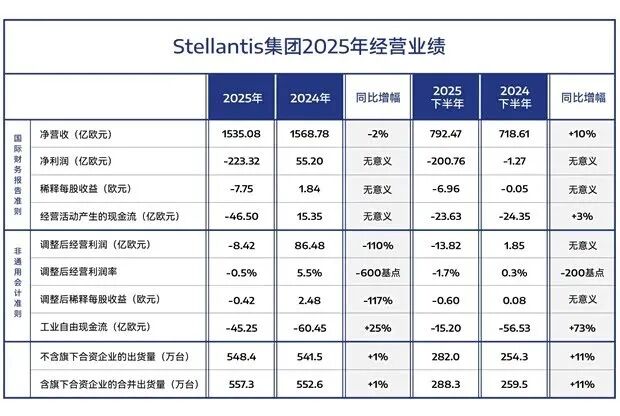
Behind this were a series of issues arising from the former CEO's insistence on building its own supply chain, which led to core three-electric system costs being 15%-25% higher than the industry average, ultimately making its products uncompetitive in the market.
More importantly, facing the world's largest new energy market, Stellantis had remained on the sidelines as a marginal player, never truly participating, leading to its disconnection from other European automakers.
For Stellantis, the operational crisis was backed by a profound strategic crisis. If the electrification transition failed, it would face an even bleaker future.
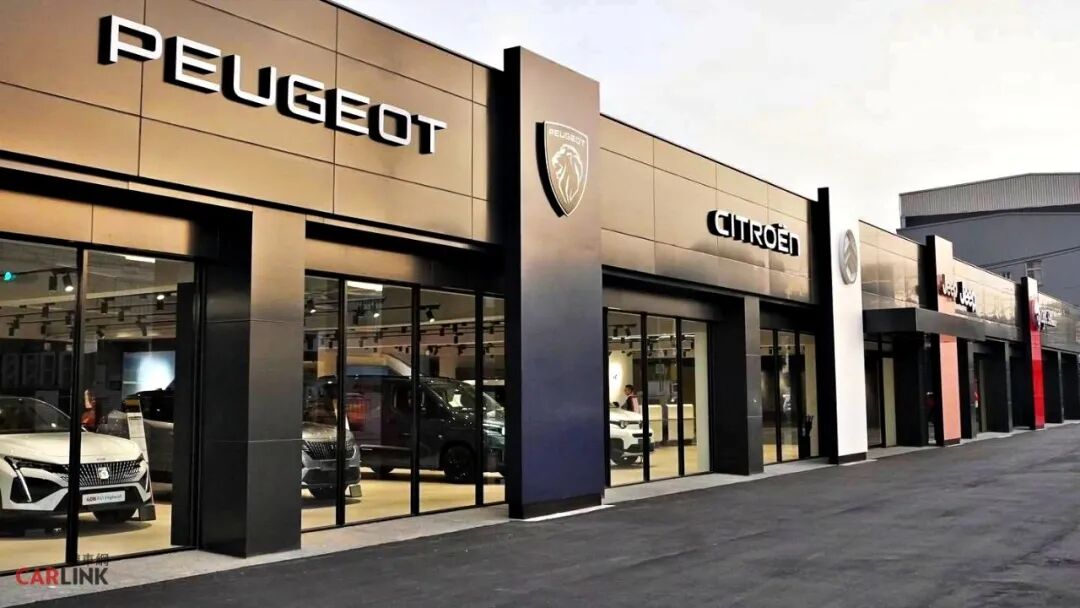
For DPCA, its presence in China had become negligible. After years of declining sales, its domestic market share had shrunk to 0.2%. In 2025, sales were just 51,500 units, less than a tenth of its peak.
Although it launched a new energy brand with great fanfare in 2025, even using 'Shijie' to ride on Harmony Intelligent Mobility's coattails, it still couldn't hide its core issue of lacking market competitiveness, ultimately becoming a marginal brand with monthly sales of less than 100 units.
Finally, Dongfeng Motor, which appears to be the backbone of this cooperation, has technology and background. However, in reality, Dongfeng Motor is more eager to achieve a breakthrough in electrification transition through this cooperation. Among the three central automotive SOEs, Dongfeng's new energy performance is not outstanding, especially its high-end brands, Mengshi and VOYAH, which still struggle to overcome sales barriers, desperately needing a breakthrough.
Stellantis' crisis became an opportunity. The new CEO understands the importance of Chinese manufacturing better. From Renault's China-based R&D to Volkswagen's collaborative R&D in two regions, the antidote for electrification can only be found by looking east.
Specifically, Stellantis seems to still want to achieve self-rescue through a low-cost approach. Although the cooperation project scale is as high as ¥8 billion, Stellantis' contribution is only ¥1 billion, showing little determination. More is seen in the eagerness of the Chinese investors, led by Dongfeng.
Behind this is the urgent need to achieve global sales vision through Stellantis. Despite facing operational risks, as the world's fourth-largest automotive group, Stellantis still possesses a sales network in 130 countries, which Dongfeng Motor lacks.
In the bilateral agreement, Stellantis will obtain global operating rights for the joint venture models, while Dongfeng Motor will play the role of providing technology and production support. As for DPCA, it will serve as the production factory.
Under this task allocation, Dongfeng Motor's larger investment share is instead an advantage, aligning with the principle of distribution according to work.
Of course, all of this The premise (Chinese for 'prerequisite') is that the joint venture products can achieve a sales comeback. However, the realistic issue is that overseas tariff barriers still exist, especially in European and American markets, where anti-subsidy tariffs on domestic electric vehicles remain.
Moreover, the joint venture products between the two sides will not be produced until 2027. No one can be certain about Stellantis Group's survival in 2026, not to mention that Leapmotor International, its cooperation with Leapmotor, is already producing in Europe.
In the bilateral agreement, Stellantis will obtain global operating rights for the joint venture models, while Dongfeng Motor will play the role of providing technology and production support. As for DPCA, it will serve as the production factory.
Under this task allocation, Dongfeng Motor's larger investment share is instead an advantage, aligning with the principle of distribution according to work.
Of course, all of this The premise (Chinese for 'prerequisite') is that the joint venture products can achieve a sales comeback. However, the realistic issue is that overseas tariff barriers still exist, especially in European and American markets, where anti-subsidy tariffs on domestic electric vehicles remain.
Moreover, the joint venture products between the two sides will not be produced until 2027. No one can be certain about Stellantis Group's survival in 2026, not to mention that Leapmotor International, its cooperation with Leapmotor, is already producing in Europe.
According to rumors, besides achieving Jeep's electrification cooperation with Dongfeng, Stellantis is also communicating with JAC Motors and Harmony Intelligent Mobility about Maserati's electrification cooperation.
Jeep's return may seem like a victory for domestic new energy technology on the surface, but at a deeper level, it is merely a desperate 'do-or-die' move by Stellantis and DPCA, both mired in difficulties.
Note: Some images are sourced from the internet. If there is any infringement, please contact us for removal.
-END-
-
![]()
Why Is Tencent Not Rushing into the AI Race?
-
![]()
Application of Agentic AI in Cancer Research and Oncology
-
![]()
Several Hidden Signals from the Alibaba Cloud Summit
-
![]()
Big Shake-Ups in PR at Leading Firms! Top Executives in Internet and Auto Sectors See Major Turnover, Talent Migration Reaches New Heights
-
![]()
Unchecked Weight Gain in New Energy Vehicles: Taxation as a Stopgap, Not a Long-Term Fix
-
140 Trillion Tokens Later: China is Building a 'High-Speed Rail for Computing Power'
-
![]()
Jeep's Second Attempt: Stellantis' Self-Rescue More Like a Leveraged Position Increase
-
Chinese Cars' North American Experience: Canada Opens a Window While the U.S. Tightens the Door