Why Do All Cars Look Alike These Days?
 06/11 2026
 340
340
Have you ever noticed this? As you wander through the streets, the constant flow of new cars catches your eye with their dazzling array at first glance. Yet, their exteriors and designs are so strikingly similar that it's challenging to differentiate between brands and models without examining the logos. Today, the domestic automotive industry is evolving at a pace akin to smartphones, with new car launches accelerating and product updates becoming increasingly frequent. However, amidst this surge of new models flooding the market, consumers often find themselves bewildered and "face-blind." In recent years, discussions surrounding the homogenization of exterior designs and configurations in new energy vehicles have garnered significant market attention.

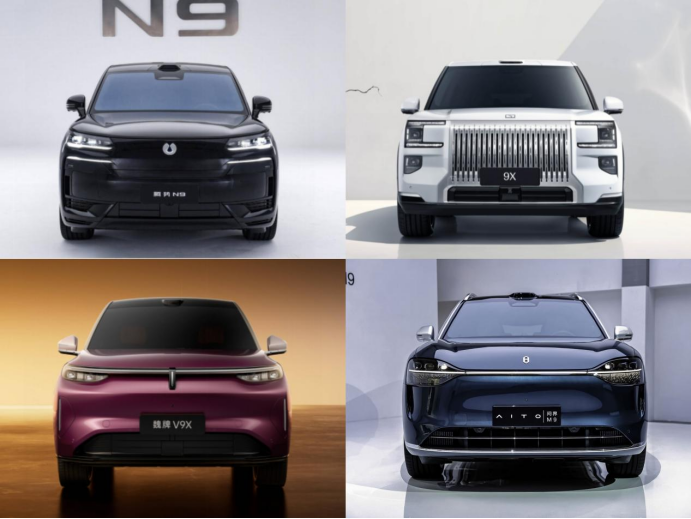
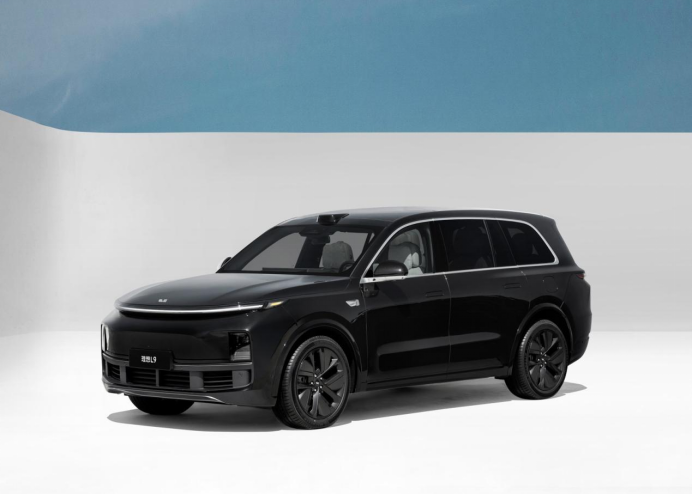
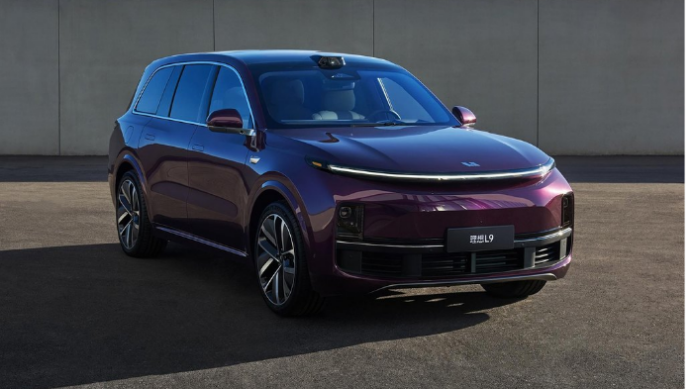
This trend is particularly evident in the domestic premium 9-series flagship SUV segment in 2026. Over the past year, nearly 20 new models have entered this niche market, including the Aito M9, Li Auto L9 Livis, Zeekr 9X, NIO ES9, Leapmotor D19, Wey V9X, Denza N9, and XPeng GX. Yet, when these official images are displayed side by side, it's hard to spot many differences. Full-width daytime running lights and hidden door handles have become almost ubiquitous, while even the arrangements of the large interior screens seem to be copied and pasted. Even the chassis suspensions and intelligent driving solutions are highly similar, making it nearly impossible to distinguish them without the logos.
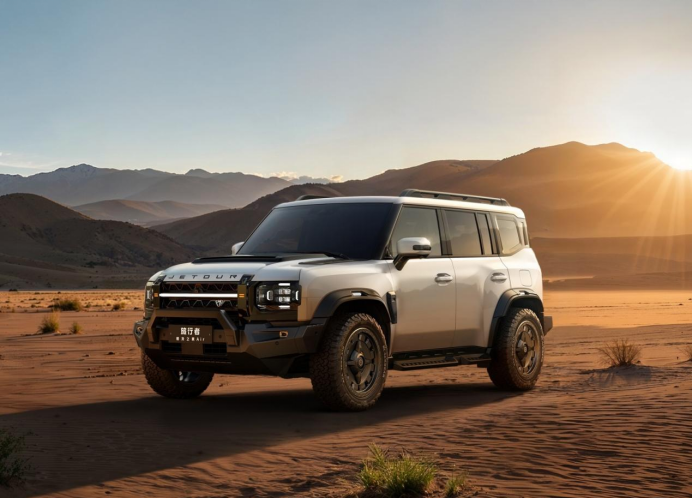
Off-road models have also succumbed to the trap of product homogenization. The JETOUR Traveler quickly gained popularity with its rugged design and affordable price, while models like the Beijing Off-road BJ40 share many similarities in body structure and exterior details, all emphasizing the "boxy" design and off-road performance labels. In terms of configurations, they all highlight off-road equipment such as part-time four-wheel drive and differential locks, with functional layouts centered around off-road scenarios, lacking differentiated innovation. One media outlet commented: "It's as if everyone agreed to draw from the same aesthetic template."
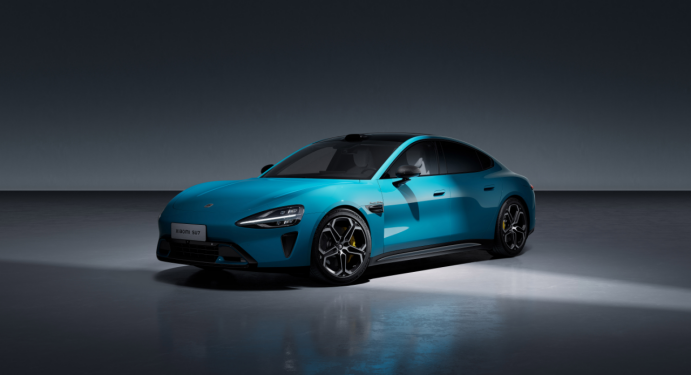
The homogenization is even more pronounced in the pure electric coupe segment. After the launch of the Xiaomi SU7, it was dubbed "Mi-Taycan" by netizens due to its striking resemblance to the Porsche Taycan in terms of fastback silhouette, four-point headlights, and wraparound taillights. Besides the Xiaomi SU7, pure electric coupes like the Zeekr 007 and XPeng P7i also adopt similar sporty design languages, with closed front grilles, frameless doors, hidden door handles, and fastback designs becoming standard features. In terms of configurations and functions, these models all emphasize the powerful performance of high-performance motors, while their intelligent driving assistance systems and intelligent cockpits are also highly similar, all promoting a sense of technology and driving experience but lacking unique design highlights and functional innovations.
This wave of homogenization, extending from exterior design to core configurations, reflects the innovation dilemma facing China's automotive industry after years of rapid growth. Once a certain model gains popularity, a flood of competitors with highly similar styles, configurations, and layouts quickly emerges, leading to a gradual solidification of industry design styles and a scarcity of original designs. Behind this homogenization lies a confluence of multiple factors.

For automakers, independent innovation entails high R&D costs, lengthy trial-and-error cycles, and the significant risk of market rejection. In contrast, copying proven successful templates allows them to swiftly create models that align with public aesthetics and usage habits while minimizing business risks. The maturity of the new energy vehicle supply chain and modular sourcing has further facilitated "LEGO-style" car manufacturing. After years of development, China's domestic automotive supply chain has achieved a high degree of standardization and generalization; core components like batteries, intelligent driving systems, chassis, and cockpits can all be procured modularly, significantly shortening new car development cycles. When you strip away the exterior shells of models from different brands, their core hardware and underlying technologies are nearly identical, with only minor differences in exterior details, brand logos, and subtle configuration variations. The core competitiveness of products is gradually weakening.
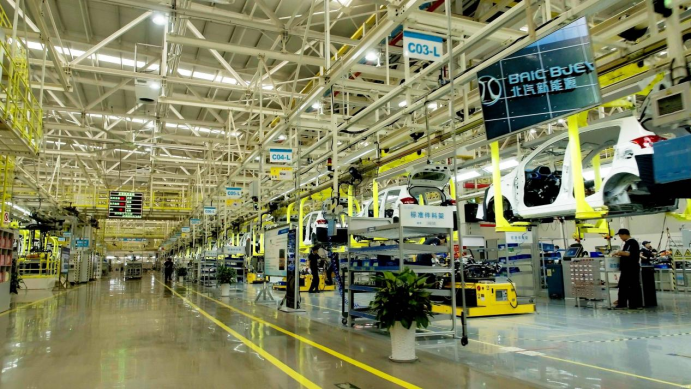
Profit-driven strategies have led automakers to flood into the premium segment, further intensifying homogenized competition. Compared to affordable family cars, mid-to-high-end flagship models priced above 300,000 yuan offer higher profit margins and returns. Against the backdrop of intensifying competition in the passenger vehicle market and shrinking profits for low-end models, major automakers are targeting high-margin markets, focusing on popular categories like flagship SUVs and high-end coupes. The convergence of consumer demand is also constraining automakers' product development directions. The needs of mainstream family car consumers in China are highly consistent, with people generally prioritizing spacious interiors, comfortable riding experiences, rich intelligent configurations, and sufficient range when choosing a car. Therefore, to align with mainstream consumer preferences, car designs, functions, and spatial layouts all tend to cater to popular tastes. Over time, models on the market increasingly converge toward the same standards, making it difficult for personalized, differentiated, and niche products to establish themselves, ultimately creating an industry landscape where "a thousand cars look the same."
The shift from bold innovation to follow-the-trend imitation, from independent R&D to modular assembly, reflects the current homogenization in the automotive market, driven by a combination of market choices, supply chain models, profit motives, and consumer habits. There's no denying that modular manufacturing and borrowing from proven templates can indeed help automakers grow rapidly and diversify their product portfolios during certain industry development stages. However, remaining stuck in the "LEGO-building" and replicating bestsellers phase will only leave the industry stagnant.
For the automotive industry to achieve sustainable and stable development, it must ultimately rely on innovation. For automakers, breaking free from follow-the-trend thinking, delving deep into core technologies, refining original designs, and exploring niche demands to create truly unique products are the only ways to escape the homogenization quagmire and move forward more steadily and further. (Images sourced from the internet; removal upon infringement notice)
-
![]()
MiniMax Price Adjustment Sparks Public Outcry: Is the $300 Billion Market Cap Myth at Risk?
-
![]()
Why Do All Cars Look Alike These Days?
-
Don't Just Focus on Financing Amounts—Look at the 'Order Truth' Behind the Commercialization of Embodied AI
-
![]()
Are Traditional Fuel Cars Really Losing Their Market?
-
![]()
Comprehensive PPT Guide to Understanding CAAM Production and Sales Data: Auto Production and Sales Declines Narrow Again in May; New Energy Vehicle Market Share and Auto Exports Reach New Monthly High
-
![]()
Chinese Cars Seize Overseas Markets: The Advent of a Winner-Takes-All Era
-
![]()
Will WeChat Start Charging Fees?
-
![]()
Cross-border 'Golden Window' in 2026: Chinese Products Sweep Across Southeast Asia