82 New National Standards Rolled Out in a Year: False Innovations in Electric Vehicles Being Rectified One by One
 07/06 2026
 399
399
Lead-in
Introduction
With the enforcement of new national standards, the new energy vehicle market can genuinely bid farewell to its era of unchecked expansion.
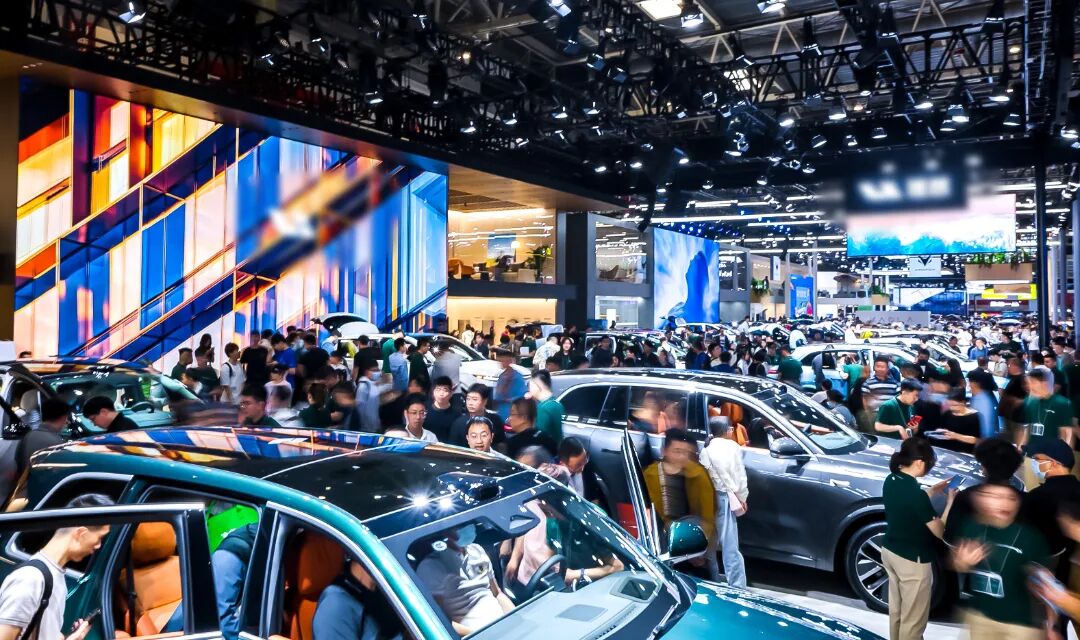
The automotive market competition for 2026 is already half over. Despite fierce competition, significant achievements have been made. The penetration rate of new energy vehicles has exceeded 60%. Independent brands have surpassed their competitors by capitalizing on new energy trends, and Chinese automobile exports are also projected to exceed 10 million units annually, thanks to the robust performance of new energy vehicles. In just a few years, China's new energy vehicle industry has transitioned from chasing, keeping pace, to leading, thereby reshaping the landscape of both the domestic and global automotive industries.
However, the rapid expansion of the industrial scale has also led to chaotic phenomena and unchecked growth within the industry.
In recent years, price wars have intensified, affecting all vehicle categories from entry-level commuter cars to mid-to-high-end models. Many brands have resorted to cutting safety configurations and simplifying production processes to reduce costs. Simultaneously, issues such as non-standard software OTA updates, hidden dangers in power batteries, and false labeling of intelligent driving functions have arisen frequently. These problems not only disrupt the orderly competitive environment but also pose significant safety risks to consumers.
Without proper regulations, progress is impossible. The rapidly developing industry urgently requires a comprehensive regulatory framework for support.
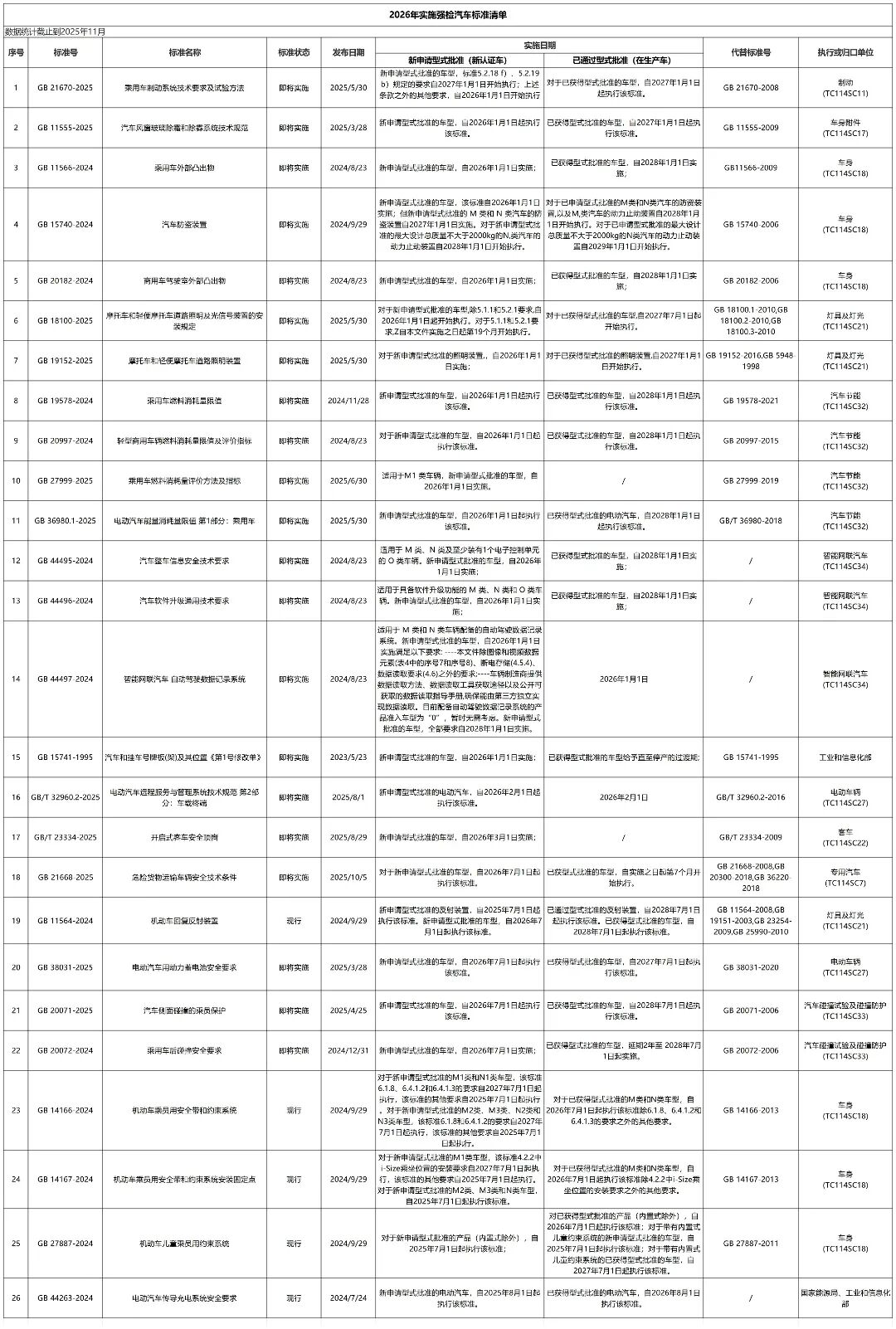
It is reported that 82 automotive national standards will be implemented throughout 2026, including 26 mandatory testing standards, with multiple core new regulations officially taking effect on July 1st. This high-density and stringent regulatory rollout makes 2026 a veritable "year of standards" for the automotive industry.
From a long-term perspective, these new national standards will not hinder industry development; instead, they will regulate competition with specific measures, weaving a safety net for the new energy vehicle industry and thoroughly addressing various non-standard shortcomings that have plagued the industry in the past.
01 Concentrated Implementation of New National Standards to Regulate Industry Development
On July 1st, two national mandatory standards, "Safety Requirements for Power Batteries for Electric Vehicles" and "Safety Requirements for Electric Vehicles," were enforced. This marks the first time that China has simultaneously focused on both battery and complete vehicle safety standards.
Dubbed the strictest regulations in history by the industry, these new rules provide comprehensive protection, addressing risks from the battery level to complete vehicle high-voltage safety. They not only gradually alleviate consumer safety concerns but also fundamentally eliminate industry chaos and reshape the safety baseline of the new energy vehicle industry.
They are called the "strictest" because the new regulations represent a qualitative upgrade.
For example, in terms of battery safety, the industry previously only required a warning five minutes before battery thermal runaway. The new version of "Safety Requirements for Power Batteries for Electric Vehicles" directly upgrades this requirement, mandating that batteries must not catch fire or explode in the event of a collision or thermal runaway, reaching international leading standards. It also introduces dual collision tests for bottom scraping and undercarriage impact, mandates the installation of a physical one-touch power-off device, abandons the previous unstable mode of relying on software to cut off power, and places the right to handle dangers in the hands of users.
The "Occupant Protection in Side Collisions of Vehicles" implemented in July is even considered the most stringent collision standard in nearly two decades. The weight of the side collision sled has been increased from 950 kilograms to 1400 kilograms, more closely resembling real-world traffic accident scenarios. It also specifies that the battery must not displace after a side collision, there must be no fire or explosion within 30 minutes, the hazard lights must automatically activate after a collision, and the doors on the non-collision side must be openable from the outside, comprehensively ensuring occupant safety and rescue efficiency.
"Rear Collision Safety Requirements for Passenger Vehicles" has also been updated and upgraded, strictly controlling battery fires and fuel leaks after collisions, focusing on managing key risks in the five minutes before an accident, and precisely avoiding high-frequency safety hazards.
The new regulations also address the highly controversial design chaos among automakers in recent years, rectifying them one by one.
"Safety Technical Requirements for Automobile Door Handles," set to be enforced in January 2027, mandates that all non-rear doors must be equipped with mechanical external door handles, completely resolving the fatal flaw of hidden door handles getting stuck and preventing escape after a collision.
Moreover, previously prevalent designs in the industry such as half-frame steering wheels, low-quality heat-insulating sunroofs, and simplified steering mechanical structures, some of which are impractical novelty designs and others genuine "false innovations," have all been clearly restricted by the new standards.
In addition, the new regulations enforced in the first half of the year also cover braking, information security, and software upgrade domains, mandating that passenger vehicles be equipped with ABS systems as standard, regulating the entire OTA upgrade process, and establishing a comprehensive link control system for complete vehicle information security.
All new regulations are mandatory enforcement standards. Non-compliant vehicle models are prohibited from being launched on the market. Already sold non-compliant models must be rectified within a time limit, and those that fail to meet the standards will be discontinued and withdrawn from the market, eliminating product chaos from the source.
Admittedly, the enforcement of regulations has its strict side, but the standardization it brings has already been anticipated and achieved by some leading enterprises before the standards were even published.
Taking battery standards as an example, CATL announced in 2025 that all its products had passed the new national standard tests, and BYD's second-generation blade batteries also received compliance reports. For these leading enterprises, the marginal cost of compliance is low.
In contrast, a small number of second- and third-tier automakers lacking core technological reserves not only face pressure from rising battery system costs but also bear the time costs of re-validating their vehicle models. In other words, in the future, they must not only consider their path forward but also pay for their past mistakes.
02 Upholding Industry Baselines
If various product technology national standards are the baseline for vehicle safety, then the enforcement of macro industry rules is the framework for reshaping industry competition order and eradicating internal competition chaos.
Over the past few years, the automotive industry has been mired in endless price wars and disorderly internal competition, trapping automakers in a vicious cycle of "exchanging volume for price." Many brands have abandoned technological research and development and quality upgrades, focusing solely on cost reduction and price cuts, leading to continuously declining industry profits.
In the first five months of this year, the automotive industry generated 4.21 trillion yuan in revenue and 144 billion yuan in profit, down 20% year-on-year, with a profit margin of only 3.4%. In May alone, it was approximately 3.6%, lower than the 3.7% in March-April and at a historical low.
At the same time, the industry has long suffered from prolonged payment terms and chaotic reimbursement processes, resulting in inefficient capital turnover in the supply chain and further hindering the healthy development of the industry.
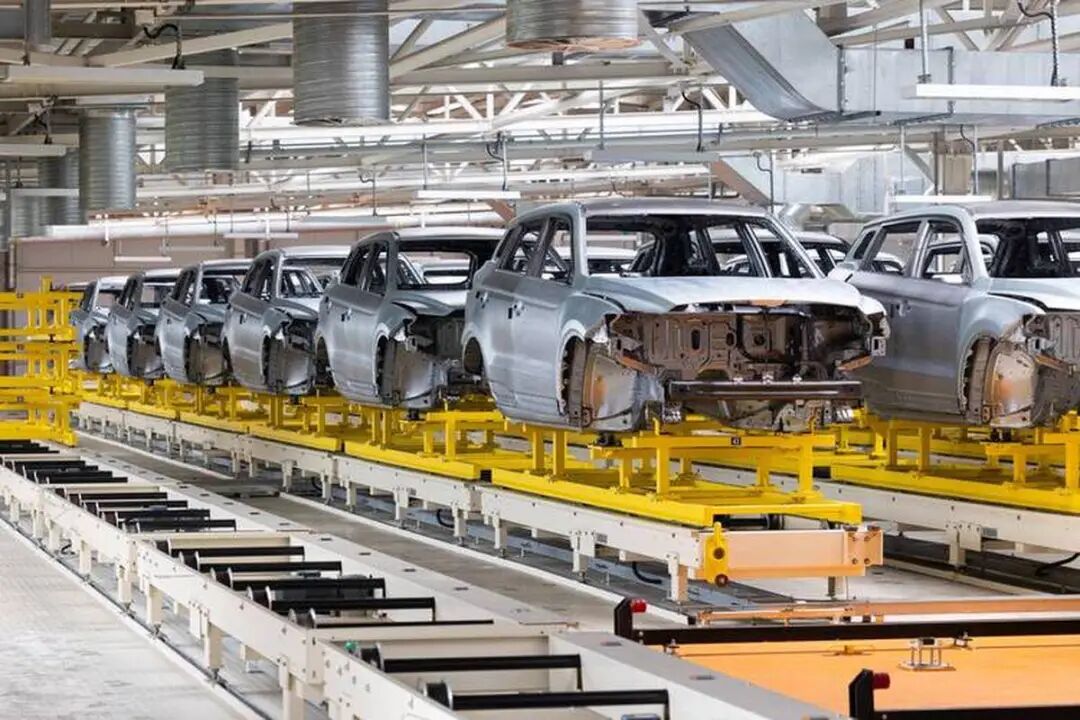
In response to these pain points in industry development, regulatory authorities have successively introduced macro-control rules, explicitly prohibiting vicious price wars and disorderly internal competition among automakers, regulating market competition order, and stipulating that payment terms for cooperation among automotive industry enterprises must not exceed 60 days, among other new policies.
After the enforcement of these policies, the phenomenon of low-price internal competition in the industry has been effectively curbed. Most automakers have gradually shifted their competitive focus from "price competition" to "product competition," alleviating market homogenization to a certain extent. Simultaneously, the standardization of supply chain payment terms has also revitalized capital flow among upstream and downstream enterprises, ensuring the research, development, and production stability of parts companies and fostering a healthier industrial ecosystem.
It is noteworthy that the concentrated enforcement of standards in 2026 is not the endpoint of industry standardization but rather a new starting point for the standardized and regulated development of the automotive industry.
On May 26th, the Ministry of Industry and Information Technology released the key points for automotive standardization work in 2026, clarifying 15 core tasks across four dimensions and initiating the preparation of a technical standard system construction plan for the automotive industry's "15th Five-Year Plan," continuing to promote the reform of "recommending standards to become mandatory."
This means that multiple significant standards are already on the way. Currently, it is known that in January 2027, two new regulations, "Safety Requirements for Combined Driving Assistance Systems for Intelligent Connected Vehicles" and "Safety Technical Requirements for Automobile Door Handles," will be enforced simultaneously.
Overall, beyond the upgrading of various standards, industry regulation has already moved beyond the passive safety control of the traditional fuel vehicle era, fully extending into active safety, functional safety, information security, data security, and other "comprehensive safety" domains. As industry insiders have said, the intensive enforcement of new regulations is not excessive regulation but an inevitable choice for industry maturity.
In the future, if these regulations are strictly enforced, the Chinese automotive industry, after undergoing this comprehensive regulatory rectification, will truly bid farewell to the old era of unchecked expansion and transition to a new and orderly competitive era.
Editor-in-Chief: Li Sijia Editor: He Zengrong

THE END
-
![]()
The Surprisingly Significant Impact Difference Between Quiet and Noisy Cars!
-
![]()
Breaking Through Storage Cycle Barriers: How AI Large Models and Coding Technology Synergize to Drive Transformation in the Security Industry
-
Facilitating the Slimming of Camera Modules! O-film Obtains Utility Model Patent for Periscope-Type Reflective Component
-
![]()
Hikvision Raytine’s Millimeter-Wave Body Imaging Security Inspection Device Achieves ECAC SSc Category A Standard Level 2.1 Certification for European Civil Aviation
-
![]()
Global Market Share for Security Windows Hits 26%! This Optical 'Little Giant' Makes Its Debut on NEEQ
-
![]()
The Evolutionary Path of Agent Engineering: From Prompt to Harness by Zhang Yutao, Co-founder of Moonshot AI
-
![]()
Profits and stock prices are both declining, so why are executives from these auto companies increasing their purchases?
-
![]()
Burning Tens of Billions of Dollars, Yet No Unified Definition for World Models