Oil Prices Plunge Back to 7 Yuan, Yet Vehicle and Vessel Tax Hikes Loom: A Mixed Bag for Plug-in Hybrid Drivers
 07/06 2026
 503
503
The new energy vehicle sector has embarked on a new journey, transitioning from a 'policy-driven' to a 'market-driven' era.
July 3rd will be etched in the memories of hybrid and extended-range vehicle owners, as the simultaneous announcement of a boon and a bane has significantly influenced their outlook on future vehicle use.
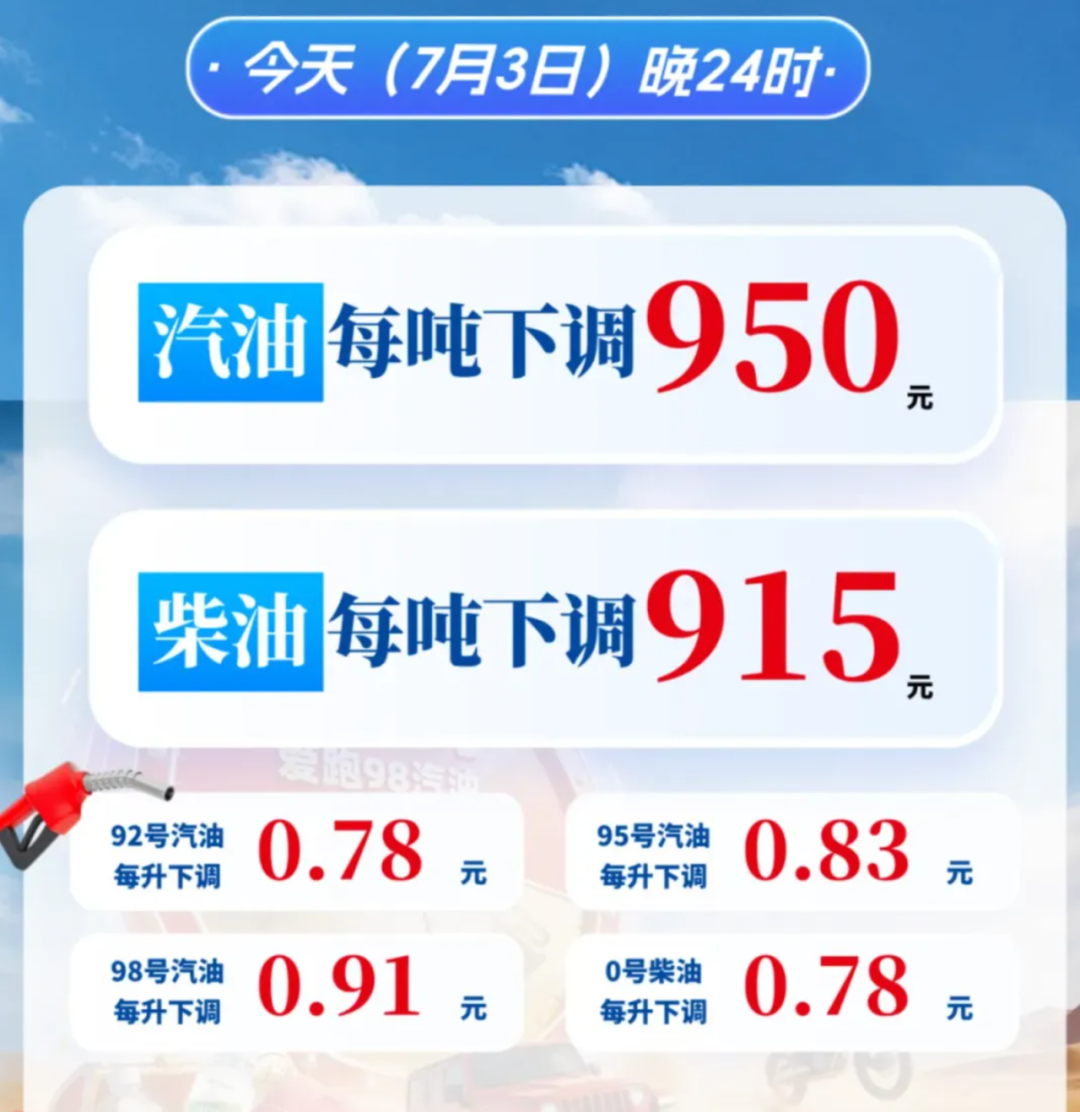
The silver lining? On July 3rd, national oil prices witnessed their steepest decline this year, with 95# gasoline reentering the 7-yuan era. This not only spells relief for fuel vehicle owners but also for early adopters of plug-in hybrids with shorter electric-only ranges, who can now forego daily charging amidst the high oil price woes.
However, another announcement has left plug-in hybrid owners and the commercial vehicle market feeling like the 'garlic chives' (a metaphor for being exploited) have finally been harvested.
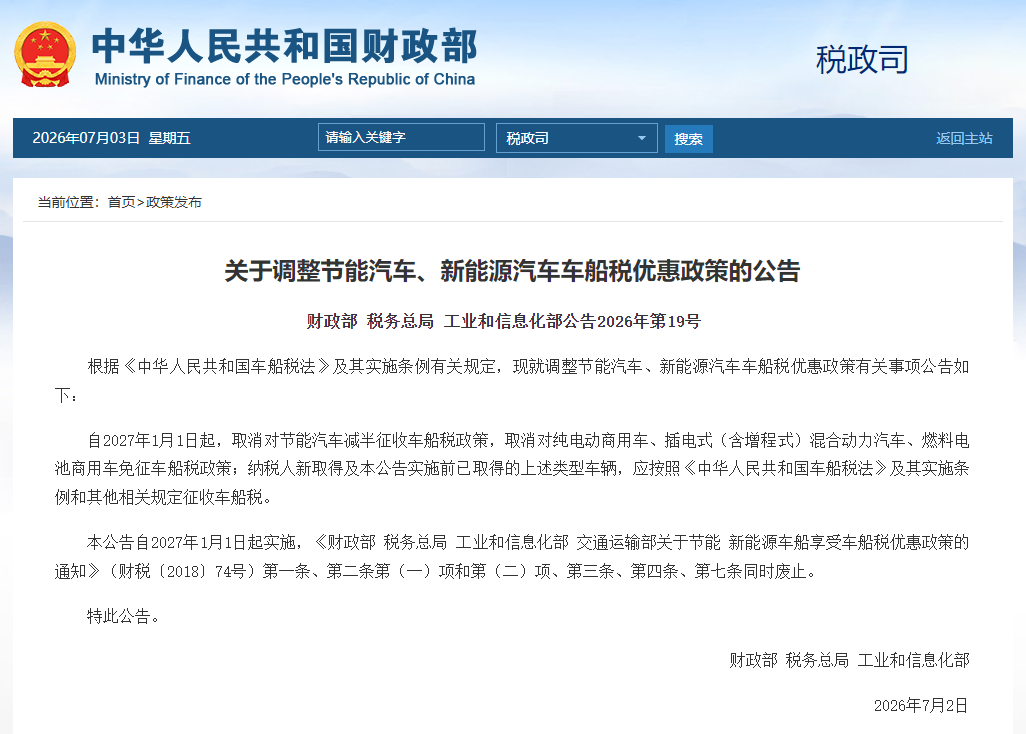
On July 3rd, the Ministry of Finance, the State Taxation Administration, and the Ministry of Industry and Information Technology jointly issued a notice, stating that starting from January 1, 2027, the policy of halving the vehicle and vessel tax for energy-efficient vehicles will be abolished; the policy of exempting pure electric commercial vehicles, plug-in (including extended-range) hybrid vehicles, and fuel cell commercial vehicles from vehicle and vessel tax will also be abolished.
While the impact on most vehicle owners translates to a mere few hundred yuan increase in annual vehicle usage costs from 2027 onwards, from a broader perspective, new energy vehicles are gradually shedding their policy-driven advantages, with both new and existing vehicles facing reduced benefits.
Behind these changes lies the culmination of over a decade of policy-driven growth in the new energy sector.
A Decade of Subsidies, A Century of Transformation
The reinstatement of vehicle and vessel tax collection marks the end of over a decade of industrial subsidies. On December 12, 2011, the Ministry of Finance and the State Taxation Administration issued a notice, exempting eligible new energy vehicles from vehicle and vessel tax starting from 2012, ushering in an era of policy dividends.
Of course, for consumers, the exemption from vehicle and vessel tax is just a fraction of the policy benefits new energy vehicles have enjoyed over the past decade. Greater incentives came in the form of direct financial subsidies.
Starting in 2014, the government provided direct purchase subsidies for new energy vehicles, using real money to steer consumers towards more energy-efficient and eco-friendly new energy vehicle consumption.
Looking back, the scale of subsidies at that time was substantial, and the entry barriers were relatively low.
From 2014 onwards, pure electric vehicles with a range exceeding 80km could receive a subsidy of 31,500 yuan, with a maximum subsidy of 54,000 yuan. Plug-in hybrid vehicles with a pure electric range over 50km were eligible for the same subsidy amount.
At that time, the domestic new energy penetration rate was a mere 0.32%, with annual sales of just 75,000 vehicles, even lower than the 120,000 annual sales in the U.S. market. Meanwhile, new energy vehicle technology was relatively nascent, with most core materials reliant on imports, leading to prices more than 50% higher than those of equivalent fuel vehicles. Supporting infrastructure was even more lacking, with only 80,000 public charging stations nationwide at that time, hardly sufficient to meet vehicle usage demands.
The impact of subsidies was immediate, prompting policy adjustments in 2016. At the same time, it stipulated the ultimate long-term slope reduction (while also outlining long-term phased-out subsidies), compelling rapid industrial upgrading.

From 2016 onwards, subsidy standards for new energy vehicles began to tighten, with significant changes in subsidy amounts. The range requirement for pure electric vehicles was raised by 25%, necessitating a range exceeding 100km to qualify for a 25,000 yuan subsidy, while vehicles with a range over 250km saw their subsidy increased to 55,000 yuan. Although the standards for plug-in hybrid vehicles remained unchanged, their subsidy amounts were reduced.
Also starting from this year, subsidies adopted a long-term plan, with a 20% reduction in 2017-2018, a 40% reduction in 2019-2020, and further tightening in 2021, with a maximum subsidy of 12,600 yuan for pure electric vehicles with a range over 300km and a maximum of 4,800 yuan for plug-in hybrid vehicles, requiring a battery energy density exceeding 125Wh/kg.
Until the end of 2022, these purchase subsidies, spanning 13 years, officially concluded, and the new energy vehicle industry entered a phase of market-driven competition.
The results of 13 years of subsidies are evident: domestic new energy vehicles achieved their penetration rate target three years ahead of schedule. In 2022, domestic new energy vehicle sales reached 6.887 million, with a penetration rate of 25.6%, ranking first globally for eight consecutive years, and even surpassing the 2025 target of 20% penetration rate ahead of time.
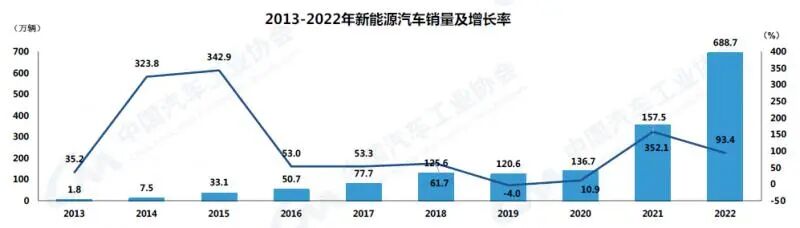
Simultaneously, these subsidies provided domestic automakers with a chance to overtake. Among domestic new energy vehicle sales, the proportion of independent brands has reached 79.9%, achieving a century-old automotive industry catch-up and surpass.
The rapid market development has also shifted consumer perceptions. With the swift improvement of charging facilities, private purchases of new energy vehicles have become mainstream, accounting for over 80%. Buying new energy vehicles has become a new consumer choice.
It is precisely due to this consumer willingness that the purchase tax subsidies, which commenced alongside those in 2014, did not end in 2022 but were extended until 2025 before being phased out. The purchase tax exemption has propelled new energy vehicles towards higher price points, spanning from early entry-level products to comfortable luxury models priced at 300,000 yuan.
It can be said that decisive policy support has positioned domestic new energy vehicles as global leaders. Not only have they achieved broad-scale energy conservation and emission reduction goals, but they have also driven the transformation of the domestic automotive manufacturing industry, shifting the century-old automotive industry's center of gravity from Europe and America to China.
Fairness Emerges Amid Subsidy Reductions
Although purchase subsidies ceased in 2022, to further convert new energy advantages into industrial endogenous momentum, purchase tax subsidies and vehicle and vessel tax subsidies have persisted. Moreover, the country has introduced the 'Two News' policy to strengthen the replacement of new energy vehicles.
The purchase tax subsidy reduction will commence from 2026 and continue until 2027, with a full return to normal by 2028. However, the market has not slowed down due to subsidy reductions; instead, it has achieved a faster replacement of fuel vehicles with new energy vehicles.
This June, the penetration rate of new energy vehicles reached 62.8%, breaking through 60% for three consecutive months and becoming the market mainstream. Meanwhile, pure electric vehicle sales have surged, accounting for nearly 40% of total sales. In contrast, plug-in hybrid vehicles, once seen as a long-term transition, have become the first segment to slow down in industrial transformation.
In particular, extended-range vehicles, which are more structurally similar to pure electric vehicles, have seen a significant decline, with a 9.7% year-on-year decrease in the first five months and a 24.9% year-on-year decrease in May.
Under such a market landscape, it is time to halt tax support for new energy vehicles.
From a social governance perspective, taxation is a key policy tool for regulating economic structure, promoting social fairness, driving technological innovation, and achieving national strategic goals. The new energy market no longer requires policy support, and the reinstatement of taxation is reasonable.
Simultaneously, amidst the rapid development of new energy, besides direct financial support, there is more unseen support that has also led to some chaos. Especially since the U.S.-Iran conflict this year, oil prices have surged, triggering conflicts between fuel vehicles and electric vehicles regarding road maintenance, with the core of the conflict pointing directly to taxation.
For a long time, road maintenance has relied on taxes and fees in fuel. Fuel vehicles have borne the entire cost of road maintenance. However, with the development of new energy vehicles, the size and weight of new vehicles are increasing, placing a growing burden on road maintenance without fulfilling their obligation to maintain roads. This mismatch between rights and obligations needs correction.
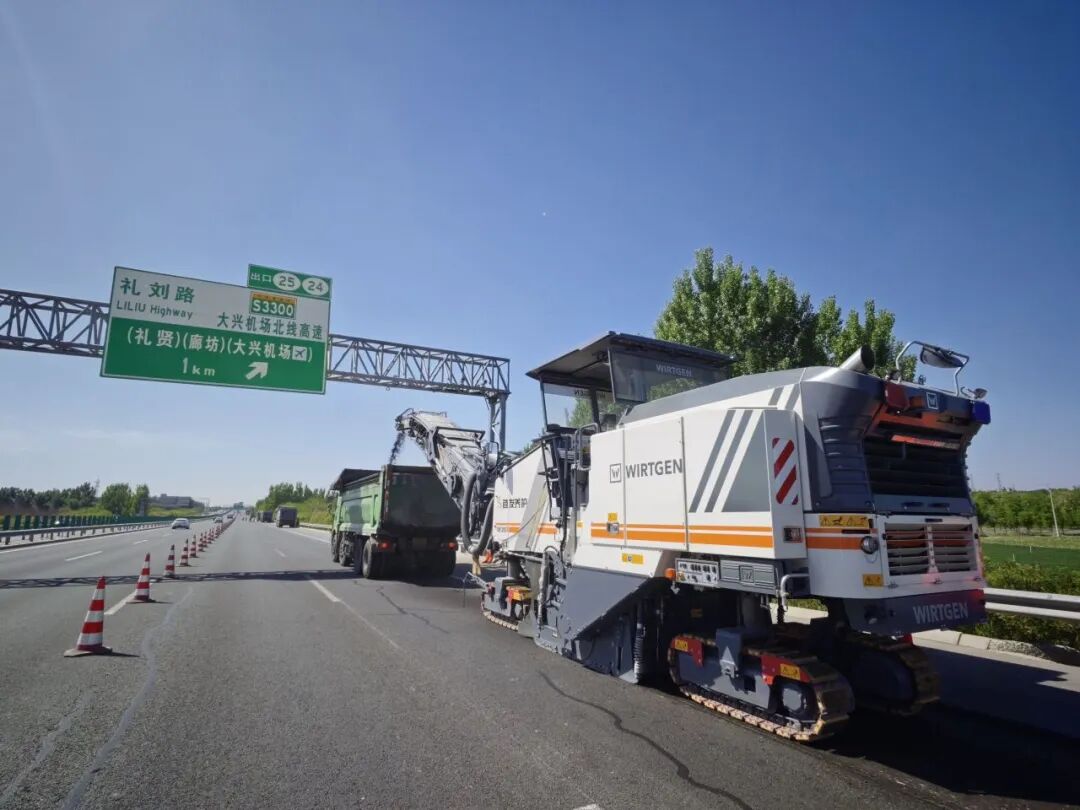
However, tax policy reforms are never accomplished overnight. Under such circumstances, restoring some new energy taxes and fees first helps regulate this imbalance, while still maintaining vehicle and vessel tax exemptions for pure electric passenger vehicles, reflecting long-term support for emission reduction policies.
Of course, on the other hand, the law is still imperfect. According to the Vehicle and Vessel Tax Law, vehicle and vessel tax is levied based on 'exhaust volume.' Pure electric passenger vehicles and fuel cell passenger vehicles have no exhaust volume, so it is legally impossible to levy taxes on them. Commercial vehicles, however, are taxed based on commercial vehicle standards, according to curb weight, which complies with legal provisions.
But from a longer-term perspective, equal rights for oil and electricity still face many challenges. Some experts predict that in the future, the Vehicle and Vessel Tax Law will be revised to address the current legal gap that prevents taxation on pure electric passenger vehicles and fuel cell passenger vehicles. At the same time, road maintenance fees will also undergo reform, shifting from the current single reliance on fuel surcharges to a comprehensive taxation mechanism based on mileage or 'mileage + vehicle weight.'

Currently, the adjustment of vehicle and vessel taxes for new energy vehicles primarily sends a signal to the automotive industry, compelling automakers to abandon policy dependence, focus on core technological breakthroughs, and drive the industry away from homogeneous low-price competition.
In the short term, this policy change will benefit the development of pure electric passenger vehicles. The second half of 2026 will be a period for the renewed development of pure electric models, with policies to some extent driving sales growth of pure electric vehicles. However, in the medium to long term, the pattern of pure electric dominance, pressure on plug-in hybrids and extended-range vehicles, and gradual equal rights for oil and electricity will not change. New energy vehicles will ultimately return to a market competition model, and policy dividends will eventually fade away.
Note: Some images are sourced from the internet. If there is any infringement, please contact us for deletion.
-END-

-
![]()
The Surprisingly Significant Impact Difference Between Quiet and Noisy Cars!
-
![]()
Breaking Through Storage Cycle Barriers: How AI Large Models and Coding Technology Synergize to Drive Transformation in the Security Industry
-
Facilitating the Slimming of Camera Modules! O-film Obtains Utility Model Patent for Periscope-Type Reflective Component
-
![]()
Hikvision Raytine’s Millimeter-Wave Body Imaging Security Inspection Device Achieves ECAC SSc Category A Standard Level 2.1 Certification for European Civil Aviation
-
![]()
Global Market Share for Security Windows Hits 26%! This Optical 'Little Giant' Makes Its Debut on NEEQ
-
![]()
The Evolutionary Path of Agent Engineering: From Prompt to Harness by Zhang Yutao, Co-founder of Moonshot AI
-
![]()
Profits and stock prices are both declining, so why are executives from these auto companies increasing their purchases?
-
![]()
Burning Tens of Billions of Dollars, Yet No Unified Definition for World Models