155 Car Models Make Their Way to Rural Regions Again, Igniting a New Battlefront Between Tesla and BYD
 07/06 2026
 358
358
The convergence of new energy vehicles (NEVs) penetrating rural markets and the abolition of trade-in subsidy quotas has triggered a nationwide NEV dumping strategy across China's expansive rural areas.
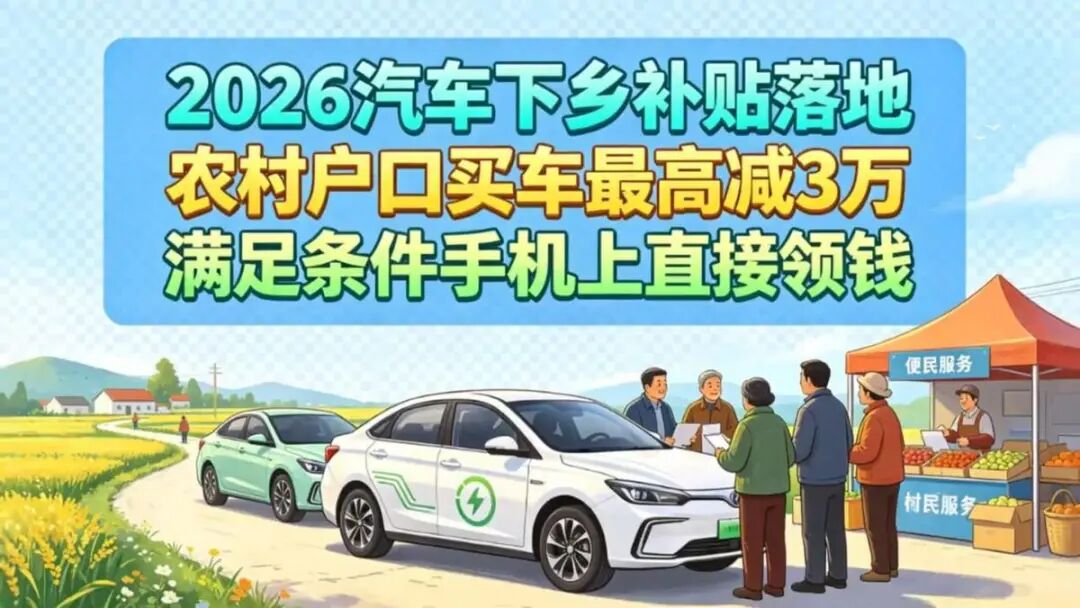
On June 18, 2026, a joint document was issued by the Ministry of Industry and Information Technology, Ministry of Commerce, National Development and Reform Commission, Ministry of Agriculture and Rural Affairs, and National Energy Administration, officially launching this year's New Energy Vehicles Going Rural campaign and unveiling a recommended list of 155 vehicle models.
Notably, this year's policy has broadened eligibility criteria. Benefits now extend beyond traditional rural households to include those registered in administrative villages, owning homesteads, or holding membership in rural collective economic organizations. Migrant workers who have not relocated their household registration are also eligible for these benefits.
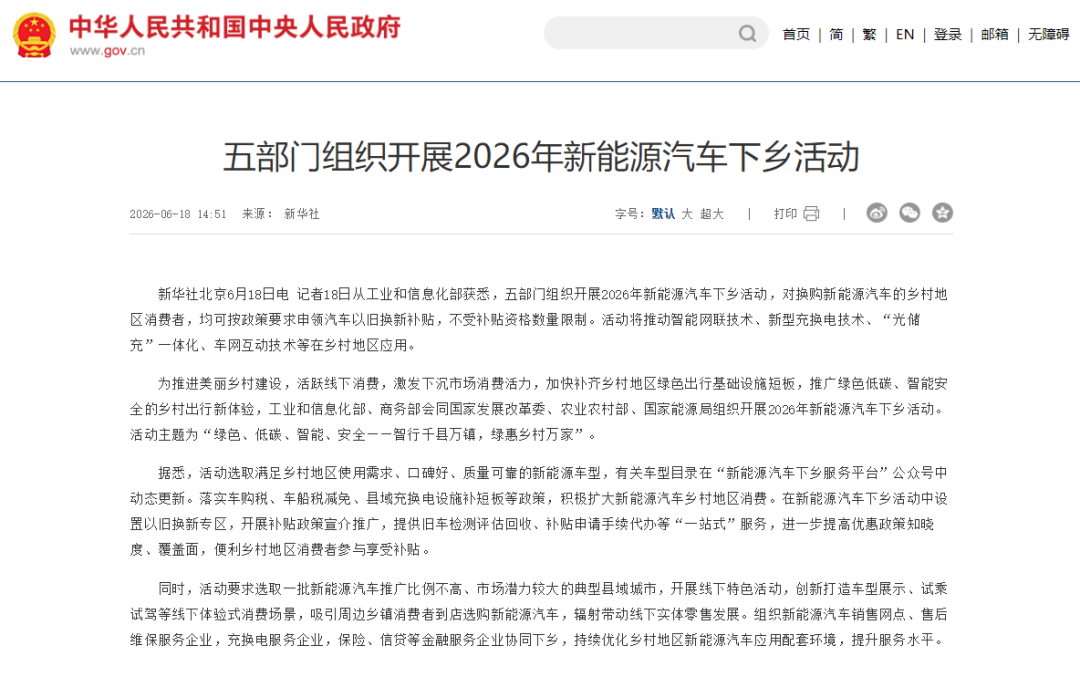
Since the inaugural NEVs going rural campaign in 2020, cumulative sales of rural-targeted models have surpassed 20 million units over six years, successfully achieving initial market penetration in lower-tier markets.
The synergy between NEVs penetrating rural markets and the removal of trade-in subsidy quotas has sparked a nationwide NEV dumping strategy across China's vast rural areas.
Where Will Growth Originate?
Although domestic auto sales figures for June and the first half of the year are pending, data from the first five months and June's market performance suggest a potential 20% decline in domestic passenger vehicle sales in the first half of the year.
According to the China Association of Automobile Manufacturers, sales of domestically produced vehicles (including joint venture brands, commercial vehicles, and exports) reached 12.2 million units in the first five months of this year, a 4.2% year-on-year decrease. Passenger vehicle sales dropped by 6.2%, while commercial vehicle sales increased by 7.7%. NEV sales rose by 3.5%, and exports surged by 63%.
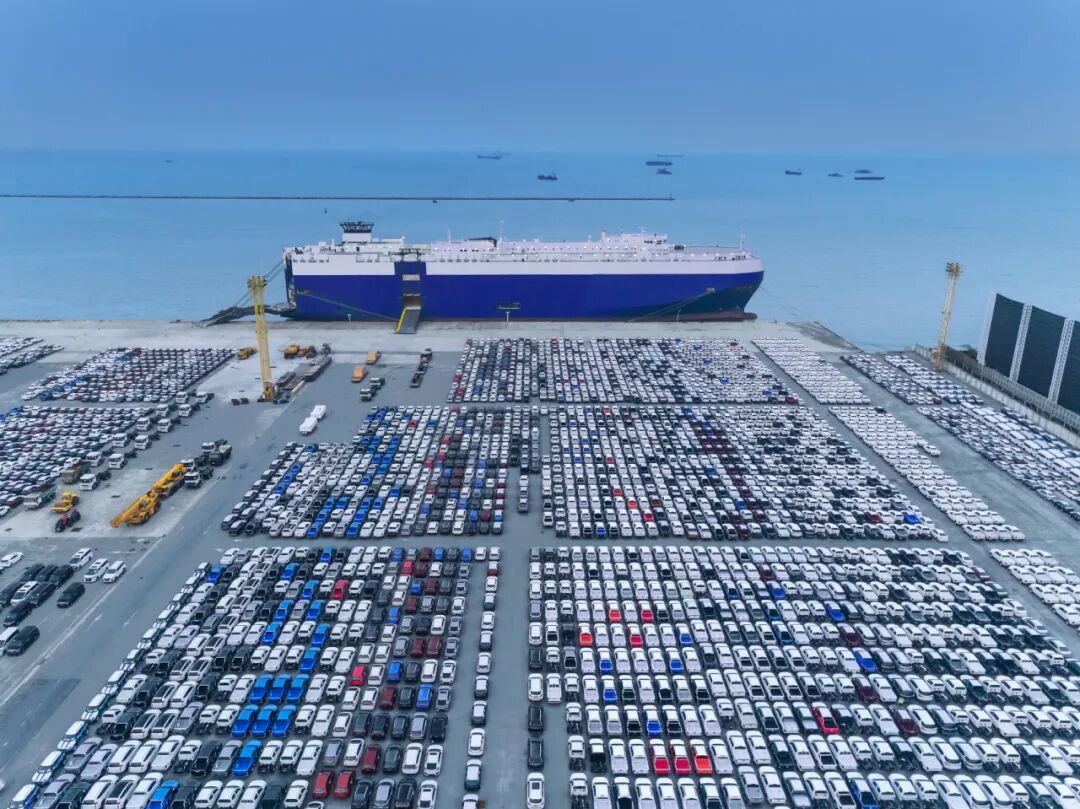
Excluding exports, domestic passenger vehicle sales stood at just 6.791 million units, a 23.8% year-on-year decrease. In this context, the Chinese auto market urgently seeks new growth avenues.
Firstly, trade-in subsidies are being utilized in rural areas. Exclusive trade-in zones have been established in county seats nationwide, with dealers offering one-stop services including on-site inspection, recycling of old vehicles, and processing of subsidy materials. Under current standards, scrapping an old vehicle and purchasing a new NEV can qualify for a subsidy of up to 12% of the new vehicle's transaction price, with a maximum of 20,000 yuan per vehicle.
Additionally, an extra 2,000 yuan in special subsidies is offered for pure electric vehicles with a range exceeding 400 kilometers. Combined with full exemption from vehicle purchase taxes, additional local car purchase subsidies, and home charging station installation subsidies, the total discount for a 150,000 yuan home-use hybrid SUV can exceed 35,000 yuan, significantly lowering the barrier to vehicle purchase.
Mr. Qin, a craftsman from Lengshuitan Village in Yongzhou, Hunan Province, was among the first to purchase a vehicle under the new policy. Previously, he drove an old gasoline-powered van to work in surrounding townships, incurring monthly fuel costs exceeding 1,200 yuan. He had long desired to switch to an NEV but was concerned about the inconvenience of traveling to the county seat to view vehicles and the lack of charging facilities in his village.
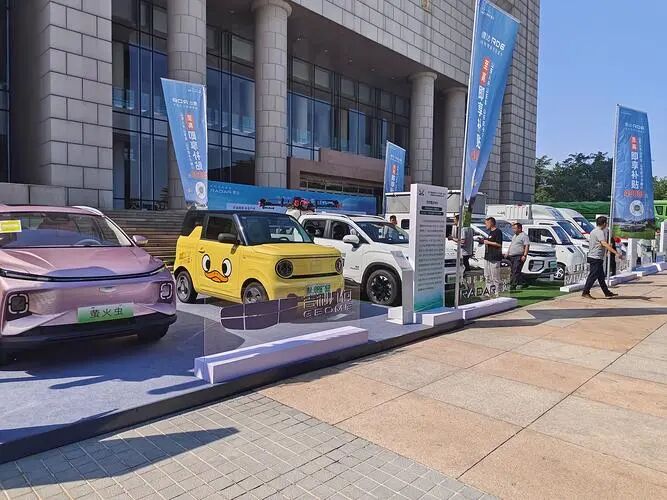
After this year's rural campaign commenced, local BYD dealers brought test drive vehicles directly to the village square. Staff explained subsidy details on-site, assisted with old vehicle scrapping evaluations, and offered a combined national subsidy and manufacturer discount totaling 18,000 yuan. They also provided free home surveys and installation of home charging stations.
He calculated his usage costs: electricity for the electric vehicle costs just 8 fen per kilometer, saving over 10,000 yuan annually compared to a gasoline vehicle. He immediately decided to purchase a BYD Dolphin. Now, with a charging station available at his doorstep and public fast-charging stations within 300 meters of township markets, he no longer worries about range when traveling between counties—a level of supporting services that previous rural campaigns could not provide.
It should be emphasized that in previous years, the rural campaign's model list was dominated by micro-commuter vehicles like the Wuling Hongguang MINIEV and Chery eQ1, offering limited product variety that could only meet short-distance commuting and child transportation needs, failing to address the cargo transport and long-distance travel requirements of farmers and township businesses.
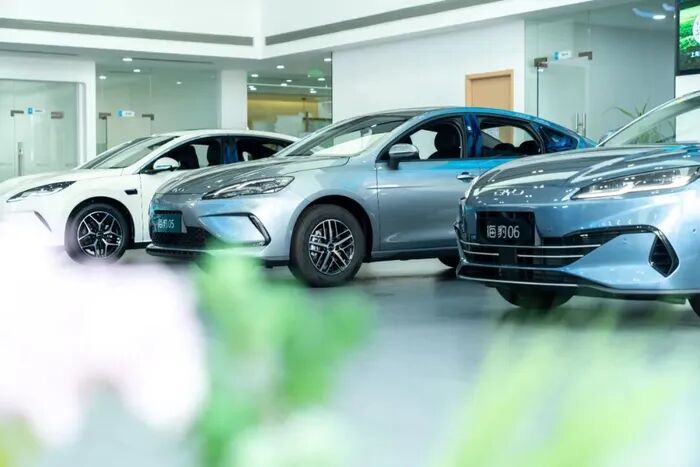
The 2026 list of 155 eligible models represents a transformative change, covering the full price range from 30,000 to 300,000 yuan. Categories include micro-commuter vehicles, family sedans, hybrid SUVs, new energy pickup trucks, seven-seat extended-range models, and even mid-to-high-end models like the Xiaomi SU7, Tesla Model 3, and Li Auto L6, which are included in rural subsidies for the first time, shattering the stereotype that "rural campaigns equal low-price, low-spec models."
In addition to catering to the rigid demand of middle-aged and elderly users in townships, improving family vehicles for county-level households, and production vehicles for individual businesses, this year's inclusion of mid-to-high-end models targets young entrepreneurs returning to their hometowns. A large number of young people have returned to operate homestays, e-commerce, and rural cultural tourism, demanding higher levels of vehicle intelligence and comfort.
After subsidies for models priced above 200,000 yuan were introduced, sales of models from Seres, Li Auto, and Xiaomi have continued to rise in counties in Jiangsu, Zhejiang, Sichuan, and Chongqing. Features like urban intelligent driving assistance, large cabins, and in-car entertainment systems are no longer exclusive to cities; township users are also willing to pay for intelligence. Sales data from multiple automakers show that the proportion of county-level buyers voluntarily choosing high-end intelligent driving versions has exceeded 40%.
Vast Opportunities Await in Rural Areas
For a long time, over 90% of professional NEV maintenance outlets have been concentrated in prefecture-level cities. Most counties have only 1-2 brand-authorized service stations, while vast townships have none at all.
Moreover, maintaining NEVs' three electric systems (battery, motor, and electronic control) requires high technical thresholds. Ordinary rural repair shops lack testing equipment and qualifications. When vehicles break down in the countryside, they must be towed long distances to county seats, incurring significant time and cost. Mr. Zhang, a rural supermarket operator in Zhoukou, Henan Province, was initially tempted to test drive a pure electric micro-truck but hesitated upon learning there were no maintenance outlets in his township. The towing cost to and from the county seat for motor or battery failures would amount to several hundred yuan, directly discouraging him from purchasing.
This year's NEVs going rural campaign also brings channels and services deeper into rural areas. Currently, multiple automakers have initiated channel expansion plans. GAC Group will add 600 county-level experience and service stores this year, while BYD and Geely offer monthly mobile maintenance services in rural areas. However, it will still take 2-3 years to achieve full after-sales network coverage across all townships nationwide.
In the past, many automakers viewed NEVs going rural as a short-term marketing event to boost quarterly sales, simply relegating urban models to rural markets with cash discounts and lacking targeted market strategies.
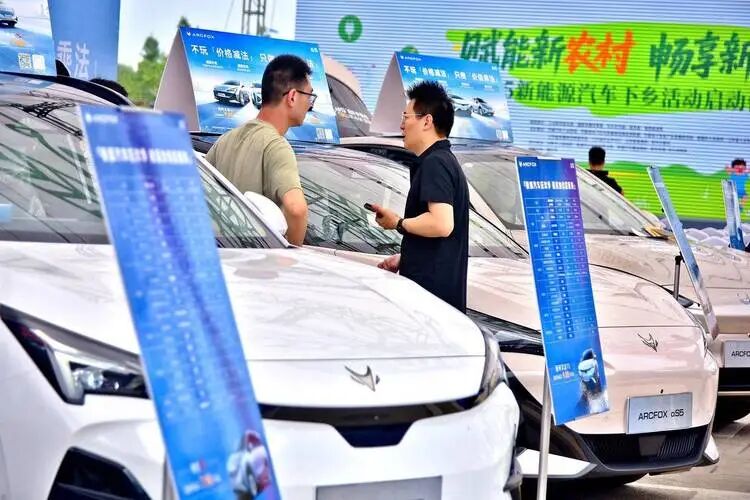
The market environment underwent fundamental changes in 2026, making it impossible for automakers to ignore the county-level economy. In the first half of this year, NEV penetration in first- and second-tier cities exceeded 55%, entering a phase of market saturation and intense price competition that compresses profit margins. The 600 million county and rural population represents a trillion-yuan incremental blue ocean. Going rural has now become a long-term core strategy for automakers, and the crude model of relying solely on low prices and high volumes is no longer sustainable.
Some domestic brands have already established mature operational systems for lower-tier markets, including targeted product development, dual-channel layout (establishing integrated sales and service stores in counties), and offering low-down-payment, low-interest rural-exclusive loans.
Joint venture and new energy brands are also accelerating efforts to address gaps in lower-tier markets, shifting away from a city-centric layout. Multiple hybrid models from Toyota and Volkswagen have been included in the rural campaign's model list, leveraging their existing county-level dealer networks to promote NEVs.
Even new energy brands like Xiaomi and Li Auto are stepping up efforts to establish direct-sales experience stores in counties, matching the consumption demands of returning young entrepreneurs. The introduction of mid-to-high-end models fills market gaps, creating a diversified competitive landscape among domestic brands, joint ventures, and new energy players.
In the top-level design, NEVs going rural not only stimulates automobile consumption but also connects multiple industrial chains, including rural power grid upgrades, charging infrastructure construction, automotive maintenance employment, and green agriculture. The automotive industry and rural revitalization are deeply intertwined, creating mutual empowerment.
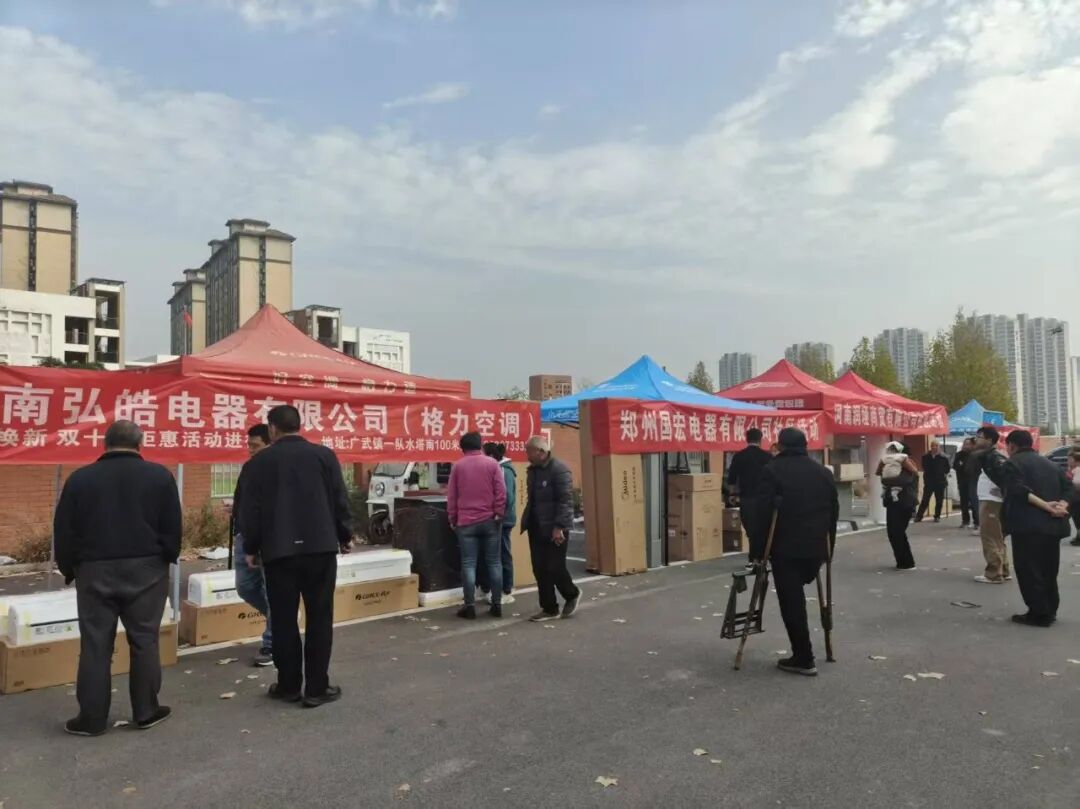
Looking back, during the 2008 home appliances going rural campaign, rural areas indeed lacked appliances like refrigerators and televisions. After the government issued 1,200 yuan subsidies, farmers eagerly made purchases. By 2023, during the photovoltaic panels going rural campaign, farmers could earn income by installing solar panels on their rooftops. In reality, this was due to overcapacity among photovoltaic enterprises, necessitating the push of products into rural markets. Now, it is the turn of NEVs to go rural.
In the short term, multiple subsidy incentives will continue to unlock consumption potential, driving significant growth in domestic passenger vehicle sales in the second half of the year. Perhaps starting this year, vast rural areas will no longer be a low-end market for NEVs but the core engine supporting sustained growth in China's automotive industry.
Note: Some images are sourced from the internet. If there is any infringement, please contact us for removal.
-END-

-
![]()
The Surprisingly Significant Impact Difference Between Quiet and Noisy Cars!
-
![]()
Breaking Through Storage Cycle Barriers: How AI Large Models and Coding Technology Synergize to Drive Transformation in the Security Industry
-
Facilitating the Slimming of Camera Modules! O-film Obtains Utility Model Patent for Periscope-Type Reflective Component
-
![]()
Hikvision Raytine’s Millimeter-Wave Body Imaging Security Inspection Device Achieves ECAC SSc Category A Standard Level 2.1 Certification for European Civil Aviation
-
![]()
Global Market Share for Security Windows Hits 26%! This Optical 'Little Giant' Makes Its Debut on NEEQ
-
![]()
The Evolutionary Path of Agent Engineering: From Prompt to Harness by Zhang Yutao, Co-founder of Moonshot AI
-
![]()
Profits and stock prices are both declining, so why are executives from these auto companies increasing their purchases?
-
![]()
Burning Tens of Billions of Dollars, Yet No Unified Definition for World Models