Sales and Resale Value Both Plummet: Is Lexus More Vulnerable Than BBA?
 07/10 2026
 568
568
The Chinese automotive market in the first half of 2026 has rendered a harsh judgment. Lexus, the luxury brand under Toyota that was still experiencing growth last year, has witnessed a significant market downturn this year. Its sales in China for the first half of the year reached 71,900 units, marking a 16% year-on-year decrease.
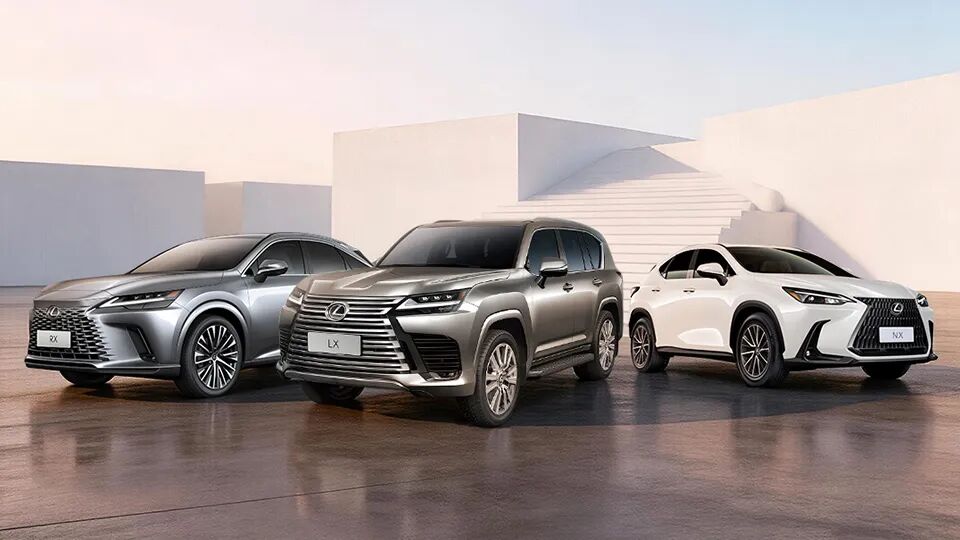
When Lexus is mentioned, many still remember the days when customers had to pay tens of thousands of yuan extra and wait months for delivery. However, Lexus has now introduced substantial discounts of 80,000 to 100,000 yuan at its dealerships, along with five-year zero-interest financing plans. Despite these efforts, it has been unable to halt the continuous decline in sales.

ES Redesign 'Fails': Powertrain 'Underperforms'
The first domino to fall in Lexus's sales decline was its flagship model—the ES.
In May 2026, the ES sold 6,521 units, still topping the import sedan sales chart, but experiencing a 43.4% year-on-year decrease. This model, which accounts for about 65% of the brand's total sales, failed to boost the market after its redesign and instead sparked widespread controversy.
The all-new ES replaced its iconic spindle grille with a closed-off front fascia, and the black trim along the side of the body has been widely criticized. Several consumers have directly stated on social media that the new car has 'lost its luxury feel' and appears 'not premium' overall.
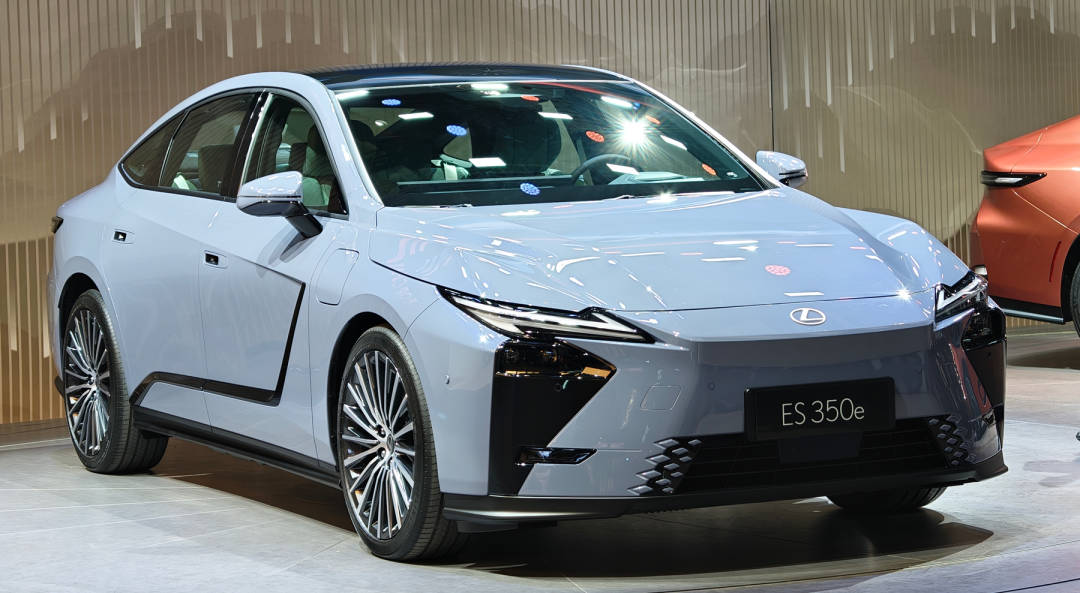
An even bigger complaint than the design controversy is the powertrain's underperformance. The new ES300h's zero-to-100 km/h acceleration approaches 10 seconds. In 2026, when new energy vehicles generally emphasize acceleration response and intelligent interaction, this performance even lags behind some domestic models priced under 100,000 yuan.
'Lexus's product development pace is still stuck five years ago,' said a luxury brand salesperson. 'The ES's hybrid system is indeed fuel-efficient and reliable, but young consumers want acceleration, intelligence, and a tech feel. Relying solely on 'durability' can no longer justify a 300,000-yuan price tag.'
Brand 'Devaluation': From 'Resale Value King' to 'Deep Discounts'
If product competitiveness is an open wound, then the decline in brand value is an internal injury.
Lexus was once the most resilient brand in China's luxury car market, with hot-selling models like the ES often commanding price premiums. At its peak in 2021, Lexus had a three-year resale value rate of 86.7%, far higher than Mercedes-Benz, BMW, and Audi. The myth of 'losing less than 15% after three years' was Lexus's core competitive advantage, setting it apart from all rivals.
However, to maintain sales volumes over the past two years, Lexus was forced into a brutal price war. The terminal price of its mainstay ES once fell below 200,000 yuan, with discounts reaching 80,000 to 100,000 yuan.
While this approach briefly stabilized sales—Lexus still sold 184,000 units in China in 2025, up 2% year-on-year—it effectively tore down the brand's strongest advantage. Data shows that Lexus's three-year resale value rate has continuously declined, falling from 86.7% in 2021 to around 55%, making it one of the luxury brands with the largest depreciation in the market.
The decline in resale value has directly led to lower repurchase intentions among existing owners and severe damage to the brand's reputation. When the perception that 'Lexus doesn't depreciate' is overturned, the brand's core appeal crumbles.
Electrification 'Slow': Only One Pure Electric Model
Unlike Toyota's joint-venture brands, which have quickly launched locally produced electric models by leveraging localized R&D and supply chain advantages, Lexus's slow electrification strategy reveals deeper strategic misjudgments.
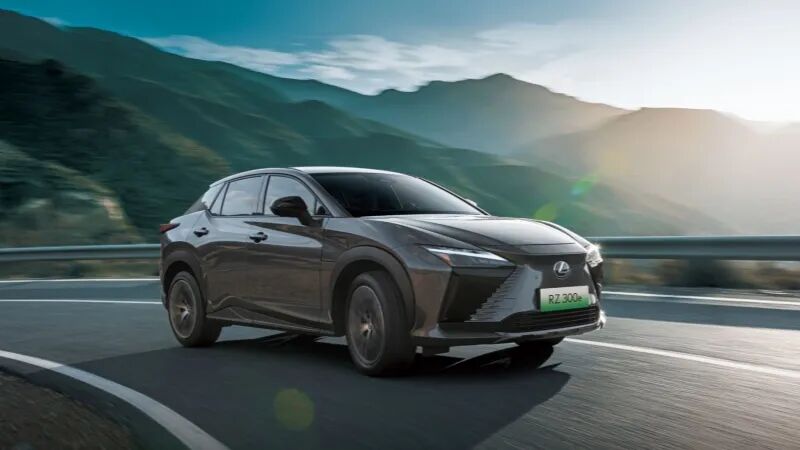
Success with hybrids, failure with hybrids. Overconfidence in hybrid technology led Lexus to severely misjudge the speed of the pure electric era's arrival. Its first pure electric model, the UX 300e, was criticized as a hasty 'converted electric' effort, while the subsequent RZ faced doubts due to its 'kinship' with the Toyota bZ4X, selling just over 3,000 units annually.
Now, Lexus has halted the mass production plan for its new flagship pure electric concept car, the LF-ZC. This model, which debuted at the 2023 Tokyo Motor Show and was highly anticipated as a symbol of electrification transformation, has now seen its project 'aborted.' The official reason given is 'relatively small market demand for pure electric luxury sedans,' but this clearly reflects strategic hesitation and a sense of crisis.
Currently, among the more than ten models Lexus sells, only one is pure electric, and two are plug-in hybrids. The entire lineup lacks 800-volt high-voltage fast-charging systems, and advanced intelligent driving functions are not widely available. Against the backdrop of China's new energy vehicle penetration rate exceeding 60% in 2026, such an electrification pace is tantamount to moving at a snail's pace.
Luxury Brands in Collective Retreat, but Lexus Is Especially Vulnerable
It cannot be denied that China's luxury car market in 2026 is undergoing a collective adjustment. Traditional German luxury brands like BBA are also experiencing pain, but compared to them, Lexus's situation is even more perilous.
First is the single-product matrix. BBA boasts a complete product lineup from entry-level to flagship, sedans to SUVs, and fuel-powered to pure electric, with far stronger risk resistance than Lexus. In 2025, Lexus sold 118,700 units of the ES, accounting for 65% of the brand's total sales. This extreme single-model dependency leaves the brand with almost no buffer room.
Second is the electrification gap. While Mercedes's EQ series, BMW's i series, and Audi's e-tron series also face challenges, they have clear electrification roadmaps, with next-generation products set to launch this year. In contrast, Lexus's electrification layout will only unfold after its local production plant is completed.
Third is the localization delay. BBA has long achieved deep localization in production and R&D, while Lexus clung to the 'pure import' label for nearly 20 years, only announcing localization in 2025. The Shanghai Jinshan plant is scheduled to be completed in August 2026 and start production in 2027, with an initial annual capacity of 100,000 units. Given the precedent of Acura and Infiniti's sales collapses after localization, localization alone cannot solve fundamental issues of product competitiveness and brand appeal.
Behind Lexus, local high-end electric brands like NIO, Li Auto, and Aito are rapidly rising, surpassing traditional German luxury brands in several market segments. Second-tier luxury brands as a whole have seen sales decline by more than 25% year-on-year, with their market share falling from a peak of 35% in 2021 to just 7.8%.
Outlook: How Much Will 2027 Localization Improve Things?
Faced with this predicament, Lexus is not without action.
The Shanghai Jinshan plant is under accelerated construction, with the first pure electric model expected to roll off the line in 2027 and component localization exceeding 95%. Reports suggest that future locally produced models will feature Huawei's cutting-edge Qiankun intelligent driving system, fully aligning products with domestic market demands. A pure electric ES is also in the works, expected to launch in the second half of 2026.
However, whether these measures can reverse the downward trend remains highly uncertain.
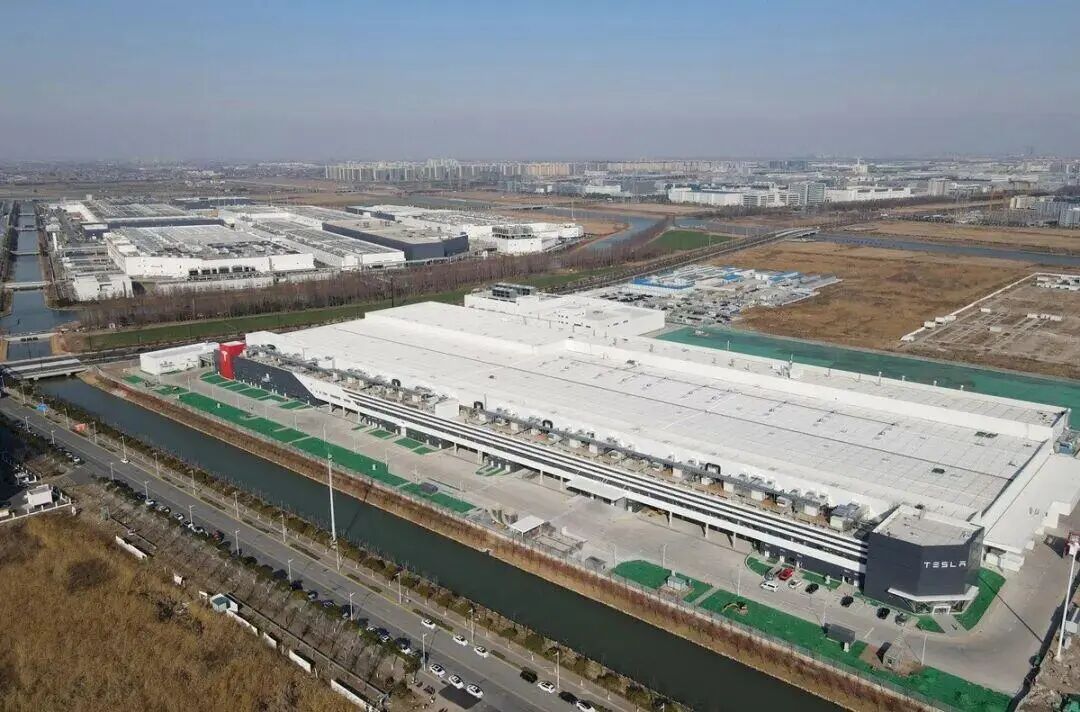
On one hand, localization will not contribute actual sales until 2027 at the earliest. In such a fiercely competitive market, a year is enough to radically alter the landscape. On the other hand, localization alone cannot solve core issues like product definition and brand positioning. If it merely shifts existing products to local production and sells them at lower prices without fundamentally transforming product competitiveness and brand narrative, localization may only represent a change in production method rather than a new path to survival.
'Lexus needs more than just localization—it requires a complete brand reinvention,' said an industry analyst. 'It must answer a fundamental question: In the new era of electrification and intelligence, what does Lexus stand for? If the answer remains 'reliability and durability,' this brand's path in the Chinese market will only narrow further.'
From its peak of 235,400 units in 2021 to the current predicament of 11,300 monthly sales, Lexus seems to be gradually following the 'old path' of Japanese luxury brands that previously exited China. For this once-resilient Japanese luxury brand, there appears to be no room for adjustment in the short term.
-
![]()
MiniMax Shares Unlock: Cornerstone Shareholders Show Long-Term Optimism, Yet Stock Plummets Nearly 30% in Two Days; Zhipu Also Sees Nearly 20% Drop Today
-
![]()
Single-Day Plunge of 40%: The 'First AGI Stock' Faces More Than Just Share Price Concerns
-
![]()
Ricoh and Fuji Hike Prices on Legacy Edge; Insta360 Poised to Disrupt Mirrorless Camera Market
-
![]()
Ricoh and Fujifilm Raise Prices in Tandem, Relying on Established Reputations; Insta360 Poised to Disrupt Mirrorless Camera Market
-
![]()
Strategic Shift in Photoelectric Sensing: Maxvision Secures Controlling Stake in CAS Optotech
-
![]()
Optical Communication and Robot Vision: OFILM’s Bold Transformation Amid a 460 Million Yuan Loss
-
![]()
From 100,000-GPU Computing Might to Industrial Efficiency: The Logic Behind AI4S-Driven Intelligence
-
![]()
OpenAI, Grok, and Meta Release Three Major Models: Who is the King of Cost-Effectiveness?