July "MIIT Auto Show" Unveils Major News: BYD Shark Pickup Makes Debut, Xiaomi Pengcheng Releases Official Images
 07/13 2026
 503
503
Product Strength Drives Sales.
It's that time of the month again for new car launches. As 2026 enters its second half, automakers are gearing up for the peak sales seasons of "Golden September, Silver October" and the pre-Spring Festival rush.
Major brands are pulling out all the stops, with this month's new car lineup more impressive than ever. The highly anticipated Xiaomi extended-range SUV and BYD pickup truck have finally arrived together.
If you're in the market for a new car, these upcoming models are definitely worth a closer look.
If we had to pick a standout from this month's new car launches, it would undoubtedly be the new Xiaomi Pengcheng (SKYNOMAD) series. Xiaomi has unveiled four models this time: Pengcheng N90 Max, N90 Max Camping Edition, N70, and N70 Max, all featuring a 1.5T range extender.
The N90 Max and N90 Max Camping Edition are large SUVs, measuring 5285/1998/1925mm with a wheelbase of 3080mm. They are powered by dual motors (210kW + 100kW). The N70 and N70 Max are mid-to-large SUVs, with dimensions of 4960/1998/1785mm and a wheelbase of 2950mm. The dual-motor versions match the N90 Max, while the single-motor version comes with a 210kW motor.
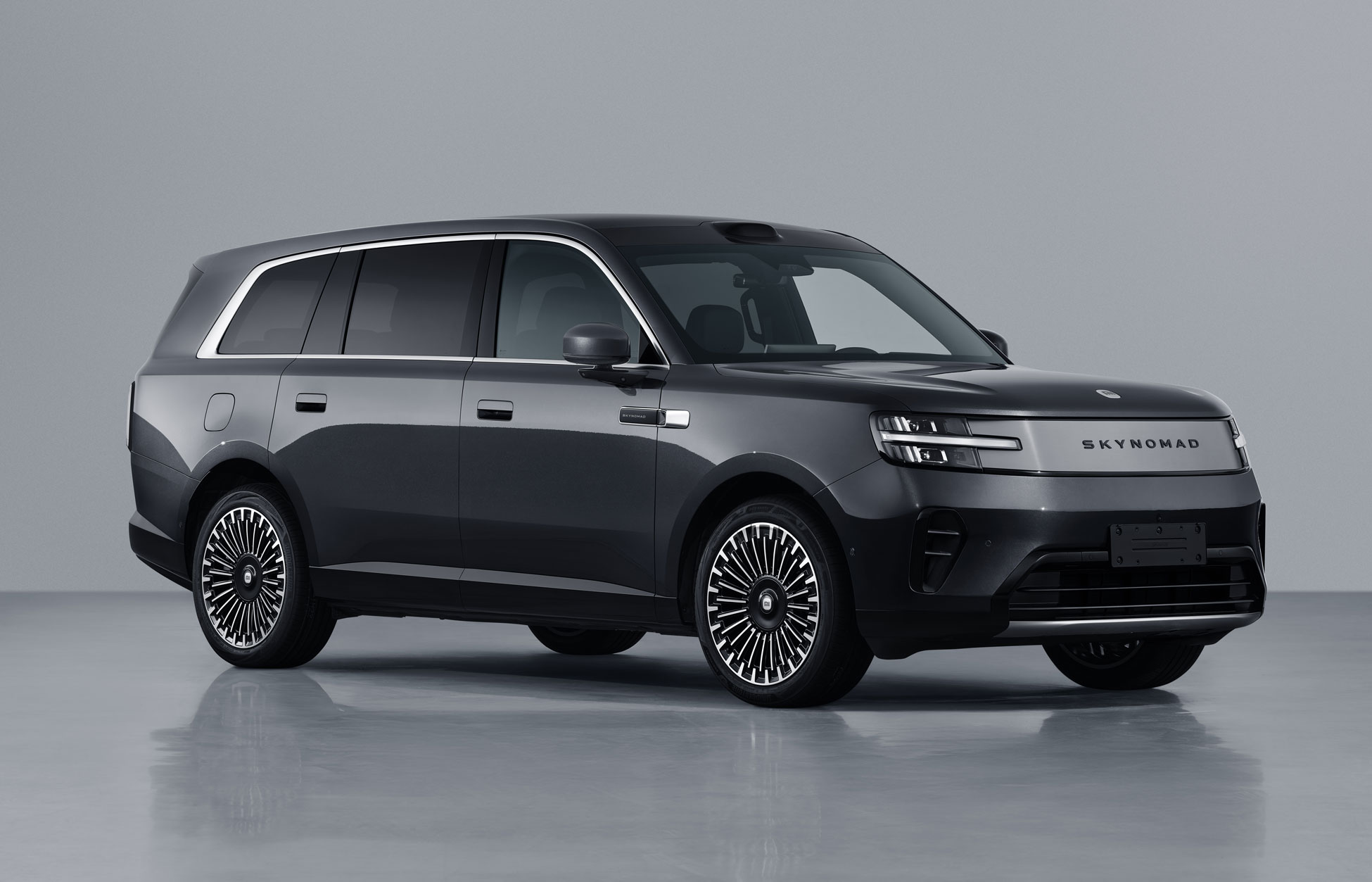
(Image Source: MIIT)
Xiaomi's SU7 and YU7 series, known for their large batteries and advanced electronic control technology, offer a pure electric range exceeding 600 kilometers under CLTC conditions, with long-range versions surpassing 800 kilometers. However, factors like weather and road conditions can affect actual range, leading Xiaomi fans to eagerly anticipate a hybrid model.
The arrival of the Pengcheng N90 and N70 series meets this demand. Whether these models can replicate the success of the SU7 and YU7 remains to be seen.
Many attribute Xiaomi's automotive success to Lei Jun's popularity and Xiaomi's marketing prowess. However, in the view of Dianchetong (ID: dianchetong233), Xiaomi's outstanding exterior design is also a key factor. Since the launch of the Xiaomi SU7, many sedans from other automakers have shown traces of its design influence.
The boxy and imposing design style of the Pengcheng N90 and N70, however, differs significantly from that of the SU7 and YU7, and may not meet the expectations of Xiaomi fans. It's important to note that Pengcheng is not a sub-brand of Xiaomi Auto but a new series under the Xiaomi brand, similar to Xpeng's MONA.
Considering that many Xiaomi fans are now starting families, they may prioritize space and comfort over sportiness. Dianchetong remains optimistic about the Pengcheng N90 and N70, as their traditional SUV design with spacious interiors and extended-range powertrains gives them the potential to replicate the sales success of the YU7.
As the world's top-selling new energy vehicle automaker, BYD boasts a vast lineup across five brands, with multiple new models launched every month. This month, models such as the Tang EV, Song Pro, Seagull, Tengshi N8L, Tengshi Z9S, Fangchengbao Titan 7, and Yuan UP have completed their launches. However, Dianchetong (ID: dianchetong233) is most intrigued by the entry of the Fangchengbao Shark pickup truck into the domestic market.
This vehicle has already been launched overseas, where its low energy consumption, 5.7-second sprint to 100 km/h, strong intelligence, and high practicality helped it achieve sales of around 40,000 units in 2025.
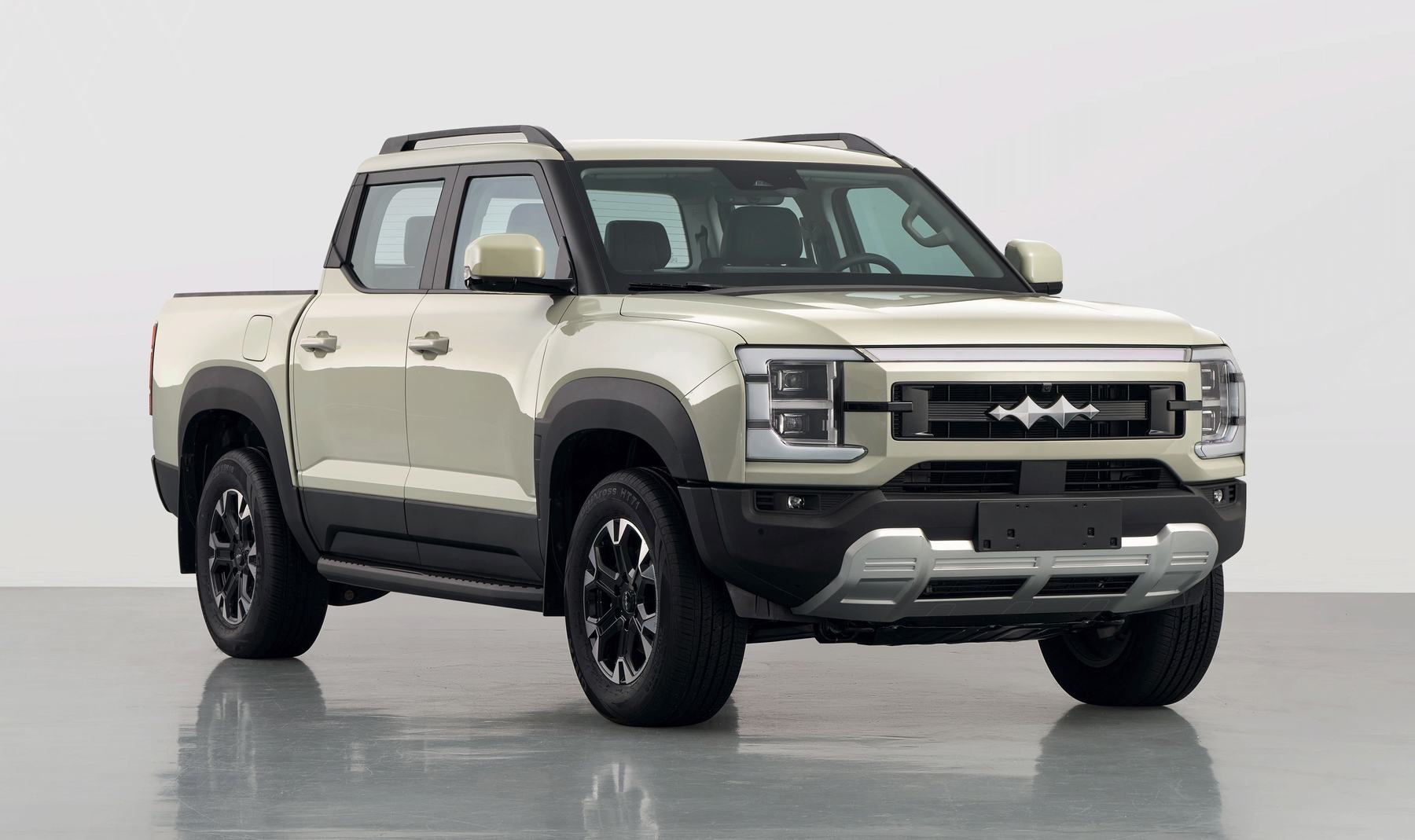
(Image Source: MIIT)
In the first half of this year, BYD delivered 1,808,511 new vehicles, a year-on-year decrease of 15.72%. Maintaining last year's sales volume is already a challenge, let alone achieving growth. Routine upgrades of models under the Dynasty, Ocean, Fangchengbao, and Tengshi brands are unlikely to reverse the situation, so BYD needs the Fangchengbao Shark to explore new markets.
According to the China Passenger Car Association, domestic pickup truck sales totaled 589,000 units in 2025, up 11.8% year-on-year. Great Wall leads the market, followed by brands like JAC, Changan, SAIC Maxus, Jiangling, and Nissan. With its brand strength and new energy technology advantages, BYD's Fangchengbao Shark has the potential to capture a market share close to Great Wall's in the pickup truck segment.
This relatively small market has few strong players, giving BYD a good opportunity to seize share from other automakers and boost its annual new vehicle sales.
Additionally, in recent years, China has been piloting the relaxation of pickup truck scrappage age limits. Regions such as Henan, Hebei, Yunnan, Hubei, Liaoning, and Shandong have gradually abolished the 15-year mandatory scrappage rule, benefiting the development of the pickup truck industry. If mandatory scrappage age and mileage limits are lifted, pickups, with their greater practicality than passenger vehicles, could see significant sales growth.
Li Auto, which started with extended-range powertrains, may now pin its hopes for profitability on pure electric vehicles this year. In recent months, sales of Li Auto's L-series models have been far below their peak, while the pure electric i6 has consistently sold over 20,000 units per month.
The reason is that as the range of pure electric vehicles increases and the charging ecosystem improves, the "no range anxiety" advantage of extended-range vehicles is diminishing, while the low operating cost advantage of pure electric vehicles is becoming more apparent.
Now, the pure electric flagship i9, positioned against the L9, has finally completed its launch and is expected to be launched in the third quarter. The vehicle measures 5225/1970/1752mm with a wheelbase of 3168mm and is powered by dual motors (150kW + 250kW). It adopts the same design language as the Li Auto i6 and i8, featuring a short front end, low-slung wedge-shaped body, steeply sloping rear D-pillar, and roof spoiler, offering both practicality and excellent aerodynamics.
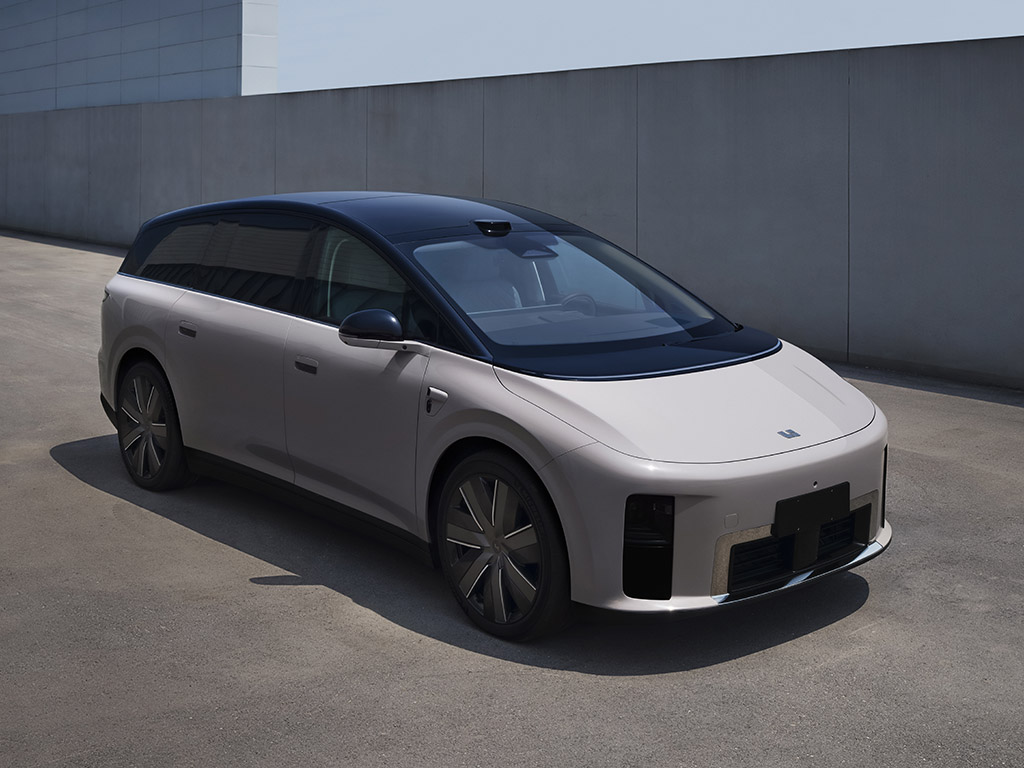
(Image Source: MIIT)
However, Dianchetong remains skeptical about the sales prospects of this model. High sales of the i6 do not necessarily mean all Li Auto pure electric vehicles will sell well. In fact, monthly deliveries of the i8 hover around 2,000 units. Whether the more expensive i9 can achieve higher sales than the i8 remains to be seen in the market. Of course, regardless of the i9's sales performance, Li Auto's focus on pure electric vehicles and its effort to improve its product lineup is a sound strategy.
In the first half of this year, Xiangjie Auto sold 21,000 units, up 119.58% year-on-year. While still lagging behind leading brands, it has established a foothold in the luxury market. Building on this momentum, BAIC has launched the luxury MPV model Xiangjie V8 this month.
The vehicle measures 5335/2005/1805 (1825)mm with a wheelbase of 3250mm and is available in two versions: a 1.5T extended-range version and a pure electric version. Each powertrain is further divided into a rear-wheel-drive version with a 227kW motor and a four-wheel-drive version with dual motors (160kW + 227kW).
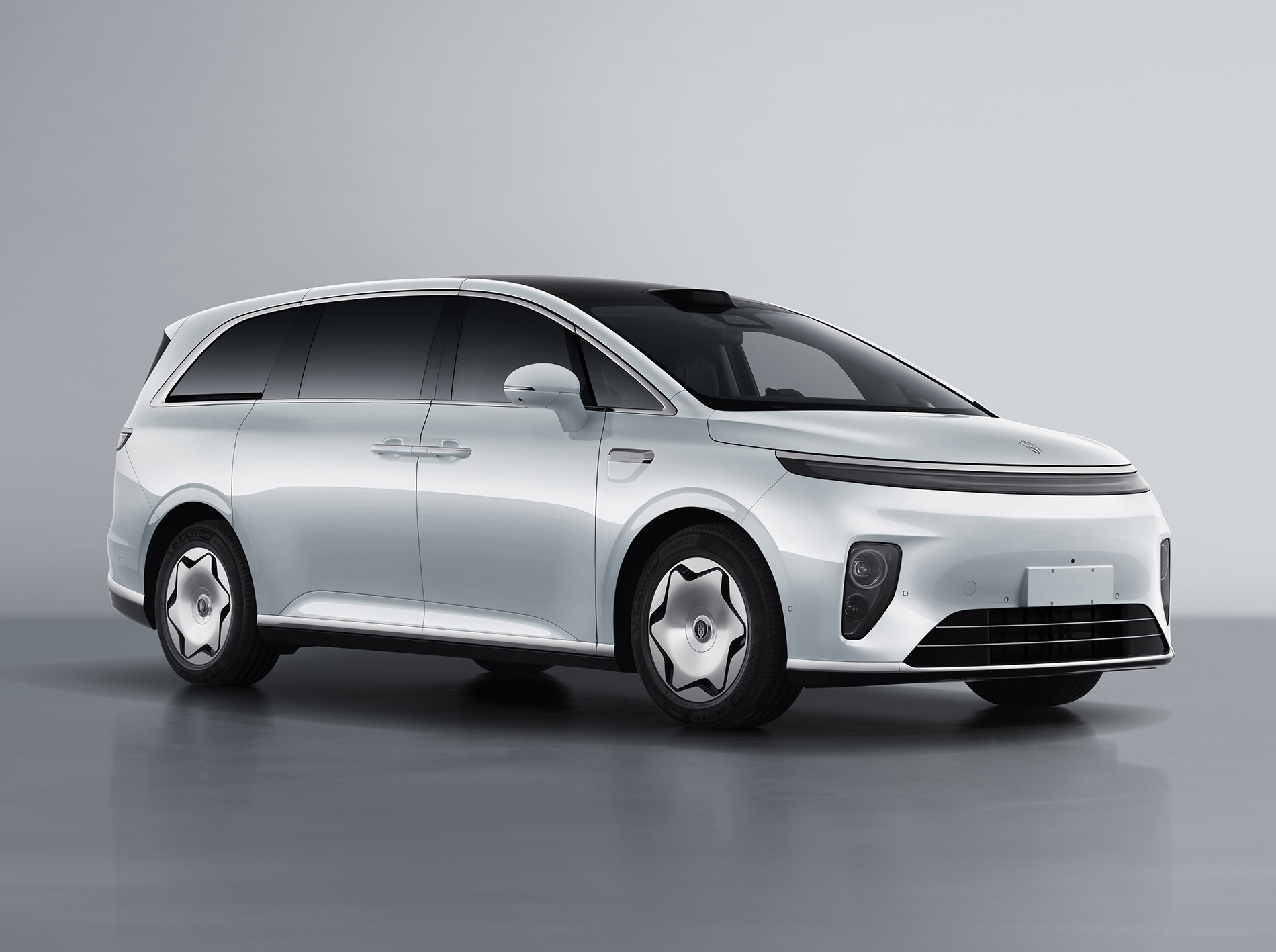
(Image Source: MIIT)
Further details about the vehicle's configuration are yet to be disclosed, but judging by its name, the Xiangjie V8 is positioned below the Zhijie V9 and may be priced 50,000 to 100,000 yuan lower.
Dianchetong (ID: dianchetong233) believes that the Zhijie V9's streamlined home-oriented design, 5.3-meter seven-seat body, rear-wheel steering, and Huawei ADS 5.0 advanced intelligent driving address three major pain points of traditional MPVs: clunkiness, weak intelligence, and limited powertrain options.
However, constrained by its body shape and hardware costs, it has shortcomings in cargo capacity, pricing, and exterior recognizability. Upon launch, it will divert home-use customers from models like the Tengshi D9 and Li Auto MEGA and is poised to become a key competitor in the 300,000 to 400,000 yuan segment market but is unlikely to achieve cross-segment popularity.
As Chinese automakers expand globally, many overseas brands have recognized the strength of Chinese companies and are choosing to enhance their product competitiveness by leveraging Chinese partnerships. Previously, Volkswagen collaborated with Chinese automaker Xpeng to jointly develop the Zhongyu 08 model, and now the two companies have completed the launch for the Zhongyu 09.
The Zhongyu 09 measures 5018/1980/1509 (1526)mm with a wheelbase of 3030mm and is available in two versions: a 230kW single-motor rear-wheel-drive and a 140kW + 230kW dual-motor four-wheel-drive.
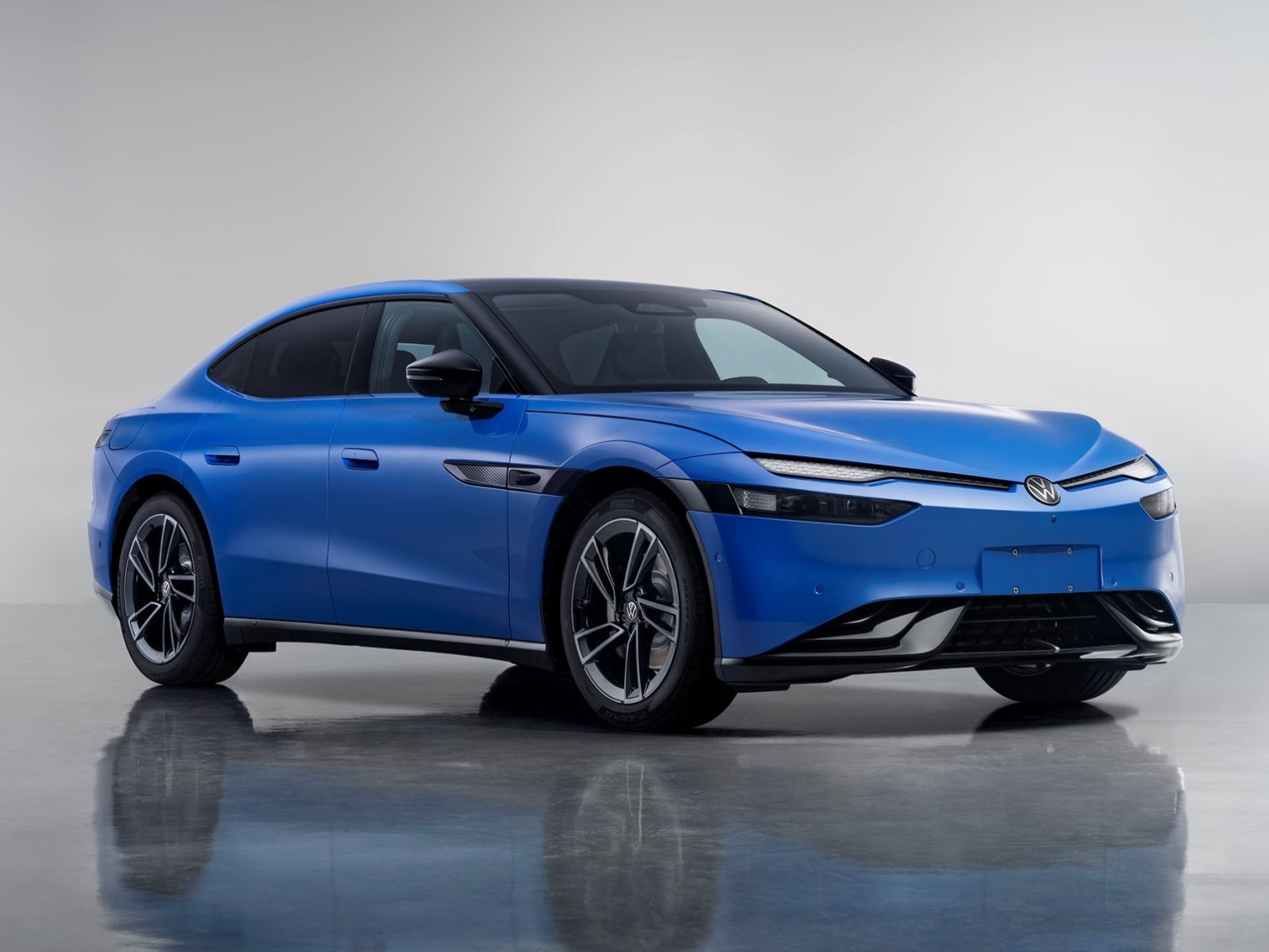
(Image Source: MIIT)
Based on Volkswagen's German chassis and vehicle quality control, the Zhongyu 09 incorporates Xpeng's electronic electrical architecture and end-to-end intelligent driving. Its 3030mm ultra-long wheelbase addresses the space limitations of coupes, making it a key model for Volkswagen's new energy and intelligent transformation. However, its core shortcomings include compromised headroom due to the sloping roofline, relatively high vehicle weight, all-lithium iron phosphate battery pack, and intense competition in its pricing segment. It is suitable for consumers who prioritize driving quality and brand while seeking a balance between home use and intelligence.
Considering the poor sales of the Zhongyu 06 and 07, and the mediocre performance of the Zhongyu 08 despite Xpeng's support, the Zhongyu 09 must carefully consider its pricing; otherwise, it is unlikely to become a hit. Dianchetong (ID: dianchetong233) believes that the vehicle's price should not exceed that of the Xpeng P7, as consumers would likely prefer the original Xpeng P7 over the Zhongyu 09, which only shares Xpeng's DNA.
As the peak sales seasons of "Golden September Silver October" approach, competition in China's new energy vehicle market continues to intensify, with growth opportunities narrowing. These factors are forcing automakers to diversify beyond single segments and leverage their strengths to carve out differentiated paths. The new models launched this month mark the next phase of development for major automakers.
Li Auto is abandoning its sole reliance on extended-range technology to fully commit to the pure electric segment, launching the flagship i9 to improve its pure electric product lineup and meet the demand for low-cost pure electric travel among family users now that the charging ecosystem is well-established. Xiaomi is seizing the opportunity to launch the Pengcheng series of extended-range SUVs, filling the gap in its lineup for hybrid models and targeting family users' needs for long-distance travel with spacious vehicles, attempting to replicate its sedan market success.
Facing a sales decline in the first half of the year, BYD is pinning its hopes on the Fangchengbao Shark pickup truck to open up new growth opportunities. Leveraging its new energy technology advantages, BYD aims to enter the expanding pickup truck market and capture share from traditional brands like Great Wall, taking advantage of relaxed pickup truck policies. Xiangjie, on the other hand, is targeting the 300,000 to 400,000 yuan home-use MPV market with the V8, offering both extended-range and pure electric powertrains paired with Huawei's full suite of intelligent systems, creating a new home-use segment beyond mainstream business MPVs.
Joint venture brands are choosing technological cooperation to address their shortcomings. Volkswagen and Xpeng have jointly launched the Zhongyu 09, which combines German chassis tuning with Xpeng's 800V platform and end-to-end intelligent driving, solving the long-standing issue of outdated intelligence in joint venture models. However, given the poor sales of previous models, pricing will be critical to its success.
Overall, the era of rapid industry growth is over, and relying solely on model iterations and price cuts is no longer sufficient to stabilize sales. Domestic automakers are either diving into niche markets or improving their powertrain offerings, while overseas brands are leveraging local technologies to transform. Securing a foothold in key segments, mastering core technologies, and precise positioning will be the decisive factors for automakers competing for market share in the second half of the year.
Xiaomi, BYD, Huawei, Xpeng, Li Auto
Source: Leikeji
All images in this article are from the 123RF licensed image library. Source: Leikeji
-
![]()
120,000 Layoffs in Silicon Valley Due to AI
-
![]()
Volkswagen Group to Slash Model Range by Half, Cut 1 Million Units of Production Capacity in China and Europe
-
![]()
World Models 101: Fundamentals, Technical Debates, and Scientific Frontiers
-
Polibeli, Xingyun Technology’s Affiliate, Partners with Amazon AWS to Boost Computing Power in Southeast Asia
-
![]()
Computing Power Infrastructure: Sudden Pause or Strategic Shift?
-
![]()
Zhipu Unveils 'Touch High' Initiative: Prioritizing Long-Term AGI Advancement Over Immediate Monetization
-
![]()
July "MIIT Auto Show" Unveils Major News: BYD Shark Pickup Makes Debut, Xiaomi Pengcheng Releases Official Images
-
![]()
Who is the Imaging King Among 26-Year-Olds? A Head-to-Head Comparison of MiOV's Top Three Ultra Flagships: The Results Will Astound You