Tesla is 'moonlighting' once more: Stealthily built a driverless car in Texas that allows wheelchairs to roll right in
 07/20 2026
 356
356
Introduction
On July 13, during a hearing held by the Washington, D.C. City Council, an unexpected testimony came to light.
India Hedman, Tesla's Senior Policy Advisor, addressed the legislators with a straightforward statement: 'We are in the process of developing an autonomous vehicle tailored specifically for wheelchair passengers.'
'Accessible transportation services are frequently inconvenient, yet individuals who rely on wheelchairs for the long term also deserve the freedom to travel independently. That's precisely why we're undertaking this project in Texas.'
This revelation indicates that the world's most talked-about automotive company is working on a genuinely wheelchair-accessible autonomous vehicle in Texas.
Driverless Car Insights (WeChat ID: DriverlessCarInsights) is here to delve into this topic with everyone!
(For more in-depth reading, click: 'Tesla's Driverless Car: Finally Letting Employees Test Ride, But Only Within the Factory Zone')
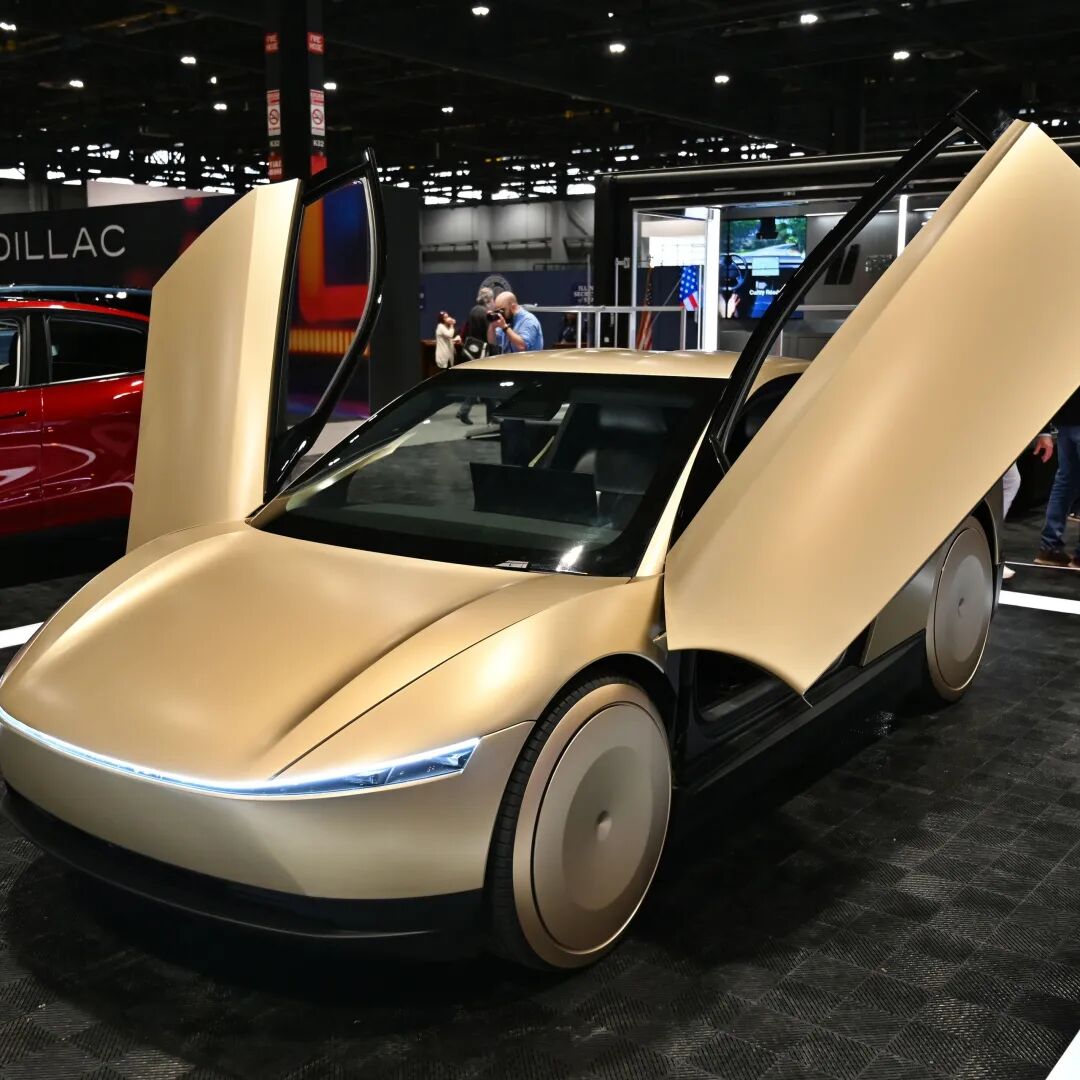
Image Source: Wired
I. Current Situation: Traveling as a Wheelchair User: A Daily Struggle
In the United States, approximately 5.5 million individuals rely on wheelchairs or other mobility aids. However, for these people, 'going out' is far from a simple task.
Existing accessible transportation services, known in the industry as 'paratransit,' often necessitate reservations at least a day in advance.
Even with a reservation, timely arrival is not guaranteed, and boarding may not be a smooth process.
Studies have shown that such services can turn a 15-minute journey into a two-hour ordeal.
If you're a wheelchair user hailing an Uber or Lyft, uncertainties abound: Will the driver refuse the ride? Will they assist with stowing the wheelchair, or will they find it cumbersome?
As for autonomous taxis, industry leader Waymo does have wheelchair-accessible vehicles in its fleet, but none are equipped with automatic wheelchair securing systems. This means wheelchair users cannot use Waymo independently.
At the same hearing, Waymo's policy head acknowledged that they 'have yet to find a vehicle platform that fully accommodates wheelchairs while meeting technical modification requirements.'
General Motors' Cruise unveiled a wheelchair-accessible prototype in 2023 but suspended all operations due to safety incidents.
Another company, May Mobility, offers accessible services but still requires human operators to deploy ramps.
No player in the industry currently provides a fully autonomous, fleet-wide wheelchair-accessible service.
II. From Braille Buttons to Direct Wheelchair Entry: Cybercab is a Starting Point, Not the Final Destination
Tesla didn't embark on this journey from scratch.
Just a week before the hearing, Tesla's Cybercab made its debut at the annual convention of the American Council of the Blind.
This two-seater driverless car, devoid of a steering wheel or pedals, showcased a range of accessible designs: Braille labels on physical buttons, dedicated space for guide dogs and assistive devices, and seat height aligned with wheelchairs to facilitate easy transfers.
A mother shared on social media: 'My 34-year-old son has undergone eight brain surgeries and has permanent vision damage. He'll never be able to drive. When he learned that Cybercab would be an accessible option for him, he was overjoyed—it's a freedom he never dared to imagine.'
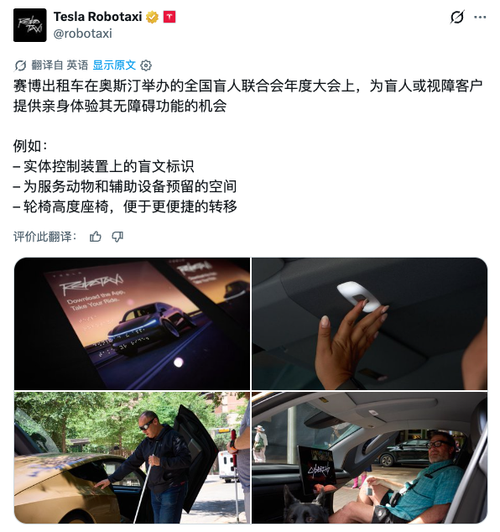
Image Source: IT168
However, the Cybercab remains a 'transfer-based' design, requiring passengers to move from their wheelchairs to the seats. For many wheelchair users, this movement itself poses the greatest barrier.
What Hedman confirmed at the hearing is the development of another vehicle—a driverless car 'specifically built for wheelchair passengers.'
This is a car where wheelchairs can roll in directly, secure in place, and then depart.
III. The Answer Might Lie in Robovan
In October 2024, Tesla showcased the Robovan, a large autonomous van at its 'We, Robot' event, capable of carrying 20 passengers or transporting goods. It features a flat floor, spacious cabin, and no driver's seat.
This presents the ideal platform for installing wheelchair ramps and securing systems.
Every existing accessible taxi is based on a similar van platform.
Outside speculation is rife that the 'product actively being developed in Texas' mentioned by Hedman is likely an accessible version of the Robovan.
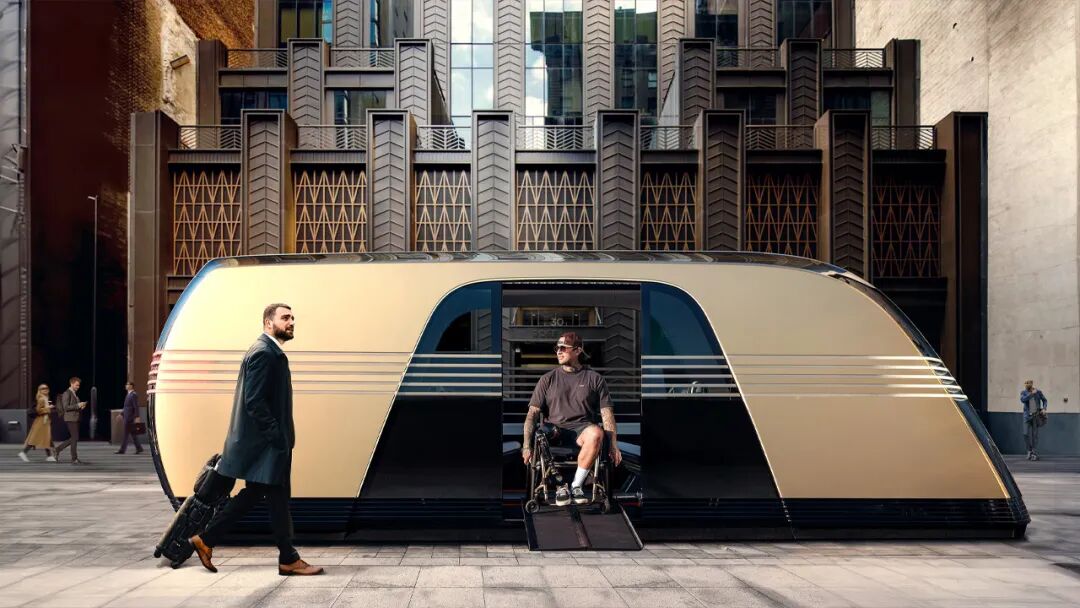
Image Source: Electrify.tw
Reports suggest that the Robovan will feature an air suspension system to lower the vehicle's height, wide sliding doors, and a retractable ramp for direct wheelchair access.
The flat interior floor design can accommodate multiple wheelchair passengers simultaneously.
Of course, Hedman did not confirm the specific model.
Electrek's commentary was blunt: 'This could be a genuinely new vehicle or just the Robovan with a new label, something to tell a friendly group of legislators.'
IV. The Unfinished Journey: Timeline, Trust, and Commitment
The news is exciting, but the reality remains sobering.
Hedman did not provide a timeline. Given Tesla's typical pace, the journey from announcement to mass production often spans years.
More critically, trust is at stake. The bill Tesla is promoting in Washington would allow driverless taxis to operate in the District.
If Tesla wants to capture this market, it must meet basic accessible transportation requirements. Otherwise, it risks violating the Americans with Disabilities Act.
Last fall, Musk responded to a user's post about accessible transportation on X (formerly Twitter) with a single word: 'Absolutely.'
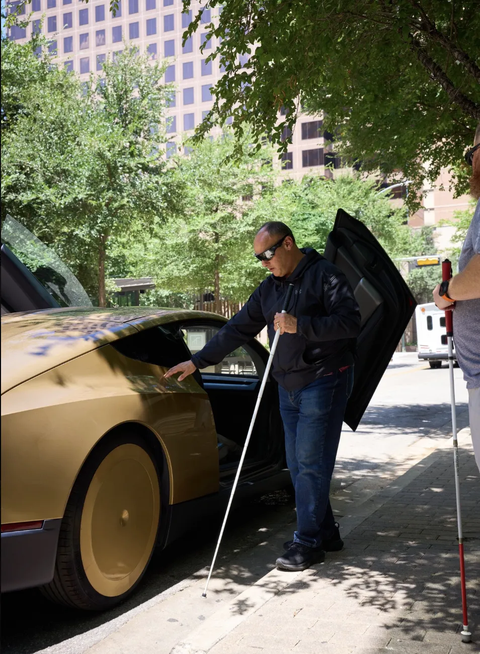
Image Source: Tesla Shanghai Waigaoqiao Center
Now, that promise is being transformed into a real product.
A driverless car that allows wheelchairs to roll straight in means that someone confined at home for years can venture out again, someone needing dialysis three times a week no longer has to worry about transportation, and someone in a wheelchair can finally go wherever they want, just like everyone else.
This isn't just about showcasing autonomous driving technology; it's about the warmth and inclusivity that technology should embody.
In summary, Driverless Car Insights (WeChat ID: DriverlessCarInsights) believes:
From Braille buttons to direct wheelchair entry, from 'transfer' to 'direct access,' Tesla's accessible driverless cars are restoring 'travel freedom' to every individual confined to a wheelchair.
The road ahead is long, but the direction is unmistakably right.
What do you think? References: Modern Logistics Daily, TechWeb.com.cn, Neolix Official WeChat, Phoenix Technology, and other media reports
#DriverlessCarInsights #AutonomousDriving #SelfDrivingCars #DriverlessVehicles
-
Observation of AI Business Models: From Token-Based Payment to Outcome-Based Payment
-
Observations on AI Business Models: From Token-Based Payment to Outcome-Based Payment
-
SpaceX Market Insight: The $1 Trillion 'Fireworks' Fizzle Out, Marking the Start of the Super IPO Gamble
-
![]()
Car Prices on the Rise: Is It Wise to Postpone Your Purchase?
-
![]()
Foxconn's Electric Vehicle Venture Hits a Snag
-
![]()
How Did They Open the Door to Europe by Attacking the Century-Old Stronghold of the Automotive Industry?
-
![]()
Qwen Still Shows Hesitation
-
![]()
Qwen: Still a Bit Short on Confidence