How Did They Open the Door to Europe by Attacking the Century-Old Stronghold of the Automotive Industry?
 07/21 2026
 349
349
Lead-in
Introduction
This journey has been fraught with difficulties, pain, anxiety, and waiting, but it is the inevitable path for Chinese automobiles to transition from a major producer to a global powerhouse.
In 2026, the European auto market will reach a historic turning point. This birthplace of the automobile is being reshaped by a group of Chinese automotive brands, creating a new landscape and order.
Monthly data released by the European Automobile Manufacturers Association clearly documents these changes. In May, Chinese brands officially surpassed Japanese automakers in new car sales in the local market, capturing a 12.01% market share and setting a new industry record.
According to industry calculations, in the first half of 2026, Chinese automakers will officially overtake Japanese rivals in Europe, marking a milestone revolution in global automotive competition in this market with annual sales of over ten million vehicles.
Over the past half month, two Chinese automotive brands have held major events in Europe, seen as typical examples of China's strong offensive in the region. These events also reflect the shared thinking and distinct paths of Chinese automakers in their European expansion.
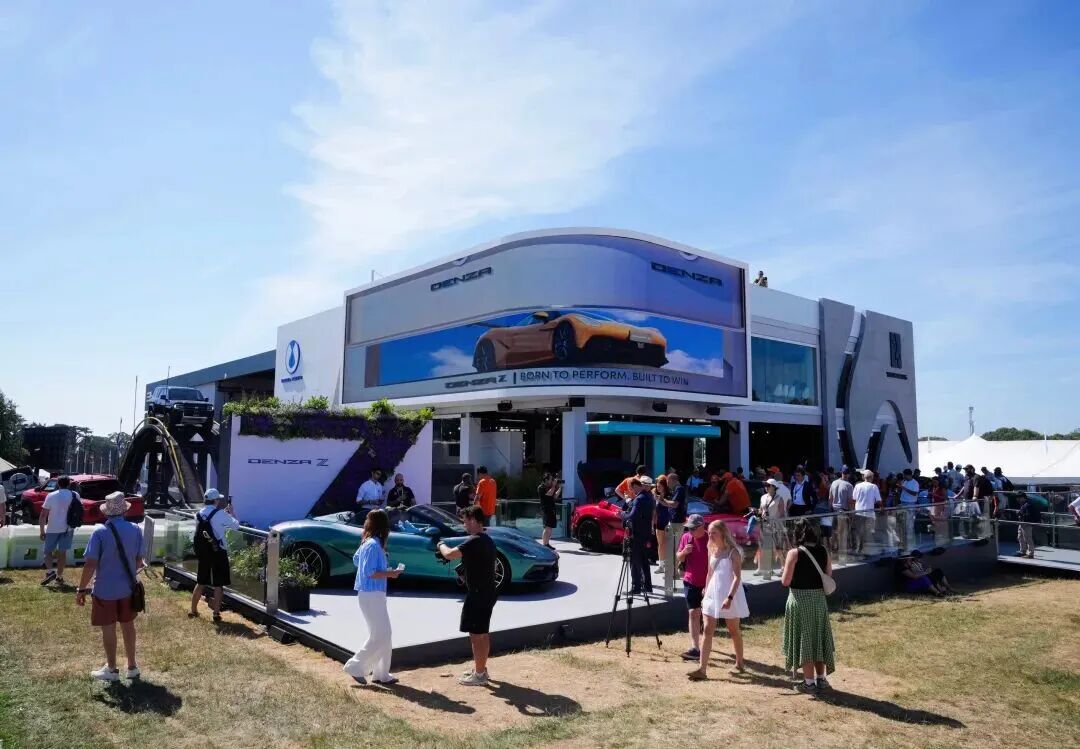
At the Goodwood Festival of Speed, the Tengshi Z made its global debut, priced at £142,900, directly competing with the Porsche 911. This top-tier event, traditionally reserved for Ferrari, Lamborghini, Porsche, and other European luxury brands, welcomed its first high-performance product from a Chinese brand for the first time. The orders and buzz generated on-site shattered long-held perceptions.
Meanwhile, in Munich, Germany, XPENG Motors unveiled its "In Europe, For Europe" strategy and introduced its first model specifically designed for the global market, the MONA L03. Choosing the birthplace of the automotive industry for its global launch is no coincidence. This new energy brand is actively entering the heartland of German luxury brands, targeting the core of Europe's automotive industry.
One is a traditional automotive leader, and the other is a new energy pioneer known for intelligence. These two seemingly independent industry events point to a clear common theme: Chinese brands are advancing into the European market with deeper and more systematic strategic layouts.
Despite the EU's continuous introduction of various trade restrictions and local automakers lobbying the government to erect multiple market barriers, Chinese automotive brands are gaining momentum in this mature premium market, thanks to their complete domestic new energy supply chains and generational technological advantages in intelligence.
01 Deep Cultivation: A Decade-Long Foundation
While there may be shortcuts to car manufacturing, truly succeeding in a highly mature market—achieving sales, survival, and upward momentum—requires no short-term miracles. Chinese automakers that have gained a foothold in Europe have all invested years, even over a decade, in industrial preparation and quiet accumulation.
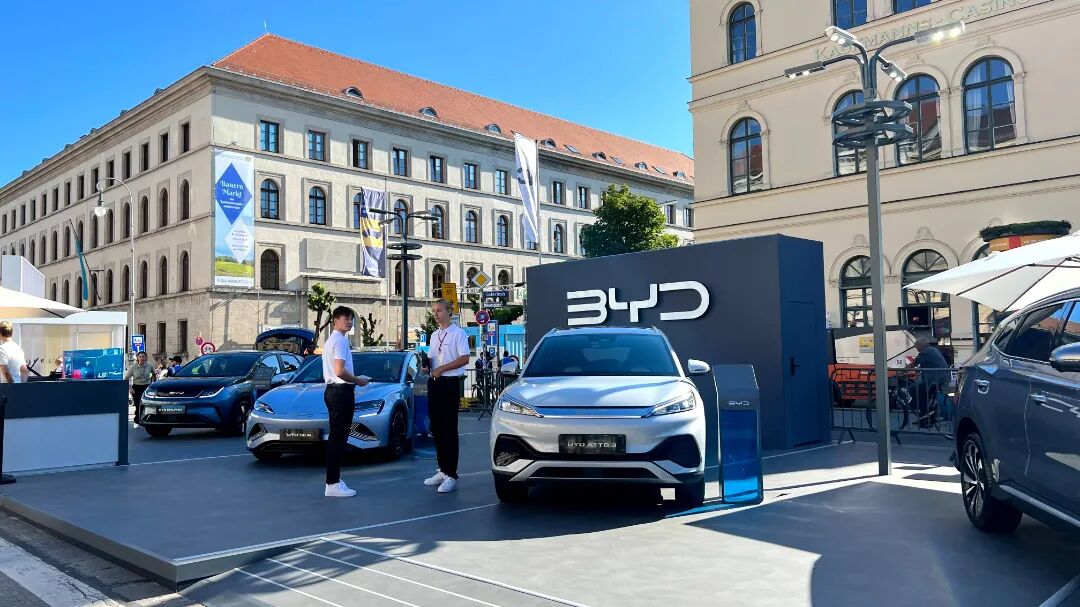
BYD's approach in the UK exemplifies how Chinese brands are deeply penetrating Europe. While BYD passenger cars officially entered the UK market only in 2023, with just over a thousand units delivered that year, seemingly insignificant, deliveries surged to 8,788 units in 2024 and exploded to over 50,000 units in 2025.
In the first four months of 2026, BYD's new pure electric vehicle registrations reached 12,754 units, with a market share exceeding seven percent, surpassing Tesla, BMW, and Volkswagen to top the UK's pure electric market. The total number of local users surpassed 100,000 in the first half of the year.
For a new automotive brand to achieve such a counterattack at the doorstep of European "powers"—a three-year, three-stage leap—is merely the high-profile moment widely noticed by the outside world. However, in the decade prior, BYD had been quietly cultivating and preparing.
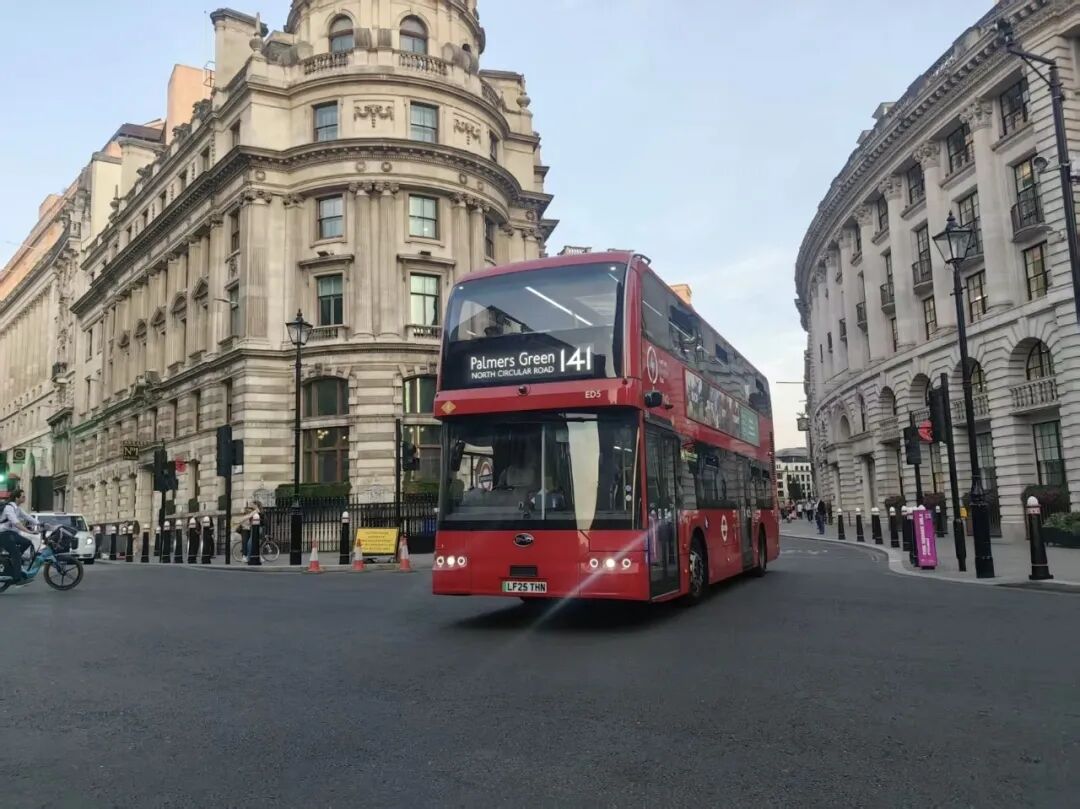
BYD's business layout (layout) in the UK began as early as 2013. Instead of rushing to introduce passenger car models, BYD first focused on electric buses and energy storage.
In 2015, double-decker electric buses rolled onto London's streets, with BYD partnering with local bodybuilder Alexander Dennis for divided production. BYD provided mature chassis, while local companies handled final assembly, fully complying with UK public transportation regulations. By 2026, over 2,750 BYD buses operated locally, with double-decker models holding a stable 45% market share. Large-scale energy storage projects with a total installed capacity of 2.5 GWh were deeply integrated into the UK's power grid dispatch system, making BYD a household name in the UK.
Another independent brand, Geely, while not as eye-catching as BYD in data, also shows strong momentum in the UK and Europe. In the first half of this year, Geely sold 6,497 vehicles in the UK, making it the largest single-country market in Europe at present.
Similar to BYD's efforts, Geely's success in the UK and Europe stems from over a decade of comprehensive layout (layout) in the British and European markets.
Geely's journey began with a stake in British manufacturer LEVC (London Electric Vehicle Company) in 2006, followed by the acquisition of Volvo in 2010, full acquisition of LEVC in 2013, and a controlling stake in Lotus Cars in 2017. Subsequent investments in Aston Martin and Mercedes-Benz all laid the groundwork for Chinese automakers' expansion into Europe.
Leveraging London's century-old black cab channels, Coventry's new energy factory, and local R&D centers, Geely established an early industrial foothold. Combined with Volvo's mature European after-sales network and local government and business resources, Geely laid a solid foundation for compliance, supply chains, and localized operations for its passenger cars, avoiding the high costs and long cycles of starting from scratch like most Chinese brands.
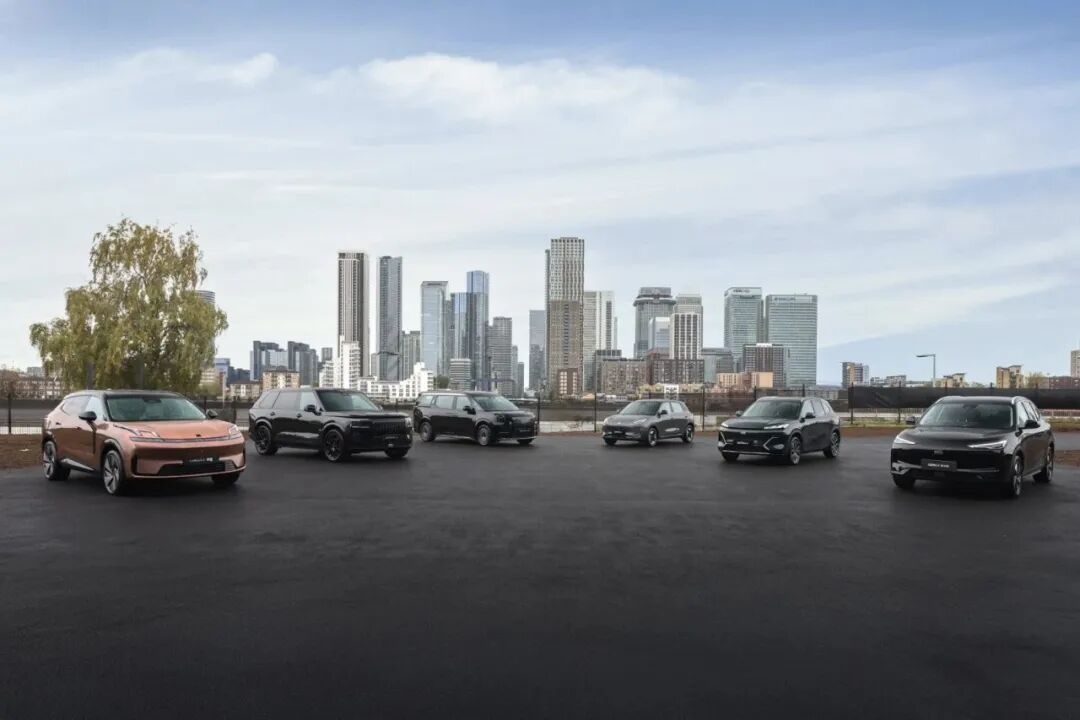
Meanwhile, Volvo's safety standards, tuning by British Lotus engineering teams, and E-NCAP certification provided authoritative technical endorsements for Geely models, continuously reinforcing Geely's brand image of "deep cultivation in Europe and respect for local industry," dispelling overseas brand biases.
Similarly, Chery and MG also underwent long pre-expansion periods in Europe. Chery began setting up CKD factories a decade ago, proactively adapting to EU emissions and safety regulations. Despite modest early sales, they persisted in investing in after-sales parts warehouses and local training systems, enduring the toughest cultivation phase in overseas markets.
The MG brand, with its British automotive heritage, did not need to build local awareness from scratch. Leveraging existing model assets and historical reputation, MG quickly expanded its channels, relying on affordable pricing and a mature dealership network to continuously grow its user base, becoming one of the first Chinese brands to achieve scaling (scaled) sales in Europe.
All these cases point to the same underlying logic: the European market is not conducive to "quick" battles. Any long-term vision requires years of advance preparation in industry, channels, and government-business relations to secure a ticket for sustained operations. Facts have proven that several automakers have now successfully navigated this path. In the first half of this year, Chinese automotive brands, including Chery, BYD, and Geely, sold a total of 183,000 new vehicles, surging by 110.1% year-on-year and accounting for 16.1% of total new vehicle sales in the UK, with market share increasing by 7.7 percentage points.
02 Paths: From Systems to People
Each Chinese automaker advancing into Europe has carved out a differentiated route based on its industrial DNA.
For example, BYD adopted an energy ecosystem-first approach, using public transportation and energy storage B2B businesses as pioneers to build regional energy closed loops before introducing passenger car models. Simultaneously, BYD deployed 3,000 flash-charging stations across Europe, equipped with integrated photovoltaic-storage-charging devices, connecting buses, energy storage, charging, and passenger cars into a complete industrial chain. Planning a local vehicle factory in Hungary, BYD used localized production to hedge against tariffs, forming a differentiated advantage difficult for peers to replicate with its complete energy system.
Geely, on the other hand, leveraged Volvo's existing European R&D, production, and channel assets, sharing vehicle platforms, safety standards, and local supply chains, while balancing high-end Volvo and mass-market Geely models. MG relied on its historical brand equity in the UK, directly inheriting existing commuter car users and rapidly expanding into the affordable market with a light-asset approach.
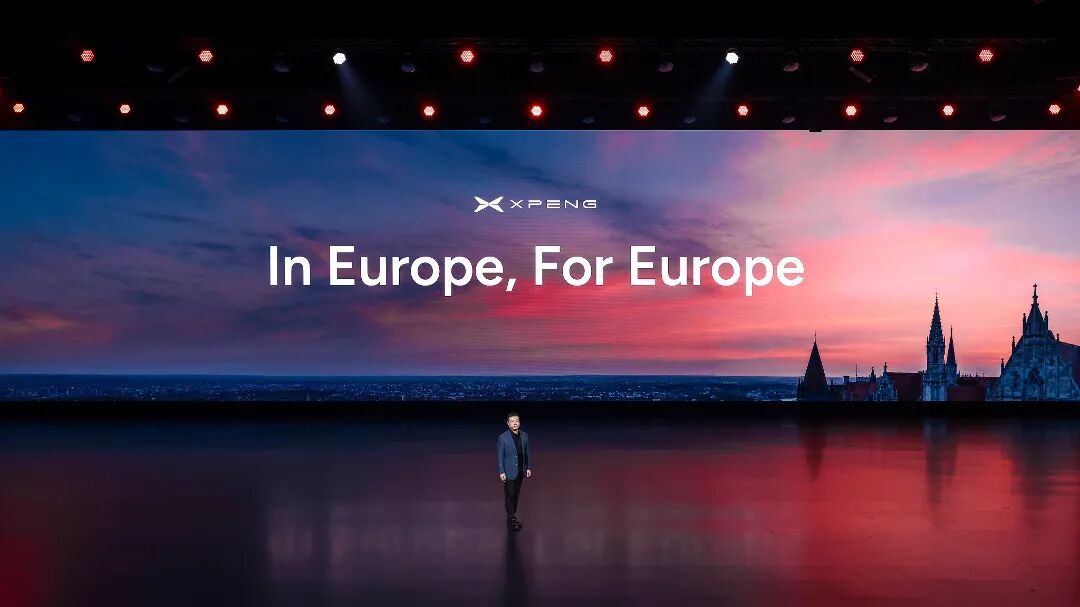
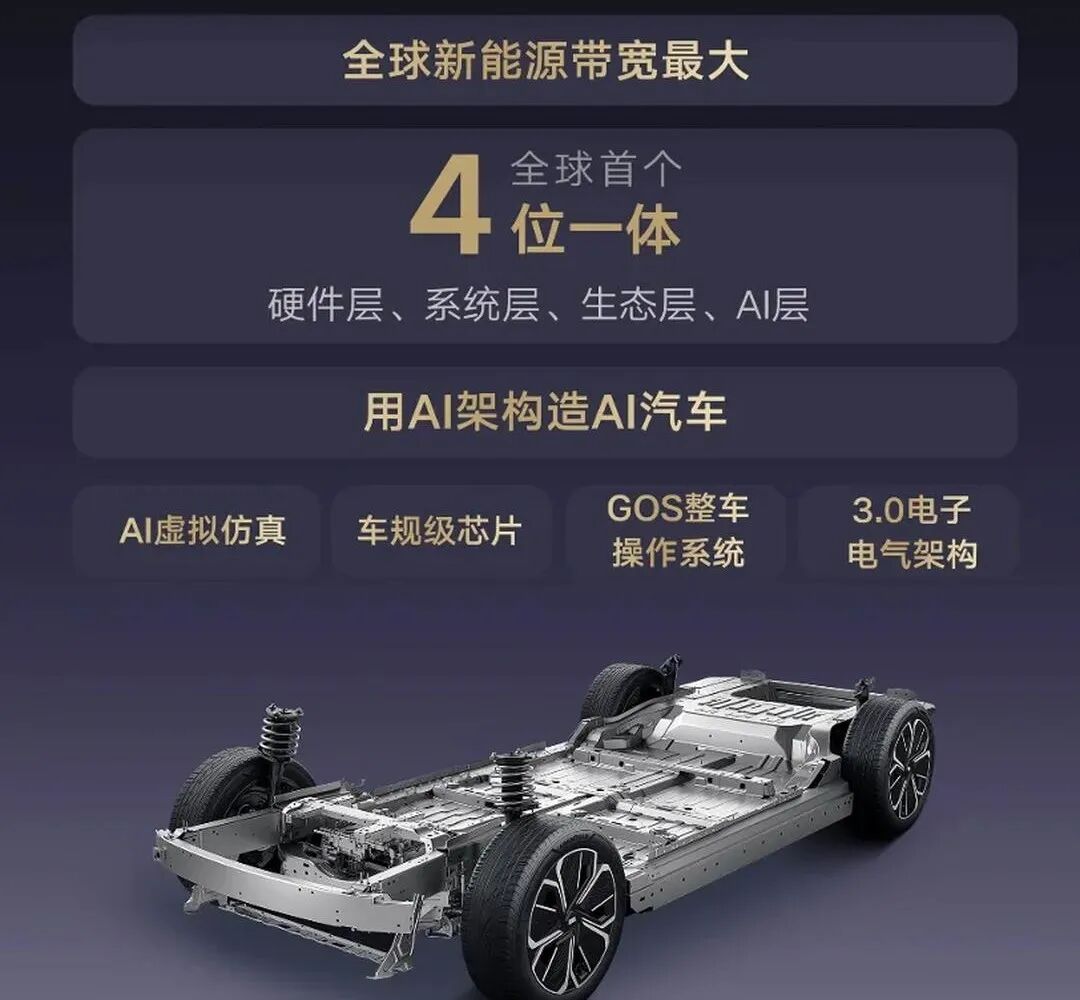
Among new energy brands, XPENG chose a native global AI route, launching its core strategy of "In Europe, For Europe." By establishing a European R&D center in Munich, XPENG introduced the MONA L03 globally synchronized model, with vehicle design, chassis tuning, and intelligent driving algorithms compliant with Chinese and European regulations. Leveraging a full-stack self-developed physical AI foundation, XPENG covers three major businesses: smart cars, humanoid robots, and flying cars. By 2028, it plans to operate 4,000 self-owned supercharging stations in Europe and establish an Austrian manufacturing base with Magna, localizing the entire chain from R&D to manufacturing and energy.
Leapmotor, adopting a light-asset route through giant partnerships, formed a joint venture with Stellantis, leveraging the group's thousands of European dealerships, mature factories, and parts logistics systems for rapid market entry. Leapmotor focuses on core technologies like whole vehicles and three-electric systems, while the partner handles sales, production, and after-sales, significantly reducing risks of heavy overseas asset investments. Localized production in Spain enables rapid coverage of over twenty European markets in a short time.
Behind these diverse paths, each company has built a system for European strategic implementation based on its strengths, enabling these brands to quickly achieve results in Europe. However, executing these strategies and systems also relies on human elements. In other words, the influx of personnel from traditional European automakers to Chinese brands has become a core factor supporting the rapid rise of Chinese brands locally.
Today, European automakers are comprehensively contracting. Volkswagen Group plans to cut 50,000 jobs by 2030, with potential global layoffs reaching 100,000 in the long term. Mercedes has initiated voluntary departures and business restructuring, with over 4,000 employees accepting severance packages. Porsche is also optimizing positions. With narrow promotion channels and rigid hierarchies in local automakers, many professionals with over a decade of experience in R&D, marketing, and quality assurance for luxury brands are flowing outward.
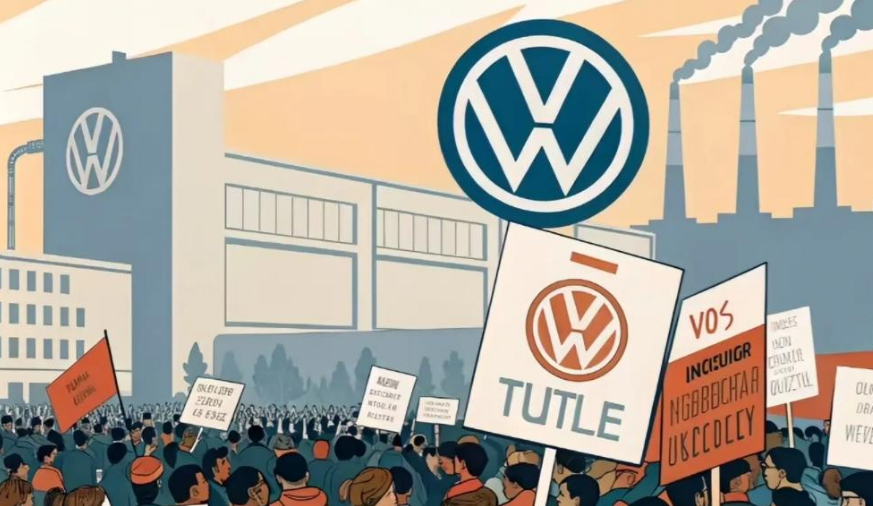
Salary potential, complete business decision-making power, and opportunities in new sectors are core incentives attracting talent from BBA (BMW, Benz, Audi). Consequently, Chinese automotive operational teams in Europe are now filled with employees from BBA.
Zeekr's European CEO boasts 23 years of global marketing experience at BMW. XPENG's German national manager and European R&D operations head both have extensive backgrounds in the BMW system. Brands like Xiaomi, Avatr, and NIO, yet to launch large-scale sales in Europe, have also established R&D centers in Munich, attracting local luxury designers and chassis engineers.
Undoubtedly, this local talent brings irreplaceable localized value, familiar with EU automotive regulations, local consumer preferences, and dealership operations. They can quickly bridge cultural gaps between Chinese and foreign teams, avoiding various pitfalls in overseas product adaptation and channel operations.
Simultaneously, the substantial local employment provided by Chinese automakers alleviates some of the job pressures from layoffs in the European automotive industry, fostering closer government-business communication and serving as a soft lever for brand integration locally.
03 Trust Dilemma: Why Choose You?
The trust barrier in the European automotive market is far more challenging to overcome than product barriers.
Established BBA and Volkswagen systems, deeply rooted for a century, have formed fixed channel rules, consumer perceptions, and residual value systems. For outsiders to gain a foothold, they must first overcome dealer hesitancy and end-user trust and anxiety.
As mentioned in the previous chapter, BYD and Geely's decade-plus of deep cultivation locally is one approach to addressing trust issues.
BYD leveraged a decade of bus operations to build government and business reputation, unlocking dealer resources. Its mature energy business demonstrated long-term operational intent to channels. Combined with a unified standardized 4S store operation system and a improve (comprehensive) used car circulation plan, partner dealer profitability continuously improved.
Meanwhile, a decade of heavy asset investments allowed BYD to establish stable collaborations with London municipal authorities and power grid enterprises, first building brand credibility in the B2B public market. When passenger cars entered the market, consumers and dealers naturally had one less layer of defense regarding "whether this foreign brand can operate long-term."
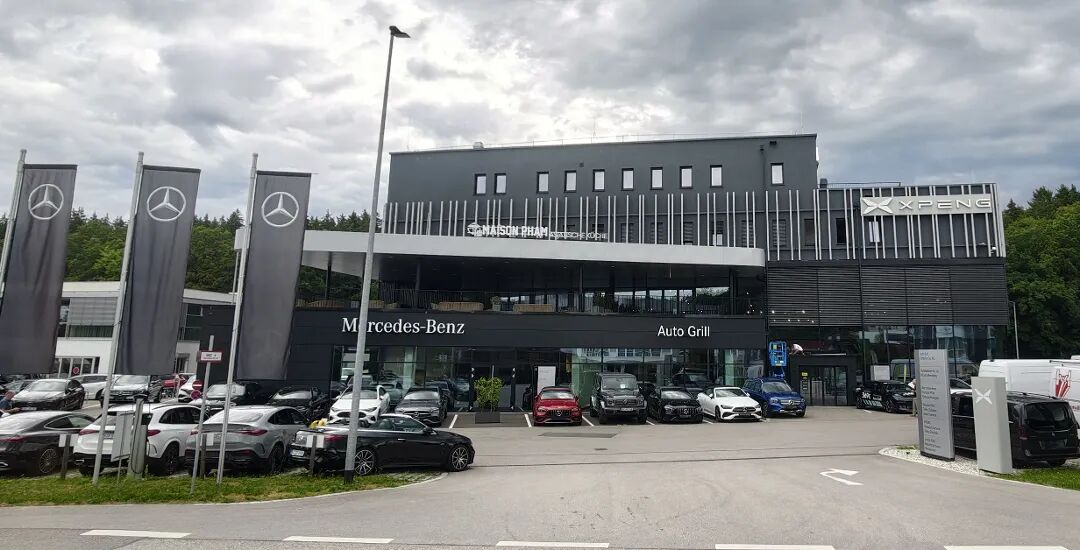
But for a newly entered European automotive brand, such as a new energy company like XPENG, how can it build trust with partners?
For all Chinese automakers entering Europe, dealer attitudes directly determine brand market survival rates. European channel partners, with decades of industry experience, have seen through the speculative models of overseas brands "testing the waters briefly and withdrawing quickly." Once a brand exits, all risks of inventory backlogs, after-sales disruptions, and parts shortages fall on the dealers. Thus, for a long time, the vast majority of local channel partners chose a conservative wait-and-see approach, unwilling to be the first collaborators for new brands.
To address these channel concerns, XPENG broke away from traditional go overseas (overseas expansion) models of direct sales, agency, or pure import, becoming the first Chinese new energy brand to implement a standardized dealer system in Germany. Its first signed dealer was the group that first represented BMW in Munich.
The biggest advantage of this model is its alignment with Germany's local automotive distribution rules, minimizing channel cooperation risks and embedding the concept of 'win-win' into the DNA of both partners.
'Only solid operational data can break the deadlock of channel hesitation.' Over the past five years, Qian Kai, Xpeng's Germany Country Manager, has deeply resonated with this sentiment.
The industry's average lead-to-order conversion rate has hovered at just 5%-6%. In contrast, Xpeng has consistently surpassed a 15% conversion rate in Germany over the past three months, doubling the industry benchmark. Nearly 50% of users who test-drive Xpeng vehicles ultimately place orders, meaning one out of every two test-drive customers completes a purchase.
'These numbers give dealers hope for representing this brand,' Qian said, noting that 90% of Xpeng's German dealers now outperform market expectations.
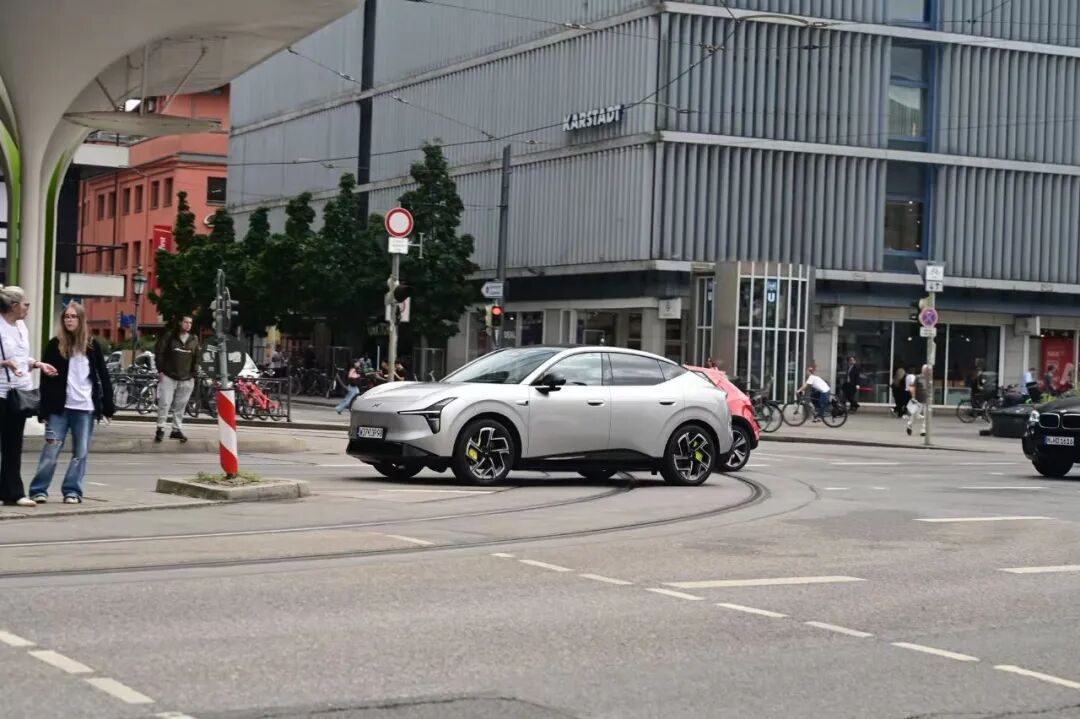
If attracting dealers relies on a stable business logic, retaining end users hinges on addressing Europeans' core vehicle ownership anxieties—most notably, residual value concerns.
European automotive consumption logic differs sharply from China's. Around 60% of new cars in Europe are sold to enterprises, primarily through financing. Local buyers rarely focus on sticker prices. Four-year leasing dominates the market, making residual value after four years a decisive factor in monthly ownership costs and consumer decisions. This explains why price wars are rare in Europe—disrupting pricing sends ripples across the entire ecosystem.
For years, Chinese brands in Europe have faced residual value discounts, not due to inferior products but market uncertainties. Consumers worry whether foreign brands can survive locally for four to five years. If a brand exits, after-sales service, repairs, and spare parts become unavailable, collapsing used-car values. Consequently, the market imposes steep risk premiums on Chinese EVs.
To break this curse, BYD offers eight-year battery warranties in the UK and promotes certified pre-owned vehicles with restored eight-year battery coverage, eliminating asset-value concerns. Xpeng, meanwhile, has implemented a systematic residual value framework to reshape market perceptions of its brand value.
First, it maintains price stability, rejecting China's cutthroat pricing tactics and avoiding short-term volume-driven discounts that erode used-car values. Second, it proactively avoids high-discount leasing sectors to protect pricing integrity across its lineup.
Building on this, Xpeng established regular dialogues with local authorities. Germany's DAT and AutoVista, top residual value assessors, hold sway over European used-car valuations. Xpeng engages quarterly with these institutions, sharing long-term strategies, product roadmaps, pricing logic, and tech iteration plans to reduce information gaps. This transparency helps assessors grasp Xpeng's growth trajectory, gradually shedding its 'unstable foreign brand' label.
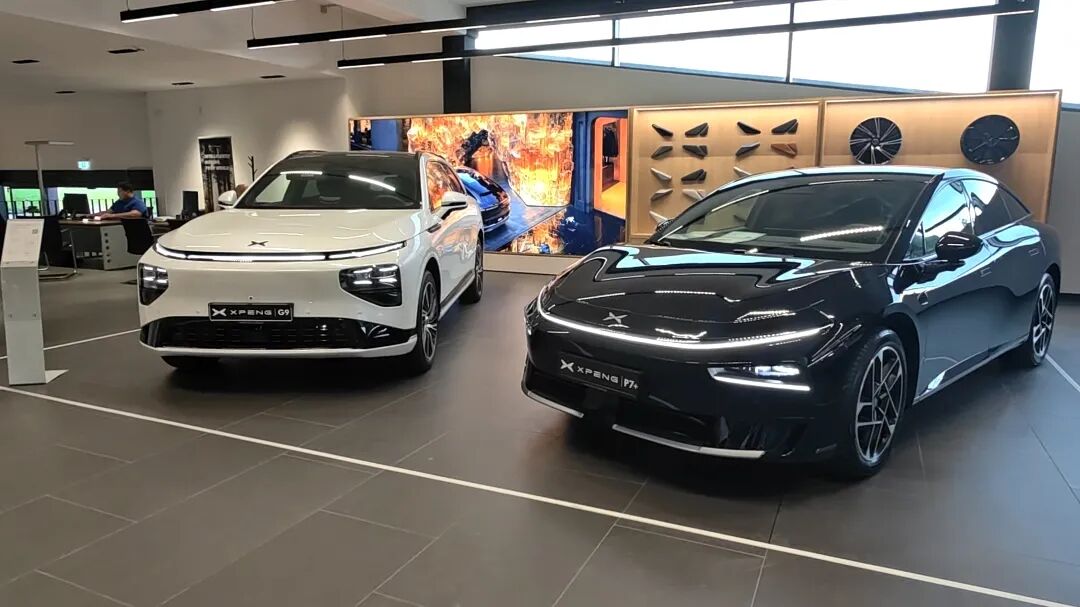
These efforts have propelled Xpeng's residual value breakthroughs. Just 18 months after market entry, residual values for its G6 and G9 models rose 6%-9% against market trends, stabilizing at 45%-50% over four-year leases—matching mainstream foreign brands like Volkswagen.
Stable product value has enabled Xpeng to penetrate premium segments, attracting users from mainstream and luxury brands. The mid-range G6 draws Tesla owners, while the premium G9 has deeply infiltrated the luxury market, with many users trading in BBA EVs like Audi and BMW iX. Nearly 80% of G9's monthly orders (close to 1,000 units) are for the fully equipped €78,000 variant, reflecting high-end users' recognition of Xpeng's product strength and brand value.
Ultimately, winning European consumers requires showcasing Chinese automotive tech through immersive experiences.
BYD's UK stores employ a five-step experience: unlocking via NFC key, demonstrating voice control and rotating screens, offering in-car karaoke, brewing coffee using V2L external power, and finally discussing the vehicle.
Though European new-car buyers are typically over 50 and seem resistant to innovation, Ge Hongde, BYD UK's GM, argues, 'Once users sit inside and drive, their brand perceptions change.'
04 Pirates and Shackles
As Chinese brands gain share in Europe, a biased narrative and policy barriers emerge. Global competition extends beyond products and brands—geopolitics, trade, and industry pressures complicate the path ahead.
Recently, U.S. White House trade advisor Navarro labeled Chinese automakers like BYD as 'pirate competitors,' accusing them of leveraging supply chain integration and scale to dominate global markets. He urged the EU to erect trade barriers against Chinese EVs.
Volvo CEO Håkan Samuelsson refuted this, stating at an earnings call that Chinese automakers' strength lies in vertical supply chain integration—self-developed batteries, software, and vehicles—a genuine strategic advantage, not unfair competition. The global industry must acknowledge the new competitive landscape in electrification.
Behind this bias lies collective anxiety from Europe's legacy auto industry amid technological shifts. For decades, German and Japanese brands dominated Europe, but China's leap in electrification and intelligence—bolstered by cost and iteration advantages in batteries and smart components—has squeezed local automakers' Transformation (transformation) rhythms and market shares, fueling protectionist narratives.
Over the past two years, the EU has rolled out restrictive measures, raising operational hurdles for Chinese automakers. A five-year anti-subsidy tariff imposes additional rates of 7.8%-35.3% on pure EVs, pushing total tariffs past 45% for some models. The EU Commission now seeks to extend these taxes to plug-in hybrids, erasing their cost buffer.
The 'Industrial Accelerator Act' sets stringent local manufacturing requirements. Six months after enactment, EVs seeking EU public procurement, subsidies, or charging support must be assembled in the EU, with 70% of non-battery components sourced locally and core battery components (cells, modules) manufactured in-region. After three years, five local battery components become mandatory, disqualifying non-compliant models from incentives.
These rules erode Chinese brands' short-term import advantages, pressuring them to localize production and supply chains. Industry consensus warns that the window for importing models to capture market share is closing, making local manufacturing and regional component clusters essential for long-term survival.
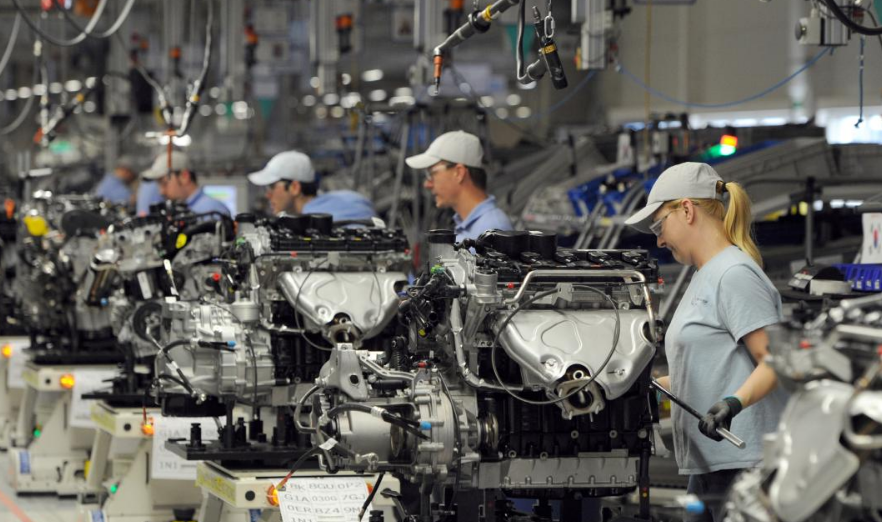
Localizing will face interference from environmental groups and unions. Chinese automakers, dancing in shackles, face an uphill battle in Europe. Multiple executives admit that while Chinese brands excel in products and intelligence, their biggest concern is the uneven playing field, where geopolitical shifts could disrupt regional operations.
Meanwhile, targeted competition from rivals intensifies. A day after Xpeng's MONA L03 debut in Munich, Tesla cut German prices by €2,000 and offered interest-free financing to squeeze Xpeng's pricing. Local automakers like Volkswagen and Stellantis counter Chinese launches with discounts and trade-in subsidies, leveraging their dealer density and customer bases.
Internal competition among Chinese brands also fragments market opportunities. In the budget segment, MG, BYD, and Leapmotor clash head-on, while the premium segment sees Denza, Xpeng, NIO, and Zeekr vying for customers. With similar configurations, charging networks, and strategies, mere cost advantages fade, making brand value and long-term local operations decisive.
The industry broadly expects China's auto exports to surpass 10 million units globally in 2026, with Europe—a high-end core market—being the critical battleground for globalization. Though daunting, the collective push by Chinese brands is awe-inspiring. The journey will involve hardship, pain, anxiety, and patience, but it is the inevitable path for China's automotive industry to evolve from a major player to a global powerhouse.
Editor-in-Chief: Shi Jie Editor: He Zengrong

THE END
-
![]()
Personnel Shuffle: Independent Director Mi Xuming Steps Down from OFILM
-
![]()
Net Profit Anticipated to Skyrocket by 103%: What Gives This Optical Company a Competitive Edge?
-
In Just One Year, China Unveils Unicorns Valued at 10 Trillion Yuan!
-
![]()
6 Park Companies Shine at WAIC: How Hong Kong Science Park Bridges AI from Research to Industry
-
![]()
Wang Wenjing’s Third Act: Can Yonyou Reinvent Itself in the AI Era?
-
![]()
Performance Coupe Entry Threshold Reduced to 170,000 Yuan: Assessing the 2027 Exeed ES's Prospects
-
![]()
Battery "Crisis" for 4 Million New Energy Commercial Vehicles
-
【Focus】Fluorinated Photosensitive Polyimide (FPSPI): A High-End Subdivision of PSPI with Great Potential in High-Tech Industries