Pre-Loss Tops 4 Billion! The 'Trillion-Yuan GAC' Dream Faces Uphill Battle, GAC Group’s Nirvana Redefined
 07/20 2026
 401
401
In Sanskrit, the original meaning of nirvana is to attain the ultimate state. However, through the lens of Chinese culture, people tend to focus on a deeper connotation embedded in the term: rebirth.
On July 10, GAC Group (601238) released a performance pre-loss announcement, forecasting a net loss attributable to the parent company’s owners for the first half of 2026 in the range of -4.06 billion yuan to -4.57 billion yuan. This marks another staggering half-year loss, following the massive annual loss of 8.784 billion yuan in 2025—the first since GAC Group went public.
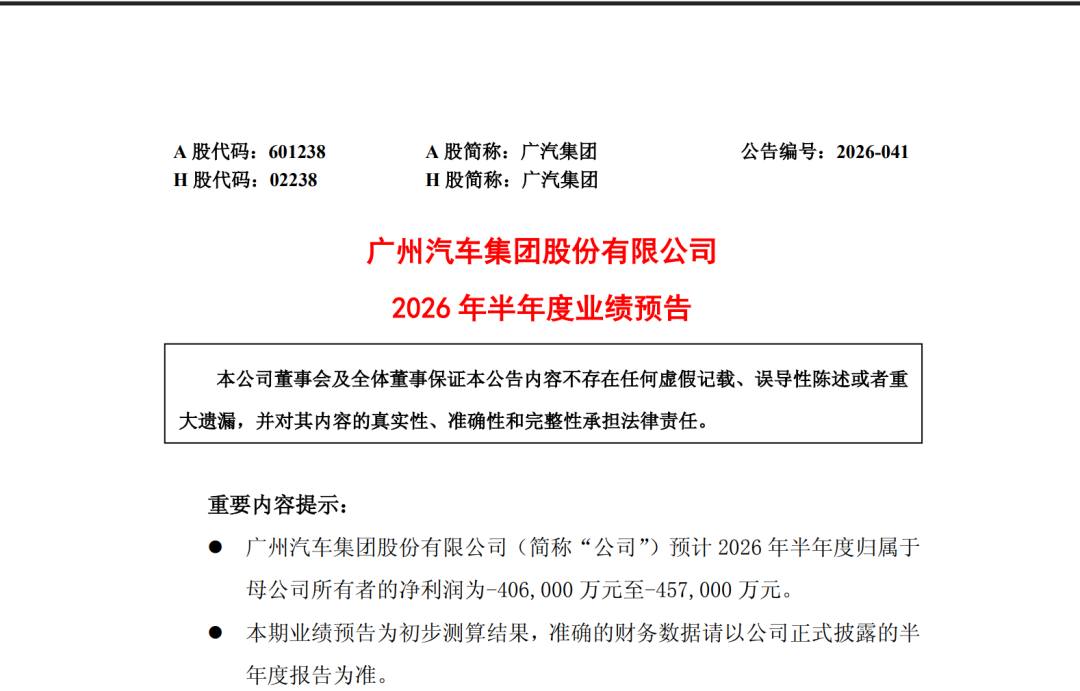
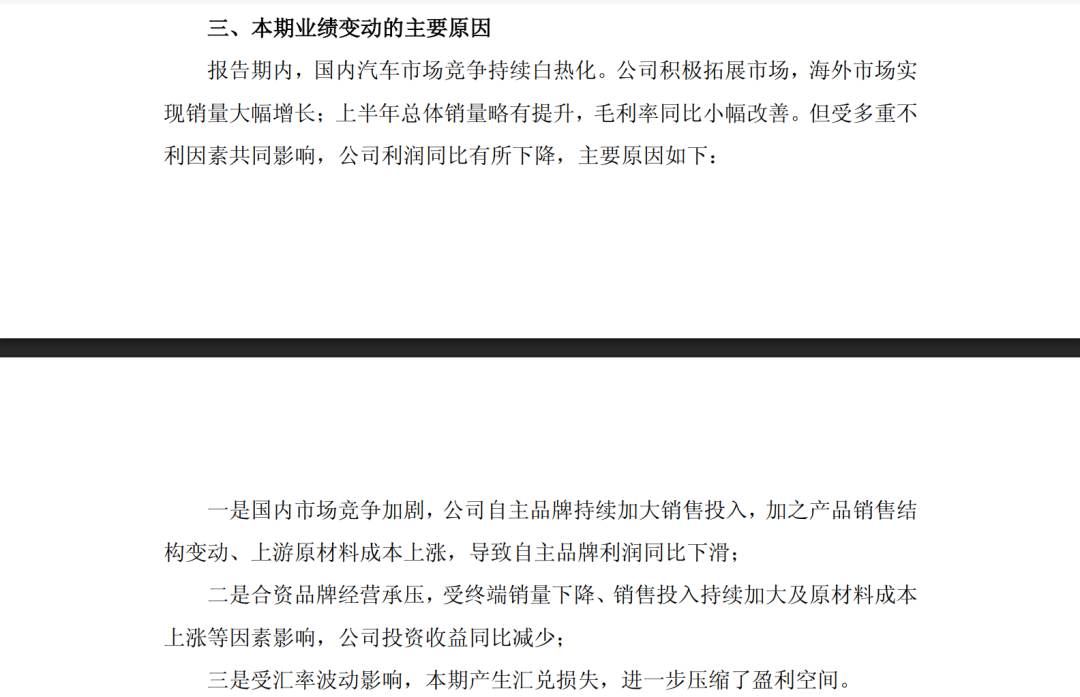
GAC attributed the losses to several key factors: First, intensified competition in the domestic market has compelled the company’s independent brands to ramp up sales investments. Coupled with shifts in product sales mix and rising upstream raw material costs, profits for independent brands have declined year-on-year. Second, joint venture brands are under operational strain, impacted by declining terminal sales, sustained increases in sales investments, and escalating raw material costs, resulting in a year-on-year drop in the company’s investment income. Third, exchange rate fluctuations led to foreign exchange losses during this period, further squeezing profit margins.
Coincidentally, at a recent GAC Group shareholders' meeting, a shareholder voiced concerns on-site: "I have immense confidence in GAC, so much so that I’ve invested my entire fortune in GAC Group’s stock. My family, including funds from my own business, is fully invested, with a position exceeding 100 million yuan, now down more than 30%. We are deeply disheartened, truly disheartened. We just want to ask: When will the promised 'trillion-yuan GAC' by 2030 materialize? When will we see our market cap reach a trillion yuan?"
These back-to-back events have sparked market concerns about GAC Group. What exactly is unfolding at GAC?
The Struggles of GAC’s Independent Brands
To ensure long-term viability, it is crucial to spare no effort in developing independent brands—a realization long embraced by automotive state-owned enterprises, including GAC Group.
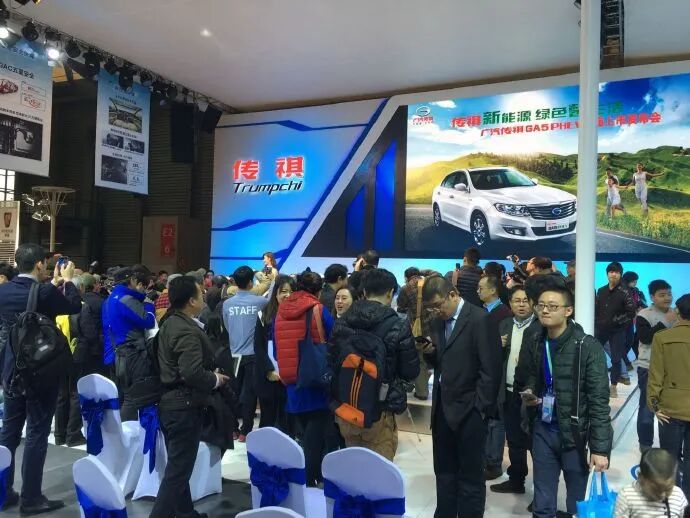
As early as 2008, GAC Group launched its new independent brand, Trumpchi. This timing aligned with that of other automotive state-owned enterprises. SAIC Group, FAW Group, and Changan Automobile, among others, unveiled their independent brand strategies in 2006, establishing brands like Roewe, MG, Besturn, and Changan around the same time. Later, Dongfeng Fengshen followed in 2009 and BAIC Senova in 2012. From a timing perspective, GAC’s launch of Trumpchi in 2008 was neither early nor the latest.
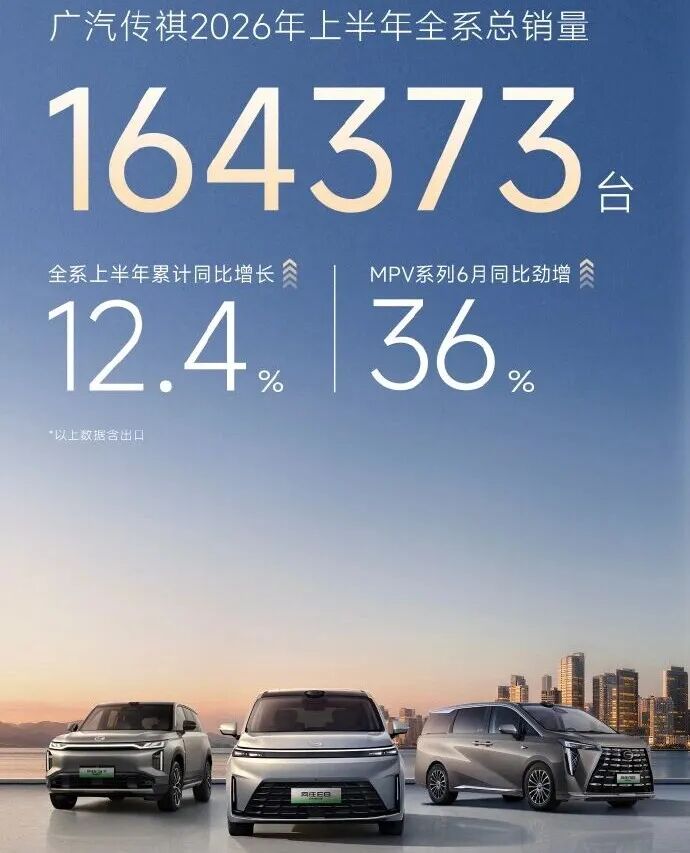
Data for the first half of this year reveals that GAC Trumpchi sold a cumulative total of 164,300 vehicles, marking a 12.4% year-on-year increase. Adding GAC Aion’s 181,500 vehicles, the total reaches 345,800 vehicles, up 35.69% year-on-year. Despite this growth, in absolute terms, GAC’s independent brands still lag significantly behind those of other automotive state-owned enterprises.
In comparison, Changan Automobile sold a cumulative total of 921,500 vehicles in the first half of this year, more than five times GAC’s total; SAIC Group sold 1.469 million vehicles, Dongfeng sold 725,000 vehicles, BAIC sold 535,000 vehicles, and Chery sold 1.3575 million vehicles. Only FAW Group sold fewer vehicles than GAC Group, with 224,800. In other words, if a last-place elimination system were in place, GAC’s independent brands would be second to be eliminated after FAW’s. Given the industry’s general consensus that only 5-10 brands will survive in China in the future, the risk of FAW’s and GAC’s independent brands being eliminated by the market is much higher than that of other automotive state-owned enterprise groups’ independent brands. From this vantage point, the situation for GAC’s independent brands is far from satisfactory.
GAC Group stated in the announcement that intensified competition in the domestic market has led the company’s independent brands to continuously increase sales investments. Coupled with shifts in product sales mix and rising upstream raw material costs, profits for independent brands have declined year-on-year. This indicates that GAC Group’s independent brands, which have long relied on the substantial profits from joint venture brands, have not only failed to achieve significant sales growth by 2026 but are still unable to shoulder major responsibilities in terms of corporate revenue and profits. Moreover, a reversal of this trend is unlikely in the near term.
Comprehensive Decline in Joint Venture Segment Performance
Now, let’s examine GAC’s joint venture segment. Data for the first half of this year shows that GAC Honda sold only 68,000 vehicles, a 55.82% year-on-year decline; GAC Toyota sold 356,000 vehicles, a slight 3.29% year-on-year increase. It’s worth noting that in 2022, GAC Toyota and GAC Honda combined sold 1,746,800 vehicles. However, after 2022, sales in GAC’s joint venture segment declined rapidly, with a 36.69% year-on-year drop for the entire year of 2025. Although the decline slowed in the first half of this year, narrowing to 15%, the total volume has fallen by 50% compared to the peak period, indicating an irreversible downward trend.
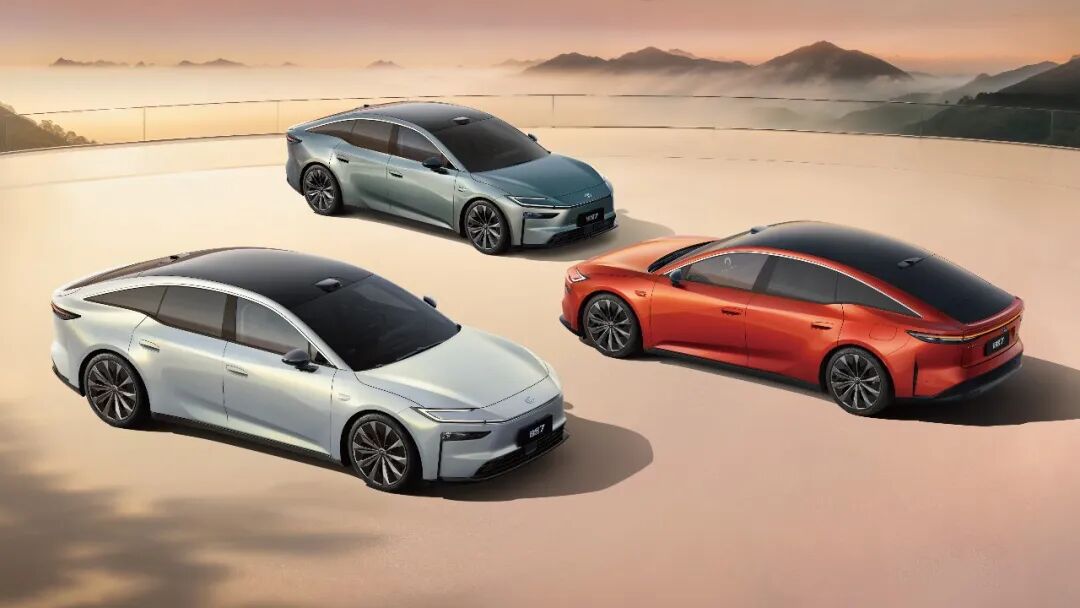
The significant decline in GAC Group’s joint venture segment is not an isolated phenomenon. Across the Chinese automotive market, nearly all joint venture brands have seen their market shares continuously erode in recent years. In 2022, Chinese brand passenger vehicles achieved a market share equal to that of imported and joint venture vehicles for the first time, reaching 49.9%. By 2025, this figure had surged to 69.5%. In the first half of this year, it rose further to 71.8%. The all-encompassing advancement of independent brands and the comprehensive decline of joint venture and imported vehicles have become an irreversible trend. In particular, the Japanese joint venture brands under GAC Group are bearing the brunt amid an era filled with uncertainties in Sino-Japanese relations and long-standing challenges. For GAC Group, joint venture brands have become a double-edged sword—unappetizing yet hard to discard. However, if not discarded, they offer little benefit to GAC Group’s long-term development.
Clearly, in terms of the long-term trajectory of joint venture brands, both GAC Group and other state-owned automotive enterprise groups have grown accustomed to relying on the profit milk cows of joint venture brands in the past. The sudden shift to self-reliance indeed poses significant challenges. Chery Automobile, Changan Automobile, and SAIC Group serve as prime examples in this regard, having long adopted a fundamental strategy of emphasizing independent brands and downplaying joint ventures. Therefore, during the period from 2022 to 2026, when Chinese automotive brands are comprehensively advancing, they have not faced any transformation dilemmas. Instead, they have ridden the wave of the comprehensive rise of Chinese brands in the global market. Unfortunately, GAC has become a counterexample, leading to its current predicament.
In Conclusion
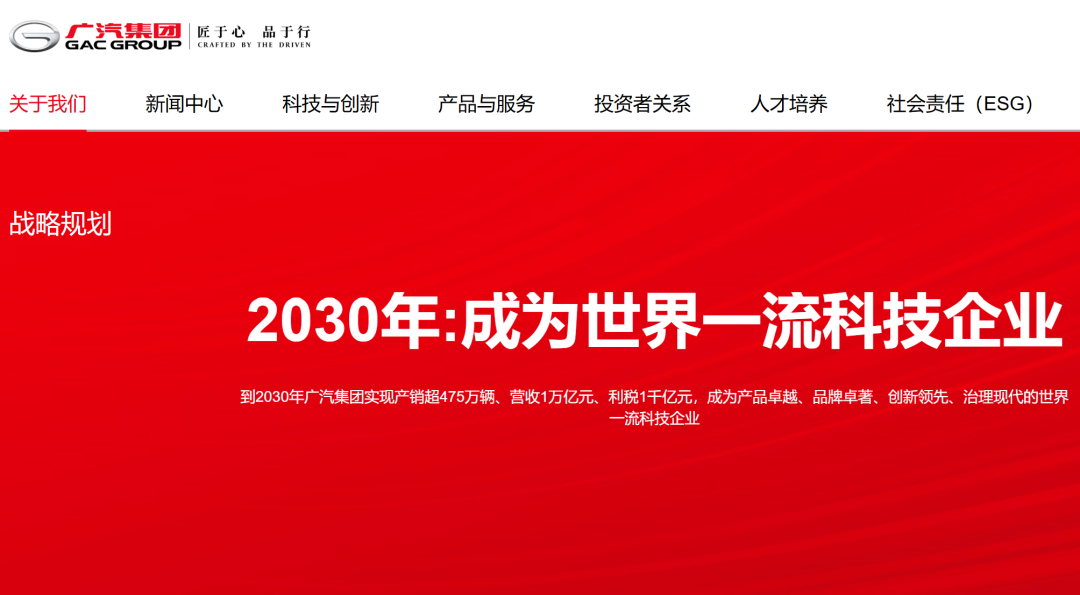
As early as the Guangzhou Auto Show at the end of 2022, GAC Group announced the ambitious goal of becoming a 'trillion-yuan GAC' and incorporated this objective into its strategic planning.
According to this plan, GAC Group aims to achieve production and sales of 4.75 million vehicles, revenue of 1 trillion yuan, and profits and taxes of 100 billion yuan by 2030, transforming into a world-class technology enterprise with outstanding products, exceptional brands, leading innovation, and modern governance.
In 2022, GAC Group’s total sales were 2,433,800 vehicles, with joint ventures accounting for a staggering 1,746,800 vehicles, or over 71%. When GAC Group proposed the goal of 'trillion-yuan GAC' at the end of 2022, it clearly leaned heavily on the sales figures from 2022. In other words, GAC Group’s 'trillion-yuan GAC' goal at that time was heavily reliant on joint venture brands.
However, in just three years, the overall landscape has shifted dramatically. The market performance of GAC’s joint venture brands has completely lost momentum, with little prospect of reversal.
Although sales of independent brands are on the rise, the situation of having volume but no profit is unlikely to change in the short term. Moreover, the sales volume is far from adequate compared to the sales target for 2030. Under these circumstances, it is clearly inappropriate for GAC Group to continue using the 'trillion-yuan GAC' strategic plan formulated in 2022 in 2026.
Various signs indicate that, given the current circumstances, the current management team of GAC Group, including Chairman Feng Xingya and General Manager Ge Xianqing, urgently need to consider readjusting GAC Group’s long-term strategic planning and formulating a new development strategy to steer GAC Group onto a normal and reasonable development trajectory. For the current management team, 'trillion-yuan GAC' has, to a certain extent, become a relic of the past, or at the very least, even if the shell of 'trillion-yuan GAC' is retained, its essence clearly needs to evolve.
-
Observation of AI Business Models: From Token-Based Payment to Outcome-Based Payment
-
Observations on AI Business Models: From Token-Based Payment to Outcome-Based Payment
-
SpaceX Market Insight: The $1 Trillion 'Fireworks' Fizzle Out, Marking the Start of the Super IPO Gamble
-
![]()
Car Prices on the Rise: Is It Wise to Postpone Your Purchase?
-
![]()
Foxconn's Electric Vehicle Venture Hits a Snag
-
![]()
How Did They Open the Door to Europe by Attacking the Century-Old Stronghold of the Automotive Industry?
-
![]()
Qwen Still Shows Hesitation
-
![]()
Qwen: Still a Bit Short on Confidence