Is 18 Months Truly Adequate for a Vehicle to Go from Design to Market?
 08/27 2026
 484
484
In 2026, one of the most heated topics in the new energy vehicle (NEV) sector revolves around the rapid development of vehicles. The vehicle development cycle has been condensed from the traditional 36 months to approximately 18 months, marking a recent focal point within the automotive industry. On one hand, automakers are fervently compressing timelines to seize market opportunities; on the other hand, industry executives and experts are frequently expressing concerns regarding safety.
Is 18 months really a sufficient timeframe for a vehicle to progress from design to market launch?
01 How Did Rapid Vehicle Development Emerge?
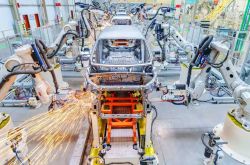
According to conventional automotive wisdom, a vehicle's development cycle spans 36 months. However, the development period for numerous NEV models has been truncated to just 18 months.
Zhang Hong, a member of the Expert Committee of the China Automobile Dealers Association, highlighted that the shortened development cycle is intricately linked to several factors, including the utilization of platform-based technology and a well-established supply chain. 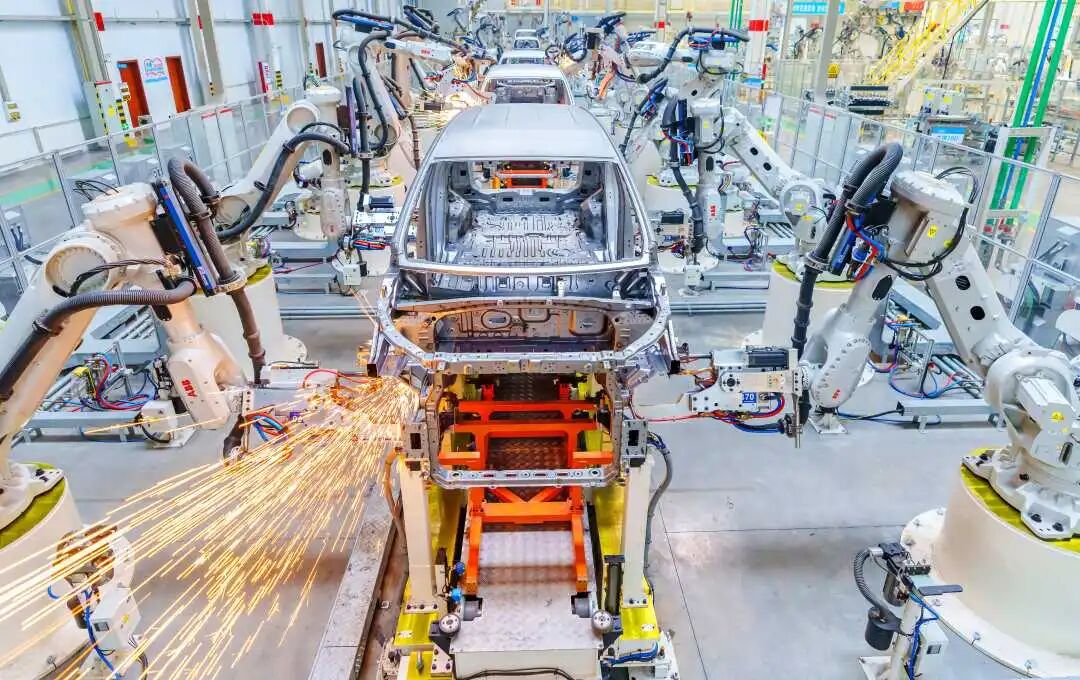
Image source: Internet
The outcome of this time compression is what the industry terms as "rapidly developed vehicles."
These are immature models introduced by some automakers who have excessively condensed their R&D and testing cycles in a bid to preempt the market.
02 Why Is There So Much Controversy?
The anxiety surrounding rapidly developed vehicles stems from concerns about what has been sacrificed during the compressed 18-month timeline.
Li Shufu, Chairman of Geely Holding Group, unequivocally stated at the 2026 China Automobile Chongqing Forum that automobiles are intrinsically linked to human lives and must be thoroughly understood. They cannot be produced with a short-term, quick-result mentality.
Any new vehicle model must adhere to the objective laws of automotive product R&D, rather than cutting corners by reducing testing phases, compressing testing and verification time, or taking shortcuts.
Li Fenggang, General Manager of Beijing Hyundai, acknowledged that some brands, in their haste to reach the market, have bypassed many essential experiments, effectively turning consumers into test drivers and exposing them to significant potential risks.
Xin Guobin, Vice Minister of the Ministry of Industry and Information Technology, also mentioned at a State Council Information Office press conference on August 26, 2026, that irrational competition within the NEV industry remains a prominent issue. Some radical innovative designs have been implemented in vehicles without adequate experimental verification, leading to incidents that have garnered social attention, such as product quality issues and autonomous driving safety concerns.
03 Are 18 Months Necessarily Unsafe?
Not everyone concurs that a shorter timeframe is inherently more hazardous.
Lu Fang, Chairman of VOYAH Automobile, believes that rapidly developed vehicles cannot be judged solely based on time. In the past, cooking with firewood might have taken a considerable amount of time, but now cooking with a rice cooker is much faster. However, this does not imply that the food is hastily prepared; it still retains its taste and nutritional value. 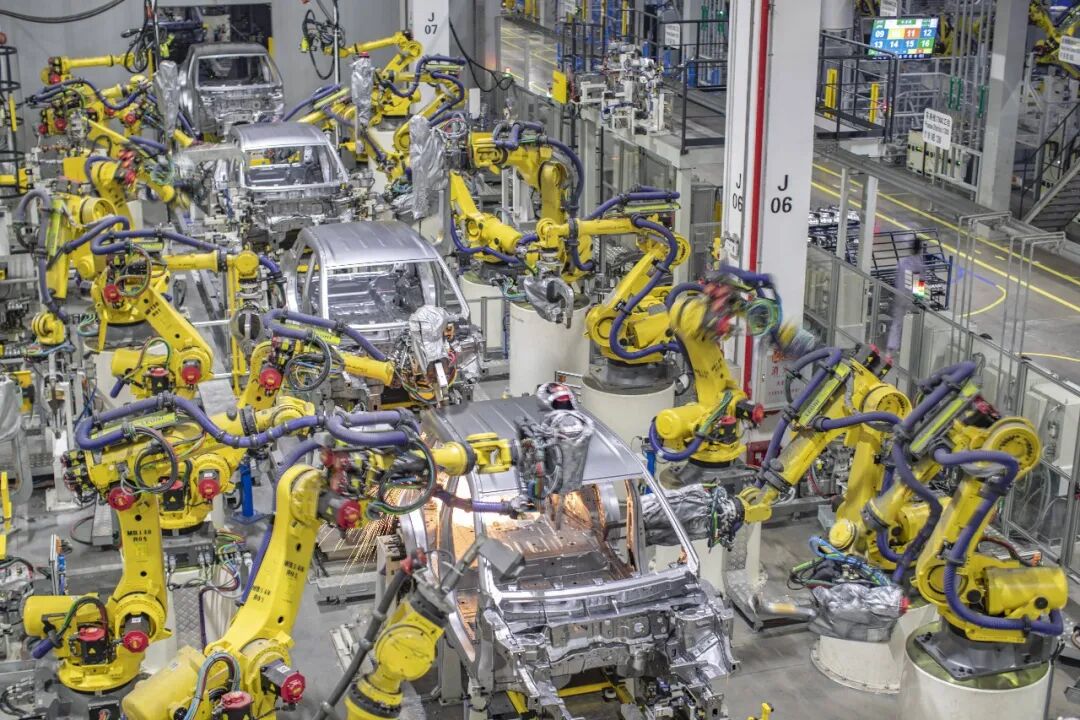
Image source: Internet
In his view, with technological advancements and improved management, development speed can indeed be significantly accelerated compared to the past.
Xue Haitao, Deputy General Manager of SAIC-GM, emphasized at the Buick Zhijing L7 pre-sale launch event that SAIC-GM will never produce rapidly developed vehicles.
04 The Truth Behind the Controversy
The essence of the controversy surrounding rapidly developed vehicles lies in the shift of the automotive industry from the traditional manufacturing logic of "slow and meticulous work" to the internet-style competition logic of "speed is everything."
Zhang Hong, a member of the Expert Committee of the China Automobile Dealers Association, stated that the domestic auto market has now entered a stage of stock competition, and the controversy over rapidly developed vehicles is a direct manifestation of the intense internal competition within the Chinese automotive industry.
The Ministry of Industry and Information Technology has studied and formulated the "15th Five-Year Plan for the Development of the Intelligent Connected New Energy Vehicle Industry," explicitly proposing to strengthen access reviews for product innovation design and testing and verification management, and strictly prohibiting products that have not undergone sufficient testing and verification from entering the market.
Is 18 months enough for a vehicle to go from design to market launch?
The answer may not hinge on time itself, but rather on how much of those 18 months is genuinely dedicated to testing and verification.
-
![]()
Major Changes in the Mobile Phone Industry: From 'Small Profits and High Sales Volume' to 'High-Priced Game of One Phone per Person'
-
![]()
Even Sues XGIMI in U.S. Court: $1.2 Million ‘AI Glasses’ Crowdfunding Campaign Abruptly Stops!
-
![]()
The world's third largest mobile operating system was born in China! Installed on over 1.3 billion devices
-
![]()
Is 18 Months Truly Adequate for a Vehicle to Go from Design to Market?
-
![]()
Li Auto Reports Q2 Net Loss of 1.7 Billion Yuan
-
![]()
Zhao Changjiang: ZHIJIE RX Stands Unrivaled
-
![]()
Nine Days After DeepSeek Raised Prices, Zhipu Enters the Market with One-Tenth the Cost
-
![]()
Ruidu丨Sinonet Half-Year Report: Profit Halved, Computing Power Lags, Caught Between Traditional and New Businesses