Stunned by Smartphone Imaging Prowess: Will Canon Ditch In-House Production of Low-End Cameras, with Vlog Cameras Emerging as the Final Haven?
 12/25 2025
 717
717
When two entities are positioned in a similar manner, there's bound to be a victor and a vanquished.
Recently, Canon, one of Japan's top three camera behemoths, disclosed in a media interview that its Chief Financial Officer is contemplating outsourcing the production of certain low-end products to partners. Cameras and printers are the two categories most profoundly impacted by this move.
In fact, in 2022, Canon shuttered its camera factory in Zhuhai, Guangdong, which primarily churned out compact and entry-level cameras. At that juncture, whispers began to circulate that Canon might be on the verge of abandoning the low-end camera market. However, earlier this year, Canon breathed new life into its PowerShot series, unveiling the all-in-one Vlog camera, the PowerShot V1.
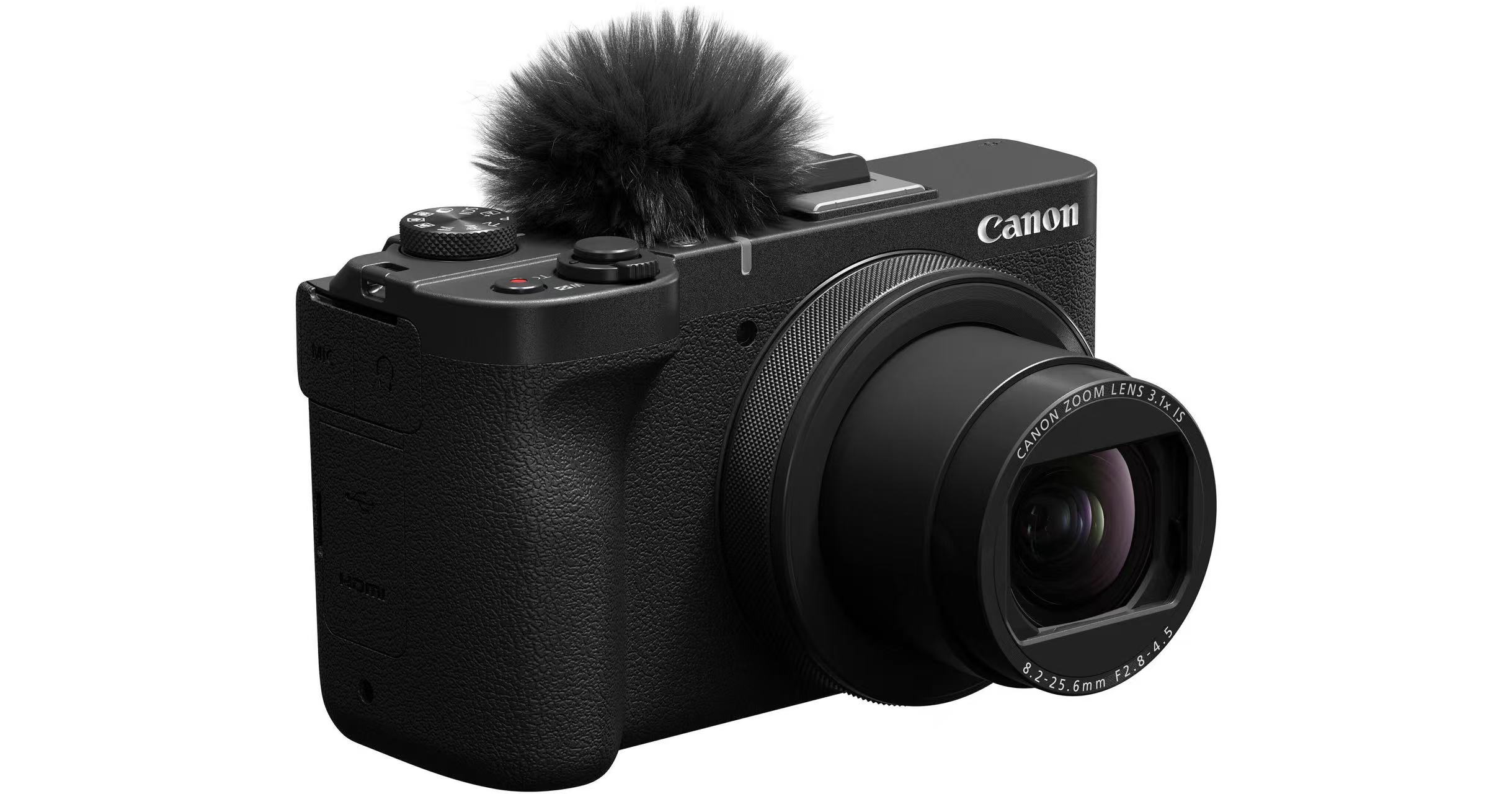
(Image source: Canon)
Although Canon hasn't completely turned its back on low-end cameras, its new strategy seems to be more of a recalibration in production approaches. For an extended period, Canon has been steadfast in manufacturing nearly all its camera models in-house. However, as the profit margins of entry-level cameras continue to dwindle, this model has started to exert significant strain on Canon.
But why are low-end cameras, priced at a few thousand yuan, more severely affected than professional mirrorless cameras, which can cost tens of thousands? The root cause lies in the fact that the advancements in smartphone imaging have dealt a substantial blow to the market share of entry-level cameras.
Smartphone Imaging: A Threat to Entry-Level Camera Market Share
Entry-level cameras weren't abruptly supplanted by smartphones; rather, they were gradually edged out of their ecological niche over a protracted period of development.
From a market positioning standpoint, entry-level cameras are typically tailored for photography enthusiasts or ordinary users with a penchant for photography. They are generally compact and portable. While their performance pales in comparison to high-end mirrorless cameras, they still deliver satisfactory results. For instance, the Canon PowerShot G7X series, spanning from the first to the third generation, has garnered a massive global following precisely due to this unique positioning.
However, compact cameras were the first to feel the heat from smartphones. In the nascent stages of smartphones, imaging capabilities were rudimentary, with small sensor sizes and limited image quality. Nevertheless, smartphones were more portable than compact cameras. Strictly speaking, a single device that amalgamated entertainment, communication, and imaging was far more convenient than lugging around a separate camera.
For the majority of users who would opt for compact cameras, photography was primarily about casually documenting life. When smartphones began to offer usable autofocus speeds and the ability to share photos instantaneously, consumers started to hesitate on whether to invest in a compact camera.
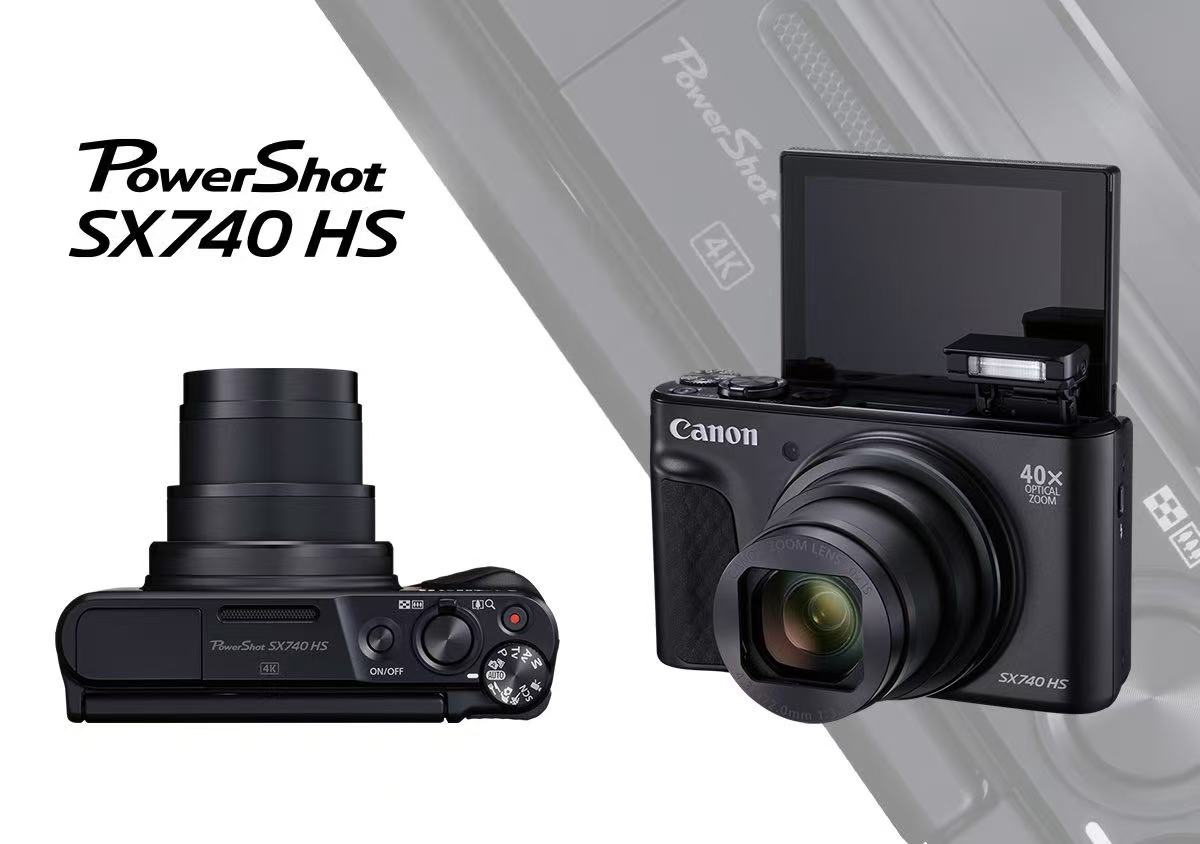
(Image source: Canon)
Subsequently, smartphones ushered in the era of computational photography, significantly enhancing their performance in complex lighting conditions through multi-frame synthesis, HDR, and algorithmic enhancements. If we overlook the potential for post-editing, smartphone photography at this stage already had the potential to outshine compact cameras.
The real erosion of compact camera market share commenced when smartphone hardware began to undergo leapfrog upgrades. Models like the Xiaomi 12S Ultra, vivo X90 Pro+, and OPPO Find X6 Pro started incorporating 1-inch sensors as their primary cameras, which are typically the same sensor size as compact cameras. However, smartphones boast more intelligent optimization algorithms, widening the gap between the two.
The optical zoom advantage of compact cameras also began to waver with the application of 200-megapixel sensors in smartphone telephoto lenses. In the past, telephoto was often a weak link in imaging systems, performing adequately in daylight but struggling in low light with focus issues. Now, the 200-megapixel approach offers higher cropping flexibility, enabling more detailed 3x and 5x zoom shots. Additionally, larger sensors and more mature multi-frame fusion techniques have made nighttime telephoto photography feasible.
More importantly, the core audience for compact cameras in the past was often young consumers with little interest in professional photography, who simply wanted to document their lives or "dabble" in photography. Since 2010, compact cameras have seen minimal evolution in terms of functionality, while smartphone photography has become significantly more engaging. For example, Live Photos, an imaging feature re-popularized by OPPO in 2024, dynamically records a scene in the form of a few seconds of short video combined with a static image. Social media platforms refer to this style as "a sense of liveliness."

(Image source: OPPO)
However, for camera manufacturers, photos are photos, and videos are videos. Hybrid products like Live Photos are unlikely to make an appearance on compact cameras. As a result, more versatile and equally portable smartphones have completely "eclipsed" entry-level cameras.
Entry-Level Cameras: A Shift in Trends
The contraction of the camera industry isn't a sporadic fluctuation over one or two years; rather, it's a downward trajectory spanning more than a decade.
According to statistics from the Camera & Imaging Products Association (CIPA) in Japan, global digital camera shipments soared to nearly 100 million units in 2010, with the vast majority coming from compact cameras and low-end interchangeable-lens cameras. During this period, digital cameras remained the mainstream device for ordinary consumers to document their lives. However, global camera shipments began to decline continuously from 2012, experiencing a significant halving by 2015. After 2020, annual global digital camera shipments have long hovered in the range of 7 to 8 million units, roughly one-tenth of their peak.
More notably, the most severe market contraction has occurred in entry-level products. For example, traditional compact cameras have seen their shipments plummet from tens of millions at their peak to less than 2 million today. While low-end interchangeable-lens cameras still retain some market share, their overall size continues to shrink. This means that entry-level cameras have shifted from the mainstream to the periphery.
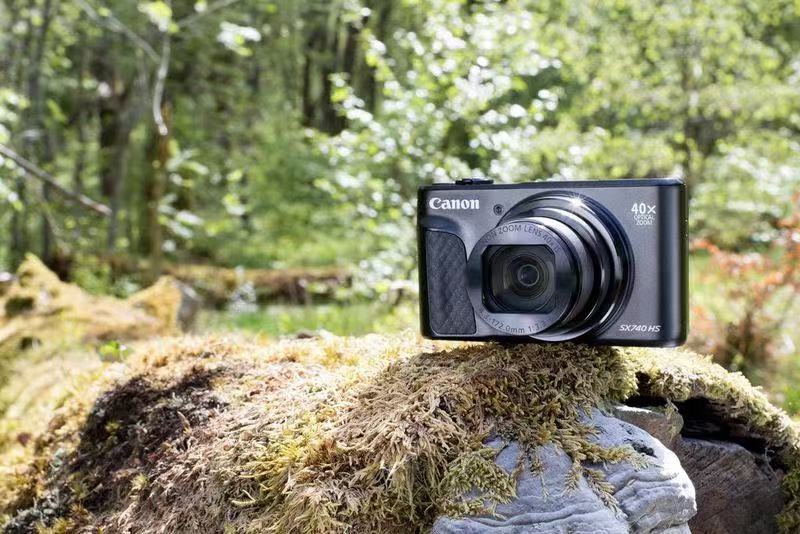
(Image source: Canon)
In stark contrast, flagship imaging smartphones are flourishing. In the second quarter of 2024, the overall Japanese smartphone market didn't witness significant expansion, but the brand landscape underwent a transformation. Market data reveals that Xiaomi increased its market share in Japan to approximately 6% during this quarter and briefly ranked among the top three in shipments.
Surprisingly, Xiaomi's best-selling model in Japan wasn't a mid-range or budget smartphone but the Xiaomi 14 Ultra, a bona fide flagship imaging smartphone. Priced at around 200,000 yen in Japan (approximately 9,000 yuan), it was at least 2,000 yuan more expensive than its price in mainland China. Despite this premium pricing, the Xiaomi 14 Ultra became an instant hit on Japanese social media upon release, with multiple e-commerce platforms selling out.

(Image source: Xiaomi Japan)
In fact, if we compare pricing, most entry-level cameras in the Japanese market are even cheaper than the Xiaomi 14 Ultra. For example, Panasonic's ZS99 compact camera, released this year, costs around 3,000 yuan. The entry-level interchangeable-lens camera, the Fujifilm XM5 kit, is priced at 6,499 yuan. Canon's non-interchangeable-lens Vlog camera, the PowerShot V1, is priced at 5,999 yuan.
This indicates that when choosing non-professional photography equipment at similar price points, more and more consumers prefer a flagship imaging smartphone over an entry-level camera. Structurally, entry-level cameras are somewhat caught in a bind—less professional than mid-to-high-end cameras and less entertaining than smartphones, with little pricing advantage. Market data already shows that current demand is insufficient to sustain a massive manufacturing system and continuously updated product lines.
Vlog Cameras: The Final Refuge
Although overall market demand for entry-level cameras has fallen short of expectations, some manufacturers continue to roll out corresponding products, such as Canon, Panasonic, and Sony. However, the pace of new product releases has slowed significantly, and product positioning has become more restrained, shifting more toward Vlog video directions that don't directly compete with smartphones.
Given this context, Canon's consideration of outsourcing entry-level camera production to third-party partners is understandable. After all, entry-level cameras offer smaller profit margins compared to other product lines, and continuing to insist on full in-house production could drag down the overall health of the business.

(Image source: Panasonic)
So, should camera manufacturers abandon entry-level cameras? Not necessarily. Currently, entry-level cameras in the product portfolios of manufacturers like Canon, Sony, and Fujifilm are often designed with the hottest Vlog video trends in mind, such as the Canon R50V, Sony ZEV10, and Fujifilm XM5.
Although these entry-level cameras are still priced around 5,000 yuan, their target consumer base has shifted from "photography novices" to creators with clear content output needs. This allows them to engage in differentiated competition with current flagship imaging smartphones and find new opportunities.
Ultimately, the path forward for entry-level cameras doesn't necessitate them becoming cheaper or more powerful; rather, it requires them to be positioned reasonably. If Canon does choose to "outsource" its entry-level production lines, it would indicate that this niche market won't be abandoned for the time being.
-
On the Eve of Its IPO, Avatr Finds Itself Embroiled in a 'Farce of Controversy and Belittlement'
-
![]()
Yutong Optics' Japanese Subsidiary Unveiled in Tokyo, Shifting Strategic Focus to Technology-Driven Growth
-
![]()
Half-Year Revenue Outstrips Last Year’s Total! Zhongrun Optics Forecasts 80.2% H1 Revenue Growth
-
![]()
Why Does AI Competition Start with Computing Power?
-
![]()
Apple AI Finally Makes Its Debut in China, Yet iPhone's 'AI Autonomy' Faces Uncertainty
-
![]()
Apple AI and QianWen Make Up Lessons: Alibaba Has Its Own 'Doubao Phone'
-
![]()
QianWen Joins Apple, Signal for Large Models to ‘Fade into the Background’
-
![]()
The ‘Anchor’ Strategy of Google Hidden Behind the Bleeding Financial Report