Optical Behemoth Slashes 2,000 Jobs in Bold Gambit to Pivot to Photonics!
 02/14 2026
 588
588
Spurred by a confluence of surging precious metal costs, escalating market rivalry, and its own strategic overhaul, ams Osram—a global titan in optical solutions—has unveiled a sweeping layoff initiative impacting roughly 2,000 roles, with nearly half of these reductions slated for Europe.
This move represents not only a drastic response to a tough market climate but also mirrors the genuine quandary confronting the worldwide optical sector amidst technological evolution: the fierce collision between the contraction of legacy sectors and the shift towards high-value domains.
The initial impact of the layoffs is felt most acutely in traditional sectors being eclipsed by progress. The German factories in Herbrechtingen, Heidenheim County, producing halogen lamps, and Schwabmünchen, near Augsburg, have borne the brunt, with the latter confirmed for closure, leading to an estimated 270 job losses. This underscores the relentless march of technological substitution: traditional automotive halogen lamps are swiftly being supplanted by LED technology. Although this sector will "persist for years to come," its market downturn is undeniable.
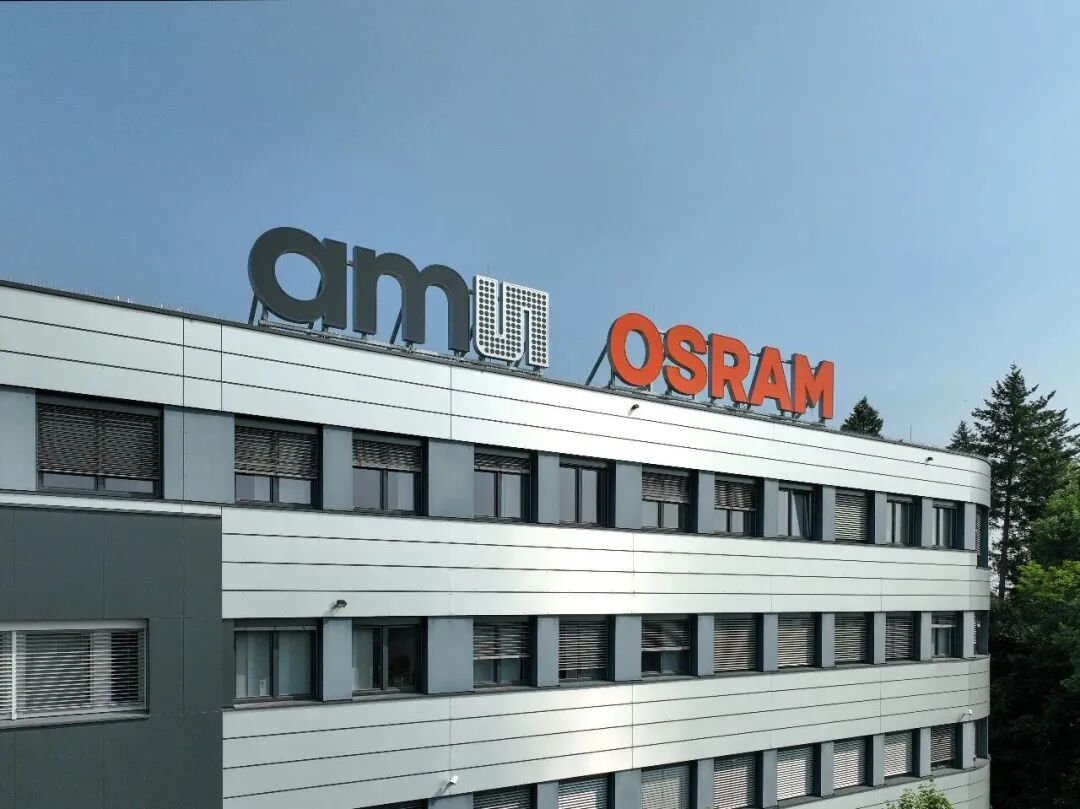
Simultaneously, in the semiconductor division in Regensburg, the company will trim "a low to mid-three-digit number of positions," primarily affecting products facing stiff price competition from Asian counterparts and lacking distinct competitive edges. The production of these items will be relocated to Asia, highlighting the tough decisions the company faces amidst global supply chain cost rivalry.
Financial figures underscore the urgency of the layoffs. Despite full-year sales hitting €3.3 billion in 2025 and enhanced profitability, the company remains saddled with substantial debt. The spike in gold prices in 2025 directly inflicted an additional €35 million loss. Should gold prices stay elevated, related costs will surge by €60 million this year, directly eroding the profit margin of the optoelectronic semiconductor sector by roughly 4 percentage points.
Against this setting, the divestiture of the non-optical analog/mixed-signal sensor business to Infineon, securing €570 million in funds to bolster the balance sheet (for specifics, please consult "Behind a €4.68 Billion Deal, the Optical Behemoth is Shedding Its 'Burden'!"), aligns with the layoff strategy, both targeting cost reductions, debt alleviation, and a focus on core operations.
This extensive layoff is not merely a retreat but a strategic pivot in resource allocation. Company CEO Aldo Kamper explicitly stated that this marks a crucial and arduous step on the journey to becoming a "pacesetter in digital photonics."
The company's future rests on three avant-garde domains: micro-emitter arrays are emerging as a pivotal growth engine for advanced automotive lighting, next-gen AR smart glasses displays, and optical link expansion for AI data centers. Each of these sectors is projected to yield hundreds of millions of euros in incremental revenue in the years ahead. The momentum in securing new design projects is robust, with the cumulative lifecycle value of newly added projects surpassing €5 billion, offering confidence and backing for the company's foray into novel markets.
From a strategic vantage point, the layoffs aim to conserve cash flow during the transitional phase of "contracting traditional sectors and emerging new sectors." The company has set financial milestones for 2030: mid-to-high single-digit compound annual revenue growth for the semiconductor division, an adjusted EBITDA margin of 25% or above, and free cash flow exceeding €200 million. This necessitates fiscal prudence over the next four years to navigate the pivotal transition between old and new growth engines.
Osram's layoffs and transformation carry typical significance for the global optical sector, heralding the definitive conclusion of the "scale dividend era" for LED general lighting and traditional automotive lighting. Price pressures from Asian contenders and soaring raw material costs, such as gold, are compelling Western behemoths to retreat to domains with loftier technical hurdles and greater value-adding potential. Whoever can establish a stronghold in the cutting-edge realm of "digital photonics" will shape the next wave of optical applications.
For ams Osram, the layoff of 2,000 employees signifies a painful inflection point. It represents both a farewell to legacy sectors and a commitment to the future of digital photonics. Whether the company can solidify its stance in this "transition year" of 2026 and attain its profitability targets by 2030 hinges on the execution of this strategic emphasis.
-
On the Eve of Its IPO, Avatr Finds Itself Embroiled in a 'Farce of Controversy and Belittlement'
-
![]()
Yutong Optics' Japanese Subsidiary Unveiled in Tokyo, Shifting Strategic Focus to Technology-Driven Growth
-
![]()
Half-Year Revenue Outstrips Last Year’s Total! Zhongrun Optics Forecasts 80.2% H1 Revenue Growth
-
![]()
Why Does AI Competition Start with Computing Power?
-
![]()
Apple AI Finally Makes Its Debut in China, Yet iPhone's 'AI Autonomy' Faces Uncertainty
-
![]()
Apple AI and QianWen Make Up Lessons: Alibaba Has Its Own 'Doubao Phone'
-
![]()
QianWen Joins Apple, Signal for Large Models to ‘Fade into the Background’
-
![]()
The ‘Anchor’ Strategy of Google Hidden Behind the Bleeding Financial Report