DJI and Insta360 Release 'Cinematic Cameras': Can Pocket Stabilizer Cameras Truly Make It onto Professional Film Sets?
 06/11 2026
 658
658
Can They Really Shake Up the Industry?
For a considerable period, handheld stabilizer cameras haven't been seen as particularly 'professional'.
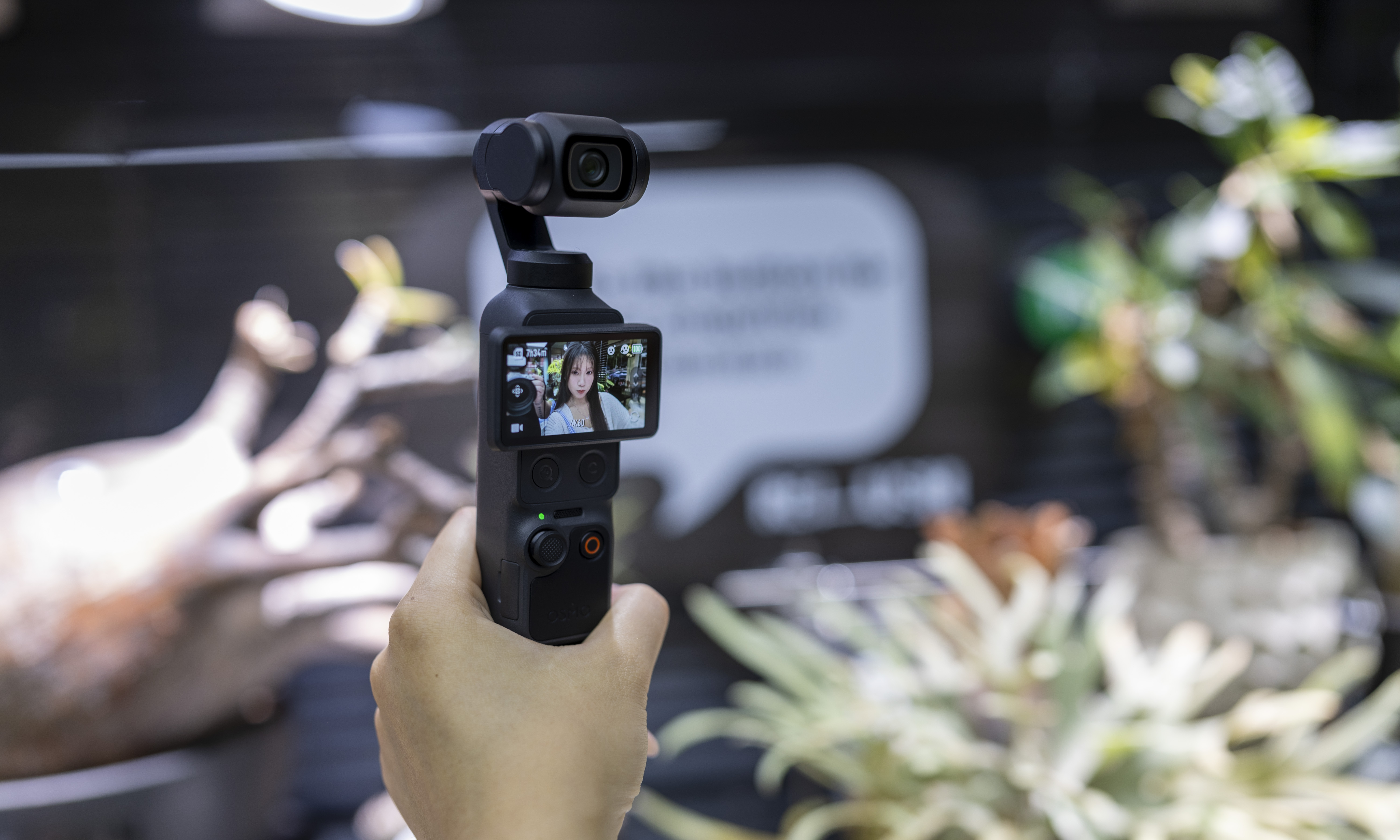
Users purchased them not for top-tier image quality but for their compactness, stability, and ease of use—ready to shoot without the need for additional stabilizers or intricate camera configurations. To many, they were tools for content creation rather than imaging devices, addressing stability and quick output without much consideration for filmmaking.
(Image source: Leitech)
However, the landscape has begun to shift over the past two years: handheld stabilizer cameras have evolved into more professional imaging tools that filmmakers can genuinely utilize.
From Vlog Essentials to 'Compact Cinematic Cameras'
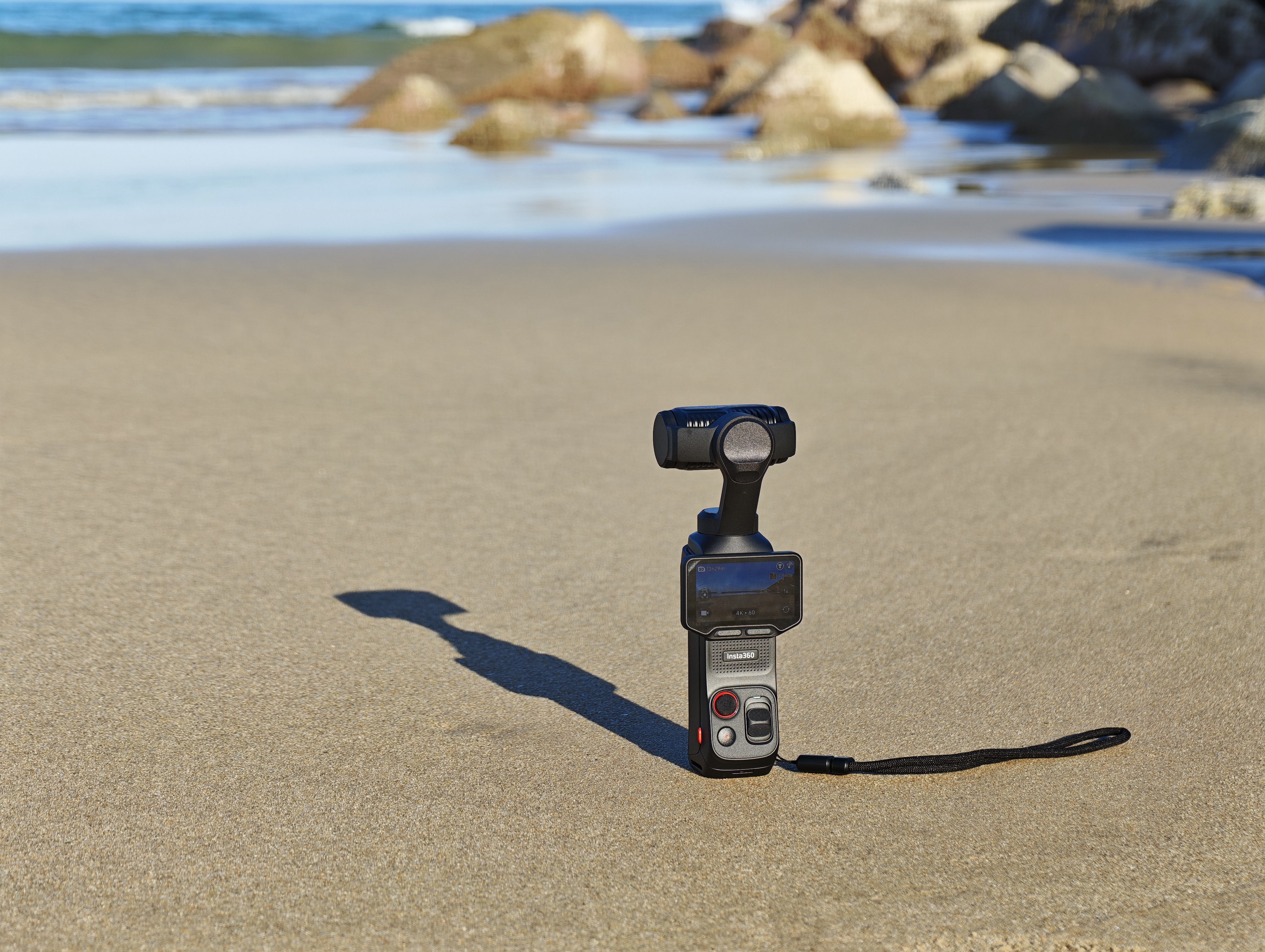
Just yesterday, Insta360 unveiled the Luna Ultra, and DJI is set to launch the Pocket 4P in a few days. From their promotional materials, it's evident that they're no longer solely emphasizing portability, stabilization, and intelligent tracking but are increasingly highlighting cinematic quality, professional creation, Log formats, dynamic range, telephoto capabilities, multi-camera setups, and production workflows—even starting to align themselves with professional imaging equipment.
(Image source: Leitech)
Can handheld stabilizer cameras truly be compared to traditional film cameras? If you think they're meant to replace ARRI, RED, or Sony CineAlta cameras, the answer is clearly no. The upper limits of image quality, lens systems, on-set collaboration, power supply and cooling, and industrial workflows of film cameras cannot be matched by a pocket-sized device with a few parameters.
But from another angle, what handheld stabilizer cameras are genuinely transforming is not the upper echelon of film cameras but the lower threshold of professional imaging creation. They enable many shots that previously required cameras, stabilizers, focus pullers, audio equipment, and even assistants to be captured swiftly by a single person. This shift won't overhaul the film camera industry overnight, but it is blurring the lines of what constitutes 'professional imaging equipment'.
The initial allure of handheld stabilizer cameras stemmed not from cinematic quality but from solving the most vexing issue for ordinary users: shaky footage. While smartphones can shoot video, they suffer from two inherent problems: prolonged handheld shooting often results in minor shakes, and smartphones are cumbersome for extended filming due to their multifunctional role in communication, navigation, and payments. For vloggers, shooting while walking, talking, and framing shots is not ideal with a smartphone.
(Image source: Leitech)
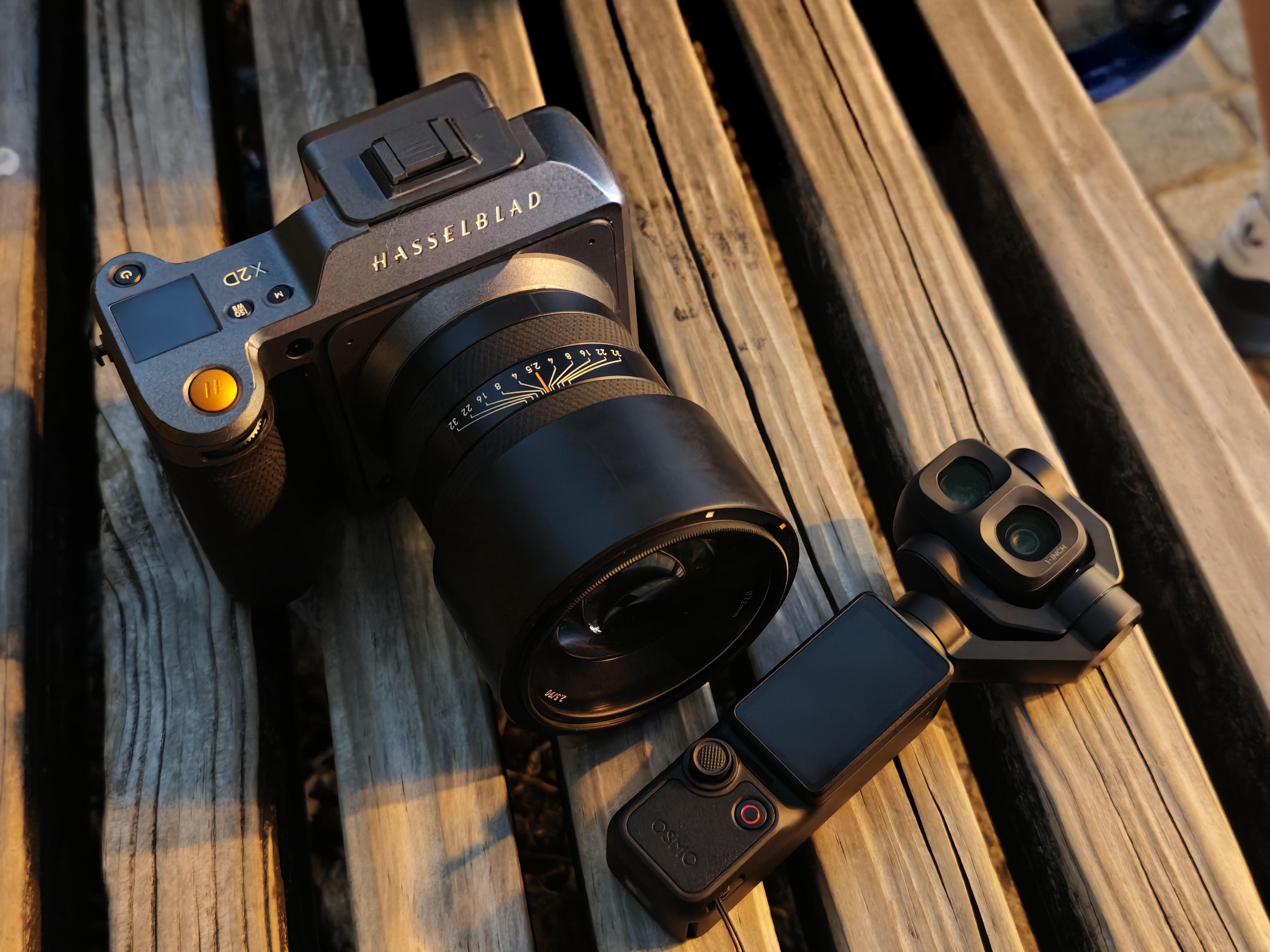
Handheld stabilizer cameras like the DJI Pocket integrate a camera, screen, stabilizer, and audio capabilities into a compact body, offering more stable and higher-quality footage than smartphones without the need for additional assembly or complex learning.
This is why the DJI Pocket 3 has consistently been sold out online in recent years.
However, the market is gradually becoming saturated, and ordinary users are no longer content with mere stability. Additionally, smartphone manufacturers continue to enhance video stabilization, sports modes, and portrait video capabilities. For handheld stabilizer camera makers, if their only selling point is 'more stable than smartphones,' their growth potential will wane.
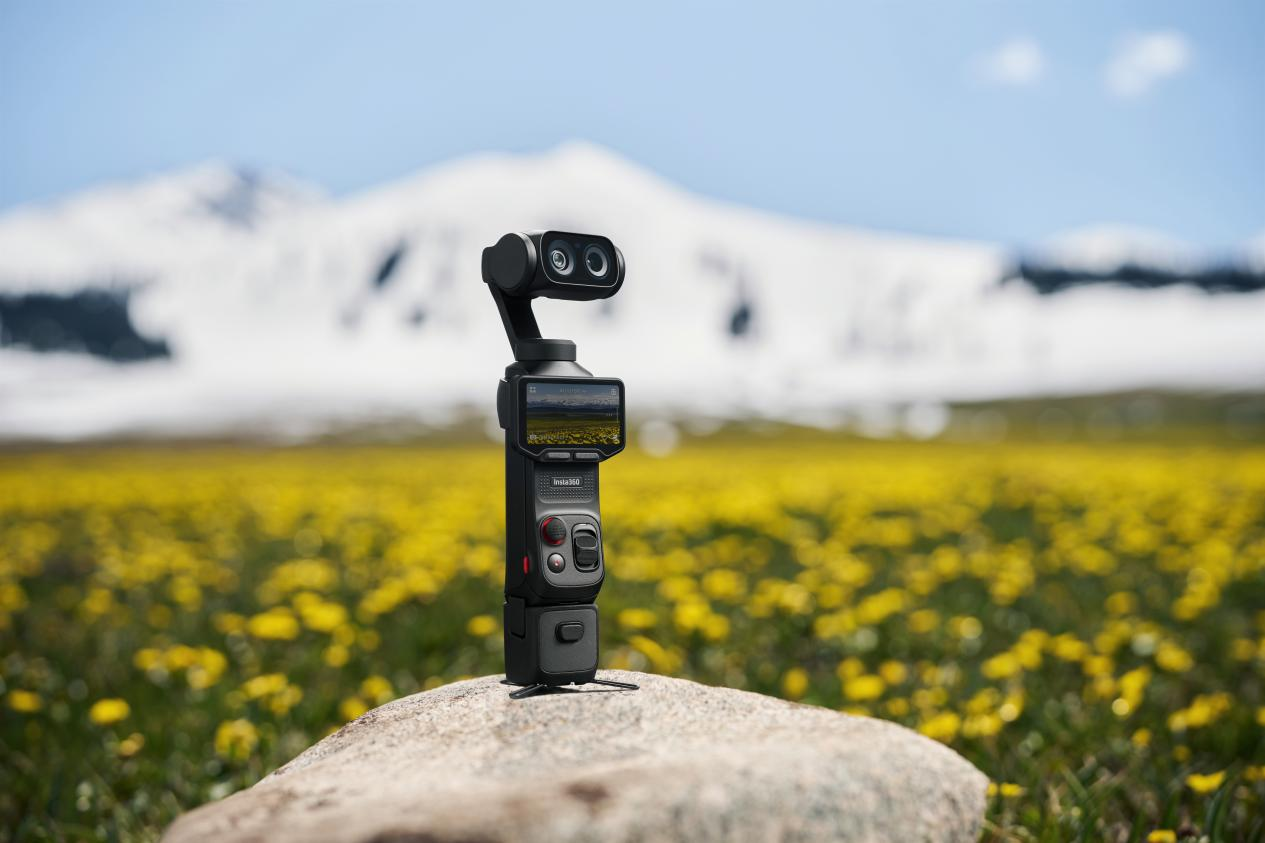
Thus, manufacturers need to evolve. DJI and Insta360 have tacitly shifted their focus to the 'film industry,' aiming to demonstrate to users that these devices are not just for capturing daily life but can also participate in more serious creative endeavors—not just for vlogs but for short films, documentaries, advertising materials, and even more professional production workflows.
(Image source: Insta360 Official)
Therefore, both the DJI Pocket 4P and Insta360 Luna Ultra emphasize their Log shooting capabilities and multi-level dynamic range, even directly compatible with film industry color standards. Manufacturers are attempting to solidify these capabilities into a new product positioning: pocket-sized cinematic cameras.
One past weakness of handheld stabilizer cameras was their limited focal range. The DJI Pocket series featured only a wide-angle lens, sufficient for selfies, street scenes, and sports, aligning with ordinary users' daily recording needs. However, excessive wide-angle shots often result in all footage appearing from the same perspective, capable of showing the environment but struggling to highlight focal points.
This is why DJI and Insta360 are focusing on dual-camera and telephoto capabilities. They aim not just to let users shoot farther but also to provide richer shooting ideas: using wide-angle for context and telephoto to highlight people, products, and details, adding depth and hierarchy to videos for greater appeal.
While still not on par with professional cameras and film cameras, they are no longer just ordinary recording tools.
Why Do Pocket Cameras Dare to Call Themselves 'Cinematic Cameras'?
By now, you've likely surmised that DJI Pocket and Insta360 Luna dare to promote their 'professional creation' capabilities and even 'pocket film camera' status not because they've caught up to film cameras in every parameter but because today's handheld stabilizer cameras are indeed 'more capable' than before.
Larger sensors, higher-specification video recording, better low-light performance, and richer color modes provide a superior foundational image quality; Log, RAW, and high dynamic range capabilities offer more post-production flexibility. These parameters may not transform handheld stabilizer cameras directly into film cameras, but they at least ensure they're no longer just devices for social media influencers.
But more crucially, it's about the workflow.
When discussing professional imaging equipment, many initially think of image quality. However, for individual creators and small teams, the ability to complete shooting efficiently is often more vital than image quality. Features like intelligent tracking, pre-composition, gesture control, wireless audio, rapid transfer, and in-camera filters may seem less critical than image quality parameters, but they directly determine whether a person can independently complete a shoot.
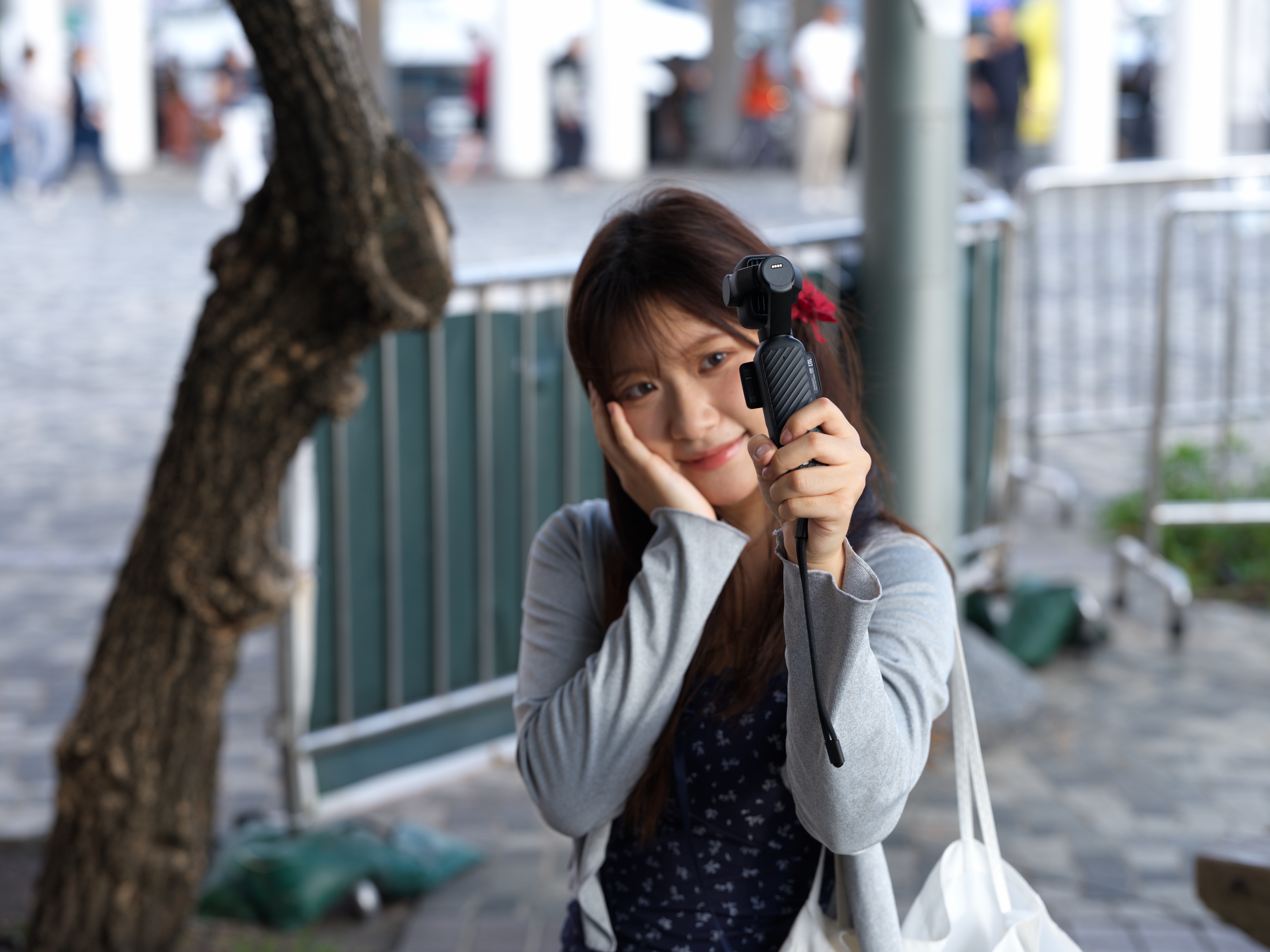
Previously, shooting oneself alone often resulted in off-center composition, focus issues, and poor audio. Today's stabilizer cameras can automatically follow subjects, keep them centered or at golden ratio points, and directly connect to wireless microphones for audio. Previously, shooting a stable moving shot might require a camera, stabilizer, focus puller, and monitor; now, a single handheld stabilizer camera can handle most lightweight scenarios.
(Image source: Leitech)
This is why manufacturers dare to promote themselves as 'pocket film cameras'.
Of course, this doesn't refer to traditional film cameras but to the 'professional creation capabilities' they once represented, enabling ordinary users and small teams to capture footage approaching professional quality at lower costs.
Returning to the initial question: Are handheld stabilizer cameras supplementary tools for professional film sets or just amplified marketing rhetoric from manufacturers?
Manufacturers' promotion of 'cinematic quality' and 'professional creation' certainly involves some packaging. Cinema isn't defined by equipment, let alone by a small camera's parameters. What truly determines a work's quality remains the script, lighting, blocking, sound, editing, and post-production. Equipment is just one part, often not the most critical.
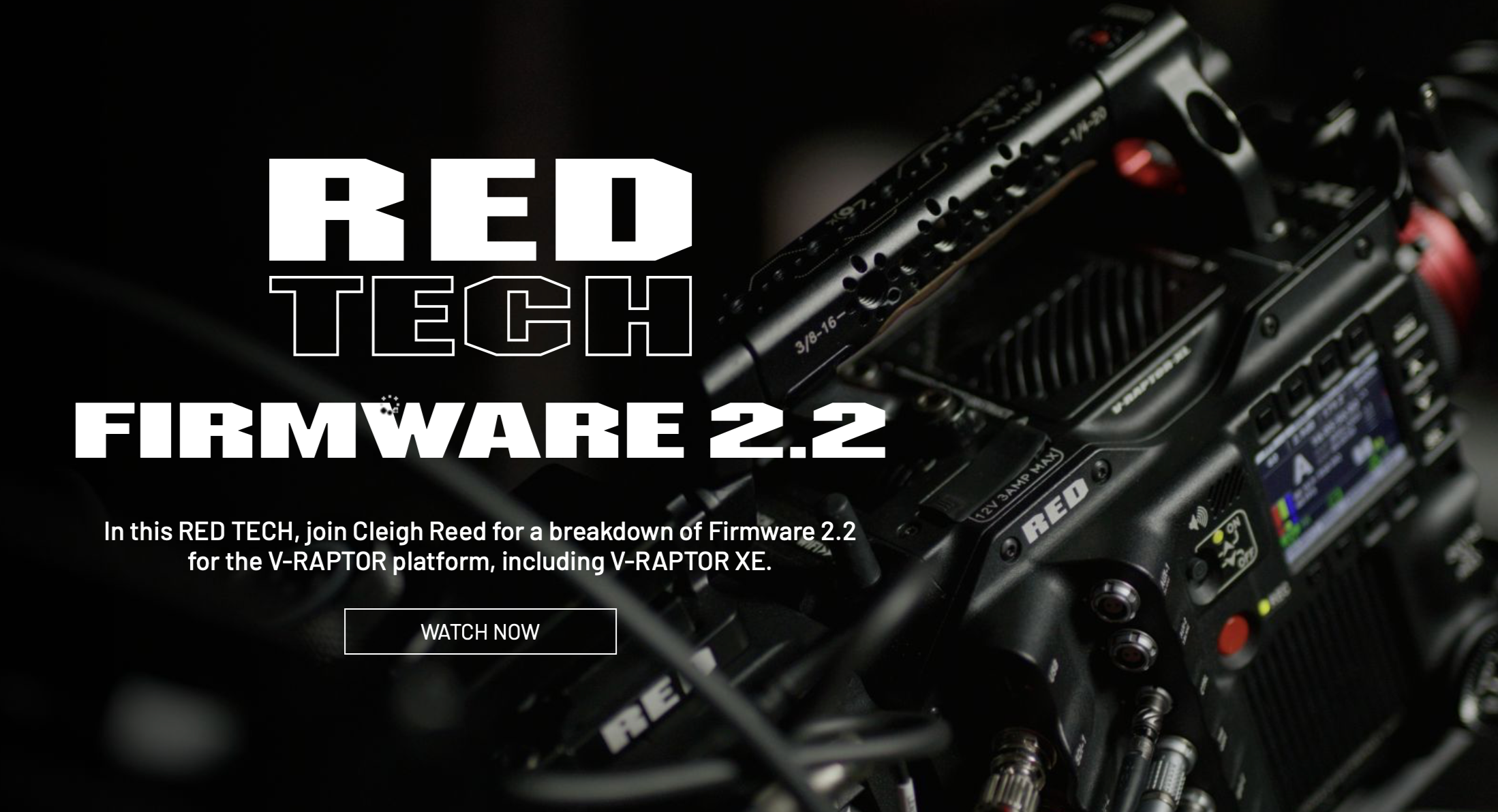
More realistically, there's still a significant gap between handheld stabilizer cameras and true film cameras. Film cameras offer higher image quality ceilings, more complete lens systems, more reliable cooling and power supply, and more mature monitoring, audio, synchronization, and on-set collaboration capabilities. Professional film sets don't involve one person running around with a camera but a complete industrial workflow built around the camera.
(Image source: RED Official)
Within this system, handheld stabilizer cameras are unlikely to become the mainstay: their small size limits expandability, their lens systems are fixed, and their creative freedom is constrained. While they can shoot Log, grade footage, and capture night scenes, they still can't match true film cameras in stability and controllability under extreme lighting contrasts, complex lighting setups, and prolonged high-specification recording.
Their value lies not in replacing film cameras but in eliminating cumbersome steps in fragmented shooting.
Examples include following shots in documentaries, quick recordings at events, moving shots in travel commercials, product close-ups in review videos, transition scenes in brand shorts, and special angles not worth setting up complex systems for. These scenarios don't necessarily require film cameras but do need a device that's light, stable, and fast enough.
In these contexts, handheld stabilizer cameras prove meaningful.
Film Cameras Won't Be Disrupted, But Boundaries Will Blur
The fact that handheld stabilizer cameras now promote their cinematic capabilities doesn't mean the entire film industry will be immediately disrupted.
At least in the short term, true film cameras remain irreplaceable, with their image quality, dynamic range, lens systems, reliability, and industrial workflows setting the standard for high-end imaging production. No matter how much handheld stabilizer cameras evolve, they're unlikely to match film cameras in these parameters head-on.
However, they will bring changes to the film camera industry. Many shots once only possible with professional equipment can now be achieved with a compact stabilizer camera; stable moving shots that previously required learning and setup can now be captured by ordinary users right out of the box. The high equipment barrier between professional and mass-market creation is gradually being eroded.
These devices may not change film cameras themselves but will alter how more people perceive imaging creation.
Handheld stabilizer cameras are not enemies of film cameras but a new form born from the extension of professional imaging equipment into the mass market. The film camera industry won't be transformed overnight by them, but starting today, the boundaries of professional imaging equipment are indeed less distinct than before.
DJI, Insta360, Stabilizer Cameras, Imaging, Cinematic Cameras
Source: Leitech
Images in this article come from: 123RF Licensed Image Library Source: Leitech
-
![]()
AI Giants Start Borrowing to Fuel Computing Power Race
-
ByteDance Initiates Largest B2B Structural Adjustment, This Time It's Truly Different
-
![]()
Let's Talk About Kingsoft Office's Mid-Year Outlook and the True Strength of Its AI-Powered Office Solutions
-
Despite 150 Million Users, Struggles Persist: AIShige Faces Tough Competition from Seedance and Kling in AI Video Monetization
-
![]()
Ensuring Safe Gear Shifting in the Automotive Industry: Transitioning from 'Product Oversight' to 'Full-Chain Governance'
-
![]()
Net Profit Soars to $133.7 Billion! Azure Revenue Tops $100 Billion, with AI Fueling Microsoft's Growth
-
![]()
Before 6G Hits the Market, the U.S. Forges a 'Rules Alliance': What Challenges Await Chinese IoT Enterprises?
-
![]()
Intelligent Driving's 'Little Blue Light' Faces Ban: Night Glare and Cut-in Risks Prompt Official Action