Insta360 Luna Ultra First Look Review: Leica Imaging Shines, A True Game-Changer at Launch
 06/12 2026
 553
553
Leica Dual Camera Changes Everything.
Finally, a new contender has entered the handheld gimbal vlog camera market.
(Image source: Leitech)
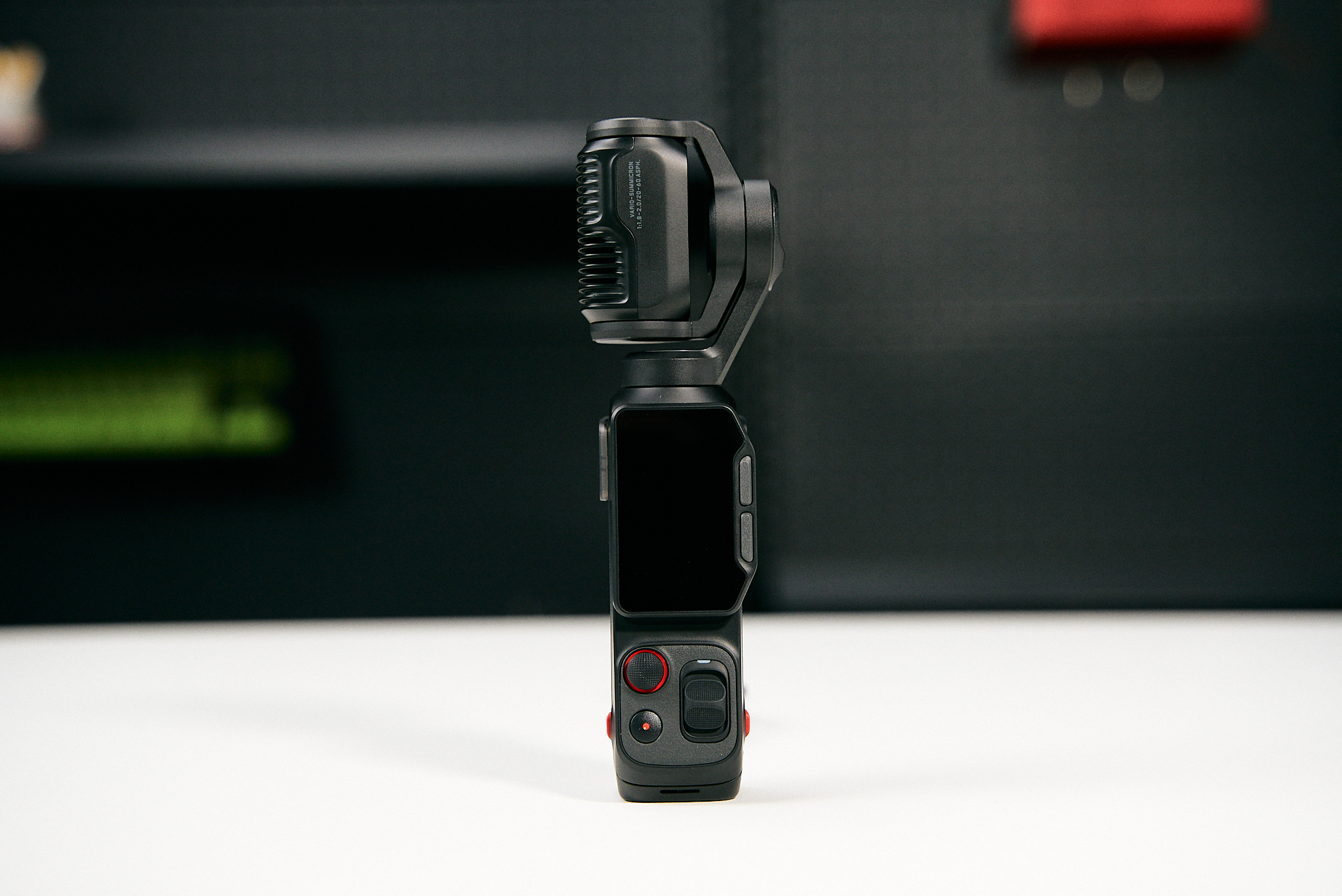
Since late last year, there have been numerous online leaks about the Insta360 Luna. It wasn't until April this year that the company officially confirmed it. Leitech was fortunate enough to get our hands on the Luna Ultra as one of the first batch of media outlets for internal testing before its official release. Next, let's take a look at what Insta360's first handheld gimbal vlog camera has to offer.
Before sharing our experience, let's talk about the price: The standard kit of the Insta360 Luna Ultra is priced at 4,705 yuan on the official website (with a national subsidy price of 3,999 yuan). The travel kit costs 4,358 yuan, the extended battery kit is 4,558 yuan, the vlog kit is 4,568 yuan, and the creator's kit is 4,879 yuan. It comes in black and white versions and is now available for pre-order on major e-commerce platforms. For detailed reports on the new product release, search for Leitech on WeChat.
Innovative Detachable Design, But Slightly Complex Operation
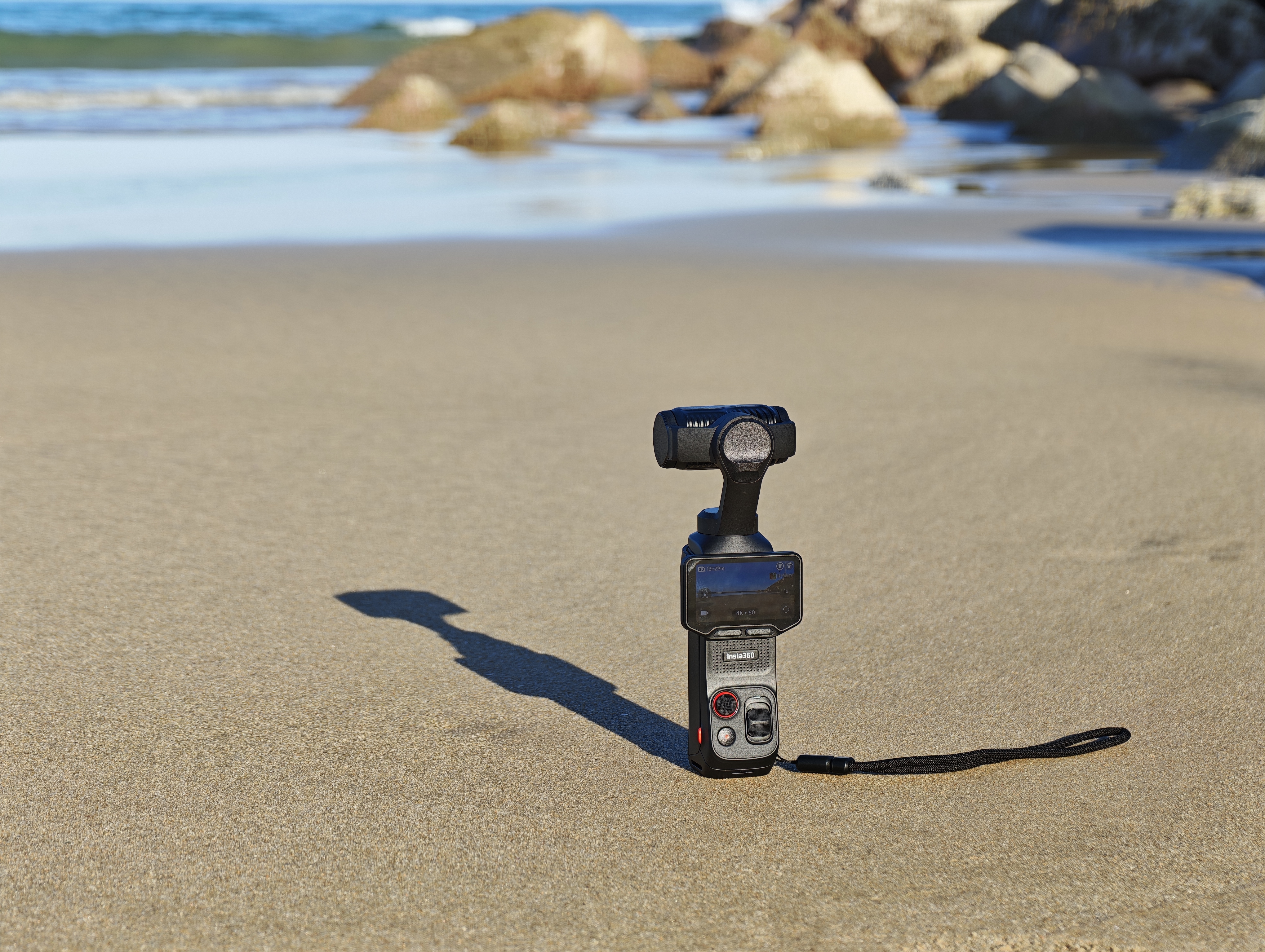
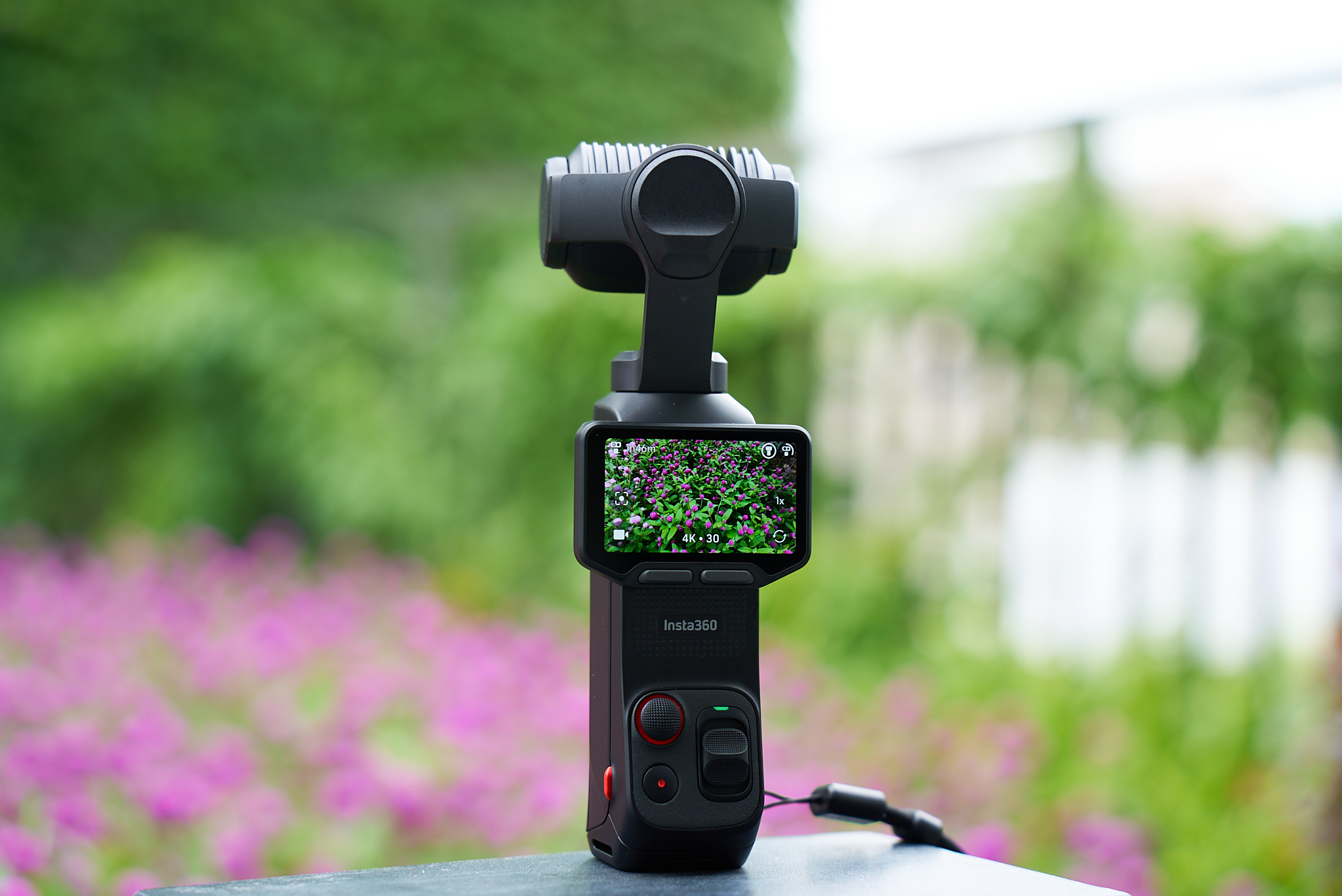
In terms of appearance, the Luna Ultra follows the mainstream design of handheld gimbal vlog cameras, consisting of a lens, gimbal, rotatable screen, and grip body. While some may argue that it borrows elements from other designs, this is indeed the most suitable form factor currently.
(Image source: Leitech)
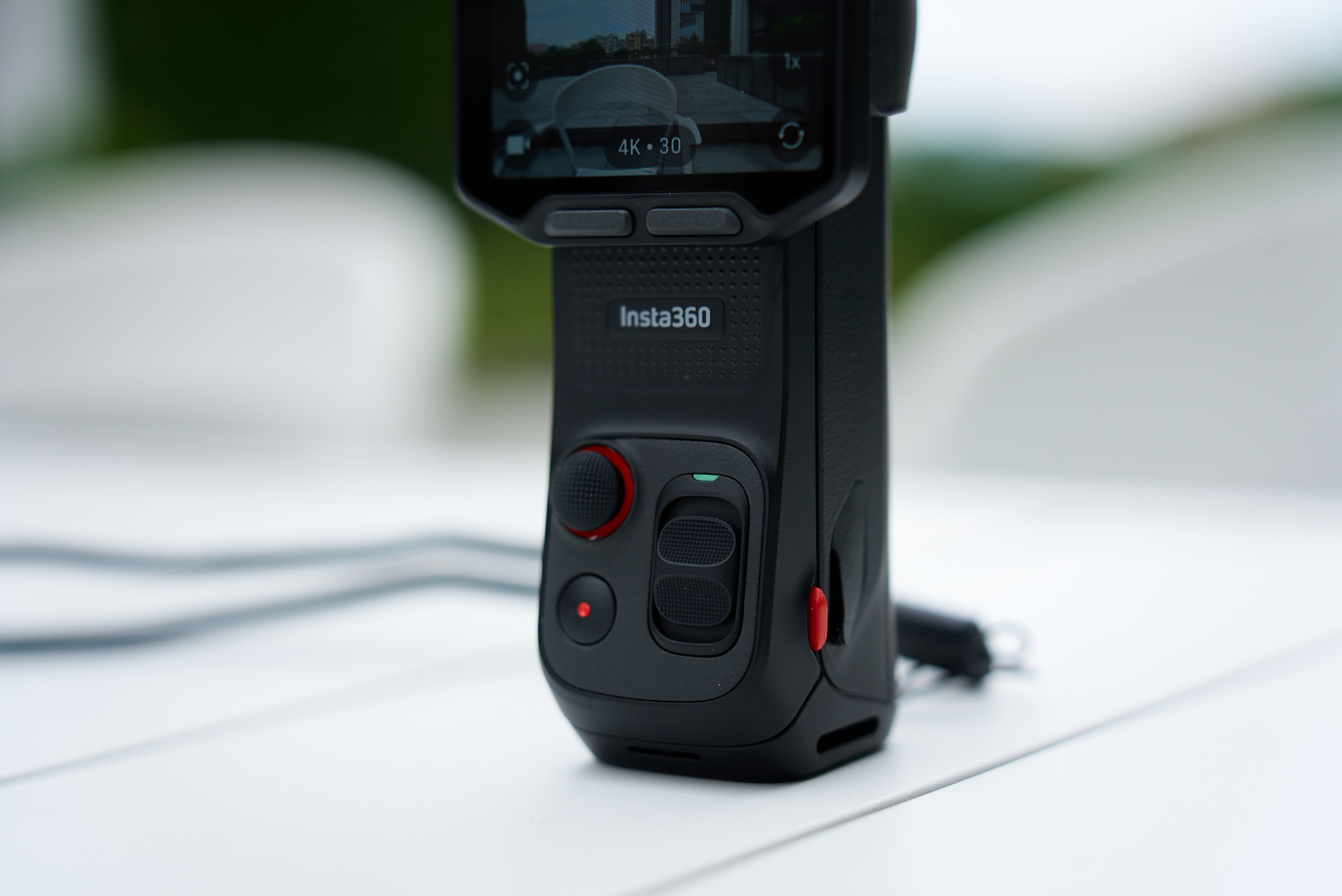
Moreover, Insta360 didn't simply copy the design one-to-one. We can see many of Insta360's unique design philosophies in the control panel. For example, two customizable buttons are placed below the screen. Although this affects the visual consistency, it allows users to quickly switch or adjust parameters in both landscape and portrait modes. Another example is the independent zoom slider for focal length adjustments.
But to be honest, there is a slight learning curve with the Insta360 Luna Ultra, especially when you need to adjust the lens angle and focal length simultaneously. It's quite challenging to do this with just one hand.
(Image source: Leitech)
The most distinctive feature of the Luna Ultra is undoubtedly its detachable screen. With a simple press of the red button beside it, the entire panel can be removed.
You might wonder, "What's the point?" Initially, I didn't quite understand either. After all, when I usually use such products, I hold them in one hand while stare at (watching) the screen with the other, never considering the experience of separating the control panel from the lens.
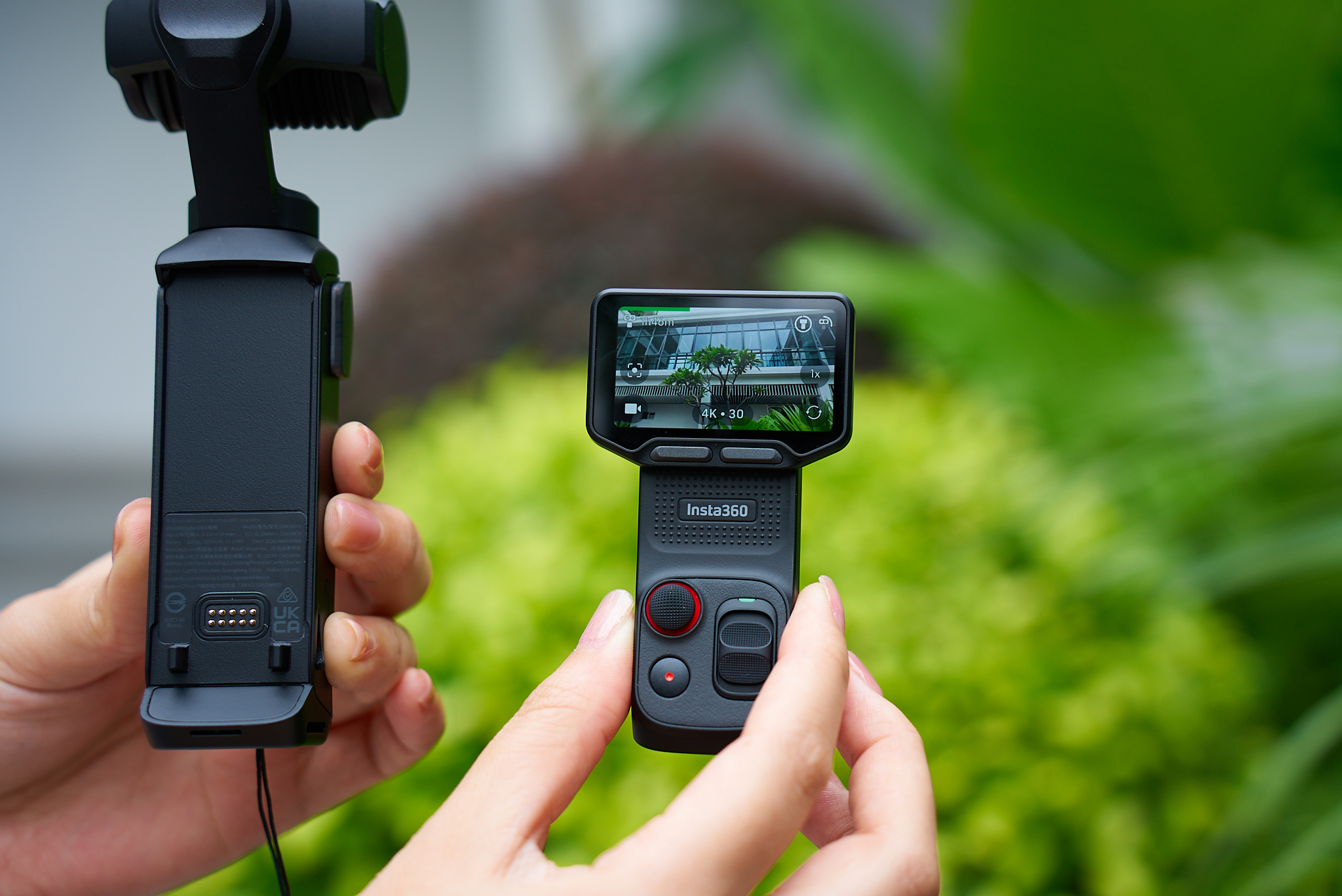
(Image source: Leitech)
However, when I took it out alone, I suddenly realized I could place it on a store table to film pedestrians on the street. Previously, I would have had to constantly look down at the screen, but now I could simply hold the control panel in my hand, saving me a lot of trouble.
Of course, if you like traveling alone but still want to capture vlogs with both people and scenery in the same frame, Insta360's detachable design proves incredibly useful. In other words, the Insta360 Luna Ultra offers a new shooting approach for users who prefer to "travel solo."
That's enough about the form factor. Now, let's move on to the hardware, which everyone is most excited about.
The Luna Ultra's lens system consists of a primary camera with an equivalent focal length of 20mm and a telephoto lens with an equivalent focal length of 60mm. After comparing the specifications, I suspect the primary camera sensor is Sony's newly released IMX06A, featuring approximately 50.3 million effective pixels and a 1/0.98-inch sensor size (close to 1 inch), offering high dynamic range and fast readout capabilities. You could consider it the flagship sensor in the mobile imaging realm, akin to the LYT-900.
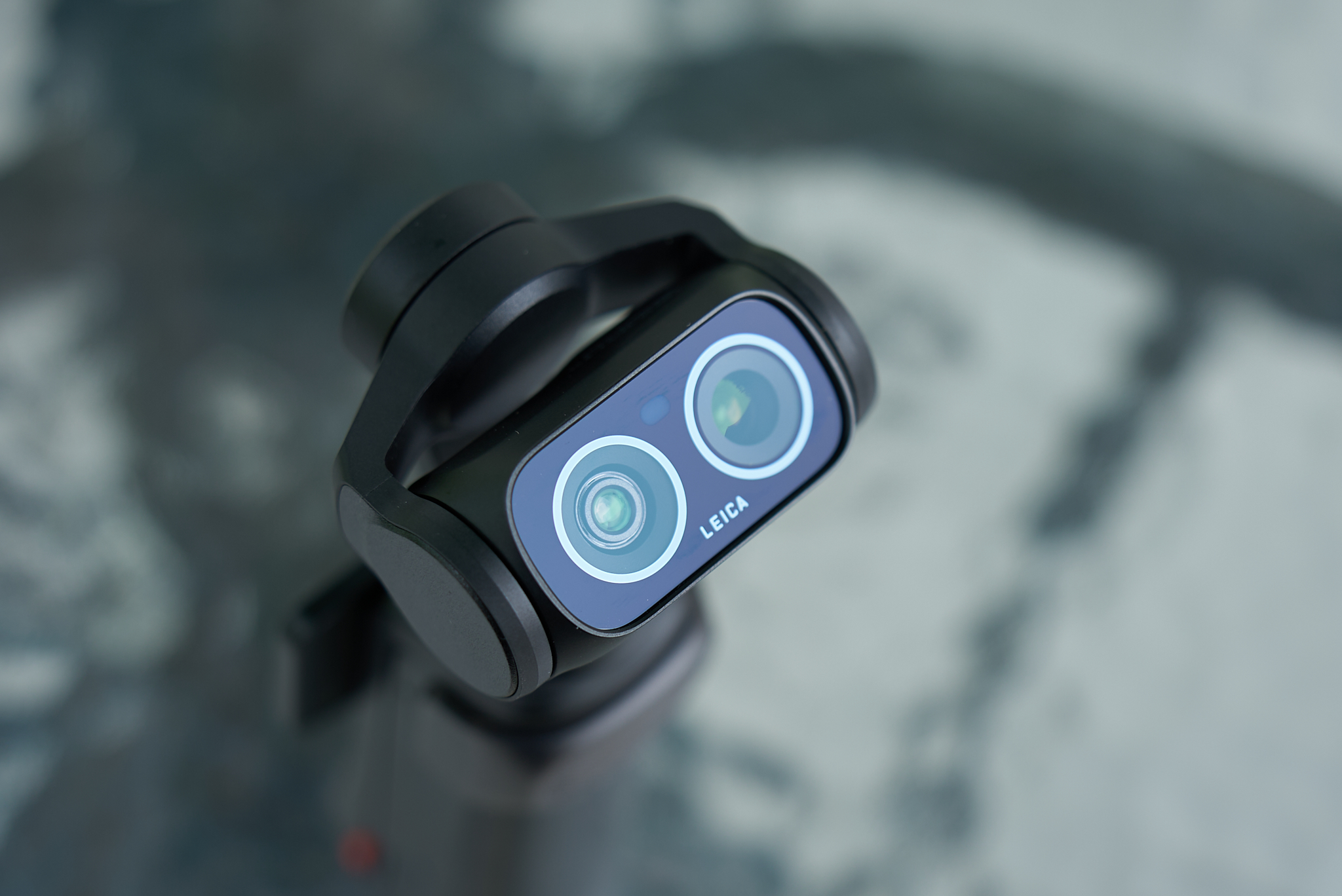
(Image source: Leitech)
The telephoto lens sensor is likely OmniVision's OV50Q, featuring a 1/1.3-inch large sensor design with 50 million pixels and supporting LOFIC technology, significantly enhancing high dynamic range shooting performance.
Of course, the Insta360 Luna Ultra also comes with approximately 47GB of built-in storage. While not substantial, it serves as a temporary solution when users forget to bring a memory card, improving shooting flexibility.
Alright, that's enough about the visible aspects of the design. Now, let's dive into the most anticipated part: the imaging experience.
Leica Dual Camera Significantly Lowers the Barrier to Stable, High-Quality Imaging
As a handheld gimbal vlog camera, the Insta360 Luna Ultra faces two main "competitors": flagship imaging smartphones and professional cameras. Both have advantages that the Luna Ultra lacks. For example, smartphones offer entertainment and communication capabilities beyond photography, making them more practical. Cameras, on the other hand, surpass handheld gimbal cameras in terms of professionalism.
Therefore, to stand out, handheld gimbal cameras must fully leverage their advantage: "stable imaging with a low barrier to entry."
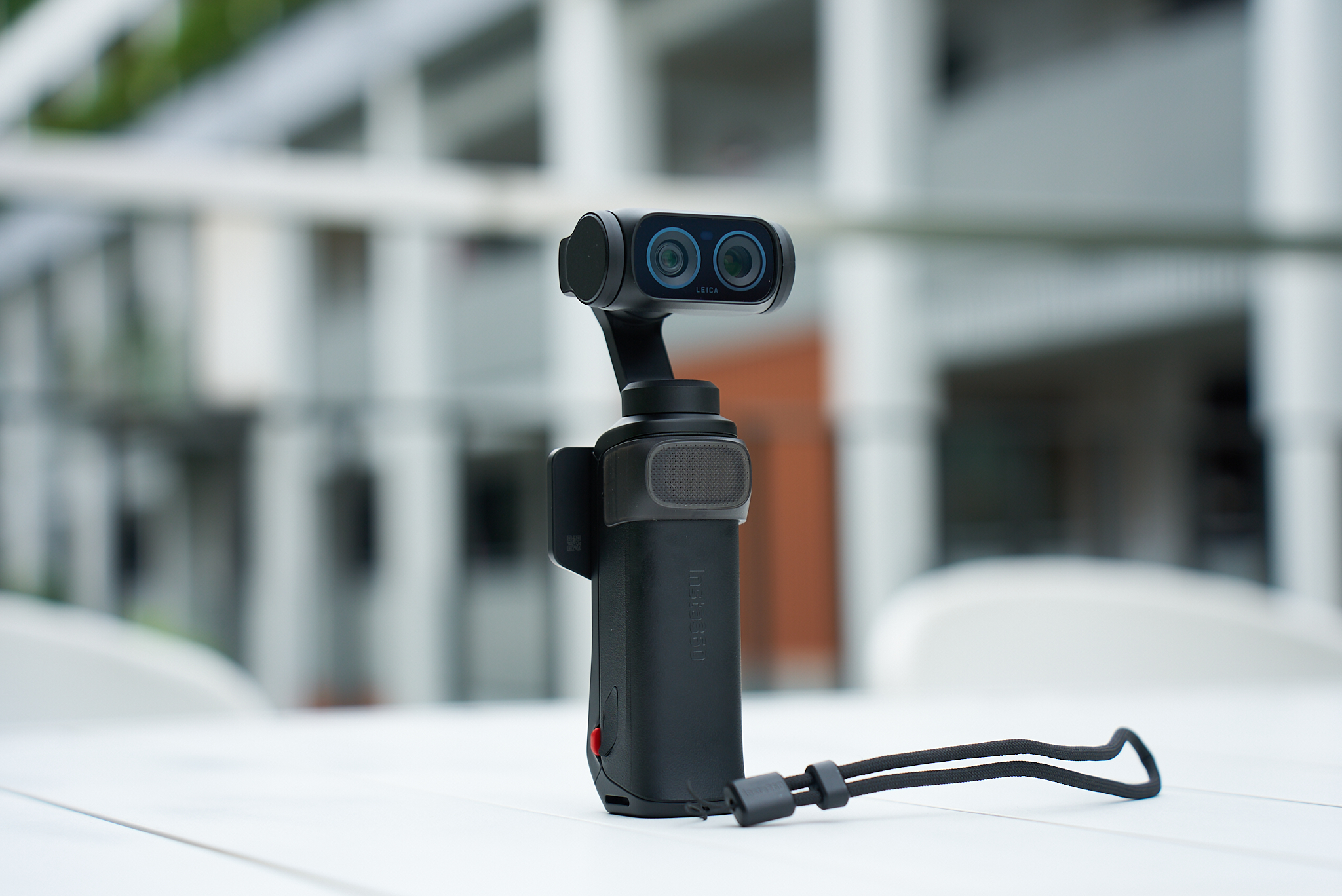
(Image source: Leitech)
Many flagship smartphones now offer 4K, 10-bit, and Log video specifications, while camera image quality has evolved from "passable" to "outstanding." However, smartphone shooting comes with numerous challenges. You need to consider your grip, arm shake, composition, and whether your fingers might block the lens while watching the screen. Not to mention the constant worry of receiving a call that would force you to start over.
Cameras, of course, offer even higher image quality potential. However, for ordinary users, the barrier isn't the specifications but the cost of use. You need to carry the camera body, lenses, stabilizer, and audio equipment. After shooting, you must transfer footage, edit, and color grade, which involves a learning curve beyond what most users can handle.
This is where the Luna Ultra shines. It allows ordinary users to pick it up and start shooting, producing results that don't look "amateurish."
Let's start with the primary camera. The 20mm focal length is the current mainstream choice for gimbal cameras. When holding it for selfies, it can capture the subject, background, and action space within the frame. Especially when shooting while walking, it offers better stability and image quality than smartphone front cameras, with a more natural field of view.
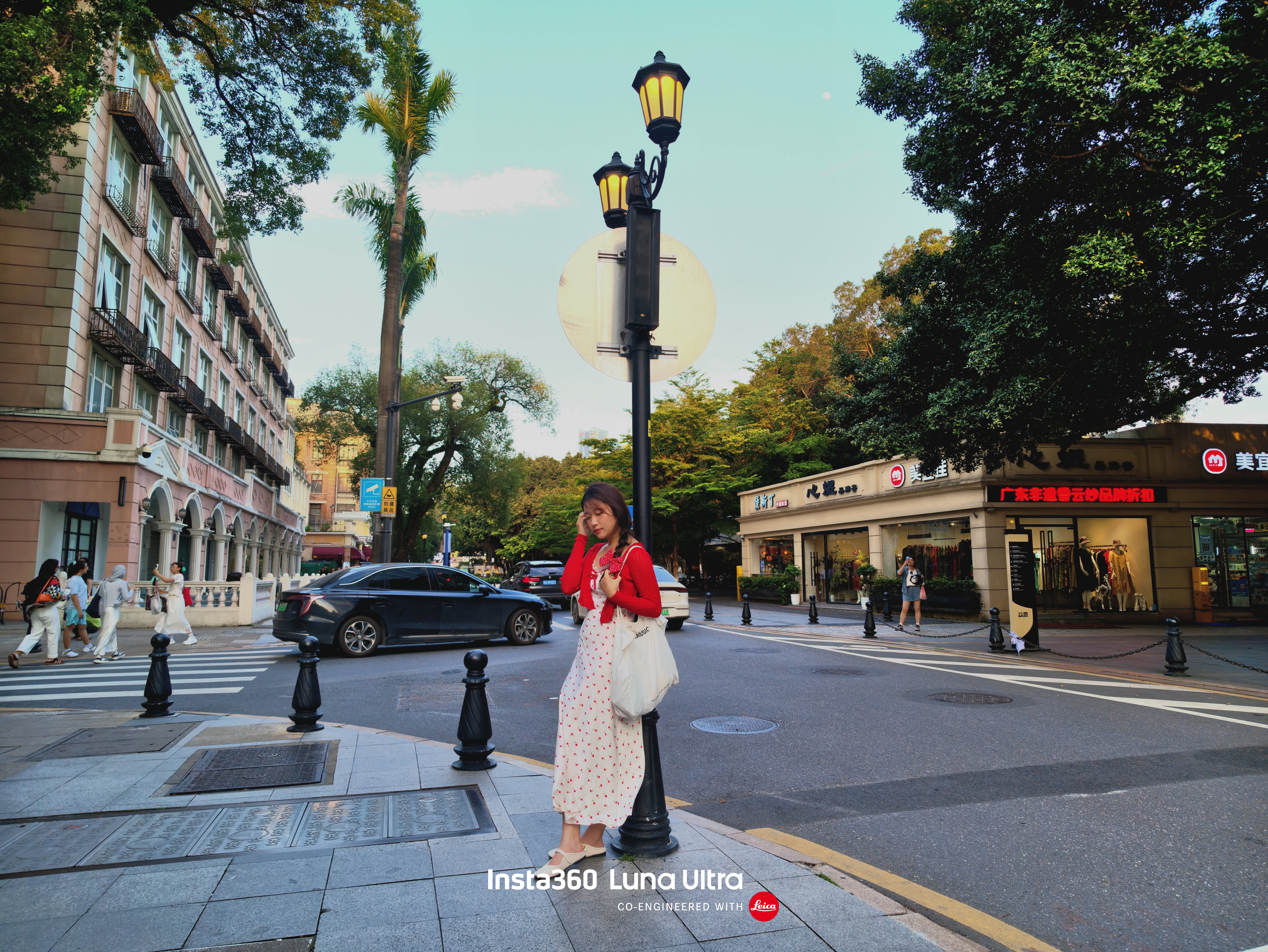
(Image source: Leitech)
Thanks to the Luna Ultra's built-in three-axis mechanical gimbal, its image stability isn't artificially achieved through algorithmic cropping like smartphones. The entire frame remains stable and natural. Even when walking, turning, or going up and down stairs, the image doesn't suddenly jerk or shift perspective.
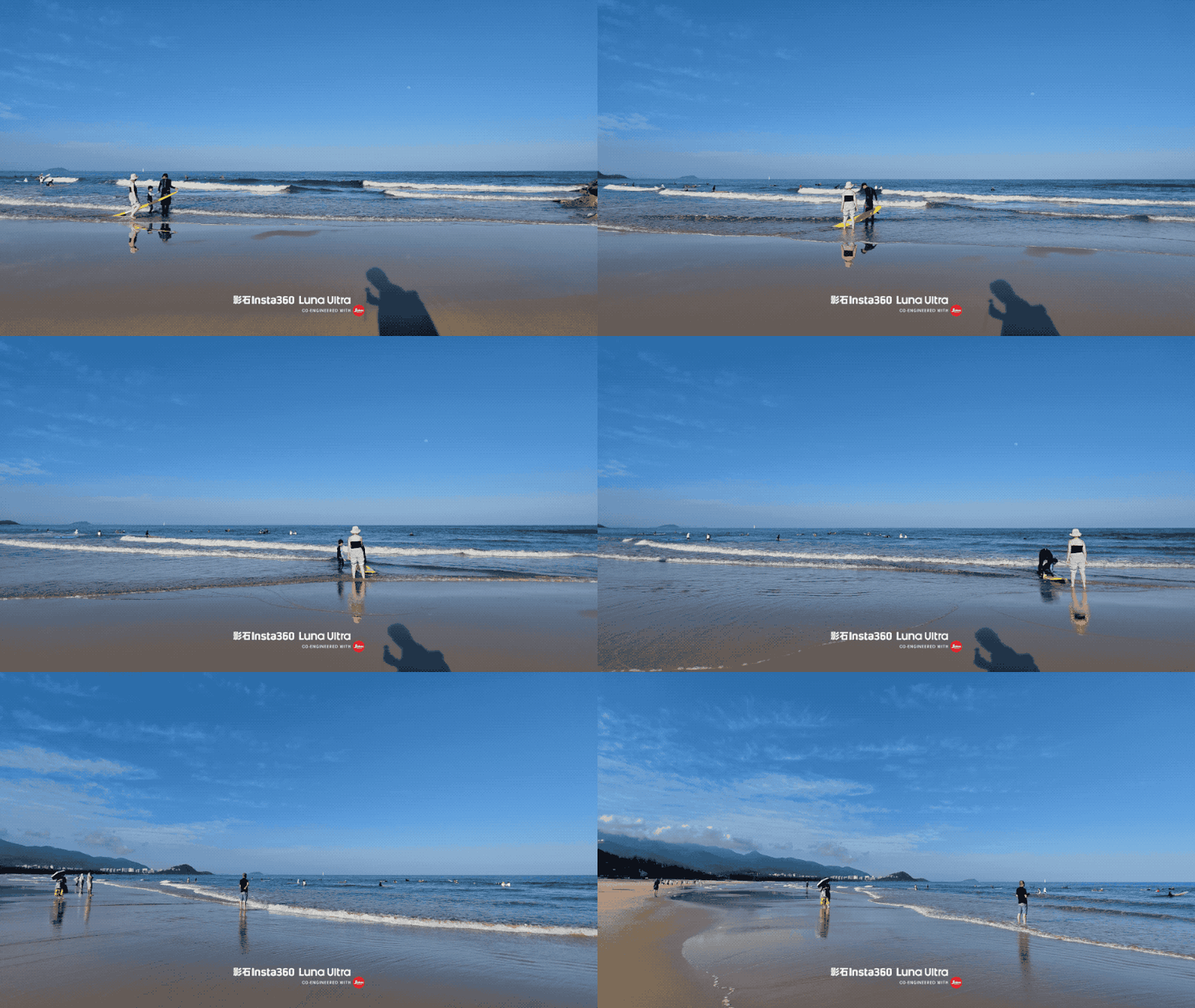
(Image source: Leitech)
Many users don't demand extremely high image quality or stunning visuals from videos. They primarily want to avoid excessive shakiness, which can ruin the overall viewing experience.
However, the most interesting aspect of this device is the 60mm telephoto lens.
It's not that I dislike the 20mm primary camera's perspective. After all, vlogs require a primary perspective (perspective) to showcase the surrounding environment and include more visual information. However, the issue with 20mm is that it maintains a consistent perspective throughout the video. Whether you're filming yourself, the street, food, or a snowy mountain, everything appears in wide-angle. Without post-production cropping or changing the shooting position, the video can become monotonous.
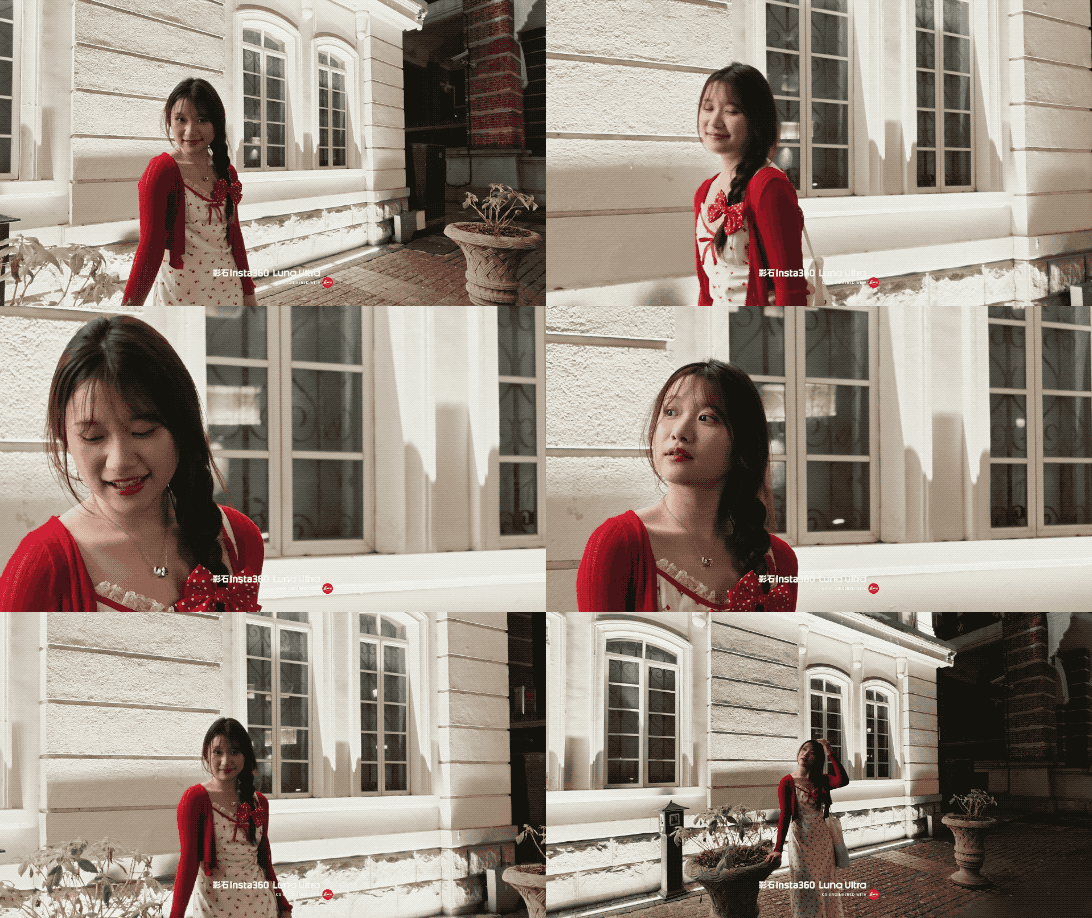
(Image source: Leitech)
This is where the telephoto lens shines. When you tap the focal length button on the screen, it switches between 1X, 2X, 3X, 6X, and 12X zoom levels. You can also customize the zoom using the handle's slider. Taking 3X zoom as an example, the perspective of the entire frame changes, and the background is compressed into a tighter space.
Previously, capturing an interesting shot might have required you to move closer, farther away, crouch down, change angles, or even crop later. However, the Luna Ultra comes with a physical telephoto lens. You can use the wide-angle lens to showcase the surrounding environment and then use the telephoto to "highlight" the main subject. For those who don't want to carry a camera and lenses, this improvement is far more valuable than 8K resolution.
Of course, the telephoto lens also increases shooting difficulty, requiring higher composition and gimbal control skills. With wide-angle, slight tilts or off-center subjects can be corrected through cropping and adjustments. However, with telephoto, the narrower frame makes it immediately obvious whether the subject is properly placed and if the gimbal is following correctly. When I first used the Luna Ultra's telephoto lens, some footage looked awkward, with subjects either too close to the edge or backgrounds occupying too much space.
In my opinion, the significance of the Luna Ultra's telephoto lens isn't to allow users to "shoot farther" but to provide more creative possibilities when filming videos. It does increase shooting difficulty, and not every clip will turn out perfectly. However, when used in the right scenarios, the improvement in visuals is remarkable.
At least for me, this telephoto lens isn't just an added bonus but the key factor that sets the Luna Ultra apart from ordinary single-lens gimbal cameras.
Leica's Straight-Out-of-Camera Colors Impress, With Low Light Being the Only Weakness?
Now that we've covered focal lengths, let's talk about image quality.
In daylight samples, the primary camera's resolution and dynamic range are consistent. It doesn't overprocess the image to make it overly "transparent" like some smartphone videos, nor does it appear dull and lifeless in pursuit of naturalness. Especially in well-lit outdoor scenes, the Luna Ultra's straight-out-of-camera colors are pleasing. The sky doesn't appear washed out, building edges lack excessive sharpening, and textures on leaves and walls are preserved without being overly enhanced like on smartphones.
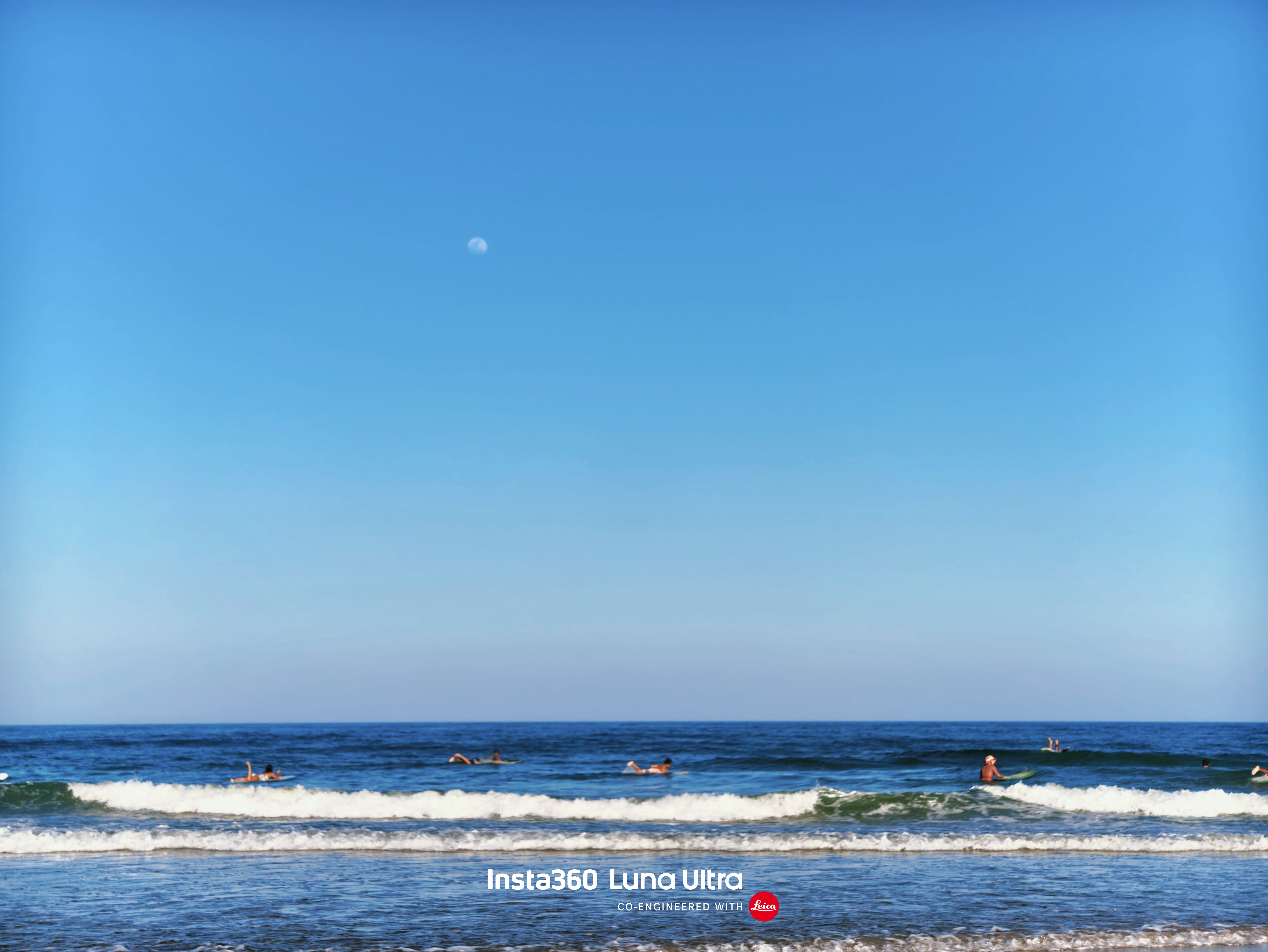
(Image source: Leitech)
Its color tendency leans toward warmer tones, reminiscent of old-school film cameras. This might be related to the Leica collaboration, although I hesitate to simply label it as the "Leica look," as that term has become overused.
In other words, the Luna Ultra's color style prioritizes the atmosphere of the scene. Shadows aren't overly brightened, and highlights aren't completely suppressed. In high-contrast scenes, the image retains a feel closer to what a camera would produce straight out of the box.
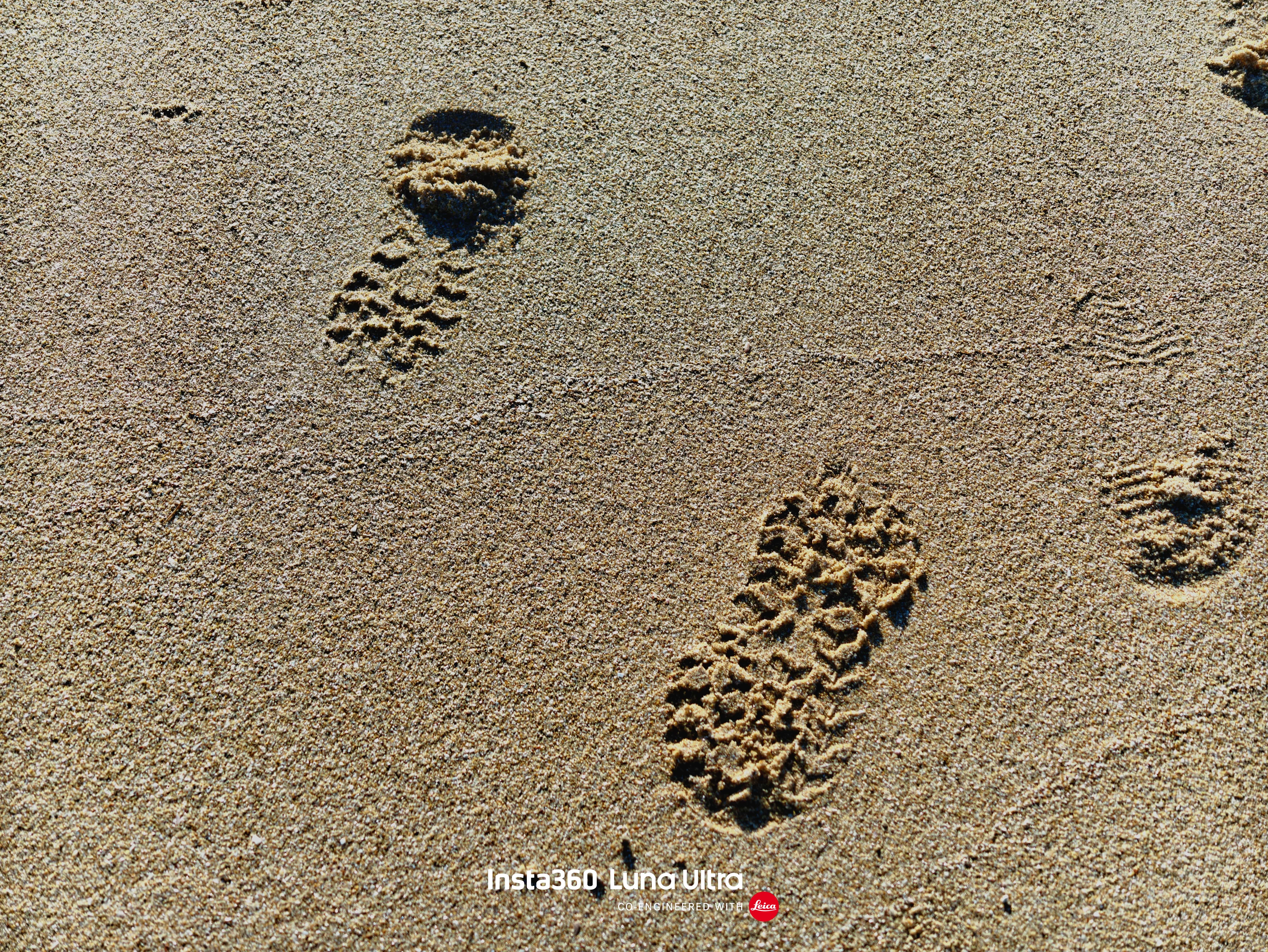
(Image source: Leitech)
For example, in high-contrast scenes, the camera's layering and transitions remain more natural. In low-light environments, the dark area purity and color depth of large-sensor cameras are still superior to what small gimbal cameras can achieve. However, comparing the Luna Ultra to a full-frame camera isn't entirely fair. Its true competitor is the casual footage you'd take with a smartphone.
Some readers might wonder, "Can't my smartphone capture these scenes?" Of course, it can. Many flagship smartphones now offer impressive video capabilities. However, smartphone videos heavily rely on computational photography. In simple lighting conditions, everything seems fine. But in backlit, mixed lighting, or nighttime scenes with bright signs, the algorithm intervenes. It "actively" helps you suppress highlights, brighten shadows, adjust skin tones, and increase contrast to make the image as "clear" as possible.
However, this often comes at the cost of losing light and shadow effects. The sky loses its gradients, shadows lose their depth, and skin tones become unstable under complex lighting. In videos, these changes are even more noticeable because it's not just a single image but an entire clip being constantly altered by the algorithm.
Smartphones excel at computational photography, but this approach can sometimes have side effects: dark areas become overly bright, soft areas are overly sharpened, skin tones become unstable under complex lighting, and video exposure fluctuates with scene changes. The Luna Ultra, on the other hand, handles images more restrainedly, resulting in a more natural and texture (textured) look.
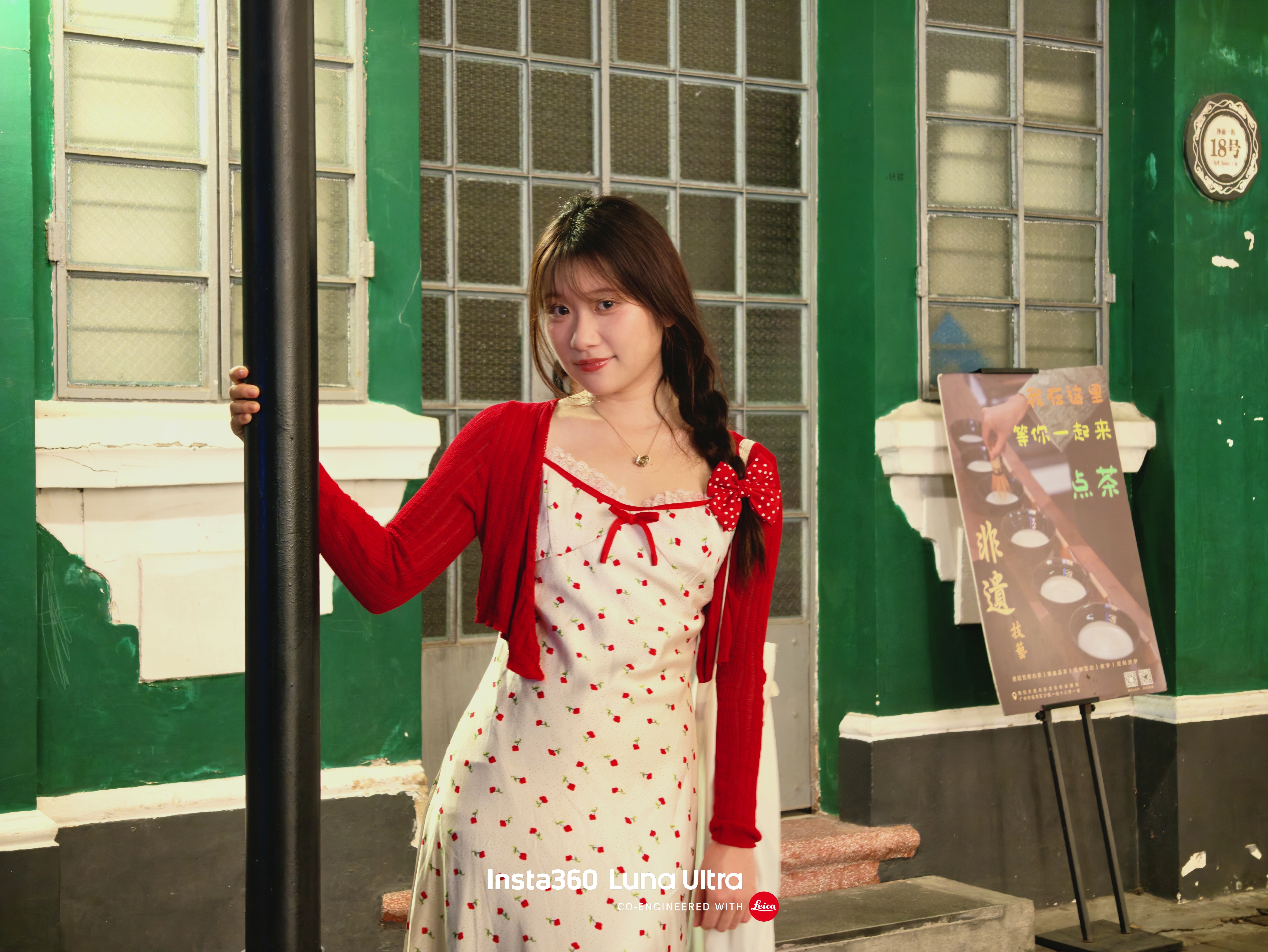
(Image source: Photographed by Leikeji)
I also specifically tested some scenes with complex light sources, such as indoor lighting, glass reflections, roadside signs, and nighttime traffic. It can be seen that the exposure changes of the Luna Ultra are not particularly aggressive. When the scene switches from bright to dark, the image does not suddenly become brighter, nor does it immediately darken the entire frame when panning over bright signs.
It doesn't turn night into day, nor does it artificially brighten the entire scene to please the eyes. Instead, it strives to preserve the layers of the lighting itself and the ambiance of the scene. For example, in scenes like roadside neon lights, mall entrances, and by the windows of coffee shops, the overall look and feel of the images captured by the Luna Ultra are quite comfortable.
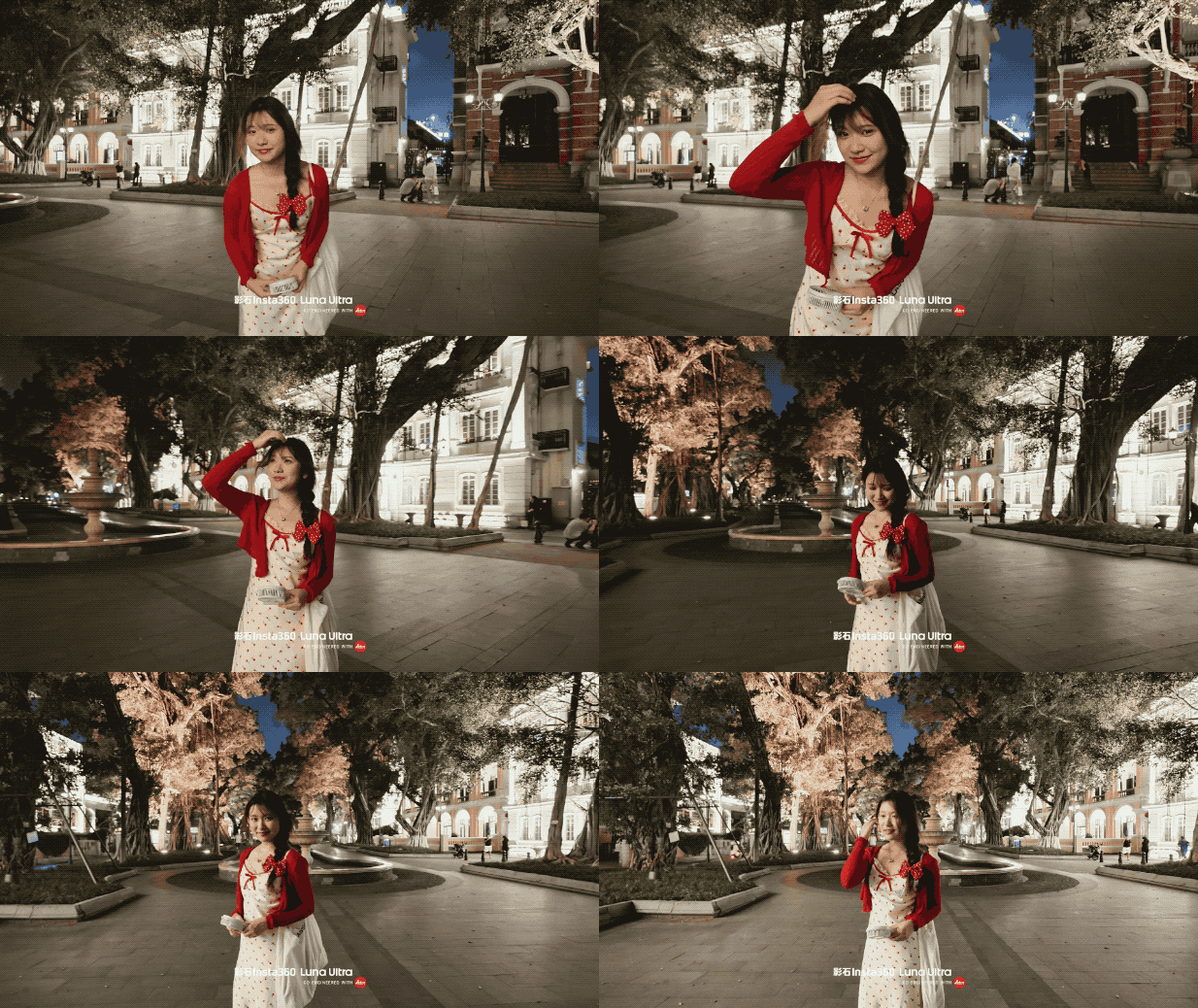
(Image source: Photographed by Leikeji)
However, in extremely dim environments, it still reveals the limitations of a small device: dark area noise, reduced detail, and erratic focusing. This is understandable, after all, not many cameras can work miracles in the absence of light.
As for photography, I think the Luna Ultra performs quite well. Its 37-megapixel direct output and up to 200-megapixel "shake-shake" shooting can meet the daily photography needs of most users, and its success rate in producing satisfactory photos is higher than I expected, making people more willing to take it out for shooting.
In the past, the photography functions of many gimbal cameras were quite awkward because when users wanted to take a photo, their first reaction was still to reach for their phones. However, the dual-camera combination of the Luna Ultra does offer some different possibilities: the 20mm lens for capturing the environment and the 60mm lens for close-ups. Coupled with relatively stable image stabilization and Leica color science, the daily success rate in producing satisfactory photos is not low.
If you're just posting on WeChat Moments, Weibo, or Xiaohongshu, it's more than capable, especially when using the telephoto lens to shoot product details, food, or profile views of people, the texture is much better than cropping from a wide-angle shot.
However, if you're specifically looking to shoot static photos, I would still recommend buying a dedicated camera or using a flagship smartphone with excellent imaging capabilities. Photography is just a bonus for the Luna Ultra, not its core selling point.
The intelligent following experience is very satisfying, but the control experience has some minor flaws.
Oh, and I also discovered another advantage of the Luna Ultra during my experience: intelligent following. Activating it is very simple; just press down on the joystick before shooting to enter following mode. It automatically recognizes people in the frame and makes the gimbal follow the subject's movements. During actual shooting, as long as the person's movements are not too exaggerated, it can smoothly record a video segment without you constantly adjusting the gimbal angle or worrying about accidentally moving out of the frame.
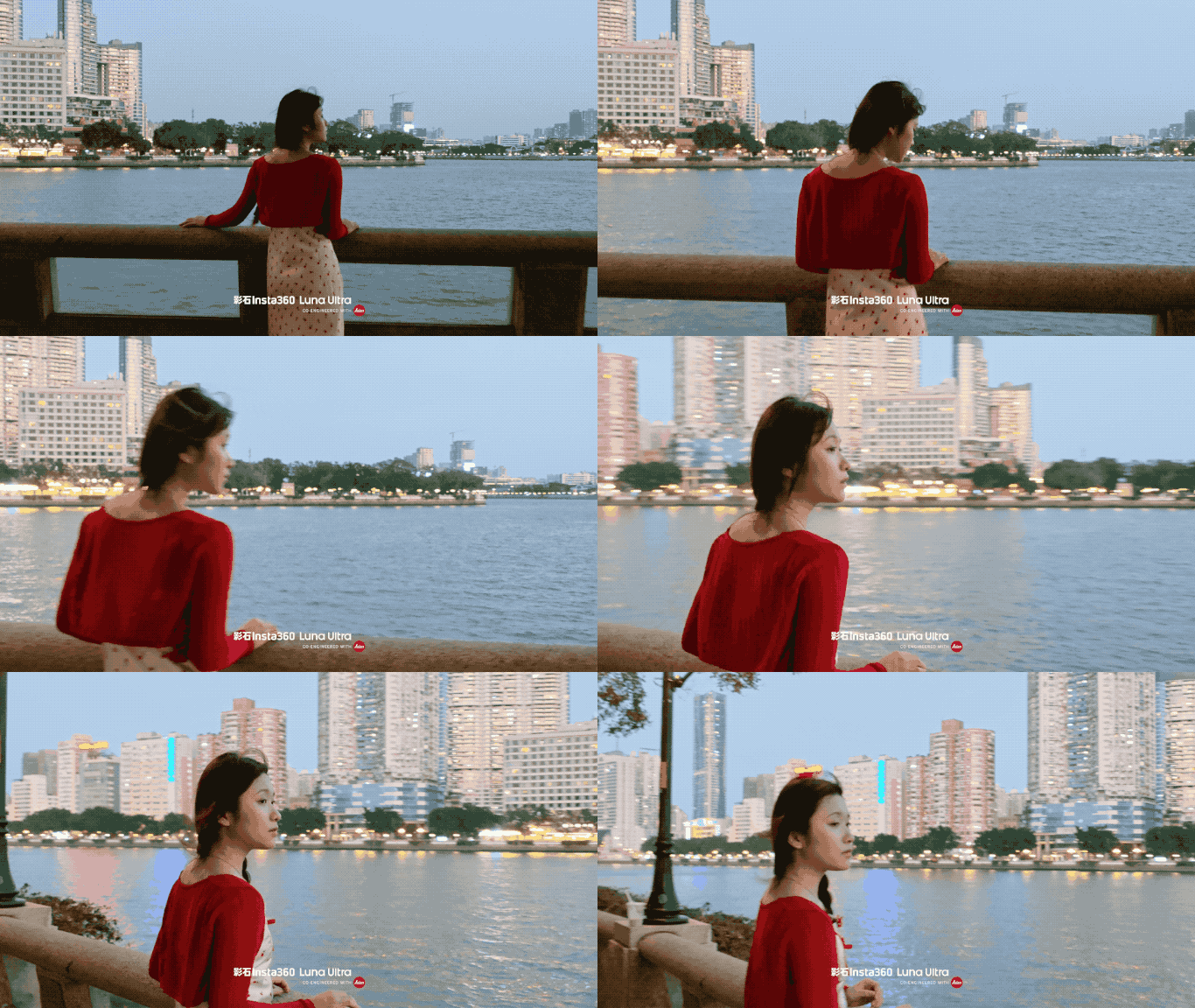
(Image source: Photographed by Leikeji)
Speaking of which, I have to roast a bit about the operation of the Luna Ultra.
The customizable buttons below the screen, the independent zoom rocker, and the detachable panel all have their purposes when considered individually. However, when combined, new users may find it a bit complex, especially when all these features are concentrated in a very small area. Switching between landscape and portrait modes, adjusting focal lengths, gimbal angles, and settings can easily lead to accidental button presses.
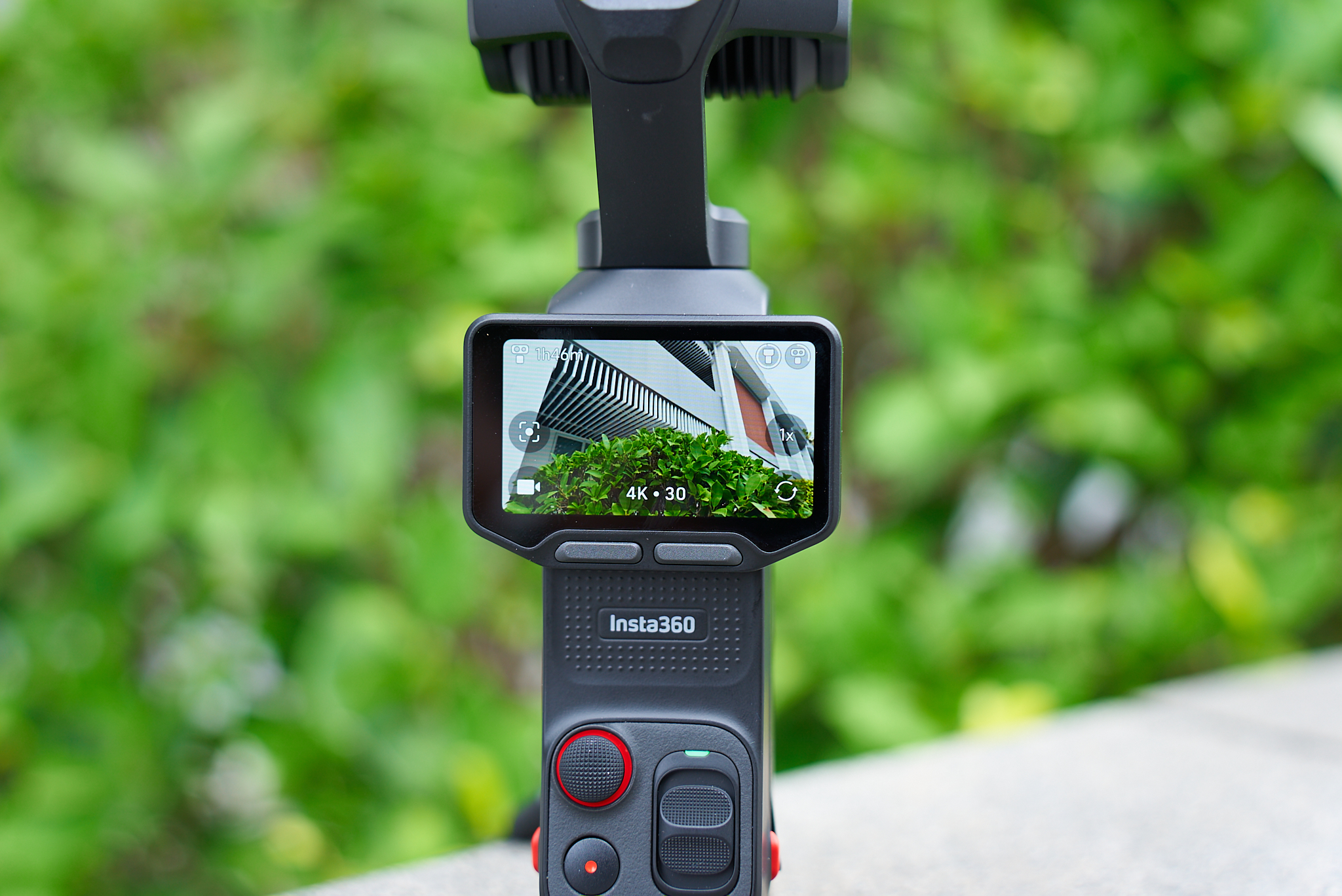
(Image source: Photographed by Leikeji)
Secondly, there's the issue of read and write speeds. I've encountered situations more than once where, after finishing shooting one clip and preparing to shoot the next, I found that the Luna Ultra was still writing the previous file and couldn't perform any operations. This significantly affects shooting efficiency. I hope Insta360 can optimize this soon. We can't just blame it on the read and write speeds of the TF card, after all, not everyone can afford high-speed TF cards.
The Luna Ultra perfectly inherits the DNA of Insta360's panoramic action cameras.
Finally, following Leikeji's review tradition, here's a brief summary of the pros and cons of the Insta360 Luna Ultra.
Pros:
1. The detachable screen design is truly innovative, providing more angles and composition ideas for solo shooters.
2. The dual-camera combination is highly practical, offering not just an additional focal length but entirely new shooting possibilities.
3. The mechanical gimbal's stability remains an advantage that smartphones cannot fully replicate, resulting in more natural footage while walking and shooting.
4. The Leica-enhanced direct-out colors are eye-catching, and there are multiple filters to choose from.
5. Intelligent following is practical and quick to learn.
Cons:
1. The operating logic requires some learning, especially with multiple buttons and a detachable screen, new users need time to adapt.
2. Controlling focus, gimbal, and composition simultaneously with one hand is not easy.
3. Heat generation and battery life require special attention during prolonged high-specification shooting.
4. The write speed is slightly slow, affecting shooting efficiency.
Is the Insta360 Luna Ultra a perfect handheld gimbal vlog camera? Obviously not. Its operation could be simpler, and the detachable screen isn't a feature every user will need all the time. While the dual-camera system offers more creative space, it also raises the barrier to entry for professional shooting compared to traditional single-camera gimbal cameras.
However, the Luna Ultra is not just another "Insta360 also made a Pocket" device. What makes it truly interesting is that Insta360 didn't follow the mainstream but instead incorporated its shooting philosophies from action and panoramic cameras into a handheld gimbal vlog camera.
(Image source: Photographed by Leikeji)
If you only occasionally shoot life moments and don't have high requirements for image quality and stability, your phone is sufficient. But if you often shoot alone and want more stable footage, richer scene variety, and a lighter shooting process without carrying a camera, lenses, and a stabilizer, then the Luna Ultra is definitely worth considering.
It's Insta360's ticket into the handheld gimbal vlog camera market, and from my experience, it's a substantial one.
Insta360, Insta360 Gimbal Camera, Mobile Photography, Imaging
Source: Leikeji
All images in this article are from 123RF's licensed library. Source: Leikeji
-
![]()
AI Giants Start Borrowing to Fuel Computing Power Race
-
ByteDance Initiates Largest B2B Structural Adjustment, This Time It's Truly Different
-
![]()
Let's Talk About Kingsoft Office's Mid-Year Outlook and the True Strength of Its AI-Powered Office Solutions
-
Despite 150 Million Users, Struggles Persist: AIShige Faces Tough Competition from Seedance and Kling in AI Video Monetization
-
![]()
Ensuring Safe Gear Shifting in the Automotive Industry: Transitioning from 'Product Oversight' to 'Full-Chain Governance'
-
![]()
Net Profit Soars to $133.7 Billion! Azure Revenue Tops $100 Billion, with AI Fueling Microsoft's Growth
-
![]()
Before 6G Hits the Market, the U.S. Forges a 'Rules Alliance': What Challenges Await Chinese IoT Enterprises?
-
![]()
Intelligent Driving's 'Little Blue Light' Faces Ban: Night Glare and Cut-in Risks Prompt Official Action