Meta’s New AI Unveiled: Claims of Fully Automated Calls Belied by Human Operation
 10/10 2026
 496
496
Recently, media reports have unveiled that Meta's newly introduced Muse AI agent is embroiled in functional deception. Marketed as an AI capable of autonomously making phone calls and managing tasks for users, it turns out that its so-called fully automated calling feature is, in fact, manned by real individuals in call centers. Meta has notably failed to disclose this crucial aspect to users beforehand.

This revelation, jointly reported by Reuters and 404 Media on September 22, has once again thrust the tech behemoth into the spotlight over discrepancies between its advertised capabilities and actual performance.
In mid-September, Meta officially rolled out the public beta of its new Muse AI agent feature. According to the official description, this feature was designed to proactively initiate calls to businesses, aiding users in accomplishing daily tasks such as making reservations and scheduling appointments. It was one of the most eagerly awaited features at the time. Ryan Fox, Chief Engineer at Meta's Advanced Intelligence Lab, also publicly announced the update on the social platform X, granting priority access to the first batch of users who actively signed up for the feature and openly inviting user feedback.

However, the "fully automated AI calling" touted by Meta diverged significantly from the actual backend operation. Internal documents from Meta reveal that the company incorporated a layer of human customer service into the feature. All AI calling tasks were redirected to dedicated personnel in call centers, with actual humans making the calls. Internally, this was dubbed the "Muse Manual Calling Service."
This internal setup immediately raised alarms among numerous Meta employees. Some voiced concerns on internal platforms, fearing that such a move could easily spark negative public sentiment, with the external world likely questioning Meta's AI technological prowess and suggesting that the new product's launch was reliant on human support, thereby severely tarnishing the product's reputation and brand image.
Yet, this issue transcends mere exaggeration of AI capabilities. Deliberately concealing human involvement also introduces more formidable privacy and security risks.

Many intelligent AI systems incorporate human oversight mechanisms, primarily to ensure operational compliance and mitigate security risks. Such human interventions are typically transparently communicated to users in advance. However, there is no evidence to suggest that Meta's inclusion of human involvement was primarily driven by safety and compliance considerations.
Compared to promotional deception, employees were more apprehensive about the risk of user privacy breaches. Some internal staff warned that once program vulnerabilities surfaced, users' various private information could be directly exposed to the behind-the-scenes human operators. This risk is not unfounded, as AI-assisted tasks inherently require access to vast amounts of user privacy data.

When utilizing AI to assist in booking restaurants, placing orders, or scheduling medical exams, users actively authorize the sharing of personal information. If they were aware that strangers were operating behind the scenes, most would harbor concerns. For instance, having a stranger schedule a private medical exam would entirely compromise personal health privacy.
More critically, the entire manual operation process remains entirely opaque. Users have no means of ascertaining which personal information the behind-the-scenes operators have accessed or whether they have perused the user's chat records with the AI, home address, or contact details. Furthermore, since Meta's smart glasses are also fully integrated with the Muse intelligent system, users' multi-dimensional personal data could be linked and accessed, further expanding the scope of potential privacy breaches.
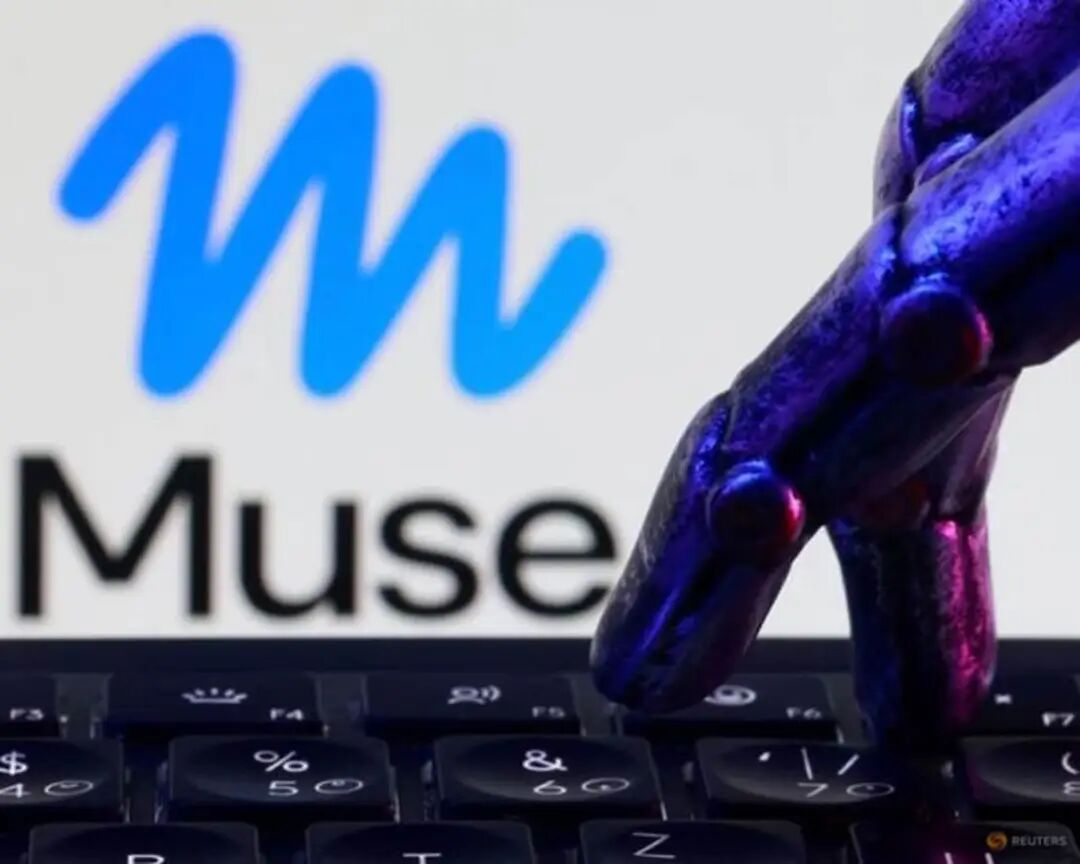
When employing this feature, users are also required to furnish core sensitive data such as phone numbers, patient identification codes, and bank card information to the manual operators, further exacerbating privacy and security risks.
It's worth noting that Meta is not alone in this regard; major tech giants have recently been focusing on AI autonomous task-handling features. Just this week, Google also introduced a daily calling service feature for its Gemini agent. However, Google's product design is comparatively cautious, transferring core transactional steps like credit card payments back to the user for manual operation. Even so, certain privacy and operational risks persist.

This incident is not Meta's inaugural foray into crossing the line on user privacy and product integrity. As early as 2019, Facebook had launched a project involving human monitoring of users' Messenger calls, which ignited a massive controversy and compelled the company to urgently terminate the project.
The phenomenon of "humans doing the work while AI takes the credit" in AI products within the industry has become increasingly prevalent, known as the "false intelligence AI" model. In essence, companies promote fully intelligent services externally but heavily rely on human involvement behind the scenes to complete core tasks, creating the illusion of mature AI technology. In February this year, overseas autonomous driving company Waymo was also exposed, revealing that the operation of its autonomous vehicles necessitated remote human operator assistance and was not fully autonomous.
As the controversy continues to escalate, Meta has urgently suspended the outbound calling feature of Muse. According to Reuters, a vice president at Meta's Advanced Intelligence Lab acknowledged that the feature's launch involved significant blunders, and initiating a public beta without truthfully informing users about the manual operation was unjustifiable.
Examining similar incidents across major tech companies, most follow a similar pattern: non-compliant operations are exposed, public apologies are issued, related functions are shut down, minor fines are paid, and then new products are launched, perpetuating the cycle. Over time, such rectifications appear more as formalities, failing to genuinely constrain companies' product development and user privacy protection practices.
As of now, Meta has yet to issue an official response or detailed explanation regarding this incident.
By/Mosheng
All images in the article are sourced from the internet
-
![]()
Kimi K3 Goes Viral and Suspends Service in 48 Hours: Model Wins Benchmarks, Compute Falls Short Against Big Players
-
![]()
Zhixiang Future Secures 2.1 Billion Yuan in Three Months of Financing, Yet Founder Maintains: 'We Haven't Achieved World-Model Status'
-
11 Days, Five Launch Events: The Battle Behind the 2026 Domestic Flagship Smartphones
-
![]()
Lenovo's PC Shipments Plunge 22% Year-on-Year: The AIPC Narrative Faces Challenges
-
![]()
Why Hasn't Deepal Produced a Blockbuster Model One Year After Deng Chenghao and Jiang Hairong Joined Forces?
-
![]()
Meta’s New AI Unveiled: Claims of Fully Automated Calls Belied by Human Operation
-
![]()
Multinational Restrictions on Smart Glasses: Policy Changes and Three Types of Overseas Risks to Watch For
-
![]()
The Rise of AI Travel in a New Era | WeTides