Multinational Restrictions on Smart Glasses: Policy Changes and Three Types of Overseas Risks to Watch For
 10/10 2026
 474
474
It's only been a few days into October, and the global smart glasses industry has already faced three major challenges.
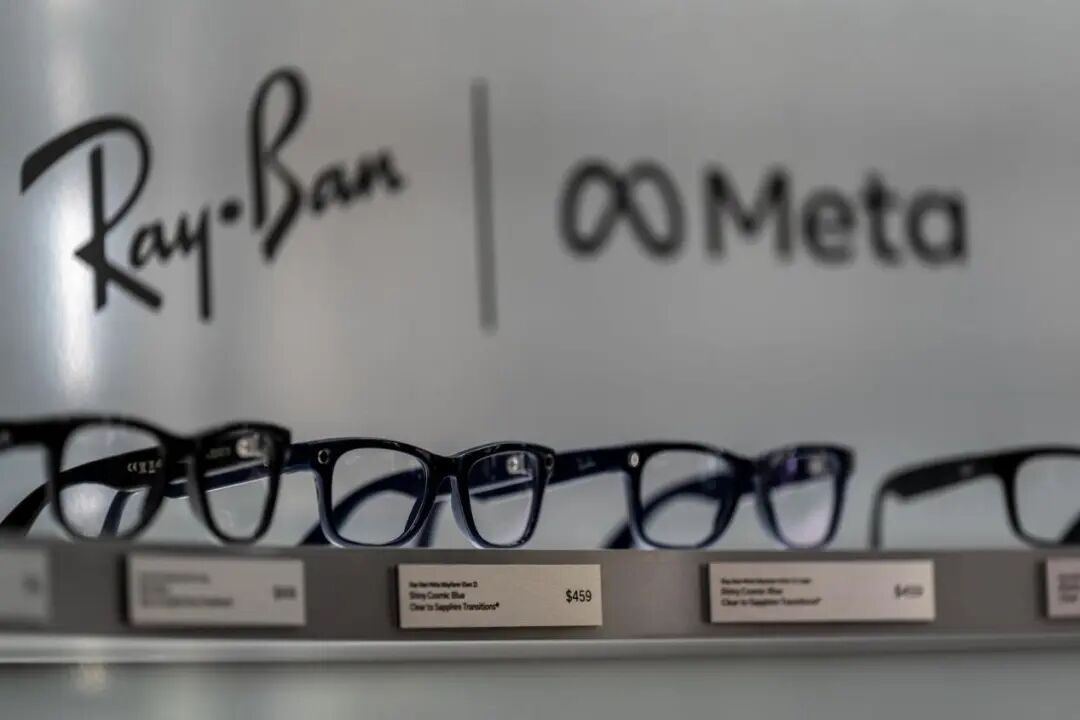
On October 2, Hans Anders, one of the largest eyewear retail chains in the Netherlands, announced a suspension on sales of Meta's Ray-Ban smart glasses across over 400 stores in the Netherlands and Belgium. Three days later, the Norwegian government stated that it would submit a bill to parliament to temporarily ban the use of AI glasses in places such as parks, beaches, museums, and shopping centers. Two days after that, the Australian privacy regulator OAIC announced a formal investigation into the privacy protection measures of a Shenzhen-based company.
In just a few dozen hours, three countries took three different actions. They all point to the same issue: a device that looks like an ordinary pair of glasses is having its usage boundaries redefined.
Unlike mere news reporting, this article will focus on analyzing the specific content, scope of restrictions, and regulatory characteristics of different countries' regulations and bans, concluding with several actionable recommendations. We hope this can serve as a reference for Chinese XR companies expanding overseas.

01
Seven Regions, Seven Policies
Norway
The latest and toughest action comes from Norway, a Nordic powerhouse.
According to the plan announced by the Norwegian government on October 5, the use of smart glasses will be banned in public gathering places such as parks, beaches, museums, shopping centers, and public events. They will also be banned in schools, kindergartens, playgrounds, and youth activity centers. Clinics, swimming pools with changing rooms and showers, and gyms are also under consideration, with universities even being assessed for potential bans. Additionally, Norway will establish an expert panel to provide recommendations for permanent rules.
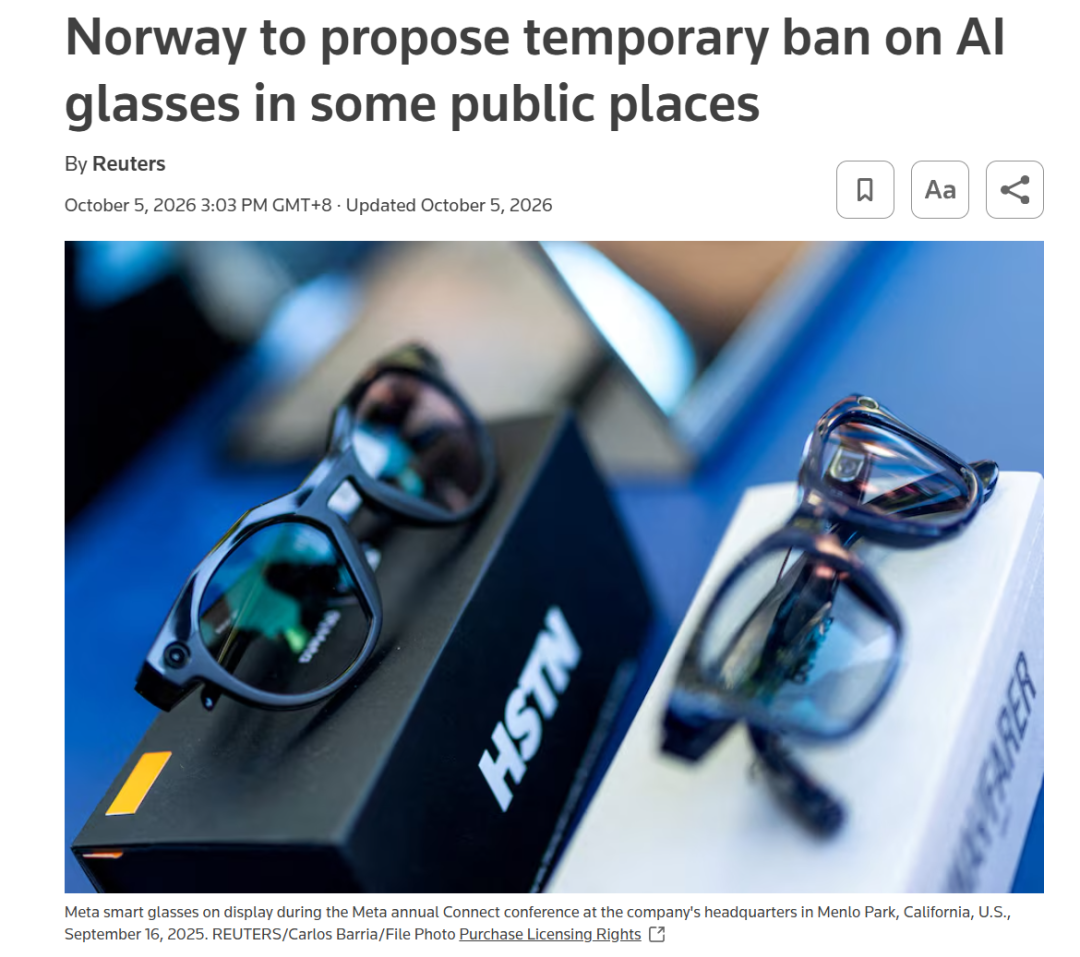
Torgeir Micaelsen, Norway's Minister of Digitalization and Public Governance, stated, “I am concerned that powerful new technologies are being introduced, and people may be photographed, filmed, or recorded without their knowledge. We do not want a society where people avoid certain places out of fear of being secretly recorded, photographed, or filmed.”
From our perspective, Norway's approach is highly efficient and serves as a benchmark. Notably, schools in Oslo, its capital, already implemented a ban in August. Equinor, Norway's largest company, has also barred smart glasses from its offices and offshore facilities.
The Netherlands
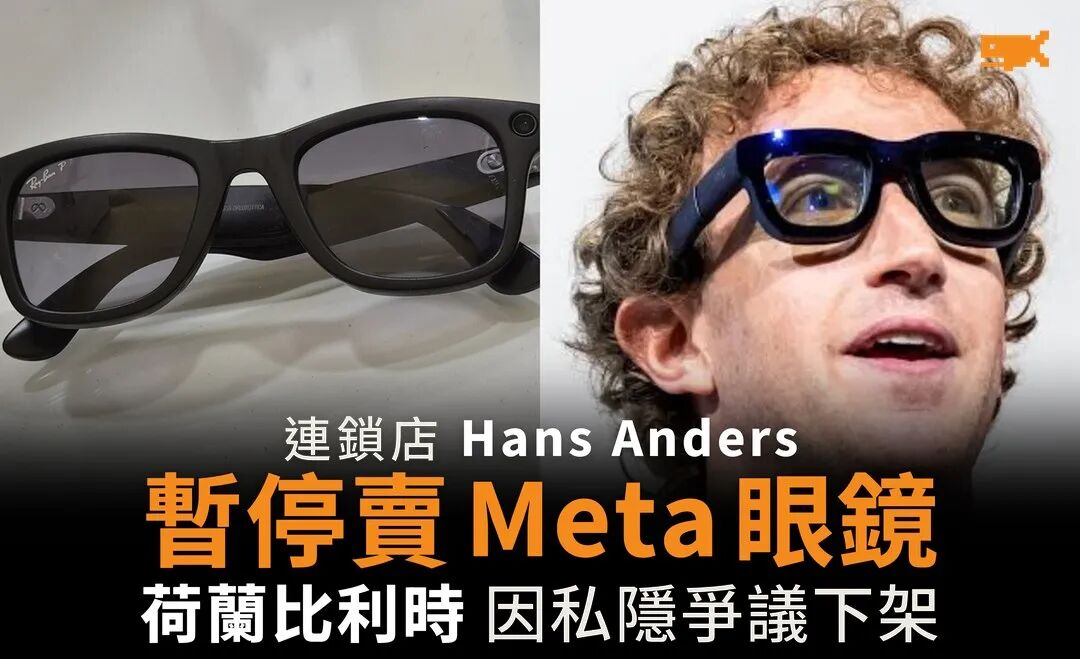
In the Netherlands, the action came from Hans Anders, a retailer, not a government agency, so the nature of the move is different. It is not a usage ban but a sales suspension. The spokesperson's reasoning was somewhat vague: “The public and political debate surrounding smart glasses continues.”
By pulling the world's best-selling product from over 400 store shelves, a retail chain weighed the risks against the profits. This also highlights the channel risks faced by smart glasses going overseas: even if government regulations have not yet imposed restrictions, channels may be unwilling to take on the sales risk.
The UK & the US
As traditional tech powerhouses, the UK and the US are taking a different approach.
Courts in England and Wales have banned Meta's smart glasses based on existing courtroom recording rules. The UK Cinema Association announced in August that some cinemas have begun restricting or banning glasses with cameras, motivated by anti-piracy concerns rather than privacy.
In the US, the New York State Unified Court System banned smart glasses from all court facilities starting July 20, requiring any glasses or head-mounted devices with cameras, microphones, or recording capabilities to be surrendered at the entrance. Earlier, on May 20, the Texas Attorney General issued a civil investigative demand regarding Meta's smart glasses, targeting biometric data: whether LEDs can be blocked, whether data is collected when the light is off, and how facial geometric data is handled. Texas is relying on two past cases to address future situations: Meta's $1.4 billion settlement in July 2024 and Google's $1.375 billion settlement in May 2025.
France
In response to the privacy crisis caused by smart glasses, France has taken a purely judicial approach this time. In September, Paris prosecutors opened an investigation into a complaint about a woman being filmed without consent using connected glasses. Meanwhile, the European Data Protection Board (EDPB) commissioned a report on the “social acceptability” of smart glasses, with European Parliament members urging the European Commission to consider legislation. However, as of October, the Commission has not introduced any legislation specifically targeting smart glasses.
Australia
Australia's actions are layered, making it a unique case in this round of regulatory moves.
In September, the Australian federal government stated it was considering banning smart glasses with cameras in government workplaces. Katy Gallagher, Minister for the Public Service, requested advice from the Public Service Commission on whether to implement such a ban and its scope. Meanwhile, the City of Sydney, along with four local councils, included public swimming pools, gyms, childcare centers, and libraries in the ban.
Australia's approach seemed conventional until October 7, when the OAIC launched an extremely unusual review. It did not target the device but an app, and it directly implicated a Shenzhen-based company. The OAIC, or Office of the Australian Information Commissioner, is an independent statutory regulatory agency at the federal level, overseeing personal information privacy and government information disclosure.
The change in Australia's regulatory approach is highly significant for domestic manufacturers and will be discussed in a separate section below.
02
Regulatory Approaches Have Changed,
and Domestic Manufacturers Should Take Note
The OAIC investigation in Australia mentioned above is the most noteworthy development for domestic manufacturers in this round.
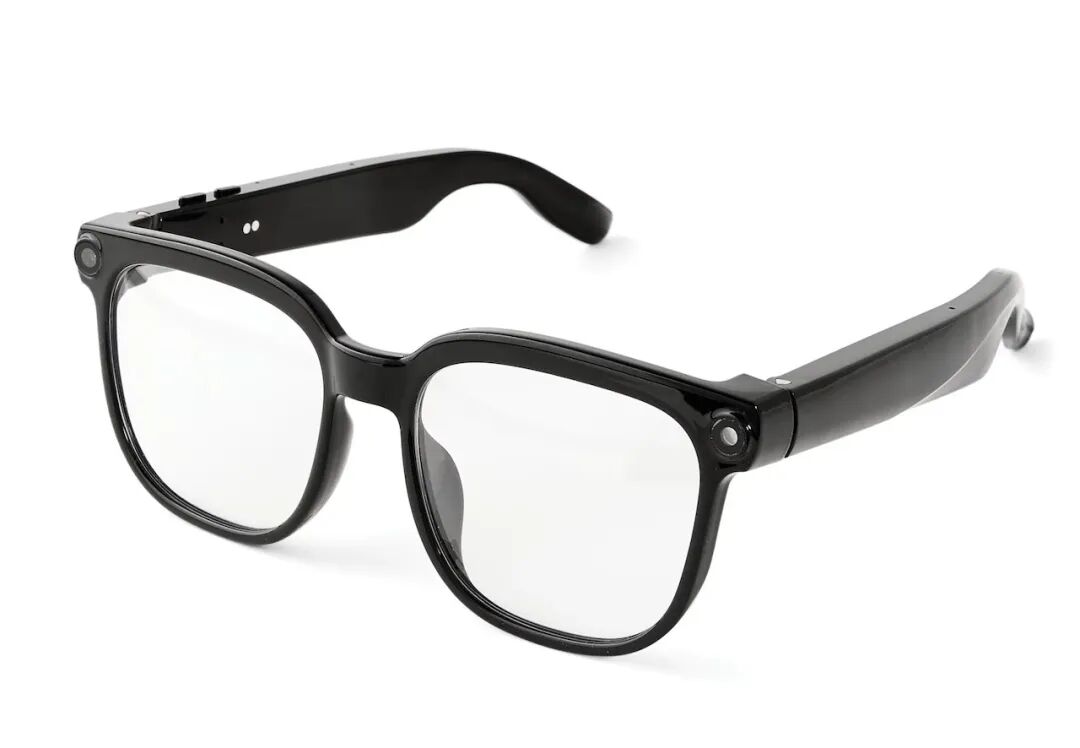
The incident began when Anko smart glasses, priced at just $89, became a hit on Australian retailer Kmart's platform. The glasses were clearly labeled as “camera glasses,” but this sparked widespread concerns. At the time, people did not realize this had any connection to China.
However, the OAIC traced the issue back to the developer of the app loaded on these glasses: Shenzhen Qingcheng Future Technology Co., Ltd.
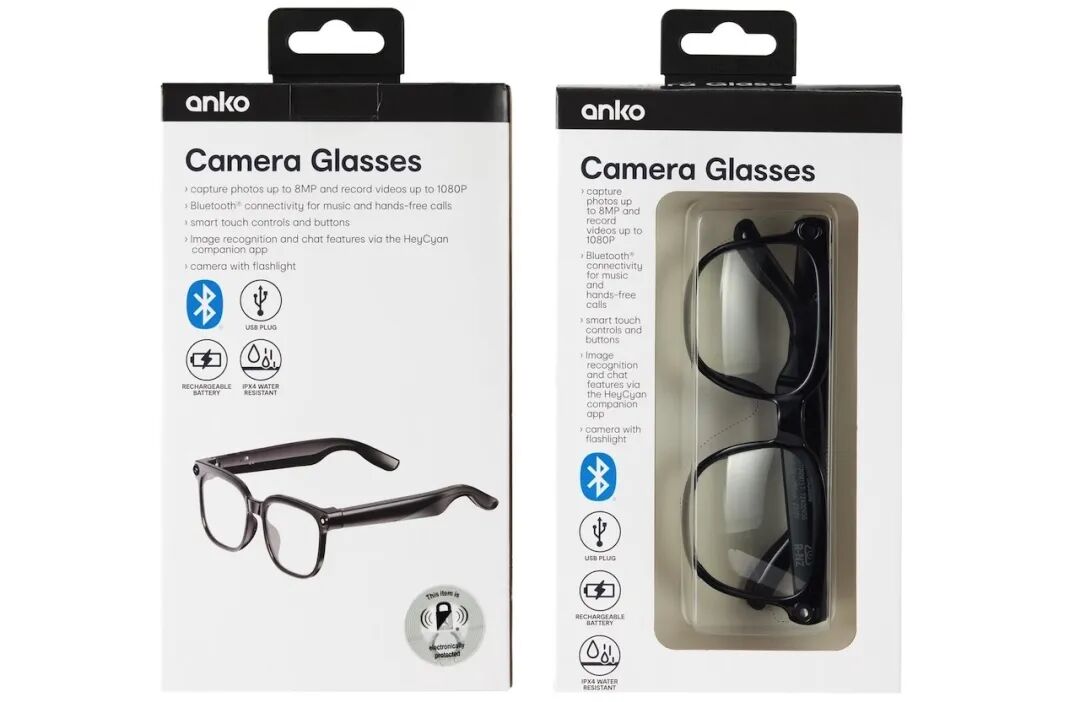
The Australian investigation also found that several low-cost glasses sold on channels like Big W Marketplace, Dick Smith, Amazon, and Temu were using or labeled as using the HeyCyan App developed by Qingcheng Future in China. From the OAIC's perspective, Australian consumers were buying smart glasses from different brands, all loaded with the same app, which posed certain implicit risks. Based on these suspicions, the agency sent letters to the Shenzhen company requesting clarification on specific matters and also wrote to retailers selling the devices, asking them to reconsider whether continued sales were appropriate.
After not receiving a response to its initial inquiry from the Shenzhen company, the OAIC announced a formal investigation into Qingcheng Future Technology on October 7. Shortly after, retailer Kmart removed the Anko smart glasses loaded with the Chinese app from its website.
In the past, hardware manufacturers' responsibility was limited to producing compliant hardware and preparing the necessary documentation. Now, some regulations are tracing data flows upstream, examining whose servers store the footage and whose models use the data. The traditional “white-label hardware + shared app” model for overseas expansion essentially concentrated compliance risks at the software level. However, if an app causes issues, a string of brands could face delisting by retailers.
03
Three Motivations, Not to Be Confused
Undoubtedly, the actions described above can be uniformly seen as efforts to protect privacy. However, upon analysis, three distinct logics are driving regulatory moves in these seven countries, and they are not interchangeable.
The first logic is centered on privacy and the right to know about secret filming, represented by Norway, France, the Netherlands, and local councils in Australia. This is currently the most common regulatory logic. The core issue is not “whether filming is allowed” but “whether others are aware of it.”
Under this logic, smart glasses are not restricted because they can film but because they resemble ordinary glasses, allowing filming without any visible external indicators. In other words, if the person being filmed is aware of the recording, it is acceptable.
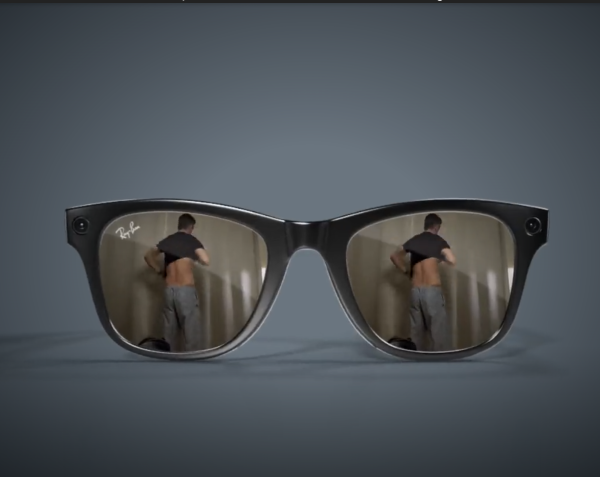
Currently, the industry's basic safeguard is an LED recording indicator, but this design is fragile—“light-blocking stickers” compatible with mainstream models are openly sold on e-commerce platforms for a few dollars each, with some individual products selling over 6,000 units. Product descriptions explicitly state, “filming without light, no alerts triggered.” Media tests confirm that after applying these stickers, no one nearby sees any indicators, yet filming and recording continue uninterrupted.
Meta later released a firmware update to prohibit recording when the LED is blocked. This patch highlights the issue: regulators are not targeting people who secretly film but product designs that make secret filming difficult to detect.

The second logic revolves around judicial order and anti-piracy, represented by courts in England and Wales, New York State courts, and UK cinemas. These rules have little to do with privacy; they protect courtroom evidence procedures and cinema copyrights. Generally, they are unrelated to the form factor of glasses—any device with a camera or microphone must be surrendered. Such restrictions will persist long-term, unrelated to privacy controversies, and will not be lifted due to product improvements.
The third logic concerns confidentiality and government security, represented by the Australian federal government's workplace restrictions and Texas's biometric investigation in the US. The focus is on “entering specific spaces and taking information away” and where the facial geometric data collected by devices goes and whether it is used to train models.
Therefore, domestic manufacturers should not view this “global uproar” solely as a privacy issue or assume that robust indicator lights are sufficient. The underlying logics of regulatory restrictions vary by country and region.
04
The “Wolf” Has Not Arrived Yet
Overall, this round of regulatory moves, while highly publicized, is milder than imagined.
Let's review the sequence: the EU is still assessing, France and Australia have launched investigations, the UK and US have implemented bans in specific venues, Australia's federal government has banned devices in government workplaces, the Netherlands has suspended retail sales, and Norway has proposed a temporary ban in specific public spaces.
Take Norway, the strictest case, as an example. The country has explicitly stated it will not impose a total ban; private use remains permitted. Normal usage is unaffected in scenarios without the risk of filming others without consent, and exemptions will be made for public interest purposes and vulnerable groups. In other words, Norwegian lawmakers aim not to ban glasses outright but to designate certain areas as “glasses-free zones.”
As for the widely feared “total sales ban”? Not a single country has implemented one.
According to Counterpoint Research, consumer spending on wearable devices will exceed $1 trillion between 2026 and 2032. Meta's Ray-Ban series surpassed 7 million units sold in 2025, and DigiTimes reports that Meta is negotiating with EssilorLuxottica to increase annual production from 10 million to 20 million units.
Do you see? While courts, parliaments, and retailers are drawing red lines, the industry is doubling production capacity, and capital is doubling down. Strictly speaking, this round of regulation is not about extinguishing fires but finding the most reasonable boundaries—a passive adaptation of existing laws and regulations to new tech products.
According to IDC, global smart glasses shipments are expected to exceed 23.68 million units by 2026, with Chinese manufacturers accounting for approximately 22.67 million units, or 45% of the global market. In 2025, China's smart glasses shipments will reach 2.46 million units, with Chinese brands capturing 23% of the global market. Production is even more concentrated, with Dongguan alone handling nearly half of the world's AI glasses shipments. These numbers represent both advantages and units of risk.
After examining overseas regulations and safety measures, let's briefly discuss the domestic situation. China is pursuing a “tighten in some areas, loosen in others” approach.
Currently, judicial authorities have not issued Norway-style bans in public spaces. Regulatory “tightness” relies on industry self-discipline backed by existing laws. At the 2026 AI Glasses Ecosystem Conference in June, the Ministry of Industry and Information Technology's Information and Communications Bureau guided the drafting of the “AI Glasses Trusted Vision Self-Discipline Pact,” which was jointly signed by 10 leading companies, including Huawei and ZTE. Legally, Articles 1032 and 1033 of the Civil Code and Articles 26 and 28 of the Personal Information Protection Law classify voiceprints, gaze trajectories, and movement trajectories as sensitive personal information requiring separate consent. Scenario-wise, the Ministry of Education has explicitly listed smart glasses as prohibited items in college entrance exams.
Meanwhile, policies are also being "relaxed": In 2026, AI glasses are included in the national subsidy program for new digital product purchases for the first time, with a 15% subsidy and a cap of 500 yuan per unit. According to data from the Ministry of Commerce, online retail sales of AI glasses increased by 161.9% year-on-year in the first quarter.
Those familiar with the characteristics of domestic policies will find that the current mix of tightening and loosening is not contradictory. The logic behind this combination is to "encourage technology while cracking down on abuse." However, for manufacturers going overseas, the real challenge is that they cannot simply transplant this domestic self-regulatory logic abroad. Foreigners don't want promises; they want auditable evidence of technology and data handling.
Conclusion: Privacy Compliance is Shifting from PR Talk
to a Must-Have for Going Global
Based on the above, Planet believes there are three things manufacturers going overseas can do right now.
First, the shared App model must prioritize data compliance. Collection disclosures, storage durations, third-party sharing, and cloud processing paths on the App side will be scrutinized by overseas regulators—it's not enough to just write them into privacy policies.
Second, treat distribution channels as the first line of risk. Actions like the suspension of sales by Hans Anders in the Netherlands are self-protective measures. Retailers often act before regulators, and once an App or model is named, channels respond far faster than manufacturers' PR teams.
Finally, scenarios like courtrooms, government offices, and classified institutions are zero-tolerance zones. B2B projects should independently review local active bans before bidding. The rule at New York State courts took effect on July 20, and many bidding teams' checklists may not have been updated.
Looking back at these seven actions, a common thread emerges: None of them ban a pair of glasses outright. Instead, they all address the same question: How should camera use be restricted when cameras are on everyone's faces, rather than being banned entirely?
Norway bought time with a temporary ban, the Netherlands created a safety buffer with delistings, Australia forced software vendors to show up through investigations, and UK/US courts applied pre-existing courtroom rules to new devices. The methods differ, but the direction is the same. For domestic manufacturers, the most practical takeaway is this: Privacy compliance is shifting from PR talk to a must-have for going global.
Specifically, it's no longer just about how to respond after something goes wrong—it's about whether you can enter distribution channels, bid on projects, or stay on shelves. Chinese manufacturers have secured massive production capacity and market share through their supply chains, but converting that into profits overseas now largely depends on whether they can treat compliance as a basic operation and long-term cost, rather than crisis management.
By R Star
-
11 Days, Five Launch Events: The Battle Behind the 2026 Domestic Flagship Smartphones
-
![]()
Lenovo's PC Shipments Plunge 22% Year-on-Year: The AIPC Narrative Faces Challenges
-
![]()
Why Hasn't Deepal Produced a Blockbuster Model One Year After Deng Chenghao and Jiang Hairong Joined Forces?
-
![]()
Meta’s New AI Unveiled: Claims of Fully Automated Calls Belied by Human Operation
-
![]()
Multinational Restrictions on Smart Glasses: Policy Changes and Three Types of Overseas Risks to Watch For
-
![]()
The Rise of AI Travel in a New Era | WeTides
-
![]()
Huawei Mate 90 Pro Max Review: Stellar Imaging, HarmonyOS Ecosystem Excels
-
![]()
The Enigma of the $1.2 Billion Loan and the Flagship Price Surge: Why is OPPO Raising Funds Amid an Industry Slump?