Why Hasn't Deepal Produced a Blockbuster Model One Year After Deng Chenghao and Jiang Hairong Joined Forces?
 10/10 2026
 475
475
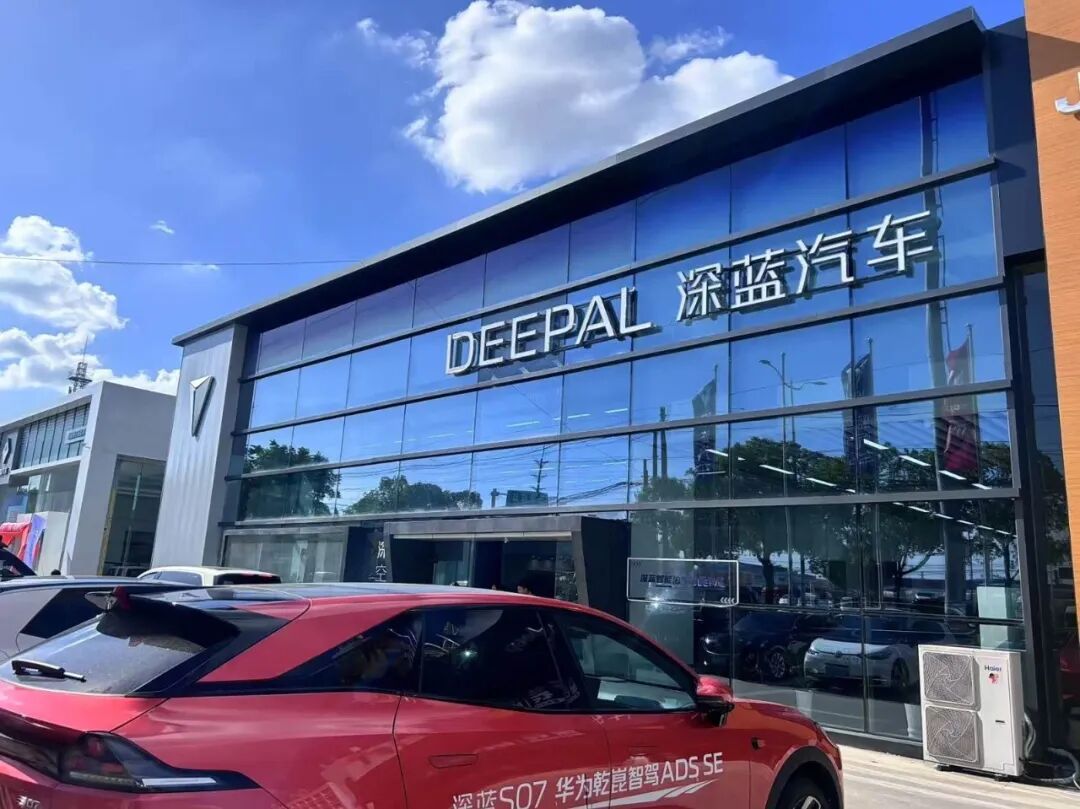
What defines Deepal's identity? What image comes to mind for consumers when Deepal is mentioned? These are questions that neither Deng Chenghao nor Jiang Hairong have provided sufficiently compelling answers to.
Author | Zhang Xiansen
Editor | Yang Ming
On September 28, Deepal Auto rolled out its one-millionth mass-produced vehicle. Since launching its first model in 2022, the automaker has achieved the feat of going from zero to one million units in just four years.
Around the same time, Changan Automobile accelerated the substantive integration of Avatr and Deepal, establishing the AD Collaborative Development Department to deeply align the two brands in areas such as R&D, supply chain, and manufacturing. Subsequently, Avatr underwent leadership changes, with Chen Zhuo appointed as Chairman and Yong Jun as President. Meanwhile, former Chairman Wang Hui was transferred to serve as Executive Vice President of Changan Automobile, focusing on overseas operations.
What is particularly noteworthy is a key provision in the integration plan: Deepal dissolved multiple business units, including R&D, marketing, HR, and finance, with their functions transferred to the AD Collaborative Development Department. Marketing happens to be the area where Jiang Hairong was brought in to strengthen at Deepal.
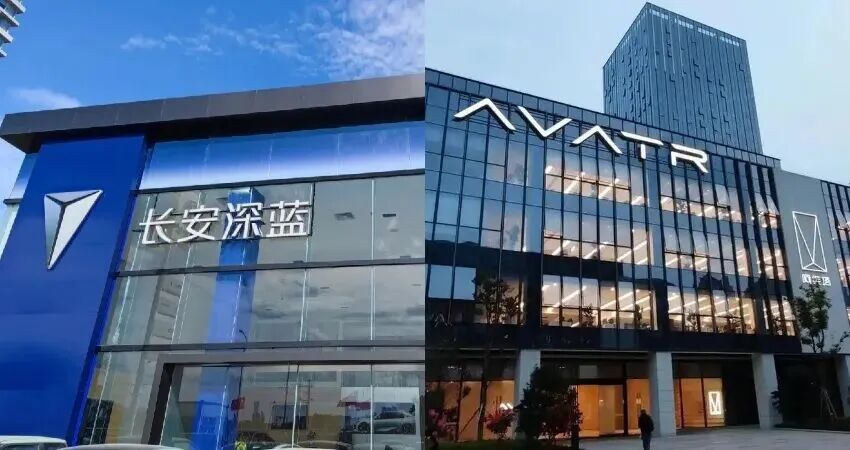
At this point, a year has passed since Jiang Hairong took on the role of CEO at Deepal Auto. The former CMO of Honor China, who brought marketing expertise and ICT industry experience, has yet to fully resolve the automaker's challenges, such as the lack of blockbuster models, a vague brand identity, and the urgent need for cost reduction and profitability—ultimately positioning Deepal as a reconfigured component in Changan's New Energy Vehicle (NEV) strategy. Meanwhile, Jiang has transitioned from being a fully empowered "marketing disruptor" to a new phase with redefined authority boundaries.
1. One Year into Their Partnership: What Has Deepal Accomplished?
Before September 2025, Deepal Auto was solely led by Deng Chenghao. Since the brand's inception in 2022, he served as CEO, overseeing all aspects of its early development. Describing himself as "Engineer Deng," this technology-focused leader acknowledged his own weaknesses: "I come from product and technology backgrounds; marketing is where I'm relatively lacking." This weakness was underscored last year when a misguided launch advertisement forced public apologies from both Deepal and Deng.
Jiang Hairong was seen by Deng as the solution to Deepal's recurring marketing challenges. At the time, Deepal was building Huawei's IPD and IPMS systems, and Deng believed that "the best way to learn is to bring in someone who did this at Huawei." With two decades of experience at Huawei and Honor—ten in R&D and ten in marketing—Jiang understood both products and markets, with stints in China and overseas. Deng focused on product and technology, while Jiang spearheaded marketing, a partnership expected to address Deepal's final weakness.
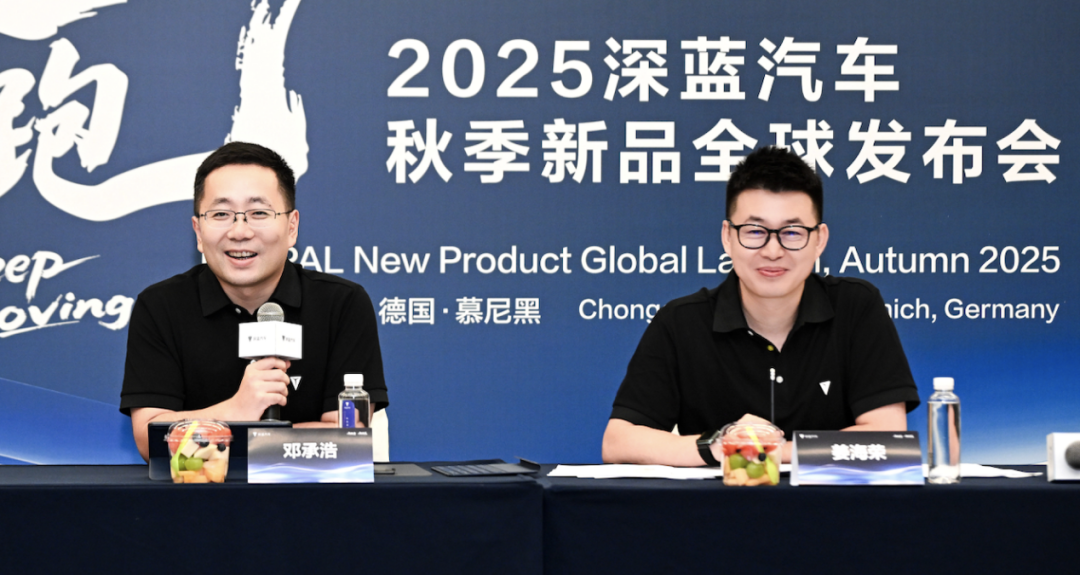
When Deng extended the offer, Jiang had been away from Honor for over six months. Despite the significant industry crossover, the process from initial contact to appointment was remarkably swift. On September 8, 2025, Jiang made his first public appearance as President of Deepal Auto. With no transition period, he stepped directly into the spotlight at the autumn new product launch on his first day, reflecting Deepal's urgent expectations for his market leadership.
From a sales perspective, Jiang's tenure has seen growth. In 2025, Deepal's global sales reached approximately 333,000 units, falling short of the 360,000 target. By August 2026, cumulative global sales stood at 222,000 units, up 11.77% year-on-year, with overseas sales surging 76.98%. Amid a shrinking domestic passenger car market and declining sales for mainstream brands in 2026, Deepal's growth against the trend is a positive signal.
However, the gap remains significant. In April, Deng set a 2026 sales target of 480,000 units, including 140,000 overseas. To meet this, monthly sales of 64,500 units would be needed in the remaining four months—an impossible feat.
More critically, Deepal still lacks a true blockbuster model. Monthly sales of 10,000 units are the threshold for mainstream market stability, yet no Deepal model consistently crosses this line. The highly anticipated S09 has lingered around 2,000–3,000 units per month, while mainstay models S05 and S07 average 5,000–6,000 units. Jiang previously admitted that current sales have not met expectations.
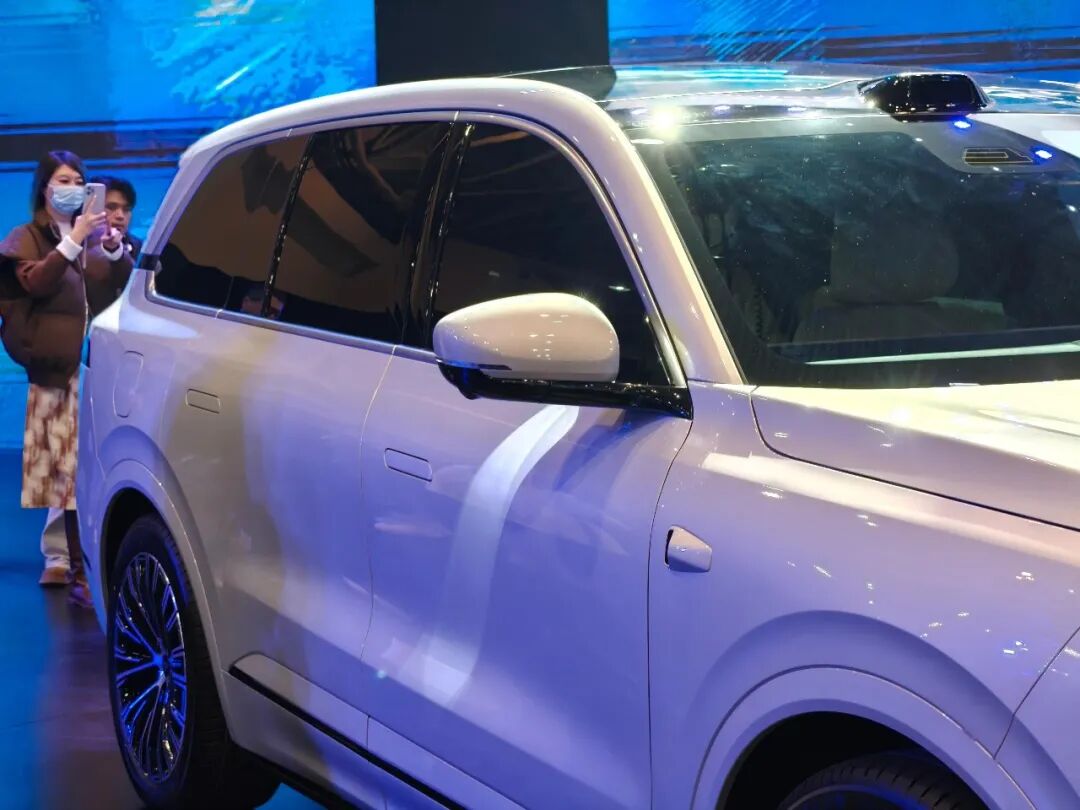
Since Jiang's arrival, marketing efforts have intensified. Sponsorship of the China Swimming Open, partnerships with the Portuguese national team during the World Cup, and cross-over content with stand-up comedians have boosted brand visibility. Yet, as Jiang himself noted, "If sales struggle, it's either a product issue or a communication problem with consumers." This now serves as a critique of his and Deng's leadership.
Rating Jiang's first year: brand awareness has improved, overseas growth is notable, but sales targets were missed, no blockbuster emerged, and profitability pressures persist. He brought ICT industry insights and marketing methodologies, but the automotive sector's longer conversion cycles, channel complexities, and higher consumer trust barriers make transformation far more challenging than in smartphones. One year is insufficient to fully prove himself but enough to reveal that Deepal's issues extend beyond marketing.
2. Deepal and Avatr: Two Brands, Same System, Different Dilemmas
Viewing Deepal and Avatr together reveals a striking symmetry.
Deepal targets the mainstream mass market, with 325,000 units sold in 2025 and its one-millionth vehicle just rolled off the line. Avatr positions itself as a premium luxury brand, delivering 122,700 units in 2025 but only 27,600 in the first half of 2026—a 51.3% year-on-year drop, averaging under 5,000 units monthly.
By sales, Deepal outperforms Avatr. However, both struggle with brand premium and profitability. Deepal posted a net loss of RMB 1.572 billion in 2024, Changan's second-largest loss after Avatr. Avatr's cumulative losses exceeded RMB 13.2 billion from 2022 to 2025, with a 2025 gross margin of 9.4%—an improvement from 6.3% in 2024 but still far below leading NEV brands like Li Auto and Seres (20–30%).
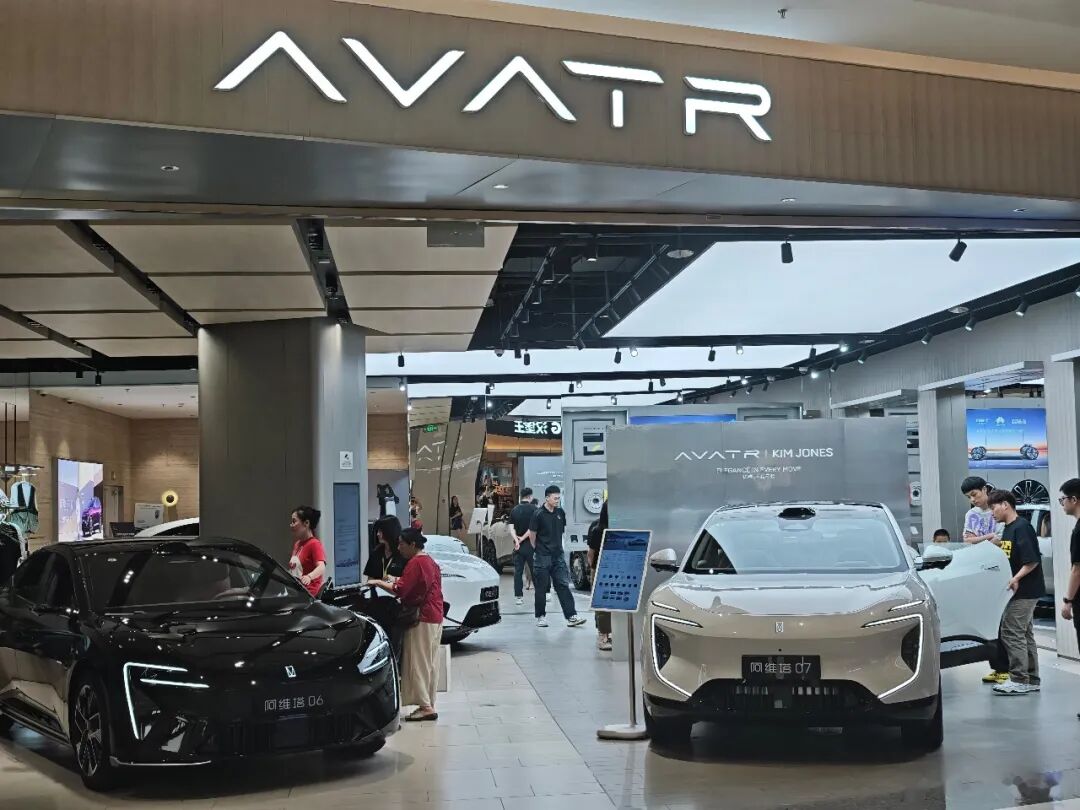
Their challenges share similarities. Deepal's brand identity remains vague; its earlier tagline, "Young and Deepal," felt like empty rhetoric. Later attempts, "Left-hand Deepal Super Extended Range, Right-hand Huawei ADS," were inconsistent since Huawei's smart driving was only on some models while the infotainment system was in-house developed. Avatr similarly lacks clear brand differentiation: a survey by Jielanlu found that under 90% of respondents recognized "Avatr" when shown the name and logo, compared to over 95% for Tesla, Xiaomi, NIO, XPeng, and Li Auto.
More subtly, Avatr's "Huawei content" is being diluted. Huawei ADS now partners with 25 automakers, launching over 60 models. Competing mid-to-high-end models like Aito M9, Luxeed V9, and Voyah Zhuiguang S also feature Huawei ADS, as does Changan's own Deepal G318. CATL batteries, once a unique selling point, are now standard across mainstream NEV brands, eroding Avatr's former "Big Three" (Huawei, CATL, Changan) competitive edge.
Deepal's dilemma lies in its higher volume but equally weak brand identity. Brands like Leapmotor ("Half-Price Li Auto") and Laifen ("Dyson Alternative") may lack sophistication but aid sales. What defines Deepal? Neither Deng nor Jiang has provided a compelling answer.
At the group level, Changan's three NEV brands—Qiyuan (entry-level), Deepal (mid-to-high-end), and Avatr (luxury)—should form a clear price gradient. Instead, Qiyuan and Deepal both focus on the RMB 150,000 segment, while Avatr, struggling above RMB 200,000, has seen its average selling price drop below RMB 200,000 in 2025, overlapping with Qiyuan and Deepal. The brand differentiation is far blurrier than planned.
3. Post-Integration: Jiang Hairong's Next Challenge
This integration, ostensibly "independent front-end, collaborative back-end," is primarily about cost reduction. Changan expects 20–30% cost savings through resource consolidation and synergies.
Drawing parallels to the Zeekr-Lynk integration, R&D costs could drop 10–20%, supply chain synergies 5–8%, factory utilization 3–5%, and support departments 10–20%, potentially saving RMB 5 billion annually. Deepal and Avatr's synergies will fully reflect in 2027 financials.
The flip side is the risk of further blurred brand positioning. As platforms and supply chains are shared, Avatr's fragile premium image may dilute, while Deepal's ability to maintain independent product iteration and differentiation post-integration remains uncertain.
A lesser-noticed detail in the integration plan: Deepal dissolved its R&D, marketing, HR, and finance units, transferring functions to the AD Collaborative Development Department, led by Deng Chenghao.
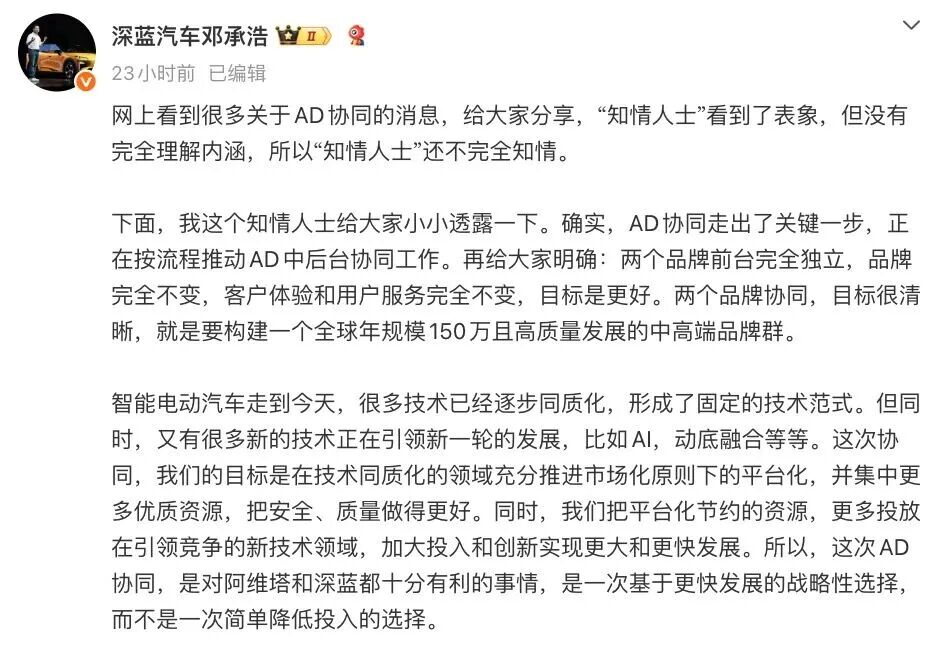
This alters Jiang's authority structure. When he joined in September 2025, roles were clear: Deng handled product/technology, Jiang managed market/brand and user-side operations. Now, part of marketing has shifted to the group-level AD department under Deng, effectively reducing Jiang's authority.
This doesn't mean Jiang is sidelined. Deng publicly stated that both brands remain "completely independent at the front, with unchanged branding, customer experience, and user services." Marketing functions moved to the back-end are still managed by Jiang's team for now.
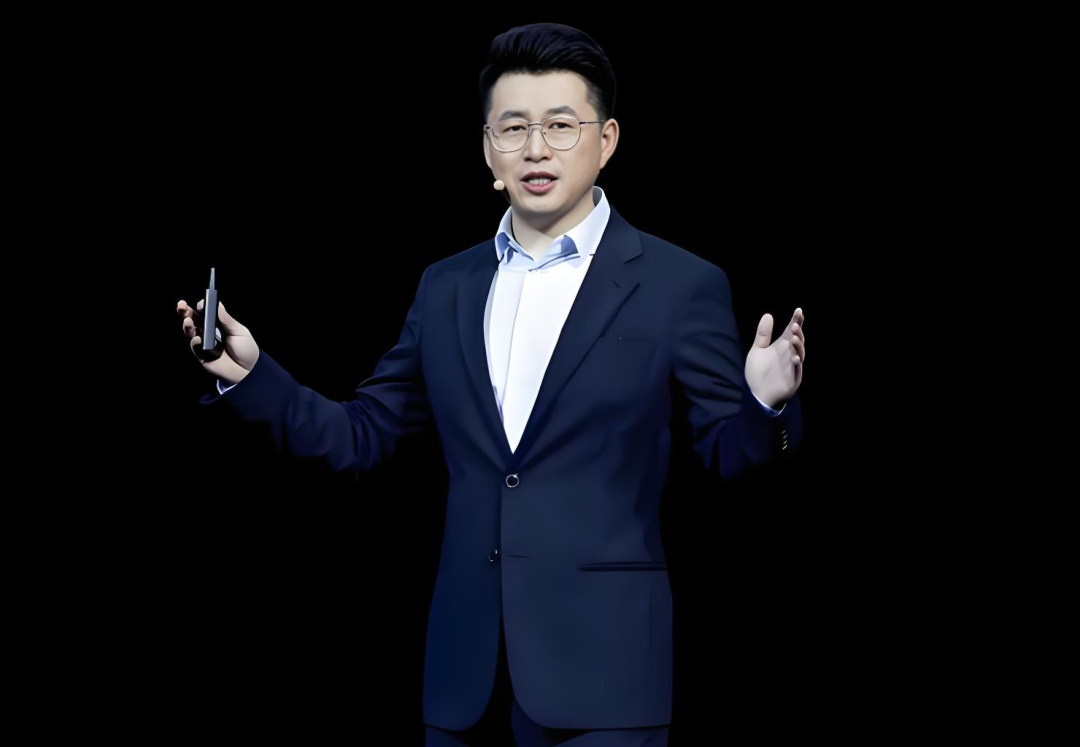
Jiang Hairong
Previously, Jiang could directly mobilize Deepal's marketing resources; now, some decisions require AD department approval. A CEO parachuted in faces redefined authority in his first year, needing to drive brand expansion under "limited empowerment"—a tough position for any professional manager.
Avatr's IPO progress is key to understanding this integration. On June 30, 2026, Avatr refiled its prospectus. Despite cumulative losses exceeding RMB 10 billion from 2023 to 2025 and a 9.4% gross margin in 2025, its sales plummeted in H1 2026, leaving the IPO path uncertain.
Deepal has no clear independent IPO plans but faces equally urgent profitability pressures. Deng aimed for a positive profit cycle by 2025, estimating monthly sales of 27,000–30,000 units for break-even and over 30,000 for profitability. Yet in 2026, Deepal's monthly sales hover around 25,000–30,000 units, and Deng's target of 40,000 units remains unmet.
Neither brand has achieved a "scale-cost-profitability" virtuous cycle, but integration aids Avatr's capital market ambitions. For Deepal, however, it doesn't directly solve brand identity or blockbuster model issues. On his first day (September 8, 2025), Jiang said, "If I don't deliver on my promises, you can criticize me." A year later, those words carry even greater weight.
After his first-year report card, Jiang faces at least three challenges:
1. Sales Surge: The 480,000-unit annual target is unattainable; the more realistic goal is stabilizing monthly sales at 30,000 units and pushing toward 40,000. Whether new product offensives synergize or cannibalize each other will test Jiang's operational skills.
2. Brand Expansion: Deepal's smart driving solutions—Huawei ADS, Deepal AD Pro, Deepal AD Max, and Tianshu Pilot visual/laser versions—coexist, confusing consumers. Jiang must define a clear, stable, and perceivable tech identity. With partial marketing functions centralized, his ability to mobilize resources for this is itself a question.
3. Profit Improvement: Deepal remains unprofitable, and Changan's sustained support is unsustainable. Integration cost savings take time, while marketing investments' conversion to sales and brand premium remains unproven.
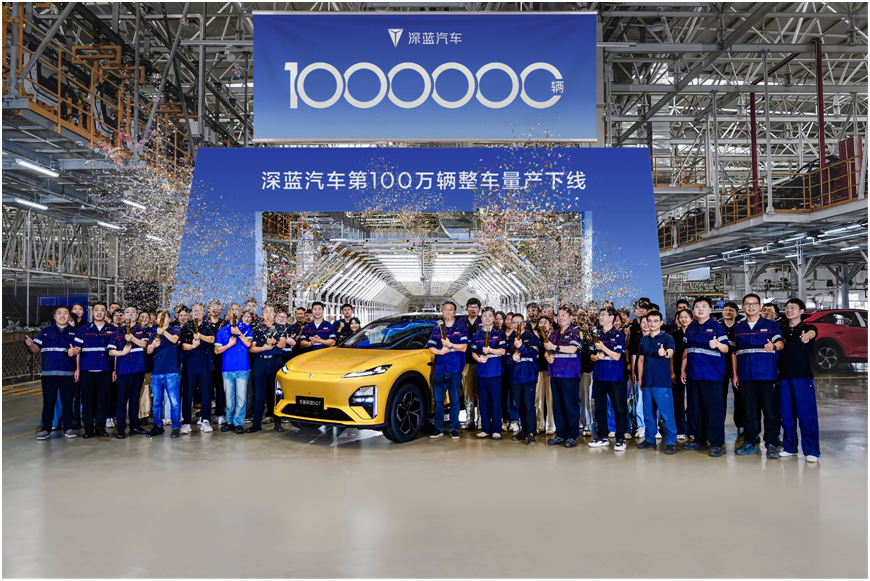
The milestone of Deepal reaching one million vehicles represents not only a speed benchmark but also a watershed moment. It needs to prove that it can sustain profitability, build a brand, and avoid dilution amidst integration. For Jiang Hairong, the more challenging issue may not be simply selling the cars, but whether he can still tell Deepal's story clearly in his own way after the redefinition of his authority.
END
Produced by: Huang Qiangqiang
-
![]()
Li Auto’s 2026 i6: The Brand’s Debut Global All-Electric Model Headed to Europe
-
![]()
Kimi K3 Goes Viral and Suspends Service in 48 Hours: Model Wins Benchmarks, Compute Falls Short Against Big Players
-
![]()
Zhixiang Future Secures 2.1 Billion Yuan in Three Months of Financing, Yet Founder Maintains: 'We Haven't Achieved World-Model Status'
-
11 Days, Five Launch Events: The Battle Behind the 2026 Domestic Flagship Smartphones
-
![]()
Lenovo's PC Shipments Plunge 22% Year-on-Year: The AIPC Narrative Faces Challenges
-
![]()
Why Hasn't Deepal Produced a Blockbuster Model One Year After Deng Chenghao and Jiang Hairong Joined Forces?
-
![]()
Meta’s New AI Unveiled: Claims of Fully Automated Calls Belied by Human Operation
-
![]()
Multinational Restrictions on Smart Glasses: Policy Changes and Three Types of Overseas Risks to Watch For