Can AI-Generated Actors Outshine Human Stars? Hollywood is Deeply Split
 10/27 2026
 554
The topic of AI actors in Hollywood is currently sparking intense debate and division.
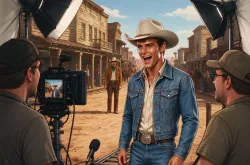
A Western film titled 'Deeply Buried' utilized AI technology to 'resurrect' a younger version of Val Kilmer, with the consent of his family. Kilmer was known for his enthusiasm for experimenting with new storytelling techniques before his passing.
In the film's trailer, the digital Kilmer provocatively declares, "Don't fear the dead, and don't fear me." However, viewers are met with a robotic rendition of Kilmer, featuring a lifeless gaze and an unsettling voice, reminiscent of a 1920s wilderness robot, which sends chills down many spines.
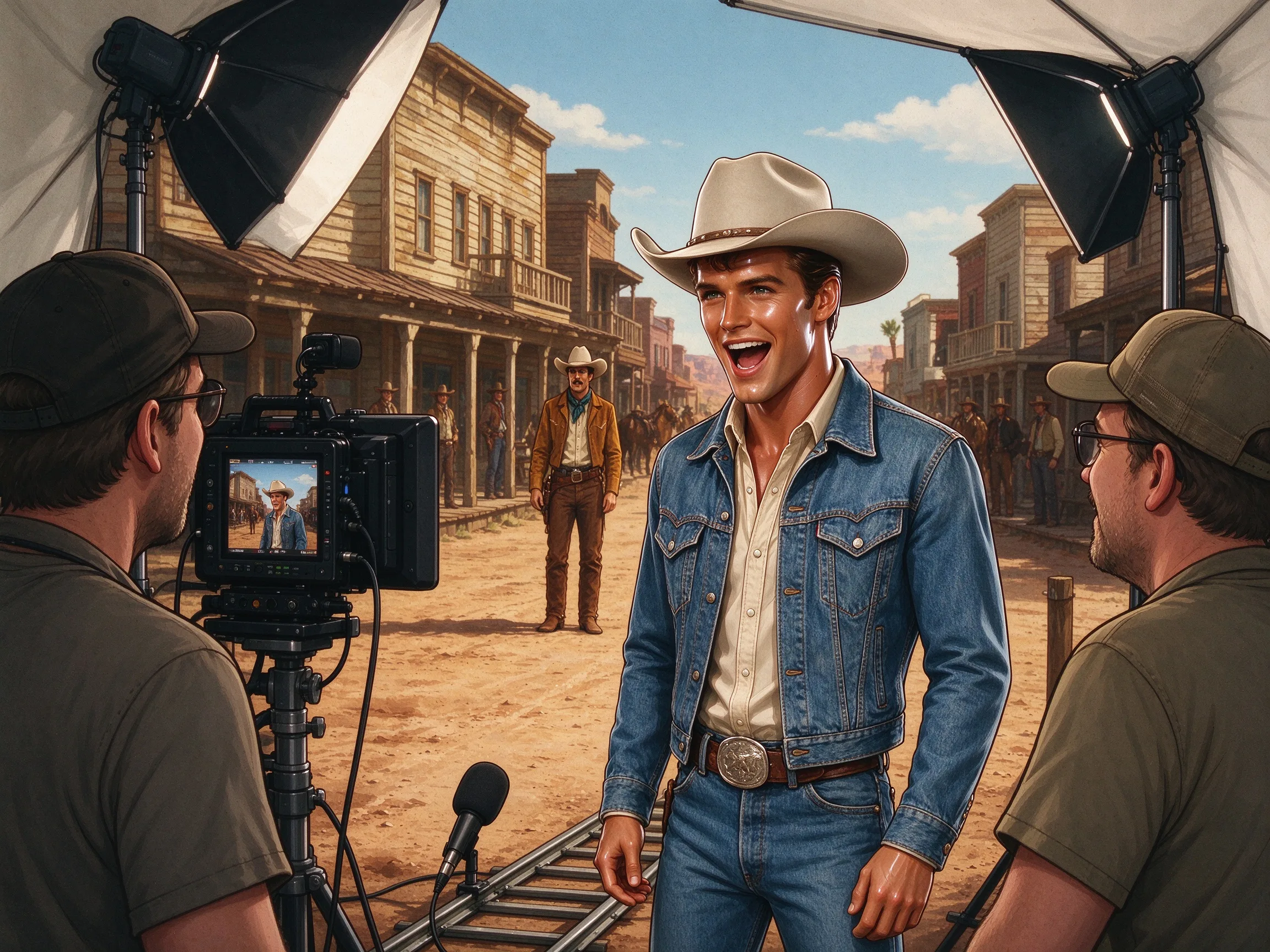
(Image source: Generated by Doubao AI)
Meanwhile, AI newcomer Tilly Norwood is poised to take center stage in the upcoming feature film 'Displaced'. When Norwood first emerged on the scene last year, Emily Blunt described the experience as "truly terrifying."
Ultimately, the primary concern is that AI could eventually supplant human actors in the industry.
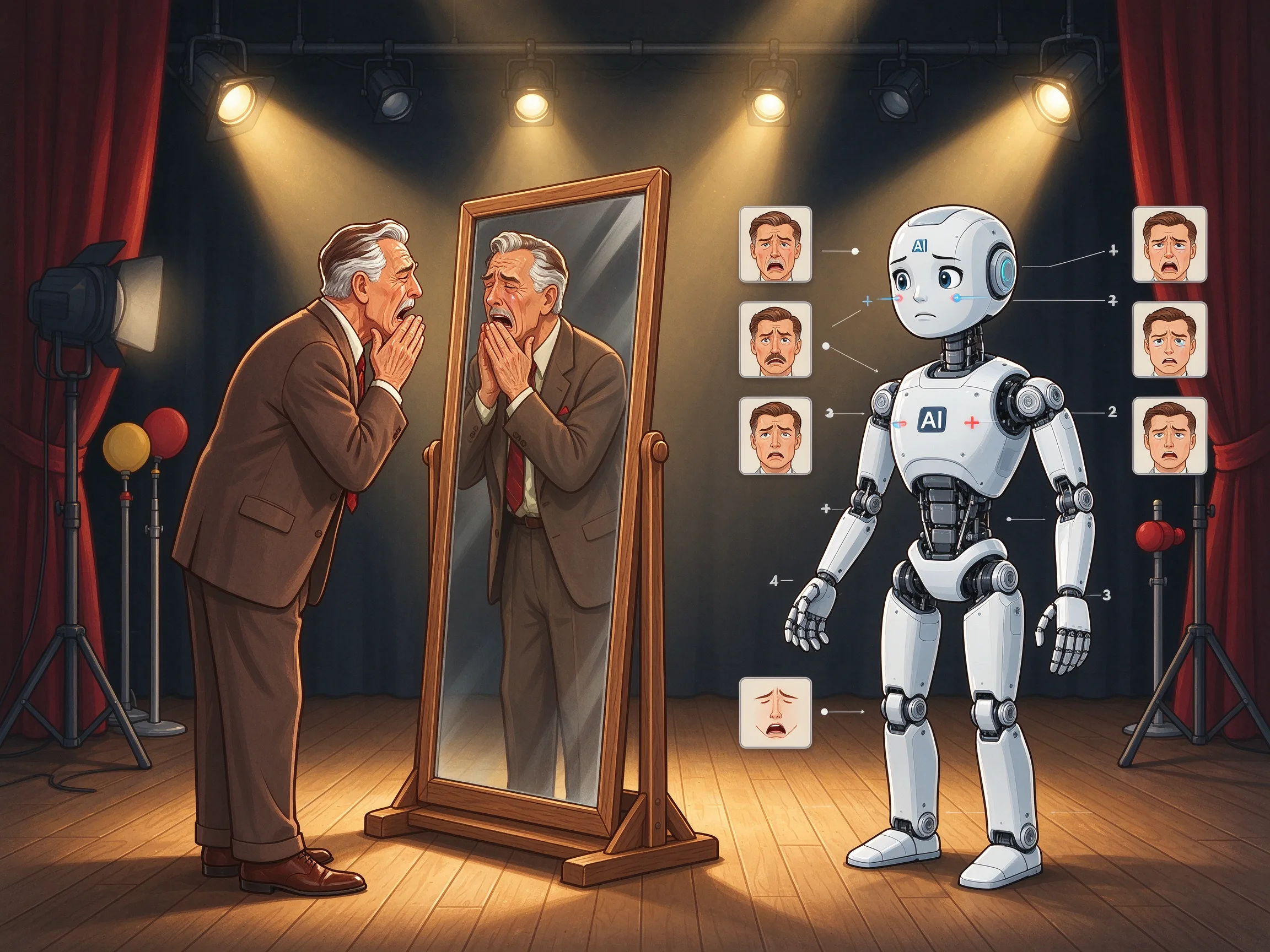
Tim Webber from the British visual effects company Framestore argues that AI models merely scratch the surface of learning. Image models derive their knowledge from the pixels of internet images and fail to grasp the subtleties of human emotions, falling far short of genuine 'acting'.
This stands in stark contrast to method acting, which delves deeply into emotions to achieve authenticity.
Nevertheless, it's undeniable that AI-generated performances are becoming increasingly lifelike.
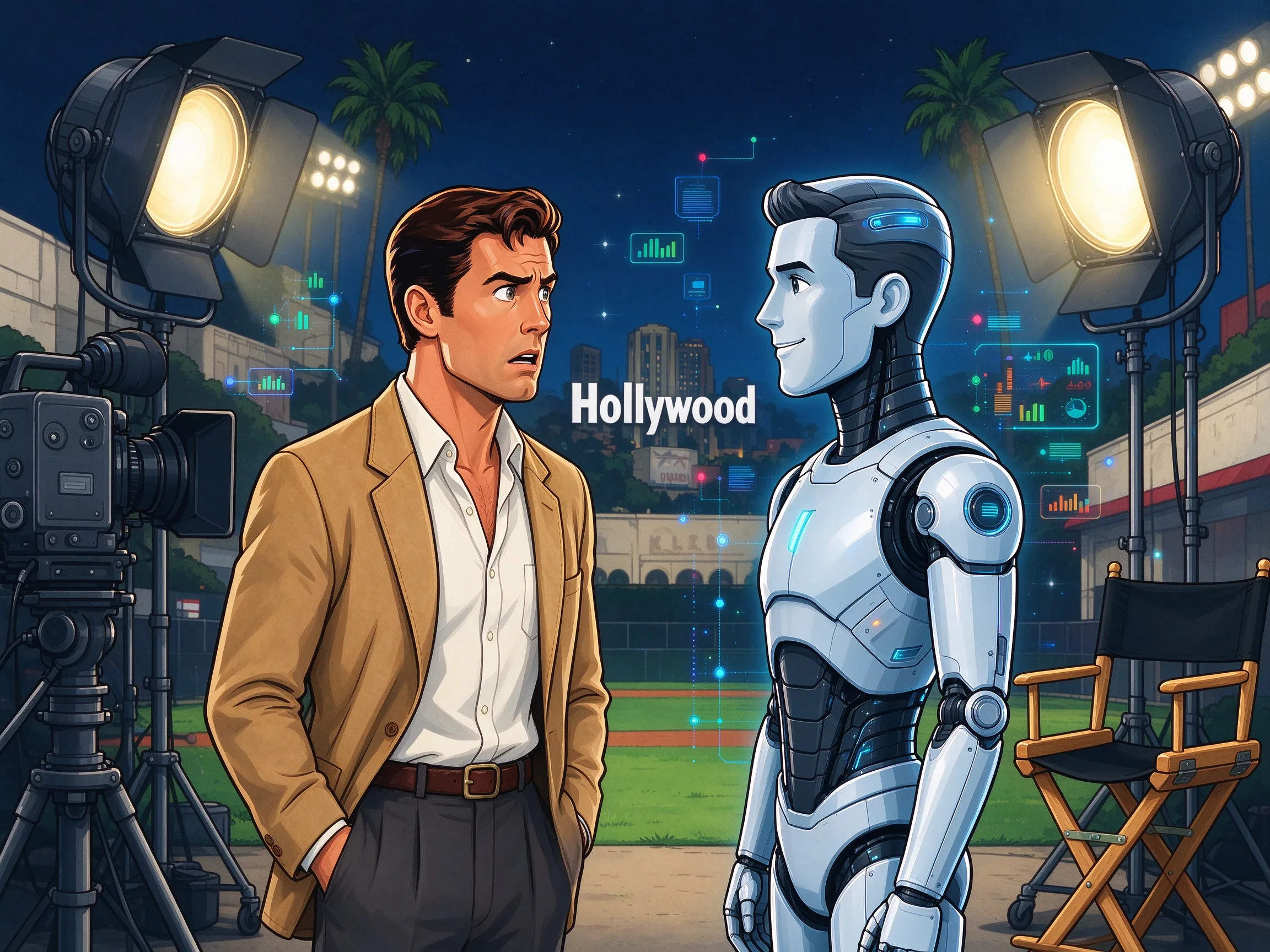
Numerous companies are now focusing on leveraging AI for video production, with Higgsfield AI being one such example. They recently claimed to have overcome the uncanny valley effect—the unsettling sensation caused by something that appears human but is not quite right, which has plagued many detailed CG characters, such as the de-aged Indiana Jones in 'Indiana Jones and the Dial of Destiny'.
Higgsfield released two full-length AI films this year, and Adil Alimzhanov, the head of content, exudes confidence.
According to Alimzhanov, the new frontier of fully AI-generated films can liberate creators from Hollywood's slow and cumbersome production process.
(Image source: Generated by Doubao AI)
However, these two films are currently only available online.
One is a 95-minute fantasy action film titled 'Trial of Hell', and the other is a 115-minute Guy Ritchie-style crime comedy called 'The Kid from Cali Hill'.
Excluding scriptwriting time, the former was completed in the equivalent of two weeks of work from shooting to post-production, while the latter took only a month. Alimzhanov, aged 23, even used his own face as the protagonist in 'Trial of Hell'.
He acknowledges that human actors may be apprehensive but believes the trend is unstoppable: "We shouldn't resist new technologies just because they change the industry. Consider the advent of cars—if everyone had rejected them, we'd still be riding horses today."
Although 'Trial of Hell' and 'The Kid from Cali Hill' serve as extended advertisements for Higgsfield's AI tools, it's evident that AI acting has made significant strides.
In 'Trial of Hell', released in May, the skateboarder character could only convey a single emotion every 15 seconds.
The film 'The Kid from Cali Hill', released three months later, was a marked improvement, featuring natural dialogue, well-timed comedy, and genuinely amusing jokes.
The three rapper protagonists on the run in the film are modeled after streetball player Matt Kiatipis, MMA fighter Israel Adesanya, and streamer N3on.
Higgsfield is targeting Gen Z creators who are accustomed to short videos and have grown up with AI.
However, in the AI era, the very concept of an 'actor' seems peculiar. If every film can generate unique characters directly, why bother with human actors?
(Image source: Generated by Doubao AI)
The script for 'The Kid from Cali Hill' was penned by human writer Tim Planagan, and the film was assembled using Seedance 2.5 in 30-second segments.
However, generating natural and engaging scenes through prompts is no easy feat.
First, character materials must be prepared, including full-body shots and close-ups, which are fed to the AI to ensure consistent appearances. Then, based on these materials, each 30-second segment requires prompts of up to 4,000 characters, some of which are written with the assistance of large language models.
These prompts specify actions, camera movements, lighting, and the characters' emotions... The prompts are repeatedly revised and regenerated to minimize the uncanny valley effect.
This process is akin to manipulating a marionette, adjusting one string at a time.
That said, I can't help but wonder: if the future is filled with AI films that no one enjoys and find off-putting, I really don't know what audiences will turn to.
This article is compiled by Leikeji from The Guardian.
Original link: Hollywood Welcomes AI Stars: Can AI Compete with Human Actors?
Source: Leikeji
Images in this article are from the 123RF Royalty-Free Image Library. Source: Leikeji
-
[Insight] The airbag control unit (ACU) is a core component of automotive passive safety systems, with numerous market participants in China.
-
![]()
Grassroots Actors, the First Casualties of AI | Wave Trends
-
Anthropic's Nasdaq Rush: The AI Wealth Creation Narrative Faces Reality Check
-
![]()
Another Surge in Prices to Blame! Mid-Range Smartphones in 2026 Fall Short: Telephoto Cameras Vanish, Main Cameras Degrade
-
![]()
Can AI-Generated Actors Outshine Human Stars? Hollywood is Deeply Split
-
China’s AI is Dominating: Token Usage Hits 48% of Global Total, 4.5 Times That of the U.S.?
-
![]()
Doubao and GPT Compete for FDE Roles with Million-Dollar Salaries: What Makes This 'Most Valuable Work Badge' So Expensive?
-
China Manufactures 35.8% of Global Automobiles, Outpacing the Combined Output of the U.S., Japan, India, Germany, and South Korea!