Another Surge in Prices to Blame! Mid-Range Smartphones in 2026 Fall Short: Telephoto Cameras Vanish, Main Cameras Degrade
 10/27 2026
 420
Mid-range smartphones are once again evolving into "specialized devices."

Have you noticed that mid-range smartphones this year seem to steer clear of discussing their imaging capabilities?
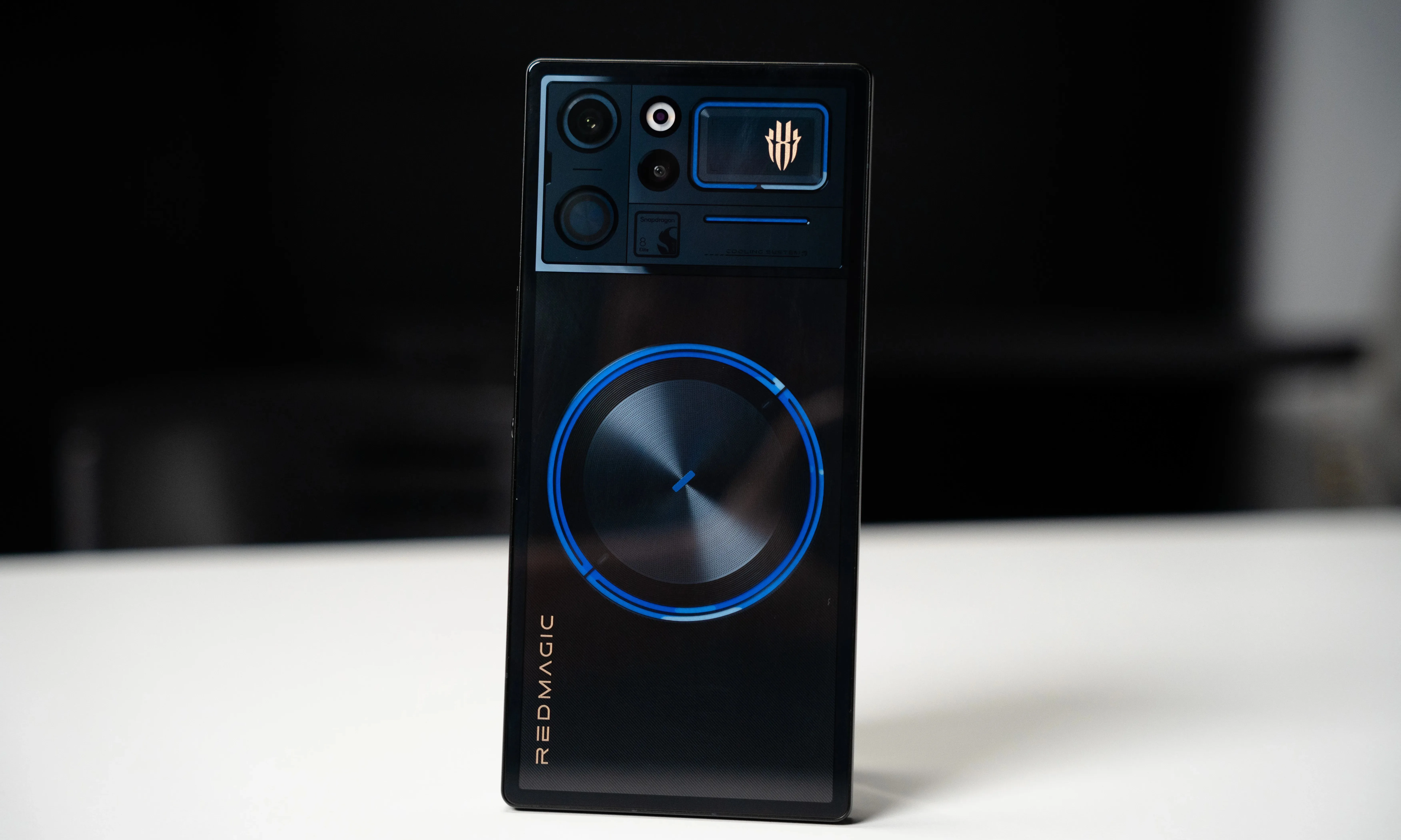
From OnePlus to iQOO and Honor, newly released mid-range smartphones prioritizing performance have predominantly focused on processing power and battery life. Boasting flagship-grade processors, larger batteries, and high-refresh-rate screens, their specifications are becoming increasingly impressive, with presentations filled with benchmarks, gaming frame rates, and battery endurance results.
(Image Source: Leitech Photography)
However, when it comes to imaging, manufacturers suddenly become much more "reserved." Looking around, these mid-range performance phones mostly feature outdated 50MP main cameras from years past and an 8MP ultra-wide lens, with telephoto lenses disappearing entirely.
This leaves Leitech (ID: leitech) somewhat puzzled. Just a few years ago, manufacturers were competing to bring large-sensor main cameras, dedicated telephoto lenses, and other advanced configurations to the mid-range market, emphasizing a "step-up" experience. Now, with processors getting stronger and batteries larger, why is imaging collectively taking a step backward?
Is this the result of market forces, or a deliberate strategy by manufacturers?
Performance Keeps Improving, but Imaging Gets Less Attention
This year’s competition in mid-range performance smartphones has reached new heights.
Take new models from brands like OnePlus, iQOO, and Honor as examples—the selling points highlighted in their promotions are essentially the same: more powerful processors, larger batteries, higher screen refresh rates, and enhanced cooling designs.
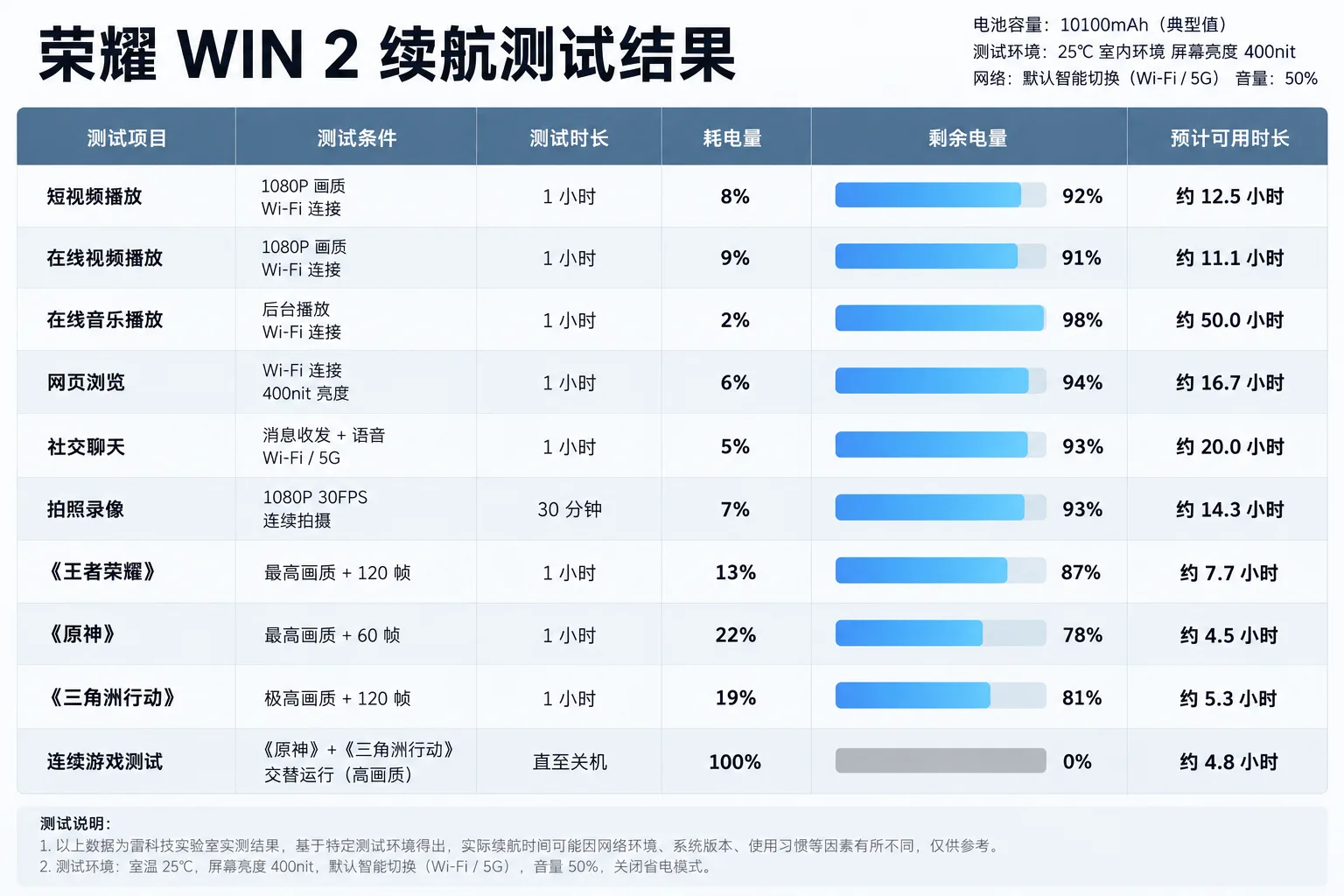
This is particularly evident in battery capacity. In the past, a phone with a 7,000mAh battery was considered excellent for endurance; now, 8,000mAh is just average, and phones with over 10,000mAh are becoming common.
(Image Source: Leitech Graphics)
The same trend applies to performance. Thanks to advancements in chip technology and the gradual adoption of flagship processors in mid-range devices, benchmark scores for mid-range performance phones are approaching or even surpassing those of contemporary flagships. For most users, the performance of these phones is more than sufficient for daily use, and even running large mobile games rarely encounters significant bottlenecks.
But imaging configurations aren’t receiving the same attention. Nowadays, the imaging setups on many mid-range performance phones are worse than those of similarly priced models from two or three years ago. While processors, screens, and batteries continue to improve, imaging is one of the few areas that’s regressing.
In the past, you could still buy a performance-focused phone with decent photography capabilities for around $400–$600, but now, if you want both performance and imaging, you’ll need to increase your budget.
Perhaps that’s why manufacturers seem increasingly reluctant to discuss imaging configurations during launches. In the past, even for performance-focused phones, manufacturers would spend some time discussing the camera—what sensor it uses, how much night photography has improved, what advancements have been made in portrait algorithms—at least making users feel that the phone is competitive for photography beyond just gaming.
But now? The imaging section can often be wrapped up in a few sentences, with most of the presentation time dedicated to performance, gaming, battery life, and the screen.
Of course, we can’t entirely blame the manufacturers. After all, for a performance-focused phone, users do care most about whether the processor is powerful enough, if gaming frame rates are stable, and if the battery can last a day. But the question remains: do phones in this price range really not need decent photography?
(Image Source: Leitech Photography)
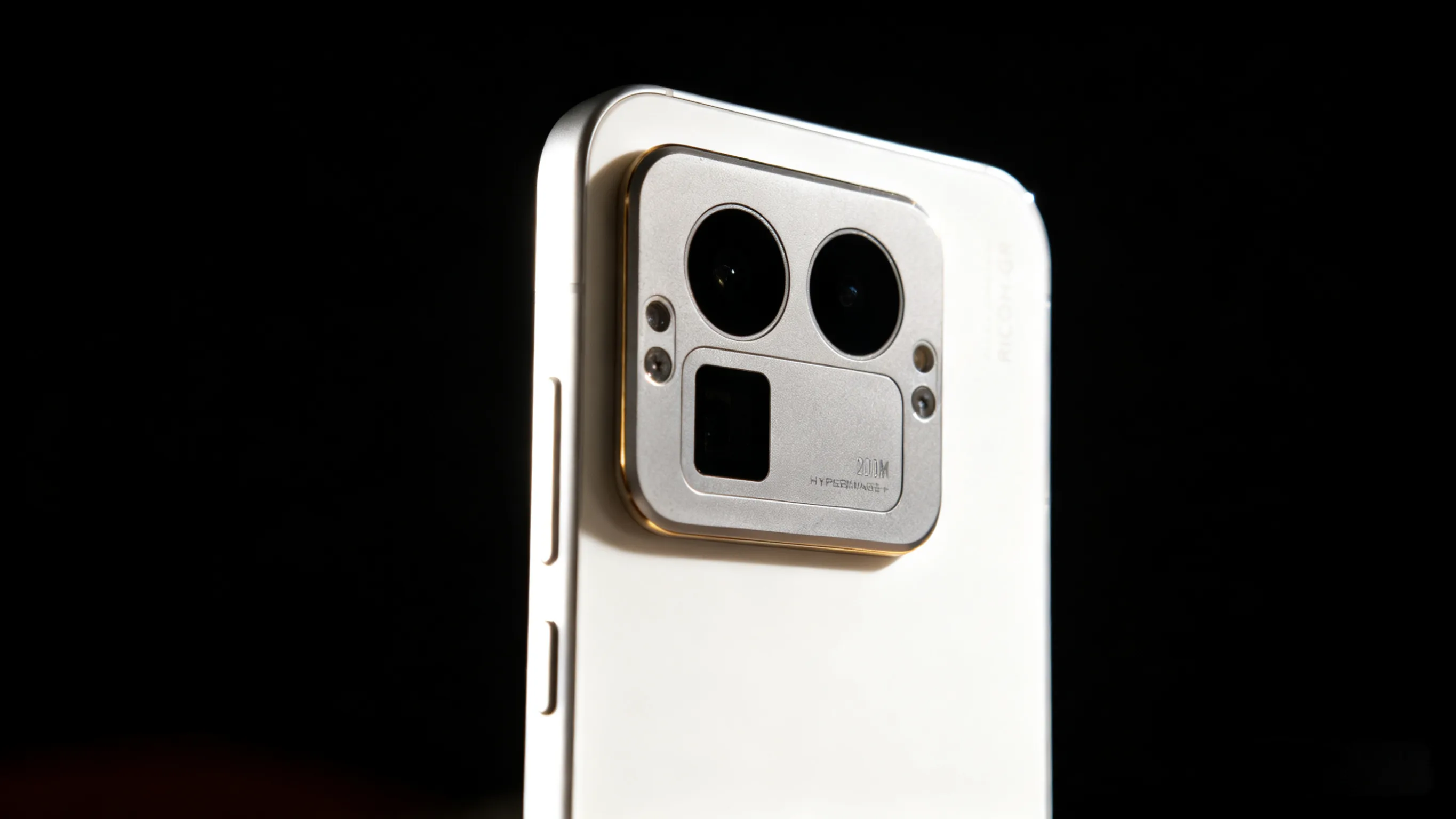
Moreover, we’ve seen plenty of mid-range products with excellent imaging configurations in recent years. For example, last year’s Realme GT8 Pro featured a high-quality telephoto lens shared with imaging flagships, and the K90 Pro Max from the same period included a 50MP periscope telephoto lens. In other words, mid-range phones aren’t inherently incompatible with telephoto lenses.
Is Imaging Downgraded Really Because Costs Are Too High?
As for the reasons, everyone can probably guess: costs are too high.
Starting in the second half of 2025, the memory chip market experienced a new round of price hikes. For mid-range products with limited profit margins, price increases for any component can impact final pricing. But user demands for phones haven’t decreased—they still want the latest processors, good screens, large batteries, and preferably fast charging, cooling, haptics, and speakers too. Under such circumstances, manufacturers naturally need to make trade-offs, and imaging is the first area to be sacrificed.
A better main camera sensor or a complete telephoto module not only increases hardware procurement costs but also takes up internal space, affecting the overall structural design. In contrast, removing the telephoto lens or continuing to use cheaper sensors saves costs without significantly impacting core selling points like performance and battery life.
More importantly, downgrading imaging doesn’t necessarily directly affect sales. For users buying mid-range performance phones, performance is their top priority. A new flagship processor is theoretically stronger than an older one and can handle more demanding tasks.
But imaging is different. How good a 50MP main camera actually performs isn’t easy to judge from specs alone—sensor size, lens quality, and algorithm tuning all affect the final image. This gives manufacturers plenty of wiggle room. After all, it’s still a 50MP sensor, and using a cheaper one might not be immediately noticeable to average users. As for the 8MP ultra-wide lens, as long as it meets basic daily shooting needs, that seems good enough.
However, blaming imaging downgrades entirely on rising costs doesn’t fully explain the situation. Phone manufacturers have another reason they’re reluctant to discuss openly: product tiering.

(Image Source: JD.com Official)
Nowadays, major smartphone brands have very detailed product lineups—entry-level models focus on low prices and high volume, mid-range performance phones attract gamers, mid-to-high-end models emphasize overall experience, and true flagships carry the brand image and profit margins. If a mid-range phone priced around $400–$600 had a flagship-grade processor, a large battery, a high-quality screen, and a decent imaging system, why would users bother buying the more expensive flagship?
Especially now that phone performance is relatively abundant, imaging is one of the few areas where users can still clearly perceive differences. A good telephoto lens lets users capture distant subjects; a larger, more advanced main sensor improves imaging in complex lighting conditions.
Therefore, besides cost factors, product tiering is likely another major reason manufacturers reserve better imaging configurations for high-end flagships. From a business perspective, this makes sense, but from a user’s standpoint, the worsening imaging on mid-range phones is harder to accept.
Performance Abundance: Do Users Really Need Ever-Higher Specs?
This raises another question: Do manufacturers really know what mid-range phone users want?
At new phone launches, we often hear manufacturers say users care more about performance and battery life, so they’re investing more costs there. That sounds reasonable—who doesn’t want a smoother-running phone with longer battery life? But the issue is, just because users want better performance doesn’t mean they’re willing to accept downgraded imaging.
Especially now that mid-range phones already have more than enough performance. For most average users, daily phone use involves scrolling through short videos, chatting, taking photos, browsing the web, and occasionally playing games. Even flagship processors from two years ago can handle these tasks without much pressure.
Of course, hardcore gamers who pursue extreme performance still exist, and for them, higher gaming frame rates and more stable performance do matter.
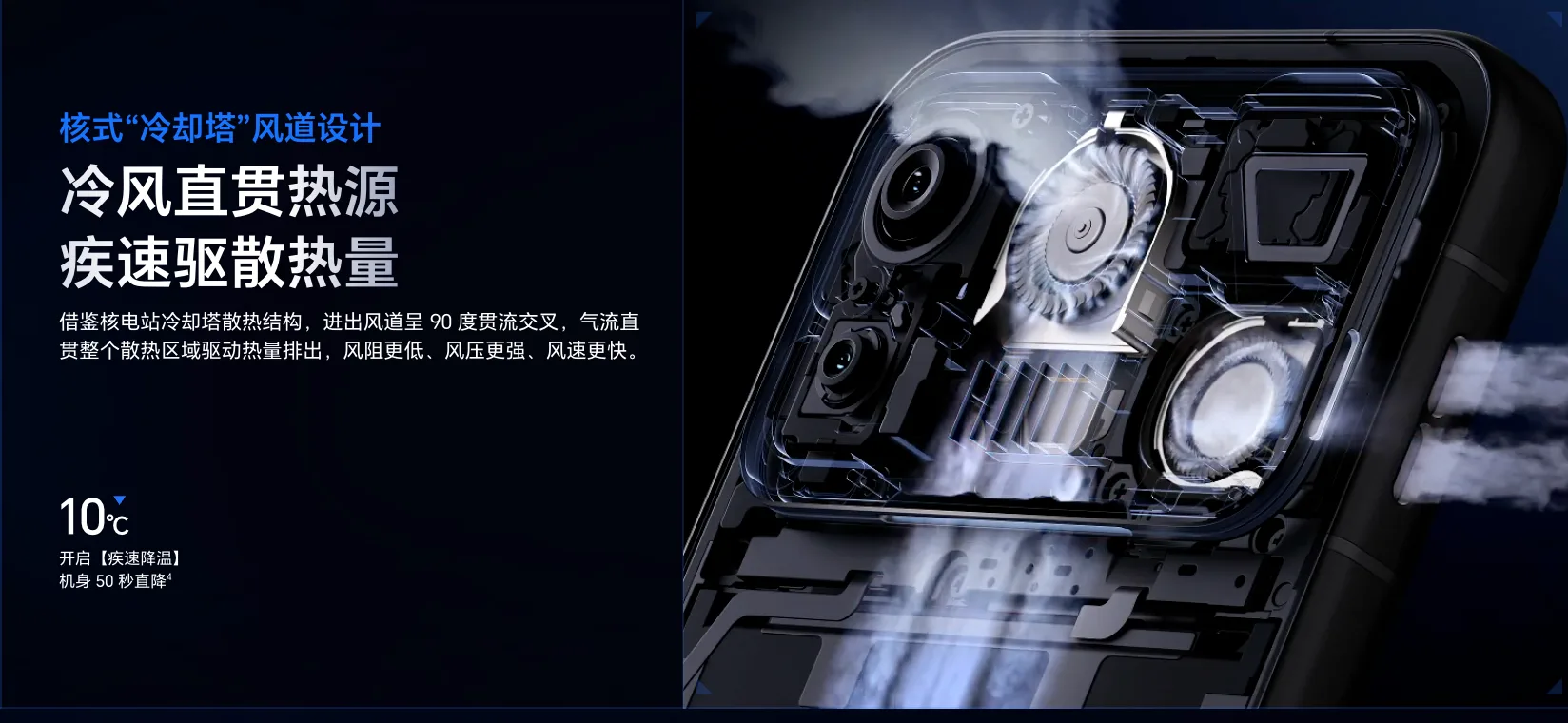
(Image Source: JD.com Official)
But the question is, are all mid-range phone buyers hardcore gamers? Obviously not.
The same goes for batteries. In recent years, battery life has been one of users’ top concerns, so manufacturers’ efforts to increase battery capacity are commendable. But with silicon-carbon anode battery technology becoming more widespread, phone battery capacities have risen from 6,000mAh to 8,000mAh or even higher. For many users, mid-range phones now comfortably last a full day, with some even lasting two. In this context, the perceived benefit of pushing battery capacity to 10,000mAh is much weaker than before.
Manufacturers seem to have grown accustomed to using specs to define what constitutes a better user experience. Every year, improvements in processor performance and battery capacity become focal points at product launches, but manufacturers rarely explain how much these upgrades actually improve the average user’s experience. Especially now that mid-range phones already offer excellent performance and battery life, is continuing to invest most of the cost here really more meaningful than improving imaging?
For users who frequently play large mobile games, today’s mid-range performance phones are indeed attractive—you can get near-flagship performance for around $400–$600, plus large batteries and high-refresh-rate screens, which meet many users’ needs. Moreover, the market isn’t entirely devoid of mid-range products that prioritize imaging—series like OPPO Reno and vivo S continue to emphasize portrait and overall imaging experience, with some models investing more in telephoto lenses.
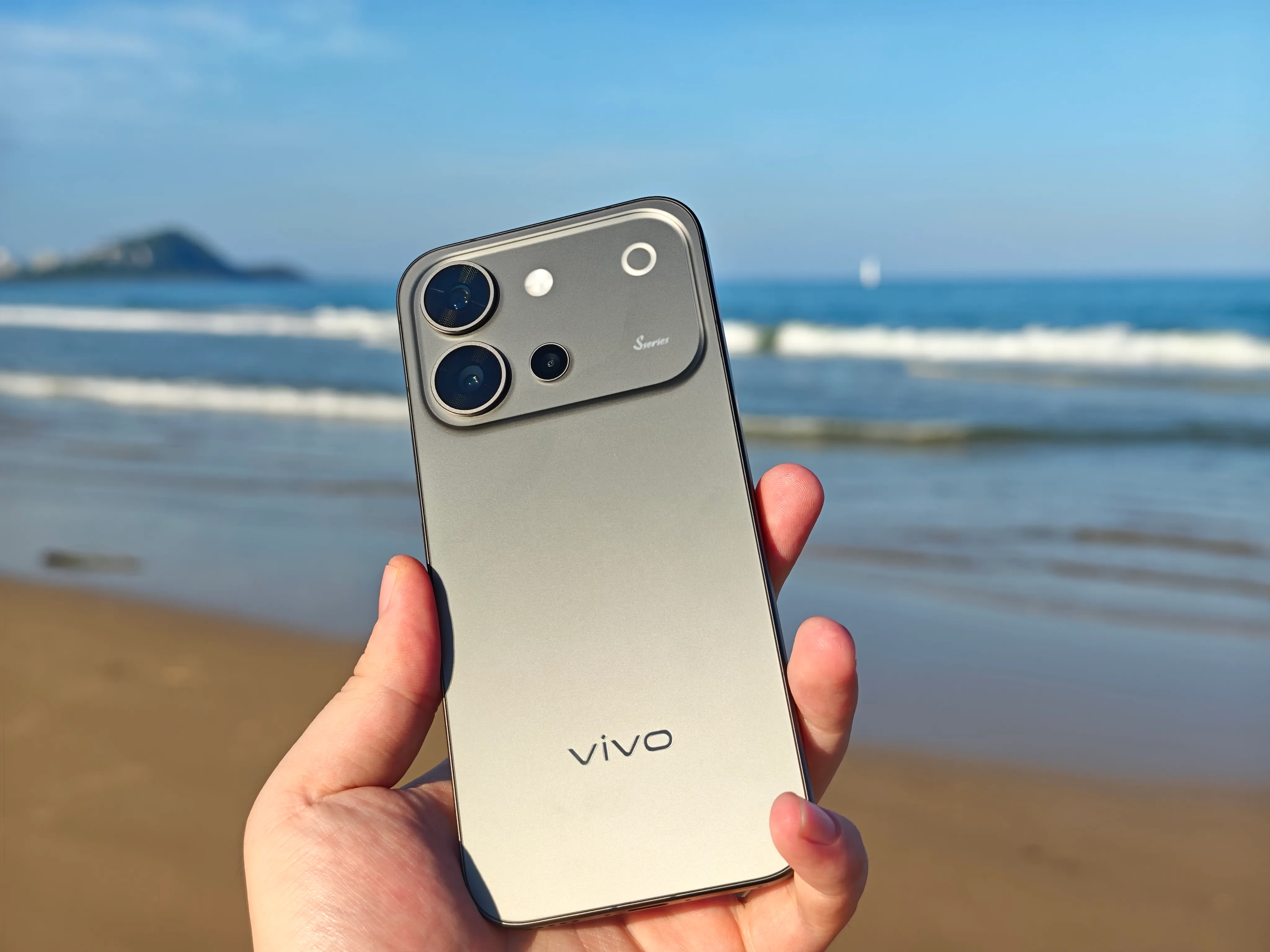
(Image Source: Leitech Photography)
From a manufacturer’s perspective, such product differentiation offers many benefits: by creating config differences across product lines, manufacturers can cover more price points while preventing mid-range models from cannibalizing flagship sales.
But I feel that the clearer the product lineups become, the harder it is for mid-range phones to truly surprise users. In the past, Chinese smartphone brands rose rapidly partly because they dared to break traditional pricing structures. Many domestic brands gradually built market competitiveness by bringing flagship features down to more affordable models, letting users get better experiences at lower prices. Now, mid-range phones do have stronger performance, but in imaging, manufacturers seem to lack the same willingness to challenge flagships that they once had.
This doesn’t mean all mid-range phones should feature periscope telephoto lenses or that manufacturers must excel in every area on a limited budget. But at the very least, a phone priced around $400–$600 shouldn’t use mediocre lenses just because it’s positioned as a performance device, nor should the lack of a telephoto lens be treated as an unexplained norm.
Users can accept trade-offs due to cost, but those trade-offs should be based on real needs. If manufacturers deliberately hold back imaging capabilities just to make more expensive products seem more attractive, then claims of "meeting user needs" start to ring hollow.
So Can Mid-Range Phones Ever Innovate in Meaningful Ways?
Honestly, I think the most concerning aspect of this year’s mid-range phone imaging downgrades is that manufacturers seem increasingly comfortable following the same playbook. If others stack performance, I stack performance; if others increase battery size, I make mine even bigger. In the end, apart from branding and design, there’s less and less that truly differentiates these products for users.
This competitive approach might help manufacturers control costs and maintain sales in the short term, but long-term, it’s not necessarily a good thing. After all, users will eventually tire of endless spec competitions, and manufacturers can’t rely forever on higher benchmarks and larger batteries to attract buyers.
Instead of continuing to fight tooth and nail on the same track, why not think about where mid-range phones can still improve? At the very least, I hope that next year, when we see a new $400–$600 phone, manufacturers will offer something genuinely interesting—not just telling us the battery got another few hundred mAh bigger.
Source: Leitech
Images in this article come from: 123RF Licensed Image Library Source: Leitech
-
[Insight] The airbag control unit (ACU) is a core component of automotive passive safety systems, with numerous market participants in China.
-
![]()
Grassroots Actors, the First Casualties of AI | Wave Trends
-
Anthropic's Nasdaq Rush: The AI Wealth Creation Narrative Faces Reality Check
-
![]()
Another Surge in Prices to Blame! Mid-Range Smartphones in 2026 Fall Short: Telephoto Cameras Vanish, Main Cameras Degrade
-
![]()
Can AI-Generated Actors Outshine Human Stars? Hollywood is Deeply Split
-
China’s AI is Dominating: Token Usage Hits 48% of Global Total, 4.5 Times That of the U.S.?
-
![]()
Doubao and GPT Compete for FDE Roles with Million-Dollar Salaries: What Makes This 'Most Valuable Work Badge' So Expensive?
-
China Manufactures 35.8% of Global Automobiles, Outpacing the Combined Output of the U.S., Japan, India, Germany, and South Korea!