Tencent's Yao Shunyu Says AI Moats Lie Mostly at the Product Layer, Not the Model Layer
 11/09 2026
 329
Farsight News, November 8: At the Science Summit of the 2026 Future Science Prize Week held in Hong Kong, Zhang Yaqin, a foreign member of the Chinese Academy of Engineering, posed a question to Yao Shunyu, Tencent's chief AI scientist: as the leading advantages of large models keep changing hands, what can AI companies rely on to retain users? Yao Shunyu believes that AI moats exist more at the product layer than at the model layer. Even if another model has stronger capabilities, it may not necessarily replace a product that already understands user needs and has earned user trust.

Yao Shunyu took WeChat as an example: if an AI assistant knows a user's schedule and the activities the user is participating in, it can understand requests in light of that context. If the model is switched, that information may not necessarily come along. As AI moves from answering questions to handling tasks on users' behalf, competition gains another dimension: what information are users willing to open up, and which operations are they comfortable letting AI perform?
Tencent has already given Yuanbao an entry point within WeChat. In addition to opening the standalone app, users can also add Yuanbao as a WeChat contact and directly send messages to ask questions. In October this year, Tencent Cloud further opened up the web search service behind Yuanbao. This service integrates public web pages and Tencent ecosystem content, and is also used in products such as WorkBuddy and ima.
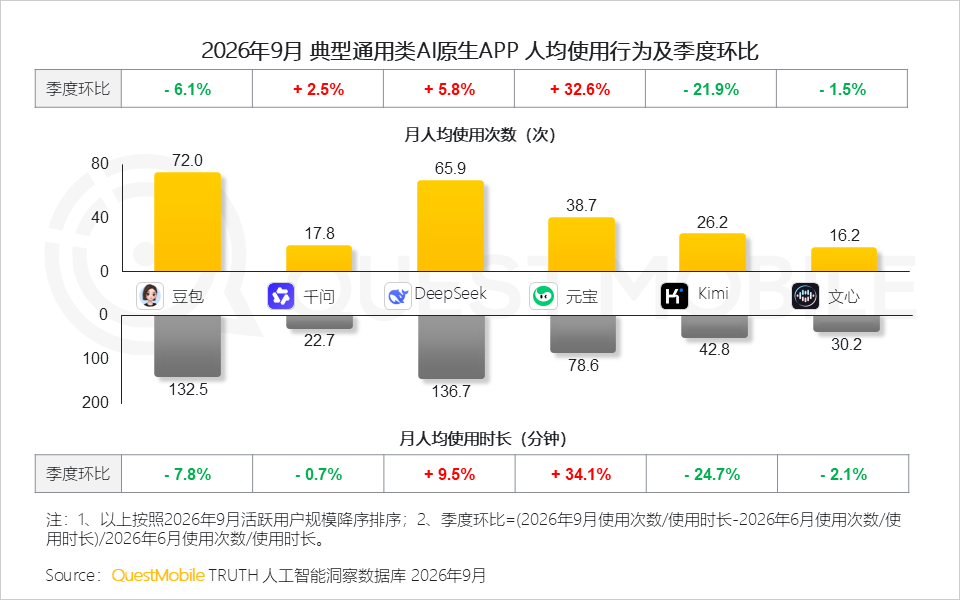
However, having many entry points does not mean users open it more frequently. QuestMobile data shows that in September this year, the Yuanbao app had 38.7 average monthly uses per person, lower than Doubao's 72 and DeepSeek's 65.9 during the same period.
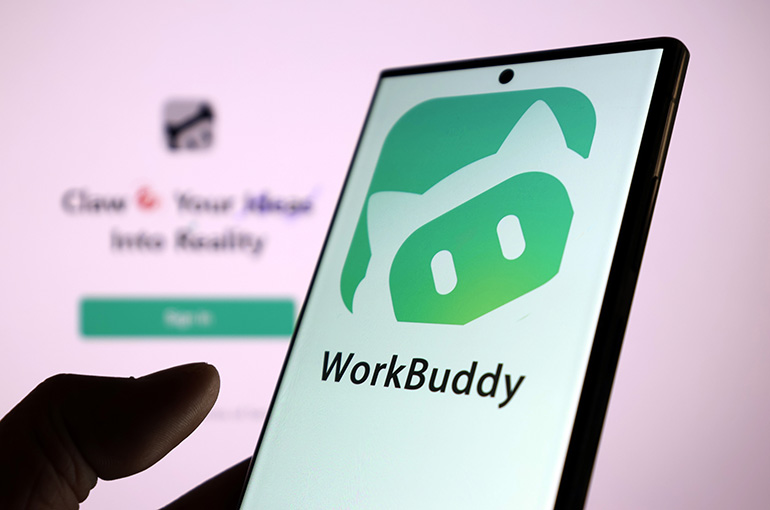
In office scenarios, Tencent launched Buddy One, allowing WorkBuddy to coordinate task processing among its office applications and professional agents. The enterprise edition has also added connector management and repository permission settings, making it easier for administrators to limit which tools AI can use and which materials are available for collaboration. According to Tencent's disclosure on October 29, WorkBuddy has completed more than 9 billion task requests cumulatively since its launch in March this year, covering more than 50 industries.
Tencent is also continuing to update its underlying models. Hunyuan Hy4, released on November 4, has been integrated into Yuanbao and WorkBuddy. The new model can directly enter existing products, but cumulative task request volume still cannot answer whether users will continue to use it. Whether it can form the moat Yao Shunyu mentioned depends on whether users are still willing to hand the next complex task to the same AI assistant.
-
![]()
Let the Data Speak: China Is Winning the Automotive Electrification Race While the US Market Remains an Island
-
![]()
Electric Vehicles Are Selling Like Hotcakes—Yet Profits Are Halved, Leaving European and American Automakers Bewildered
-
![]()
Is It Reasonable for the CIIE to Be Dominated by "Chinese Cars"?
-
![]()
Tencent's Yao Shunyu Says AI Moats Lie Mostly at the Product Layer, Not the Model Layer
-
Storage Storm Looms, Niche Phone Brands 'Doomed'
-
Has Apple Been "Bitten Back" by Its Supply Chain?
-
Huawei HarmonyOS PCs Hold Just 0.4% of the Global Market, Yet Already Capture 10% of China's Xinchuang Sector?
-
![]()
Breaking: BYD Yangwang Shatters 500 km/h Barrier—Has China's Supercar Era Arrived?