Storage Shortage Wreaks Havoc! Global Smartphone Shipments Plunge by 20% in Q3, Hitting 14-Year Low for the Same Period
 10/13 2026
 377
377
Kuaikeji, October 13 News. According to market research firm Counterpoint Research, the ongoing construction of AI infrastructure is putting a severe strain on the supply of storage chips, subjecting the consumer electronics industry to a double whammy of escalating costs and constrained supply.
Preliminary data reveals that global smartphone shipments in the third quarter of 2026 witnessed a significant 20% year-on-year decline, plummeting to their lowest level for the same period since 2012.
The storage chip crisis has now exerted a sweeping influence on the smartphone market for two consecutive quarters. The soaring costs of these chips have driven up the overall bill of materials expenses, further intensifying supply shortages. In an effort to mitigate cost pressures, manufacturers have, in succession, hiked terminal prices. Since 2026, global smartphone retail prices have cumulatively surged by approximately 20%.
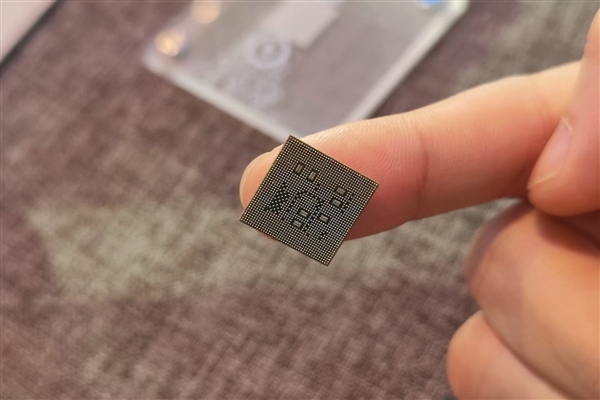
These cost pressures are reshaping consumer purchasing patterns. Consumers are now holding onto their existing devices for extended periods and showing a growing inclination towards purchasing refurbished phones.
The market is exhibiting pronounced structural differentiation. The price-sensitive mass market is shouldering a heavier burden, while demand in the high-end market remains comparatively robust.
Samsung maintains its leading position, with its market share climbing to 23% in the third quarter. Despite a 3% year-on-year decrease in shipments, it stands out as the major manufacturer with the largest share increase.
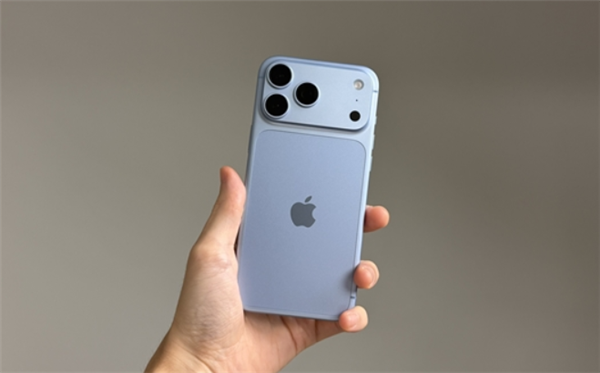
Apple's market share rose to 22%, surpassing the 20% mark for the first time in the third quarter. The iPhone 18 Pro series outperformed its predecessors in both the Chinese and Indian markets.
Xiaomi experienced a more than 30% year-on-year decline in shipments during the third quarter, causing its market share to drop to 10%. The company has responded by reducing investment in low-priced models and certain non-core overseas markets.
Both OPPO and vivo saw their shipments decrease by over 20% year-on-year in the third quarter, with their respective market shares falling to 9% and 8%.
Counterpoint Research holds the view that until there are improvements in the cost and supply conditions of storage chips, a substantial recovery in global smartphone shipments is unlikely.
-
![]()
Four Departments Take Action to Address Quick-Built Vehicles! Why Can't Verification Be the Target When Cars Are Built So Fast?
-
![]()
Storage Shortage Wreaks Havoc! Global Smartphone Shipments Plunge by 20% in Q3, Hitting 14-Year Low for the Same Period
-
China's Largest Intelligent Computing Cloud Provider Rushes Toward IPO, with Revenue Surging 9x in Two Years Driven by 'Computing Power Leverage'
-
![]()
AI Companion Suggests User Cease Eating? Character.AI Faces Fresh Litigation, with an Even More Outrageous Customer Support Reaction
-
![]()
Can Chen Yusen Provide the Right Context for AI? Does DingTalk Have Sufficient Resources?
-
![]()
Xiaomi HyperOS 4 Embraces Apple Ecosystem: When 'Closed' Yields to 'Open'
-
Kimi Valued at $50 Billion, Yang Zhilin's Past Disputes Reach IPO Threshold
-
Founder from Generation Z Leads 14-Member Team to Challenge Meta