Rushing to Market and Compromising on Quality: Is Apple’s Foldable Phone Repeating Samsung’s Blunder?
 10/28 2026
 464
In a bid to be the first to market with a foldable phone, Apple appears to have compromised on even the most basic quality control measures. Just days after the launch of the iPhone Duo, a wave of criticism has surfaced online, with numerous users posting images of screen leakage, hinge cracks, and complete device blackouts. 
Initially, many attributed these issues to the inherent challenges of foldable screen technology. However, recent revelations from Jiemian News, citing insiders at Foxconn, suggest otherwise. According to these sources, the screen failures are not due to design flaws but rather because Apple lowered its quality inspection standards to boost production yields and ensure supply. 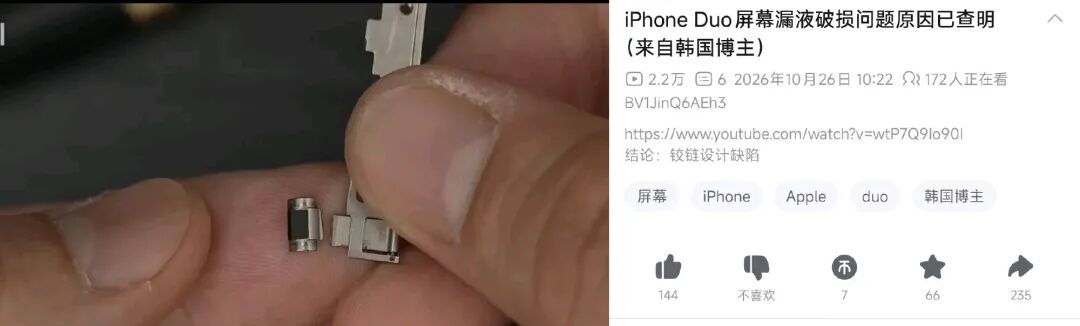
In its haste to be first to market and meet a stockpile target of 7.5 million units, Apple has lowered its quality threshold. Devices that barely function are being packaged and shipped to early adopters who have paid exorbitant prices. Essentially, Apple is treating its customers as unpaid quality inspectors. Why is Apple in such a rush? Why has it abandoned its principles? A glance at the current foldable phone market provides some clarity. Apple is a full decade behind in this race.
The Chinese market, in particular, has evolved significantly. Huawei alone commands 70% of the ultra-high-end foldable phone segment, boasting remarkably mature technology. Below Huawei, domestic giants like Vivo, Xiaomi, OPPO, and Honor are fiercely competing, offering products that are not only slim and lightweight but also affordable. 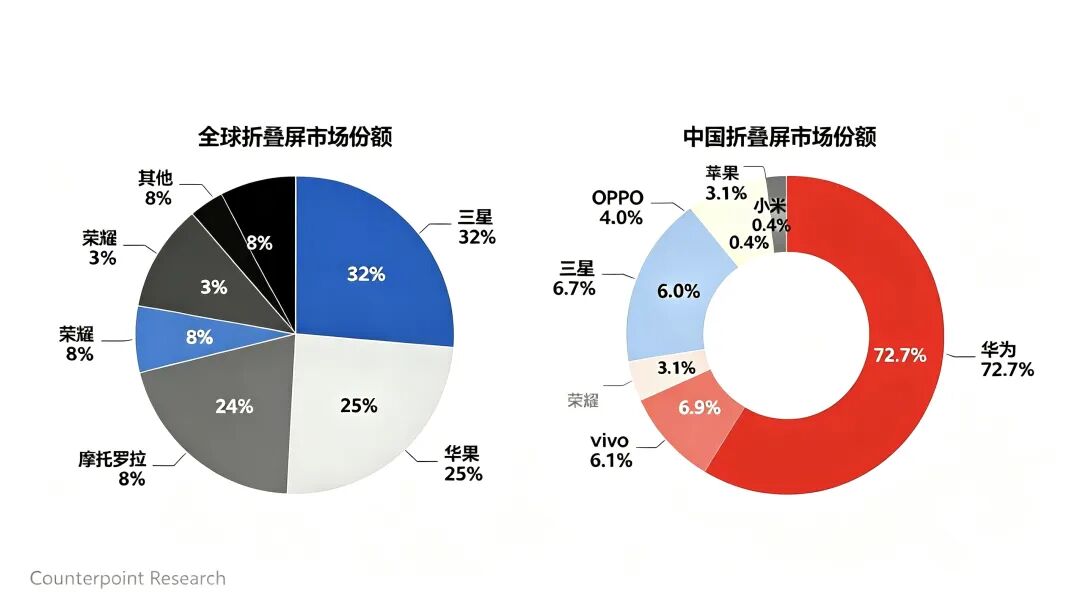
With its first-generation foldable phone, Apple faces immense pressure in a market dominated by fierce competition. Fearful of missing this narrow window of opportunity, Apple has resorted to desperate and misguided measures. Does this scenario seem familiar? History has a way of repeating itself in astonishing ways. 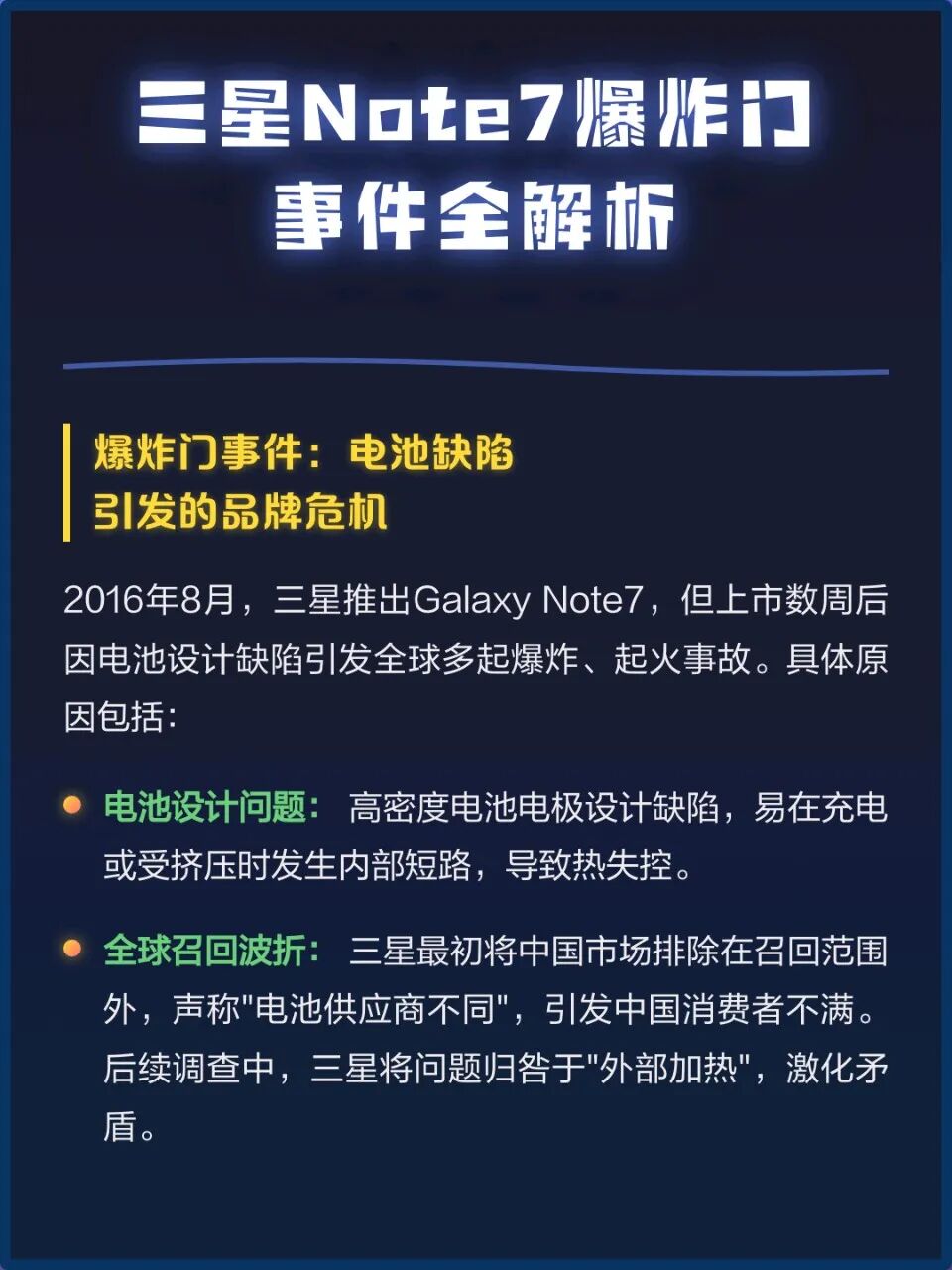
What situation did Samsung face back then? It was under relentless pressure from the “Zhonghua Kuliang”—a term referring to the Chinese smartphone brands ZTE, Huawei, Coolpad, and Lenovo. In an effort to suppress these domestic competitors in the Chinese market, Samsung rushed the battery design of the Note 7 and relaxed its quality standards. The result was a series of explosions. The “Battery Gate” incident severely damaged Samsung’s reputation among Chinese consumers. Its market share, once dominating at nearly 50%, plummeted to less than 1%, effectively forcing it out of the Chinese market.
Back then, Samsung, under pressure from Zhonghua Kuliang, faced explosions; today, Apple’s foldable phone, under pressure from Huawei and other domestic giants, is facing screen failures. The precedent is clear. Although Apple is now hurriedly changing materials on its production line, who will take responsibility for the half-baked foldable phones already sold? Should consumers simply accept their misfortune? In recent years, Apple has been frugal with innovation, and its quality control has significantly declined. When a tech giant starts abandoning its principles to meet deadlines and compete with Chinese manufacturers, its competitive edge has already eroded.
Don’t assume that being a market leader means you can get away with subpar work. In China’s fiercely competitive market, Apple should take a hard look at how Samsung fell from grace. Would you still pay over ten thousand yuan for a half-finished foldable phone with a hinge that’s poorly designed, just to indulge Apple’s arrogance? Share your thoughts in the comments.
#Mao Qiying AI Circle #iPhoneDuo #Apple Lowers Foldable Phone Quality Inspection #Samsung Note7 #Zhonghua Kuliang #Huawei Data and image sources: Jiemian News, Sina Weibo, etc.
-
![]()
Has the Era of Abundant AI Computing Power Reached Its Twilight?
-
![]()
Rushing to Market and Compromising on Quality: Is Apple’s Foldable Phone Repeating Samsung’s Blunder?
-
![]()
The Sexiness and Leverage of Token Factories
-
![]()
Why is the efficiency of your optical waveguide only 6%? -- The Physical Limit of the Coupling-in Process
-
![]()
Can South Korean Automobiles Rebound with Monthly Sales in China Under 10,000 Units?
-
![]()
Anthropic Also Eyes Cloud Provider Partnerships
-
![]()
Can the ZON 09, Priced from 169,900 Yuan, Strike a Balance Among Model 3, Xiaomi SU7, and Itself?
-
![]()
What's Ailing XPENG?