iPhone Duo China Version Caught in "Spec Cut" Storm: Netizens Say "I May Not Use It, But You Can't Leave It Out"
 11/02 2026
 502

Caigou Business Review Original by the Insightful Business Editorial Team
Author | Xuan Niao
These are trying times for Apple. Cook has just stepped down as CEO, and the company has launched its first foldable phone—the iPhone Duo. That very phone has landed Apple in one public relations storm after another.
First came poor reviews of the matte film, then the recent iPhone Duo "screen cracking" incident—and before even a week had passed, the China version of the iPhone Duo was hit by a "spec cut" controversy.
The incident traces back to a comparison video posted by Huaqiangbei teardown blogger Yang Changshun. It thrust this ten-thousand-yuan flagship into the center of controversy and shot to the top of Weibo's trending list with lightning speed, igniting a war of words across the digital community and the wider internet.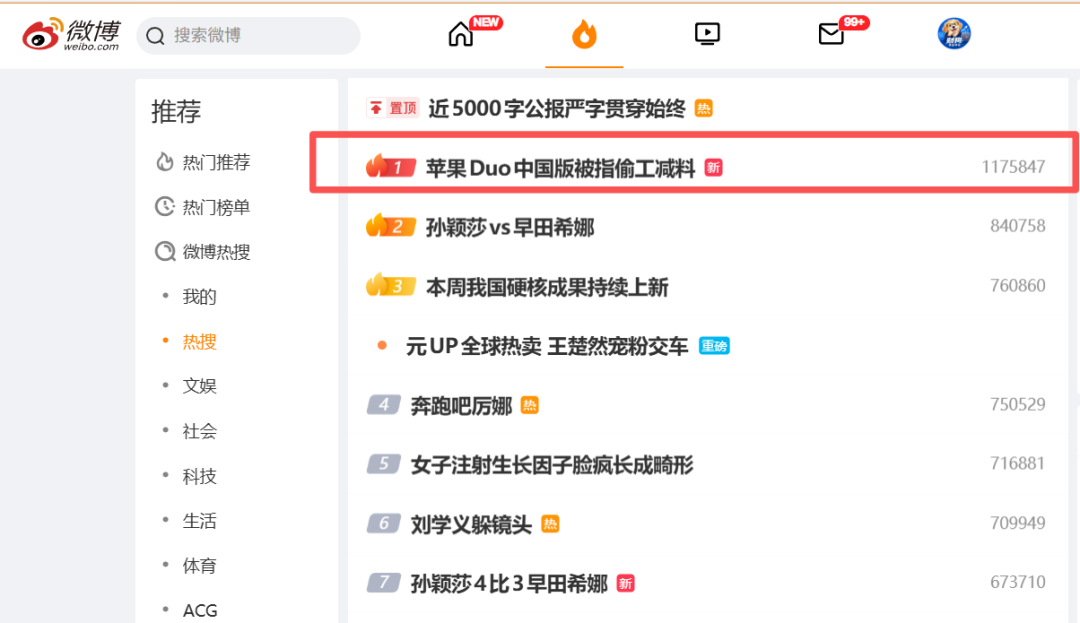
After tearing down and comparing the China and US versions of the iPhone Duo, the blogger pointed out that the Chinese version "is missing some things" in the internal structure of the motherboard, and stated bluntly that, based on cost accounting, the China version should reasonably be 800 to 1,000 yuan cheaper.
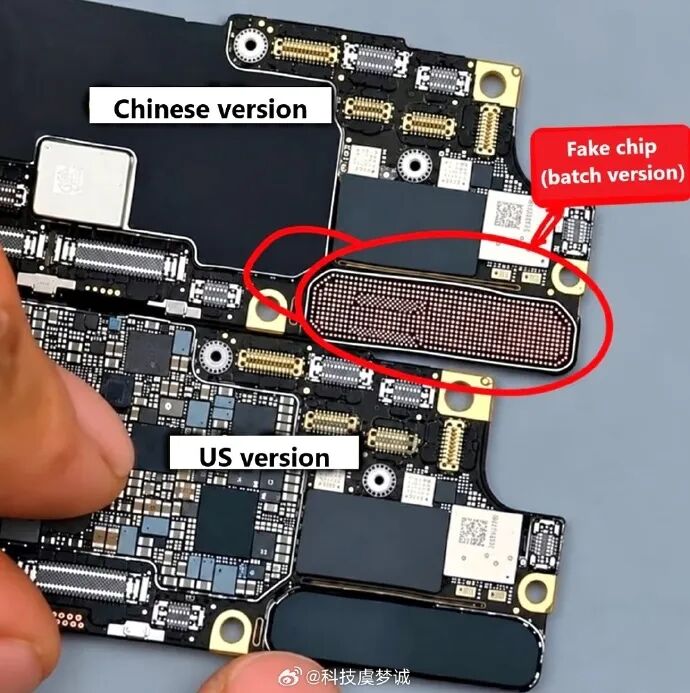
From this widely circulated comparison chart, it is easy to see that the positions marked with red circles have dense component contact points on the US version motherboard, while the China version appears to be missing them. The blogger listed a "spec cut list," directly pointing out that the China version has cut the satellite communication module, the 6GHz antenna and RF coordination components, the 25W fast wireless charging power circuit, and the UWB antenna and RF chip.
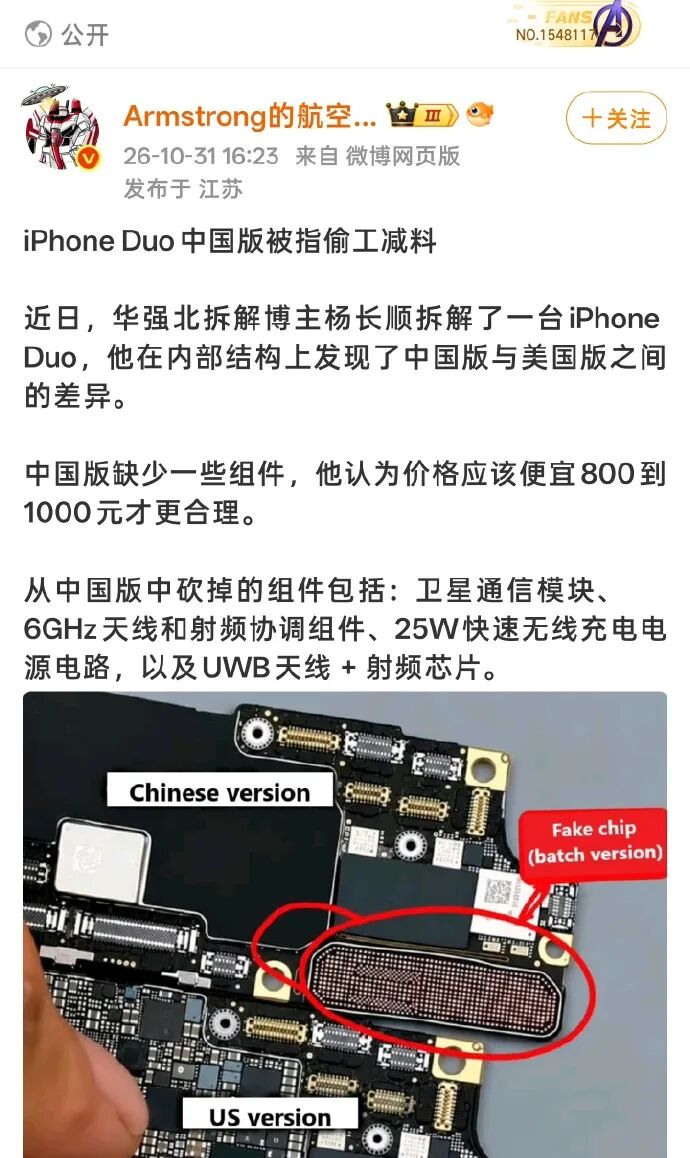
For a high-priced foldable flagship, satellite communication, fast charging, and UWB ecosystem interconnection are all highly noticeable selling points—and the absence of any one of them will be magnified under scrutiny. However, as the incident fermented, more details and truths began to surface.
In the face of surging doubts, some readers added background information under the original Weibo post, pointing out that some missing functions are actually due to differences in radio regulations among countries.
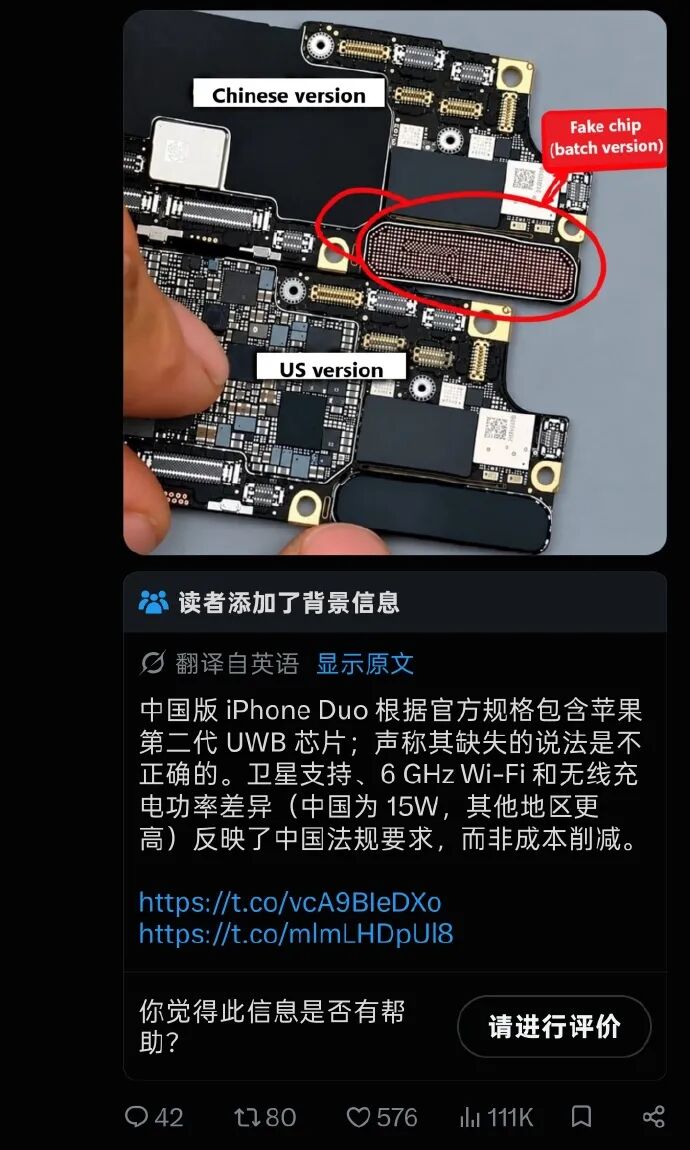
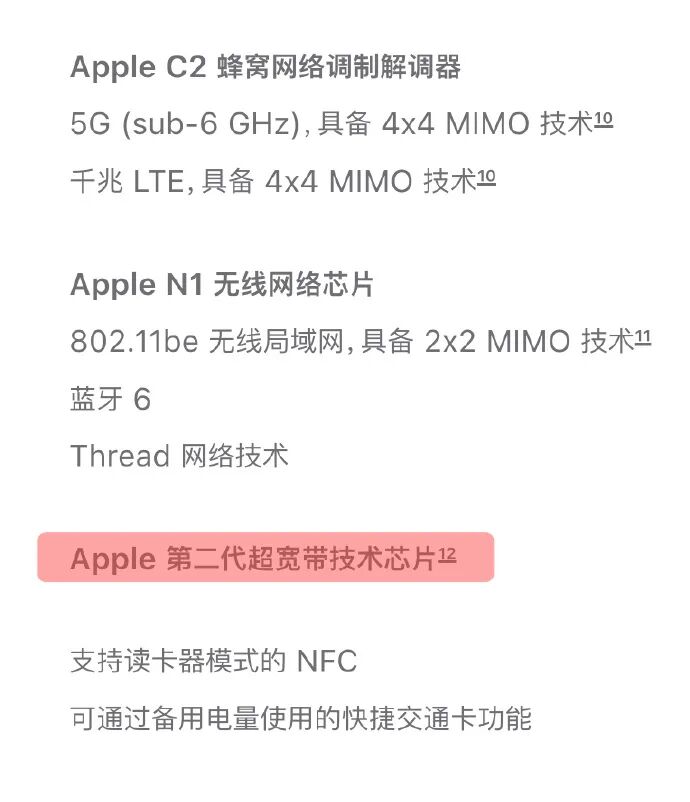
Among them, the biggest misunderstanding was none other than the UWB chip. After checking the specifications on Apple's official website, a blogger clearly stated that "not supporting UWB" is an outright rumor, and the official page clearly states support for the second-generation ultra-wideband technology chip.
In addition, satellite communication, 6GHz Wi-Fi, and 25W wireless fast charging are indeed restricted by mandatory regulatory thresholds such as domestic spectrum allocation and network access permits, and objectively cannot be enabled on the China version. Many rational netizens also stepped forward to explain: "Satellite communication involves domestic business licenses, the 6GHz band has been allocated to cellular networks, and the band for 25W wireless fast charging also conflicts with aeronautical radio navigation. This is decided by domestic regulation."

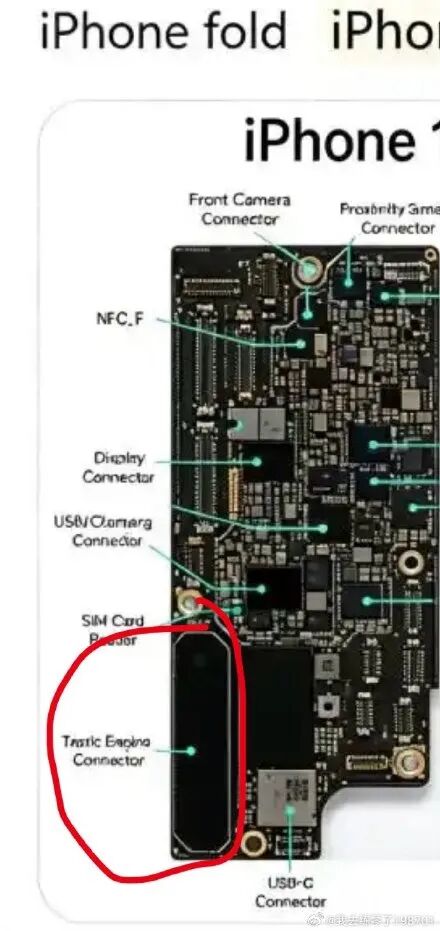
As for another teardown image with a specific interface circled, it is often regarded as a misreading of differences in motherboard component layout and cannot be directly equated with functional castration.
If regulatory restrictions are the objective reason, then the real trigger of this storm lies in the huge gap between consumers' psychological expectations and the actual pricing.
In the relevant comment sections, we can see an extremely polarized public opinion field. Some Apple fans showed extremely high brand tolerance, and some netizens even joked: "Don't try to shake the faith of Apple fans; there is no model that Apple fans cannot adapt to."

In their view, since some functions are indeed unusable in China, whether these parts are present or not does not affect the core daily experience, and spending a bit more to buy into Apple's ecosystem and brand itself does not make anyone feel uncomfortable.
However, this kind of "tolerance" did not calm the doubts of mass consumers, and more netizens could not accept this practice of "same price, different specs." One netizen pointed out sharply: "A few are due to special reasons, but fast charging and RF should not be cut. The price is still the same, so how come part of the cost is missing but the price is still so high?"


The core pain point of consumers is very clear: I may not use it, but you cannot leave it out—and even more so, you cannot cut specs at the same price. Some netizens asked angrily: "Whether it can be used is one matter, whether it is installed is another. When going abroad, wouldn't you need to use it?"

Another netizen's comment also struck a strong chord: "If the functions are incomplete and accessories are reduced, shouldn't the price be lowered? Those who say the functions are unusable in China, do they assume customers won't go abroad?" This "one-size-fits-all" hardware subtraction directly deprives users of the possibility of using local networks and functions abroad.

Everyone found that the focus of the controversy is no longer those chips whose cost is not particularly high, but Apple's "arrogance" in product pricing and information disclosure.
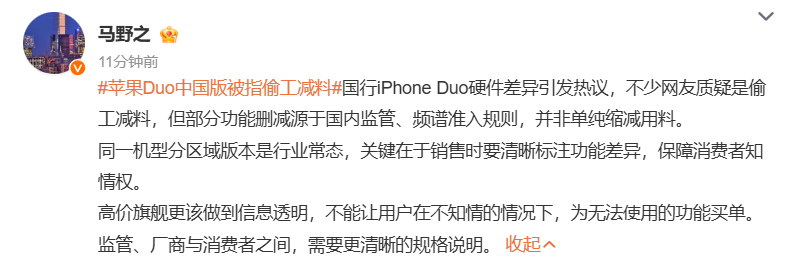
A netizen objectively summarized: "Many hardware differences in the China version stem from domestic regulation and spectrum access rules, rather than simply reducing materials. But the key is to clearly mark functional differences at the time of sale and protect consumers' right to know."
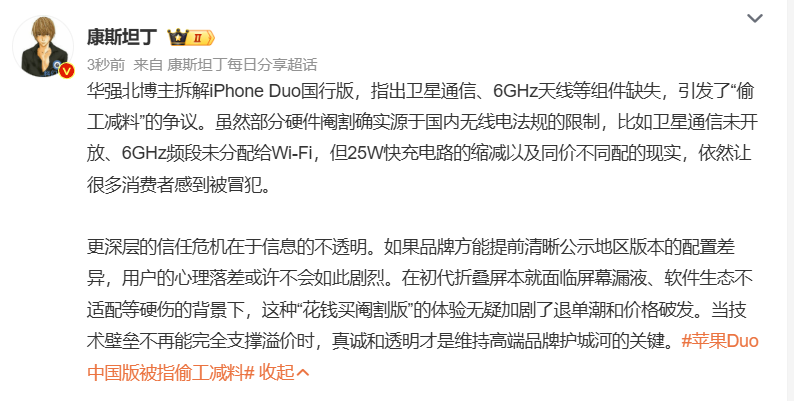
Another comment directly pointed to a brand trust crisis: "Although some hardware castration stems from regulatory restrictions, the reduction of the 25W fast charging circuit and the reality of same price but different specs still make many consumers feel offended. If the brand had clearly disclosed configuration differences in advance, users' psychological gap might not have been so severe."
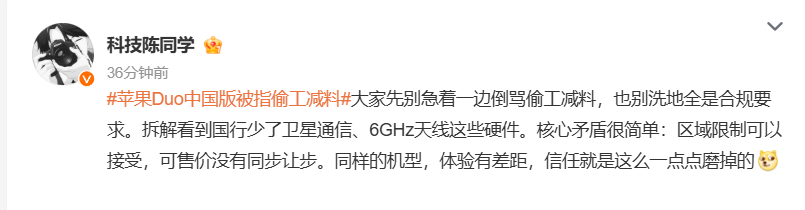
As one blogger said: "The core contradiction is simple: regional restrictions are acceptable, but the price has not made concessions accordingly. For the same model, the experience differs, and trust is worn away bit by bit like this."
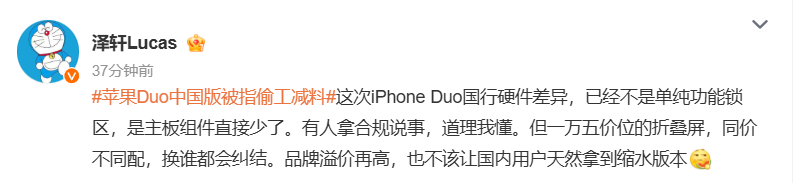
For a top-tier foldable screen phone priced at 15,000 yuan, consumers are not only paying for hardware, but also for the brand's high-end experience and sincerity. If the China version has to make compromises due to regulatory reasons, that is completely understandable; but if such compromises are passed on to consumers in an opaque way, with no gesture at all in pricing, anyone would feel conflicted.
The "spec cut" controversy of the iPhone Duo is a concentrated collision between regulatory boundaries and commercial sincerity. In theory, if Apple uses fewer certain components in the Chinese market, it should indeed be reflected in the price. The loyalty of Chinese Apple fans is indeed very high, and they are willing to spend more on the Apple ecosystem, but this does not mean the brand can comfortably sell a "shrunken version" to users at a fully equipped price. Regulations belong to regulations, pricing belongs to pricing. When the cry of "I may not use it, but you cannot leave it out" rises everywhere, it is time for Apple to give a more transparent answer on specifications and pricing sincerity.
Disclaimer: This article is written based on publicly available information or information provided by interviewees, but Caigou Business Review and the article author do not guarantee the completeness or accuracy of the information and related materials mentioned or displayed in this article, and do not represent the position of any institution. If there is any infringement, please contact us for deletion. Under no circumstances do the information or opinions expressed in this article constitute investment advice to anyone.
▼
-END-
-
![]()
Tech Stocks Plunge: Is Faith in AI Still There? New Energy Weekly Summary
-
![]()
After the Hundred-Billion-Yuan Financing Closed, DeepSeek Unveiled Its Super-Agent Architecture
-
![]()
October New Energy Vehicle Sales Revealed: Leapmotor Up 51% Year-on-Year, While NIO, Li Auto and Harmony Intelligent Mobility All Decline
-
![]()
Apple Chooses Qwen—and There's More to It Than Meets the Eye
-
![]()
The Battle Against DJI: How Ying Shi Lost 100 Billion Yuan in Market Value
-
![]()
Modern China's Predicament: Hard to Break Through by Merely Changing the General Manager
-
![]()
Cutting Corners or Compliance? iPhone Duo Teardown Reveals China-US Structural Differences — Apple Says Component Variations Are Normal
-
![]()
Leapmotor Retains the Crown as Xpeng and Xiaomi Break 50,000: The New Forces Sales Landscape Gets Another Shake-Up