iPad Mini 8 Falls Behind: No High Refresh Rate and a Steep Price Hike Make Android Small Tablets the Clear Winners
 11/13 2026
 422
Products that don't cut corners on upgrades are the ones worth buying.
In tablet development, larger screens and productivity have been the mainstream direction in recent years. Small tablets—especially those with flagship specs—are few and far between. In this niche segment, Apple's iPad mini series long held a competitive edge thanks to its first-mover advantage and ecosystem strengths.
This year, however, the market landscape shifted. The long-awaited iPad mini 8 finally launched, but it drew widespread criticism for hardware specs that felt half-hearted. Meanwhile, major Chinese Android manufacturers have been steadily entering the small tablet space, rolling out a wave of new compact devices—giving anyone underwhelmed by the iPad mini 8 a fresh set of options.
Apple's "knife skills" strike again: the obvious weak points of small tablets
Two years after the iPad mini 7, the iPad mini 8 finally arrived. Users had high hopes. Beyond the usual performance bump, people especially wanted a better screen and slimmer bezels. But when this much-anticipated eighth-generation iPad mini actually landed, its product strength fell far short of those long-held expectations.
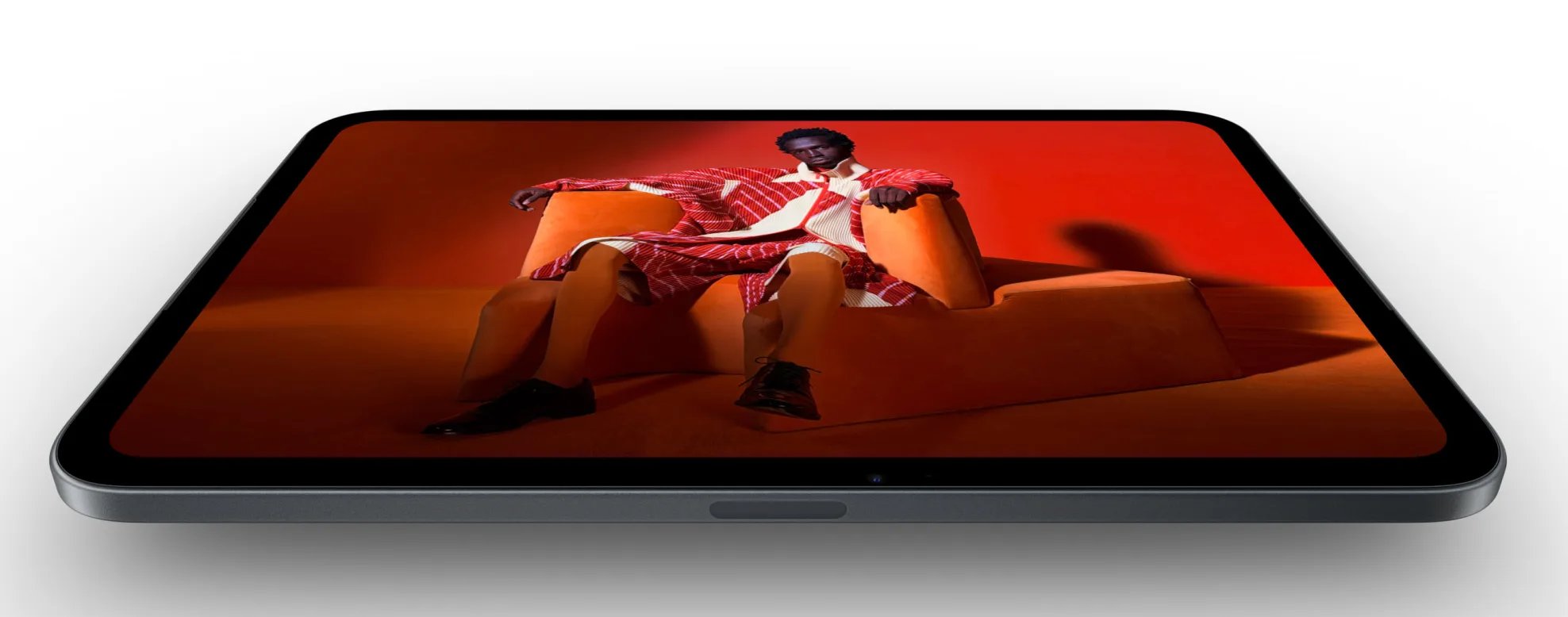
Apple still seems locked into its rigid product tiering logic, applying the same stingy "knife skills" to the iPad mini 8. The biggest complaint, naturally, is the lack of a high refresh rate display. The screen did move from LCD to OLED, but it's still stuck at 60Hz. By this point, even budget Android phones priced just over 1,000 yuan treat high refresh rate screens as standard fare.
For a small tablet built around audio-visual entertainment—and used by many as a primary gaming device—the absence of a high refresh rate is nothing short of a hard flaw in the experience. Anyone accustomed to high refresh rate screens will find it hard to ignore the lack of smoothness when swiping on this 60Hz panel.
(Image source: Apple)
Beyond the screen, the iPad mini 8's battery configuration also disappoints. Possibly in pursuit of thinness and lightness, its battery capacity didn't increase over the previous generation—it actually regressed, sitting at just 4900mAh, the smallest battery in any iPad over the past decade. A lower capacity doesn't necessarily mean shorter battery life, but in the Android camp, small tablet batteries are growing rapidly, which clearly gives them the edge here.
At the same time, the iPad mini 8 isn't cheap. What's more, with storage prices climbing, Apple has been even less restrained in pricing new products. The iPad mini 8 starts at 5,499 yuan—and that's only for the 128GB version. Bumping to 256GB costs 6,299 yuan.
Keep in mind that previously, even iPad Pro models with M-series chips started in the 5,000 yuan range. By comparison, it's hard not to feel the iPad mini 8's price is outrageous.
How to choose an Android small tablet: needs and use cases are key
The iPad mini series updates slowly, with product intervals of at least two years. On the Android side, the choices are clearly far more plentiful. This year, major brands launched new small tablets in quick succession, covering a wider price range—from entry-level to flagship—giving users real options. For a long time before, Android small tablets were basically concentrated in the entry-level price range, deliberately keeping their distance from the iPad mini series to avoid direct competition. Their configurations and features weren't particularly appealing, and they leaned on price advantages.
But now the situation is different. On one hand, soaring storage prices have further squeezed the living space of entry-level tablets, while the shrinking phone market has made manufacturers more willing to test the waters with mid-to-high-end tablets. On the other hand, tablets have inherited many new phone technologies being passed down, gradually becoming less afraid of the iPad in terms of product strength. Coupled with considerations of building brand ecosystems, manufacturers are more motivated than ever to make small tablets.
Of course, Android small tablets at different price points differ greatly in market positioning. Flagship small tablets are certainly expensive, but their configurations are also generously supplied—from the latest flagship processors to high-quality screens to high-wattage fast charging, they basically have it all. You'll even find vibration motors and RGB lights on high-end models. Entry-level small tablets, limited by cost, generally have ordinary configurations and mainly target audio-visual and educational scenarios. Mid-range small tablets are often sweet-spot products, with use cases focused on all-purpose use. They're equipped with mid-range or sub-flagship chips, and configurations such as screen, battery, and charging are acceptable. The overall experience isn't as extreme as flagship models, but it's much better than entry-level products.
(Image source: Leitech)
Leitech (ID: leitech) believes that from the user's perspective, the core purchasing approach for Android small tablets is still that the product must match one's own needs.
For example, if you're a hardcore gamer with strict requirements for actual performance release, then a flagship product with extreme gaming performance is obviously the most suitable. Many people may not know that some Android small tablets are now not only equipped with the latest flagship chips, but also add liquid cooling to ensure full-frame operation when running high-load open-world games. Of course, this type of small tablet is not yet particularly common.
Moving to the mid-range sweet-spot price, the purchasing logic for mid-range small tablets lies in a leapfrog experience under balanced configurations. In this price segment, manufacturers usually choose previous-generation flagship chips or the latest sub-flagship platforms, with performance basically sufficient and costs also controlled. In terms of screens, this price point basically will not have costly OLED, but high-quality LCD high refresh rate screens are still available. Combined with large-capacity batteries, such products can basically meet general entertainment needs such as binge-watching, light-to-moderate gaming, and reading.
As for entry-level products, the purchasing approach is basically to ensure a basic experience under a limited budget. They usually carry low-power, low-performance chips, cannot be relied on for smooth gaming, and their screens are not very good either, but they are fine for taking online classes, watching videos, or serving as smart home control screens.
The reference answer for small tablets is here: more cost-effective than Apple
Having discussed the purchasing approach, let's move directly to specific product recommendations. First, a caveat: these are relatively representative small tablet products, but due to space limitations, they cannot cover every product on the market. Moreover, the specific needs of different users are not necessarily identical, so this list is for reference only.
iQOO Pad Ultra: Extreme configuration + high-end positioning
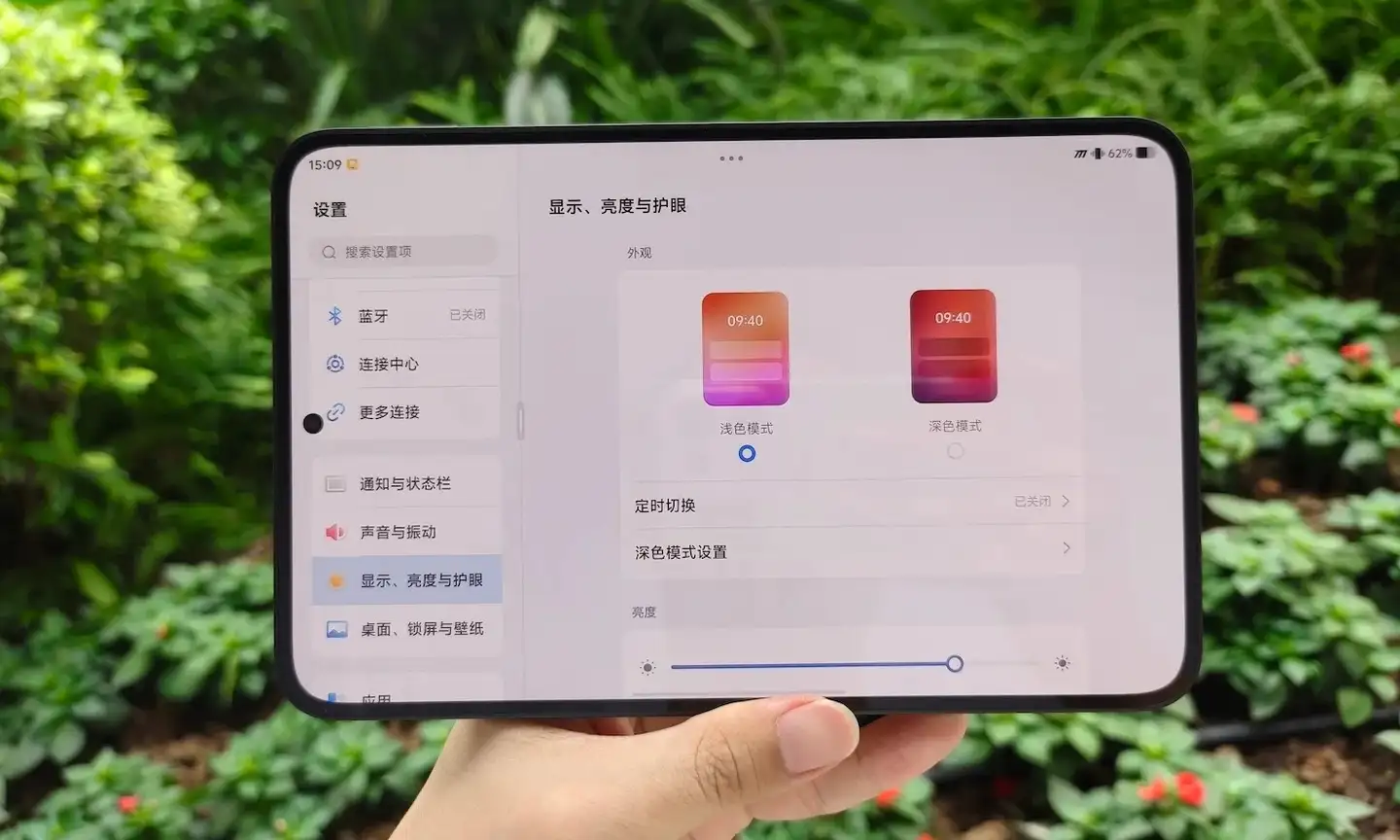
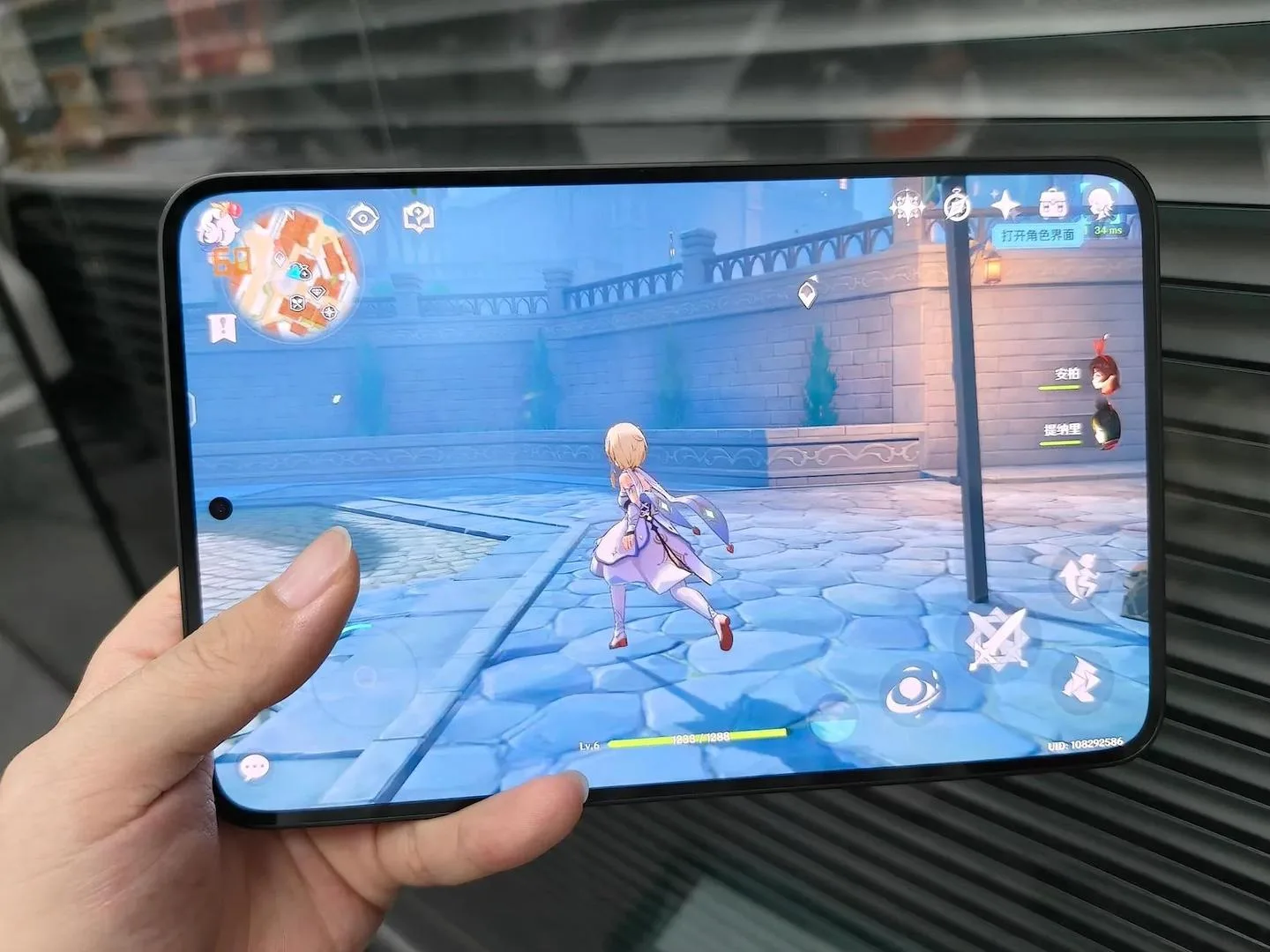
The iQOO Pad Ultra is a relatively expensive product, with a starting price (12+256GB) of 6,499 yuan. However, the specs of this flagship small tablet are basically maxed out in every aspect, offering the most extreme configuration available today.
In terms of performance, it uses the latest flagship chip, the Snapdragon 8 Elite Gen 6. Moreover, it is also equipped with air cooling—rare on tablets—which can ensure stable output of peak performance. The screen is a 2K+ 165Hz OLED panel, and the frame rates of some games can fully reach 165 fps.
Even rarer is that the iQOO Pad Ultra's battery capacity exceeds 9000mAh, yet the body weight is only 298 grams, balancing extreme performance and extreme thinness and lightness at the same time. Overall, the iQOO Pad Ultra is a super-flagship small tablet focused on all-around top-tier configuration—basically unique on the market. Its price, however, is also quite high, targeting geeky high-end users.
(Image source: Leitech)
OPPO Pad Mini: All-around thin-and-light mid-range product
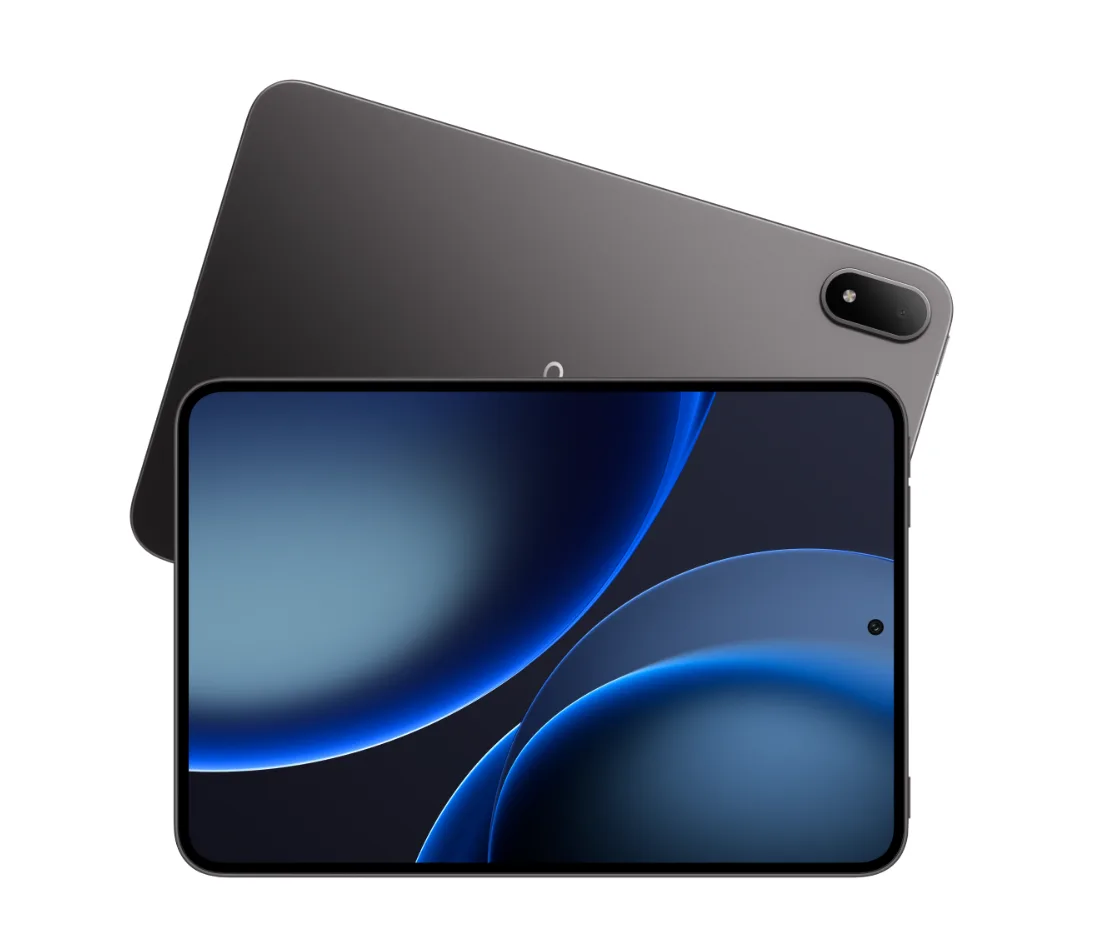
As an 8.8-inch small tablet, the OPPO Pad Mini makes thinness and lightness its core selling point. It weighs only 279 grams, is just 5.39mm thick, and its bezels have been narrowed to 2.99mm, giving it a very polished overall appearance.
The OPPO Pad Mini's configuration is also relatively balanced. The chip is the Snapdragon 8 Gen 5, previously positioned as sub-flagship, and mainstream games can basically be handled smoothly. The screen is a 144Hz 2K OLED panel—a bonus point for mid-range products. The battery capacity is 8000mAh and supports 67W fast charging, far superior to the iPad mini 8 in this regard. In addition, this tablet supports a stylus and adds features such as meeting notes and journaling, giving it some productivity attributes.
The OPPO Pad Mini starts at 3,699 yuan. In the current environment of rising storage prices, this price is relatively competitive for a mid-range small tablet.
(Image source: OPPO)
Lenovo Legion Y700: AI and gaming tablet
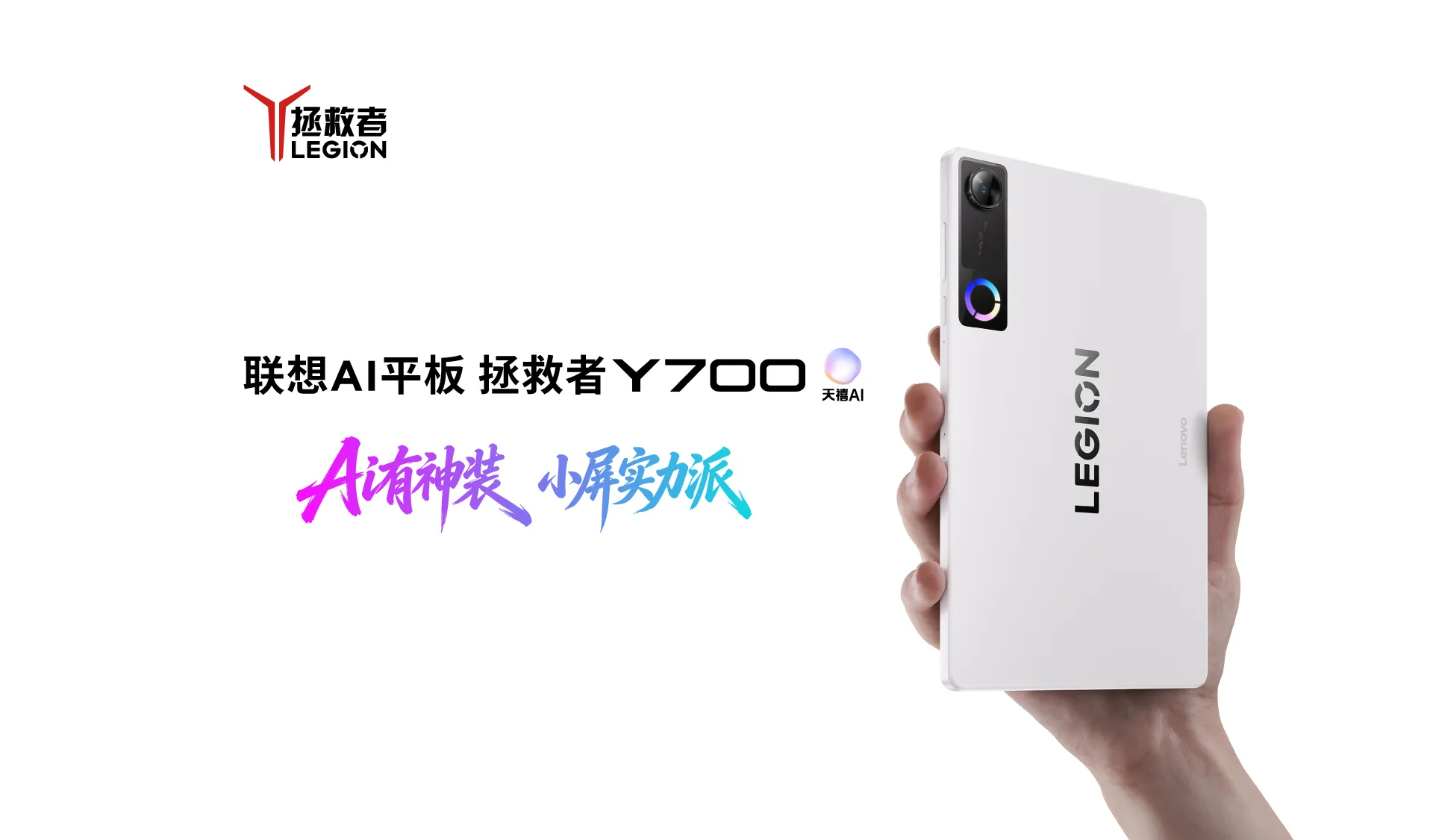
The Lenovo Legion Y700 series has continued for several generations and has become a well-known small tablet in the Android camp. Now in its fifth generation, the Y700 has added an "AI" positioning on top of its gaming identity. Specifically, the Legion Y700 has Lenovo's Tianxi personal AI agent built in, allowing many AI functions to be used directly on the tablet—including AI photo editing, PPT creation, and real-time interpretation subtitles—with fairly strong practicality.
Gaming, of course, has not been left behind. The Y700 is equipped with the Snapdragon 8 Elite Gen 5. As the previous-generation flagship chip, its performance is still formidable, and it also has liquid cooling. The screen is a 165Hz OLED panel. In addition, RGB lights, vibration motors, and dual-path charging are all available, and the battery capacity is also 9000mAh. What's more special is that it also supports TF card expansion.
The Y700's current starting price is about 3,599 yuan, and it starts at 12+256GB—quite generous. Overall, it is a precisely positioned AI gaming small tablet with generous configuration and some differentiated selling points.
(Image source: Lenovo)
Cube Palm Play mini 4 Pro: High cost-effectiveness entry-level model
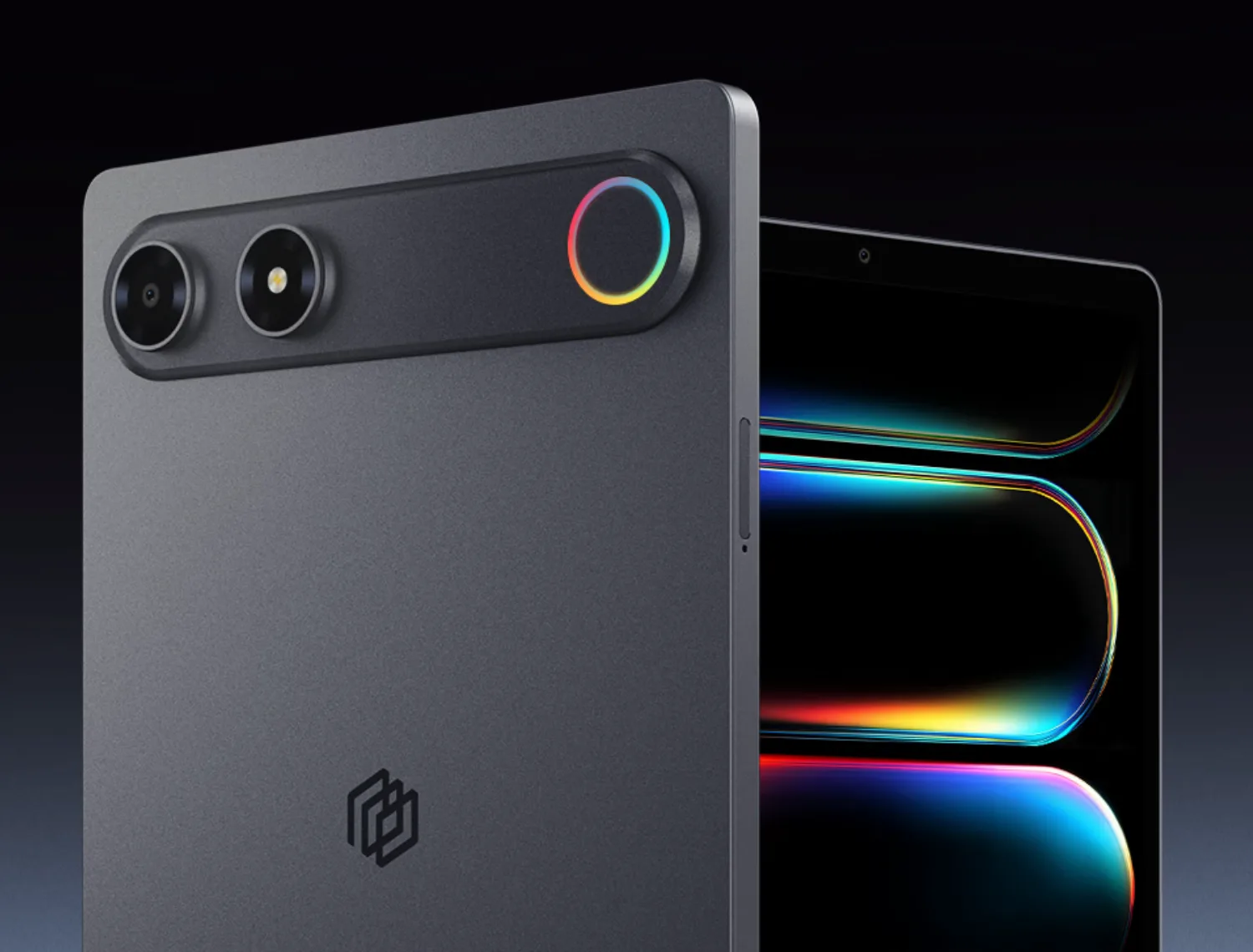
Like phones, the survival space for thousand-yuan tablets—especially small tablets—has been squeezed. Few brands launched new small-sized low-priced tablets this year. The Cube Palm Play mini 4 Pro is a relatively special model under the current environment. Its configuration is not high, with a Dimensity 7400 processor, which is sufficient for daily use. The screen is a 2.5K LCD with a 120Hz high refresh rate—quite conscientious. In other respects, it is equipped with a 6500mAh battery, 20W charging, and 8+128GB storage.
The Palm Play mini 4 Pro is an entry-level small tablet with a modest configuration, but its 1,599 yuan price tag is still very cost-effective today.
(Image source: Cube)
Overall, against the backdrop of the iPad mini 8 skimping on hardware upgrades while carrying a high price, Android small tablets are relatively more competitive. For consumers, paying for brand premiums doesn't make much sense at present. Rather than enduring Apple's knife skills, it's better to return to the usage scenarios themselves and clarify your core needs—whether that's heavy gaming, audio-visual entertainment, or daily online classes—so you can find a more suitable, high cost-effectiveness device in the Android camp with more choices.
Source: Leitech
Images in this article are from: 123RF licensed image library Source: Leitech
-
![]()
Google Gemini 4 Hydrogen Model Officially Released: 2.5x Faster with Skyrocketing Coding Capabilities
-
![]()
iPad Mini 8 Falls Behind: No High Refresh Rate and a Steep Price Hike Make Android Small Tablets the Clear Winners
-
Tencent Wants to Fight a "Sea Battle," Baidu Wants to Build a "New Factory": AI Begins to Shake the Corporate Pyramid
-
![]()
INMO Recalls 4,701 Smart Glasses in China a Month After U.S. Recall Over Burn Risk, Insisting "No Impact in China"
-
In Depth | As the Focus of Competition Shifts, the Wuzhen Summit Reflects a New Logic: Looking to Implementation
-
Full Lineup to Feature L3 Architecture and 800V Ultra-Fast Charging: Will the 2027 AITO M8 Undercut the Current Model?
-
![]()
Sideways Magnetic Fields Can Also Alter Light! Scientists Discover a New Optical Fiber Effect
-
![]()
What Is Astigmatism, Really? Why Tangential and Sagittal Foci "Go Their Separate Ways"