Huawei's Wide-Screen Straight Phone Is Selling Like Hotcakes: 1 Million Units in 50 Days! How Much Longer for the iPhone KUO?
 11/05 2026
 332
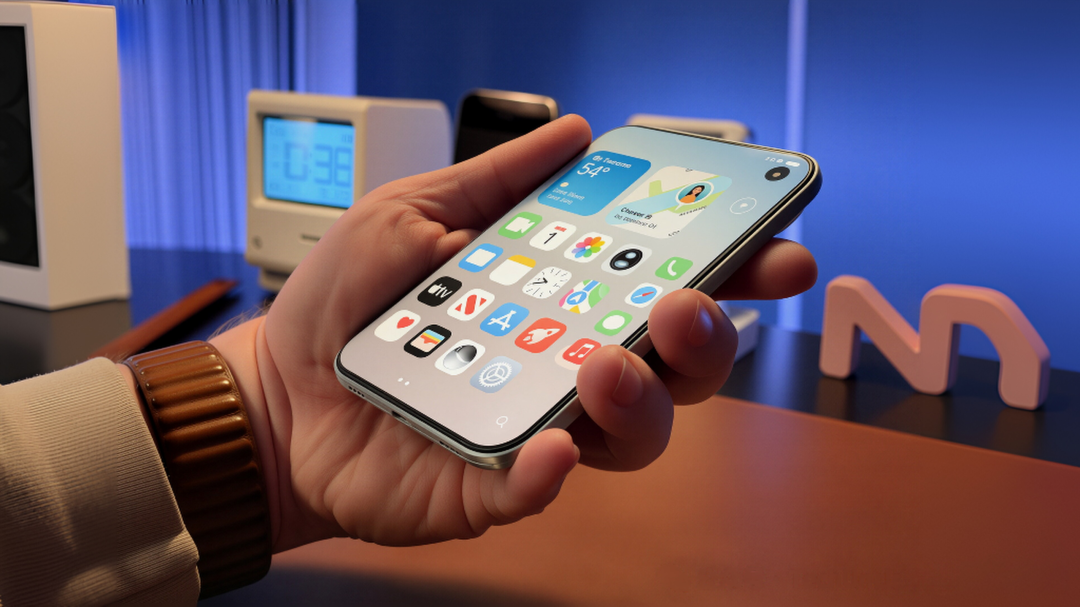
The biggest dark horse in the phone industry this year—one that many people initially dismissed as absurd—turns out to be the wide-screen straight phone.
Who would have thought that after everyone grew tired of foldable screens and exhausted image parameters, what would go viral isn't some high-tech flagship, but an ordinary straight phone with a horizontally widened screen.
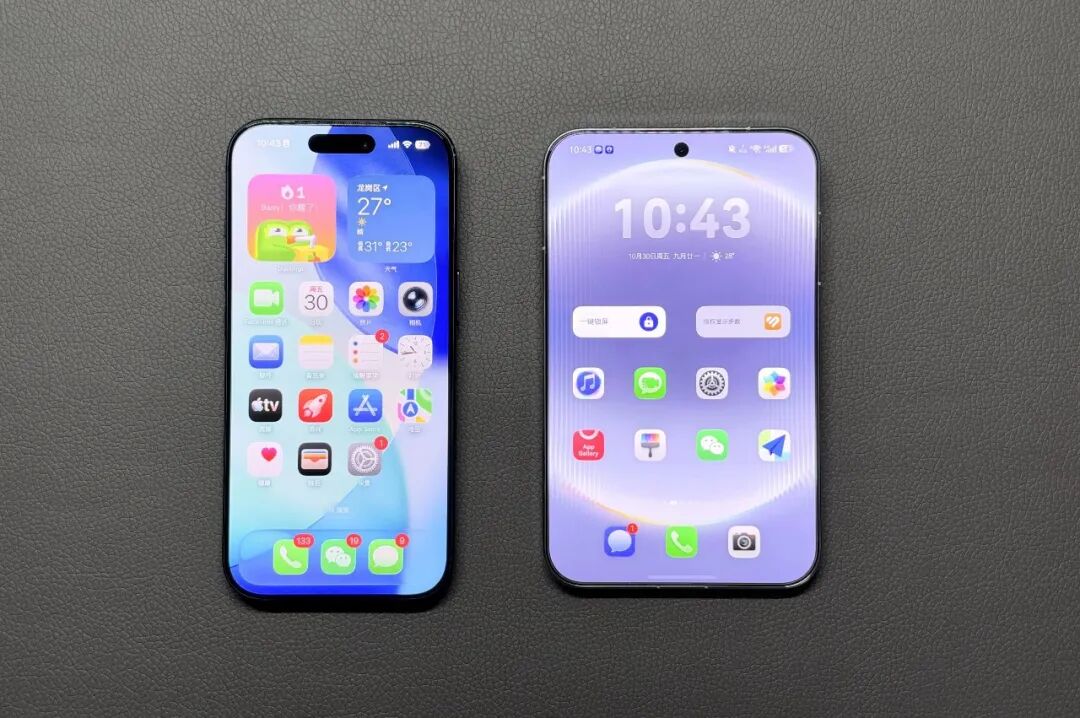
Image source: SmartDevil
The Huawei Pura X View went on sale on September 9, shipped over 1 million units in 50 days, and firmly secured the top spot in single-product sales among domestic flagships priced above 5,000 yuan, with an average transaction price of about 7,000 yuan. About 30% of buyers switched from iPhone—a rather impressive ratio among domestic high-end phones. Even more remarkable, it stayed out of stock for a long time after launch, and Huawei even opened 60-day reservation applications on October 20.
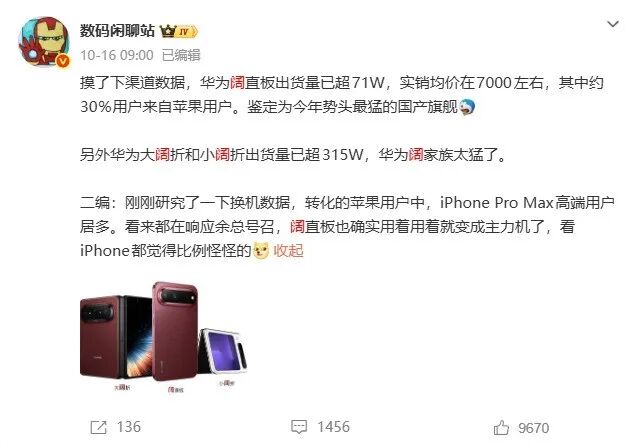
Image source: Weibo
No hinge, no crease—relying solely on a 6.39-inch, 16:9.5 ratio wide screen, it carved out a track that no one else had taken. It didn't continue to compete in the same direction as the industry, but instead raised a new question: why can't phone screens become "wide"?
After Huawei popularized foldable screens and Apple also released the foldable iPhone DUO, many friends are discussing when Apple will make its own wide-screen straight phone, the iPhone KUO. Rumor has it the iPhone wide-screen straight phone is called iPhone Wide. So how much longer until iPhone Wide?
01 What Is a Wide-Screen Straight Phone? It's Not a Big Screen—It's "Getting Wider"
Let's clarify the new term first. The phones we usually use all have 9:16 slender screens, getting longer and longer, and increasingly awkward to hold with one hand. The wide-screen straight phone is still a straight phone, non-foldable; the difference is that the screen is horizontally stretched to 16:9.5, making the body shorter and wider.
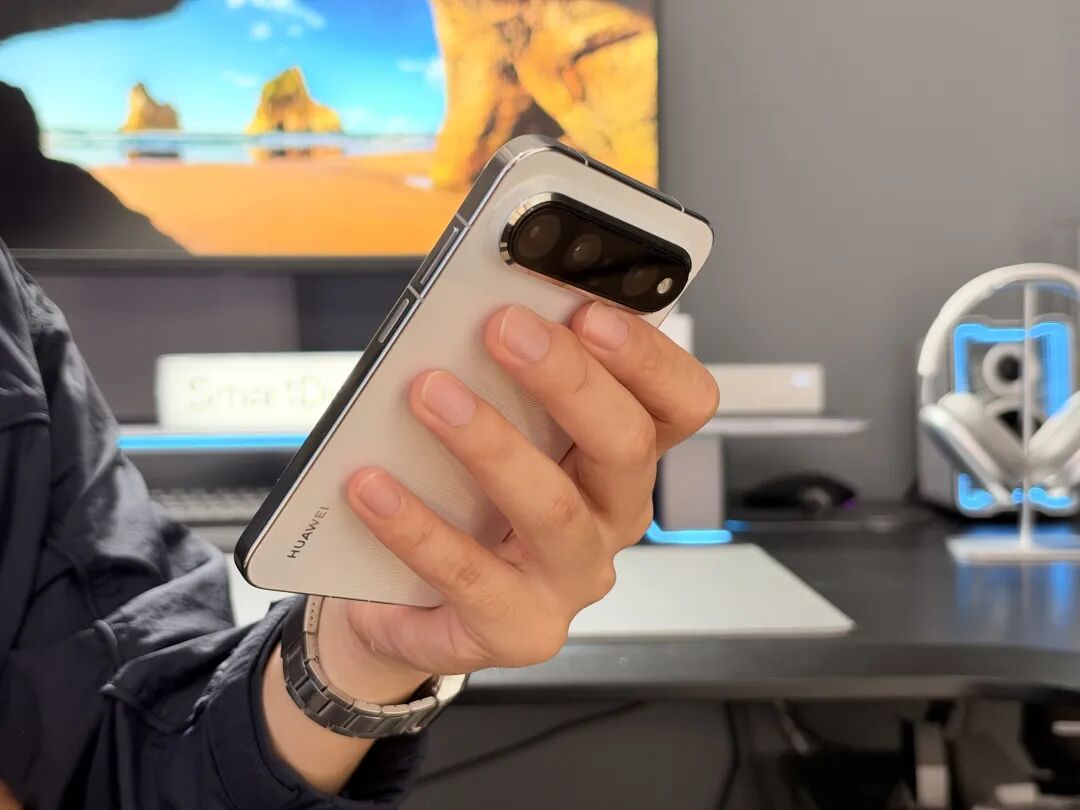
Image source: SmartDevil
Holding it for the first time, you might feel a bit unaccustomed—after all, we've been trained by long straight phones for over a decade. But when you actually grip it, you'll find that "wide" isn't as abrupt as imagined; your palm can actually support the body more completely.

Image source: Weibo
Yu Chengdong did the math at the launch event: watching dramas on the wide screen gives 16% more effective picture; browsing feeds and web pages gives 21% more visible area. Watching movies, reading comics, and flipping through documents all have much more horizontal space, no need to scroll up and down endlessly. He also addressed Apple users directly: you can use it as a backup phone, and before you know it, it becomes your main phone.
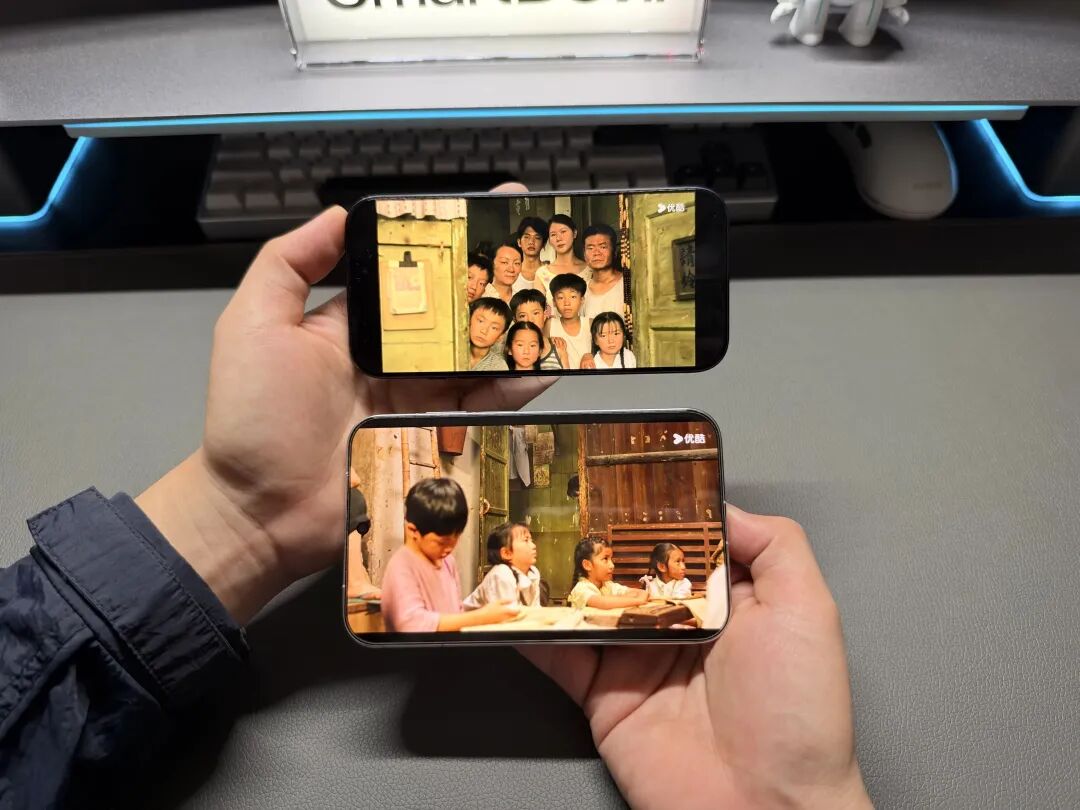
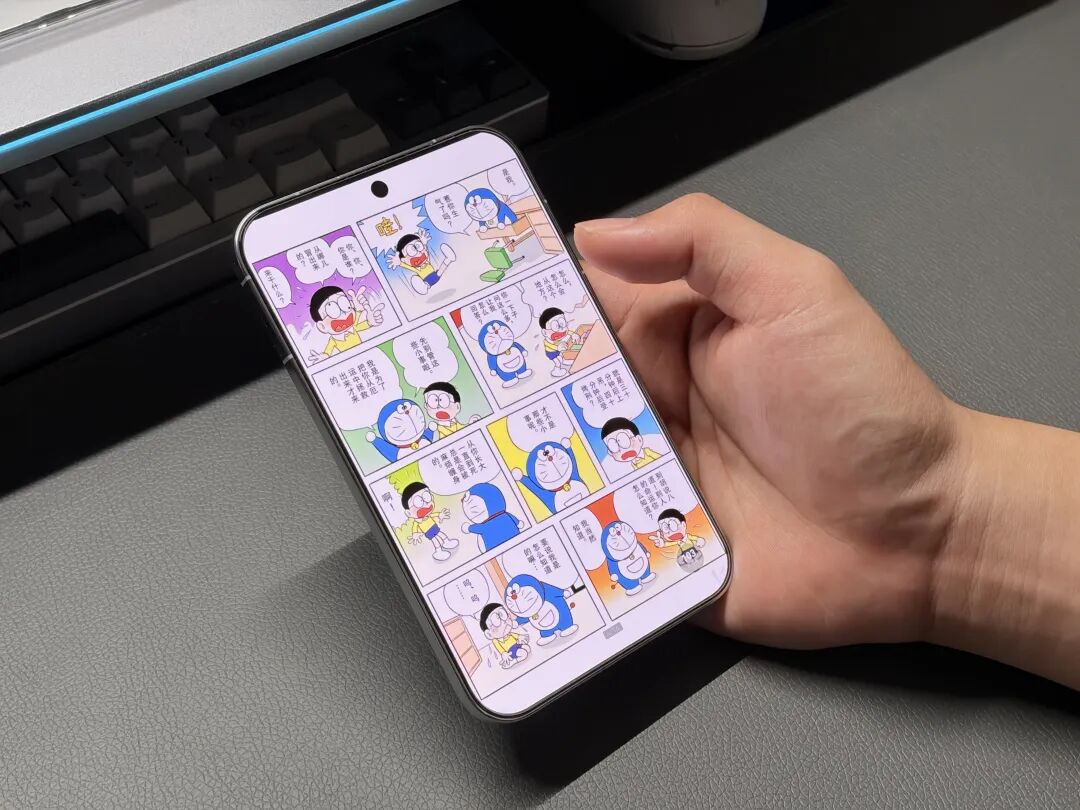
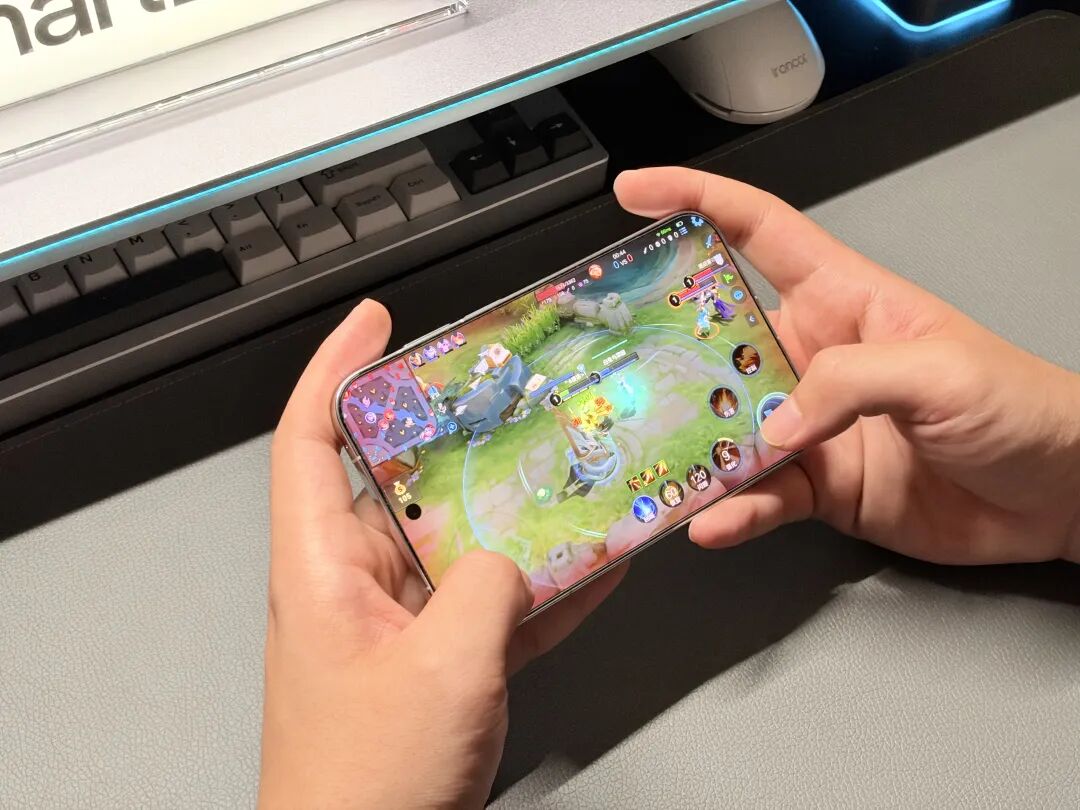
Image source: SmartDevil
Looking back now, these words were really not boasting. Data exposed by tech bloggers shows that about 30% of users switched from Apple.
These people are willing to jump camps, not necessarily for on-paper specs. In recent years, straight flagship stacking has long reached the ceiling; differences in chips, lenses, and fast charging among brands are getting smaller and smaller, and they all look about the same in hand. What the wide-screen straight phone offers is a scarce reason: novelty.
02 Huawei Competes with Itself, Peers Are Already Lining Up
After the new category proved successful in the market, peers have always been quick to catch on. Word has it that Xiaomi, OV, and Honor have all launched wide-screen straight phone projects, though new products will basically not appear until early next year.
Huawei doesn't plan to rest on the dividends of the Pura X View. At the end of October, leaks exploded that the first device of the new sub-brand Star Light, the O1 Pro, is on the way, also a wide-screen straight phone, bringing the proven form factor downstream and focusing on online cost-effectiveness.
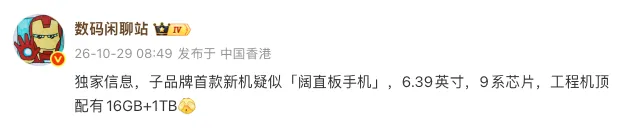 Image source: Weibo
Let's briefly go over the specs: same 6.39-inch 16:9.5 wide straight screen, Kirin 9-series chip, starting at 12+256GB, with the top configuration going straight to 16GB+1TB. Interestingly, the big brother Pura X View maxes out at 12GB RAM, while the sub-model actually gets 16GB. At a time when large memory costs are not low, offering this configuration at a 3,000-4,000 yuan price point is extremely attractive.
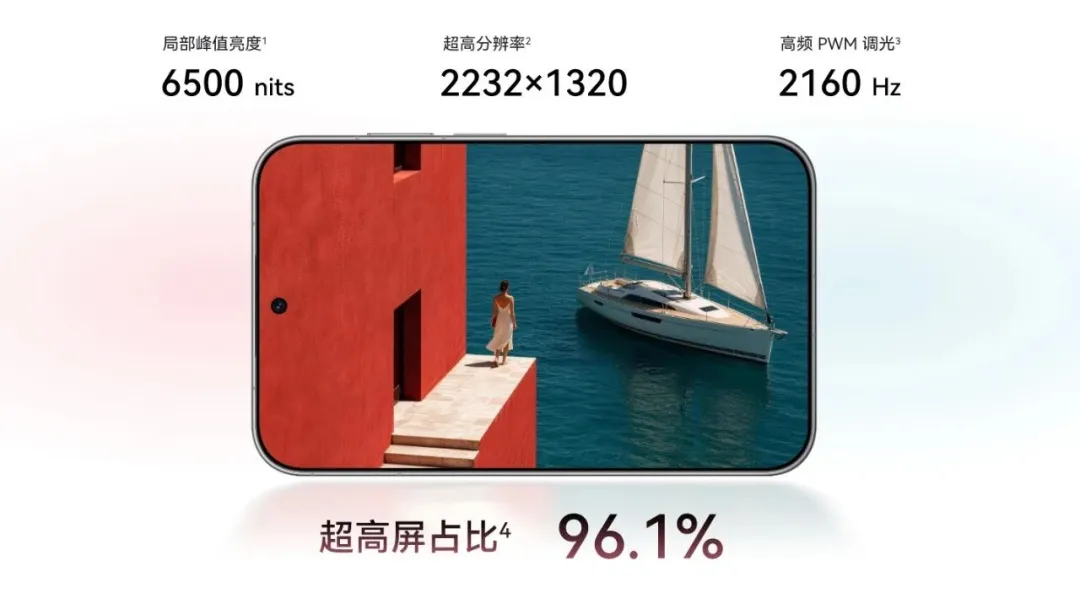
 Image source: Weibo
The strategy is also clear-headed: cutting the independent telephoto lens, prioritizing budget for screen, chip, and battery, not joining the image competition, and honestly ensuring daily smoothness. Based on positioning, the O1 Pro will most likely land at 3,000-4,000 yuan, which cuts the entry threshold for wide-screen straight phones in half.
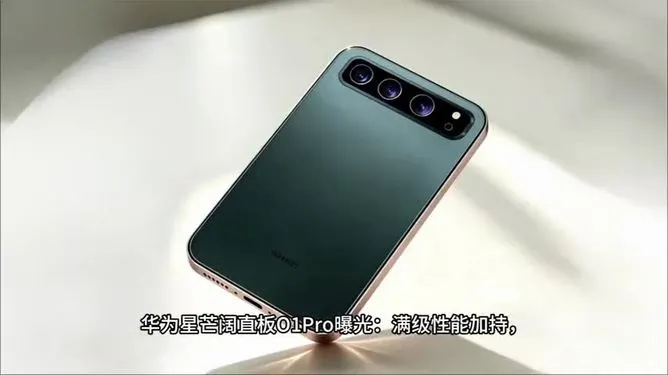
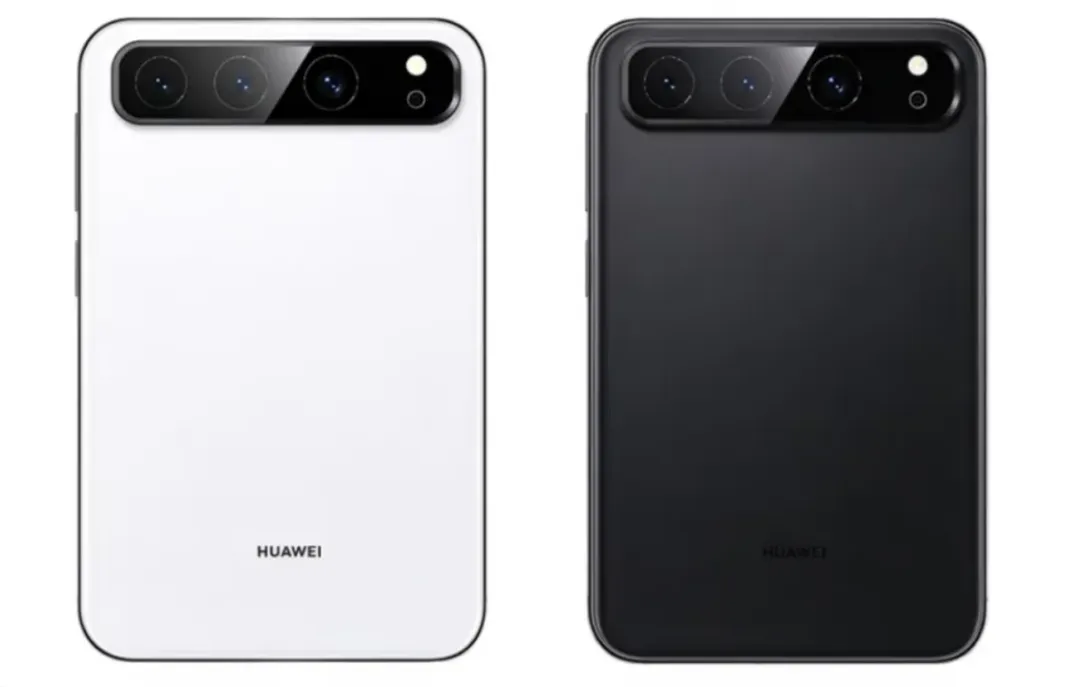 Image source: Weibo
What netizens care most about is still Xiaomi and Redmi; the comment section is full of people @Lei Jun urging new phones. Rumor has it that Xiaomi's wide-screen straight phone focuses on performance, targeting mobile gamers; Redmi's approach is more aggressive, directly going with a 7-7.5-inch super large wide screen, flagship chip, active cooling fan, and 10,000mAh battery. If it really materializes, it's no longer just a phone—it's simply a gaming tablet that fits in your pocket.
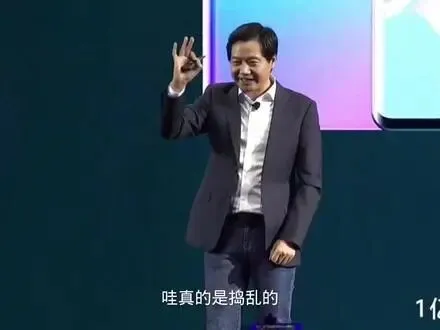 Image source: Weibo
Same form factor, two approaches: Huawei goes for high-end balance and audio-visual office, while Xiaomi and Redmi dive into the gaming performance track. The track is suddenly bustling.
03 Is the Wide-Screen Straight Phone a Real Demand or Just a Passing Gimmick?
When it first came out, there was quite a bit of skepticism: it's just a slightly widened screen, Huawei pleasing itself, a niche toy. But 1 million units in 50 days is users voting with real money—it can't be faked.
In my view, the core reason it blew up is that everyone is aesthetically fatigued with current phones. In recent years, flagships only compete on pixels, apertures, and fast charging; parameters keep stacking up, but the in-hand experience is largely the same. Parameters can differ, appearances can differ, but the phones in our hands are actually becoming more and more alike. Foldable screens are wide enough, but they can't avoid creases, weight, relatively high prices, and adaptation issues, which deter a lot of ordinary people.
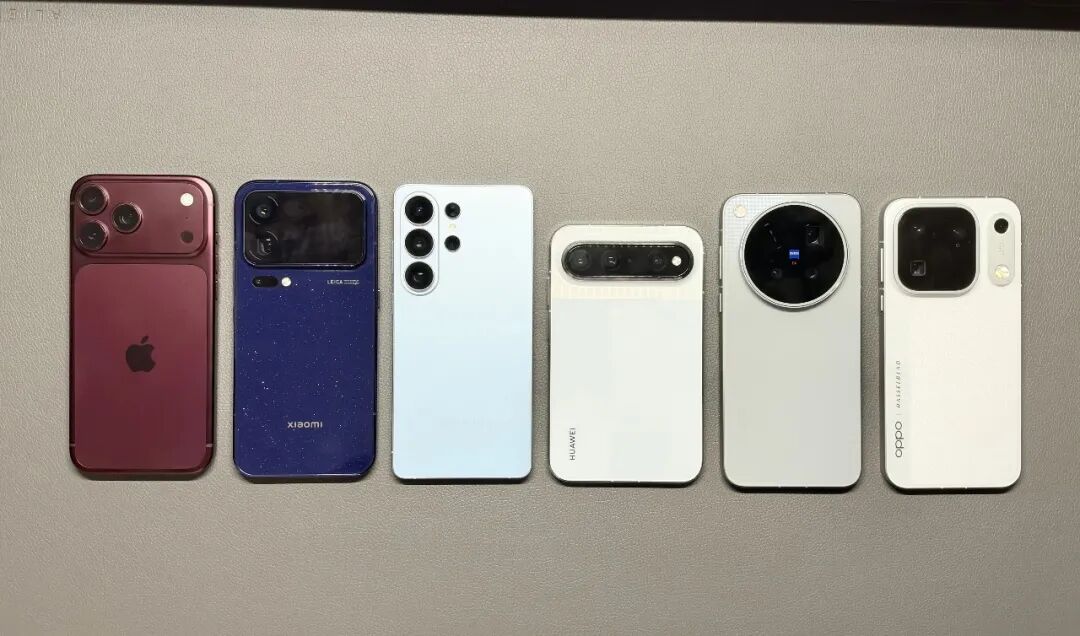
Image source: SmartDevil
The wide-screen straight phone lands right in the middle, taking a clever approach: packing the benefits of the foldable screen's wide field of view into a mature straight phone body. No hinge and no crease, lower price threshold, and just changing the screen ratio delivers a whole new experience. You can feel it as soon as you pick it up: fewer black bars and stronger immersion when watching shows in landscape, more content on one screen when browsing web pages and comics, a wider field of view in landscape games, and with HarmonyOS multi-window, you can chat while looking up information with ease.
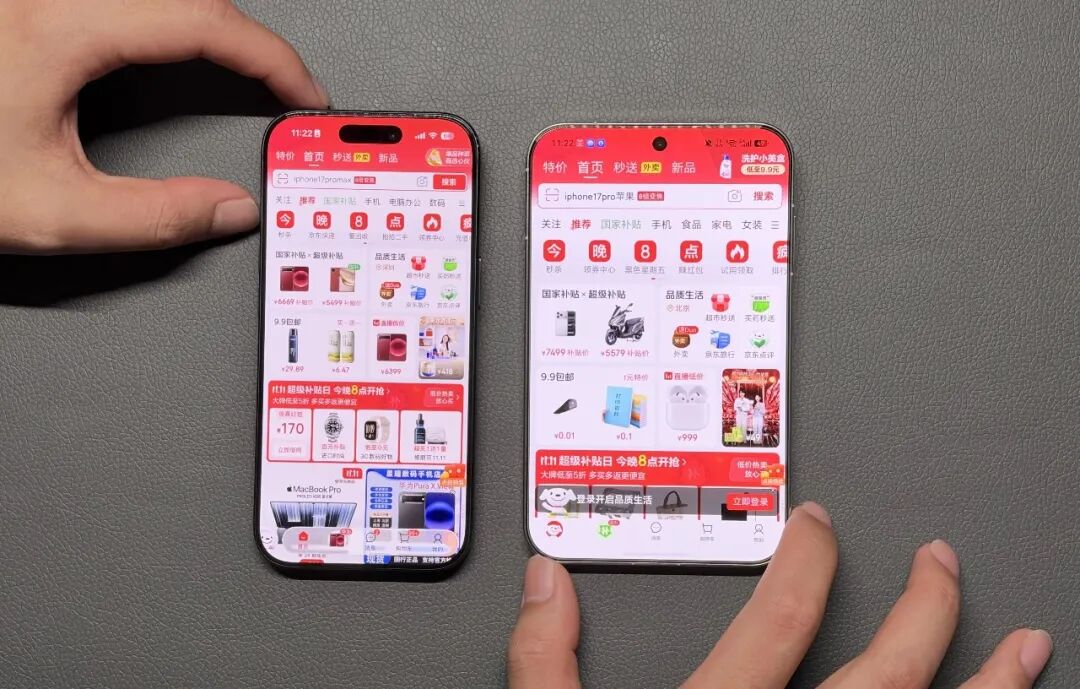
Image source: SmartDevil
But the shortcomings are equally hard to hide: after the body gets wider, people with small hands or who are used to one-handed operation will find it uncomfortable, and opening the camera with one hand on the lock screen is also a struggle; the bigger pit is APP adaptation—most software is developed for 9:16 long screens, and on a wide screen it gets stiffly stretched, wasting horizontal space for nothing.
It's not a perfect answer, just raising a new question: why must phone screens necessarily get longer and longer? What Huawei is best at isn't making a hit product, but turning a new concept into a track—the same goes for foldable screens and wide-screen straight phones. While peers are head-down catching up on projects, it already has a high-low combination: the Pura X View sets the benchmark, Star Light goes downstream for volume. Those who didn't grab one or find it too expensive can wait for the Star Light launch event.
04 iPhone Wide Rumors Flood the Screen: When Will Apple Catch Up?
After the wide-screen straight phone went viral, the biggest gossip across the internet is the legendary iPhone Wide. Once the news came out, the tech circle split right in half: some Apple fans are looking forward to iOS paired with a wide screen for a takeoff in experience; others sigh that Apple, which once led innovation, is now following the path already trodden by domestic manufacturers.
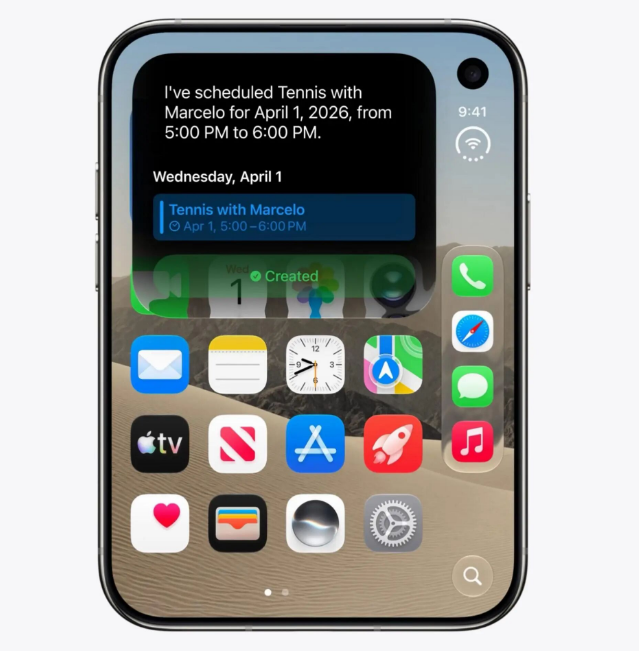
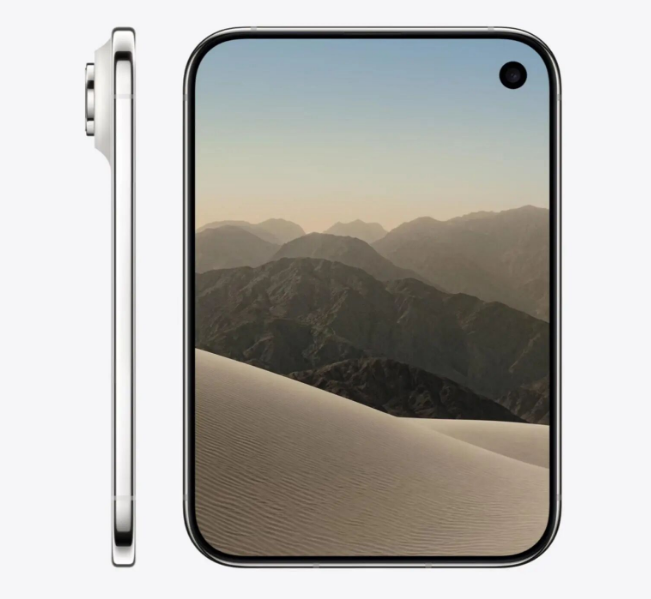 Image source: Weibo
Thinking back ten years, the picture was completely the opposite—every Android brand was following Apple's lead on appearance, interaction, and screen solutions. Now the wind has shifted: the wide-screen straight phone was mass-produced and proven by Huawei, domestic manufacturers quickly followed, and only then was Apple reported to have the same solution.
Apple's interest isn't without signs. This year the iPhone Duo horizontal foldable wide screen launched, with first-week sales breaking a million, showing users accept wide-form devices; with foldable screens validating the market first, pushing a straight wide screen carries much less risk. Moreover, iPhone's regular upgrades in recent years have indeed been stingy, and the wide-screen straight phone happens to be a visible, tangible form-factor upgrade.
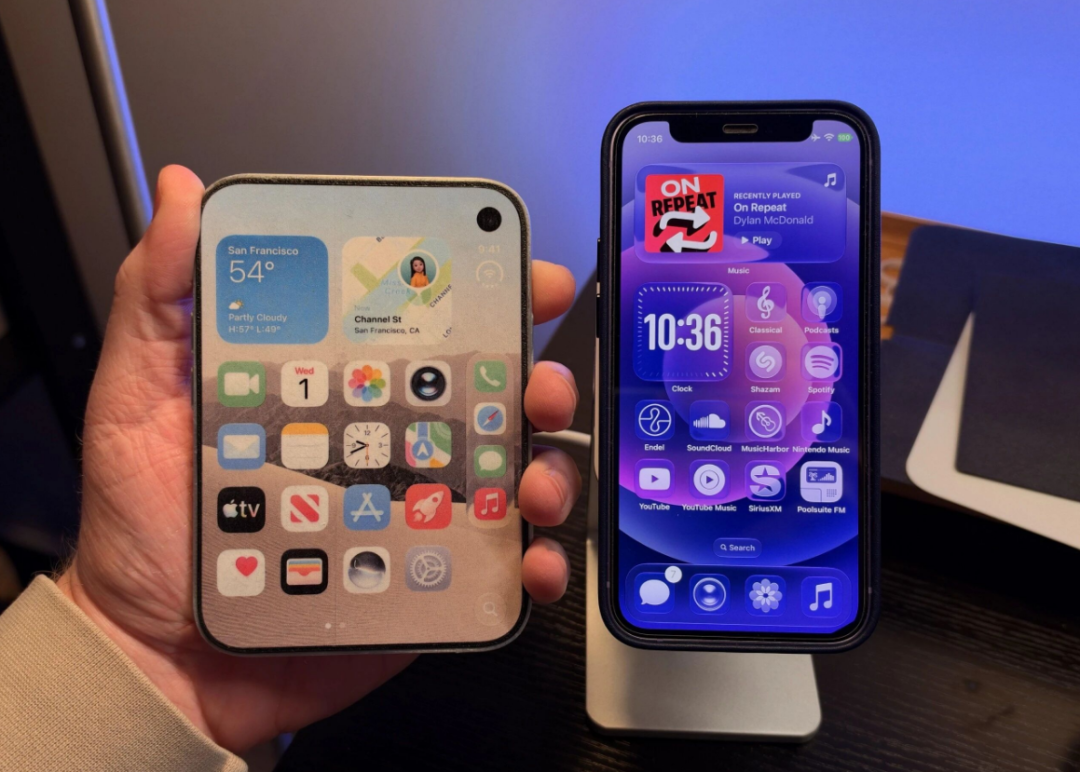
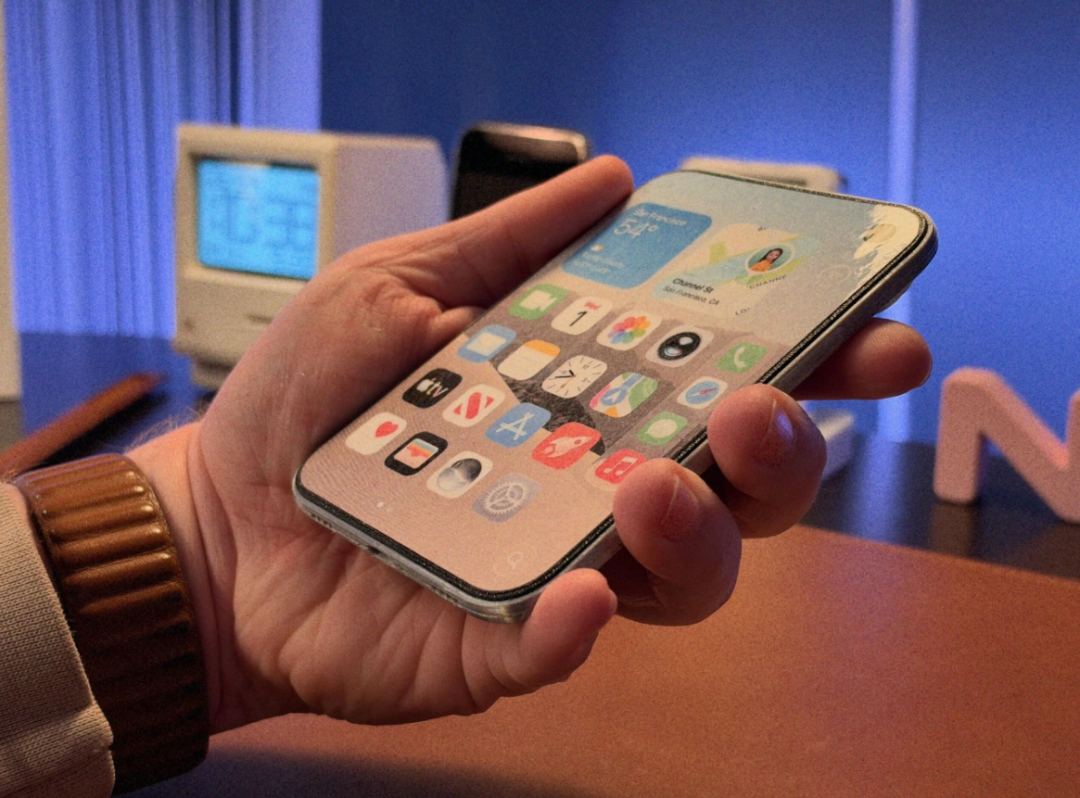
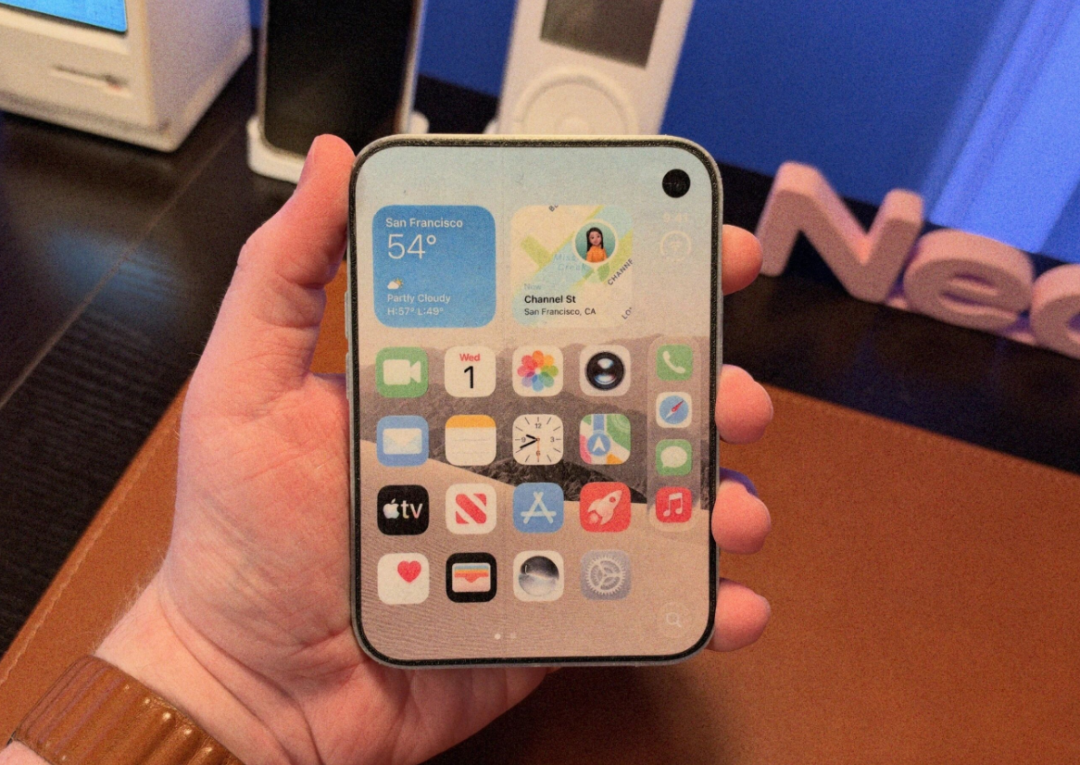
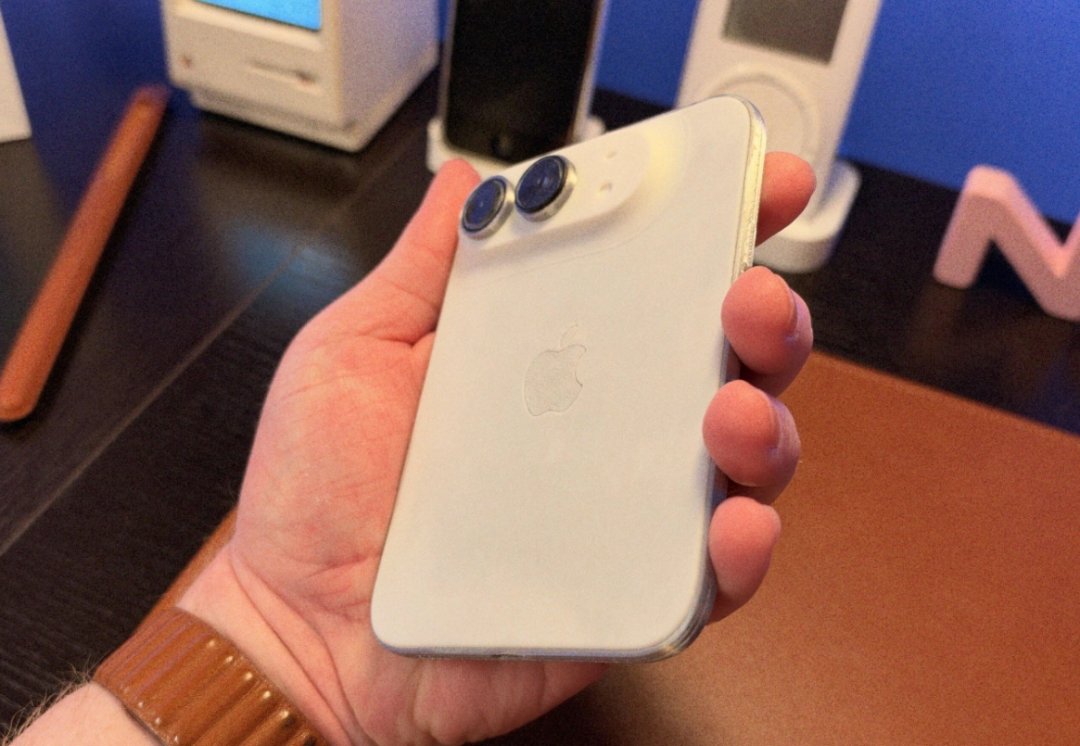 Image source: Weibo
But to highlight the key point: the iPhone Wide has only ever been an online rumor from start to finish; Apple officially hasn't acknowledged a single word of it, and the parameters, screen ratio, and release time are all speculation—the project could be canceled at any time. Even if it does materialize, Apple will have plenty of tough nuts to crack.
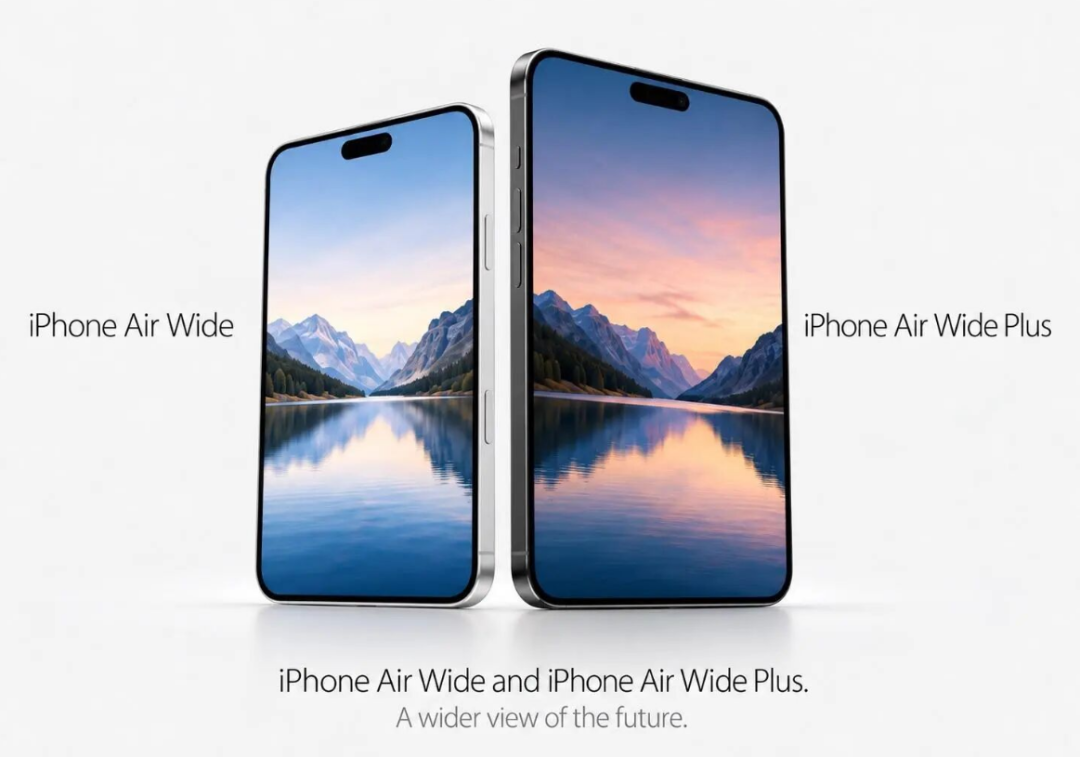
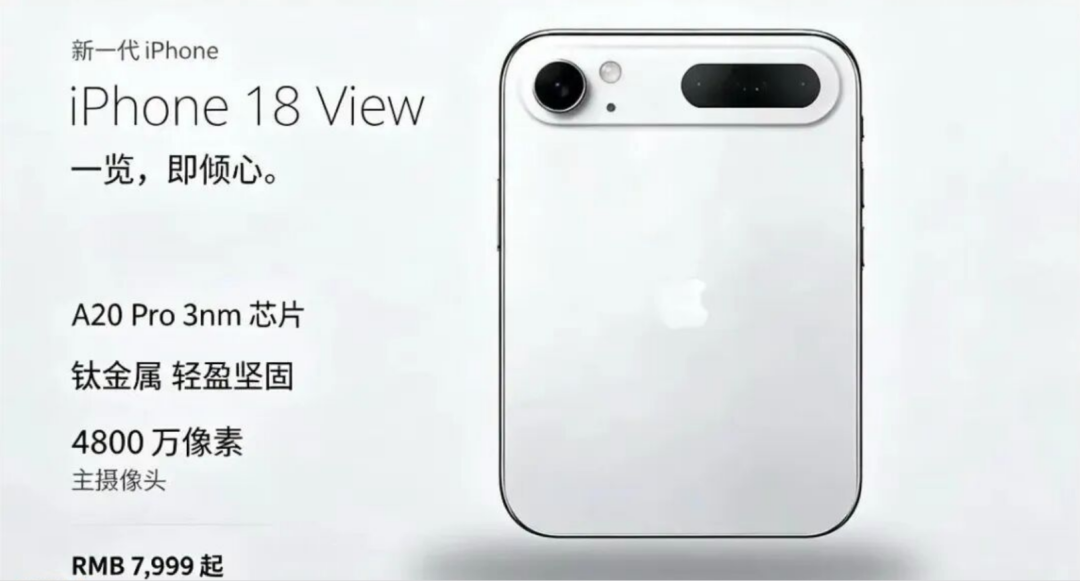 Image source: Weibo
A simple comparison of the differences between the two sides:
If the iPhone Wide materializes
Advantages: The A-series chip delivers long-term smooth performance, video recording capabilities are maxed out, Apple's film and TV ecosystem has a solid foundation, and watching 4K content is a very comfortable experience.
Shortcomings: iOS split-screen multitasking has always been rather conservative, and a massive number of third-party apps would need special adaptation for the wide screen—a huge engineering effort.
Huawei Pura X View
Advantages: In stock and available to try hands-on. HarmonyOS multi-window and cross-device flow are its specialties, and signal and localization are better suited to domestic users.
Shortcomings: App adaptation is still being continuously optimized, and some software looks mediocre.
It should also be made clear that the wide slab phone itself has extremely polarized pros and cons: it suits binge-watchers, people who often do split-screen work, and those who love landscape mobile games; it does not suit friends who are used to one-handed phone use, have smaller palms, or prefer small phones. Don't buy it just for novelty—if possible, be sure to try it hands-on in a store to test the feel.
05 Finally: The Pace of Innovation Has Quietly Changed Its Protagonist
The reason the iPhone Wide has such high discussion volume is essentially that everyone has noticed a change: the leadership in innovation is shifting from Apple to domestic manufacturers that are moving faster.
In the era of iPhone 4 and iPhone X, when Apple threw out a new form factor, the whole industry copied the homework; now it's domestic manufacturers' turn to blaze new trails first, and Apple evaluates market heat before considering whether to enter. Innovation in the phone industry has changed from "whose ideas are bolder" to "who can do the math more steadily."
This is not to say that Apple's innovation is failing, nor that everyone will be using wide slab phones in the future. The phone industry has long hit a ceiling: there has been no disruptive breakthrough in battery materials, chip processes are approaching their limits, and there are fewer and fewer form-factor tricks to play—so everyone is more willing to choose steady routes that have been verified by the market.
From a consumer perspective, this is not necessarily a bad thing. Apple's entry into wide slab phones will force the entire track to accelerate app adaptation and polish the experience; domestic manufacturers will not stop either, and will continue to play with differentiation in size, feel, and positioning. In the end, the ones who benefit are still us phone buyers.
The wide slab trend has already started blowing, and top domestic new products will launch in a cluster early next year. Now there is only one answer left to wait for: will Apple play this new wide slab card, and when will it come to the table? Disclaimer: This article is only a major-company financial commentary and does not constitute any investment advice. The corporate data and regulatory events mentioned in the article all come from public information and are for reference only; the specific details are subject to official releases. Images are from the internet; if there is any copyright issue, please contact us for deletion.
-
![]()
496.22 km/h: BYD Claims the Global Automotive Top-Speed Crown, Xiaomi Executive Shares in Tribute
-
![]()
Doubao Overtaken? Qwen Tops the Growth Chart — But the Full Story Is More Complicated
-
![]()
Two Months, Three Core Executives Depart: Chery Tightens Its Grip on Exeed to Rebuild an "Audi"
-
US Automakers Push Congress to Ban Chinese Cars: Why Isn't China Retaliating in Kind Against American Cars?
-
Can Layoffs Save BMW Brilliance? Only Cars That Make Consumers Open Their Wallets Can
-
![]()
Intel Stock Crashes, AMD Diverges Sharply: AI Servers Are Flying Off the Shelves—Where Do Ordinary PCs Go from Here?
-
![]()
Huawei's Wide-Screen Straight Phone Is Selling Like Hotcakes: 1 Million Units in 50 Days! How Much Longer for the iPhone KUO?
-
![]()
Qualcomm Renews Long-Term Technology Licensing Agreement with Huawei, Reports Earnings as Declining Phone Sales Weigh on Revenue