Why Huawei’s ‘Delegation’ to Seres Was Inevitable
 09/17 2026
 437
437
Is Seres Affirming the Partnership While Huawei Draws Boundaries?
Editor|Li Jiaqi
Image source|Online
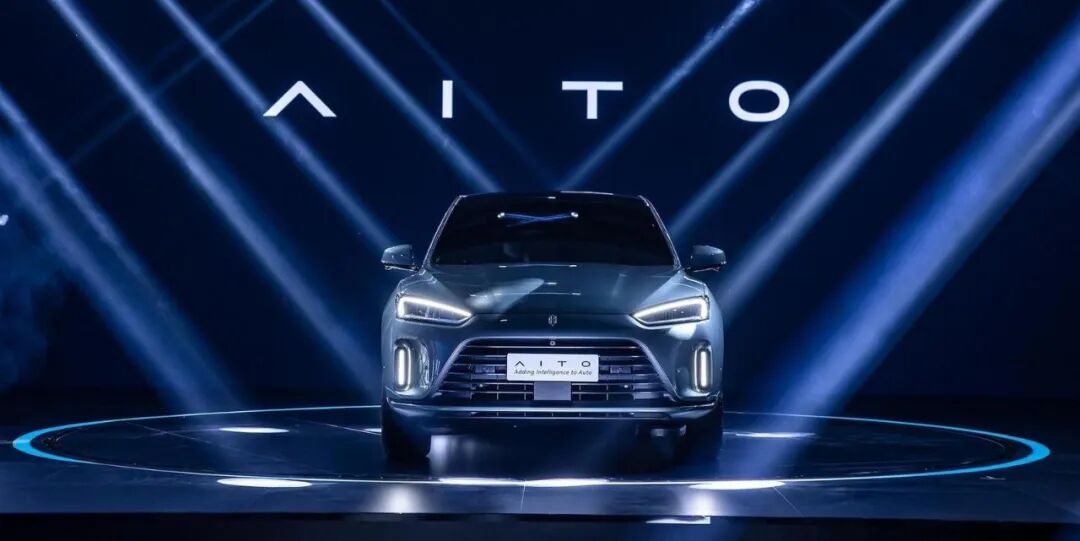
Yesterday, news broke that Huawei had handed over operational control of AITO to Seres, sparking considerable attention. The contrasting tones in statements from both companies have fueled speculation. Seres announced, “This transaction will not affect our joint business, and both parties will deepen cooperation further,” emphasizing a “joint business” approach with a humble tone. Huawei, meanwhile, stated, “We will continue to support Seres in building and selling AITO effectively.”
The difference in wording suggests that Seres is affirming the partnership while Huawei is setting boundaries. This has shifted the focus to whether Huawei is planning to withdraw and whether Seres is preparing to go solo. However, for those who truly understand Huawei’s strategic approach, Huawei’s proactive delegation of AITO to Seres comes as no surprise.
In fact, since the AITO M9 established itself in the 500,000-yuan market segment, Huawei has been contemplating the future of Harmony Intelligent Mobility. Previously, when developing Smart Selection vehicles, Huawei adhered to a policy of supporting partners until they could stand on their own. However, if the future path of Harmony Intelligent Mobility continues along the same lines, tying up its top teams with the already mature AITO would only limit Huawei’s options. Therefore, I believe that Seres taking over the operational rights of AITO is inevitable rather than coincidental, primarily for five reasons.
1. The Transfer of Initiative Is a Natural Outcome of Huawei’s Delegation Strategy
Public perception suggests that Huawei’s delegation of power to Seres happened suddenly, with Huawei taking the initiative and Seres responding passively. However, this is not the case. More accurately, Seres has been making thorough preparations to take over AITO.
In 2024, Seres acquired 919 trademarks and 44 design patents related to the AITO series from Huawei for 2.5 billion yuan. In August of the same year, Seres invested 11.5 billion yuan in Aito Technology, acquiring a 10% stake and upgrading from a technology purchaser to a strategic shareholder. After securing its “status” and locking in technology supply and strategic influence, the change in operational dominance now appears to be the natural third step following the first two. For Seres, completing the change in operational dominance of AITO is both a natural progression and a logical outcome.
2. The Adjustment Reflects Seres’s Transition from Growth to Maturity
In the past, Seres was often seen as a smoothly sailing newcomer. However, the reality is that this growing company faced pressure in the first half of 2026—its main models were in a product iteration transition period, and AITO's share within the Harmony Intelligent Mobility system dropped from 87% in 2024 to half. From another perspective, though, Harmony Intelligent Mobility has shifted from being dominated by one brand to coexistence among five brands. Huawei’s delegation is both a strategic adaptation and an inevitable choice, a situation that Seres had anticipated. Zhang Xinghai once said, “The expansion of the ecological circle of friends is a good thing, and its influence will truly explode.”
Looking at this statement today, it implies that Seres has long understood that Huawei cannot forever empower only AITO. Rather than passively waiting for resources to be diverted, it is better to proactively take over the operational rights and truly turn AITO into a brand asset belonging to the company. Last year, Seres achieved full-year profitability, had ample cash flow, and a mature R&D system. Today, its existing financial foundation gives Seres the confidence and ability to take over AITO's operational rights this year.
3. Do Not Underestimate Seres’s Voice in Its Cooperation with Huawei!
In the past, many people viewed Seres as Huawei’s “contract manufacturer,” merely responsible for building Huawei’s designs. However, the reality is that from sales to delivery and after-sales, Seres has long established a mature system. In 2025, Seres achieved annual revenue of 165 billion yuan and net profit of 5.957 billion yuan, achieving full-year profitability for the first time.
With R&D investment of 12.5 billion yuan and over 9,000 R&D personnel, its asset turnover ratio reached 1.38, surpassing the traditional automaker average of 0.5. This figure indicates that Seres is already a highly efficient company in the automotive industry and shows that Seres is no longer the small player that could only build cars but not sell them. The reason why Huawei dares to hand over operational rights today is not because Seres cannot handle it, but precisely because Seres has fully demonstrated the ability and conditions to do so.
4. Thorough Preparations Have Been Made to Adapt to Market Competition
Many people have a misconception: since AITO is sold in Huawei stores, after-sales should belong to Huawei. However, reviewing the actual operational rules of AITO products over the past five years reveals that Seres has been responsible for producing the vehicles, hardware warranties, parts supply, vehicle maintenance, and recall fulfillment. These after-sales responsibilities have always been borne by Seres.
This is why Seres can promise in its letter to dealers that “service standards, brand positioning, channel authorization models, and operational norms will remain unchanged.” If Seres were merely passively taking over, it would typically just accept the situation first. The reason why Seres can proactively set boundaries is that it has been actively adapting to market competition and making thorough preparations. This also shows that Seres has never waited for Huawei to let go before considering what to do but had already thought it through before the delegation.
5. Regaining Profit Initiative Is an Inevitable Outcome of Normal Business Logic
Over the past few years, the fees Seres paid to the Huawei system included hardware procurement, technology licensing fees, and channel service fees, totaling approximately 10% of the vehicle price. In 2025, Seres's procurement from Huawei reached 56 billion yuan, accounting for 34% of its revenue during the same period. When sales were good, this cost structure was barely manageable.
However, in the first half of 2026, Seres's revenue declined by 7.87%. As sales and profits both turned downward, fixed-proportion expenditures inevitably directly impacted the profit statement. Therefore, reality has dictated that Seres must grasp the operational rights of marketing, channels, and sales to effectively control costs and optimize efficiency. This change is beneficial for the essence of both parties' cooperation. If this step is taken steadily and successfully, Huawei will have even more confidence in managing the other four brands.
Therefore, from these perspectives, Huawei’s delegation of power to Seres is not about Seres losing its backing but truly taking control of its own destiny. This is why I say that we should not view the transfer of AITO’s operational rights through the lens of a “breakup.” After all, from Seres’s series of actions over the past three years, we should have seen that Seres has been preparing for this day. Now that the time is right, when this day truly arrives, Seres will simply take it steady.
End
With knowledge and style, ‘Whoosh’~ let's go...
-
![]()
Beauty Joins In, ByteDance Ramps Up Investment Game
-
![]()
Jensen Huang Hits Back at Ray Dalio: Is AI the Next Big Financial Bubble?
-
![]()
Battle for the Gateway to the World Model: ByteDance Leans Left, JD.com Leans Right
-
![]()
The Deeper Automakers Venture into Self-Developed Batteries, the More Apparent the Greatest Challenge Becomes
-
![]()
Seres No Longer Relies on Huawei for Growth
-
![]()
Good Stocks to Follow | AI Giant Calls for Slowdown, Goldman Sachs Bullish on SK Hynix Amid HBM Super Cycle Speculation
-
![]()
【Electric Equipment】Lingong's New Energy Mining Truck Project in Inner Mongolia Goes into Operation
-
![]()
Seres Steps into the Spotlight with AITO, Facing Its Own Set of Challenges