Seres No Longer Relies on Huawei for Growth
 09/17 2026
 486
486
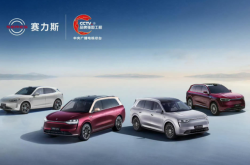
On September 15th, AITO and the Harmony Intelligent Mobility Alliance officially unveiled a significant overhaul of their collaboration model.
Under this new arrangement, Seres will take the helm in AITO's product definition, design, brand marketing, channel retail, and service systems, while Huawei's consumer business will step back, concentrating solely on providing lightweight 'technological support'.
As for the Luxeed, STELATO, Maextro, and another brand, they will continue to operate under Huawei's comprehensive leadership model.
The announcement triggered an immediate reaction from the capital market, with Seres' A-shares plummeting by 5.09% on the same day, and its intraday stock price teetering on the brink of the daily limit. Seres, once Huawei's flagship partner, has now embarked on a journey of independent growth.
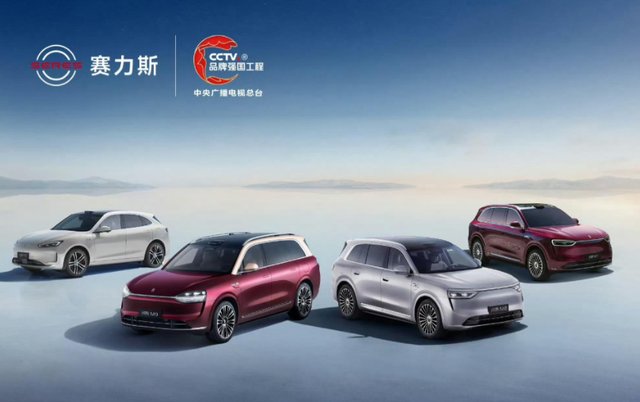
In the past, Huawei's Smart Selection vehicle business resembled a 'monogamous relationship with multiple affiliates'—Huawei as the central figure, AITO as the primary partner, and the other 'Four Brands' as subsequent affiliates. To outsiders, the later entrants seemed to lack the deep-rooted connection with Huawei that Seres enjoyed.
Now, this dynamic has transformed into a 'One Huawei, Multiple Approaches' scenario.
For a technology giant like Huawei, the ambition is to have 'HarmonyOS everywhere,' with a vision that spans the entire automotive ecosystem. It cannot afford to limit itself to just AITO.
Seres, too, appears to have grasped this reality. Relying indefinitely on a wealthy partner is perilous; seizing the opportunity to forge an independent path while it still has leverage is a prudent strategy.
However, as the new energy vehicle market enters a turbulent phase, the real challenge for Huawei and its 'Five Brands' has just begun.
I. Misaligned Strategies
In its early days, AITO's rapid ascent from obscurity to surpassing the one-million-unit mark was largely due to Huawei's exclusive backing.
Back then, the mere mention of 'Huawei Intelligent Driving' or 'HarmonyOS Cockpit' was enough to entice buyers, with Seres reaping the full benefits of traffic and brand prestige as the primary partner.
Yet, the harsh reality of the business world dictates that exclusivity breeds premium, while abundance leads to commoditization.
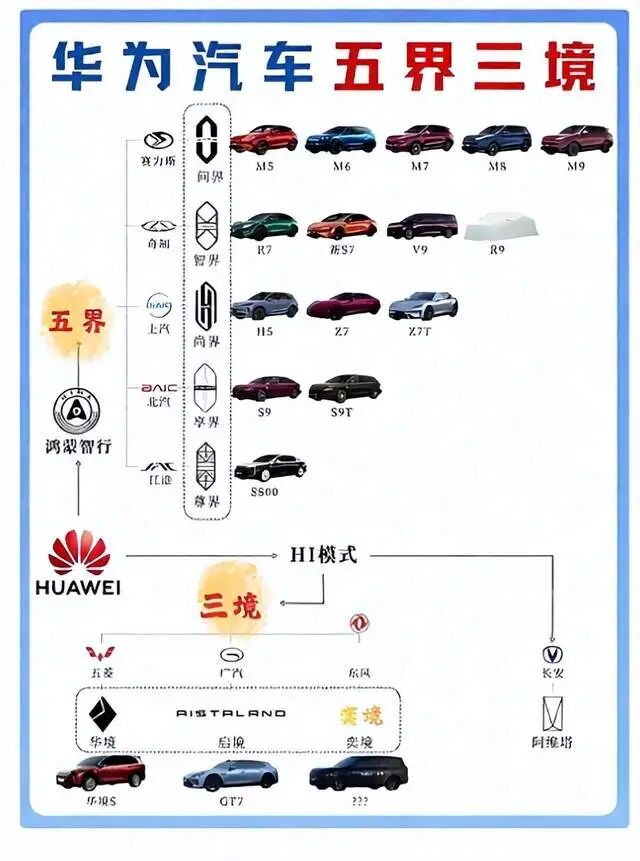
The biggest contradiction in this model is one that Huawei cannot overlook.
To maximize the Harmony Intelligent Mobility Alliance ecosystem, Huawei must ensure a level playing field.
With STELATO targeting the luxury administrative segment, Luxeed aiming for the ultra-high-end market, Maextro focusing on young coupes, and another brand filling in the gaps, Huawei's technological, marketing, and channel resources are being stretched thin.
For consumers, 'Huawei Intelligent Driving' is no longer exclusive to AITO but has become a common feature in the automotive landscape.
Seres, once the esteemed primary partner, now stands on equal footing with the others. The brand premium that once belonged exclusively to AITO may struggle to maintain its allure in the future.
II. Even Giants Fear Price Wars
If the dilution of internal resources is a strategic inevitability for Huawei, the deteriorating external competitive environment is another significant challenge for Seres.
Today's intelligent driving landscape is reminiscent of how Li Auto's 'fridge, TV, and sofa' features became industry standards.
While Huawei's ADS Intelligent Driving and HarmonyOS Cockpit are widely recognized as industry-leading, the entire sector is aggressively pursuing intelligent driving advancements and cost reductions.
As intelligent driving experiences become more widespread, the once-exclusive 'cutting-edge' aura has lost its mystique in daily driving.
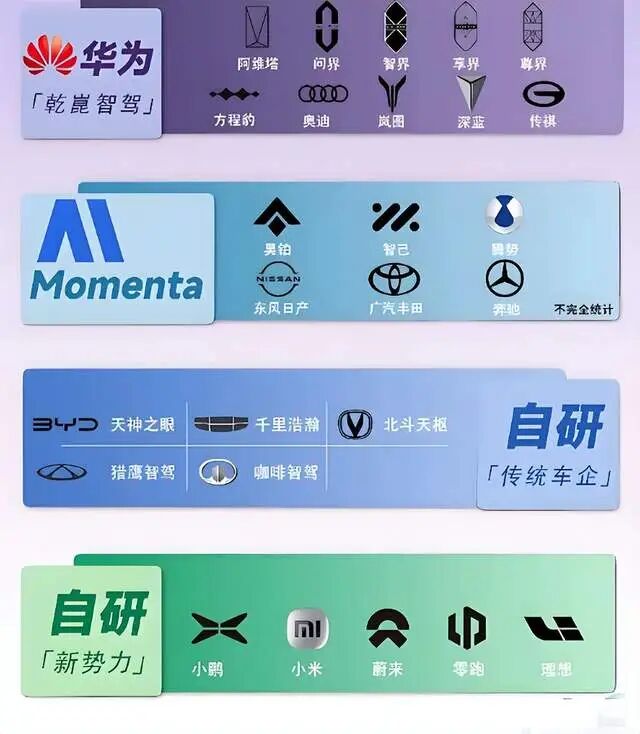
When everyone evolves from novices to seasoned players, the new energy vehicle market reverts to its most fundamental form—competition based on cost-effectiveness. When levels are similar, price becomes the deciding factor.
BYD leverages its supply chain to compete globally on price, while Leapmotor sweeps the market with its value-for-money offerings.
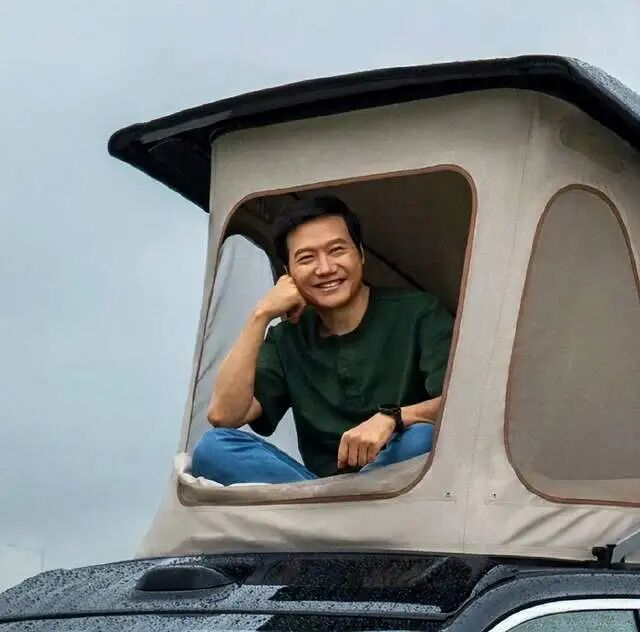
For instance, the recently launched Xiaomi Pengcheng, priced below 300,000 yuan, even tempted seasoned tech veterans to feel a twinge of desire.
As the technological dividend fades, AITO is showing signs of growth fatigue, with Seres even reporting losses in the first half of 2026.
When giants engage in price wars, relying solely on the slogan of 'cutting-edge' won't fend off the competitive pressures.
III. Solo Flight is Easy, Independence is Tough
Having bid farewell to Huawei's comprehensive support, the core issue Seres faces is not whether Huawei will provide technology but whether it possesses the capability to thrive independently.
In the past, shielded by Huawei's towering presence, with Yu Chengdong generating traffic and Huawei's offline flagship stores serving as showrooms, Seres could simply focus on manufacturing and reap the rewards.
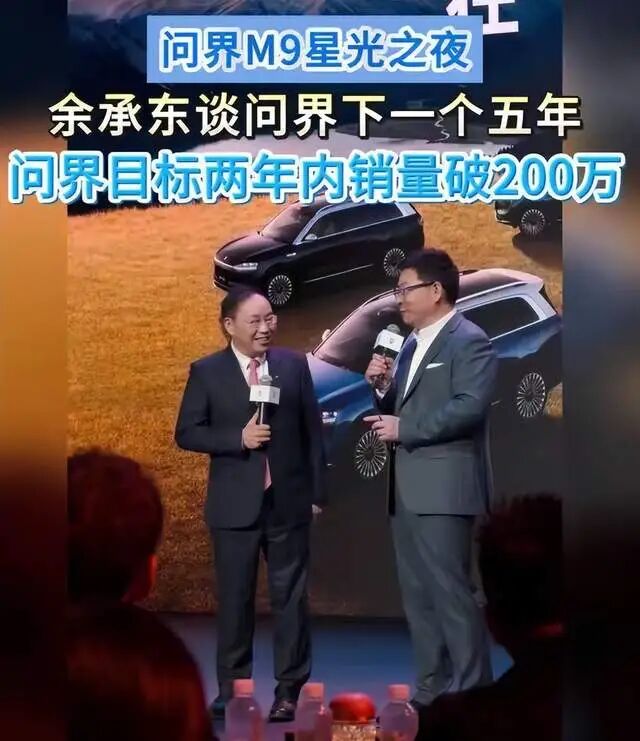
Now, Seres has taken over AITO's marketing and channels, each representing significant financial investments.
In the first half of 2026, Seres' sales expense ratio climbed notably year-on-year. After the opening of Chongqing's first independent brand flagship store, the nationwide rollout of independent main channels still faces substantial capital and time costs.
A more daunting challenge lies in customer acquisition and retention.
In the past, AITO M9 could command an average transaction price of nearly 400,000 yuan, largely due to the customer trust endowed by Huawei's high-end stores. Once detached from Huawei's prime store locations and transferred to Seres' self-built channels, whether foot traffic and high-ticket conversion rates can be maintained remains uncertain.
The competition for favor among the 'Five Brands' is Huawei's internal affair, while the price war is an industry-wide challenge.
Whether Seres can develop its own marketing and service capabilities after losing Huawei's protective embrace will determine its survival.
Conclusion
Every partner aspires to leverage Huawei's golden brand.
As the first deeply successful case, Seres stands at a crossroads—either reaching the pinnacle or fading into obscurity.
Product definition, brand building, and channel operations are all challenges AITO must tackle independently.
Huawei's technological support remains, but it's no longer a lifeline.
So, what are your prospects for Seres (AITO)'s next steps?
Welcome to leave a comment.
-
![]()
Beauty Joins In, ByteDance Ramps Up Investment Game
-
![]()
Jensen Huang Hits Back at Ray Dalio: Is AI the Next Big Financial Bubble?
-
![]()
Battle for the Gateway to the World Model: ByteDance Leans Left, JD.com Leans Right
-
![]()
The Deeper Automakers Venture into Self-Developed Batteries, the More Apparent the Greatest Challenge Becomes
-
![]()
Seres No Longer Relies on Huawei for Growth
-
![]()
Good Stocks to Follow | AI Giant Calls for Slowdown, Goldman Sachs Bullish on SK Hynix Amid HBM Super Cycle Speculation
-
![]()
【Electric Equipment】Lingong's New Energy Mining Truck Project in Inner Mongolia Goes into Operation
-
![]()
Seres Steps into the Spotlight with AITO, Facing Its Own Set of Challenges