Trident Crafted with Chinese Tech? Maserati's Electrification Drive Taps HarmonyOS, as European Automakers Leverage China's New Energy Prowess
 09/20 2026
 501
501
China's Tech for Europe's Market.
Is Maserati teaming up with Huawei and JAC to roll out new energy vehicles under the Zunjie marque?
As per 'Future Car Daily', Maserati has locked in plans for two models in partnership with Huawei: a mid-to-large-sized all-electric SUV and a large all-electric GT, with the latter slated to debut first.
Earlier this month, foreign media reported that Maserati's parent company, Stellantis, would collaborate with Huawei and JAC. These reports suggested that the trio would jointly develop new vehicles using the HarmonyOS Intelligent Travel framework, with the first model expected to hit the market in 2027. The sales strategy would involve marketing under the Zunjie brand in China and the Maserati brand overseas.
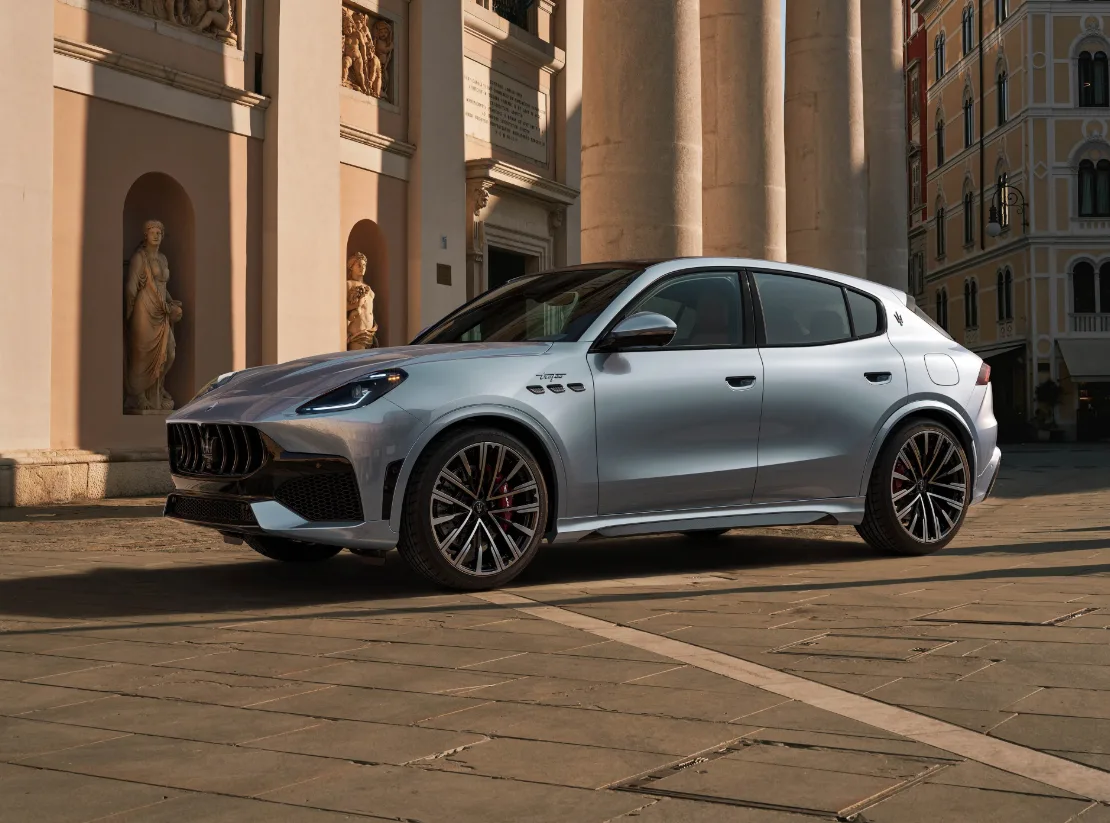
(Image credit: Maserati)
Should this news prove accurate and the collaboration between Huawei, JAC, and Maserati proceed without a hitch, it would not only signify a novel approach to localization and electrification for overseas brands but also introduce a fresh model for HarmonyOS Intelligent Travel.
Trident, Anhui-Made?
Indeed, there are precedents for overseas brands utilizing Chinese solutions to manufacture vehicles, complete with Huawei's cockpit and intelligent driving technologies. Notable examples include the GAC Toyota bZ7, which features the HarmonyOS cockpit, and the Chery Jaguar Land Rover Discovery Sport 8, equipped with Huawei's Qiankun intelligent driving system.
However, Maserati stands out as the first overseas brand to join the HarmonyOS Intelligent Travel ecosystem, entrusting Huawei with the entire gamut of product definition, design, marketing, retail, and services, while production is managed by HarmonyOS Intelligent Travel's partner automakers. Moreover, Maserati's collaborative models with HarmonyOS Intelligent Travel will eschew the Maserati logo in the domestic market, opting instead for the Zunjie emblem.
Thus, Maserati's collaborative models with HarmonyOS Intelligent Travel will neither be defined and designed by Maserati itself nor bear its logo. After all this effort, it seems Maserati is paving the way for another brand's success. What does Maserati stand to gain?
Dianchetong (ID: dianchetong233) posits that the collaboration between the two entities may unfold in the following two directions:
The first possibility is to facilitate Maserati's electrification transition in its European home market. By collaborating with HarmonyOS Intelligent Travel and Zunjie, Maserati could market Zunjie models, or even other existing Zunjie models, in Europe under the Maserati brand, after swapping out certain Huawei-related hardware and software components within the vehicles.
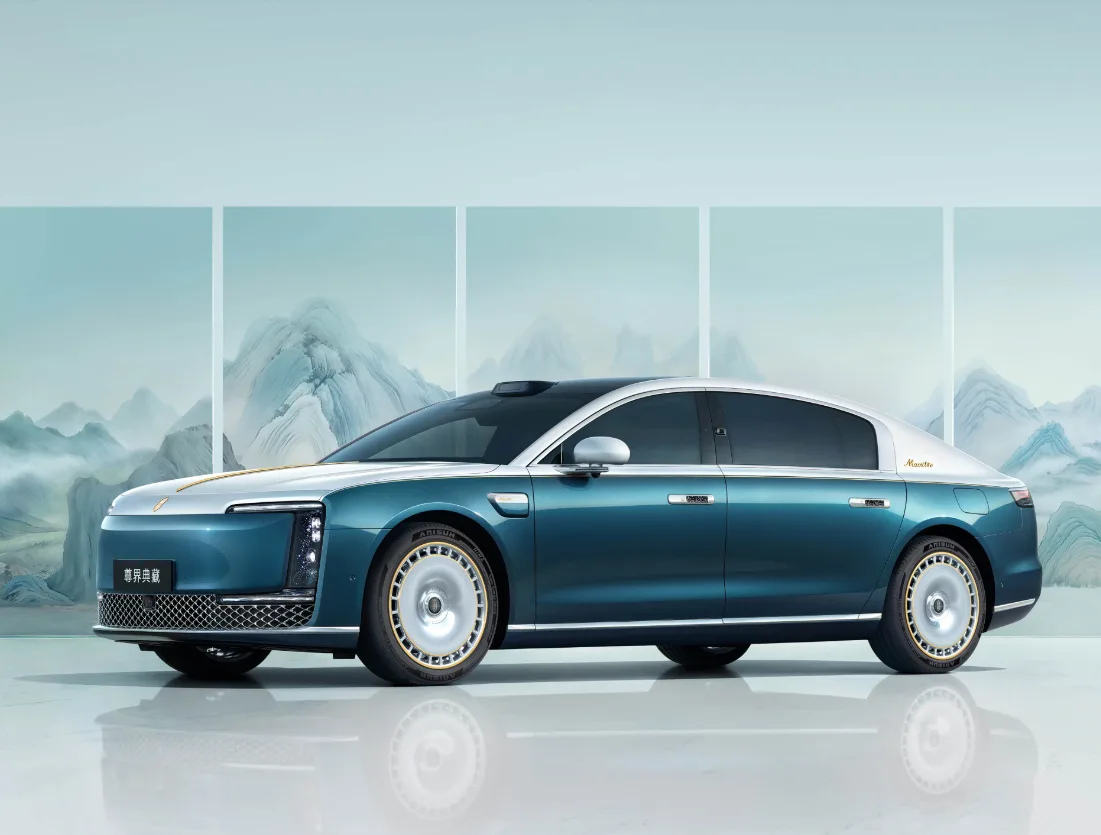
(Image credit: Zunjie)
This tactic bears some resemblance to Huawei's smart selection phone model from years past, where third-party brands were enlisted to produce Huawei smart selection phones sold in Huawei stores, thereby mitigating the impact of technological sanctions on Huawei's terminal business.
Additionally, Seres adopted a similar strategy when venturing into the European market a few years ago.
At the 2023 Munich Auto Show, Seres showcased three models: SERES 3, SERES 5, and SERES 7. Among them, the SERES 7 was the overseas iteration of the AITO Wenjie M7 sold in China, with the AITO logo supplanted by Seres, the HarmonyOS cockpit replaced by a non-HarmonyOS system, and Huawei elements excised from the central control screen, audio, and other locales. However, at the 2025 Munich Auto Show, Seres participated under the AITO brand, and the logo swap did not recur.
Apart from the prospect of re-exporting Zunjie models to Europe under the Maserati banner, Maserati's collaboration with HarmonyOS Intelligent Travel could also adopt an asset-light model akin to AITO's current approach.
This entails Maserati being responsible for product definition, marketing, and retail, with Huawei providing support, while production is handled by Zunjie's factories. This approach would not only propel Maserati's electrification transition but also harness Huawei's expertise in chassis, three-electric systems, and intelligence to help Maserati sidestep potential pitfalls.
However, these two scenarios are speculative, based on currently available information. The precise collaboration model between Maserati, HarmonyOS Intelligent Travel, and JAC remains to be seen as further details surface.
Nevertheless, Stellantis's pursuit of collaboration with HarmonyOS Intelligent Travel and JAC in the new energy vehicle sphere indicates that Stellantis genuinely views Chinese companies as pivotal pillars for its new energy transformation.
Embracing China's New Energy Strength
Apart from the recent rumors of Maserati's collaboration with Huawei and JAC, Stellantis has long had its sights set on Chinese new energy companies, seeking to bolster its sales through partnerships with Chinese new energy automakers.
The most notable example is its collaboration with Leapmotor.
In October 2023, Stellantis acquired a 21% stake in Leapmotor for approximately €1.5 billion, becoming its largest single shareholder. The two companies also established a joint venture, Leapmotor International, tasked with the export, sales, and manufacturing of Leapmotor models outside Greater China.
In September 2024, leveraging Stellantis's existing channels, the Leapmotor T03 and C10 went on sale in nine European countries, including France, Germany, and Italy. In April 2026, Leapmotor officially entered the Mexican market.
In May of this year, Stellantis announced a new round of collaboration intentions with Leapmotor, stating that the B10 would be produced at Stellantis's Zaragoza plant in Spain this year, and new Leapmotor products would be manufactured at the Madrid plant in Europe starting in the first half of 2028.
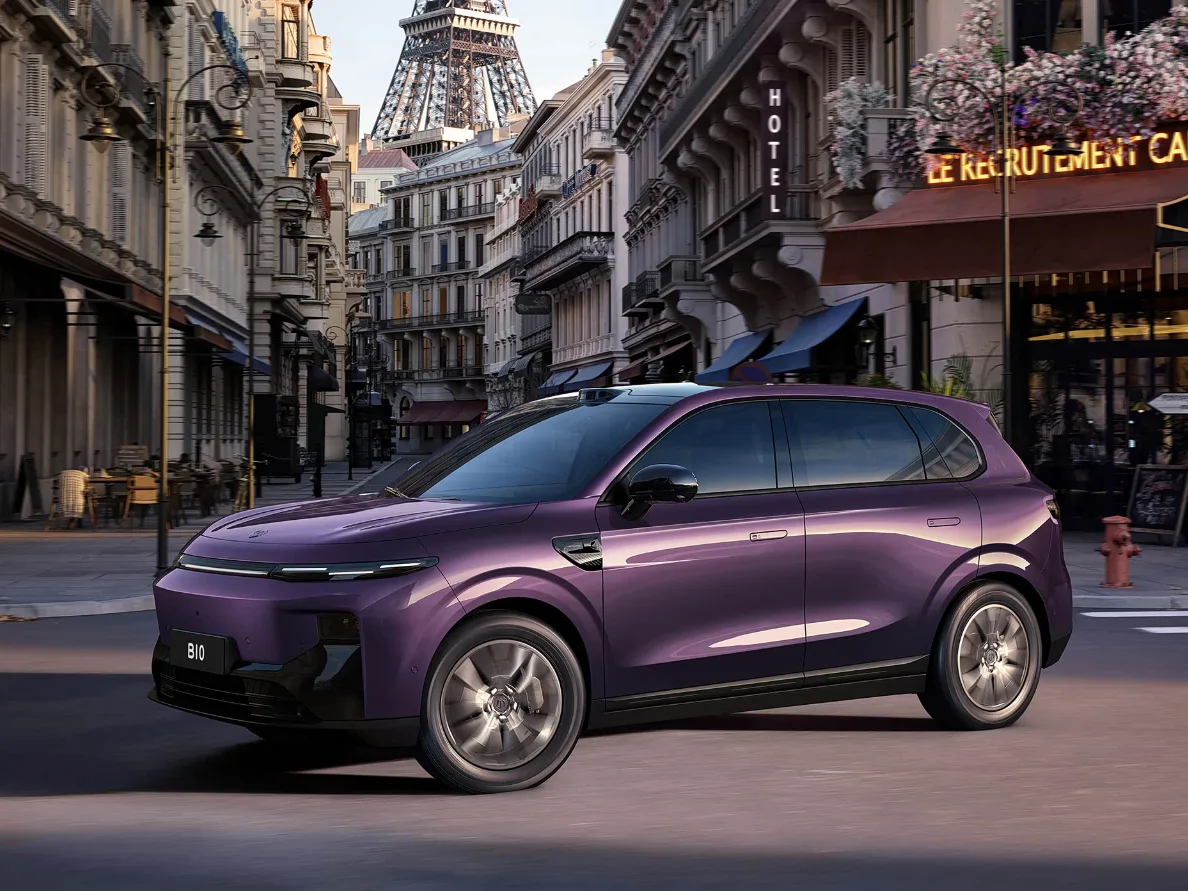
(Image credit: Leapmotor)
In the domestic Chinese market, Stellantis has also deepened its collaboration with its long-time partner, Dongfeng Peugeot Citroën.
In May of this year, Stellantis inked a strategic agreement with Dongfeng, involving a total investment of ¥8 billion ($1.1 billion) from six parties, including the aforementioned two companies, to establish Shenlong Technology and drive Dongfeng Peugeot Citroën's transformation towards intelligence. Stellantis contributed approximately €130 million (¥1 billion). According to the plan, starting in 2027, the Shenlong Wuhan plant will also produce two Peugeot models and two new energy models under the Jeep brand.
In the past, when we witnessed overseas automakers collaborating with Chinese automakers to advance new energy transformation, it was primarily aimed at leveraging domestic technology and supply chains to cater to these brands' needs in the Chinese market. However, Stellantis is taking a different tack by focusing on introducing Chinese new energy vehicles to the European market. Why is that?
China's Tech for Europe's Market?
Compared to automakers aggressively pursuing new energy transformation in the Chinese market, Stellantis differs markedly in terms of sales volume.
Mainstream joint venture automakers like Toyota, Nissan, Volkswagen, and Audi have been well-established joint venture brands among Chinese consumers since the era of fuel-powered vehicles. Even now, with new energy vehicle penetration surpassing 65%, these joint ventures still command a substantial audience and influence, maintaining relatively high annual sales.
Therefore, to attract their existing audience and stabilize sales, it is imperative for these mainstream joint ventures to undergo localization and electrification transformations.
In contrast, the current sales of Stellantis's joint venture brands in China pale in comparison to these mainstream joint ventures. According to 2025 sales data, the two joint venture brands under Stellantis in the Chinese market, Dongfeng Citroën and Dongfeng Peugeot, sold 18,200 and 17,800 units, respectively.
The combined annual sales of these two brands are equivalent to the monthly sales of domestic new energy automakers. Even if Stellantis were to push for localization and electrification of Peugeot and Citroën in the Chinese market, such sales figures would likely leave them feeling disheartened.
However, in stark contrast to its lackluster sales in China, Stellantis maintains relatively stable sales in its European home market, with 2.42 million units sold in 2025, remaining a dominant local brand.
Therefore, Stellantis has opted to introduce new energy brands from China, combining its strengths in sales systems with the advantages of Chinese new energy models in terms of product strength and pricing, to sell in the European home market and other overseas markets, thereby boosting its sales and profits. This approach is a win-win for both Stellantis and its Chinese partner automakers.
In summary, under the formidable competitiveness of China's new energy vehicle industry, most global automakers opt for the strategy of "In China, For China." Stellantis, however, chooses "In China, For Europe." Regardless of the chosen path, these automakers will ultimately deeply integrate with China's new energy industry, forming a landscape of mutual interdependence.
Apart from Stellantis, Mercedes-Benz has also pursued similar "In China, For Europe" collaborations, such as its partnership with Geely, where Geely acquired a stake in smart, and Mercedes-Benz is responsible for exterior design while Geely handles the three-electric systems, jointly driving smart's electrification transformation.
Although Mercedes-Benz and Geely's collaboration on the smart brand spans the global market, including China, the focus of their cooperation is more on the European home market and other overseas markets, as evidenced by the products resulting from smart's electrification transformation.
For instance, the smart#1 and smart#3 models are positioned as refined, fun-to-drive compact all-electric vehicles. Such models are not particularly popular in the Chinese market, which favors larger sizes and spacious interiors. However, they are well-suited to Europe's narrow roads and dense traffic, meeting local demands.
From the examples of Stellantis and Mercedes-Benz, it is evident that through collaboration between European and Chinese automakers, leveraging each other's strengths, combining China's leading three-electric technologies with the design and sales channel accumulations of established European automakers, it is possible to create models that meet local demands in Europe. This could be a suitable path forward.
Nowadays, multiple Leapmotor models can already be spotted on European streets, and Volkswagen's collaboration with XPENG, known as "Zhong," is gradually gaining traction in the Chinese market. Perhaps in a few years, we will witness Maserati-Zunjie collaborative models zipping through the streets of Shenzhen, Hefei, and Modena. Such win-win collaborations that propel the global automotive industry towards electrification and intelligence are what we hope to see.
Source: Leikeji
Images in this article are sourced from the 123RF licensed image library. Source: Leikeji
-
![]()
A Detailed Explanation of Li Feifei's World Model Atlas: How It Impacts Physical AI Industries Such as Autonomous Driving and Humanoid Robots
-
![]()
China's Intelligent Driving Ventures Abroad Face Rivals: Europe and US's Momenta 'Wayve'
-
![]()
Has the Modular Architecture of Autonomous Driving Disappeared After the Emergence of End-to-End Systems?
-
![]()
OpenAI GPT-6 Practical Test Unveils: Tactile Sensors, a New Frontier in the Humanoid Robot Supply Chain
-
![]()
Can the Intelligent Driving Solutions for Fuel-Powered Cars Mirror Those of Pure Electric Vehicles? Why Does Momenta Craft Specialized Algorithms for Fuel-Powered Cars?
-
![]()
Beijing Unveils 'Ten Measures for Token Economy,' Creating a Comprehensive Industrial Development Blueprint for Tokenomics
-
![]()
Trident Crafted with Chinese Tech? Maserati's Electrification Drive Taps HarmonyOS, as European Automakers Leverage China's New Energy Prowess
-
Use Anthropic's Large Model with Caution: Handing Over Global User Data to US Intelligence Agencies