Zhang Xinghai Breaks Silence on Huawei Cooperation Changes: Is AITO's 'Independence' a Strategic Leap or a Survival Tactic?
 09/23 2026
 495
495
At the earnings conference, Zhang Xinghai described the adjustment in the cooperation model as "standard practice among global luxury brands." Yet, the figures reveal a different narrative: sales plummeted by half in August, a staggering 1.7 billion yuan loss in the first half of the year, and an average of 136,000 yuan per vehicle flowing into Huawei's ecosystem. The rhetoric may be polished, but the numbers don't lie. 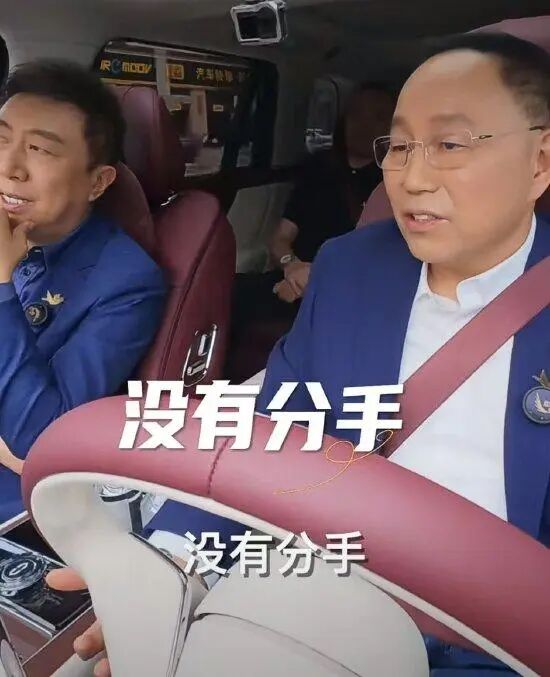
On September 22, Seres Chairman Zhang Xinghai addressed the changes in the cooperation model with Huawei for the first time. His statement was poised and confident: AITO has now entered a new era as a high-end brand boasting a million users, and the partnership has evolved into an "AITO-exclusive franchise model." This model aims to enhance brand value through dedicated channels, specialized service teams, and focused brand operations. "This is a common practice among global luxury brands," he asserted, implying that this is a strategic enhancement, not a separation. In a separate interview with CCTV Finance, he reiterated, "We haven't parted ways; we've always been together and will continue to be so."
01 Unveiled: Three Key Indicators Revealing Who's Being Pushed Out
The First Indicator: Timing
The official announcement of the cooperation adjustment was made on September 15. On that day, Seres' A-shares plummeted nearly 6%, and H-shares hit an all-time low of HK$34.06. The capital market's swift reaction, a full week ahead of Zhang Xinghai's response, spoke volumes.
The Second Indicator: Wording
Zhang Xinghai mentioned that Huawei's role has transitioned from "leading" to "empowering," with a focus on resource allocation and channel efficiency. However, in the automotive industry, "empowering" often suggests that while technology is still provided, the grunt work—such as store operations, marketing, and after-sales service—falls to Seres.
The Third Indicator: The Numbers Don't Lie
"Financial reports indicate that Seres' gross profit in the first half of the year was insufficient to cover four major expenses (gross profit: 13.4 billion yuan vs. expenses: 13.88 billion yuan), with approximately 136,000 yuan per vehicle sold contributing to Huawei's ecosystem. Market analysts suggest that this is less about Huawei's strategic adjustment and more about Seres being compelled to regain control due to financial constraints."
02 Questioning: Zhang Xinghai's 'Global Practice' Falls Short of Reality
Zhang Xinghai claims this is a "standard practice among global luxury brands." It's true that global luxury brands operate through exclusive franchises—Porsche doesn't sell cars in Audi showrooms. But these brands have established their own channels and support their own teams. The challenge for Seres is: Who will fill the void left by Huawei's withdrawal from stores?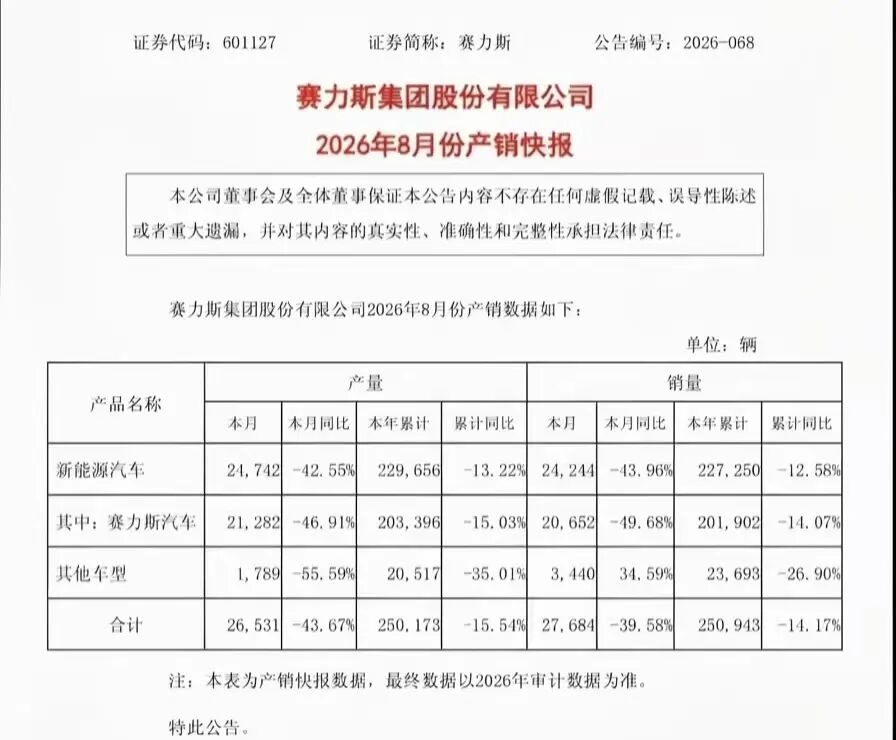
In August, AITO series sales reached 20,652 units, marking a sharp year-on-year decline of 49.68%, nearly halving. From January to August, cumulative sales fell 12.58% year-on-year. On the same day, Harmony Intelligent Mobility delivered 42,101 units across its platforms—with AITO accounting for only half. Previously, consumers entering Huawei stores would see an M9 parked next to a Mate 60 and make a purchase without hesitation. Moving forward, what will entice consumers into Seres' 400 user centers?
03 Prediction: Seres Takes the Wheel, But How Much Gas Is Left?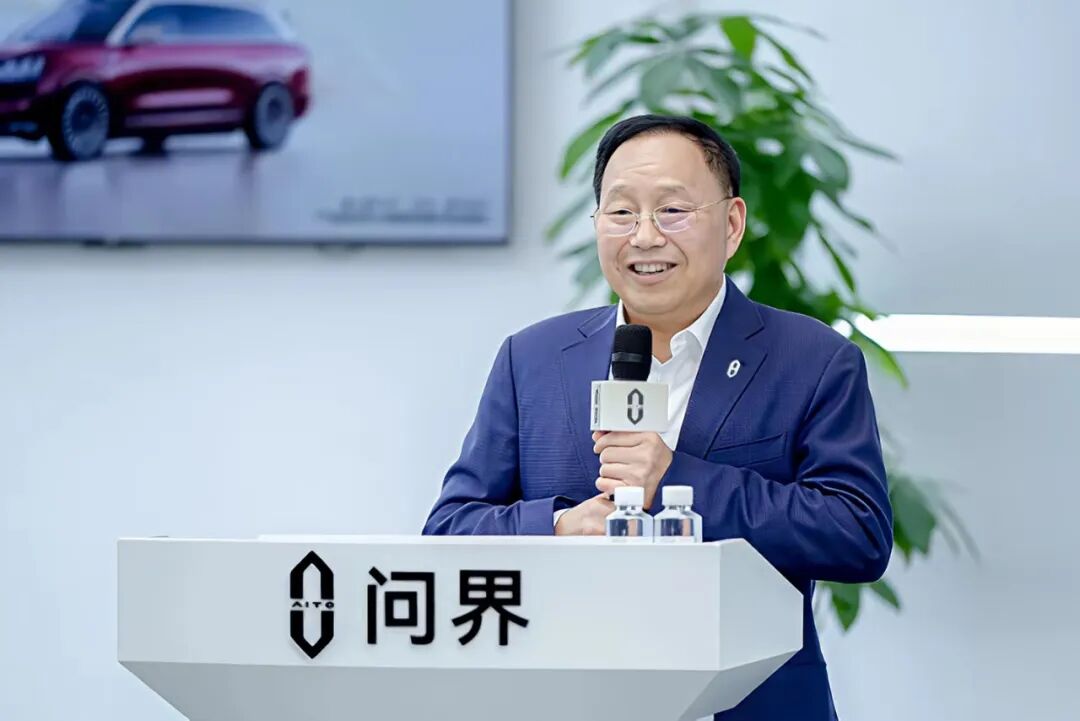
Zhang Xinghai holds one significant advantage: ending cash reserves exceed 73.15 billion yuan, with interest-bearing liabilities accounting for only 3.2% of total assets. This level of cash flow can indeed sustain operations for a while. However, this money was previously a "guarantee for working with Huawei" and will now become "capital for self-sufficiency." CFO Liu Lian outlined the path to profitability: cost control through supply chain coordination, locking in prices for bulk materials, process improvements, and strict control over non-essential expenses. In simpler terms: Huawei used to handle these tasks, but now Seres must manage them independently.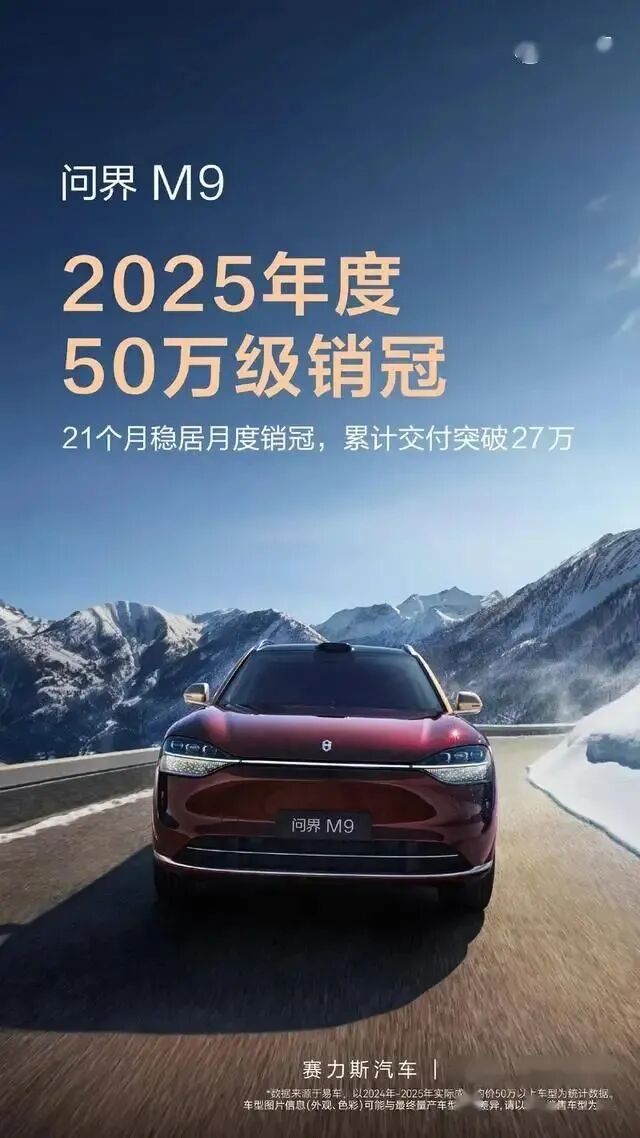
Seres is not without strengths. With 1.2 million existing users and the M9 averaging 600,000 yuan, holding the top spot in sales for vehicles priced above 500,000 yuan, these are tangible brand assets. Its 10% stake in Aito Intelligence ensures access to Huawei's latest technology, keeping AITO in the first tier. However, the question Zhang Xinghai must confront is more daunting than just "turning a profit": With Huawei stores closed, what will attract consumers to Seres showrooms? Will it be the four words "exclusive franchise," or the next true blockbuster model from Seres? The standard practice among global luxury brands is to establish the brand first, then talk about independence. Seres is now doing the opposite—achieving independence first, then proving the brand can stand. This is a bold and risky move.
-
![]()
Can Volvo Reverse Its Fortunes with a New CEO, a Wave of New Cars, and a Strengthened Alliance with Geely?
-
2026 Smartphone Market: 150 Million Fewer Units Sold, Yet Revenue Surges by 470 Billion Yuan—But Manufacturers Earn Less
-
![]()
Zhang Xinghai Breaks Silence on Huawei Cooperation Changes: Is AITO's 'Independence' a Strategic Leap or a Survival Tactic?
-
![]()
Liu Dayiheng’s Yunqi Debut and Alibaba’s Strategic Bet on Agents
-
![]()
Doubao Enters Smartphone Market, Alibaba Unveils Tablets: The AI Hardware Race Heats Up
-
![]()
Doubao Enters Smartphone Market, Alibaba Unveils Tablets: The Battle for AI Hardware Dominance Begins
-
![]()
Sports Sedans Flood the Market: How Can Young Buyers Tell the Real from the Fake?
-
![]()
AI Firms Offer Seven-Figure Salaries to Lure Talent: Headhunters Reap Big Rewards with a Single Placement