Can Volvo Reverse Its Fortunes with a New CEO, a Wave of New Cars, and a Strengthened Alliance with Geely?
 09/23 2026
 362
362
Lead | Introduction
Faced with the rapid ascent of Chinese domestic automotive brands and ongoing geopolitical tensions, Volvo has endured a challenging period. To steer the company back on course, Li Shufu, Chairman of Geely Holding Group, has appointed a seasoned executive from the Volkswagen Group to helm Volvo, while initiating the most extensive product offensive in the company's storied history. Will these strategic maneuvers enable this century-old automaker to emerge from its slump and reignite growth?
Produced by | This article is produced by Heyan Yueche Studio
Written by | Zhang Dachuan
Edited by | He Zi
Full text: 2,840 characters
Reading time: 4 minutes
On the evening of September 20, Volvo Cars announced the appointment of Klaus Zellmer as its next President and CEO. The seasoned executive, previously at Skoda, will succeed Håkan Samuelsson, who stepped in during a crisis to lead the Swedish automaker and will now become its first leader for the next century.
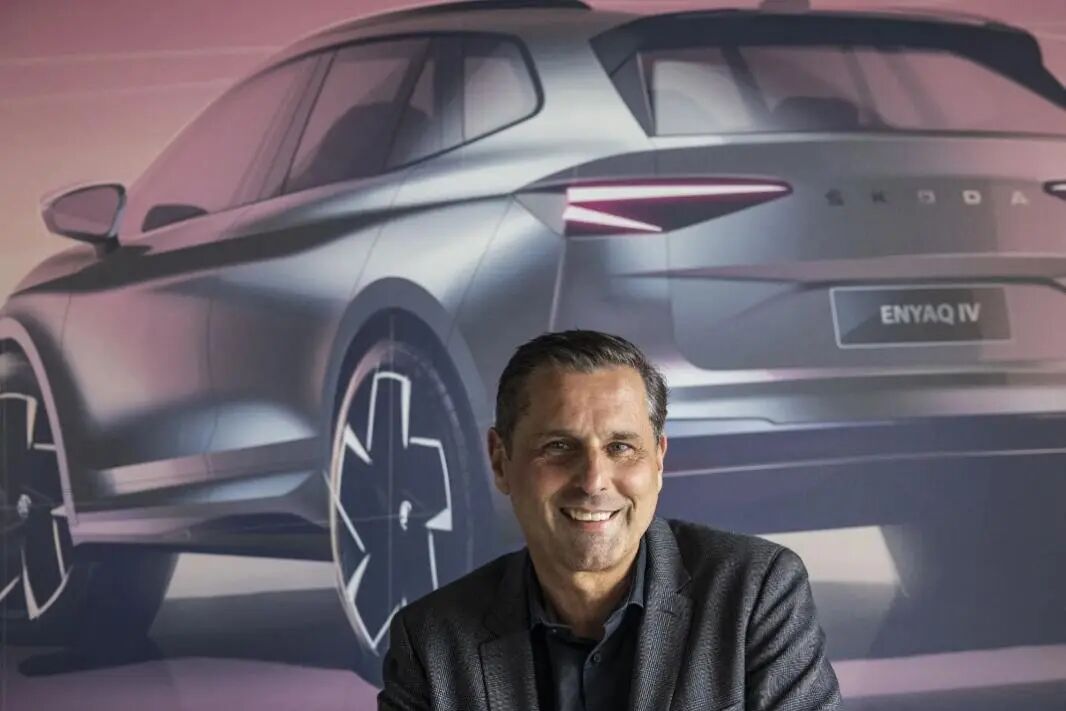
△ The former Skoda chief becomes Volvo's new global leader
Volvo has quietly unveiled the first blueprint for its next century: an unprecedented product offensive is set to commence. On September 17 (local time), the 99-year-old Swedish automaker revealed its strategic update to investors in Stockholm, outlining plans to launch 13 new models by the end of 2030—the largest product rollout in Volvo's history. According to the plan, seven models will cater to Western markets, while six will be designed for China, encompassing battery electric vehicles (BEVs) and next-generation plug-in hybrid models. Volvo aims to further broaden its market reach and product portfolio through this large-scale product offensive, thereby boosting its global market share.
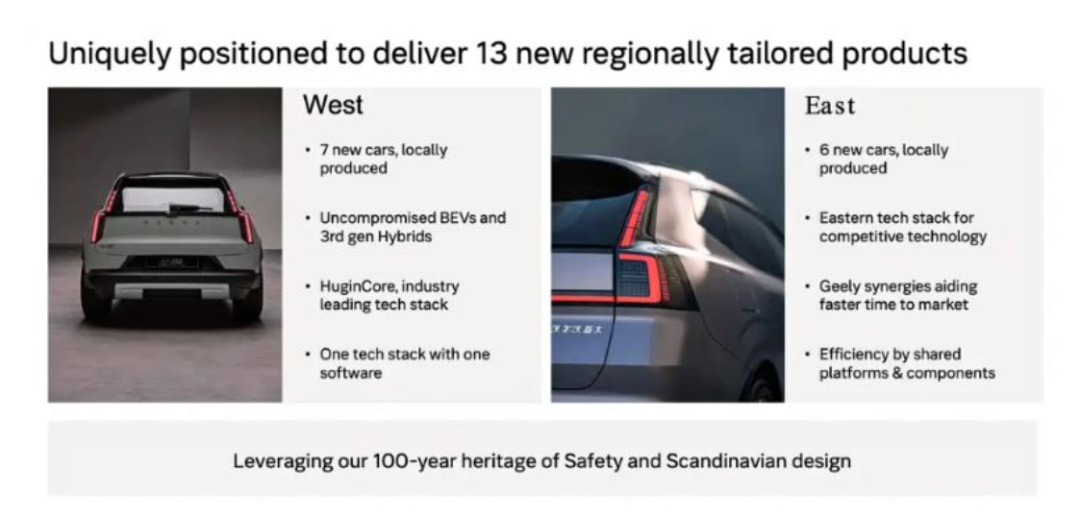
△ Volvo's largest-ever product rollout: 13 new models by the end of 2030
Breaking Through in China: A Crucial Move for Volvo
Volvo stands at a critical transformational juncture.
In the first half of 2026, Volvo Cars' global retail sales reached approximately 325,000 units, marking an 8% year-on-year decline; revenue stood at around SEK 150.3 billion, a 15% decrease. During the same period, the company's earnings before interest and taxes (EBIT) were just SEK 2.4 billion, reflecting significant pressure on profitability; free cash flow was negative SEK 15.2 billion.
The pressure is even more pronounced in the Chinese market. In the second quarter, Volvo's sales in Greater China plummeted 35% year-on-year to 24,882 units, while sales in Europe and other markets grew by 2%. The continued decline in Chinese sales not only drags down Volvo's overall performance but also poses a greater challenge to its future product strategy and growth plans.
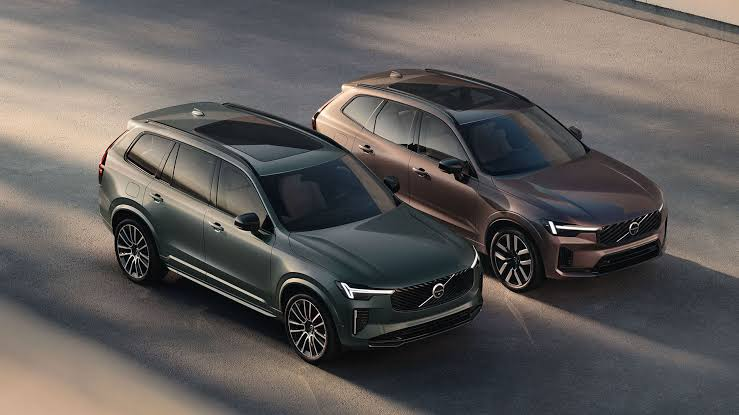
△ In the first half of 2026, Volvo Cars' global retail sales reached approximately 325,000 units, down 8% year-on-year
To reverse its global market performance, China will be a pivotal piece in Volvo's grand strategy.
According to the plan, Volvo will introduce six new models in the Chinese market by 2030. Among them, a new flagship sedan has already drawn outside attention. Media reports suggest that this new model may target the high-end luxury sedan segment where the Zunjie S800 competes, potentially becoming a key product for Volvo to break through further in the Chinese market.
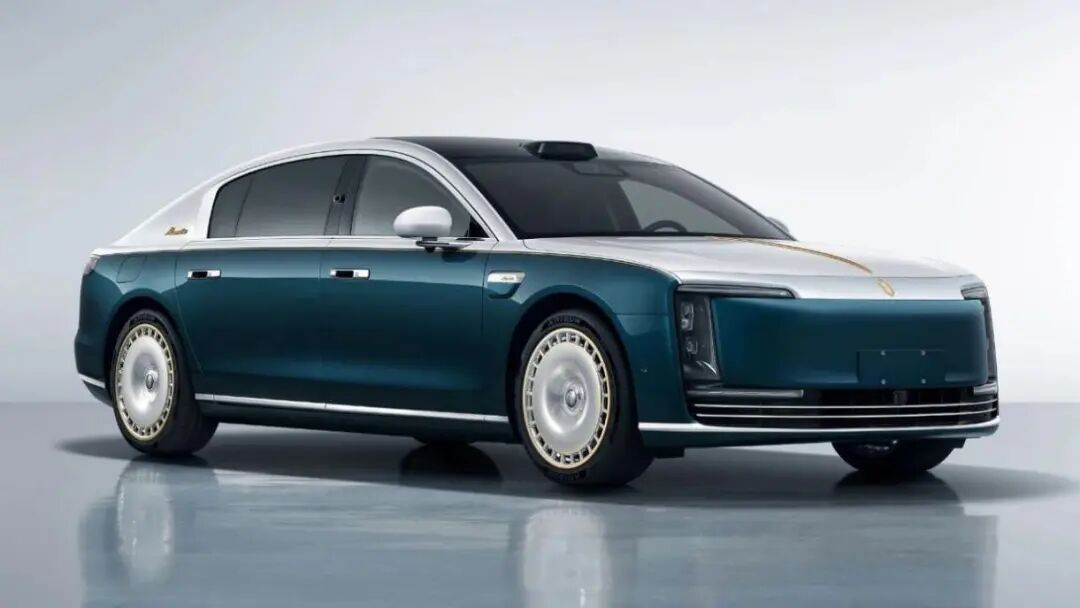
△ Volvo China to launch a flagship sedan rivaling the Zunjie S800
Today's Chinese car buyers no longer view BBA (BMW, Mercedes-Benz, Audi) from the fuel car era as the sole representatives of technological leadership in the new energy vehicle (NEV) era. Brands like Yangwang, NIO, AITO, Li Auto, and Zunjie are continuously vying for market share from traditional luxury brands through successive product upgrades and technological iterations.
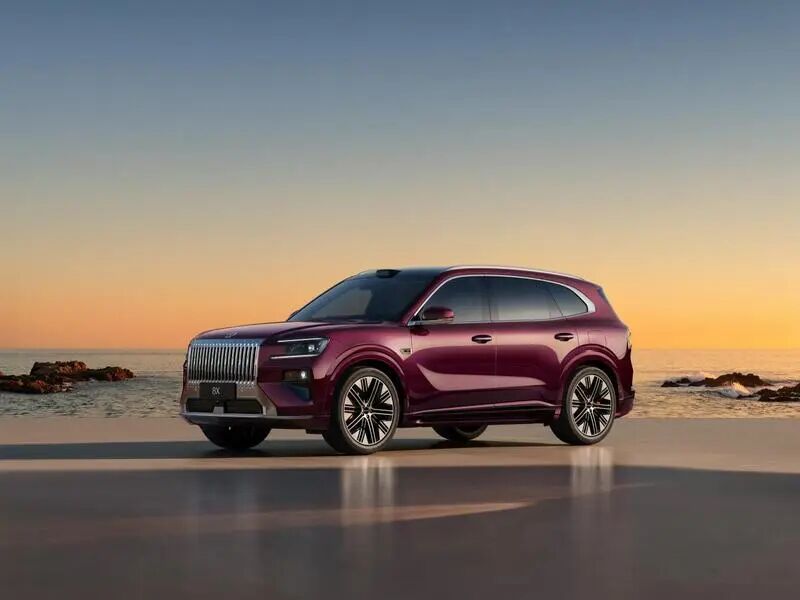
△ Today, Chinese car buyers no longer view BBA as the sole representatives of technological leadership in the new energy vehicle era
This means that, in the NEV era, technological capability is increasingly becoming a key factor determining product competitiveness and brand premium. For Volvo, if Geely can introduce more competitive technological capabilities from its group into Volvo's flagship projects, it will undoubtedly help further enhance Volvo's product strength in the Chinese market and provide new support for brand elevation.
Beyond product-level synergy, cost is another challenge Volvo must address. To support its operating profit margin target of over 8%, Volvo plans to further expand supply chain synergy with Geely, increasing the proportion of shared components from around 10% currently to 30% by 2030. Building on a shared supplier base, it aims to amplify procurement synergies further, targeting approximately 5% in material cost savings.
Whether achieving product breakthroughs in the Chinese market or optimizing costs globally, deepening synergy with Geely has become a critical part of Volvo's next-stage strategic adjustment. For a luxury auto brand with relatively limited annual sales volume that also needs to balance differentiated product demands between China and other global markets, how effectively it can unlock scale, technological, and supply chain synergies with Geely will directly determine whether it can further improve its cost structure and provide sufficient profitability for future product offensives.
Geely Accelerates Its European Layout
Beyond product and supply chain synergy, Volvo and Geely's cooperation in the European market is also deepening.
Starting January 2027, Volvo will become Lynk & Co's exclusive distributor in Europe, responsible for its import, distribution, marketing, after-sales, and brand operations in the region.
For Volvo and its European dealers, this represents new growth opportunities. Lynk & Co and Volvo have certain differences in brand and product positioning, which can help Volvo dealers cover a broader price range and customer base while increasing showroom traffic and sales opportunities. However, how much of this channel synergy will bring new customers—or whether some potential Volvo customers will shift to Lynk & Co—remains to be seen in the market.
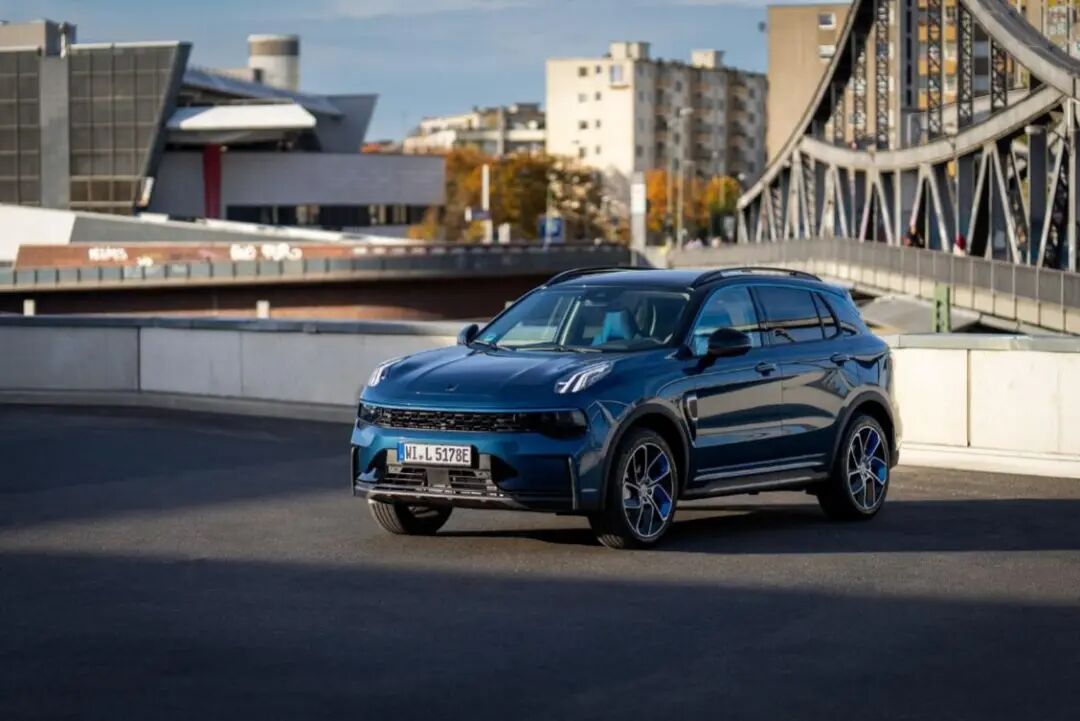
△ Lynk & Co to leverage Volvo's European dealer network for rapid sales growth
Beyond sales channels, manufacturing-end synergy is also emerging. This year, Volvo reached an agreement with the Belgian and Flemish governments on the future development of its Ghent plant, including exploring the possibility of contract manufacturing for other brands. Meanwhile, with the launch of Volvo's Košice plant in Slovakia, its vehicle manufacturing capacity in Europe will further expand, with a planned annual capacity of up to 250,000 units. To absorb this new capacity and improve overall utilization efficiency of its European manufacturing system, Geely's brands represent a potentially synergistic choice with a natural foundation.
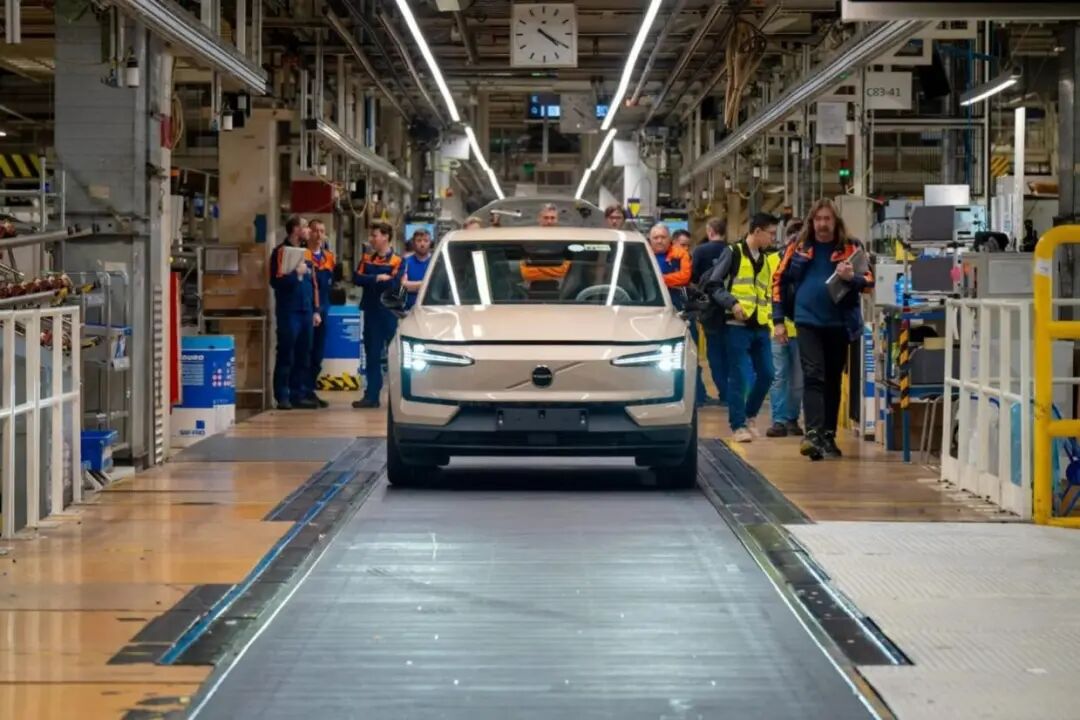
△ Volvo's European plants will also support Geely's contract manufacturing
For Geely, if it can establish a production layout where "relatively high-end brands like Lynk & Co and Zeekr utilize Volvo's European plants, while brands like Geely and Galaxy use Spanish plants for local manufacturing," it will help rapidly perfect its European localization manufacturing system. Compared to direct exports, local production not only reduces the impact of tariffs and cross-border trade factors but also better leverages local supply chains, production systems, and regulatory frameworks, accelerating Geely's localization process in Europe.
What is Volvo's Value?
Deepening strategic cooperation with Geely does not mean Volvo will fully abandon independent R&D. On the contrary, for global markets outside China, Volvo still aims to firmly control product and technological leadership.
This is evident with the EX60. As the first model on the SPA3 architecture, the EX60 features Volvo's latest HuginCore central computing platform, with a maximum range of 810 kilometers, and began deliveries to European customers in July this year. More notably, Volvo directly priced the EX60 overseas at a level similar to its best-selling XC60 plug-in hybrid, hoping to drive rapid market penetration for this strategic model with a more competitive price.
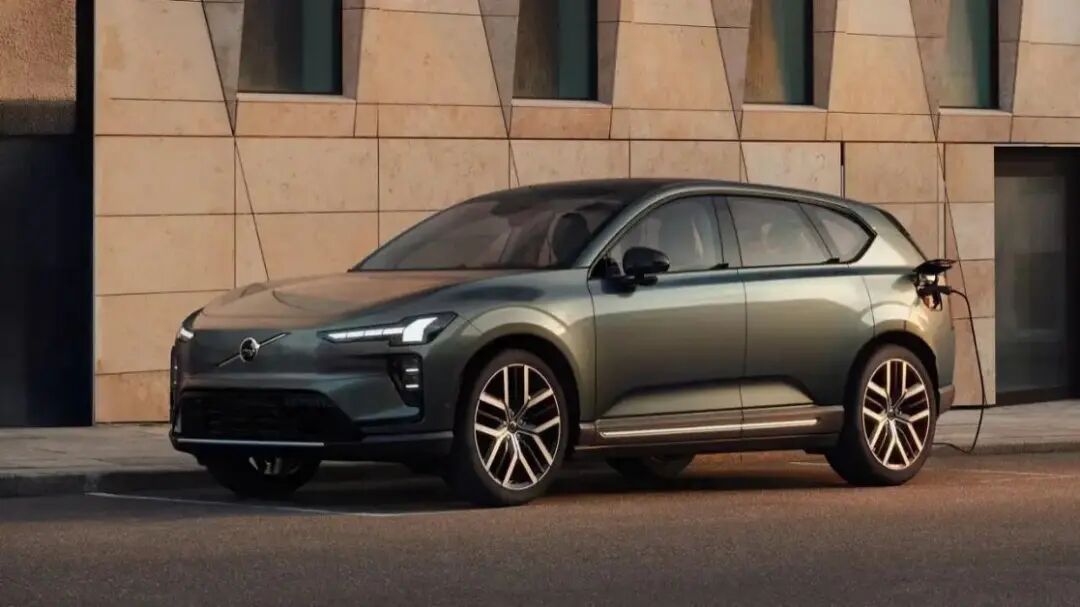
△ The SPA3-based EX60 will spearhead Volvo's sales turnaround
Volvo has already proven the value of independent R&D with the SPA architecture. The first-generation SPA, launched in 2014, had cumulative production exceeding 4 million units by 2025, supporting six models, including the XC90 and XC60, and becoming a key technological foundation for Volvo's product growth over the past decade.
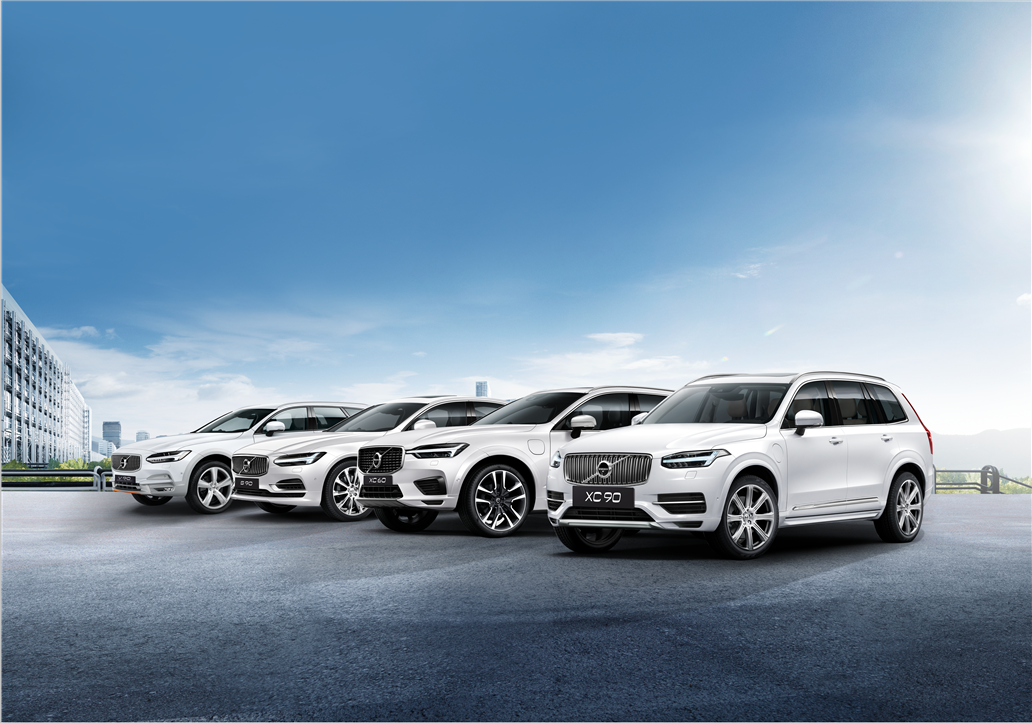
△ The first-generation SPA architecture was key to Volvo's previous strategic revival
Now, Volvo hopes to replicate this path. According to its latest plan, the company will launch 13 new models by the end of 2030, with seven targeting Western markets. For Volvo, which is strengthening synergy with Geely, Geely provides scale, supply chain, and cost advantages, while Volvo still needs to prove its value through its own R&D, design, and brand capabilities. Ultimately, the success of this strategic adjustment hinges on whether these seven new models can, like the SPA models of the past, open a new growth cycle for Volvo.
Commentary
Volvo's deep synergy with Geely is not an isolated case but a new model for traditional automotive groups to respond to electrification and global competition. Platforms, components, supply chains, and even manufacturing capabilities can be shared, but brands and core products must remain differentiated. For Volvo, the real test is not "relying on Geely" but whether it can reduce costs and expand scale through group synergy while continuing to create premium value with its own technology and brand. If this new model succeeds, future competition among automotive groups may not hinge on who possesses more independent resources but on who can achieve higher internal resource allocation efficiency within the group.
(This article is original to Heyan Yueche and may not be reproduced without authorization.)
-
![]()
The Pioneer AI-Integrated Car: Will the Roewe D7 Family Edition Propel Roewe to New Heights?
-
![]()
Can Volvo Reverse Its Fortunes with a New CEO, a Wave of New Cars, and a Strengthened Alliance with Geely?
-
2026 Smartphone Market: 150 Million Fewer Units Sold, Yet Revenue Surges by 470 Billion Yuan—But Manufacturers Earn Less
-
![]()
Zhang Xinghai Breaks Silence on Huawei Cooperation Changes: Is AITO's 'Independence' a Strategic Leap or a Survival Tactic?
-
![]()
Liu Dayiheng’s Yunqi Debut and Alibaba’s Strategic Bet on Agents
-
![]()
Doubao Enters Smartphone Market, Alibaba Unveils Tablets: The AI Hardware Race Heats Up
-
![]()
Doubao Enters Smartphone Market, Alibaba Unveils Tablets: The Battle for AI Hardware Dominance Begins
-
![]()
Sports Sedans Flood the Market: How Can Young Buyers Tell the Real from the Fake?