Final Decision: Why Are There So Many New Car Launches Prior to the Mid-Autumn and National Day Holidays?
 09/28 2026
 400
400
This September, the auto market didn't see the traditional 'Golden September and Silver October' peak season as anticipated. Instead, a flurry of new car launches has taken place. A series of brand-new models, facelifted versions, and annual updates are being rolled out in rapid succession.
In the mere three days leading up to the Mid-Autumn Festival, over a dozen new cars were introduced. Why do domestic automakers seem to (coincidentally, yet strategically) schedule their new car launches just before the Mid-Autumn and National Day holidays? This is no mere coincidence; it's a well-thought-out strategic choice based on sales cycles, annual targets, and market competition.
Over a Dozen New Cars Unveiled Before the 'Double Festivals'
This year's holiday schedule for the 'Double Festivals' is different from previous years. From the 25th to the 27th, there's a three-day Mid-Autumn holiday that includes a weekend. From October 1st to 7th, there's a seven-day National Day holiday that spans two weekends.
In the three days preceding the Mid-Autumn Festival, over a dozen new models were launched or made available for pre-sale, including several brand-new and upgraded models.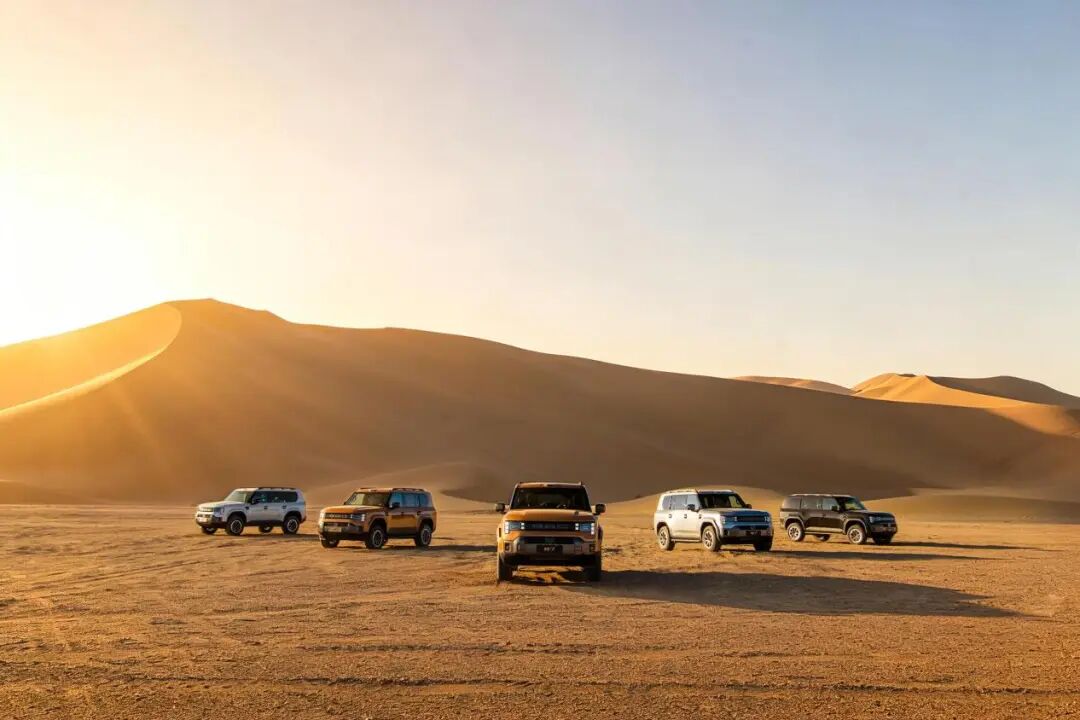
On September 22nd, GAC Trumpchi's Yue 7 had its launch event in the Dunhuang desert, with a guide price significantly lower than the pre-sale price. On the same day, the Chery QQ3, Nissan's new N7, and Voyah's Dreamer 9 were also launched. The Hongqi G919 held its pre-sale launch event on that day as well.
On September 23rd, the Qijing GX7, the second all-new model from Qijing (a brand co-developed by GAC and Huawei), was launched in Guangzhou. Also launched on the same day were the new Geely Galaxy E5, Denza Z9GT, new ZEEKR LS6, Changan Qiyuan Q06, and Wey's Gaoshan Wisdom Edition.
On September 24th, the Yijing X9, the first flagship model from Yijing (a brand jointly developed by Dongfeng Motor and Huawei), was launched. Also launched on the same day was the fourth-generation Geely Boyue L. Volkswagen Anhui's Zony 09 officially started mass production and opened for pre-sale on September 24th.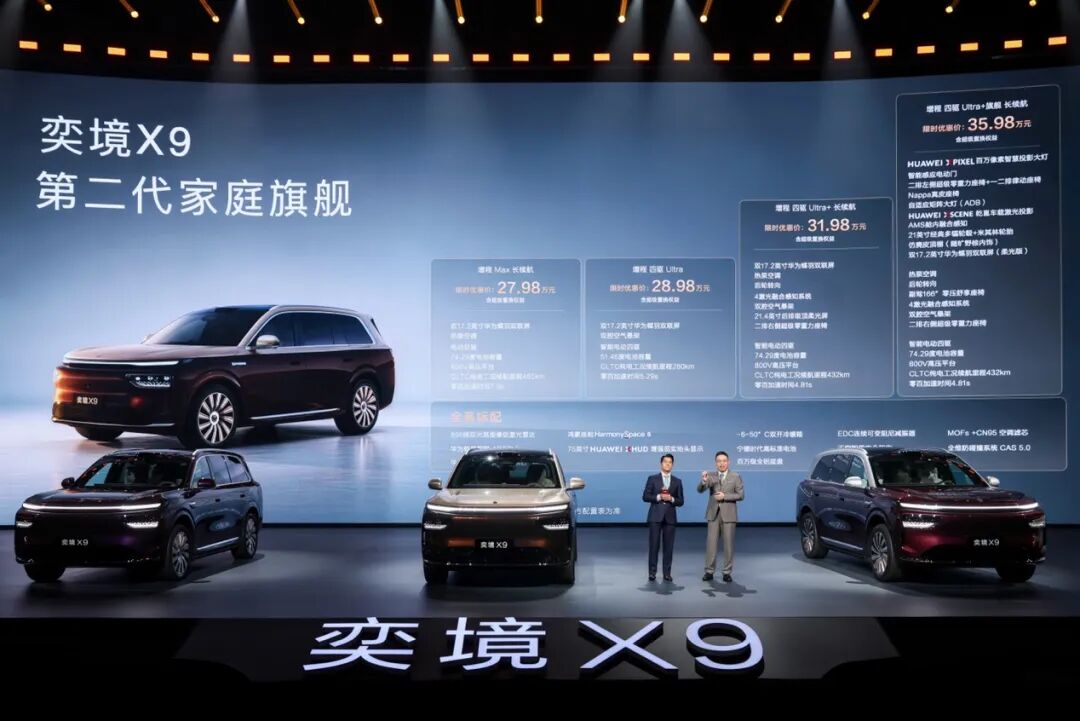
Normal working days resumed from September 28th to 30th. On September 28th, Geely's all-new Lynk & Co 20 was launched in Chengdu. Also launched on the same day were the ZEEKR RX, refreshed ZEEKR R7, Great Wall Motor's Big Dog Hybrid, and the pre-sales of the Xiangjie V8 and Mengshi X700 began.
On September 29th, the refreshed version of the Chery Zongheng G700 was launched in Beijing.
Targeting the National Day Holiday and Fourth-Quarter Sales
The new cars launched on the eve of the Double Festivals generally have the following characteristics: firstly, the widespread adoption of intelligence; secondly, diversified powertrains; thirdly, filling gaps in niche market segments; and fourthly, offering comprehensive launch benefits to attract customers during the National Day Golden Week.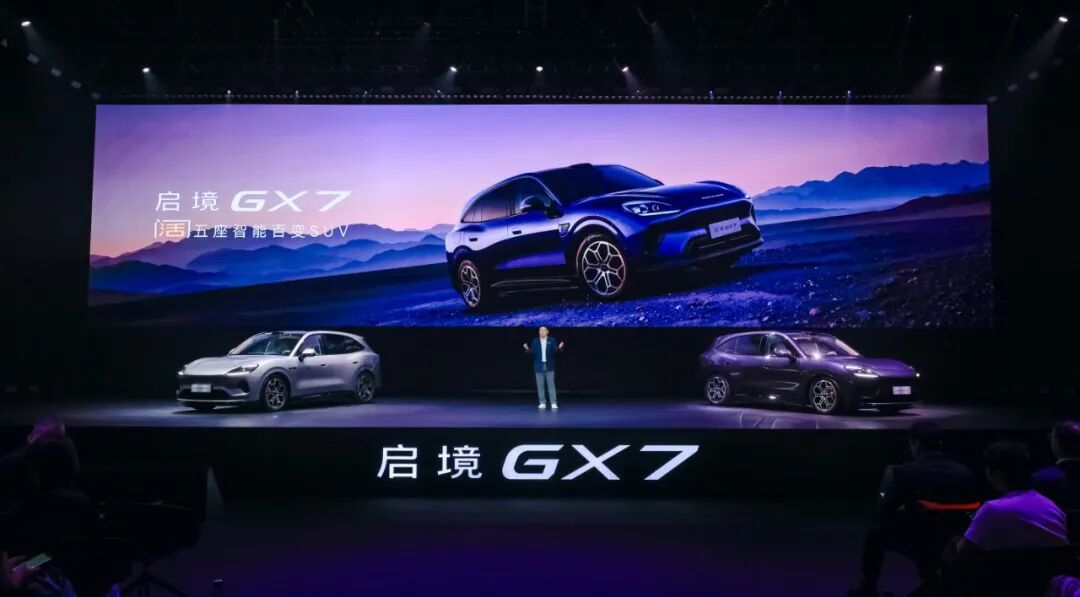
Choosing to launch new cars just before the Double Festivals is a well-timed move. The Mid-Autumn Festival serves as a warm-up period, allowing some potential customers to visit dealerships early. By the National Day Golden Week, showroom and test-drive vehicles are largely in place across the country. The National Day holiday is one of the few times in the year when consumers have ample leisure time to visit dealerships, test-drive, and compare multiple models. The foot traffic during the National Day holiday is several times that of a regular weekend, and new cars can take advantage of this peak traffic to directly convert inquiries into orders.
For the vast majority of automakers, the fourth quarter is a crucial period for concluding annual performance. Many brands have fallen short of their sales targets in the first half of the year and are seeking breakthroughs in the second half. With the third quarter not performing as expected, all eyes are now on the fourth quarter.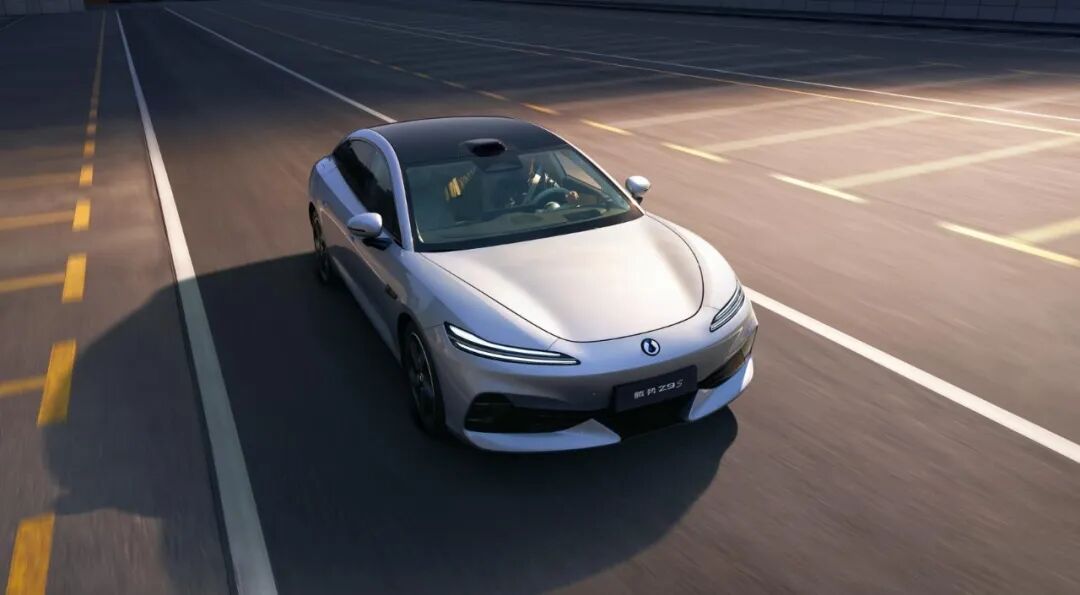
New models have become an effective means to drive fourth-quarter sales. A blockbuster new car can quickly enhance brand visibility and attract consumers who are undecided or comparing other brands to visit dealerships. At the same time, automakers can bundle new car launch benefits, trade-in programs, and local purchase subsidies for packaged marketing, leveraging the combined appeal of new products and preferential policies to seize market share.
Older models rely more on price cuts to boost sales, which continuously compresses profit margins. New models, on the other hand, can stabilize price ranges, improve per-unit profitability, and balance sales volume and profit.
However, it's also important to recognize that the clustered launch of new models is a double-edged sword. With a large number of new cars competing on the same stage, consumers may feel overwhelmed, and internal competition among brands will further intensify.
In summary, the密集 (dense, clustered) launch of new cars before the Double Festivals reflects automakers' precise calculation of timing windows, customer traffic peaks, and annual performance targets. The clustered debut of new cars also means that market competition will become even more fierce in the coming period. (End)
-
![]()
Why Can Foldable Screens Fold? The Secret Lies in These Two Layers
-
![]()
Dissecting NVIDIA's Latest Autonomous Driving World Model: AlpaDreams
-
![]()
Has End-to-End Technology, Having Evolved to Its Present State, Still Left Edge Scenarios as an Insurmountable Challenge for Autonomous Driving?
-
![]()
Exploring Doubao: What Can the Current In-Cabin Large Model Really Do?
-
![]()
Final Decision: Why Are There So Many New Car Launches Prior to the Mid-Autumn and National Day Holidays?
-
![]()
The Era of Performance Involution Is Over! Domestic Flagship Phones Shift Focus from Benchmarks to Imaging and On-Device AI as Key Differentiators
-
![]()
The Crux of the 'AI Security Governance Framework 3.0': Preventing AI Missteps
-
![]()
The AI Price War Reignites! Unveiling the Dynamics Behind Stronger and More Affordable Models