Deal Sealed: Strategic Collaboration Between FAW and GAC Unveiled, Paving the Way for a New Era of Central-Local Synergy in China’s Auto Sector
 09/30 2026
 437
437
The much-anticipated strategic partnership between FAW and GAC has transitioned from discussion to tangible, systematic action. On September 28, GAC Group unveiled a significant asset transaction plan, proposing to issue shares to acquire a 50% stake in FAW Toyota from FAW Group.
The following day, September 29, witnessed the official signing of a strategic cooperation framework agreement between China FAW Group and GAC Industrial Investment, revealing a comprehensive suite of collaborative initiatives. This move signifies the formal establishment of a profound partnership between China’s premier central state-owned automaker and a leading local automaker, ushering in a new era of integrated cooperation and bidding farewell to the fragmented, competitive landscape of yesteryears.
This strategic alliance transcends mere capital ties or short-term project collaborations; it embodies a deep integration across three key dimensions: asset consolidation, business synergy, and industrial layout. It stands as the largest and most high-profile instance of central-local automaker strategic cooperation in China’s automotive history.
Previously, FAW and GAC, as two pillars of China’s automotive industry, were firmly entrenched in the Northeast’s heavy industrial heartland and the South China industrial hub, respectively. They have long been at the forefront of the domestic passenger vehicle market, boasting robust joint venture operations, comprehensive industrial chain systems, and independent R&D capabilities. Yet, they had pursued independent development paths. This bilateral collaboration emerges as an inevitable choice amid the industry’s transformation and upgrade cycle.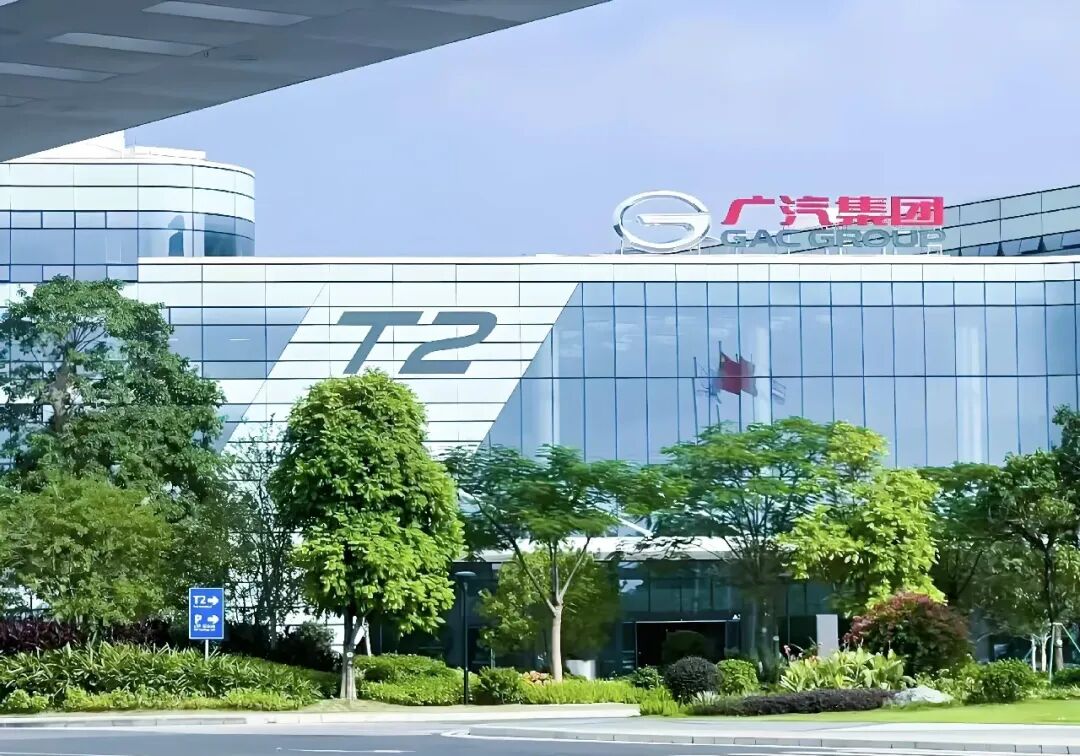
Delving into the specifics, the core focus and clear trajectory of this cooperation become apparent. At the listed company level, GAC Group will finalize the acquisition of a 50% stake in FAW Toyota through share issuance, raising dedicated funds to bridge the asset gap between the North and South Toyota systems. This move directly disrupts the long-standing industry norm of separate operations between FAW Toyota and GAC Toyota, eliminating redundant R&D, production, supply chain, and channel investments by the two Toyota joint ventures. Going forward, the two sides will coordinate and integrate localized R&D resources, vehicle production bases, parts supply chains, and nationwide sales networks for their Toyota joint venture operations. They will uniformly plan model lineups, market strategies, and cost structures, effectively sharing the costs of technological innovation, concentrating resources on core technology breakthroughs, and further solidifying the profitability of their joint venture businesses.
The signing of the framework agreement at the group strategic level indicates that the cooperation extends beyond the Toyota joint venture, initiating a comprehensive and long-term collaborative framework. According to the cooperation plan, FAW and GAC will, based on the national strategy for high-quality automotive industry development, engage in deep collaboration in core areas such as new energy technology R&D, intelligent driving implementation, supply chain security, overseas market expansion, and production capacity optimization and allocation.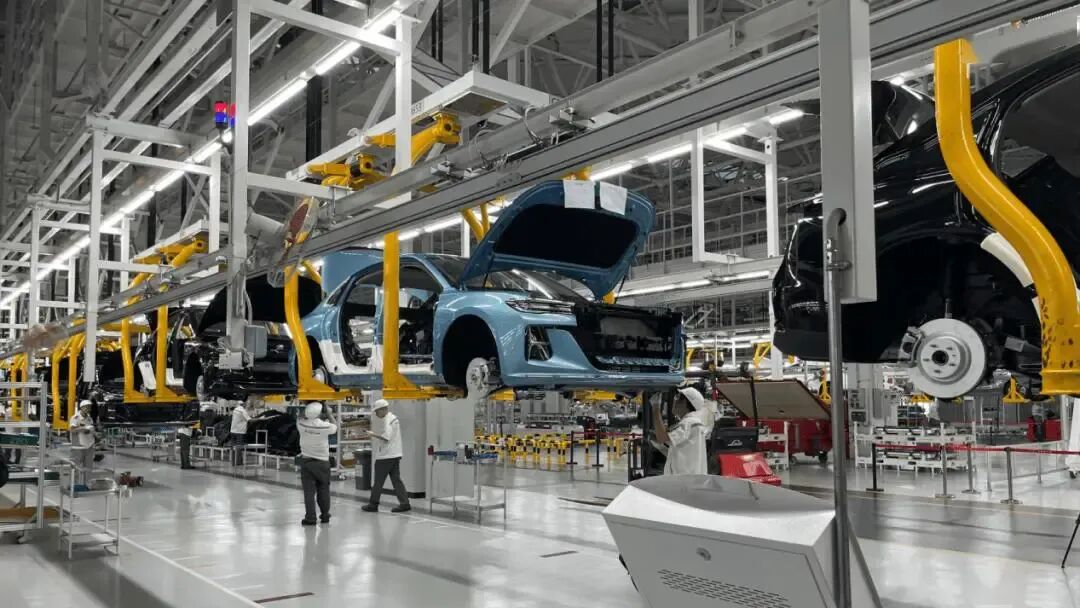
Unlike previous simple OEM partnerships or technology sharing in the industry, this formidable alliance between central and local enterprises achieves complementary advantages between the North and South industries: FAW leverages its deep-rooted heavy industrial manufacturing heritage, high-end vehicle R&D prowess, and strengths in the Northern market and commercial vehicle sector; GAC capitalizes on its mature new energy industrialization experience, well-established market-oriented mechanisms, and advantages as a South China overseas expansion hub, forming a new competitive system with synergistic resources and advantages.
Following the resumption of trading by GAC Group on September 29, its shares soared to the daily limit, fully reflecting the capital market’s high regard for this strategic cooperation. Amid fierce internal competition, accelerated new energy transformation, and escalating overseas rivalry in the automotive industry, these two leading automakers have eschewed horizontal competition and opted for collaboration, reshaping the competitive logic of the domestic automotive sector—shifting from “isolated internal rivalry” to “collaborative breakthroughs.”
For an extended period, China’s automotive industry has grappled with issues such as homogeneous competition among leading automakers, fragmented resources, weak capabilities in tackling high-end technologies, and overcapacity in low-end production. Especially in the midst of new energy and intelligent transformation, automakers are facing soaring R&D investment costs and intensifying market elimination races, making it arduous to cope with global competition and rapid technological iteration through solitary efforts. The implementation of the strategic cooperation between FAW and GAC offers a novel solution for the industry: through central-local resource integration, reducing internal competition, eliminating inefficient and redundant production capacity, and concentrating superior resources to breakthrough key areas such as intelligent cockpits, advanced intelligent driving, and core three-electric technologies. Simultaneously, integrating overseas expansion channels and brand resources will enhance the overall voice of China’s automotive industry in the global market.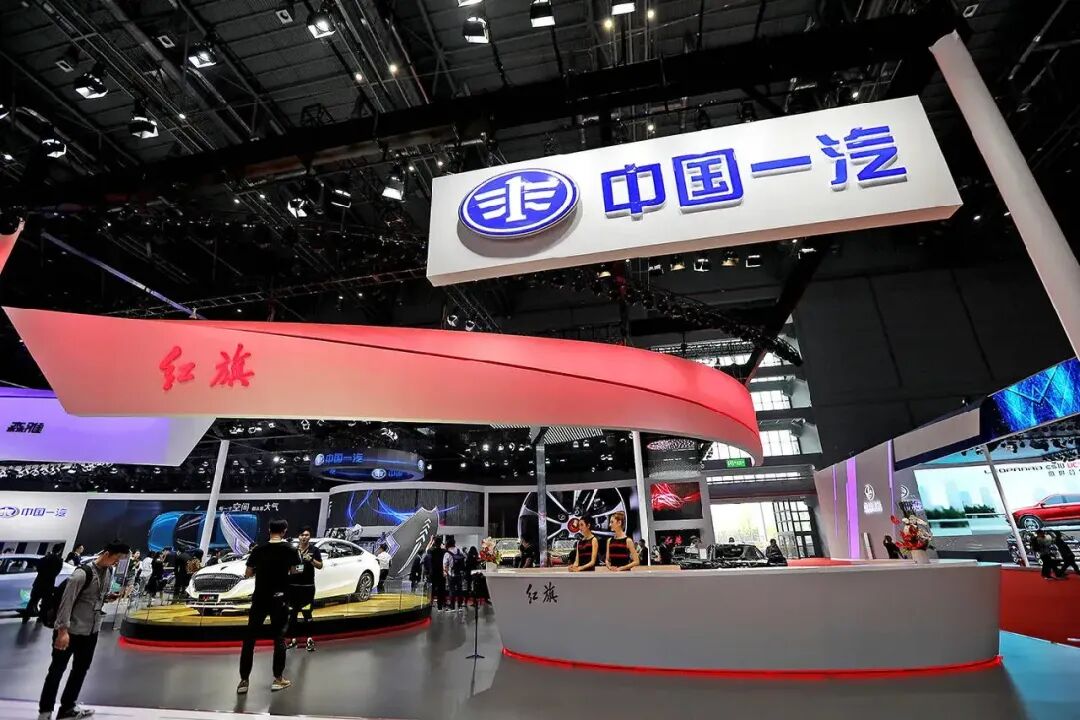
This cooperation has also thoroughly reshaped the tiered landscape of domestic automakers. In the past, competition among independent automakers primarily focused on private automakers, while FAW and GAC, as two leading state-owned enterprises, each held their ground. Now, with bilateral collaboration, a super industrial consortium with comprehensive advantages in scale, technology, channels, and production capacity will emerge, capable of both stabilizing the domestic market foundation and concentrating forces to participate in international competition, resisting overseas brand impacts, and accelerating China’s automotive industry’s transition from “scaling up” to “strengthening.”
From an industry-wide perspective, the emergence of the strategic cooperation between FAW and GAC is not merely a corporate linkage but a landmark event in the integration and upgrading of China’s automotive industry. In the future, with the deep integration of the North and South Toyota systems and the sustained implementation of collaboration in multiple areas, inefficient internal competition in the industry will further abate, and industrial resources will accelerate their concentration toward high-quality leading enterprises. This epoch-making alliance between powerhouses will not only redefine the future development trajectories of the two automakers but also propel the domestic automotive industry into a new era of large-scale collaboration, high-quality development, and global breakthroughs.
(End)
-
![]()
Magic9 Teams Up with ARRI, Honor Takes Center Stage
-
![]()
Naive.AI Secures $400 Million in Funding Within Three Months: Backed by Tencent, Sequoia, IDG, and Matrix Partners, the Tsinghua-Linked LLM Startup Makes Waves
-
![]()
The World Mocks the Starship’s Explosion, Yet Overlooks Its Silent Revolution
-
![]()
Deal Sealed: Strategic Collaboration Between FAW and GAC Unveiled, Paving the Way for a New Era of Central-Local Synergy in China’s Auto Sector
-
Is This the Largest IPO in AI History? Anthropic’s Valuation Could Surpass $2 Trillion
-
DataCanvas Applies for Hong Kong IPO: Revenue Soars Ninefold in Two Years, Third-Party Intelligent Computing Faces Breakthrough Challenges
-
![]()
After Investing 20 Billion Yuan in Battery Swapping, Why Has NIO Entered into a 'Strategic Alliance' with Geely?
-
Hot Topic | ByteDance and JD.com Roll Out World Models, Eyeing a Prime Spot in the Spatial Computing Ecosystem