Porsche Unexpectedly Unveils New Model: Launching September 30, Priced at 700,000 RMB!
 10/08 2026
 355
355
On September 30, Porsche Korea officially introduced the all-new Cayenne Electric, marking the debut of the first fully electric model in the Cayenne series.
Numerous netizens have observed that Porsche's shift towards electrification has notably lowered the entry barrier, finally presenting an affordable option within the luxury SUV market. However, a more detailed examination of the model variants, configuration options, and domestic launch specifics reveals several nuanced considerations.
The Korean market launch includes two versions: the standard Cayenne Electric and the high-performance Turbo Electric. Their starting prices translate to approximately 700,000 RMB and 930,000 RMB, respectively, showcasing a significant price difference of around 230,000 RMB between the two.
Apart from the evident power disparities, the Turbo version uniquely features the PTV Plus torque vectoring system, which serves as the primary differentiator in driving dynamics between the two models, ensuring this heavyweight SUV maintains exceptional agility through corners.
As with all Porsche models, the official starting price for the all-electric Cayenne covers only the base vehicle. To achieve a complete luxury experience and personalized configuration, most upgrades must be selected separately, adhering to Porsche's established product strategy.
01 Base Vehicle as a Starting Point: Upgrades Define True Luxury
For luxury car buyers, the 700,000 RMB base price may appear attractive, but the vehicle's true luxury and premium experience largely stem from paid optional packages. The all-electric Cayenne continues Porsche's classic tiered configuration approach, with standard features meeting only basic requirements.
All variants come equipped with a 14.25-inch OLED curved instrument display, Porsche's highest-specification in-car display hardware to date, offering sharp visuals. However, the 14.9-inch front passenger entertainment screen is not included as standard and must be selected separately.
The exterior paint selection is extensive, with standard base colors available at no additional cost and metallic finishes requiring an upgrade. The new model also offers Porsche's Paint to Sample custom color service, providing 92 exclusive hues—a popular choice for buyers seeking unique styling.
Interior materials are also tiered, with the base version featuring standard leather upholstery. Premium options such as Alcantara suede headliner, full dashboard leather wrapping, custom stitching, and dynamic multi-color ambient lighting all require additional selection.
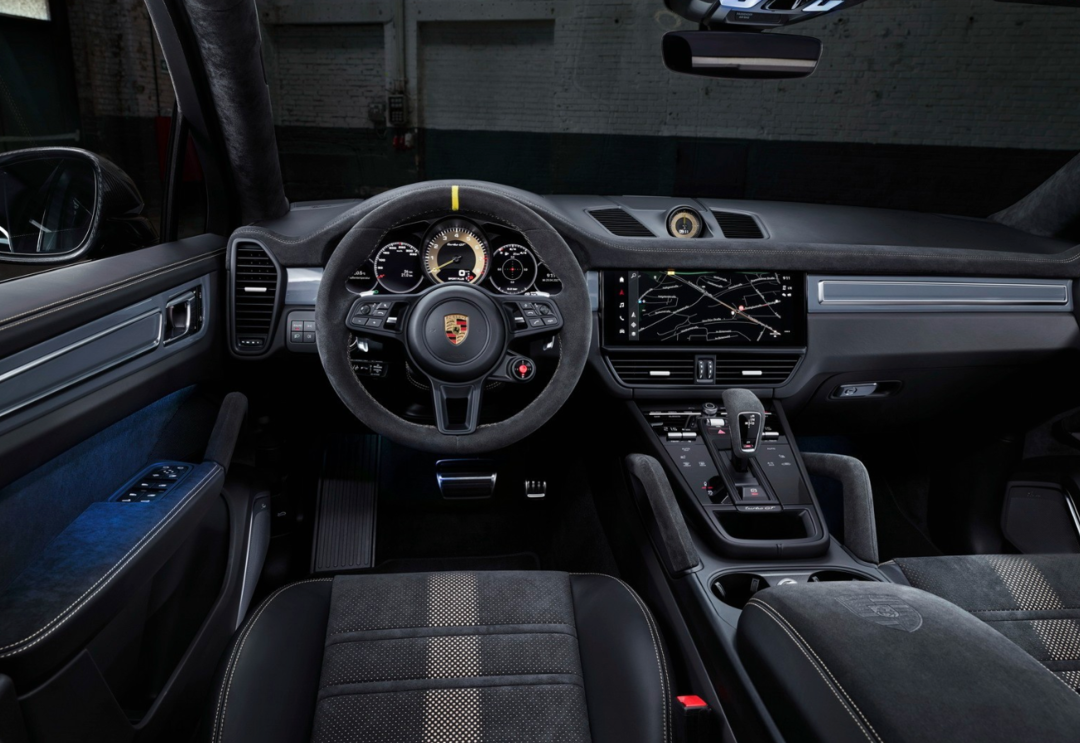
Seating functions are limited to basic electric adjustment, with comfort features like ventilation, massage, rear heating, and extendable leg supports all requiring extra payment. Details such as soft-close doors, in-car fragrance systems, and negative ion air purification are also non-standard.
The audio system is tiered into multiple levels, with the base system meeting daily listening needs. For an immersive sound experience, buyers can upgrade to Bose or premium Burmester systems, significantly enhancing cabin audio quality.
The chassis reflects Porsche's commitment, with air suspension and CDC active damping standard across all variants, enabling adjustable ride height and adaptive stiffness. However, large sport wheels, carbon-fiber wheels, and PCCB ceramic composite brakes remain high-end optional upgrades.
Consequently, the final price of the all-electric Cayenne often surpasses the official starting price by a considerable margin. Each Porsche becomes unique as buyers customize according to their tastes, needs, and budget.
02 Top-Tier Performance: Electrification Retains Supercar DNA
This generation's all-electric Cayenne is built on Porsche's 800V high-voltage platform, featuring an 113kWh battery for maximum hardware capability. The vehicle supports 390kW super-fast charging, reaching 80% capacity in just 16 minutes from 10%, eliminating range anxiety for large electric SUVs.
Porsche has established a comprehensive three-tier power system for the all-electric Cayenne, covering family, performance, and extreme supercar scenarios—the broadest power range in the luxury electric market.
The standard Cayenne Electric delivers 442 horsepower, accelerating from 0-100 km/h in 4.8 seconds, fully meeting daily commuting and family needs. An overseas S variant will follow, offering 666 horsepower and a 3.8-second sprint, rivaling professional performance gasoline models.
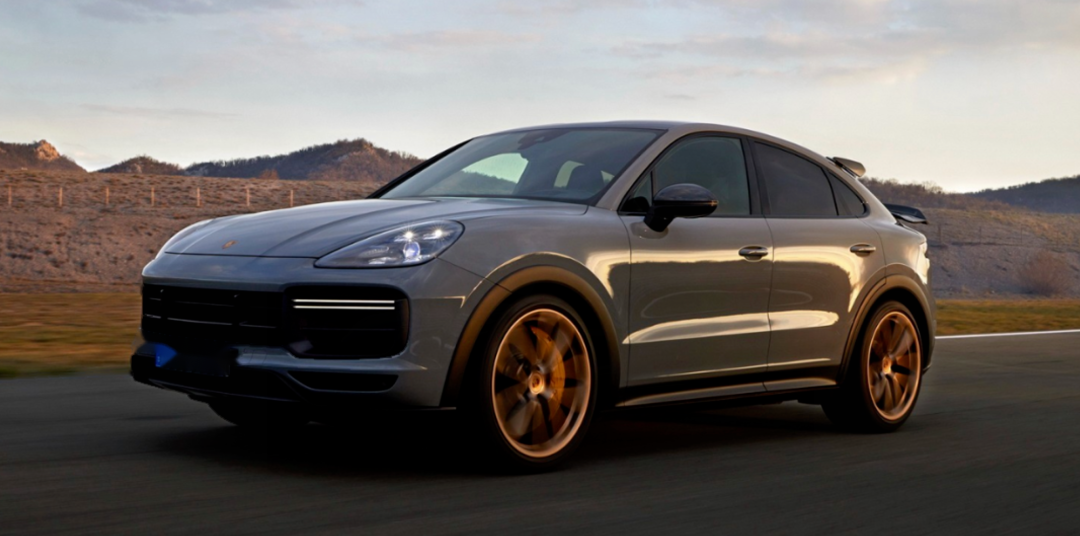
The top-spec Turbo Electric variant impresses with 1,156 horsepower, achieving 0-100 km/h in just 2.5 seconds in launch mode. For a mid-to-large luxury SUV, these figures place it among elite supercars.
While full power is rarely needed in daily driving, this performance ceiling reflects Porsche's brand confidence, ensuring smooth comfort for commuting while retaining instant explosive capability.
Paired with intelligent all-wheel drive, air suspension, and active damping, the vehicle balances urban comfort and off-road capability. The Turbo version's exclusive PTV Plus torque vectoring system further refines cornering posture, ensuring agile handling despite the vehicle's size.
Overseas markets currently offer only the standard variant, with the S and Coupe versions to follow, continuously expanding the lineup.
03 China-Korea Market Differences: Pricing and Strategy Explained
Many buyers wonder whether Korea's 700,000 RMB starting price will apply domestically. However, regional differences in model planning, tax structures, and product strategies prevent direct price comparisons.
Domestically, Porsche has officially launched the all-electric Cayenne, but the available variants differ from Korea. Only high-performance versions are currently offered: the Cayenne Turbo Electric and Turbo Coupé Electric, priced at 1,118,000 RMB and 1,158,000 RMB respectively.
In essence, Korea offers an entry-level standard variant, while China starts with the high-performance Turbo, raising the entry threshold and baseline configuration. This accounts for the significant price difference between the two markets.
Korean pricing includes local taxes but excludes optional upgrades, which would substantially increase the final cost. Domestic pricing aligns with China's premium luxury market expectations, considering tariffs, consumption taxes, and brand positioning.
In the current luxury electric vehicle segment, BBA (BMW, Mercedes-Benz, Audi) and domestic premium electric brands focus on high standard equipment and cost-effectiveness, while Porsche maintains its luxury approach. With core chassis quality, extreme performance, and extensive customization, it solidifies its position among top-tier luxury electric SUVs.
Porsche will continue selling internal combustion, hybrid, and electric Cayenne variants concurrently, catering to diverse high-end preferences through multi-powertrain strategies without self-disruption but ensuring comprehensive market coverage.
The all-new all-electric Cayenne demonstrates that electrification has not diluted Porsche's luxury essence or driving DNA. Whether in performance limits, chassis tuning, or customization options, the vehicle upholds the brand's premium standards.
For consumers, avoiding hype over low pricing and evaluating based on domestic official configurations and needs provides the most realistic purchasing reference.
Disclaimer: This article represents financial commentary only and does not constitute investment advice. All corporate data and regulatory events mentioned are from public sources and for reference only, subject to official confirmation. Images sourced from the internet; copyright holders may contact for removal.
-
![]()
World Model Track: Who's Consolidating, Who's Breaking Through?
-
![]()
AI Self-Generation: The Dawn of a New Era
-
![]()
Musk Changed the Name Again, But This Time It's No Simple Matter
-
![]()
National Day Visits Surge Threefold, Yet Orders Remain Low: The Awkward Night for Travel AI
-
![]()
Porsche Unexpectedly Unveils New Model: Launching September 30, Priced at 700,000 RMB!
-
![]()
Lei Jun Expresses Gratitude to 'Young Enthusiasts' Online, Netizens Comment: 'Future Core Car Buyers Are Already in the Bag'
-
![]()
Only 84,000 Yuan! Honda Unveils New Car: Launching for Sale on October 6
-
![]()
Starting at 1.59 Million? Aston Martin Officially Unveils New Model: On Sale from October 4th