From Expansion to Synergy: Chery Embraces Transformation
 10/09 2026
 349
349
"The adjustment at Chery, involving Li Xueyong and Zhang Guibing, is not merely about personnel promotions or demotions. Rather, it signifies a strategic transition following a systemic evolution. Zhang Guibing is tasked with integrating domestic and overseas operations, while Li Xueyong is dedicated to advancing Jetour's premium branding."
Editor | Li Jiaqi
Image Source | Internet
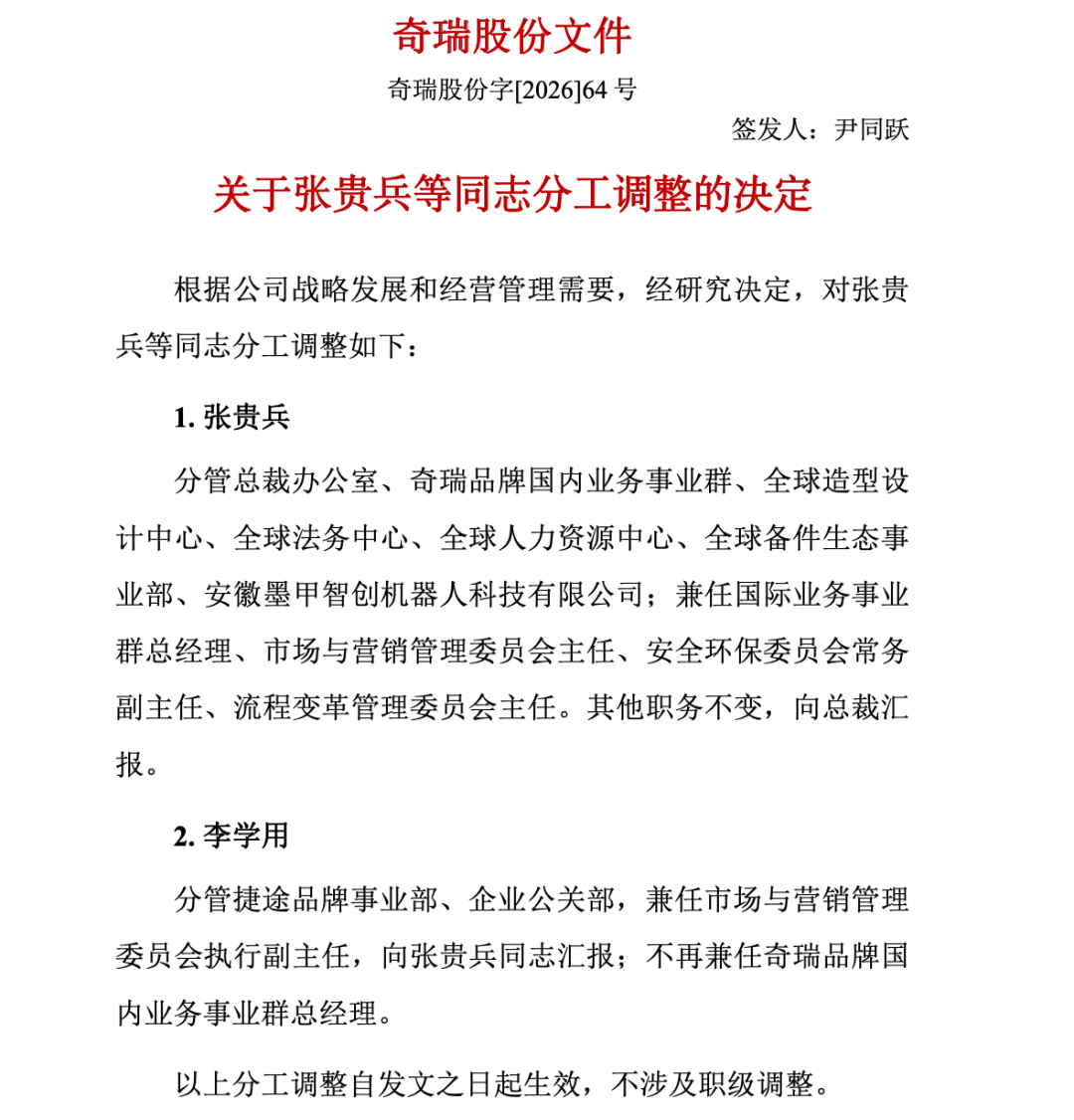
On October 7, the final day of the National Day holiday, Chery announced that Executive Vice President Zhang Guibing would directly oversee the domestic business division, while Executive Vice President Li Xueyong would manage the Jetour brand, focusing on its premiumization. This move marks Chery's second organizational shift since Zhang Guibing's appointment as Executive Vice President on September 23 this year.
In the automotive industry, it is customary to observe the performance of a new organizational structure for about two years before making adjustments. Chery's domestic business division has been operational for only around 15 to 16 months, leading some to perceive this adjustment as a subtle demotion. However, such a viewpoint is outdated. Since the establishment of the domestic business division in July last year, Chery has continuously refined its business focus, including the earlier separation of Exeed as an independent brand. Unlike Great Wall and BYD, which have balanced revenue streams from domestic and international markets, Chery generates over 70% of its income from international markets. This divergence in business priorities necessitates a unique organizational approach for Chery to forge a distinct development path compared to its peers.
If memory serves, since exporting its first batch of sedans to the Middle East in 2001, Chery has adhered to a strategy of "international and domestic markets walking hand in hand." Later, as Chery's "International Department" evolved into an "International Company," this dual domestic-overseas system operated seamlessly for over two decades. This time, Chery's formal integration of the domestic business into the global framework signifies the complete dismantling of the dual "independent and parallel development" model. This adjustment clearly reflects Chery's strategic vision: for an international enterprise, the transition from expansion to synergy is not about individual positions but a holistic process requiring the entire organization to align with the strategy.
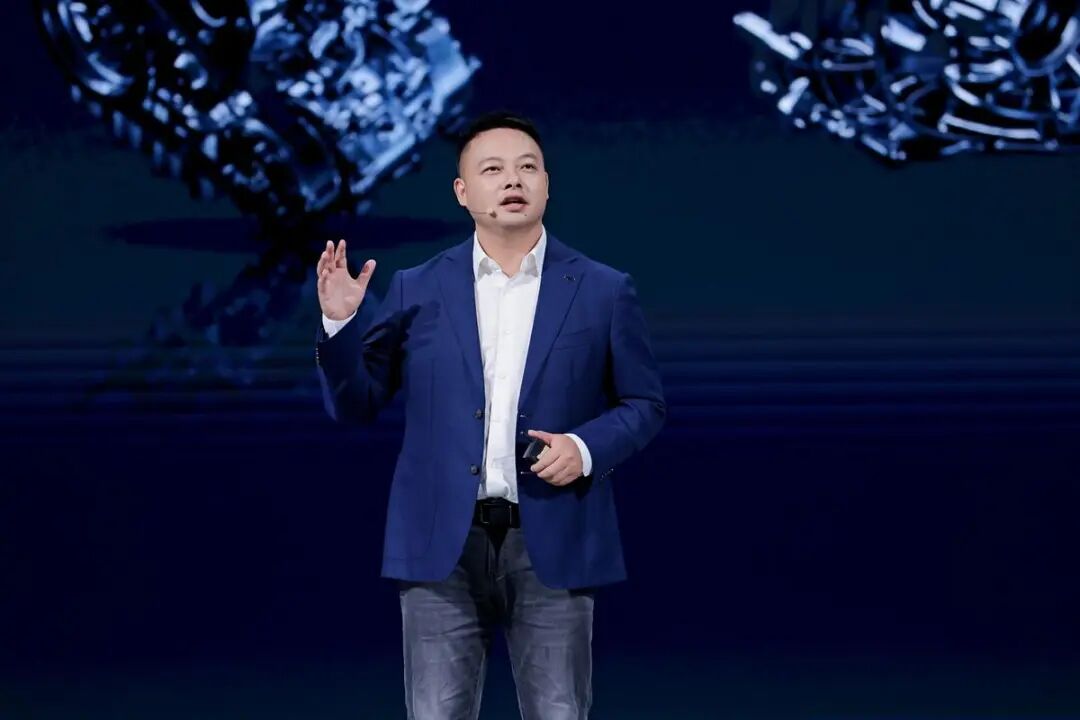
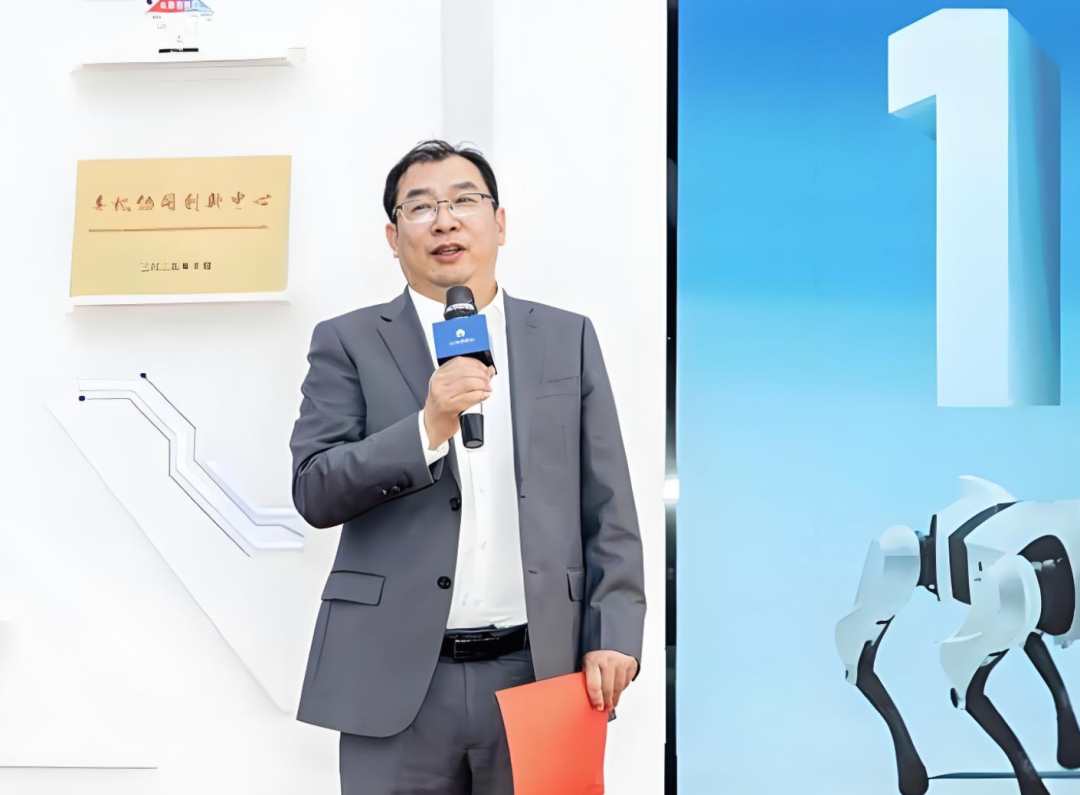
Integration has been the most significant transformation led by Li Xueyong in Chery's domestic system over the past 15 months. In just over a year, Li has overseen three critical tasks: 1. Consolidating Chery's fragmented systems, addressing issues of scattered brand resources and disjointed operations; 2. Restructuring the product lineup of the Fengyun brand, leveraging classic IPs to connect Chery's new energy vehicle (NEV) product line; 3. Finding an optimal balance between scale and distinctiveness in Chery's system development. Particularly in constructing the marketing system for NEV brands, Li implemented a series of bold reforms, including relaunching the new Fengyun brand as an IP, fundamentally transforming the underlying logic of Chery's NEVs. Li successfully reversed Chery's previous approach of treating NEVs as an afterthought to the main brand.
In fact, when Li Xueyong initially took on the role of General Manager of the Domestic Business Division, his mandate was to integrate and innovate the domestic business system rather than expand it. This was the original purpose of establishing the domestic business division—to serve as a testing ground for verifying whether Chery could operate effectively under independent coordination. Now, with overseas operations accounting for over 70%, the domestic organizational logic can no longer function independently as a separate entity. Otherwise, structural inefficiencies similar to those caused by Chery's multi-brand development could recur. Only by achieving unified scheduling at the source can the organization avoid contradictions between internal and external operations.
Given that the shift from expansion to synergy requires a coordinator to step forward, transitioning from "managing a segment" to "overseeing the whole," Zhang Guibing, a core executive of Chery Group and the primary person responsible for Chery's overseas operations, emerged as the natural choice to oversee domestic operations as an extension of his role and jurisdiction.
From overseeing Chery's overseas CKD projects in 2004 to fully managing international business by 2018, expanding Chery's presence to over 130 countries, Zhang Guibing is the only core executive within Chery with a comprehensive overseas operational track record and a deep understanding of synergy system construction. With over two decades of experience in international business, he knows best how to ensure Chery's domestic and overseas products, channels, and supply chains truly share a unified system rather than operating independently. Through his extensive experience in over 130 countries and regions, Zhang also understands how to modularize, replicate, and sustain methodologies for channel development, local operations, and brand building. This likely explains why Chery Group chose Zhang to oversee both domestic and overseas operations.
Faced with intense domestic market competition and escalating price wars, profit margins in vehicle manufacturing have become increasingly thin. For any global automaker, the need to leverage scale to reduce costs is becoming more urgent. As a global enterprise, Chery must urgently find ways to differentiate itself through global technology, quality control, and branding while also focusing on premiumization to address the challenge of sustainable profitability.
The former focuses on breadth, while the latter on depth—these are the two true mainlines behind Chery's organizational adjustment. Of course, premiumization is not about randomly selecting a market segment. In the first half of this year, 447,600 "boxy" SUVs were sold domestically, with urban light off-road vehicles accounting for over 70%. Full-year sales are expected to exceed 1.5 million, indicating that the boxy SUV segment has shifted from a "niche aesthetic" to the mainstream. Given the higher acceptance and premium pricing power of hardcore off-road vehicles in overseas markets, this suggests that the Jetour brand must move beyond focusing on one or two products and instead accelerate its comprehensive development.
As of this year, Jetour has launched over 12 models, covering fuel, hybrid, and pure electric powertrains across three categories: boxy SUVs, family hybrids, and premium off-road vehicles. The core issues preventing it from sustaining its previous black horse momentum include the aging X70 series, the inability of highly anticipated off-road models like the "Traveler" to immediately take over growth momentum, and Jetour's long-standing focus on the affordable market, which has hit a growth ceiling. At this juncture, Jetour needs someone to lead the team in transforming the group's vision into reality. Li Xueyong is undoubtedly the best candidate to propel Jetour to new heights at this critical moment.
At Chery, Jetour is synonymous with Li Xueyong, and vice versa.
This connection is not merely about job titles but about complementary achievements. Reappointing Li Xueyong to lead Jetour, I believe Chery's management considered the following three points: 1. Li Xueyong is the architect of Jetour's growth from "0 to 1," with his experience deeply intertwined with the brand. While many within Chery have "0 to 1" experience, few managers understand Jetour's users and products as deeply as Li; 2. Li excels at identifying winning strategies from a mixed portfolio, and Jetour's current challenge is the lack of someone to streamline its numerous products, identify strong contenders, and concentrate resources to create blockbusters; 3. As Chery's marketing expert most familiar with the boxy SUV segment, Li has excellent experience and insight into the full powertrain matrix of boxy SUVs.
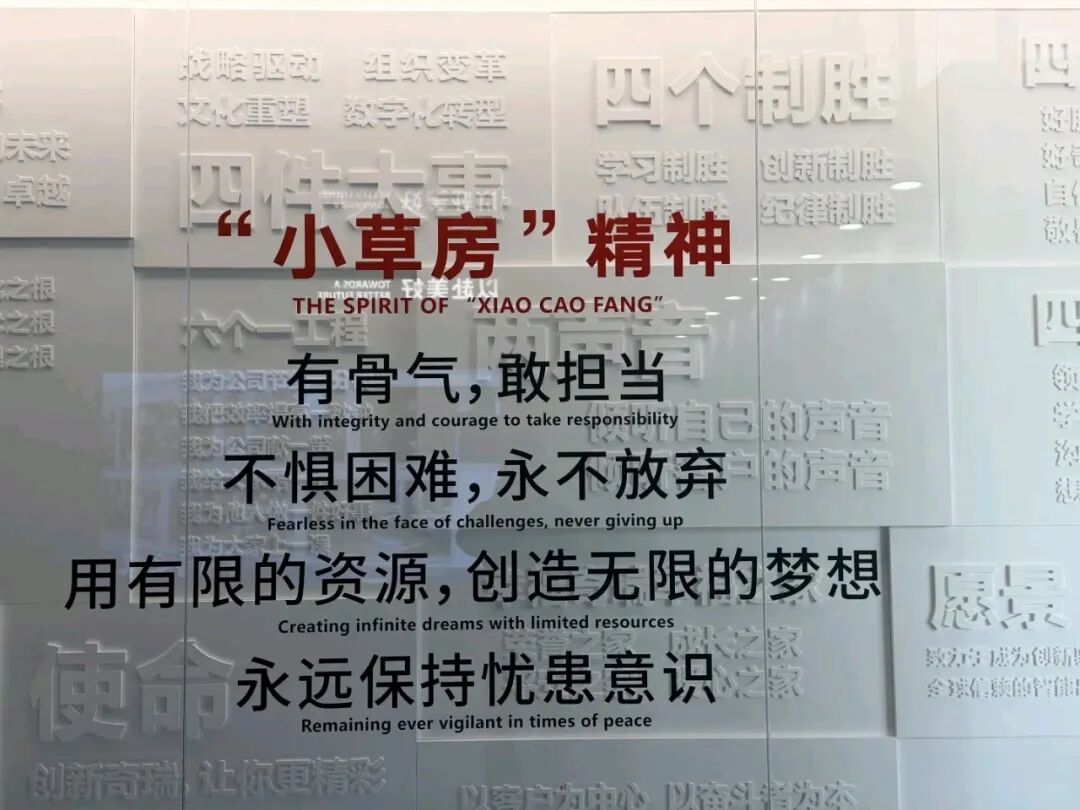
Facing the accelerated rise of the global premium boxy SUV market by 2026, Jetour needs not just a top-level strategist but an efficient tactical executor. Relieving Li Xueyong of multi-brand coordination duties to focus entirely on Jetour's premiumization may represent another "precise bet" by Chery to capture global opportunities in the NEV off-road segment.
From Li Xueyong to Zhang Guibing, it is clear that this adjustment represents another strategic handover in Chery's systemic evolution. Zhang Guibing, as the "global system builder," oversees synergy and integration, while Li Xueyong, as the "brand breakthrough leader," focuses on Jetour's premiumization innovation.
The former addresses how to "unify domestic and overseas operations," while the latter tackles how to "elevate the premium brand."
This year, Chery Group's annual theme is "a comprehensive transition from large-scale overseas expansion to sustainable overseas growth," upgrading from "product exports" to "ecosystem exports." This means the group's 2026 target of 3.2 million vehicles is not merely a numerical goal but requires completing a systemic shift from "dual-line development" to "global synergy" while maintaining scale.
Therefore, Chery's adjustment at this juncture is essentially to ensure the orderly implementation of strategic outcomes for this transformation. Only by shifting our focus beyond the superficial personnel changes can we truly understand how a Chinese brand is reshaping itself amidst era-defining changes.
End
With Knowledge and Style, "Whoosh"~ Let's Go...
-
![]()
Zunjie V800 Rolls Out Free Upgrades Following Three Brake Pedal Malfunctions
-
![]()
FAW Toyota to Maintain Operations; FAW, GAC, and Toyota Forge New Partnership
-
![]()
Automotive Consumption Policy: Transitioning from Short-Term Boosts to Long-Term Ecosystem Development
-
![]()
QianWen N1 Pro and Wigain Flow Enhance Eye Perception, AI Glasses Complete Personal Context Entry
-
![]()
The Integration of North and South Toyota: A New Model for Chinese and Foreign Automakers
-
![]()
Why Does Mass Production Spell Doom? The Price Dilemma of Micro-Optical Engines from a Supply Chain Perspective
-
![]()
A Leap in Dimensionality Reduction: Why Both Meta and EssilorLuxottica Are Venturing into Hearing Aid Glasses
-
Reevaluating the Value of a Hundred-Billion-Dollar Track Through the Lens of Utopai Studios, the World's Largest Independent AI Film and Television Company