Over 20 Chinese Auto Brands Debut at Paris Auto Show, Signaling a New Era of Overseas Market Endurance
 10/15 2026
 505
505
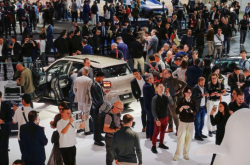
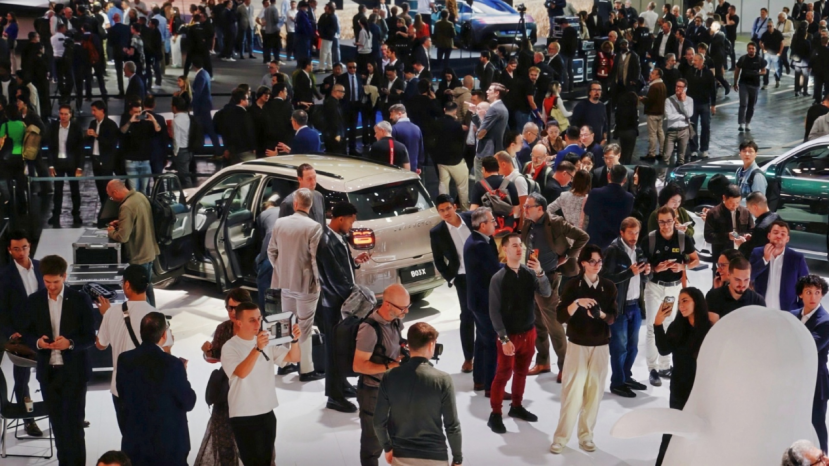
From October 12 to 18 (local time), the 91st Paris International Auto Show unfolded at the Paris Expo Porte de Versailles, marking a significant milestone with the participation of over 20 Chinese automotive brands. This number nearly doubled from the previous edition, setting a new historical record. Chinese brands secured prime booth locations across five exhibition halls, none of which were relegated to the periphery. In Hall 7.1, eight out of the 17 complete vehicle exhibitors were Chinese, while in Hall 5.1, GAC, Lixiang, and Lynk & Co represented three of the four complete vehicle exhibitors. Hall 4 was dominated by Stellantis and the Volkswagen Group, with Leapmotor's booth nestled within the Stellantis exhibition area. In Hall 6, BYD shared the stage with the host, Renault Group. This time around, Chinese automakers not only showcased complete vehicles but also outlined plans to establish local production capacity, technology, and service networks.
Unlike their previous appearances, Chinese automakers are no longer just transient visitors on the eve of tariff implementations. With the EU's anti-subsidy duties on Chinese-made pure electric vehicles in place for nearly two years, Chinese automakers returned to Paris bearing this tax burden. The questions they now face have evolved: the previous edition was about proving their presence, while this edition is about demonstrating their staying power.
From Selling Cars to Manufacturing and Supplying Technology: A Paradigm Shift on the Exhibition Stage
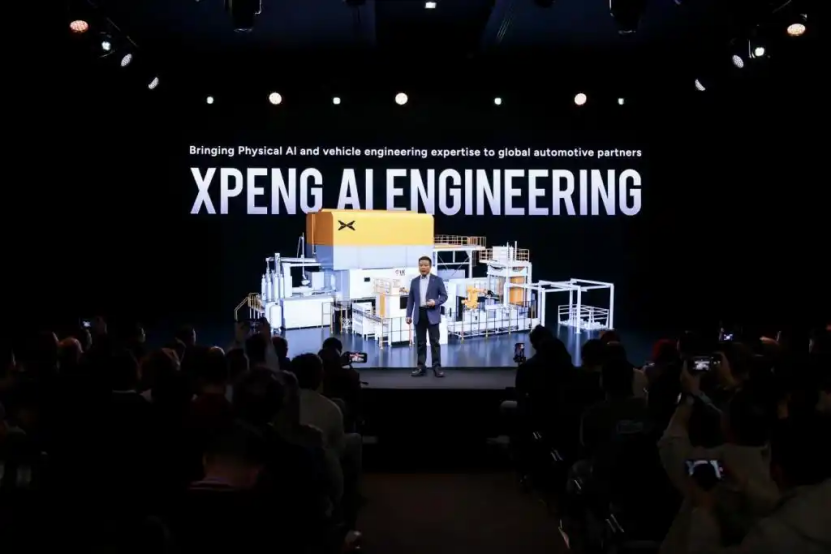
The most notable transformation is the integration of manufacturing into the exhibition narrative. XPENG unveiled the G9L at the auto show and simultaneously opened European orders, with a starting price of €74,990 in the French market. The G9L completed its first round of trial production in October at the Magna plant in Graz, Austria, becoming XPENG's fourth model produced in Europe after the G6, G9, and P7+. Leapmotor showcased the B03 and D19 and announced that production of the B10 had commenced in Zaragoza, Spain. As of September this year, Leapmotor's sales network in Europe had expanded to 1,020 outlets covering 36 countries. Geely invested €221 million in July to acquire a 34% stake in Ford's Valencia plant in Spain, with the joint venture company planning to commence operations in the first half of 2027. In the past, Chinese automakers used the Paris Auto Show to display the vehicles they intended to sell; this time, they demonstrated where they would manufacture them.
The density of debut models also underscores this paradigm shift. BYD introduced the globally premiered Shark plug-in hybrid pickup truck, while Avatr, a subsidiary of Changan, unveiled the global debut of its T09 concept model. The Geely brand's Monjaro EM-i, Chery's Q all-electric compact car, and Lixiang's Li 6 made their European debuts. AITO showcased multiple SUV models and announced its entry into Europe in autumn 2027. XPENG, alongside Tesla, became one of only two companies participating in the official Intelligent Driving Lab's public road experience at the auto show. XPENG's NGP was made available for large-scale public experience in Europe for the first time, with over 400 global media outlets registering before the event commenced.
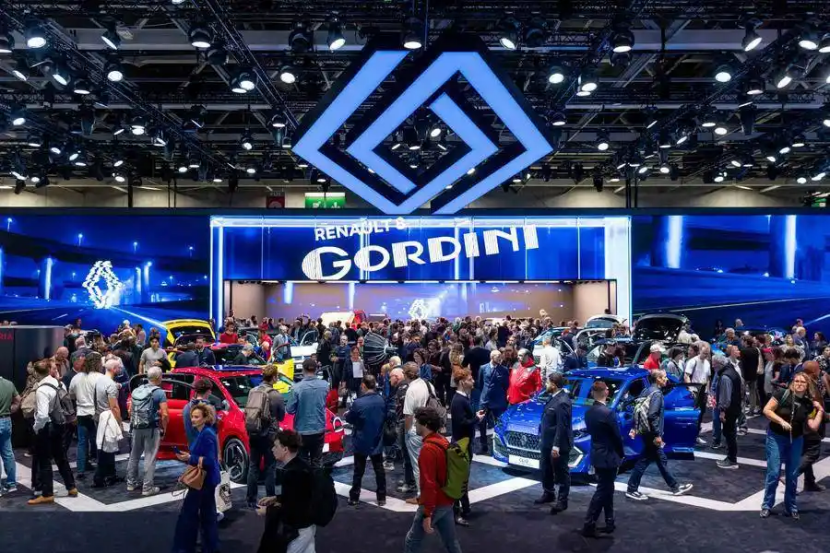
Another significant change is that Chinese automakers have begun exporting technology. During the auto show, XPENG launched XPENG AI ENGINEERING, opening its vehicle platform, modular technologies, and toolchains to global partners while providing a one-stop solution covering R&D, production, and after-sales services. Previously, XPENG's cooperation with the Volkswagen Group had extended from electronic and electrical architecture to joint vehicle development. During the auto show, XPENG signed a strategic framework agreement with Michelin. Such moves are rare in the exhibition history of Chinese automakers, indicating that some companies are beginning to position themselves as technology suppliers rather than merely vehicle sellers.
While several leading Chinese automakers have chosen to manufacture in Europe, they have taken different approaches. BYD is building its own factory in Szeged, Hungary, following a heavy-asset, wholly-owned approach. Geely has taken a stake in Ford's existing production capacity to expedite localization. Leapmotor is leveraging Stellantis's factories and distribution network, while XPENG has entrusted production to Magna. Building its own factory offers control, while contract manufacturing and cooperation save time. As for which path will yield better results, there is currently no definitive answer.
The Host's Response: A Show of Strength
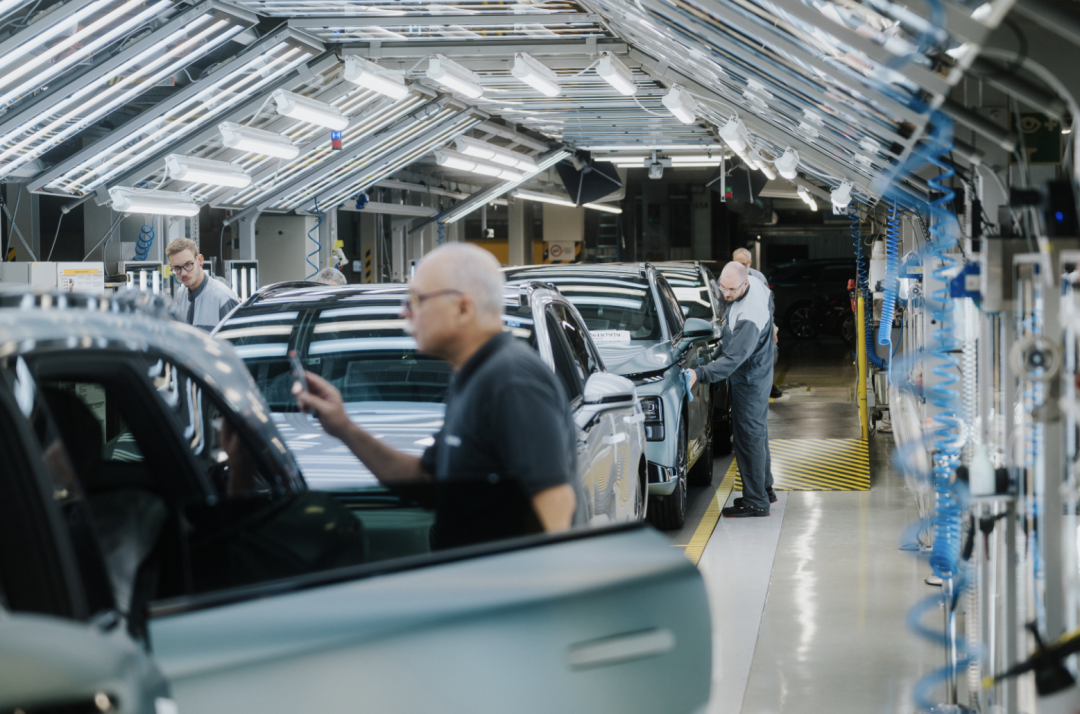
The host's response is also noteworthy. Stellantis participated with eight brands and over 60 vehicles, occupying an exhibition area of 5,340 square meters. Renault's booth covered approximately 5,000 square meters, showcasing around 50 vehicles and concept cars. Citroën's 2CV concept car continued the theme of affordable compact vehicles, with plans for European manufacturing and a target starting price of around €15,000. This time, European automakers did not complain about tariffs on the exhibition stage; instead, they chose to respond with their products. On the other hand, there were notable absences: after confirming participation earlier in the year, BMW announced its withdrawal in July, while ultra-luxury brands such as Porsche and Ferrari did not set up official booths. Chinese and European brands now face each other directly in the same exhibition halls, a layout that was uncommon in the previous edition.
Beyond Scale: Three Unanswered Questions
The first question is whether growth can be sustained. Data from the German Schmidt Automotive Research Institute shows that in the second quarter of 2026, Chinese brands (including BYD, XPENG, etc.) achieved a 10.7% share of new vehicle retail sales in 18 Western European countries, up from 5.7% year-on-year, setting a new historical record. According to official data released by automakers, in the first half of this year, five Chinese companies—Geely, SAIC, BYD, Chery, and Leapmotor—sold over 790,000 vehicles collectively in Europe. In May alone, Chinese brand sales surpassed the combined sales of six Japanese automakers for the first time. By June, Chinese brand plug-in hybrid models accounted for 34% of the European plug-in hybrid market.
However, Schmidt's data also reveals that from May to August this year, Chinese brands' market share increased by only 0.5 percentage points, compared to a 1.4 percentage point increase from January to April. The institute expects growth to slow further in the fourth quarter. While market share has doubled, the growth rate is narrowing—a contradiction that is easily overlooked at this auto show. Ten percent is a psychological threshold. Once crossed, Chinese automakers will no longer face early adopters but mainstream family users who are more sensitive to residual value, after-sales service, and brand trust.
The second question is whether localization can meet compliance thresholds. The joint venture between Geely and Ford will not commence operations until the first half of 2027, with its first model scheduled to roll off the production line in 2028, meaning it cannot yet contribute to production capacity. Meanwhile, the EU's draft Industrial Accelerator Act, proposed in March this year, sets stricter thresholds: to participate in member states' public procurement, electric vehicles must be assembled within the EU; excluding power batteries, at least 70% of the vehicle's component value must originate from the EU; and at least three core components of the power battery must be manufactured locally in the EU.
This means that assembly-based localization may no longer suffice, and the supply chain must follow suit. Another variable comes from China: starting April 1, 2027, the value-added tax export rebate rate for new energy vehicles will be reduced from 13% to 9%, further narrowing the profit margins of export models.
The third question is who ultimately defines the products. At this auto show, models specifically developed for the European market remain scarce. Lynk & Co explicitly stated that the 07 GT on display was the Chinese specification version and that the European version would require adjustments based on local regulations and customer needs. Lixiang independently tuned the chassis of the Li 6 for the European market and developed a separate overseas software platform supporting eight European languages and integrating Spotify and Apple CarPlay. These approaches fall under adaptation. A rare exception is Lynk & Co's ALUMI series, which falls under the European L6e and L7e light-duty vehicle classifications, with a length of less than 2.7 meters, targeting urban short-distance commuting. How far the adaptation path can go depends on whether companies are willing to cede product definition rights to teams closer to users.
The story of exhibition scale has been told; the harder part lies ahead. This time, Chinese automakers have demonstrated their intention to stay, but the progress and extent of realizing these intentions still require time to verify. Meanwhile, on October 14, the China Association of Automobile Manufacturers issued a statement on the consultation consensus between China and Europe regarding hybrid and electric vehicles, stating that the consensus helps stabilize industrial expectations on both sides, maintain the stability and smoothness of the automotive industry chain and supply chain, and create a more predictable environment for automakers to engage in trade and investment cooperation.
Typesetting 丨 Yang Shuo Image sources: XPENG, Leapmotor, Renault Group
-
![]()
How Much Gap Can HelloRobotaxi's World Model Bridge?
-
![]()
Total Investment Reaching Around 557 Million Yuan! Construction Commences for the Su Da Weige SVG Micro-Nano Optical Manufacturing Excellence and Innovation Center
-
![]()
Why Did a Low-Profile Optical Acquisition Ripple Through the Semiconductor and Defense Sectors?
-
![]()
Agent Safety: A New Benchmark for Financial AI
-
![]()
Tencent AI Leader Yao Shunyu Seated Beside Pony Ma
-
![]()
Intent Economy Fails to Displace China’s Attention Economy
-
![]()
Two PhDs Teach AI, Earn 670 Million Yuan Annually, Valued at 20.7 Billion Yuan
-
![]()
Over 20 Chinese Auto Brands Debut at Paris Auto Show, Signaling a New Era of Overseas Market Endurance